How many to visit: Plan on
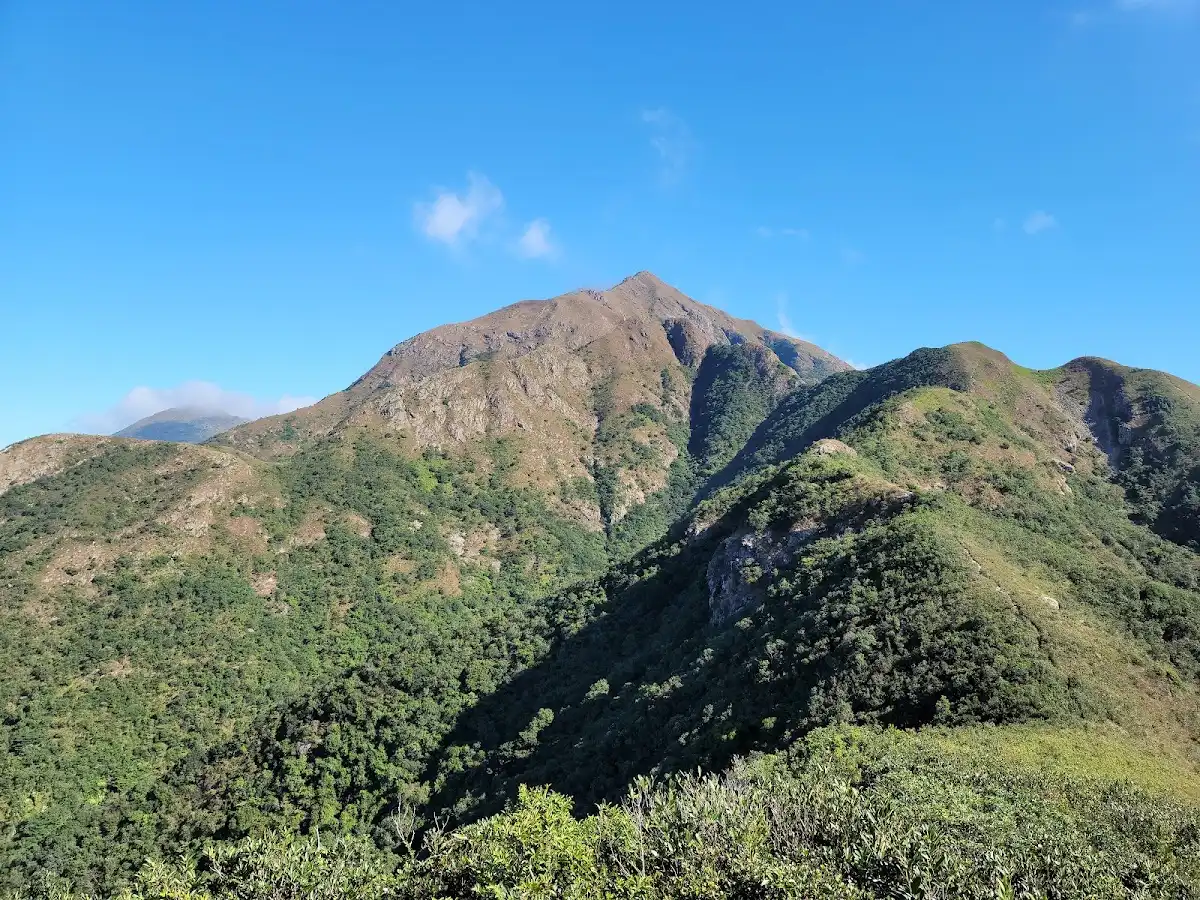
three or four protected areas in one trip. That is enough to cover the main landscape types without turning the trip into a checklist, and each needs a morning or a full day. Beyond four, you spend more time on transit than on trails, and the views start to repeat since many of the hills share similar granite ridges and coastal outlines.
Choosing between kinds: First-timers and short stays should prioritize
country parks close to the city, because they are free, signed and reachable on public transport within an hour. Serious hikers should add one of the
long-distance trails, which run 50 to 100 km and can be split into stages with bus access at the ends. Anyone who wants water, rock formations and quiet should add a
marine park or geopark boat trip, which takes more …
read more 👉 How many to visit: Plan on three or four protected areas in one trip. That is enough to cover the main landscape types without turning the trip into a checklist, and each needs a morning or a full day. Beyond four, you spend more time on transit than on trails, and the views start to repeat since many of the hills share similar granite ridges and coastal outlines.
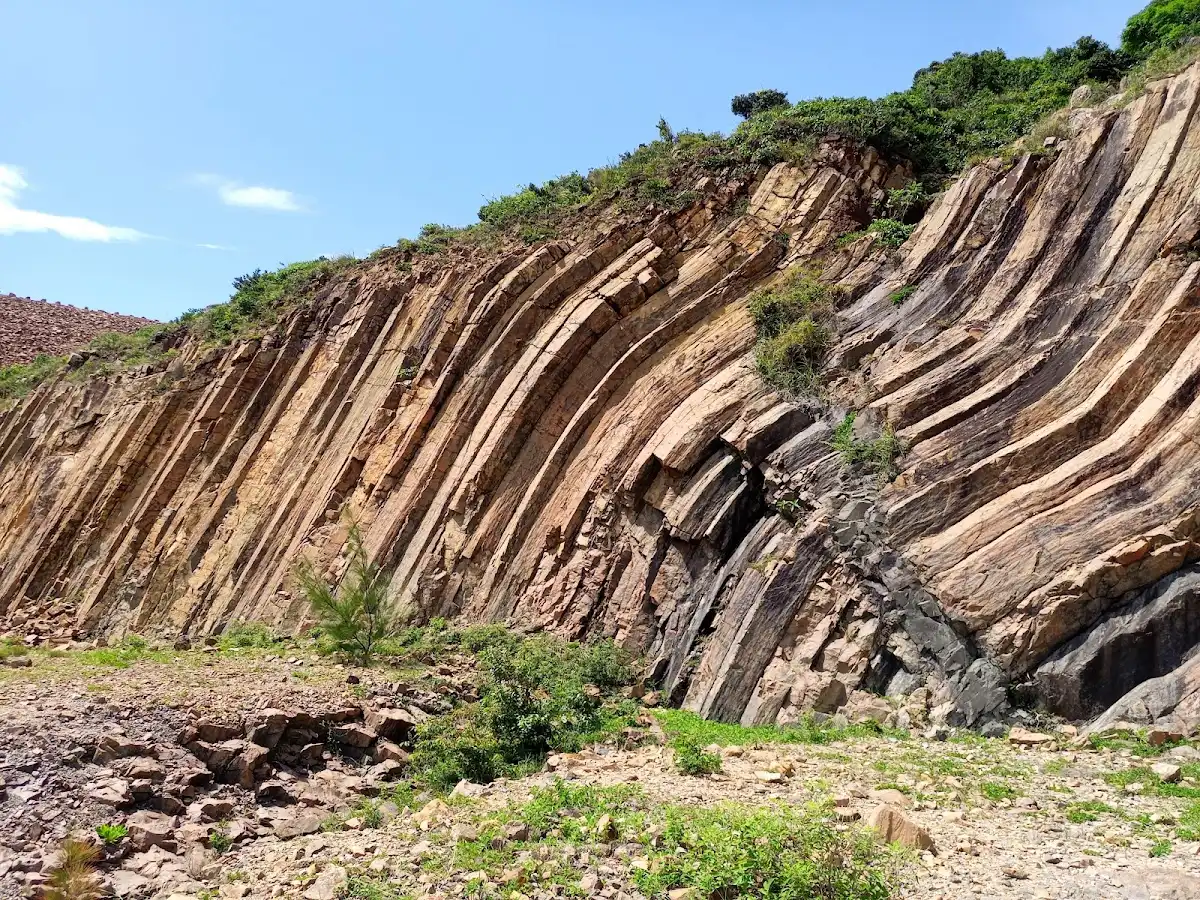
Choosing between kinds: First-timers and short stays should prioritize country parks close to the city, because they are free, signed and reachable on public transport within an hour. Serious hikers should add one of the long-distance trails, which run 50 to 100 km and can be split into stages with bus access at the ends. Anyone who wants water, rock formations and quiet should add a marine park or geopark boat trip, which takes more planning but gives you coastline unavailable on foot. Campers can pitch at designated sites only, so choose those over wild camping.
What it costs: Entry to country parks is free, and designated campsites are free as well. A hiking day with a dorm bed, cheap local meals and public transport runs about HK$500 to 800 (US$65 to 100). Without accommodation, a camping day can be as low as HK$150 to 250 (US$20 to 32). Ordinary buses and MTR rides cost HK$5 to 30 (US$0.65 to 4), and outlying island ferries run HK$17 to 40 (US$2 to 5) in ordinary class. A guided geopark boat trip typically costs HK$300 to 600 (US$38 to 77) per person, and a private boat can be much more. Meals at a local cha chaan teng are HK$50 to 100 (US$6 to 13), so you can eat well after a hike without spending much.
Safety on the trails: Heat is the main danger. Carry at least 2 to 3 liters of water in summer, wear a hat and start before 8 am. Heat stroke cases rise sharply from June to September. Check the Observatory weather app before leaving: signal 8 typhoon and black rainstorm warnings mean you stay indoors. Landslides and flash floods follow heavy rain on steep slopes, and dry winter days bring wildfire risk, so fire bans apply outside marked barbecue areas. Download an offline map, because mobile signal drops in valleys. Wild boar, snakes and monkeys are present, so keep your distance, do not feed monkeys (it is illegal and fined), and tuck food away. Emergency number is 999, and trail distance posts help you give your location.
Local etiquette: Walk through village paths quietly and stay out of private land. Graves and shrines sit on hillsides, so do not climb on them or photograph rituals. Take all rubbish with you, since bins can be few and far between. Picking plants or disturbing wildlife is an offense. One practical note: on weekends, locals hike in large groups and trails move fast, so step aside for faster walkers and leave early to keep your own pace.







 Best Backpacking
 Hi, I’m Johan (Netherlands 🇳🇱), the creator of TakeYourBackpack. Over the past 3 decades, I’ve backpacked through 90+ countries across six continents, gaining extensive experience with independent travel, long-term trips, and overland routes.