×

Indonesia🇮🇩 | hikesIjen Cratersulfur mine, turquoise lake, blue flames | things to do and best time to go

Explore Lake Toba FestivalExplore Kelimutu

Backpacking in Ijen Crater
🏆 Top pickhike ranked #3
By Johan Kruseman 🇳🇱 | Updated May 30, 2026

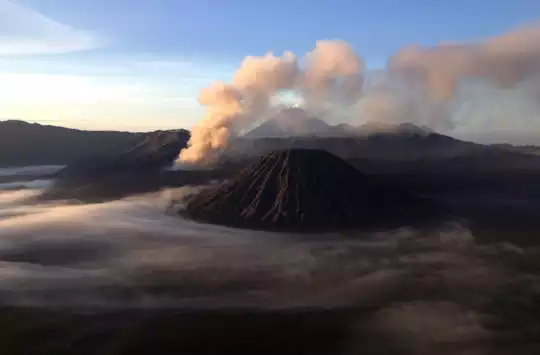
Your headlamp beam cuts through sulfur haze, boots scraping volcanic dust, and suddenly the crater drops away and the blue fire flickers like a gas stove from another planet. Your throat stings, your eyes water, and somewhere behind you a porter laughs like this is just another Tuesday. This is Ijen Crater, in East Java, Indonesia, a night hike that feels more like a work shift in the underworld than a casual stroll. The trail itself is short on paper—about 3 km up—but it climbs hard, on loose gravel, with cold air and crowds if you hit peak season. Public transport gets you close-ish (Banyuwangi or Bondowoso), but you’ll probably stitch together bemos, ojeks, and a guesthouse shuttle. Compared to Bromo’s drive-up drama or Semeru’s multi-day grind, Ijen is the raw, lung-burning middle child: harsher, more industrial, but paid off by that eerie crater lake and the first hot coffee back at the warung.

Discover everything you want to know in the 📖 Indonesia Travel Guide.
Best time to go: May - October
Duration: 6 to 8 hours
Distance: 13 kilometers
Total ascent: 1,200 meters
Loading the map 🌍
CLICK TO FILTER
cities
towns
landmarks
national parks
hikes
beaches
attractions
festivals
regions
SHOW COUNTRY’S BESTSHOW ALL

✨ Why go?
Ranked #3 hike in Indonesia
What sets this place apart

The hike to Ijen Crater is a magnet for backpackers, and for good reason. First off, the scenery-to-effort ratio is off the charts. You’re not just trudging up a hill; you’re ascending to a surreal landscape where blue flames dance in the dark, and the sulfur lakes shimmer like molten glass.

Getting there is a breeze. Public transport options are plentiful and affordable, making it easy to hop on a bus or shared van from nearby towns. Once you arrive, the trail offers flexible distances. Whether you’re up for a quick jaunt or a more intense trek, you can tailor your experience to fit your energy level.

And let’s talk about cost—this hike won’t break the bank. For a few bucks, you gain access to one of nature’s most jaw-dropping spectacles. Plus, it fits seamlessly into a longer backpacking … read more 👉
The hike to Ijen Crater is a magnet for backpackers, and for good reason. First off, the scenery-to-effort ratio is off the charts. You’re not just trudging up a hill; you’re ascending to a surreal landscape where blue flames dance in the dark, and the sulfur lakes shimmer like molten glass.

Getting there is a breeze. Public transport options are plentiful and affordable, making it easy to hop on a bus or shared van from nearby towns. Once you arrive, the trail offers flexible distances. Whether you’re up for a quick jaunt or a more intense trek, you can tailor your experience to fit your energy level.

And let’s talk about cost—this hike won’t break the bank. For a few bucks, you gain access to one of nature’s most jaw-dropping spectacles. Plus, it fits seamlessly into a longer backpacking route through Java, allowing you to explore other stunning locales without missing a beat.

The burn in your legs is worth every step when you finally reach the summit and soak in that otherworldly view. The moment you crack open a cold beer afterward, you’ll know you’ve earned it.
Want to include Ijen Crater in your Indonesia route?
Create a personalized Indonesia itinerary that includes Ijen Crater and the places that fit your trip — based on your travel style, budget, and available time. Get your route in seconds.

Generate my trip

💡 HighlightsDon't-miss highlights and experiences

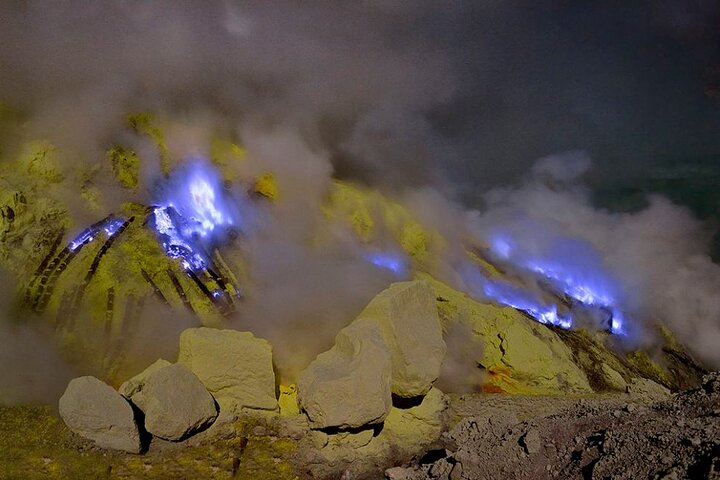
  1. Blue Fire (Api Biru) — The surreal blue flames caused by burning sulfur gas are the reason people make the pre-dawn slog. It’s one of the few places on Earth where you can see this naturally occurring blue blaze; otherworldly, eerie and my personal favorite. You’ll need to get there before sunrise and be ready for cold, stinky air — totally worth it for the photos and the atmosphere.
  2. Turquoise Acidic Crater Lake — The crater’s bright turquoise lake is strikingly vivid against the yellow sulfur and black rock. It’s one of the largest acidic crater lakes, and the color/steam rising from it feels almost surreal compared with most volcano hikes.
  3. Sulfur Miners & Yellow Mineral Formations — Watching miners chisel out chunks of sulfur and carry them in bamboo baskets is a raw, human side of the
read more 👉
  1. Blue Fire (Api Biru) — The surreal blue flames caused by burning sulfur gas are the reason people make the pre-dawn slog. It’s one of the few places on Earth where you can see this naturally occurring blue blaze; otherworldly, eerie and my personal favorite. You’ll need to get there before sunrise and be ready for cold, stinky air — totally worth it for the photos and the atmosphere.
  2. Turquoise Acidic Crater Lake — The crater’s bright turquoise lake is strikingly vivid against the yellow sulfur and black rock. It’s one of the largest acidic crater lakes, and the color/steam rising from it feels almost surreal compared with most volcano hikes.
  3. Sulfur Miners & Yellow Mineral Formations — Watching miners chisel out chunks of sulfur and carry them in bamboo baskets is a raw, human side of the trail you won’t see on many treks. The intense yellow deposits and the labour-intensive process give the place social and cultural weight — respect and distance recommended.
  4. Rim Sunrise Panorama — The rim walk at dawn delivers a proper payoff: layered volcano silhouettes, a sea of clouds on clear days, and dramatic light over the crater. The steep, short climb makes the sunrise feel earned; it’s a classic volcano moment that’s better because of the intense contrast inside the crater.
  5. Trail Variety: Montane Forests, Plantations & Wildlife — The approach isn’t just barren volcanic rock: you pass montane forest, local farms and coffee/tea terraces, with the odd macaque and village life visible below. That contrast — lush slopes giving way to an acidic, lunar interior — is what makes the whole hike memorable compared to more uniform trails.
Spotted a mistake or missing something? Contact us.

Things to do around Ijen Crater

Ratings based on Tripadvisor reviews. When you book through this link, you support our work at no extra cost to you.

🌤️ When to go?Best time to hike the Ijen Crater


  • Weather: The dry season from May to October is your best bet. Trails stay firm, and the sulfur smoke from the crater doesn’t get washed away by rain, keeping the eerie blue flames visible at night. Avoid the wet season (November to April) when slippery paths and heavy downpours turn the hike into a slog.

  • Temperature: Nights at the crater can dip to 10°C (50°F) or lower, especially from June to August. Days hover around 20-25°C (68-77°F). Dress in layers—cold at the summit, warmer on the descent.

  • Daylight Hours: Sunrise is around 5:30 AM year-round, giving you a solid window to start early and catch the blue flames before dawn fades. The hike takes about 2 hours up, so plan accordingly.

  • Crowds: Peak dry season draws more trekkers, especially July and August. Arrive early to dodge the
read more 👉

  • Weather: The dry season from May to October is your best bet. Trails stay firm, and the sulfur smoke from the crater doesn’t get washed away by rain, keeping the eerie blue flames visible at night. Avoid the wet season (November to April) when slippery paths and heavy downpours turn the hike into a slog.

  • Temperature: Nights at the crater can dip to 10°C (50°F) or lower, especially from June to August. Days hover around 20-25°C (68-77°F). Dress in layers—cold at the summit, warmer on the descent.

  • Daylight Hours: Sunrise is around 5:30 AM year-round, giving you a solid window to start early and catch the blue flames before dawn fades. The hike takes about 2 hours up, so plan accordingly.

  • Crowds: Peak dry season draws more trekkers, especially July and August. Arrive early to dodge the groups and claim your spot at the rim for that prime view.

  • Seasonal Activities: The sulfur miners work year-round, but activity peaks in dry months, adding raw human grit to the scene. Witnessing their grind adds a layer of respect to the trek.

  • Price Fluctuations: Dry season means higher demand—expect guides and transport to cost more. Off-season rates drop but come with the risk of rain and trail closures.


Pro-tip: Start your hike just before midnight during the dry season to catch the blue flames at their brightest and beat the crowds, turning the grueling climb into a surreal, almost otherworldly experience.


source: climatestotravel.comJANJanuary: fair for travelingFEBFebruary: fair for travelingMARMarch: fair for travelingAPRApril: fair for travelingMAYMay: highly recommended for travelingJUNJune: excellent for travelingJULJuly: excellent for travelingAUGAugust: excellent for travelingSEPSeptember: highly recommended for travelingOCTOctober: highly recommended for travelingNOVNovember: below average for travelingDECDecember: below average for traveling
indonesia-hike-ijen-crater
© Google |

✈️ The backpacker research shortcutIndonesia Travel Guide

An offline-friendly backpacking guide with optimized travel routes, ranked highlights, transport advice, and the best areas to stay.
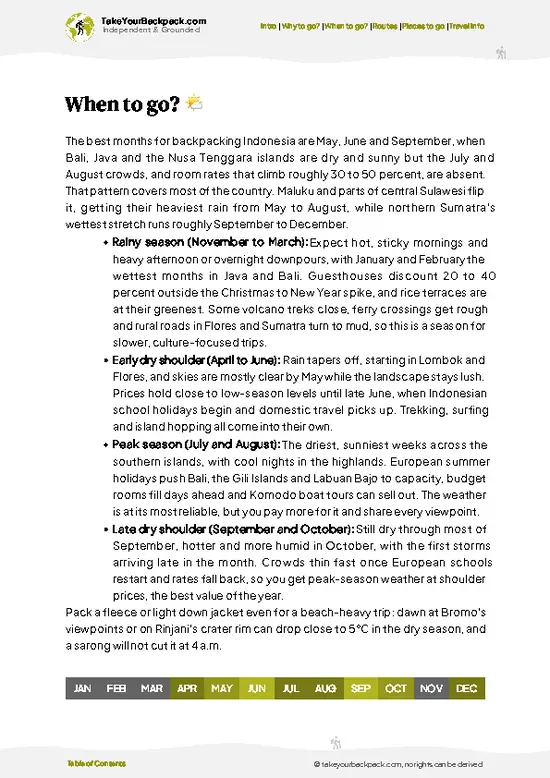
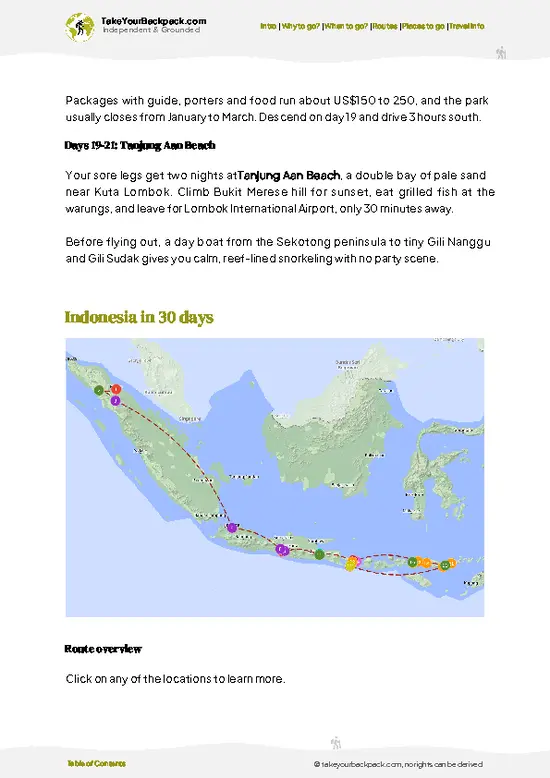
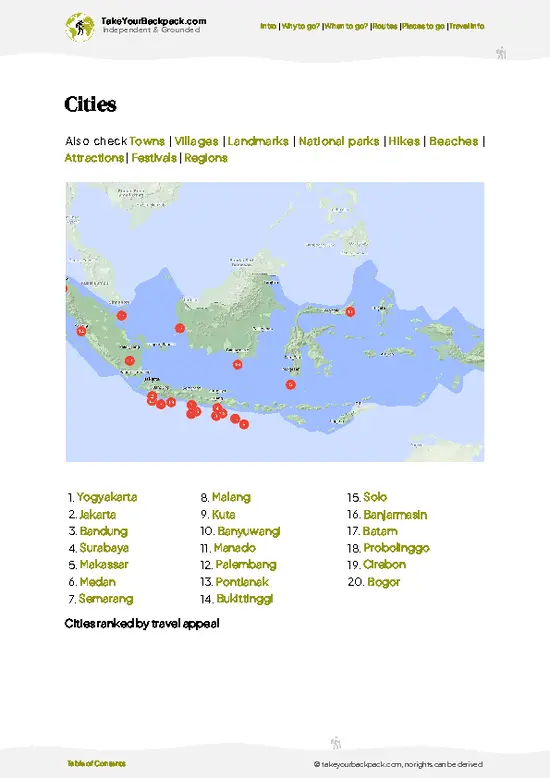
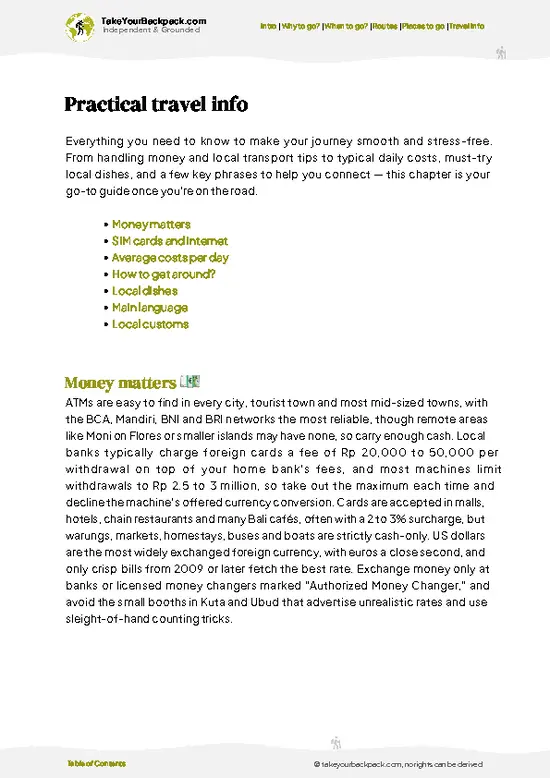
example page 0 from our offline Travel Guide for Indonesiaexample page 1 from our offline Travel Guide for Indonesiaexample page 2 from our offline Travel Guide for Indonesiaexample page 3 from our offline Travel Guide for Indonesiaexample page 4 from our offline Travel Guide for Indonesiaexample page 5 from our offline Travel Guide for Indonesiaexample page 6 from our offline Travel Guide for Indonesiaexample page 7 from our offline Travel Guide for Indonesia
The digital guide (550 pages) contains:
155 highlights, ranked by travel appeal
Optimized 14, 21 & 30-day travel routes
Cities, national parks, landmarks, beaches
How to get around
Offline-friendly for travel without Wi-Fi
👉 Click to see all 30+ guide features

📅 Plan smarter in minutes, not weeks
Month by month travel advice
Festivals & national holidays
Budget expectations

🗺️ Go to the right places, skip the overrated ones
Honest pros & cons of destinations
Top hikes, parks & viewpoints
Lesser-known places most travelers miss
Clear “worth it vs skip it” guidance

🛏️ Travel smoothly without rookie mistakes
Best areas to stay
Transport systems explained simply
Common scams & safety advice
SIM cards, money & practical tips

🌍 Understand the country, not just visit it
Culture & traditions
52 Essential phrases & customs
Festivals worth planning around
Traveler-friendly historical context
Insights that make places more meaningful

📱 Built for real travel conditions
Fully downloadable PDF
Works completely offline
Optimized for phone use
Useful in remote areas & buses
Everything in one place
Save weeks of stressful planning
Get instant access to your full guide. 30‑day money-back guarantee.


Sent to your inbox immediately after payment • 100% Secure Checkout
Best Backpacking Travel Advisor 2025 tourism awardBest Backpacking
Travel Advisor
2025
What others say about Take Your Backpack Guides:
⭐⭐⭐⭐⭐
Fantastic, amazing amount of information!
⭐⭐⭐⭐⭐
My goodness this is amazing, it's what I've been looking for hats off too you!
⭐⭐⭐⭐⭐
I think this is absolutely BRILLIANT
⭐⭐⭐⭐
Very complete and informative. It's still missing places, but I gotta to commend you
⭐⭐⭐⭐⭐
This is truly amazing, thank you, can't wait to explore it with my kids!
⭐⭐⭐⭐⭐
Awesome resource, thank you!
⭐⭐⭐⭐⭐
This is amazing! Can't wait to explore the ones I haven't seen
⭐⭐⭐⭐
I love this! Well done, great idea.
⭐⭐⭐⭐⭐
Thanks for taking the time to make this gem!
⭐⭐⭐⭐⭐
This might be the best website I've ever seen.
⭐⭐⭐⭐⭐
Congratulations, and thank you so much for your work; it's incredibly valuable.
⭐⭐⭐⭐
In all seriousness I think you did a great job pointing out the important spots
⭐⭐⭐⭐⭐
10/10 very good
⭐⭐⭐⭐⭐
As someone who's only just starting to visit regularly this is awesome, thank you.
⭐⭐⭐⭐
Thank you very much! I'm going to visit my dad, it's going to be very useful!
⭐⭐⭐⭐⭐
This is really cool! We'll be travelling for the first time and this definitely come in handy.
⭐⭐⭐⭐⭐
You are now our minister of culture, congratulations 👨‍💼
⭐⭐⭐⭐⭐
Just wanted to tell you that this is a pearl! Going to follow your recommendations.
⭐⭐⭐⭐⭐
This is so cool. I'll definitely be using the resource for my travels soon.
⭐⭐⭐⭐⭐
This is very impressive! Good work.
⭐⭐⭐⭐⭐
This is an amazing and informative site. Very well done!

🛏️ Where to stay?How to pick the right area

If you enjoy meeting fellow travelers, consider choosing hostels with high ratings for atmosphere. On the other hand, if you prefer having your own space, a hotel might be a better option.

🥾 Hike detailsTrail overview: what to expect on the hike

Total Distance: The Ijen Crater hike is about 13 kilometers (8 miles) round trip. You’ll be doing a bit of backtracking, so plan accordingly.

Estimated Duration: Expect to spend around 4 to 6 hours on the trail. If you’re an early bird and want to catch the sunrise, you might want to start around midnight or 1 AM.

Difficulty Level: This trail is generally considered moderate, but it can be tough due to the steep sections and volcanic terrain. If you’re not used to hiking, you might find it challenging, especially on the way back up.

Starting Point: The hike begins from Paltuding, which is the … read more 👉
Total Distance: The Ijen Crater hike is about 13 kilometers (8 miles) round trip. You’ll be doing a bit of backtracking, so plan accordingly.

Estimated Duration: Expect to spend around 4 to 6 hours on the trail. If you’re an early bird and want to catch the sunrise, you might want to start around midnight or 1 AM.

Difficulty Level: This trail is generally considered moderate, but it can be tough due to the steep sections and volcanic terrain. If you’re not used to hiking, you might find it challenging, especially on the way back up.

Starting Point: The hike begins from Paltuding, which is the main access point.
  • Public Transport: From Banyuwangi, you can take a minibus or a shared taxi to Paltuding. It’s about a 1.5 to 2-hour ride. Just ask around; locals are usually helpful and can point you in the right direction.

Major Landmarks Along the Route:
  • Ijen Crater: The main attraction, famous for its stunning turquoise acid lake and the blue flames caused by sulfur igniting at night.
  • Sulfur Miners: You’ll likely encounter miners carrying heavy loads of sulfur. It’s a tough job, and seeing them in action adds a unique element to the experience.

Type of Terrain and Scenery: The terrain varies quite a bit. You’ll start on a well-trodden path, but as you get closer to the crater, it becomes rocky and steep.
  • Scenery: Expect breathtaking views, especially at sunrise. The lake’s color is mesmerizing, and the surrounding mountains create a dramatic backdrop.

Typical Vegetation and Wildlife: The area is primarily covered in volcanic soil, so vegetation can be sparse.
  • Vegetation: You’ll see some hardy plants and shrubs, but it’s mostly barren near the crater.
  • Wildlife: Keep an eye out for birds and maybe even some monkeys, but don’t expect a wildlife safari. The focus here is more on the geology than the fauna.

Make sure to bring plenty of water, wear sturdy shoes, and maybe a headlamp if you’re hiking in the dark. The views are worth the effort, but be prepared for a workout!
⚠️ Hiking info can sometimes be outdated or inaccurate. Before you hit the trail, check the latest conditions with locals. If you do spot anything that's off, I'd love to hear from you, so I can update it for fellow travelers.

🛡️ SafetySafety Tips and Common Scams in Ijen Crater

The hike to Ijen Crater is a thrilling blend of challenge and reward. Expect steep, rocky paths that demand your attention, especially in the dark before dawn. The terrain can be uneven, so sturdy hiking boots are a must. Navigation is straightforward, but a headlamp is essential for those early morning starts.

Weather can shift quickly. Mornings are often chilly, so layers are your best friend. As you ascend, the altitude can catch you off guard; take it slow and drink plenty of water.

Wildlife encounters are rare, but respect the environment. Keep your distance from any animals you spot, and avoid feeding them.

Many first-timers underestimate the sulfur fumes near the crater. A good mask is crucial to enjoy the stunning blue flames without discomfort.

When you finally reach the rim, … read more 👉
The hike to Ijen Crater is a thrilling blend of challenge and reward. Expect steep, rocky paths that demand your attention, especially in the dark before dawn. The terrain can be uneven, so sturdy hiking boots are a must. Navigation is straightforward, but a headlamp is essential for those early morning starts.

Weather can shift quickly. Mornings are often chilly, so layers are your best friend. As you ascend, the altitude can catch you off guard; take it slow and drink plenty of water.

Wildlife encounters are rare, but respect the environment. Keep your distance from any animals you spot, and avoid feeding them.

Many first-timers underestimate the sulfur fumes near the crater. A good mask is crucial to enjoy the stunning blue flames without discomfort.

When you finally reach the rim, the view is a well-earned spectacle. Take a moment to soak it in, then celebrate with that first cold drink back at camp. You’ve earned it!

Other Indonesian hikes near Ijen Crater

Explore more nearby:

  • Bukit Kursi—coastal ridge, panoramic sea views, dry grassland| 47 km away
  • Alas Purwo—coastal forest, wild banteng, remote savanna| 73 km away
  • Red Coral waterfall—multi-level falls, forest pool, shaded glen| 94 km away

💡 Not sure where to go next?
Create a personalized itinerary for Indonesia including Ijen Crater and the places that fit your trip.

Generate my itinerary

👉 Discover all hikes

Or checkout all Indonesia has to offer (think cities, towns, villages, national parks, hikes, beaches, festivals)
Country photo of Indonesia

We 💚 feedbackKey takeaways before you go

The Ijen Crater is a wild ride—standing on the rim, watching the blue flames dance in the dark is surreal. It’s a reminder that nature can be both beautiful and brutal. But be ready: the trek is steep and the sulfur stench can hit hard. Bring a mask and prepare for a grind. The payoff? That electric blue glow against the night sky makes every labored step worth it.

✈️ When did I visit Indonesia?
As part of my 1.5 year travel around the world trip, I visited Indonesia twice (and it was worth it. First in September 2015 and a bit later again in January and February 2016.

✍️ Help improve this page!
The information on this page is based on my own backpacking experience in Indonesia, supplemented with up-to-date research and feedback from other travelers. Travel details can change, so if you notice anything outdated or incomplete, feel free to let me know.


🙋‍♂️ Give feedback

👋 Meet the founderWho’s Behind Take Your Backpack?

Johan, backpacker and founder of TakeYourBackpackHi, I’m Johan (Netherlands 🇳🇱), the creator of TakeYourBackpack. Over the past decade, I’ve backpacked through 80+ countries across six continents, gaining extensive experience with independent travel, long-term trips, and overland routes.

This site is built on a combination of firsthand travel experience and carefully curated insights from other backpackers. Many guides are based on places I’ve personally visited, while others bring together tips, observations, and practical advice shared by trusted travelers I’ve met along the way.

The goal is to provide realistic, experience-driven guidance — not generic itineraries — so you can explore destinations with better context, clearer expectations, and more confidence.

Get full Indonesia guide •
Instant download • 155 highlights • Full Offline guide