×

Indonesia🇮🇩 | citiesBatamSingapore ferries, Riau Islands, seafood, factory hub | things to do and best time to go

Explore CirebonExplore Palu

Backpacking in Batam
👍 Recommendedcity ranked #19
By Johan Kruseman 🇳🇱 | Updated October 15, 2026

Batam isn't for travelers chasing ancient temples or rice terraces. But if you're moving between Malaysia and Indonesia, or want to escape the Bali circuit without flying far, Batam rewards the detour. Located just 20 kilometers off Singapore's coast in the Riau Islands, this industrial port city punches above its weight as a transit hub and budget basecamp. I remember stepping off the ferry into humid chaos, street food vendors calling out, the smell of grilled fish mixing with diesel fumes, and realizing this gritty island had more character than its reputation suggested. Batam suits travelers who value efficiency, cheap eats, and onward momentum over postcard moments.

Discover everything you want to know in the 📖 Indonesia Travel Guide.


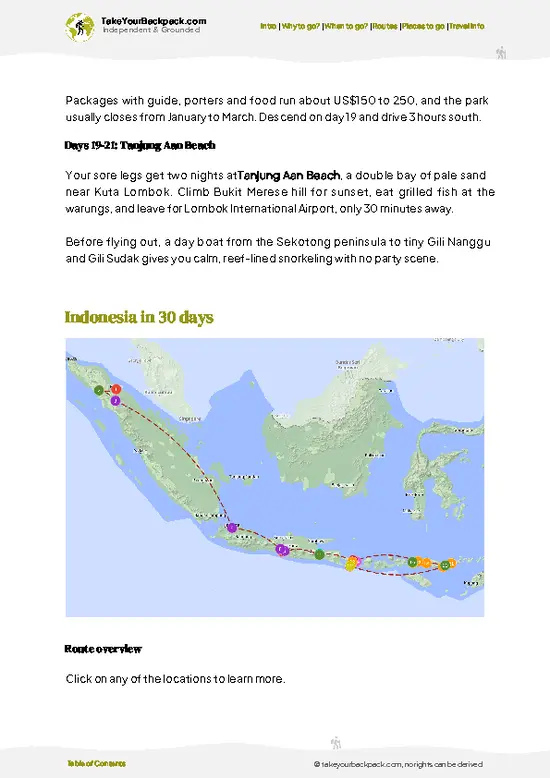
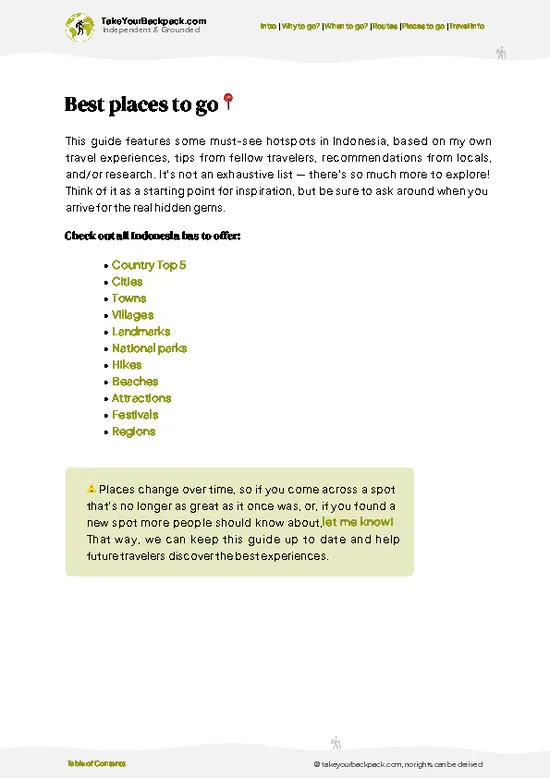
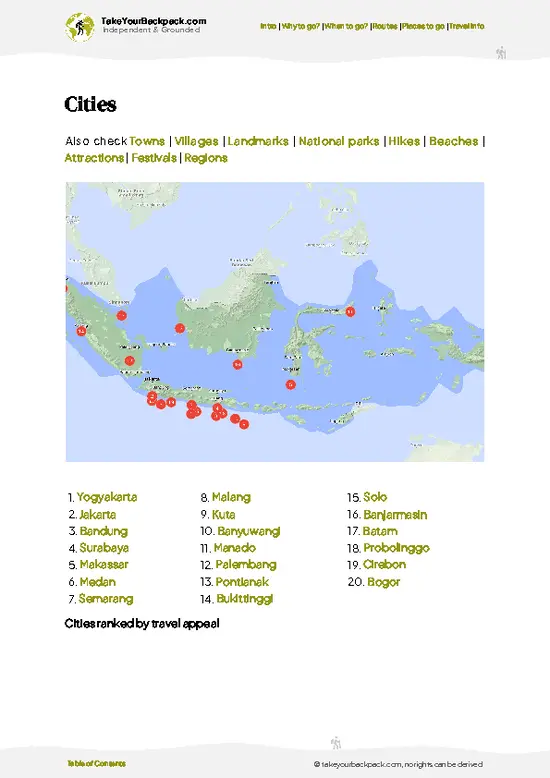
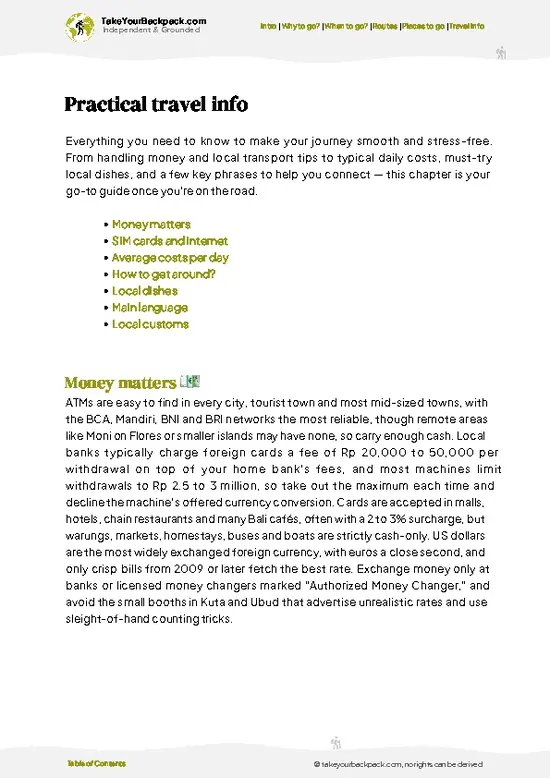
example page 0 from our offline Travel Guide for Indonesia
example page 1 from our offline Travel Guide for Indonesia
example page 2 from our offline Travel Guide for Indonesia
example page 3 from our offline Travel Guide for Indonesia
example page 4 from our offline Travel Guide for Indonesia
example page 5 from our offline Travel Guide for Indonesia
example page 6 from our offline Travel Guide for Indonesia
example page 7 from our offline Travel Guide for Indonesia
Loading the map 🌍
CLICK TO FILTER
cities
towns
villages
landmarks
national parks
hikes
beaches
attractions
festivals
regions
SHOW COUNTRY’S BESTSHOW ALL

✨ Why go?
Ranked #19 city in Indonesia
The unique appeal for travelers

Batam functions as a strategic crossroads between Singapore, Malaysia, and Indonesia's interior. The ferry connections are fast and affordable, making it ideal for route planning rather than lingering. Hostels cluster in Nagoya and Sekupang, offering reliable beds at low cost. The food scene delivers fresh seafood and Indonesian classics at prices that feel stolen. Walkability varies by neighborhood, but Nagoya's compact layout lets you cover essentials on foot. Nightlife exists but isn't the draw; the real appeal is using Batam as a basecamp for day trips to nearby islands or as a smooth transit point when your itinerary demands flexibility.

💡 HighlightsPlaces and moments you shouldn't skip

  1. Barelang Bridge: A 2.4-kilometer bridge connecting three islands with views of the Strait of Malacca. Best visited early morning or sunset to avoid heat. Free to walk or drive across. 30 minutes to 1 hour.
  2. Nagoya Waterfront: A reclaimed seafront promenade with restaurants, shops, and a pier for island ferries. Lively in evenings, quieter midday. Free to walk. 1 to 2 hours.
  3. Maha Vihara Duta Maitreya Temple: A Buddhist temple with a 14-meter golden Buddha statue overlooking the city. Peaceful and rarely crowded. Free entry. 45 minutes to 1 hour.
  4. Sekupang Fish Market: A working harbor market where fishing boats unload daily catches. Go early morning for the most activity and freshest seafood stalls. US$2 to 5 for a meal. 1 to 2 hours.
  5. Batam Centre Mall: A modern shopping complex that reflects Batam's
… read more 👉
  1. Barelang Bridge: A 2.4-kilometer bridge connecting three islands with views of the Strait of Malacca. Best visited early morning or sunset to avoid heat. Free to walk or drive across. 30 minutes to 1 hour.
  2. Nagoya Waterfront: A reclaimed seafront promenade with restaurants, shops, and a pier for island ferries. Lively in evenings, quieter midday. Free to walk. 1 to 2 hours.
  3. Maha Vihara Duta Maitreya Temple: A Buddhist temple with a 14-meter golden Buddha statue overlooking the city. Peaceful and rarely crowded. Free entry. 45 minutes to 1 hour.
  4. Sekupang Fish Market: A working harbor market where fishing boats unload daily catches. Go early morning for the most activity and freshest seafood stalls. US$2 to 5 for a meal. 1 to 2 hours.
  5. Batam Centre Mall: A modern shopping complex that reflects Batam's rapid development and offers air-conditioned respite. Useful for supplies and casual dining. Free to browse. 1 to 2 hours.
  6. Nongsa Point Marina: A waterfront development with restaurants and views toward Singapore. Less touristy than Nagoya. Free to walk. 1 to 2 hours.
Day trips from Batam include Bintan Island (45 minutes by ferry, known for beaches and resorts), Karimun Island (2 hours by ferry, quieter and less developed), and Singapore itself (45 minutes by ferry, a stark contrast in pace and cost). I'd pick Bintan first because the ferry ride itself is part of the experience, and the island's beaches offer genuine escape without requiring a full day commitment.
Spotted a mistake or missing something? Contact us.

Things to do in Batam

Ratings based on Tripadvisor reviews. When you book through this link, you support our work at no extra cost to you.

🏘️ NeighborhoodsWhere things are and how it's laid out

  • Nagoya: The commercial core where most backpackers land. Packed with malls, restaurants, and ferry terminals. Walk the waterfront promenade at dusk, hunt for street food in the night markets. Highly walkable, moderate noise, best value for time spent exploring.
  • Batu Ampar: The old port district with gritty character. Narrow alleys reveal fishing boats, local warungs, and genuine street life untouched by tourism. Less polished but rewarding for those seeking authenticity. Walkable in daylight; fewer tourists means lower prices on food and drinks.
  • Sekupang: Quieter residential zone with local markets and casual eateries. Slower pace, fewer crowds, cheaper meals. Less dramatic scenery but genuine neighborhood rhythm. Good base if you want to move slower and spend less.

⌛️ 1 dayA smart one-day plan

Batam rewards a focused, waterfront-centered day that captures both the city's working character and its emerging leisure side. Start early to beat the heat and catch the market's energy.

7:30 AM: Sekupang Fish Market. Arrive when fishing boats are unloading. Watch vendors sort the catch, grab fresh grilled fish or noodles from a stall, and soak in the working harbor atmosphere. This is Batam before tourism. Head back toward Nagoya by local minibus or taxi (15 to 20 minutes, US$1 to 2).

9:30 AM: Maha Vihara Duta Maitreya Temple. The golden Buddha offers quiet reflection and city views. The temple sits slightly inland but is worth the detour for its peaceful contrast to the harbor chaos. Taxi back to Nagoya (10 minutes, US$2 to 3).

11:00 AM: Nagoya Waterfront. Walk the promenade, check ferry … read more 👉
Batam rewards a focused, waterfront-centered day that captures both the city's working character and its emerging leisure side. Start early to beat the heat and catch the market's energy.

7:30 AM: Sekupang Fish Market. Arrive when fishing boats are unloading. Watch vendors sort the catch, grab fresh grilled fish or noodles from a stall, and soak in the working harbor atmosphere. This is Batam before tourism. Head back toward Nagoya by local minibus or taxi (15 to 20 minutes, US$1 to 2).

9:30 AM: Maha Vihara Duta Maitreya Temple. The golden Buddha offers quiet reflection and city views. The temple sits slightly inland but is worth the detour for its peaceful contrast to the harbor chaos. Taxi back to Nagoya (10 minutes, US$2 to 3).

11:00 AM: Nagoya Waterfront. Walk the promenade, check ferry schedules if planning onward travel, and grab coffee. This is where locals and travelers intersect.

1:00 PM: Lunch and rest. Eat seafood at a waterfront restaurant, then retreat to your hostel during peak heat.

4:00 PM: Barelang Bridge. Taxi or minibus to the bridge (20 to 30 minutes, US$2 to 4). Walk or cycle across for sunset views. Return by 6:00 PM.

🌤️ When to go?Weather, crowds, and seasonal trade-offs

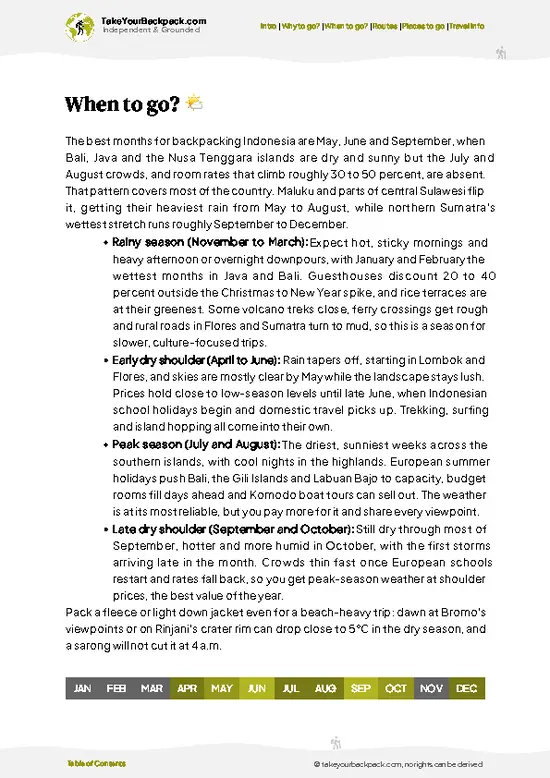
  • Dry Season (May to September): Clear skies, 28 to 32°C (82 to 90°F), 12 hours of daylight. Ideal for island hopping and outdoor exploration. Prices peak mid-July through August.
  • Wet Season (November to March): Heavy rain, 25 to 28°C (77 to 82°F), frequent downpours. Fewer tourists, lower prices, but outdoor plans often derail. Still warm and swimmable.
  • Shoulder Months (April, October): Unpredictable weather, moderate crowds, mid-range prices. Good compromise if flexibility allows.
Visit May to June or September to October for the best balance of weather and fewer crowds.

source: climatestotravel.comJANJanuary: fair for travelingFEBFebruary: fair for travelingMARMarch: good for travelingAPRApril: highly recommended for travelingMAYMay: excellent for travelingJUNJune: excellent for travelingJULJuly: highly recommended for travelingAUGAugust: highly recommended for travelingSEPSeptember: excellent for travelingOCTOctober: highly recommended for travelingNOVNovember: good for travelingDECDecember: fair for traveling
when-to-go

✈️ The backpacker research shortcutIndonesia Travel Guide

An offline-friendly backpacking guide with optimized travel routes, ranked highlights, transport advice, and the best areas to stay.
example page 0 from our offline Travel Guide for Indonesia
example page 1 from our offline Travel Guide for Indonesia
example page 2 from our offline Travel Guide for Indonesia
example page 3 from our offline Travel Guide for Indonesia
example page 4 from our offline Travel Guide for Indonesia
example page 5 from our offline Travel Guide for Indonesia
example page 6 from our offline Travel Guide for Indonesia
example page 7 from our offline Travel Guide for Indonesia
The digital guide (460 pages) contains:
✅ 153 highlights, ranked by travel appeal
✅ Optimized 14, 21 & 30-day travel routes
✅ Cities, national parks, landmarks, beaches
✅ How to get around
✅ Offline-friendly for travel without Wi-Fi
👉 Click to see all 30+ guide features

📅 Plan smarter in minutes, not weeks
✅ Month by month travel advice
✅ Festivals & national holidays
✅ Budget expectations

🗺️ Go to the right places, skip the overrated ones
✅ Honest pros & cons of destinations
✅ Top hikes, parks & viewpoints
✅ Lesser-known places most travelers miss
✅ Clear “worth it vs skip it” guidance

🛏️ Travel smoothly without rookie mistakes
✅ Best areas to stay
✅ Transport systems explained simply
✅ Common scams & safety advice
✅ SIM cards, money & practical tips

🌍 Understand the country, not just visit it
✅ Culture & traditions
✅ 52 Essential phrases & customs
✅ Festivals worth planning around
✅ Traveler-friendly historical context
✅ Insights that make places more meaningful

📱 Built for real travel conditions
✅ Fully downloadable PDF
✅ Works completely offline
✅ Optimized for phone use
✅ Useful in remote areas & buses
✅ Everything in one place
Stop searching, start planning
Get instant access to your full guide. 30‑day money-back guarantee.
+ Add another guide for just

By proceeding you agree to our terms.
Sent to your inbox immediately after payment • 100% Secure Checkout
Best Backpacking Travel Advisor 2025 tourism awardBest Backpacking
Travel Advisor
2025
What others say about Take Your Backpack Guides:
⭐⭐⭐⭐⭐
Fantastic, amazing amount of information!
⭐⭐⭐⭐⭐
My goodness this is amazing, it's what I've been looking for hats off too you!
⭐⭐⭐⭐⭐
I think this is absolutely BRILLIANT
⭐⭐⭐⭐
Very complete and informative. It's still missing places, but I gotta to commend you
⭐⭐⭐⭐⭐
This is truly amazing, thank you, can't wait to explore it with my kids!
⭐⭐⭐⭐⭐
Awesome resource, thank you!
⭐⭐⭐⭐⭐
This is amazing! Can't wait to explore the ones I haven't seen
⭐⭐⭐⭐
I love this! Well done, great idea.
⭐⭐⭐⭐⭐
Thanks for taking the time to make this gem!
⭐⭐⭐⭐⭐
This might be the best website I've ever seen.
⭐⭐⭐⭐⭐
Congratulations, and thank you so much for your work; it's incredibly valuable.
⭐⭐⭐⭐
In all seriousness I think you did a great job pointing out the important spots
⭐⭐⭐⭐⭐
10/10 very good
⭐⭐⭐⭐⭐
As someone who's only just starting to visit regularly this is awesome, thank you.
⭐⭐⭐⭐
Thank you very much! I'm going to visit my dad, it's going to be very useful!
⭐⭐⭐⭐⭐
This is really cool! We'll be travelling for the first time and this definitely come in handy.
⭐⭐⭐⭐⭐
You are now our minister of culture, congratulations 👨‍💼
⭐⭐⭐⭐⭐
Just wanted to tell you that this is a pearl! Going to follow your recommendations.
⭐⭐⭐⭐⭐
This is so cool. I'll definitely be using the resource for my travels soon.
⭐⭐⭐⭐⭐
This is very impressive! Good work.
⭐⭐⭐⭐⭐
This is an amazing and informative site. Very well done!

🛏️ Where to stay?Best areas and accommodation options

Nagoya offers the most hostel density and ferry access, making it practical for onward travel. Batu Ampar has fewer beds but cheaper rates and a more local feel. Both are safe at night and well-connected by minibus. Nagoya suits first-timers and those catching ferries; Batu Ampar rewards those seeking lower costs and neighborhood immersion. Avoid isolated areas far from the waterfront; stick to established backpacker zones for reliable transport links and peer support.

🚌 Getting aroundHow to get from A to B

Many backpackers waste money on taxis from the ferry terminal instead of using the cheap minibus network. Batam sprawls, so walking alone won't cut it, but public transport is affordable and reliable once you know the routes. Grab (ride-hailing app) works here but costs more than local options.
  • Minibuses (Angkots): The backbone of local travel. US$0.50 to 1 per ride, frequent departures, slow but direct. Runs 6 am to 9 pm. Best value for money.
  • Walking: Neighborhoods are walkable during daylight. Free, safe, and reveals street-level detail. Impractical for longer distances.
  • Grab: Motorcycle taxis or cars via app. US$2 to 6 depending on distance. Faster than minibuses, more comfort, but pricier. Available 24/7.
  • Ferries: To nearby islands and Malaysia. US$5 to 15 depending on destination. 30 minutes
… read more 👉
Many backpackers waste money on taxis from the ferry terminal instead of using the cheap minibus network. Batam sprawls, so walking alone won't cut it, but public transport is affordable and reliable once you know the routes. Grab (ride-hailing app) works here but costs more than local options.
  • Minibuses (Angkots): The backbone of local travel. US$0.50 to 1 per ride, frequent departures, slow but direct. Runs 6 am to 9 pm. Best value for money.
  • Walking: Neighborhoods are walkable during daylight. Free, safe, and reveals street-level detail. Impractical for longer distances.
  • Grab: Motorcycle taxis or cars via app. US$2 to 6 depending on distance. Faster than minibuses, more comfort, but pricier. Available 24/7.
  • Ferries: To nearby islands and Malaysia. US$5 to 15 depending on destination. 30 minutes to 2 hours. Book ahead during peak season.
  • Rental Scooters: US$5 to 8 per day. Fast, flexible, requires confidence in chaotic traffic. Best for experienced riders.

👛 Costs (as of 15 October 2026)Typical daily expenses

Budget backpackers spend US$25 to 40 daily in Batam, depending on accommodation choices and eating habits.
CategoryBudget RangeLocal Reality
Dorm Accommodation (High Season)US$12 to 18Clean, basic rooms in Nagoya and Batu Ampar; peak July-August
Dorm Accommodation (Off-Season)US$8 to 12Same quality, fewer tourists, better negotiating room
MealsUS$2 to 6Street food and warungs US$1 to 3; casual restaurants US$4 to 6
Local TransportUS$1 to 3Minibuses US$0.50 to 1 per ride; Grab US$2 to 6
City Transport PassN/ANo pass system; pay per ride
Basic Activities/Entry FeesUS$5 to 15Island day trips US$8 to 15; snorkeling tours US$25 to 40
Miscellaneous ExpensesUS$3 to 8Drinks, snacks, laundry, SIM card top-ups
Total Daily BudgetUS$25 to 40Comfortable on US$30 to 35 with modest meals and local transport
Eat where … read more 👉
Budget backpackers spend US$25 to 40 daily in Batam, depending on accommodation choices and eating habits.
CategoryBudget RangeLocal Reality
Dorm Accommodation (High Season)US$12 to 18Clean, basic rooms in Nagoya and Batu Ampar; peak July-August
Dorm Accommodation (Off-Season)US$8 to 12Same quality, fewer tourists, better negotiating room
MealsUS$2 to 6Street food and warungs US$1 to 3; casual restaurants US$4 to 6
Local TransportUS$1 to 3Minibuses US$0.50 to 1 per ride; Grab US$2 to 6
City Transport PassN/ANo pass system; pay per ride
Basic Activities/Entry FeesUS$5 to 15Island day trips US$8 to 15; snorkeling tours US$25 to 40
Miscellaneous ExpensesUS$3 to 8Drinks, snacks, laundry, SIM card top-ups
Total Daily BudgetUS$25 to 40Comfortable on US$30 to 35 with modest meals and local transport
Eat where locals eat rather than in malls to cut food costs by half.
⚠️ Prices can change and everyone travels differently, so take this as a rough guide. Hope it helps you plan your adventure!

🚌 Day tripsExploring the surroundings

Batam works well as a base for exploring nearby islands and Malaysian territory, though most trips require ferry crossings that eat into your day. The payoff is worth planning around.

Bintan Island
A 45-minute ferry from Batam's Sekupang terminal lands you on Bintan, where mangrove forests, fishing villages, and quiet beaches offer a sharp contrast to Batam's industrial sprawl. The island feels less developed and less crowded; walk through local villages to see how people actually live here rather than sticking to the resort strip. Budget US$8 to 12 for the ferry return, plus US$15 to 25 for food and transport on the island. Go during dry season (May to September) when seas are calmer and ferries run reliably. First-timers often miss the local warungs inland and eat only at tourist cafes near … read more 👉
Batam works well as a base for exploring nearby islands and Malaysian territory, though most trips require ferry crossings that eat into your day. The payoff is worth planning around.

Bintan Island
A 45-minute ferry from Batam's Sekupang terminal lands you on Bintan, where mangrove forests, fishing villages, and quiet beaches offer a sharp contrast to Batam's industrial sprawl. The island feels less developed and less crowded; walk through local villages to see how people actually live here rather than sticking to the resort strip. Budget US$8 to 12 for the ferry return, plus US$15 to 25 for food and transport on the island. Go during dry season (May to September) when seas are calmer and ferries run reliably. First-timers often miss the local warungs inland and eat only at tourist cafes near the ferry terminal.


Karimun Island
A 90-minute ferry ride reaches this quieter island, where you can hike to viewpoints, swim in clearer water than Batam's coast, and explore fishing communities. Fewer tourists arrive here, so prices stay low and the pace feels genuinely local. Total cost runs US$10 to 15 for ferry and basic meals. Best visited June through August when the sea is calmest; rough waters in November through March make ferries unreliable.


Johor Bahru, Malaysia
A 45-minute ferry crosses into Malaysia's southernmost city, where you can walk the city center, eat at hawker stalls, and visit the Istana Bukit Serene palace grounds. The shift in atmosphere is immediate: different language, currency, and food culture. Ferry costs US$6 to 8 return; budget another US$12 to 18 for meals and local transport. Go anytime except Chinese New Year (January or February) when crowds spike and prices jump. Bring your passport and check visa requirements beforehand; many nationalities get 90 days visa-free, but confirmation matters.

🍲 FoodLocal Flavors for Backpackers

Batam's food scene reflects its role as a port city: seafood dominates, prices stay low, and eating happens in casual, no-frills settings rather than formal restaurants. The local palate leans toward bold flavors and heat.

Seafood and street food anchor daily eating. Fish grilled over charcoal, shrimp paste, and squid appear in markets and at waterfront stalls. Laksa (spiced noodle soup) and satay skewers are everywhere and cost US$1.50 to 3 per serving. Night markets near the ferry terminals fill with vendors selling grilled fish, spring rolls, and fried noodles; arrive hungry and eat standing up or at plastic tables.

Coffee culture runs strong. Local kopi (coffee with condensed milk) appears at every corner warung and costs under US$1. Tea comes similarly sweet and milky. Both pair with … read more 👉
Batam's food scene reflects its role as a port city: seafood dominates, prices stay low, and eating happens in casual, no-frills settings rather than formal restaurants. The local palate leans toward bold flavors and heat.

Seafood and street food anchor daily eating. Fish grilled over charcoal, shrimp paste, and squid appear in markets and at waterfront stalls. Laksa (spiced noodle soup) and satay skewers are everywhere and cost US$1.50 to 3 per serving. Night markets near the ferry terminals fill with vendors selling grilled fish, spring rolls, and fried noodles; arrive hungry and eat standing up or at plastic tables.

Coffee culture runs strong. Local kopi (coffee with condensed milk) appears at every corner warung and costs under US$1. Tea comes similarly sweet and milky. Both pair with roti (fried bread) for breakfast.

Eating customs are relaxed. Hands or spoons work for most dishes; forks appear but aren't essential. Sharing plates is normal. Tap water isn't safe; stick to bottled water, tea, or coffee.

🛡️ SafetySafety Tips and Common Scams in Batam

Batam is generally safe for backpackers. Petty theft in crowded markets and ferry terminals happens, so keep valuables secure and bags zipped. Avoid walking alone late at night in unfamiliar areas; use Grab or travel with others after dark. Scams are rare but occasional overcharging at tourist-facing warungs occurs. Stick to established neighborhoods and you'll encounter no real trouble. Solo travelers, especially women, report feeling secure during daylight and in populated zones.

FAQCommon questions from travelers

Two to three days is ideal. One day covers the main sights and ferry logistics; two days lets you relax and take a day trip to Bintan or Karimun Island without rushing. Most backpackers use Batam as a transit point between Singapore and Indonesia's interior, spending one night before moving on.
Batam is generally safe for solo backpackers, though petty theft and scams exist in crowded areas like markets and ferry terminals. Stick to Nagoya and Sekupang neighborhoods, avoid displaying valuables, and use registered taxis or ride-sharing apps. The city has a visible police presence and a steady stream of foreign travelers, which adds to overall security.
Batam is known as Indonesia's industrial and manufacturing hub, a major free trade zone, and a strategic transit point between Singapore and Indonesia. For backpackers, it's recognized as an affordable gateway with fast ferry connections to Malaysia and Singapore, fresh seafood, and a gritty, working-city character that contrasts with Indonesia's more touristy destinations.
⚠️ Things can change over time, so always validate details locally before you go.

Other Indonesian cities near Batam

Explore more nearby:

  • Bukittinggi—Minangkabau highlands, Jam Gadang, Harau canyon, rendang| 438 km away
  • Palembang—Musi River, floating houses, songket weaving| 464 km away
  • Singkawang—Chinese temples, lantern festivals, street snacks| 549 km away

💡 Not sure where to go next?
Create a personalized itinerary for Indonesia including Batam and the places that fit your trip.

Generate my itinerary

👉 Discover all cities

Or checkout all Indonesia has to offer (think cities, towns, villages, national parks, hikes, beaches, festivals)
Country photo of Indonesia

We 💚 feedbackWhat to keep in mind

Batam's appeal lies in its honesty: it's a working city that doesn't pretend to be something else, and that authenticity is refreshing. The main drawback is that beyond ferries and a few waterfront spots, there's limited reason to linger longer than a day or two.

✈️ When did I visit Indonesia?
As part of my 1.5 year travel around the world trip, I visited Indonesia twice (and it was worth it): first in September 2015 and a bit later again in January and February 2016.

✍️ Help improve this page!
The information on this page is based on my own backpacking experience in Indonesia, supplemented with up-to-date research and feedback from other travelers. Travel details can change, so if you notice anything outdated or incomplete, feel free to let me know.


🙋‍♂️ Give feedback

👋 Meet the founderWho’s Behind Take Your Backpack?

Johan, backpacker and founder of TakeYourBackpackHi, I’m Johan (Netherlands 🇳🇱), the creator of TakeYourBackpack. Over the past 3 decades, I’ve backpacked through 90+ countries across six continents, gaining extensive experience with independent travel, long-term trips, and overland routes.

This site is built on a combination of firsthand travel experience and carefully curated insights from other backpackers. Many guides are based on places I’ve personally visited, while others bring together tips, observations, and practical advice shared by trusted travelers I’ve met along the way.

The goal is to provide realistic, experience-driven guidance — not generic itineraries — so you can explore destinations with better context, clearer expectations, and more confidence.