
×

Indonesia🇮🇩 | citiesBaubauButon Sultanate, Wakatobi access, Kraton Buton, cassava dishes | things to do and best time to go

Explore AtambuaExplore Tual

Backpacking in Baubau
👀 For curious travelerscity ranked #39
By Johan Kruseman 🇳🇱 | Updated October 15, 2026

Most visitors miss the call to prayer echoing across Bau-Bau's harbor at dawn, a sound that shapes the rhythm of daily life here more than any guidebook mentions. Perched on the southeastern coast of Sulawesi, this port city rewards travelers who move slowly. Bau-Bau suits backpackers seeking authentic Indonesia without the Bali crowds, though it demands patience with basic infrastructure and limited English. You'll find genuine hospitality, affordable stays, and a working waterfront that feels lived-in rather than staged. I sat on a wooden dock at sunset, watching fishermen mend nets while the muezzin's voice drifted across the water, and realized this was the Indonesia I'd come to find.

Discover everything you want to know in the 📖 Indonesia Travel Guide.


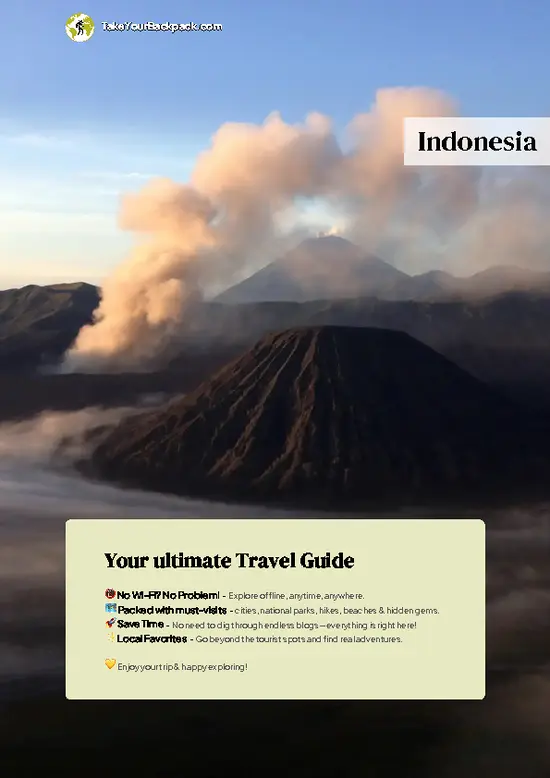
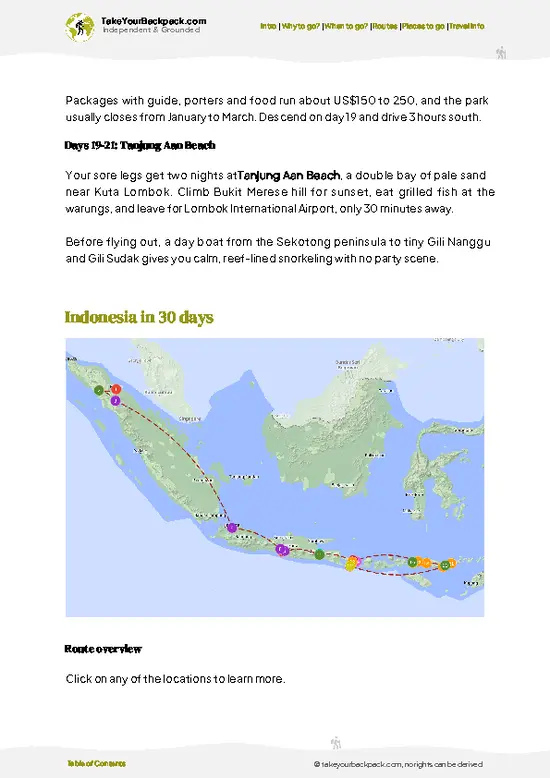
example page 0 from our offline Travel Guide for Indonesia
example page 1 from our offline Travel Guide for Indonesia
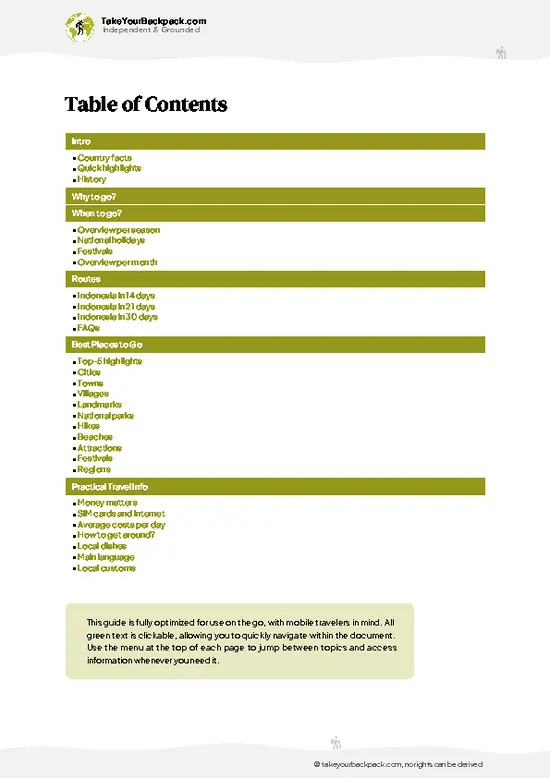
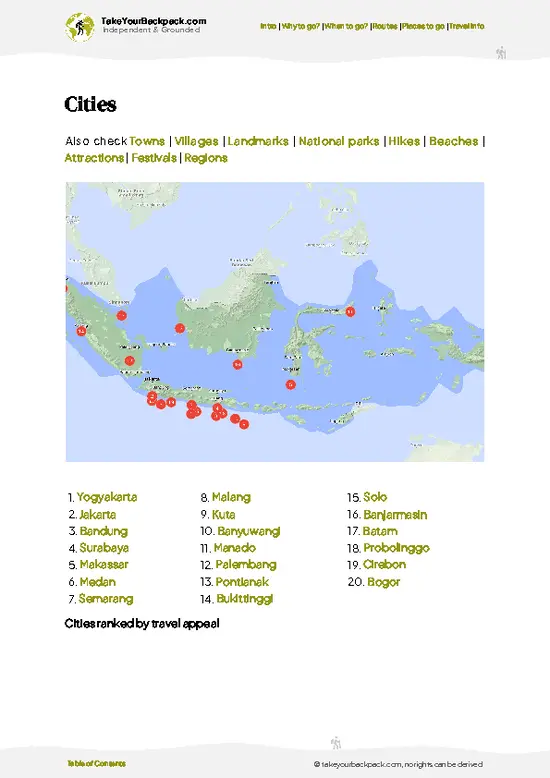
example page 2 from our offline Travel Guide for Indonesia
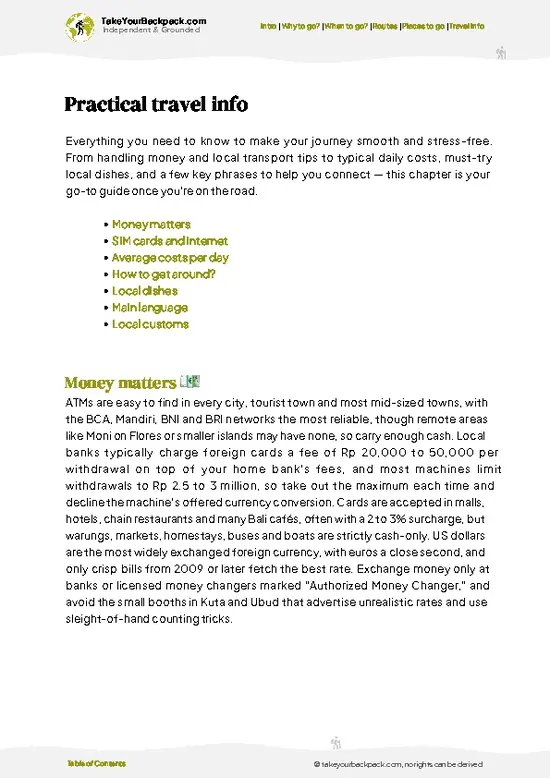
example page 3 from our offline Travel Guide for Indonesia
example page 4 from our offline Travel Guide for Indonesia
example page 5 from our offline Travel Guide for Indonesia
example page 6 from our offline Travel Guide for Indonesia
example page 7 from our offline Travel Guide for Indonesia
Loading the map 🌍
CLICK TO FILTER
cities
towns
villages
landmarks
national parks
hikes
beaches
attractions
festivals
regions
SHOW COUNTRY’S BESTSHOW ALL

✨ Why go?
Ranked #39 city in Indonesia
What makes this city worth visiting

Bau-Bau functions as a basecamp for exploring Buton Island's dive sites and coastal villages, with affordable guesthouses clustered near the harbor. The city itself offers walkable streets, a working fish market, and genuine local food without tourist markup. Onward travel to the Togean Islands or Banda Sea is straightforward by ferry. The real draw is the slow pace and lack of tourist infrastructure, which means you'll eat where locals eat and navigate by asking directions. It's a short stop for most backpackers, but one that reveals how Indonesia actually functions beyond resort zones.

💡 HighlightsThe experiences that define the visit

  1. Keraton Buton (Buton Palace): The restored royal palace sits on a hilltop overlooking the city and harbor. The structure reflects Butonese sultanate history and offers views across the strait. Best visited early morning to avoid heat. Allow 1 to 2 hours. Entry is free or by donation (US$2 to 3 suggested).
  2. Benteng Somba Opu: A 16th-century Portuguese fort with thick stone walls, now partially restored and surrounded by gardens. The site offers insight into colonial history and harbor views. Visit in late afternoon for better light. 1 to 1.5 hours. US$2 to 3 entry.
  3. Bau-Bau Harbor and Fish Market: The working waterfront comes alive before dawn as fishing boats unload their catch. The market is chaotic, colorful, and entirely local. Go between 5:00 and 7:00 AM. Free to walk and observe. 1 to 2 hours.
… read more 👉
  1. Keraton Buton (Buton Palace): The restored royal palace sits on a hilltop overlooking the city and harbor. The structure reflects Butonese sultanate history and offers views across the strait. Best visited early morning to avoid heat. Allow 1 to 2 hours. Entry is free or by donation (US$2 to 3 suggested).
  2. Benteng Somba Opu: A 16th-century Portuguese fort with thick stone walls, now partially restored and surrounded by gardens. The site offers insight into colonial history and harbor views. Visit in late afternoon for better light. 1 to 1.5 hours. US$2 to 3 entry.
  3. Bau-Bau Harbor and Fish Market: The working waterfront comes alive before dawn as fishing boats unload their catch. The market is chaotic, colorful, and entirely local. Go between 5:00 and 7:00 AM. Free to walk and observe. 1 to 2 hours.
  4. Masjid Qiblatain (Two-Direction Mosque): A unique mosque with two mihrabs (prayer niches) facing different directions, built to accommodate a historical dispute over prayer direction. The architecture and history are genuinely unusual. Respectful visitors welcome outside prayer times. 30 minutes. Free.
  5. Pulau Kabaena Day Trip: A nearby island accessible by local boat, with white sand beaches, coral reefs for snorkeling, and fishing villages. Arrange through your guesthouse. Full day, US$15 to 25 per person including boat and guide.
  6. Buton Weaving Workshops: Local artisans produce traditional ikat cloth using hand looms. Workshops are scattered through residential areas; ask your guesthouse for directions. You can watch weavers work and purchase directly. 1 to 2 hours. Free to observe; cloth costs US$10 to 40 depending on size and complexity.
Close by, the Togean Islands offer world-class diving and island-hopping, while Wakatobi National Park to the south is one of Indonesia's premier dive destinations. I'd head to the Togean Islands first because the ferry journey itself is part of the experience, and the islands reward a few days of exploration.
Spotted a mistake or missing something? Contact us.

🏘️ NeighborhoodsHow different areas shape the experience

Bau-Bau splits into distinct zones, each rewarding exploration on foot. The waterfront strips along Teluk Bau-Bau deliver salt-air energy and fresh seafood stalls; walk the harbor at dawn to catch fishermen unloading the night's catch. The central market district pulses with vendors, spice aromas, and local chatter, where you'll find cheap eats and street food that costs next to nothing but tastes earned. Kampung Wajo, the old quarter, winds through narrow lanes lined with wooden shophouses and mosques; it's quiet, walkable, and feels genuinely lived-in rather than staged. The hillside neighborhoods above town offer cooler air and views across the bay; they're steeper to climb but reward effort with perspective and fewer tourists. Each area costs almost nothing to explore and takes 20 to 40 minutes to cross on foot.

⌛️ 1 daySeeing the highlights in 24 hours

Bau-Bau rewards slow exploration of a compact, historically layered port city where sultanate heritage and everyday island life intersect. Start early to catch the rhythm of the waterfront before heat peaks.

7:00 AM: Waterfront Market Head to the fish and produce market near the harbor. The energy here is genuine and unfiltered, with vendors arranging catches and locals shopping for the day. Spend 45 minutes watching the work unfold, then grab coffee and fried snacks from a warung stall.

8:30 AM: Keraton Buton Walk uphill to the palace grounds. The structure is modest but historically significant as the seat of the sultanate. Explore the compound, which includes a small museum with sultanate artifacts. Allow 1.5 hours. Entry costs around US$2 to 3.

10:15 AM: Benteng Keraton The fortress … read more 👉
Bau-Bau rewards slow exploration of a compact, historically layered port city where sultanate heritage and everyday island life intersect. Start early to catch the rhythm of the waterfront before heat peaks.

7:00 AM: Waterfront Market Head to the fish and produce market near the harbor. The energy here is genuine and unfiltered, with vendors arranging catches and locals shopping for the day. Spend 45 minutes watching the work unfold, then grab coffee and fried snacks from a warung stall.

8:30 AM: Keraton Buton Walk uphill to the palace grounds. The structure is modest but historically significant as the seat of the sultanate. Explore the compound, which includes a small museum with sultanate artifacts. Allow 1.5 hours. Entry costs around US$2 to 3.

10:15 AM: Benteng Keraton The fortress walls surrounding the old palace district date back centuries. Walk the perimeter for views over the town and harbor. This is less crowded than the palace itself and offers perspective on the city's defensive layout.

12:30 PM: Local Warung Lunch Eat at a neighborhood warung away from the main drag. Order ikan bakar (grilled fish) or coto Buton (local spiced soup). Cost runs US$2 to 4 per meal.

2:00 PM: Masjid Qadim Visit this historic mosque in the old town, one of the oldest in the region. The architecture blends local and Islamic design. Dress respectfully and remove shoes; entry is free.

🌤️ When to go?Best time to visit Baubau

  • Dry Season (May to September): Clear skies, 28 to 32°C (82 to 90°F), and reliable daylight until 6 p.m. Prices hold steady; crowds are light. Best window for exploring and day trips.
  • Wet Season (November to March): Heavy rain, 26 to 30°C (79 to 86°F), shorter daylight. Fewer tourists mean lower accommodation rates, but transport delays are common.
  • Shoulder Months (April, October): Unpredictable weather, fewer crowds, mid-range prices.
Visit May through September for the most reliable conditions and easiest travel logistics.

source: climatestotravel.comJANJanuary: fair for travelingFEBFebruary: fair for travelingMARMarch: fair for travelingAPRApril: highly recommended for travelingMAYMay: excellent for travelingJUNJune: excellent for travelingJULJuly: excellent for travelingAUGAugust: excellent for travelingSEPSeptember: excellent for travelingOCTOctober: highly recommended for travelingNOVNovember: fair for travelingDECDecember: fair for traveling
when-to-go

✈️ The backpacker research shortcutIndonesia Travel Guide

An offline-friendly backpacking guide with optimized travel routes, ranked highlights, transport advice, and the best areas to stay.
example page 0 from our offline Travel Guide for Indonesia
example page 1 from our offline Travel Guide for Indonesia
example page 2 from our offline Travel Guide for Indonesia
example page 3 from our offline Travel Guide for Indonesia
example page 4 from our offline Travel Guide for Indonesia
example page 5 from our offline Travel Guide for Indonesia
example page 6 from our offline Travel Guide for Indonesia
example page 7 from our offline Travel Guide for Indonesia
The digital guide (460 pages) contains:
✅ 153 highlights, ranked by travel appeal
✅ Optimized 14, 21 & 30-day travel routes
✅ Cities, national parks, landmarks, beaches
✅ How to get around
✅ Offline-friendly for travel without Wi-Fi
👉 Click to see all 30+ guide features

📅 Plan smarter in minutes, not weeks
✅ Month by month travel advice
✅ Festivals & national holidays
✅ Budget expectations

🗺️ Go to the right places, skip the overrated ones
✅ Honest pros & cons of destinations
✅ Top hikes, parks & viewpoints
✅ Lesser-known places most travelers miss
✅ Clear “worth it vs skip it” guidance

🛏️ Travel smoothly without rookie mistakes
✅ Best areas to stay
✅ Transport systems explained simply
✅ Common scams & safety advice
✅ SIM cards, money & practical tips

🌍 Understand the country, not just visit it
✅ Culture & traditions
✅ 52 Essential phrases & customs
✅ Festivals worth planning around
✅ Traveler-friendly historical context
✅ Insights that make places more meaningful

📱 Built for real travel conditions
✅ Fully downloadable PDF
✅ Works completely offline
✅ Optimized for phone use
✅ Useful in remote areas & buses
✅ Everything in one place
Stop searching, start planning
Get instant access to your full guide. 30‑day money-back guarantee.
+ Add another guide for just

By proceeding you agree to our terms.
Sent to your inbox immediately after payment • 100% Secure Checkout
Best Backpacking Travel Advisor 2025 tourism awardBest Backpacking
Travel Advisor
2025
What others say about Take Your Backpack Guides:
⭐⭐⭐⭐⭐
Fantastic, amazing amount of information!
⭐⭐⭐⭐⭐
My goodness this is amazing, it's what I've been looking for hats off too you!
⭐⭐⭐⭐⭐
I think this is absolutely BRILLIANT
⭐⭐⭐⭐
Very complete and informative. It's still missing places, but I gotta to commend you
⭐⭐⭐⭐⭐
This is truly amazing, thank you, can't wait to explore it with my kids!
⭐⭐⭐⭐⭐
Awesome resource, thank you!
⭐⭐⭐⭐⭐
This is amazing! Can't wait to explore the ones I haven't seen
⭐⭐⭐⭐
I love this! Well done, great idea.
⭐⭐⭐⭐⭐
Thanks for taking the time to make this gem!
⭐⭐⭐⭐⭐
This might be the best website I've ever seen.
⭐⭐⭐⭐⭐
Congratulations, and thank you so much for your work; it's incredibly valuable.
⭐⭐⭐⭐
In all seriousness I think you did a great job pointing out the important spots
⭐⭐⭐⭐⭐
10/10 very good
⭐⭐⭐⭐⭐
As someone who's only just starting to visit regularly this is awesome, thank you.
⭐⭐⭐⭐
Thank you very much! I'm going to visit my dad, it's going to be very useful!
⭐⭐⭐⭐⭐
This is really cool! We'll be travelling for the first time and this definitely come in handy.
⭐⭐⭐⭐⭐
You are now our minister of culture, congratulations 👨‍💼
⭐⭐⭐⭐⭐
Just wanted to tell you that this is a pearl! Going to follow your recommendations.
⭐⭐⭐⭐⭐
This is so cool. I'll definitely be using the resource for my travels soon.
⭐⭐⭐⭐⭐
This is very impressive! Good work.
⭐⭐⭐⭐⭐
This is an amazing and informative site. Very well done!

🛏️ Where to stay?Choosing the right base

Base yourself in the central market district or along the waterfront near the harbor. Both areas have budget guesthouses and simple hostels at US$8 to 15 per night, are walkable to food and transport, and feel safe after dark. The market district buzzes with local life and cheap eats; the waterfront is quieter and catches morning breezes. Avoid isolated hilltop areas unless you have reliable transport back. Either location puts you within walking distance of day-trip departure points and keeps costs low.

🚌 Getting aroundHow to get from A to B

From the main bus station, shared minivans (angkots) run into central Bau-Bau for US$1 to 2, taking 15 to 20 minutes depending on traffic. The city itself is compact and walkable, with flat terrain that makes exploring on foot practical. Public transport is reliable but informal; expect crowded vehicles during peak hours and a relaxed approach to schedules.
  • Walking: Free, no time limit, and the best way to discover side streets and local life. Most neighborhoods connect within 20 to 30 minutes on foot.
  • Angkot (shared minivans): US$0.50 to 1 per ride, 5 to 15 minutes depending on route, moderately comfortable when not packed. Runs roughly 6 am to 6 pm.
  • Ojek (motorcycle taxi): US$1 to 3 for short trips, 5 to 10 minutes, fast and direct but requires negotiating the fare beforehand. Available until
… read more 👉
From the main bus station, shared minivans (angkots) run into central Bau-Bau for US$1 to 2, taking 15 to 20 minutes depending on traffic. The city itself is compact and walkable, with flat terrain that makes exploring on foot practical. Public transport is reliable but informal; expect crowded vehicles during peak hours and a relaxed approach to schedules.
  • Walking: Free, no time limit, and the best way to discover side streets and local life. Most neighborhoods connect within 20 to 30 minutes on foot.
  • Angkot (shared minivans): US$0.50 to 1 per ride, 5 to 15 minutes depending on route, moderately comfortable when not packed. Runs roughly 6 am to 6 pm.
  • Ojek (motorcycle taxi): US$1 to 3 for short trips, 5 to 10 minutes, fast and direct but requires negotiating the fare beforehand. Available until late evening.
  • Bicycle rental: US$3 to 5 per day, unlimited time, good for exploring quieter areas. Flat roads make it accessible for casual riders.
  • Taxi or ride-hailing app: US$3 to 8 for most city trips, 10 to 20 minutes, most comfortable option but pricier than alternatives.

👛 Costs (as of 15 October 2026)How expensive it really is

Budget backpacking in Bau-Bau costs US$20 to 30 per day, making it one of Indonesia's most affordable bases. Accommodation is cheap, food is local and inexpensive, and transport within town is minimal.
CategoryBudget RangeLocal Reality
Dorm bed (high season)US$10 to 15Simple guesthouses and basic hostels; clean, fan-cooled rooms
Dorm bed (off-season)US$8 to 12Same quality; rates drop 20 to 30% outside peak months
Meals (local food)US$2 to 5Market stalls and warungs; rice, fish, and curries dominate
Local transportUS$0.50 to 3Angkot US$0.50 to 1; ojek US$1 to 3 depending on distance
City transport passN/ANo pass system; pay per ride
Activities and entry feesUS$2 to 10Palace entry US$2 to 3; snorkeling trips US$15 to 25
MiscellaneousUS$2 to 5Coffee, snacks, laundry, toiletries
Total Daily BudgetUS$20
… read more 👉
Budget backpacking in Bau-Bau costs US$20 to 30 per day, making it one of Indonesia's most affordable bases. Accommodation is cheap, food is local and inexpensive, and transport within town is minimal.
CategoryBudget RangeLocal Reality
Dorm bed (high season)US$10 to 15Simple guesthouses and basic hostels; clean, fan-cooled rooms
Dorm bed (off-season)US$8 to 12Same quality; rates drop 20 to 30% outside peak months
Meals (local food)US$2 to 5Market stalls and warungs; rice, fish, and curries dominate
Local transportUS$0.50 to 3Angkot US$0.50 to 1; ojek US$1 to 3 depending on distance
City transport passN/ANo pass system; pay per ride
Activities and entry feesUS$2 to 10Palace entry US$2 to 3; snorkeling trips US$15 to 25
MiscellaneousUS$2 to 5Coffee, snacks, laundry, toiletries
Total Daily BudgetUS$20 to 30Comfortable on US$25 per day; US$30 allows occasional splurges
Eat at market stalls instead of tourist restaurants to stretch your budget furthest.
⚠️ Prices can change and everyone travels differently, so take this as a rough guide. Hope it helps you plan your adventure!

🚌 Day tripsWhere to go beyond the main area

Bau-Bau sits on Buton Island with several worthwhile escapes within 1 to 2 hours by road or boat.

Buton Fort (Benteng Buton)
This 17th-century Portuguese and Dutch stronghold overlooks the harbor and offers sweeping views of the strait. The walk up takes 20 to 30 minutes; entry is US$2 to 3. Best visited early morning to avoid heat and crowds. Most travelers skip the small museum inside and focus on the walls and views. Located 3 to 4 km from central Bau-Bau, reachable by angkot or ojek in 10 to 15 minutes.


Laguna Beach (Pantai Laguna)
A sheltered cove with calm turquoise water and white sand, 20 km south of Bau-Bau. Angkot or ojek takes 30 to 40 minutes (US$2 to 4). Entry is free; bring snacks from town. The beach stays quiet on weekdays and fills with local families on weekends. Snorkeling … read more 👉
Bau-Bau sits on Buton Island with several worthwhile escapes within 1 to 2 hours by road or boat.

Buton Fort (Benteng Buton)
This 17th-century Portuguese and Dutch stronghold overlooks the harbor and offers sweeping views of the strait. The walk up takes 20 to 30 minutes; entry is US$2 to 3. Best visited early morning to avoid heat and crowds. Most travelers skip the small museum inside and focus on the walls and views. Located 3 to 4 km from central Bau-Bau, reachable by angkot or ojek in 10 to 15 minutes.


Laguna Beach (Pantai Laguna)
A sheltered cove with calm turquoise water and white sand, 20 km south of Bau-Bau. Angkot or ojek takes 30 to 40 minutes (US$2 to 4). Entry is free; bring snacks from town. The beach stays quiet on weekdays and fills with local families on weekends. Snorkeling is possible but gear rental is limited, so bring your own if serious about it.


Kaledupa Island
A small island 45 minutes by speedboat (US$8 to 12 return) with coral reefs, white beaches, and a laid-back village atmosphere. Day trips depart around 8 am from the harbor; confirm schedules the day before. Bring cash, sunscreen, and water. The payoff is genuine solitude and snorkeling in clearer water than the mainland offers.

🍲 FoodWhat to Eat & Drink

Seafood dominates the local diet. Grilled fish, squid, and prawns appear at harbor stalls and casual warungs for US$3 to 6 per plate. Tinutuan, a rice porridge with fish or shrimp, is a breakfast staple and costs under US$1. Coto Buton, a spiced beef soup, reflects local flavor and appears in small restaurants throughout town.Eat where locals eat: the central market has dozens of food stalls serving rice, curries, and grilled items for pocket change. Coffee culture is strong; small cafés serve strong, sweet coffee for US$0.50. Fresh fruit juices and coconut water from street vendors cost US$0.75 to 1.50. Alcohol is available but less central to the social scene than in tourist areas; beer costs US$1.50 to 3 at small shops and warungs.

🛡️ SafetyScams, Hazards, and Annoyances

Bau-Bau is broadly safe for backpackers. Petty theft from unattended bags happens occasionally in crowded markets and bus stations, so keep valuables close and don't leave items on tables. Solo travel, including at night, is fine in central areas; stick to main streets and avoid isolated spots after dark. Scams are rare; the main annoyance is aggressive haggling in markets, which is normal commerce rather than a threat. Drink tap water only if boiled or bottled; street food is generally safe if busy stalls prepare it fresh in front of you.

FAQFrequently asked questions about Baubau

Two to three days is ideal. One day covers the main sites (harbor, palace, fort), but a second day lets you rest, explore weaving workshops, and take a boat trip to nearby Kabaena Island. A third day is worthwhile if you're heading to the Togean Islands and want to acclimatize.
Bau-Bau is generally safe for solo backpackers. Petty theft is rare, and locals are accustomed to foreign visitors, though English is limited. Standard precautions apply: avoid displaying valuables, stay aware in crowded markets, and use registered taxis or ojeks at night. The harbor area is busy and well-populated during the day.
Bau-Bau is known as a working port city and gateway to Buton Island's dive sites and the Togean Islands. Historically, it was the seat of the Buton Sultanate and retains Portuguese-era fortifications. Today, it's recognized among backpackers as an authentic, less-touristed entry point to eastern Indonesia, with traditional ikat weaving and a genuine fishing harbor.
⚠️ Things can change over time, so always validate details locally before you go.

Other Indonesian cities near Baubau

Explore more nearby:

  • Kendari—Southeast Sulawesi hub, Kendari Bay, Wakatobi flights, sinonggi| 163 km away
  • Makassar—seafood markets, fort ruins, waterfront promenade| 355 km away
  • Atambua—East Timor border, Belu highlands, ikat weaving, Motaain crossing| 478 km away

💡 Not sure where to go next?
Create a personalized itinerary for Indonesia including Baubau and the places that fit your trip.

Generate my itinerary

👉 Discover all cities

Or checkout all Indonesia has to offer (think cities, towns, villages, national parks, hikes, beaches, festivals)
Country photo of Indonesia

We 💚 feedbackSumming up the experience

Bau-Bau's appeal lies in its authenticity as a working port city where sultanate history still shapes daily life. The main drawback is limited tourist infrastructure, so expect fewer restaurants and services than larger Indonesian cities.

✈️ When did I visit Indonesia?
As part of my 1.5 year travel around the world trip, I visited Indonesia twice (and it was worth it): first in September 2015 and a bit later again in January and February 2016.

✍️ Help improve this page!
The information on this page is based on my own backpacking experience in Indonesia, supplemented with up-to-date research and feedback from other travelers. Travel details can change, so if you notice anything outdated or incomplete, feel free to let me know.


🙋‍♂️ Give feedback

👋 Meet the founderWho’s Behind Take Your Backpack?

Johan, backpacker and founder of TakeYourBackpackHi, I’m Johan (Netherlands 🇳🇱), the creator of TakeYourBackpack. Over the past 3 decades, I’ve backpacked through 90+ countries across six continents, gaining extensive experience with independent travel, long-term trips, and overland routes.

This site is built on a combination of firsthand travel experience and carefully curated insights from other backpackers. Many guides are based on places I’ve personally visited, while others bring together tips, observations, and practical advice shared by trusted travelers I’ve met along the way.

The goal is to provide realistic, experience-driven guidance — not generic itineraries — so you can explore destinations with better context, clearer expectations, and more confidence.