v2.webp)
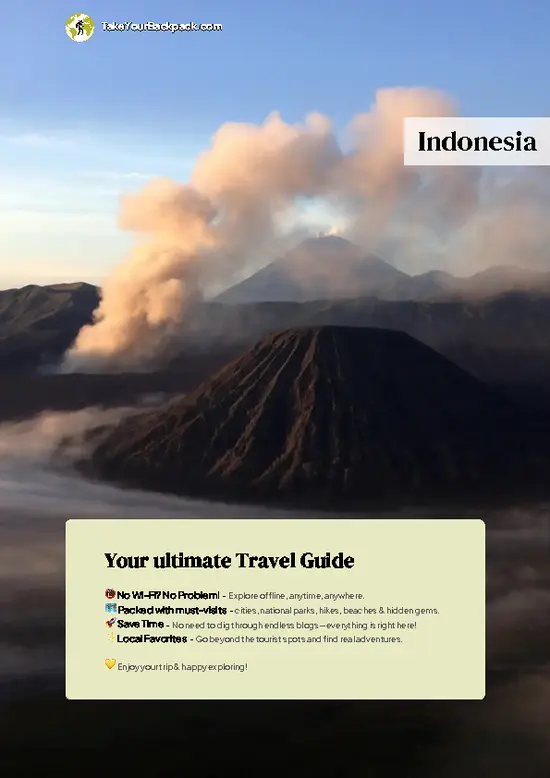
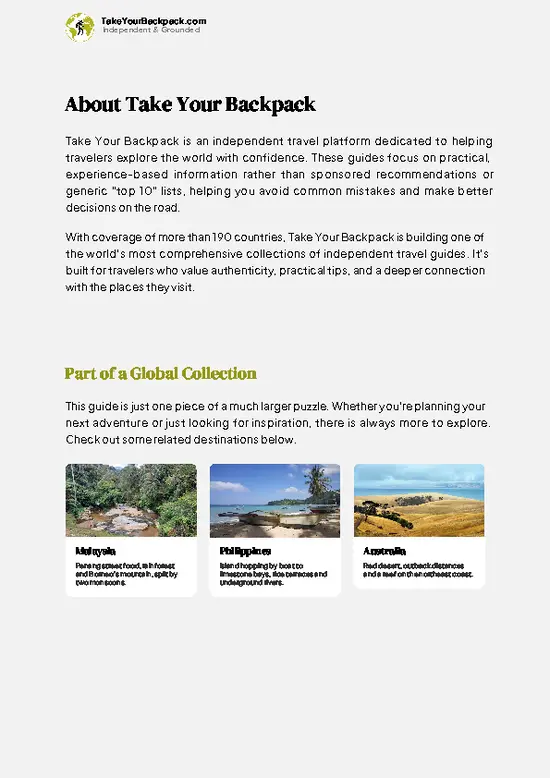
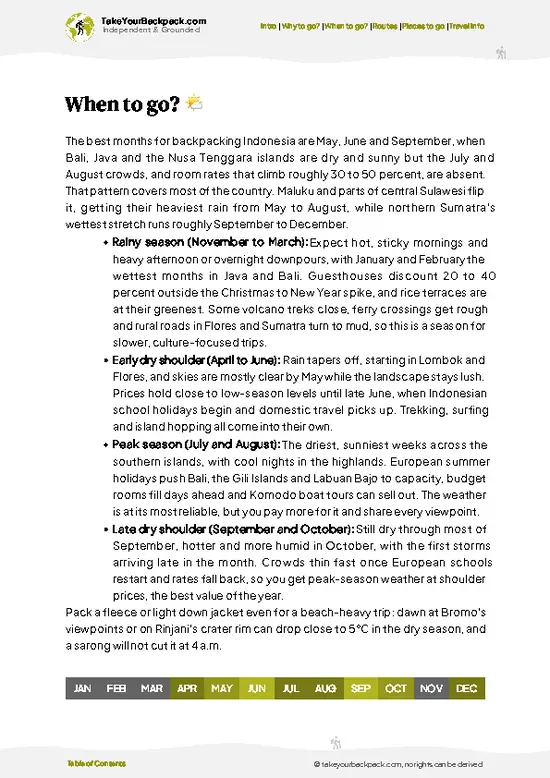
- Berbak River: The park's main artery, navigable by canoe or motorboat. Paddling through flooded forest at dawn offers unmatched wildlife viewing, especially for proboscis monkeys and water birds.
- Orangutan Spotting: Sumatran orangutans inhabit the park's primary forest. Early morning treks with a guide offer genuine chances to observe them feeding or moving through the canopy.
- Peat Swamp Forest: A rare ecosystem covering much of the park. Walking through it feels otherworldly, with dense vegetation, dark water, and unique plant species found nowhere else.
- Proboscis Monkeys: These large-nosed primates are endemic to Borneo and Sumatra. Berbak's riverside populations are vocal and active, especially at dusk.
- Bukit Batu Ridge Trail: A moderate trek offering views over the forest canopy and a chance
- Berbak River: The park's main artery, navigable by canoe or motorboat. Paddling through flooded forest at dawn offers unmatched wildlife viewing, especially for proboscis monkeys and water birds.
- Orangutan Spotting: Sumatran orangutans inhabit the park's primary forest. Early morning treks with a guide offer genuine chances to observe them feeding or moving through the canopy.
- Peat Swamp Forest: A rare ecosystem covering much of the park. Walking through it feels otherworldly, with dense vegetation, dark water, and unique plant species found nowhere else.
- Proboscis Monkeys: These large-nosed primates are endemic to Borneo and Sumatra. Berbak's riverside populations are vocal and active, especially at dusk.
- Bukit Batu Ridge Trail: A moderate trek offering views over the forest canopy and a chance to spot gibbons and hornbills.
- Tanjung Lasa Beach: The park's coastal edge, where forest meets sea. Nesting sea turtles arrive seasonally, and the isolation is complete.
Spotted a mistake or missing something? Contact us.

 Best Backpacking
.jpg) Hi, I’m Johan (Netherlands 🇳🇱), the creator of TakeYourBackpack. Over the past 3 decades, I’ve backpacked through 90+ countries across six continents, gaining extensive experience with independent travel, long-term trips, and overland routes.
Hi, I’m Johan (Netherlands 🇳🇱), the creator of TakeYourBackpack. Over the past 3 decades, I’ve backpacked through 90+ countries across six continents, gaining extensive experience with independent travel, long-term trips, and overland routes.