v2.webp)
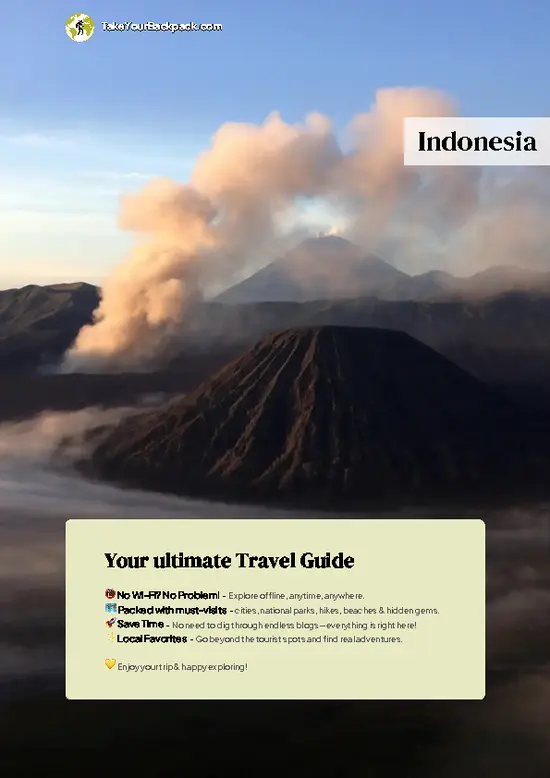

- Tesso Nilo National Park comparison: Bukit Barisan Selatan covers 3,568 square kilometers of lowland and montane rainforest across Lampung and West Sumatra provinces, making it larger and more biodiverse than the better-known Tesso Nilo. Where Tesso Nilo focuses on elephant corridors, Bukit Barisan protects a full vertical slice of Sumatran ecosystems, from coastal plains to 1,963-meter peaks.
- Way Kambas National Park contrast: Both parks shelter Sumatran elephants and rhinos, but Bukit Barisan's remoteness means fewer tourists and less infrastructure. Way Kambas near Bandar Lampung offers easier access and organized tours; Bukit Barisan demands self-reliance and rewards solitude.
- Rainforest canopy and understory: The park's primary forest remains largely intact, with emergent trees towering
- Tesso Nilo National Park comparison: Bukit Barisan Selatan covers 3,568 square kilometers of lowland and montane rainforest across Lampung and West Sumatra provinces, making it larger and more biodiverse than the better-known Tesso Nilo. Where Tesso Nilo focuses on elephant corridors, Bukit Barisan protects a full vertical slice of Sumatran ecosystems, from coastal plains to 1,963-meter peaks.
- Way Kambas National Park contrast: Both parks shelter Sumatran elephants and rhinos, but Bukit Barisan's remoteness means fewer tourists and less infrastructure. Way Kambas near Bandar Lampung offers easier access and organized tours; Bukit Barisan demands self-reliance and rewards solitude.
- Rainforest canopy and understory: The park's primary forest remains largely intact, with emergent trees towering above a dense mid-story layer. Walking beneath this canopy, you move through filtered green light and constant insect chorus. The air holds moisture and the scent of decomposing leaf litter, a sensory marker of untouched tropical forest.
- Sumatran megafauna: Critically endangered Sumatran rhinos, elephants, and tigers inhabit the park, though sightings require patience and luck. The presence of these animals shapes every decision you make on trail: you move quietly, stay alert, and understand you are a guest in their territory.
- Bukit Barisan mountain range: The park's spine follows the volcanic Bukit Barisan range, offering high-altitude trails with views across Sumatra's interior. Peaks like Gunung Kerinci (2,958 meters) sit just outside the park boundary but define its northern landscape.
- River valleys and water systems: Multiple river systems cut through the park, creating natural corridors and water sources. Trails often follow these valleys, where you encounter freshwater pools, cascades, and the constant sound of flowing water.
- Coastal lowland forest: The park's southern reaches touch the Indian Ocean, with mangrove and lowland forest ecosystems rarely seen by backpackers. This zone supports different wildlife and offers a stark contrast to montane sections.
Spotted a mistake or missing something? Contact us.

 Best Backpacking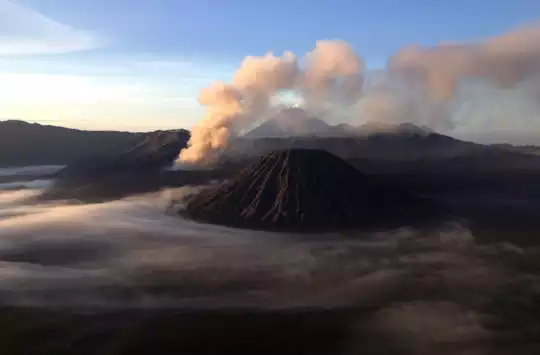
.jpg) Hi, I’m Johan (Netherlands 🇳🇱), the creator of TakeYourBackpack. Over the past 3 decades, I’ve backpacked through 90+ countries across six continents, gaining extensive experience with independent travel, long-term trips, and overland routes.
Hi, I’m Johan (Netherlands 🇳🇱), the creator of TakeYourBackpack. Over the past 3 decades, I’ve backpacked through 90+ countries across six continents, gaining extensive experience with independent travel, long-term trips, and overland routes.