×

Indonesia🇮🇩 | attractionsFort Vredeburg MuseumDutch fort, Yogyakarta dioramas, independence history, Malioboro end | things to do and best time to go

Explore Taman Sari Water CastleExplore House of Sampoerna Museum

Backpacking in Fort Vredeburg Museum
👌 Worth visitingattraction ranked #22
By Johan Kruseman 🇳🇱 | Updated October 15, 2026

Most travelers assume Fort Vredeburg Museum is just another colonial relic gathering dust, but it's actually a sharp, engaging chronicle of Indonesia's independence struggle. Located in Yogyakarta, in central Java, this fortress transforms what could be a dry history lesson into a visceral walk through the nation's fight for freedom. The museum sits at the heart of the city, making it accessible and worth the detour. Crowds are manageable compared to Borobudur, and entry costs little. I remember standing in the weapons room, surrounded by homemade rifles and hand grenades fashioned from coconut shells, feeling the ingenuity and desperation of a people refusing occupation. The fort's thick walls and strategic position tell their own story, and the curated exhibits move beyond textbook facts into the lived reality of resistance.

Discover everything you want to know in the 📖 Indonesia Travel Guide.


example page 0 from our offline Travel Guide for Indonesia
example page 1 from our offline Travel Guide for Indonesia
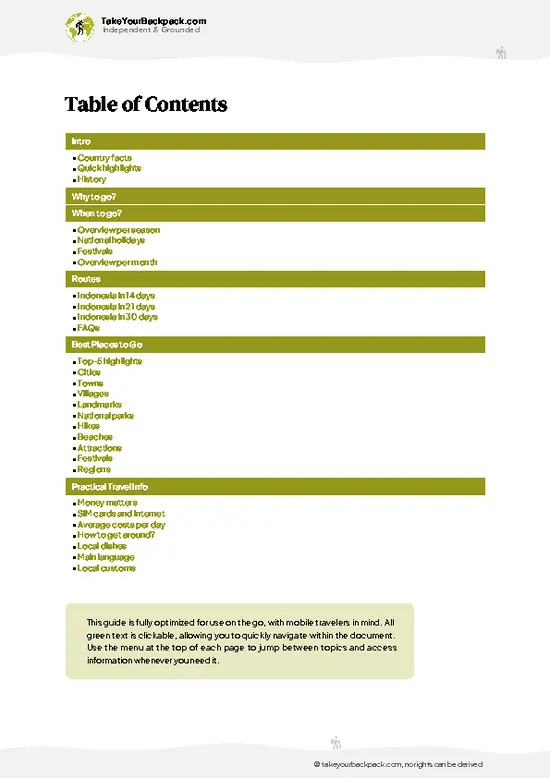
example page 2 from our offline Travel Guide for Indonesia
example page 3 from our offline Travel Guide for Indonesia
example page 4 from our offline Travel Guide for Indonesia
example page 5 from our offline Travel Guide for Indonesia
example page 6 from our offline Travel Guide for Indonesia
example page 7 from our offline Travel Guide for Indonesia
Loading the map 🌍
CLICK TO FILTER
cities
towns
villages
landmarks
national parks
hikes
beaches
attractions
festivals
regions
SHOW COUNTRY’S BESTSHOW ALL

✨ Why go?
Ranked #22 attraction in Indonesia
Why visitors keep coming back

Fort Vredeburg Museum anchors your understanding of modern Indonesia. Built as a Dutch stronghold in 1765, it became the epicenter of Indonesian resistance during the independence war (1945-1949). The museum's strength lies in its primary artifacts: weapons, photographs, and personal accounts that bring the struggle to life. For backpackers, it's a cultural milestone that contextualizes the nation you're traveling through. Unlike many colonial sites, this one centers Indonesian voices and agency, not European conquest. The location in Yogyakarta, a city already rich with temples and culture, makes it a natural stop. It's worth the time because it shifts how you see the country's present identity.

💡 HighlightsWhat this place is best known for

  1. The Dutch Fortress Structure: The original 1765 bastion walls and gun emplacements reveal the strategic thinking behind colonial occupation and why this location mattered so much to both sides.
  2. Independence War Weapons Display: Homemade rifles, bamboo cannons, and grenades fashioned from everyday materials show the resourcefulness of Indonesian fighters against a better-armed enemy.
  3. Photographs and Personal Testimonies: Black-and-white images and recorded accounts from soldiers and civilians capture the human cost of the four-year conflict.
  4. The Prison Cells: Original holding areas where independence leaders were detained offer a sobering glimpse into colonial repression.
  5. The Command Center: Maps, radio equipment, and strategic documents show how Indonesian forces coordinated resistance across
… read more 👉
  1. The Dutch Fortress Structure: The original 1765 bastion walls and gun emplacements reveal the strategic thinking behind colonial occupation and why this location mattered so much to both sides.
  2. Independence War Weapons Display: Homemade rifles, bamboo cannons, and grenades fashioned from everyday materials show the resourcefulness of Indonesian fighters against a better-armed enemy.
  3. Photographs and Personal Testimonies: Black-and-white images and recorded accounts from soldiers and civilians capture the human cost of the four-year conflict.
  4. The Prison Cells: Original holding areas where independence leaders were detained offer a sobering glimpse into colonial repression.
  5. The Command Center: Maps, radio equipment, and strategic documents show how Indonesian forces coordinated resistance across Java.
  6. The Rooftop Views: From the ramparts, you see modern Yogyakarta spreading out, a powerful contrast to the fortress's isolated colonial past.
I'd start with the weapons display because it immediately answers the question of how an occupied nation fights back with almost nothing.
Spotted a mistake or missing something? Contact us.

Things to do around Fort Vredeburg Museum

Ratings based on Tripadvisor reviews. When you book through this link, you support our work at no extra cost to you.

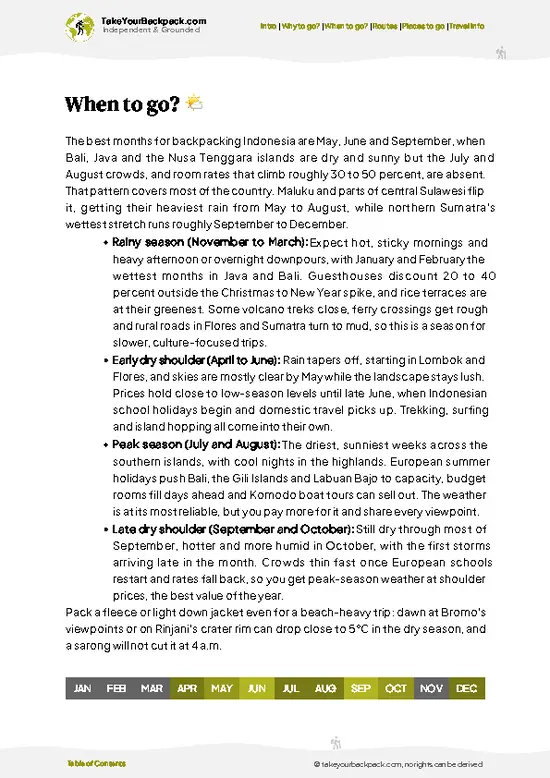
🌤️ When to go?When to go for the best experience

  • Dry Season (May to September): Best overall. Temperatures range from 24 to 32°C (75 to 90°F), with minimal rain and clear skies. Crowds are moderate; book tickets in advance on weekends.
  • Wet Season (October to April): Humid and rainy, with temperatures around 24 to 31°C (75 to 88°F). Afternoon downpours are common but brief. Fewer tourists visit, so you'll have quieter galleries.
  • Peak Tourist Months (July to August): School holidays bring larger crowds and higher accommodation prices. Arrive early in the morning to avoid queues.
Visit on a weekday morning for the most peaceful experience and shortest wait times.

source: climatestotravel.comJANJanuary: fair for travelingFEBFebruary: fair for travelingMARMarch: fair for travelingAPRApril: fair for travelingMAYMay: highly recommended for travelingJUNJune: highly recommended for travelingJULJuly: good for travelingAUGAugust: good for travelingSEPSeptember: highly recommended for travelingOCTOctober: fair for travelingNOVNovember: fair for travelingDECDecember: fair for traveling
when-to-go

✈️ The backpacker research shortcutIndonesia Travel Guide

An offline-friendly backpacking guide with optimized travel routes, ranked highlights, transport advice, and the best areas to stay.
example page 0 from our offline Travel Guide for Indonesia
example page 1 from our offline Travel Guide for Indonesia
example page 2 from our offline Travel Guide for Indonesia
example page 3 from our offline Travel Guide for Indonesia
example page 4 from our offline Travel Guide for Indonesia
example page 5 from our offline Travel Guide for Indonesia
example page 6 from our offline Travel Guide for Indonesia
example page 7 from our offline Travel Guide for Indonesia
The digital guide (460 pages) contains:
✅ 153 highlights, ranked by travel appeal
✅ Optimized 14, 21 & 30-day travel routes
✅ Cities, national parks, landmarks, beaches
✅ How to get around
✅ Offline-friendly for travel without Wi-Fi
👉 Click to see all 30+ guide features

📅 Plan smarter in minutes, not weeks
✅ Month by month travel advice
✅ Festivals & national holidays
✅ Budget expectations

🗺️ Go to the right places, skip the overrated ones
✅ Honest pros & cons of destinations
✅ Top hikes, parks & viewpoints
✅ Lesser-known places most travelers miss
✅ Clear “worth it vs skip it” guidance

🛏️ Travel smoothly without rookie mistakes
✅ Best areas to stay
✅ Transport systems explained simply
✅ Common scams & safety advice
✅ SIM cards, money & practical tips

🌍 Understand the country, not just visit it
✅ Culture & traditions
✅ 52 Essential phrases & customs
✅ Festivals worth planning around
✅ Traveler-friendly historical context
✅ Insights that make places more meaningful

📱 Built for real travel conditions
✅ Fully downloadable PDF
✅ Works completely offline
✅ Optimized for phone use
✅ Useful in remote areas & buses
✅ Everything in one place
Stop searching, start planning
Get instant access to your full guide. 30‑day money-back guarantee.
+ Add another guide for just

By proceeding you agree to our terms.
Sent to your inbox immediately after payment • 100% Secure Checkout
Best Backpacking Travel Advisor 2025 tourism awardBest Backpacking
Travel Advisor
2025
What others say about Take Your Backpack Guides:
⭐⭐⭐⭐⭐
Fantastic, amazing amount of information!
⭐⭐⭐⭐⭐
My goodness this is amazing, it's what I've been looking for hats off too you!
⭐⭐⭐⭐⭐
I think this is absolutely BRILLIANT
⭐⭐⭐⭐
Very complete and informative. It's still missing places, but I gotta to commend you
⭐⭐⭐⭐⭐
This is truly amazing, thank you, can't wait to explore it with my kids!
⭐⭐⭐⭐⭐
Awesome resource, thank you!
⭐⭐⭐⭐⭐
This is amazing! Can't wait to explore the ones I haven't seen
⭐⭐⭐⭐
I love this! Well done, great idea.
⭐⭐⭐⭐⭐
Thanks for taking the time to make this gem!
⭐⭐⭐⭐⭐
This might be the best website I've ever seen.
⭐⭐⭐⭐⭐
Congratulations, and thank you so much for your work; it's incredibly valuable.
⭐⭐⭐⭐
In all seriousness I think you did a great job pointing out the important spots
⭐⭐⭐⭐⭐
10/10 very good
⭐⭐⭐⭐⭐
As someone who's only just starting to visit regularly this is awesome, thank you.
⭐⭐⭐⭐
Thank you very much! I'm going to visit my dad, it's going to be very useful!
⭐⭐⭐⭐⭐
This is really cool! We'll be travelling for the first time and this definitely come in handy.
⭐⭐⭐⭐⭐
You are now our minister of culture, congratulations 👨‍💼
⭐⭐⭐⭐⭐
Just wanted to tell you that this is a pearl! Going to follow your recommendations.
⭐⭐⭐⭐⭐
This is so cool. I'll definitely be using the resource for my travels soon.
⭐⭐⭐⭐⭐
This is very impressive! Good work.
⭐⭐⭐⭐⭐
This is an amazing and informative site. Very well done!

🛏️ Where to stay?How to pick the right area

Stay in central Yogyakarta, within walking distance or a short becak ride of Fort Vredeburg. The Malioboro Street area offers the most backpacker hostels, cheap warungs, and social atmosphere; it's lively but touristy. Taman Sari neighborhood, just south of the fort, is quieter and more local, with family-run guesthouses and fewer crowds. Both areas are safe, well-lit, and connected by frequent public transport. Avoid staying far north or east; you'll waste time and money on transport. The fort itself is open until 4 p.m., so staying nearby lets you visit early morning or late afternoon when light is best for photos and crowds thin out.

👛 Costs (as of 15 October 2026)Typical daily expenses

Entry to Fort Vredeburg Museum costs very little, and the overall visit remains budget-friendly. Here's what to expect:
CategoryBudget RangeLocal Reality
Museum EntranceUSD 2 to 3Foreigners pay a slightly higher rate than locals; ticket booths accept cash only.
Guided Tour (Optional)USD 8 to 12English-speaking guides available; worth it for context on weapons and independence timeline.
Transport to MuseumUSD 0.50 to 1.50Becak or local bus from central Yogyakarta; negotiate becak fares beforehand.
Food NearbyUSD 1 to 3 per mealWarungs around Malioboro Street serve nasi goreng and satay; avoid tourist-marked restaurants.
The museum is one of Yogyakarta's cheapest major attractions, making it excellent value for the historical depth it offers.

source: indonesia.travel
⚠️ Prices can change and everyone travels differently, so take this as a rough guide. Hope it helps you plan your adventure!

FAQFrequently asked questions about Fort Vredeburg Museum

Most backpackers spend 1.5 to 2.5 hours at Fort Vredeburg Museum. The main galleries move chronologically through the independence war and take about 90 minutes to walk through at a steady pace. If you hire a guide or read every placard carefully, add another 30 to 45 minutes. The rooftop views and courtyard add another 15 minutes if you linger.
Yes, it's worth the entrance fee. At USD 2 to 3, it's one of Indonesia's cheapest major museums, and the artifacts and primary documents offer genuine insight into the independence struggle that shaped modern Indonesia. You won't find this depth of information in guidebooks or online summaries.
From central Yogyakarta, take a becak (traditional three-wheeled taxi) directly to the museum entrance on Jalan Maguwo; the ride costs USD 0.50 to 1.50 and takes 5 to 10 minutes depending on traffic. Alternatively, walk from Malioboro Street in about 15 to 20 minutes heading south. The museum is clearly signposted and sits near the Alun-Alun Kidul (southern square).
⚠️ Things can change over time, so always validate details locally before you go.

Other Indonesian attractions near Fort Vredeburg Museum

Explore more nearby:


💡 Not sure where to go next?
Create a personalized itinerary for Indonesia including Fort Vredeburg Museum and the places that fit your trip.

Generate my itinerary

👉 Discover all attractions

Or checkout all Indonesia has to offer (think cities, towns, villages, national parks, hikes, beaches, festivals)
Country photo of Indonesia

We 💚 feedbackParting advice and final tips

Fort Vredeburg Museum rewards you with a tangible connection to Indonesia's independence struggle and colonial past. The catch is the exhibits feel dated and cramped; you'll move through quickly. Still, standing in the actual rooms where history unfolded makes the modest entrance fee worthwhile.

✈️ When did I visit Indonesia?
As part of my 1.5 year travel around the world trip, I visited Indonesia twice (and it was worth it): first in September 2015 and a bit later again in January and February 2016.

✍️ Help improve this page!
The information on this page is based on my own backpacking experience in Indonesia, supplemented with up-to-date research and feedback from other travelers. Travel details can change, so if you notice anything outdated or incomplete, feel free to let me know.


🙋‍♂️ Give feedback

👋 Meet the founderWho’s Behind Take Your Backpack?

Johan, backpacker and founder of TakeYourBackpackHi, I’m Johan (Netherlands 🇳🇱), the creator of TakeYourBackpack. Over the past 3 decades, I’ve backpacked through 90+ countries across six continents, gaining extensive experience with independent travel, long-term trips, and overland routes.

This site is built on a combination of firsthand travel experience and carefully curated insights from other backpackers. Many guides are based on places I’ve personally visited, while others bring together tips, observations, and practical advice shared by trusted travelers I’ve met along the way.

The goal is to provide realistic, experience-driven guidance — not generic itineraries — so you can explore destinations with better context, clearer expectations, and more confidence.