×

Indonesia🇮🇩 | attractionsYogyakarta Palaceroyal residence, Javanese court, cultural performances | things to do and best time to go

Explore Gedung Kesenian JakartaExplore Taman Sari Water Castle

Backpacking in Yogyakarta Palace
🌟 Highlightattraction ranked #11
By Johan Kruseman 🇳🇱 | Updated May 29, 2026

Here’s what nobody tells you: backpackers expecting to wander freely through Yogyakarta Palace’s gilded halls will hit a wall—literally. Most of the Kraton is off-limits, with access restricted to a handful of curated courtyards and museum rooms. Yogyakarta Palace sits in the heart of Java’s cultural capital, Indonesia, but don’t expect a serene, meditative stroll. The place is alive with local families, school groups, and the occasional wedding shoot, especially on weekends. Entry is cheap, but the real cost is patience—dodging selfie sticks and deciphering patchy English signage. Still, if you want to feel the pulse of living Javanese royalty, hear gamelan echoing through open-air pavilions, and see tradition in action, the Kraton delivers a raw, unvarnished slice of Indonesia you won’t find in Bali’s polished temples.

Discover everything you want to know in the 📖 Indonesia Travel Guide.
Loading the map 🌍
CLICK TO FILTER
cities
towns
landmarks
national parks
hikes
beaches
attractions
festivals
regions
SHOW COUNTRY’S BESTSHOW ALL

✨ Why go?
Ranked #11 attraction in Indonesia
Why visitors keep coming back

The Yogyakarta Palace, or Kraton, is often swarmed with tourists, and yes, it’s not the quiet, untouched sanctuary you might hope for. But here’s the real deal: this place is the beating heart of Javanese culture and history. It’s not just a palace; it’s a living museum where the Sultan’s lineage still shapes local life. Backpackers make time here because it’s a rare chance to witness centuries of tradition in action—rituals, architecture, and art that you won’t find anywhere else in Indonesia. The crowds? They’re a sign of its importance, not just hype. The effort to navigate the busy streets and entry fees pays off with a deep dive into a world that’s both regal and raw. For anyone trekking through Java, the Kraton is a milestone that connects you to the island’s soul, far beyond the usual … read more 👉
The Yogyakarta Palace, or Kraton, is often swarmed with tourists, and yes, it’s not the quiet, untouched sanctuary you might hope for. But here’s the real deal: this place is the beating heart of Javanese culture and history. It’s not just a palace; it’s a living museum where the Sultan’s lineage still shapes local life. Backpackers make time here because it’s a rare chance to witness centuries of tradition in action—rituals, architecture, and art that you won’t find anywhere else in Indonesia. The crowds? They’re a sign of its importance, not just hype. The effort to navigate the busy streets and entry fees pays off with a deep dive into a world that’s both regal and raw. For anyone trekking through Java, the Kraton is a milestone that connects you to the island’s soul, far beyond the usual tourist checklist. It’s a cultural anchor that demands respect and rewards curiosity.
Want to include Yogyakarta Palace in your Indonesia route?
Create a personalized Indonesia itinerary that includes Yogyakarta Palace and the places that fit your trip — based on your travel style, budget, and available time. Get your route in seconds.

Generate my trip

💡 HighlightsThe experiences that define the visit

The Sultan’s Audience Hall (Pendopo)
Forget the Instagram shots of empty courtyards. The Pendopo is rarely serene—unless you arrive at opening, you’ll share the space with school groups, local families, and the odd wedding shoot. But that’s the point. The hall is alive, echoing with gamelan rehearsals and the low hum of Javanese conversation. The scale is impressive, but it’s the sense of living tradition—musicians practicing, dancers stretching, the sultan’s staff moving with quiet authority—that makes this the palace’s beating heart.


Wayang Kulit (Shadow Puppet) Performances
If you’re picturing a slick, touristy puppet show, reset your expectations. These performances are long, hypnotic, and unapologetically local. The dalang (puppet master) is a rock star in his own right, riffing on ancient … read more 👉
The Sultan’s Audience Hall (Pendopo)
Forget the Instagram shots of empty courtyards. The Pendopo is rarely serene—unless you arrive at opening, you’ll share the space with school groups, local families, and the odd wedding shoot. But that’s the point. The hall is alive, echoing with gamelan rehearsals and the low hum of Javanese conversation. The scale is impressive, but it’s the sense of living tradition—musicians practicing, dancers stretching, the sultan’s staff moving with quiet authority—that makes this the palace’s beating heart.


Wayang Kulit (Shadow Puppet) Performances
If you’re picturing a slick, touristy puppet show, reset your expectations. These performances are long, hypnotic, and unapologetically local. The dalang (puppet master) is a rock star in his own right, riffing on ancient epics with sly jokes and social commentary. The crowd is a mix of enthralled kids and dozing elders. The magic isn’t in the visuals—it’s in the trance-like rhythm of the gamelan and the way the shadows flicker against centuries-old walls. This is the real Javanese Netflix.


Royal Heirlooms and Regalia
The palace museum is not a slick, glass-and-steel affair. It’s a little dusty, a little chaotic, and absolutely fascinating. You’ll see kris daggers with histories longer than most countries, batik with patterns reserved for royalty, and portraits of sultans who look like they could step out of the frame and start issuing decrees. The stories behind these objects—often relayed by guides with a mischievous glint—are where the palace’s soul really lives.


Abdi Dalem: The Palace Servants
Here’s the real secret sauce. The abdi dalem aren’t actors—they’re hereditary palace staff, and their devotion is the glue that holds the whole operation together. Watch them move: slow, deliberate, almost meditative. If you’re lucky, one will share a story or explain a ritual. Their presence is a living link to centuries of tradition. This is my personal favorite—nothing staged, just pure, unfiltered heritage.


Morning Processions and Ceremonies
Skip the midday heat and come early. If you catch a royal procession or a ceremonial offering, you’re witnessing a slice of Yogyakarta that’s stubbornly, gloriously itself. The choreography is precise, the costumes are dazzling, and the sense of occasion is palpable. It’s not for show—it’s for the ancestors, and you’re just lucky to be in the audience.
Spotted a mistake or missing something? Contact us.

Things to do around Yogyakarta Palace

Ratings based on Tripadvisor reviews. When you book through this link, you support our work at no extra cost to you.

🌤️ When to go?Best time to visit Yogyakarta Palace


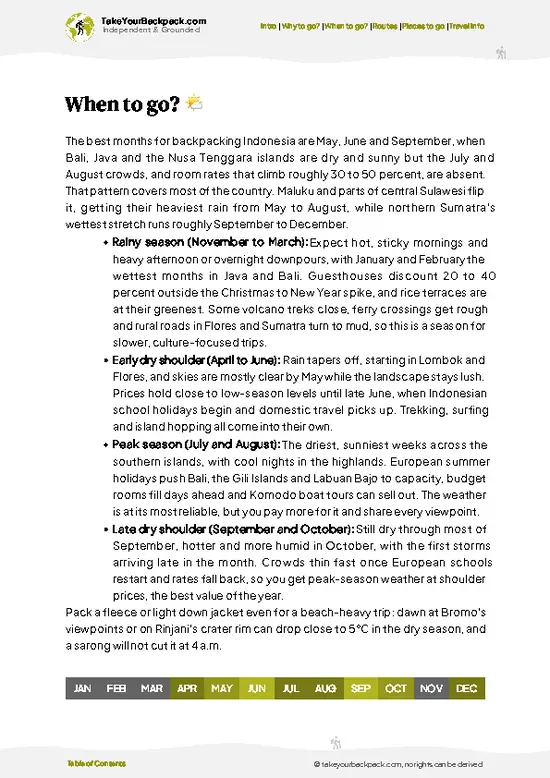
  • Topic: Weather and Temperature – The dry season from May to September is your best bet, with temperatures hovering between 24-32°C (75-90°F). Expect less humidity and minimal rain, making it easier to explore the palace grounds without sweating through your shirt.

  • Topic: Daylight Hours – Daylight is fairly consistent year-round, roughly 11-12 hours daily. Early mornings and late afternoons offer softer light and cooler temps, perfect for photography and avoiding the midday scorch.

  • Topic: Crowds – Peak tourist season aligns with the dry months, especially July and August, when the palace gets packed. If you want to dodge the selfie sticks and tour groups, aim for shoulder months like May or September.

  • Topic: Seasonal Activities – Cultural events and traditional performances often spike during
read more 👉

  • Topic: Weather and Temperature – The dry season from May to September is your best bet, with temperatures hovering between 24-32°C (75-90°F). Expect less humidity and minimal rain, making it easier to explore the palace grounds without sweating through your shirt.

  • Topic: Daylight Hours – Daylight is fairly consistent year-round, roughly 11-12 hours daily. Early mornings and late afternoons offer softer light and cooler temps, perfect for photography and avoiding the midday scorch.

  • Topic: Crowds – Peak tourist season aligns with the dry months, especially July and August, when the palace gets packed. If you want to dodge the selfie sticks and tour groups, aim for shoulder months like May or September.

  • Topic: Seasonal Activities – Cultural events and traditional performances often spike during major Indonesian holidays and festivals, like the Yogyakarta Art Festival in June. These add layers to your visit but also draw bigger crowds.

  • Topic: Price Fluctuations – Entrance fees stay stable, but accommodation and transport costs can double during peak season. Booking in shoulder months can save you serious cash without sacrificing the experience.


Pro-tip: Visit early in the dry season—May or early June—when the palace is lively but not overrun, the weather is kind, and prices haven’t hit their summer peak.


source: climatestotravel.comJANJanuary: fair for travelingFEBFebruary: fair for travelingMARMarch: fair for travelingAPRApril: good for travelingMAYMay: excellent for travelingJUNJune: highly recommended for travelingJULJuly: good for travelingAUGAugust: good for travelingSEPSeptember: excellent for travelingOCTOctober: good for travelingNOVNovember: fair for travelingDECDecember: fair for traveling
when-to-go

✈️ The backpacker research shortcutIndonesia Travel Guide

An offline-friendly backpacking guide with optimized travel routes, ranked highlights, transport advice, and the best areas to stay.
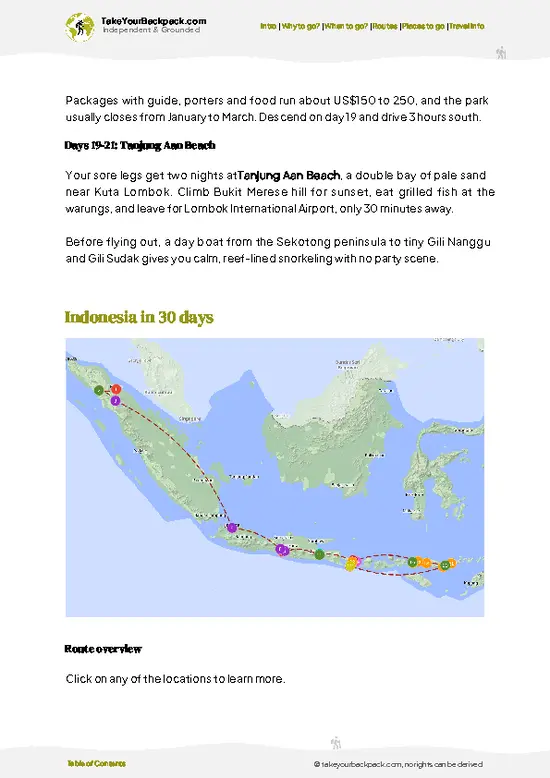
example page 0 from our offline Travel Guide for Indonesia
example page 1 from our offline Travel Guide for Indonesia
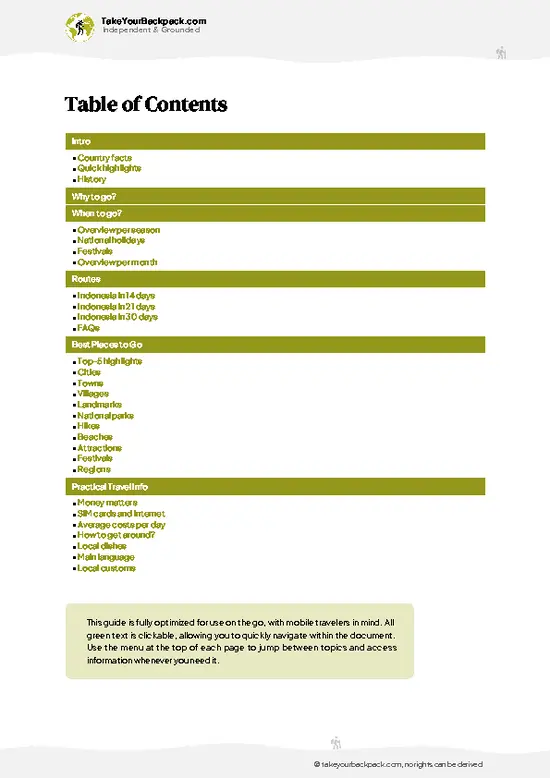
example page 2 from our offline Travel Guide for Indonesia
example page 3 from our offline Travel Guide for Indonesia
example page 4 from our offline Travel Guide for Indonesia
example page 5 from our offline Travel Guide for Indonesia
example page 6 from our offline Travel Guide for Indonesia
example page 7 from our offline Travel Guide for Indonesia
The digital guide (550 pages) contains:
155 highlights, ranked by travel appeal
Optimized 14, 21 & 30-day travel routes
Cities, national parks, landmarks, beaches
How to get around
Offline-friendly for travel without Wi-Fi
👉 Click to see all 30+ guide features

📅 Plan smarter in minutes, not weeks
Month by month travel advice
Festivals & national holidays
Budget expectations

🗺️ Go to the right places, skip the overrated ones
Honest pros & cons of destinations
Top hikes, parks & viewpoints
Lesser-known places most travelers miss
Clear “worth it vs skip it” guidance

🛏️ Travel smoothly without rookie mistakes
Best areas to stay
Transport systems explained simply
Common scams & safety advice
SIM cards, money & practical tips

🌍 Understand the country, not just visit it
Culture & traditions
52 Essential phrases & customs
Festivals worth planning around
Traveler-friendly historical context
Insights that make places more meaningful

📱 Built for real travel conditions
Fully downloadable PDF
Works completely offline
Optimized for phone use
Useful in remote areas & buses
Everything in one place
Save weeks of stressful planning
Get instant access to your full guide. 30‑day money-back guarantee.


By proceeding you agree to our terms.
Sent to your inbox immediately after payment • 100% Secure Checkout
Best Backpacking Travel Advisor 2025 tourism awardBest Backpacking
Travel Advisor
2025
What others say about Take Your Backpack Guides:
⭐⭐⭐⭐⭐
Fantastic, amazing amount of information!
⭐⭐⭐⭐⭐
My goodness this is amazing, it's what I've been looking for hats off too you!
⭐⭐⭐⭐⭐
I think this is absolutely BRILLIANT
⭐⭐⭐⭐
Very complete and informative. It's still missing places, but I gotta to commend you
⭐⭐⭐⭐⭐
This is truly amazing, thank you, can't wait to explore it with my kids!
⭐⭐⭐⭐⭐
Awesome resource, thank you!
⭐⭐⭐⭐⭐
This is amazing! Can't wait to explore the ones I haven't seen
⭐⭐⭐⭐
I love this! Well done, great idea.
⭐⭐⭐⭐⭐
Thanks for taking the time to make this gem!
⭐⭐⭐⭐⭐
This might be the best website I've ever seen.
⭐⭐⭐⭐⭐
Congratulations, and thank you so much for your work; it's incredibly valuable.
⭐⭐⭐⭐
In all seriousness I think you did a great job pointing out the important spots
⭐⭐⭐⭐⭐
10/10 very good
⭐⭐⭐⭐⭐
As someone who's only just starting to visit regularly this is awesome, thank you.
⭐⭐⭐⭐
Thank you very much! I'm going to visit my dad, it's going to be very useful!
⭐⭐⭐⭐⭐
This is really cool! We'll be travelling for the first time and this definitely come in handy.
⭐⭐⭐⭐⭐
You are now our minister of culture, congratulations 👨‍💼
⭐⭐⭐⭐⭐
Just wanted to tell you that this is a pearl! Going to follow your recommendations.
⭐⭐⭐⭐⭐
This is so cool. I'll definitely be using the resource for my travels soon.
⭐⭐⭐⭐⭐
This is very impressive! Good work.
⭐⭐⭐⭐⭐
This is an amazing and informative site. Very well done!

🛏️ Where to stay?Best areas to stay in Indonesia

If you’re aiming to soak in the Yogyakarta Palace vibe without getting swallowed by tourist traps, your best bet is to camp out in the neighborhoods just east and south of the palace grounds. These areas aren’t just close—they’re alive with the kind of energy that solo backpackers crave: safe streets, affordable eats, and a steady stream of fellow travelers who are more interested in swapping stories than snapping staged selfies.

Forget the polished, overpriced spots right next to the palace gates. Instead, look for the quieter lanes where local warungs serve up authentic gudeg and kopi joss, … read more 👉
If you’re aiming to soak in the Yogyakarta Palace vibe without getting swallowed by tourist traps, your best bet is to camp out in the neighborhoods just east and south of the palace grounds. These areas aren’t just close—they’re alive with the kind of energy that solo backpackers crave: safe streets, affordable eats, and a steady stream of fellow travelers who are more interested in swapping stories than snapping staged selfies.

Forget the polished, overpriced spots right next to the palace gates. Instead, look for the quieter lanes where local warungs serve up authentic gudeg and kopi joss, and where you can catch a gamelan rehearsal drifting through the air. This is where you’ll find guesthouses and homestays that feel more like a home base than a hotel lobby. The social scene here is low-key but genuine—perfect for meeting other budget travelers without the forced hostel party vibe.

Yes, it’s busy around the palace, especially during cultural events, but staying just a block or two away means you get the buzz without the chaos. It’s the sweet spot between convenience and authenticity, where the real magic of Yogyakarta’s heritage seeps into your daily rhythm.

👛 Costs (as of 10 December 2024)What things cost and how to budget

As of the most recent estimates, the entrance fee for Yogyakarta Palace is IDR 15,000 for domestic visitors and IDR 25,000 for international visitors. Additional costs may include a camera fee of IDR 1,000 and optional guided tours, which may require a donation.

source: indonesia.travel
⚠️ Prices can change and everyone travels differently, so take this as a rough guide. Hope it helps you plan your adventure!

Other Indonesian attractions near Yogyakarta Palace

Explore more nearby:


💡 Not sure where to go next?
Create a personalized itinerary for Indonesia including Yogyakarta Palace and the places that fit your trip.

Generate my itinerary

👉 Discover all attractions

Or checkout all Indonesia has to offer (think cities, towns, villages, national parks, hikes, beaches, festivals)
Country photo of Indonesia

We 💚 feedbackSumming up the experience

Yogyakarta Palace isn’t some quiet escape—it’s packed with tourists and locals alike, which can feel overwhelming if you’re chasing solitude. But here’s the kicker: the palace’s living history, with its intricate carvings and daily rituals, pulls you into a world where tradition breathes through every corner. It’s not just a photo op; it’s a chance to witness a culture fiercely proud and alive, right in the heart of the city.

✈️ When did I visit Indonesia?
As part of my 1.5 year travel around the world trip, I visited Indonesia twice (and it was worth it. First in September 2015 and a bit later again in January and February 2016.

✍️ Help improve this page!
The information on this page is based on my own backpacking experience in Indonesia, supplemented with up-to-date research and feedback from other travelers. Travel details can change, so if you notice anything outdated or incomplete, feel free to let me know.


🙋‍♂️ Give feedback

👋 Meet the founderWho’s Behind Take Your Backpack?

Johan, backpacker and founder of TakeYourBackpackHi, I’m Johan (Netherlands 🇳🇱), the creator of TakeYourBackpack. Over the past decade, I’ve backpacked through 80+ countries across six continents, gaining extensive experience with independent travel, long-term trips, and overland routes.

This site is built on a combination of firsthand travel experience and carefully curated insights from other backpackers. Many guides are based on places I’ve personally visited, while others bring together tips, observations, and practical advice shared by trusted travelers I’ve met along the way.

The goal is to provide realistic, experience-driven guidance — not generic itineraries — so you can explore destinations with better context, clearer expectations, and more confidence.

Get full Indonesia guide •
Instant download • 155 highlights • Full Offline guide