×

Indonesia🇮🇩 | regionsGili AsahanSekotong coast, quiet snorkeling, small islet, southwest Lombok | things to do and best time to go

Explore GedeExplore Gili Layar

Backpacking in Gili Asahan
👀 For curious travelersregion ranked #19
By Johan Kruseman 🇳🇱 | Updated October 15, 2026

Everyone talks about Gili Asahan's coral reefs and diving, but what actually keeps backpackers here is the pace itself. Three small islands off Lombok's northwest coast in Indonesia, Gili Asahan rewards slow travelers who skip the resort circuit and anchor themselves for a week or more. I remember sitting on a wooden bench at sunset, salt-crusted and sun-drunk, watching fishermen haul nets while the islands' single road hummed with bicycle traffic. No cars, no noise, no rush. The trade-off is real: fewer restaurants than Bali, fewer nightlife options than the Gilis' rowdier neighbors. But that's the point. You come here to decompress, not to collect experiences.

Discover everything you want to know in the 📖 Indonesia Travel Guide.


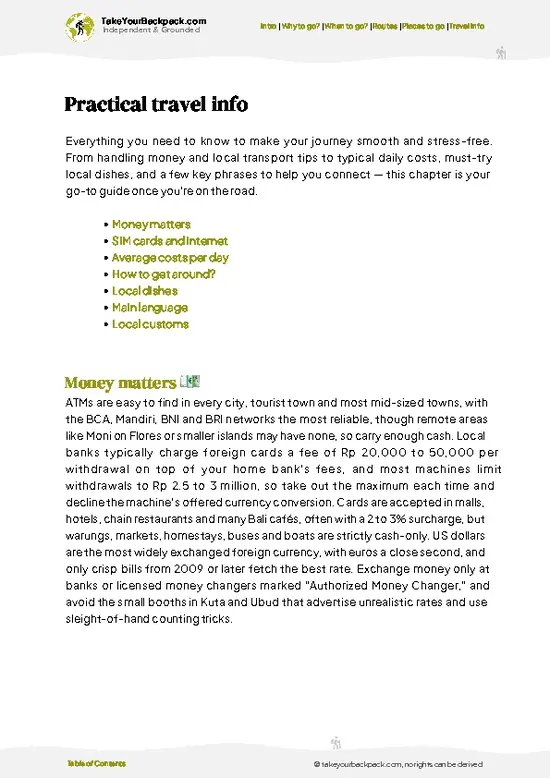
example page 0 from our offline Travel Guide for Indonesia
example page 1 from our offline Travel Guide for Indonesia
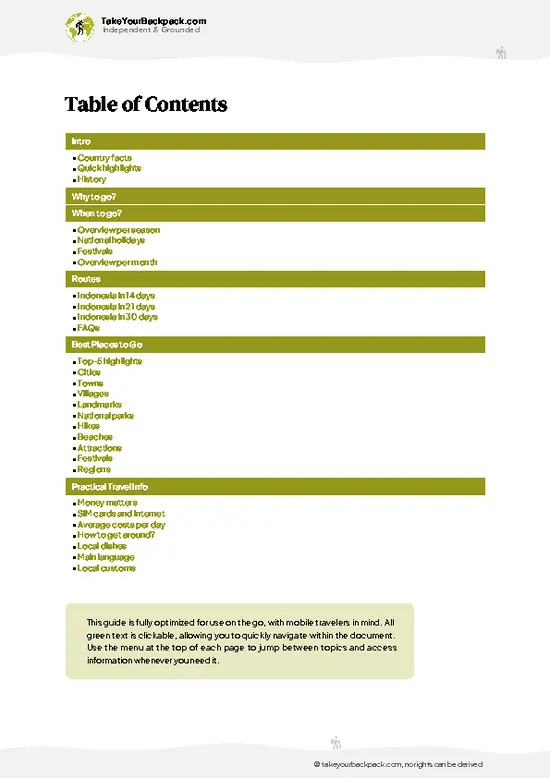
example page 2 from our offline Travel Guide for Indonesia
example page 3 from our offline Travel Guide for Indonesia
example page 4 from our offline Travel Guide for Indonesia
example page 5 from our offline Travel Guide for Indonesia
example page 6 from our offline Travel Guide for Indonesia
example page 7 from our offline Travel Guide for Indonesia
Loading the map 🌍
CLICK TO FILTER
cities
towns
villages
landmarks
national parks
hikes
beaches
attractions
festivals
regions
SHOW COUNTRY’S BESTSHOW ALL

✨ Why go?
Ranked #19 region in Indonesia
What sets this place apart

Gili Asahan works because it combines multiple landscapes without constant relocation. Snorkel the reefs in the morning, hike through rice paddies by afternoon, and base yourself in one village for days. The lack of motorized transport forces you to move slowly, which means you actually notice things: the way light hits the water, how locals greet each other, the rhythm of tidal rhythms. Transport between islands is cheap and frequent, so you can island-hop without logistics stress. It's the rare place where nature and culture coexist without competing for your attention.

💡 HighlightsPlaces and moments you shouldn't skip

  1. Gili Asahan's Coral Reefs: Shallow, accessible snorkeling directly from shore with healthy coral gardens and reef fish; no boat required for decent visibility.
  2. Sunset Point (West Beach): A local favorite where the island's single road meets the water; watch fishermen and catch the day's end without crowds.
  3. Rice Paddies Inland: Trek through working agricultural land behind the main villages; locals rarely see tourists here, and the landscape shifts from coast to cultivation within minutes.
  4. Gili Meno Day Trip: The quietest of the three main Gilis, with a saltwater lake and minimal tourism infrastructure; accessible by public boat in 15 minutes.
  5. Underwater Statues (Gili Meno): A submerged sculpture garden placed on the seafloor; snorkel or dive to see them, a quirky art installation most tourists
… read more 👉
  1. Gili Asahan's Coral Reefs: Shallow, accessible snorkeling directly from shore with healthy coral gardens and reef fish; no boat required for decent visibility.
  2. Sunset Point (West Beach): A local favorite where the island's single road meets the water; watch fishermen and catch the day's end without crowds.
  3. Rice Paddies Inland: Trek through working agricultural land behind the main villages; locals rarely see tourists here, and the landscape shifts from coast to cultivation within minutes.
  4. Gili Meno Day Trip: The quietest of the three main Gilis, with a saltwater lake and minimal tourism infrastructure; accessible by public boat in 15 minutes.
  5. Underwater Statues (Gili Meno): A submerged sculpture garden placed on the seafloor; snorkel or dive to see them, a quirky art installation most tourists miss.
  6. Local Markets (Early Morning): Fish and produce markets in the main village operate before 8 a.m.; watch the daily rhythm and buy fresh fruit for pennies.
  7. Seaweed Farming Areas: Walk the shallow waters where farmers tend seaweed crops; a working landscape that reveals how islanders sustain themselves beyond tourism.
  8. Night Snorkeling: Arrange with a local guide to snorkel after dark when nocturnal reef life emerges; bioluminescent plankton and hunting fish create an otherworldly experience.
  9. Gili Asahan to Gili Trawangan Boat Crossing: The 30-minute public ferry ride itself is worth the journey; watch the seascape change and spot dolphins if lucky.
  10. Mangrove Kayaking (Nearby): Paddle through mangrove channels on the mainland side; a quieter alternative to reef snorkeling and home to juvenile fish and birds.
I'd start with the coral reefs because they're the reason the islands exist as a destination, but the rice paddies are what make you feel like you've actually been somewhere.
Spotted a mistake or missing something? Contact us.

Things to do around Gili Asahan

Ratings based on Tripadvisor reviews. When you book through this link, you support our work at no extra cost to you.

⌛️ 5 daysSeeing the highlights in 5 days

Day 1: Gili Asahan Arrival: Arrive by boat from Lombok's northwest coast (Bangsal Harbor is the main gateway). Settle into a beachfront guesthouse and spend the afternoon snorkeling from shore to acclimate to the water and reef. The evening walk around the island takes 90 minutes; use it to map the villages and spot where locals eat.

Day 2: Reef Immersion: Hire a guide for a deeper snorkel or dive if certified. Explore the underwater statues on Gili Meno via day trip. Return by late afternoon and eat at a warung where fishermen gather; this is where you'll find the day's catch prepared simply.

Day 3: Inland & Agriculture: Trek the rice paddies and seaweed farms. This day breaks the reef routine and shows how the islands sustain themselves. Minimal tourists venture here; you'll meet farmers … read more 👉
Day 1: Gili Asahan Arrival: Arrive by boat from Lombok's northwest coast (Bangsal Harbor is the main gateway). Settle into a beachfront guesthouse and spend the afternoon snorkeling from shore to acclimate to the water and reef. The evening walk around the island takes 90 minutes; use it to map the villages and spot where locals eat.

Day 2: Reef Immersion: Hire a guide for a deeper snorkel or dive if certified. Explore the underwater statues on Gili Meno via day trip. Return by late afternoon and eat at a warung where fishermen gather; this is where you'll find the day's catch prepared simply.

Day 3: Inland & Agriculture: Trek the rice paddies and seaweed farms. This day breaks the reef routine and shows how the islands sustain themselves. Minimal tourists venture here; you'll meet farmers and see the landscape that feeds the islands.

Day 4: Gili Meno Overnight: Take the public boat to Gili Meno and stay one night. Explore the saltwater lake and the island's quieter rhythm. Arrange night snorkeling if conditions allow; it's the trip's most surreal moment.

Day 5: Departure or Extension: Return to Gili Asahan or push onward. Off-Path Reward: Kayak through mangrove channels on the mainland before leaving; it's a 45-minute boat ride and reveals a completely different ecosystem. Must-Do Day: Day 2's combination of reef and Gili Meno statues justifies the entire trip.

🌤️ When to go?Choosing the right time of year

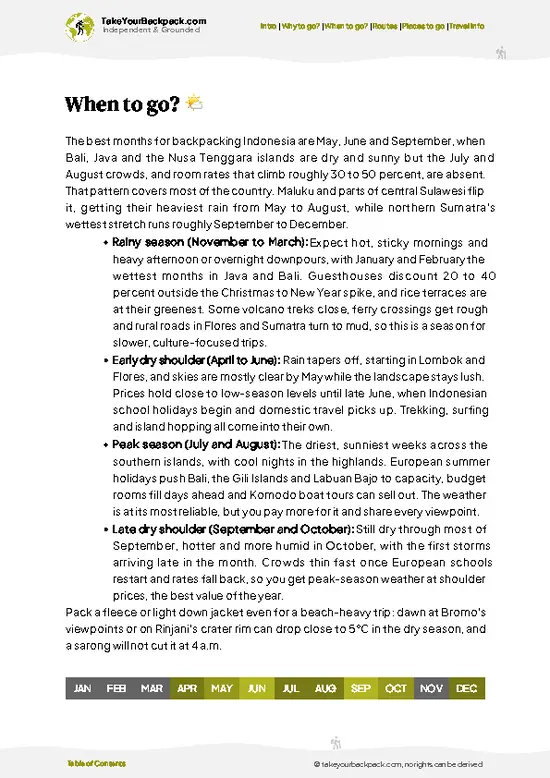
  • Dry Season (April to October): Best overall window with calm seas, clear water for snorkeling, and minimal rain. Temperatures 26 to 30°C (79 to 86°F). Crowds peak July to August but remain manageable compared to Bali.
  • Wet Season (November to March): Frequent rain, rougher seas, and occasional boat cancellations, but fewer tourists, lower prices, and lush green landscapes. Temperatures 27 to 32°C (81 to 90°F).
  • Shoulder Months (March to April, September to October): Sweet spot for weather stability and moderate crowds; prices drop slightly from peak season.
Visit April to June for the best balance of weather, affordability, and solitude.

source: climatestotravel.comJANJanuary: below average for travelingFEBFebruary: below average for travelingMARMarch: below average for travelingAPRApril: fair for travelingMAYMay: excellent for travelingJUNJune: excellent for travelingJULJuly: highly recommended for travelingAUGAugust: highly recommended for travelingSEPSeptember: excellent for travelingOCTOctober: good for travelingNOVNovember: below average for travelingDECDecember: below average for traveling
when-to-go

✈️ The backpacker research shortcutIndonesia Travel Guide

An offline-friendly backpacking guide with optimized travel routes, ranked highlights, transport advice, and the best areas to stay.
example page 0 from our offline Travel Guide for Indonesia
example page 1 from our offline Travel Guide for Indonesia
example page 2 from our offline Travel Guide for Indonesia
example page 3 from our offline Travel Guide for Indonesia
example page 4 from our offline Travel Guide for Indonesia
example page 5 from our offline Travel Guide for Indonesia
example page 6 from our offline Travel Guide for Indonesia
example page 7 from our offline Travel Guide for Indonesia
The digital guide (460 pages) contains:
✅ 153 highlights, ranked by travel appeal
✅ Optimized 14, 21 & 30-day travel routes
✅ Cities, national parks, landmarks, beaches
✅ How to get around
✅ Offline-friendly for travel without Wi-Fi
👉 Click to see all 30+ guide features

📅 Plan smarter in minutes, not weeks
✅ Month by month travel advice
✅ Festivals & national holidays
✅ Budget expectations

🗺️ Go to the right places, skip the overrated ones
✅ Honest pros & cons of destinations
✅ Top hikes, parks & viewpoints
✅ Lesser-known places most travelers miss
✅ Clear “worth it vs skip it” guidance

🛏️ Travel smoothly without rookie mistakes
✅ Best areas to stay
✅ Transport systems explained simply
✅ Common scams & safety advice
✅ SIM cards, money & practical tips

🌍 Understand the country, not just visit it
✅ Culture & traditions
✅ 52 Essential phrases & customs
✅ Festivals worth planning around
✅ Traveler-friendly historical context
✅ Insights that make places more meaningful

📱 Built for real travel conditions
✅ Fully downloadable PDF
✅ Works completely offline
✅ Optimized for phone use
✅ Useful in remote areas & buses
✅ Everything in one place
Stop searching, start planning
Get instant access to your full guide. 30‑day money-back guarantee.
+ Add another guide for just

By proceeding you agree to our terms.
Sent to your inbox immediately after payment • 100% Secure Checkout
Best Backpacking Travel Advisor 2025 tourism awardBest Backpacking
Travel Advisor
2025
What others say about Take Your Backpack Guides:
⭐⭐⭐⭐⭐
Fantastic, amazing amount of information!
⭐⭐⭐⭐⭐
My goodness this is amazing, it's what I've been looking for hats off too you!
⭐⭐⭐⭐⭐
I think this is absolutely BRILLIANT
⭐⭐⭐⭐
Very complete and informative. It's still missing places, but I gotta to commend you
⭐⭐⭐⭐⭐
This is truly amazing, thank you, can't wait to explore it with my kids!
⭐⭐⭐⭐⭐
Awesome resource, thank you!
⭐⭐⭐⭐⭐
This is amazing! Can't wait to explore the ones I haven't seen
⭐⭐⭐⭐
I love this! Well done, great idea.
⭐⭐⭐⭐⭐
Thanks for taking the time to make this gem!
⭐⭐⭐⭐⭐
This might be the best website I've ever seen.
⭐⭐⭐⭐⭐
Congratulations, and thank you so much for your work; it's incredibly valuable.
⭐⭐⭐⭐
In all seriousness I think you did a great job pointing out the important spots
⭐⭐⭐⭐⭐
10/10 very good
⭐⭐⭐⭐⭐
As someone who's only just starting to visit regularly this is awesome, thank you.
⭐⭐⭐⭐
Thank you very much! I'm going to visit my dad, it's going to be very useful!
⭐⭐⭐⭐⭐
This is really cool! We'll be travelling for the first time and this definitely come in handy.
⭐⭐⭐⭐⭐
You are now our minister of culture, congratulations 👨‍💼
⭐⭐⭐⭐⭐
Just wanted to tell you that this is a pearl! Going to follow your recommendations.
⭐⭐⭐⭐⭐
This is so cool. I'll definitely be using the resource for my travels soon.
⭐⭐⭐⭐⭐
This is very impressive! Good work.
⭐⭐⭐⭐⭐
This is an amazing and informative site. Very well done!

🛏️ Where to stay?How to pick the right area

The main village on Gili Asahan is the social hub, with the most guesthouses, warungs, and other backpackers. Stay here if you want community and easy access to boats and supplies. Gili Meno appeals to travelers seeking deeper quiet; it has fewer facilities but attracts a slower-paced crowd. Gili Trawangan, the largest of the three, offers more nightlife and restaurants but feels more touristy. For Gili Asahan specifically, the beachfront area near the main dock offers the best balance of access and atmosphere without being overcrowded.

🚌 Getting aroundMoving around without the hassle

From Lombok's Praya Airport or Mataram's main transport hub, catch a minibus or ride-share to the west coast port at Bangsal (45 minutes to 1 hour, US$3 to 6). From there, fast boats depart regularly to Gili Asahan. Most backpackers move between the three Gili islands and the mainland using this same ferry corridor, which runs reliably year-round with multiple daily departures.

  • Fast boats (speedboats): US$15 to 25 per person, 15 to 20 minutes from Bangsal to Gili Asahan, moderately comfortable with shade and life jackets; depart when full or on set schedules, typically every 1 to 2 hours during daylight.
  • Slow boats (traditional wooden ferries): US$5 to 8 per person, 45 minutes to 1 hour, basic seating but cheaper and less crowded; run once or twice daily, usually early morning.
  • Private boat
… read more 👉
From Lombok's Praya Airport or Mataram's main transport hub, catch a minibus or ride-share to the west coast port at Bangsal (45 minutes to 1 hour, US$3 to 6). From there, fast boats depart regularly to Gili Asahan. Most backpackers move between the three Gili islands and the mainland using this same ferry corridor, which runs reliably year-round with multiple daily departures.

  • Fast boats (speedboats): US$15 to 25 per person, 15 to 20 minutes from Bangsal to Gili Asahan, moderately comfortable with shade and life jackets; depart when full or on set schedules, typically every 1 to 2 hours during daylight.
  • Slow boats (traditional wooden ferries): US$5 to 8 per person, 45 minutes to 1 hour, basic seating but cheaper and less crowded; run once or twice daily, usually early morning.
  • Private boat charter: US$80 to 150 for a small group, flexible timing and direct routes, worth splitting among 4 to 6 travelers if you're island-hopping or visiting remote snorkel sites.
  • Cidomo (horse cart): US$2 to 4 per ride, slow but charming for short distances on the island itself, no schedule, hail one on the main path or through your accommodation.

Book fast boats the evening before if traveling during peak season (July to August); slow boats offer better value and a more local experience if you have flexible timing.

🍲 FoodEating & Drinking in Gili Asahan

The islands' food centers on fresh seafood and rice, prepared simply at family-run warungs. Grilled fish with sambal and lime is the daily staple; ask for the catch of the day and you'll eat what locals eat. Markets open before dawn with produce from Lombok, so buy mangoes, papaya, and coconut directly from vendors. Drink fresh coconut water straight from the nut and strong coffee at sunrise. Dining customs are casual: eat where fishermen eat, pay cash, and expect no frills. The islands have no tourist restaurants; every meal tastes like someone's home kitchen, which is exactly the point.

FAQTraveler FAQ

Four to six days lets you snorkel multiple reef sections, explore the island's quiet interior, and take a day trip to nearby Gili Meno or the Lombok coast. Most backpackers spend 3 to 4 nights on Gili Asahan itself, with 1 to 2 days for side excursions by boat.
Slow boats and fast ferries connect Gili Asahan to Bangsal port on Lombok (45 minutes to 1 hour, US$5 to 25 depending on boat type), and cidomos (horse carts) move you around the island itself for US$2 to 4 per ride. No motorized vehicles exist on the island, so walking and cycling are the main options.
Gili Asahan is known for pristine coral reefs, calm turquoise waters ideal for snorkeling, and a quieter, less developed atmosphere compared to Gili Trawangan and Gili Meno. It attracts backpackers seeking authentic reef encounters and a slower pace without the nightlife and crowds of the main tourist islands.
⚠️ Things can change over time, so always validate details locally before you go.

Other Indonesian regions near Gili Asahan

Explore more nearby:

  • Gili Layar—Southwest Lombok islet, white sand, day trips, clear shallows| 2 km away
  • Gili Nanggu—Nanggu islet, house reef, Sekotong boats, palm-fringed sand| 14 km away
  • Gili Islands—Trawangan, Meno, Air, no motor vehicles, turtle snorkeling| 47 km away

💡 Not sure where to go next?
Create a personalized itinerary for Indonesia including Gili Asahan and the places that fit your trip.

Generate my itinerary

👉 Discover all regions

Or checkout all Indonesia has to offer (think cities, towns, villages, national parks, hikes, beaches, festivals)
Country photo of Indonesia

We 💚 feedbackWhat to keep in mind

Gili Asahan rewards slow travelers who skip the crowded main islands and want genuine reef life without the party scene. The catch is that infrastructure is minimal, so come prepared for basic accommodation and limited dining options.

✈️ When did I visit Indonesia?
As part of my 1.5 year travel around the world trip, I visited Indonesia twice (and it was worth it): first in September 2015 and a bit later again in January and February 2016.

✍️ Help improve this page!
The information on this page is based on my own backpacking experience in Indonesia, supplemented with up-to-date research and feedback from other travelers. Travel details can change, so if you notice anything outdated or incomplete, feel free to let me know.


🙋‍♂️ Give feedback

👋 Meet the founderWho’s Behind Take Your Backpack?

Johan, backpacker and founder of TakeYourBackpackHi, I’m Johan (Netherlands 🇳🇱), the creator of TakeYourBackpack. Over the past 3 decades, I’ve backpacked through 90+ countries across six continents, gaining extensive experience with independent travel, long-term trips, and overland routes.

This site is built on a combination of firsthand travel experience and carefully curated insights from other backpackers. Many guides are based on places I’ve personally visited, while others bring together tips, observations, and practical advice shared by trusted travelers I’ve met along the way.

The goal is to provide realistic, experience-driven guidance — not generic itineraries — so you can explore destinations with better context, clearer expectations, and more confidence.