×

Indonesia🇮🇩 | best regionsTop-Rated 10 regions in Indonesia

Indonesia is a sprawling archipelago of over 17,000 islands, each region offering a unique blend of climate, landscapes, and cultural character that shapes your backpacking experience. From the volcanic peaks of Java to the lush rice terraces of Bali, the choice of region can dramatically influence your journey.

The climate varies widely; the dry season from April to October is ideal for trekking and exploring, while the wet season can turn paths into mudslides. Each island boasts distinct landscapes—think the rugged coastlines of Sumatra versus the serene beaches of the Gili Islands. This diversity not only affects your itinerary but also your budget. Popular areas like Bali may come with higher costs, while lesser-known regions can offer authentic experiences at a fraction of the price.

Safety and ease of travel also hinge on your chosen region. Some areas are well-trodden and equipped for independent travel, while others may require more planning and local insight. Ultimately, selecting the right region in Indonesia is crucial; it defines the vibe of your adventure, the depth of your cultural immersion, and the overall richness of your experience.

By Johan Kruseman 🇳🇱 | Updated June 8, 2026
Explore the best cities in Indonesia

Why go?Understanding Their Importance

Indonesia is a sprawling archipelago of over 17,000 islands, each with its own climatic diversity and cultural character. This vastness creates a unique tapestry of experiences that few other countries can match. From the volcanic landscapes of Java to the lush rainforests of Sumatra, the geographical variety is staggering. Each region offers distinct ecosystems, climates, and cultural practices, making it a playground for those who crave exploration.

However, this diversity comes with trade-offs. The sheer distance between islands can lead to significant travel time, often requiring multiple flights or lengthy boat rides. While this may seem daunting, the reward is a depth of exploration that reveals the soul of Indonesia. Travelers can immerse themselves in local traditions, from the intricate … read more 👉
Indonesia is a sprawling archipelago of over 17,000 islands, each with its own climatic diversity and cultural character. This vastness creates a unique tapestry of experiences that few other countries can match. From the volcanic landscapes of Java to the lush rainforests of Sumatra, the geographical variety is staggering. Each region offers distinct ecosystems, climates, and cultural practices, making it a playground for those who crave exploration.

However, this diversity comes with trade-offs. The sheer distance between islands can lead to significant travel time, often requiring multiple flights or lengthy boat rides. While this may seem daunting, the reward is a depth of exploration that reveals the soul of Indonesia. Travelers can immerse themselves in local traditions, from the intricate rituals of Balinese Hinduism to the vibrant markets of Sulawesi. Each region tells a story, rich with history and local lore, that transcends the typical tourist experience.

Infrastructure varies widely across the archipelago. Major islands like Bali and Java are relatively well-connected, with decent roads and public transport. Yet, as you venture into lesser-known areas, the infrastructure can become rudimentary. This means that while you might find yourself in a breathtaking, untouched locale, the journey there may be less comfortable. Understanding this balance between accessibility and immersion is crucial for any traveler.

Cultural richness is another defining feature of Indonesia. The country is home to over 300 ethnic groups, each contributing to a vibrant mosaic of languages, customs, and culinary delights. This cultural diversity is not just a backdrop; it shapes the experiences you’ll have. Festivals, local crafts, and traditional performances offer a glimpse into the lives of the people, making each visit a chance to connect on a deeper level.

The climatic factors also play a significant role in shaping travel experiences. Indonesia has a tropical climate, with distinct wet and dry seasons. This can affect travel plans, as heavy rains can disrupt transportation and limit access to certain areas. Timing your visit is essential to maximize your experience, especially if you aim to explore remote regions.

In summary, Indonesia’s regions matter because they encapsulate a world of contrasts and opportunities. The trade-offs between travel time and depth of experience, accessibility and immersion, are what make this archipelago a compelling destination. Understanding these dynamics will not only enhance your journey but also deepen your appreciation for a country that thrives on its complexity.
Why These Made the Cut
The list of best regions in Indonesia is created based on landscapes, local culture, attractions, vibes, and overall appeal. If you feel a region is missing in this list, please let us know.

When to go?Best Time to Visit Indonesia for regions

Climate Variation
Indonesia’s climate is a mosaic of tropical patterns, influenced by monsoons and regional microclimates. The wet season typically spans from November to March, bringing heavy rains and humidity. This can lead to lush landscapes but also muddy trails and potential travel disruptions. The dry season, from April to October, offers clearer skies and more comfortable temperatures, making it the prime time for exploration. However, this is also when crowds swell, especially in popular areas.

Optimal Months
April to October is generally the best window for most regions. During these months, outdoor activities thrive. The dry season allows for easier navigation and more reliable weather. However, the peak months of July and August can feel congested, with higher prices and limited … read more 👉
Climate Variation
Indonesia’s climate is a mosaic of tropical patterns, influenced by monsoons and regional microclimates. The wet season typically spans from November to March, bringing heavy rains and humidity. This can lead to lush landscapes but also muddy trails and potential travel disruptions. The dry season, from April to October, offers clearer skies and more comfortable temperatures, making it the prime time for exploration. However, this is also when crowds swell, especially in popular areas.

Optimal Months
April to October is generally the best window for most regions. During these months, outdoor activities thrive. The dry season allows for easier navigation and more reliable weather. However, the peak months of July and August can feel congested, with higher prices and limited availability. For those willing to brave the shoulder months—April, May, September, and October—there’s a sweet spot. These months often feature fewer tourists, lower costs, and decent weather, though occasional rain can still occur.

Shoulder Seasons
Traveling during shoulder seasons can be a game-changer. April and October offer a balance of decent weather and manageable crowds. Expect some rain, but also vibrant landscapes and a more authentic experience. Prices for accommodations and activities often dip, making it easier to explore without breaking the bank. However, be prepared for the possibility of sudden downpours, especially in the early part of the wet season.

Peak Periods
While peak periods can enhance the energy of a destination, they come with trade-offs. Major festivals and holidays attract crowds, leading to inflated prices and limited availability. The cultural vibrancy during these times is undeniable, but the experience can feel diluted amid throngs of tourists. Planning around these events can provide a richer experience, but it requires careful timing and flexibility.

Seasonal Constraints
Travelers should consider the seasonal constraints that can impact their journey. The wet season can lead to flooding and transportation delays, particularly in remote areas. Conversely, the dry season’s popularity can mean long lines and crowded attractions. Understanding these dynamics allows for better planning, ensuring that the journey is as rewarding as the destination. Balancing comfort, experience, and timing is essential for navigating Indonesia’s diverse regions effectively.

region hoppingPlanning Your Route Efficiently

General Routing Logic

Indonesia is a sprawling archipelago, and the key to an efficient trip lies in regional clustering. Start in the west with Sumatra, where lush rainforests and vibrant cultures await. Then, pivot eastward to Java, home to bustling cities and iconic temples. From Java, head to Bali for its beaches and spiritual retreats, before finally exploring the lesser-known islands like Lombok and Flores. This sequence allows for a natural flow, minimizing backtracking and maximizing exposure to diverse landscapes and cultures.

Typical Time Needed

Allocate at least three to four days per major region. This pacing allows for exploration without feeling rushed. In Sumatra, dive into the jungle for a couple of days, then spend a day or two in the cultural heart of Java. Bali deserves … read more 👉

General Routing Logic

Indonesia is a sprawling archipelago, and the key to an efficient trip lies in regional clustering. Start in the west with Sumatra, where lush rainforests and vibrant cultures await. Then, pivot eastward to Java, home to bustling cities and iconic temples. From Java, head to Bali for its beaches and spiritual retreats, before finally exploring the lesser-known islands like Lombok and Flores. This sequence allows for a natural flow, minimizing backtracking and maximizing exposure to diverse landscapes and cultures.

Typical Time Needed

Allocate at least three to four days per major region. This pacing allows for exploration without feeling rushed. In Sumatra, dive into the jungle for a couple of days, then spend a day or two in the cultural heart of Java. Bali deserves a week to soak in its beaches, rice terraces, and temples. For the lesser-known islands, a long weekend can suffice, but more time is better to truly appreciate their unique offerings.

Common Planning Mistakes

One common pitfall is trying to see too much too quickly. Indonesia’s vastness can be deceptive; travel times between islands can be lengthy due to ferry schedules or flights. Underestimating these logistics can lead to frustration. Another mistake is overlooking local transport options. While flights are convenient, buses and ferries can offer a more authentic experience and often reveal hidden gems along the way.

Trade-offs and Constraints

Travelers face a constant balancing act between speed and depth of experience. Rushing through regions may save time but can rob the journey of its richness. Budget constraints often dictate choices, but opting for local accommodations and street food can enhance the experience without breaking the bank. Comfort versus adventure is another consideration; while luxury resorts are tempting, staying in local guesthouses can provide deeper insights into daily life.

Realistic Pacing and Flexibility

Flexibility is crucial. Weather can be unpredictable, especially during the rainy season, which may affect travel plans. Build in buffer days to accommodate delays or spontaneous adventures. Embrace the unexpected; sometimes the best experiences arise from unplanned detours. Prioritize what resonates most, whether it’s a breathtaking sunrise over a volcano or a quiet moment in a local market. This approach ensures a journey that’s not just about the destinations, but about the stories and connections made along the way.

The ListThe Best regions of Indonesia

1 Bali

rice terraces, temple ceremonies, surf beaches

Immerse yourself in a landscape where ritual, agriculture, and ocean pursuits intersect in everyday Balinese routines.

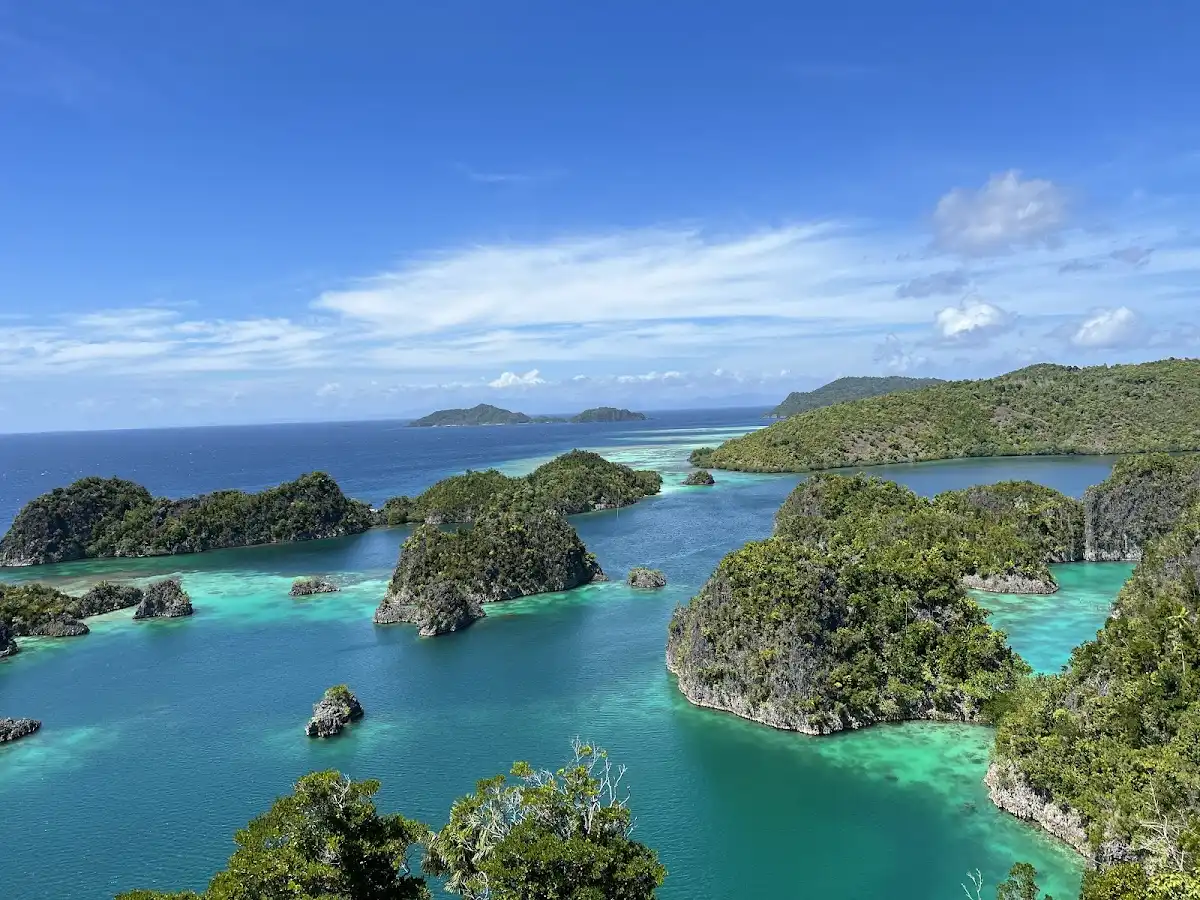
2 Raja Ampat Islands

biodiverse reefs, limestone islets, liveaboard cruises

Sail through a marine region with unparalleled underwater life and island scenery shaped by dramatic karst formations.

indonesia-region-raja-ampat-islands
© Google |

3 Java

volcanic peaks, ancient temples, urban sprawl

Traverse a densely populated island where active volcanoes, archaeological sites, and city life coexist in close proximity.

4 Sumatra

rainforest trekking, volcanic lakes, Sumatran wildlife

Explore vast wilderness areas, encounter rare species, and witness the impact of active geology on local communities.

5 Lombok

Rinjani trekking, Sasak villages, surf breaks

Hike dramatic landscapes, visit indigenous communities, and experience a slower pace compared to neighboring islands.

6 Sulawesi

weaving traditions, highland cultures, intricate coastline

Journey through a region where ethnic customs, mountainous interiors, and convoluted shores create distinct travel routes.

7 Borneo

rainforest reserves, orangutan habitats, river journeys

Navigate dense jungle waterways and observe rare wildlife in one of Southeast Asia’s most ecologically complex regions.

8 Flores

volcanic lakes, Komodo dragons, Catholic festivals

Travel across a rugged island marked by active geology, unique wildlife, and a blend of indigenous and colonial influences.

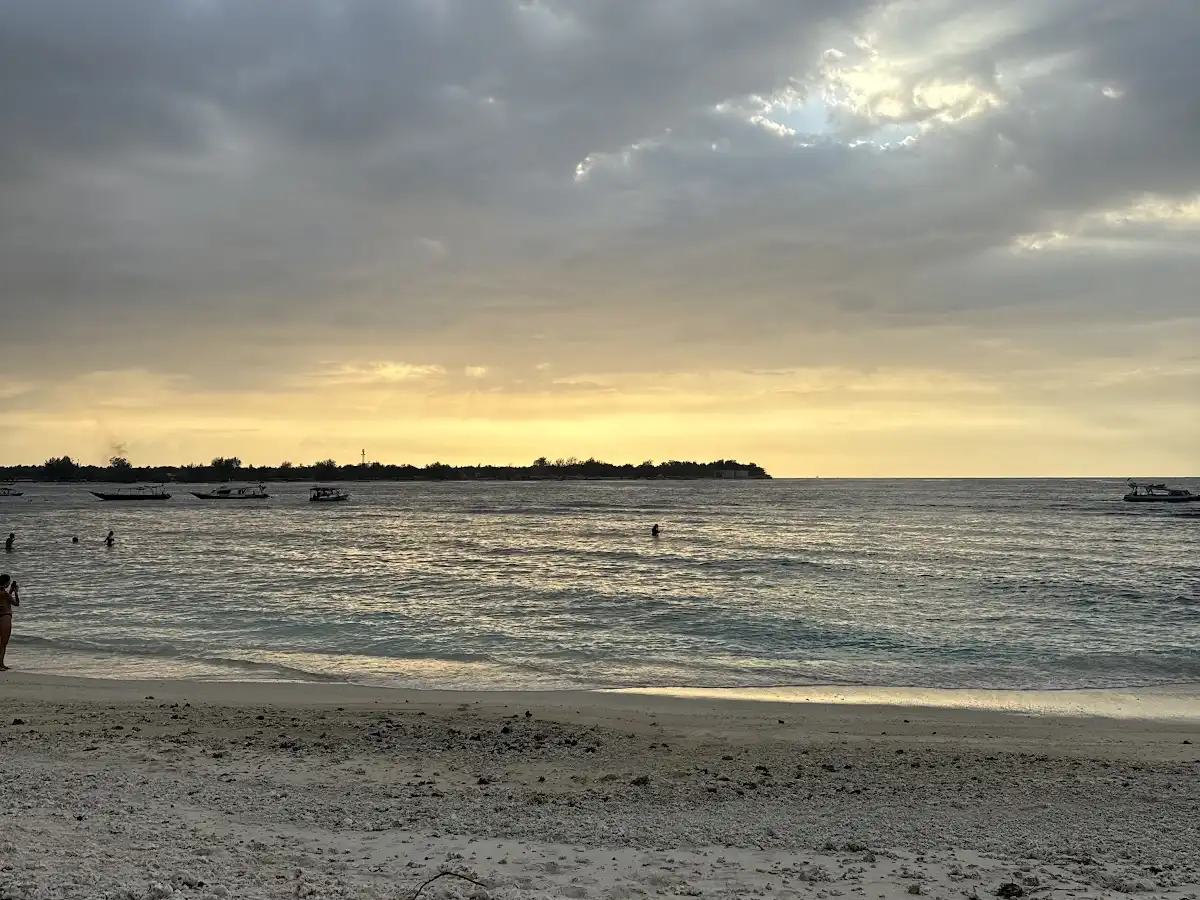
9 Gili Islands

party scene, dive shops, bicycle paths

Cycle between sandy lanes, socialize at beach bars, and explore underwater sites popular with international travelers.

indonesia-region-gili-islands
© Google |

10 Toraja Land

cliff graves, elaborate funerals, tongkonan houses

Attend unique rites of passage and see how architecture and ritual define daily life in the highlands.

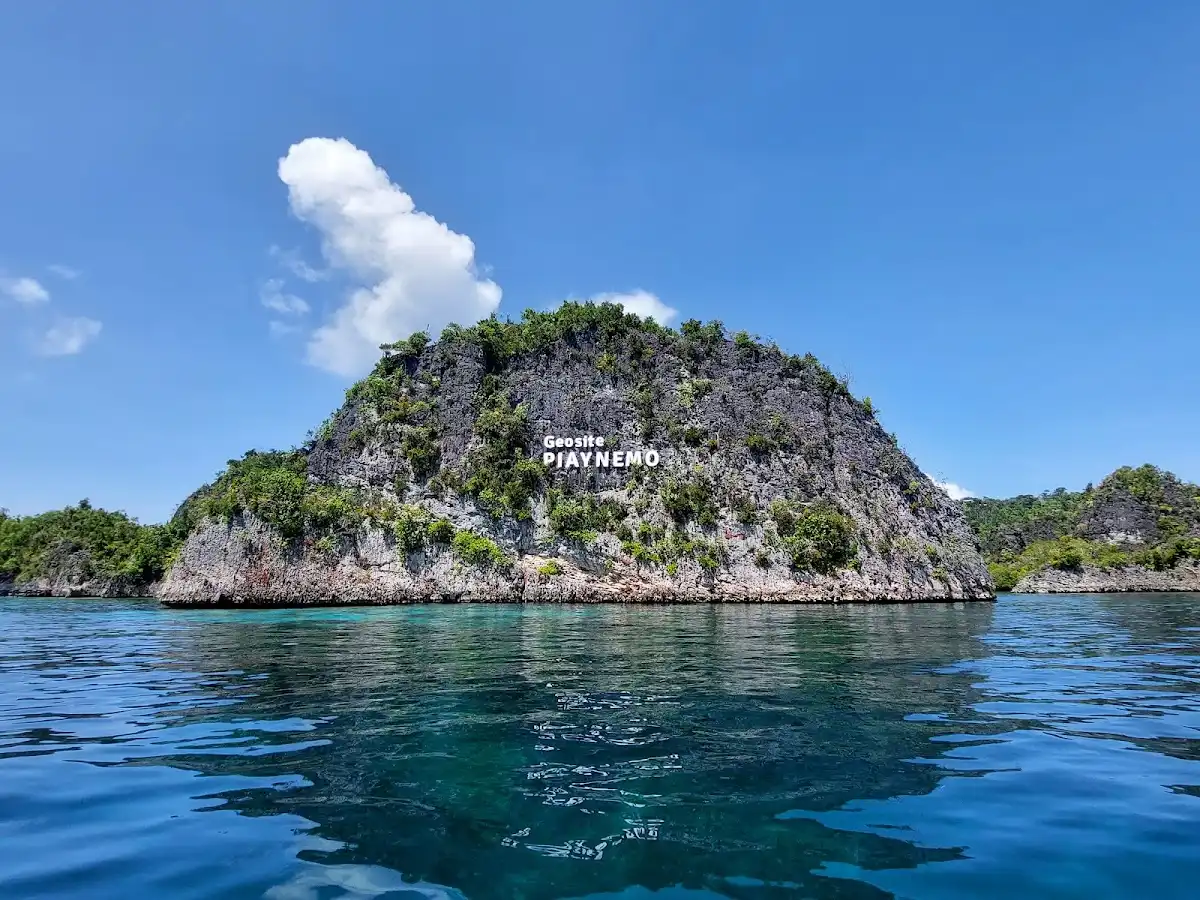
11 Papua

tribal diversity, dense jungle, remote villages

Venture into a region defined by cultural complexity and landscapes that remain largely inaccessible by road.

indonesia-region-papua
© Google |

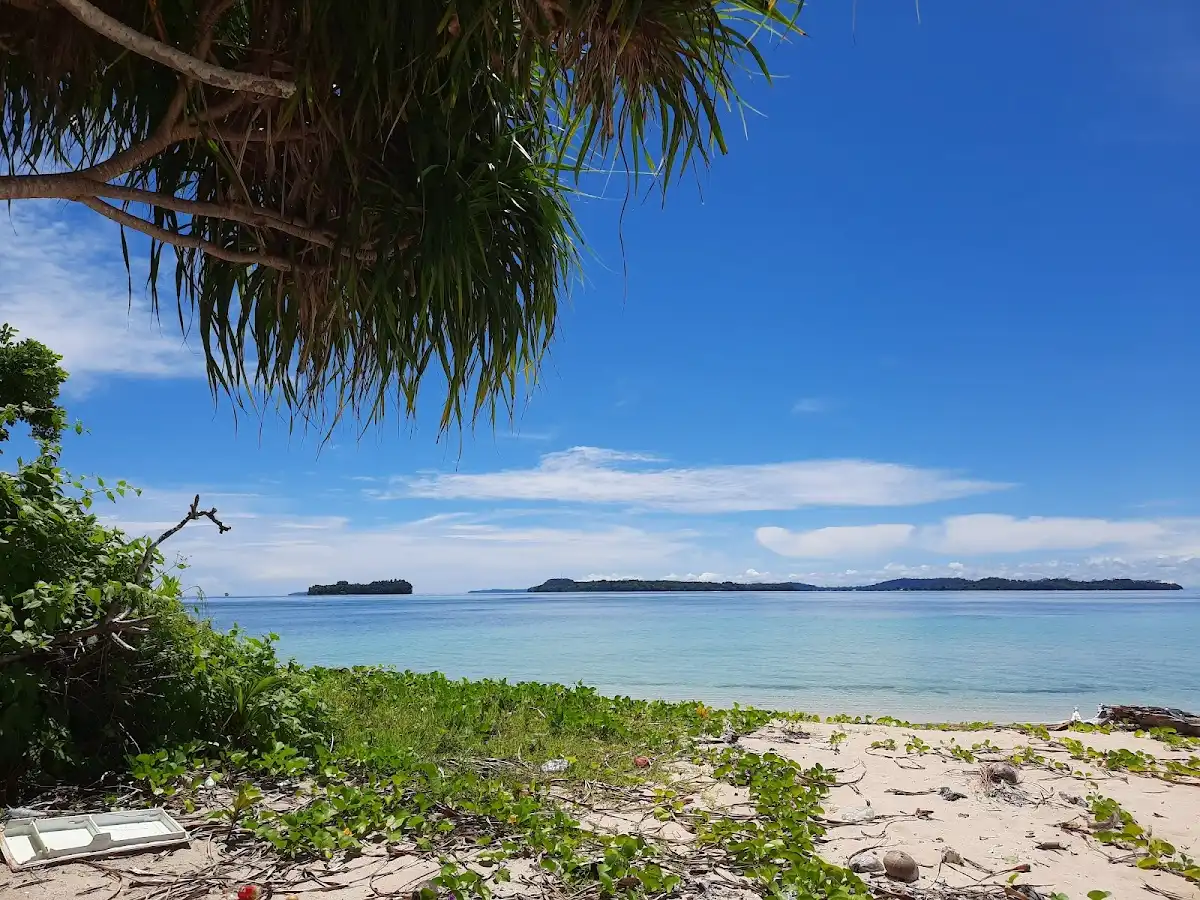
12 West Papua

coastal mangroves, indigenous art, isolated settlements

Travel through sparsely populated areas where local identity and natural environments remain largely undisturbed.

indonesia-region-west-papua
© Google |

13 Baliem Valley

highland tribes, mountain trails, traditional markets

Trek through remote uplands, encountering distinct Papuan customs and a subsistence lifestyle centered on communal gatherings.

14 Derawan Islands

coral reefs, sea turtle nesting, stilt villages

Snorkel clear waters, witness marine conservation in action, and stay among communities built above the sea.

15 Maratua Island

atoll lagoons, dive resorts, mangrove forests

Dive among vibrant reefs, stay in overwater lodges, and explore coastal ecosystems unique to this remote outpost.

16 Sumba Island

megalithic tombs, grassland savannah, ikat textiles

Observe traditional ceremonies, traverse open landscapes, and discover a culture rooted in ancestral practices.

17 Ambon island

spice history, coastal villages, Maluku culture

Experience daily life shaped by centuries of trade, diverse communities, and a coastline dotted with traditional fishing settlements.

18 Menjangan island

marine park, deer population, wall diving

Spend days snorkeling protected reefs and observing wildlife in a conservation area known for its underwater visibility.

19 Gili Asahan

quiet beaches, small-scale resorts, snorkeling coves

Unwind on an undeveloped islet where daily rhythms revolve around the sea and simple island hospitality.

20 Gili Layar

secluded sands, coral gardens, minimal infrastructure

Find solitude on a lesser-visited island where basic amenities and natural marine life shape the visitor experience.

21 Gili Nanggu

private bungalows, calm lagoon, reef snorkeling

Relax in a tranquil setting with easy access to shallow reefs and a focus on low-key, nature-based stays.

22 Gede

volcano summit, montane forest, crater lakes

Ascend forested slopes for panoramic views and encounter endemic species in a protected high-altitude environment.

Think you know Indonesia?

Prove you’re a true local — uncover 12 lesser-known regions in Indonesia that locals tend to keep to themselves.
Loading the map 🌍

Expert viewPro Tips for Exploring the Best

Geographic Diversity
Indonesia is an archipelago of over 17,000 islands, each with its own unique flavor. You’ve got volcanic mountains, lush jungles, pristine beaches, and bustling cities all vying for your attention. The sheer variety can be overwhelming, but that’s part of the allure. You could spend months exploring, but realistically, aim for three to five regions to get a taste of what this vast country offers.

Consider the contrast between the tranquil beaches of Nusa Tenggara and the vibrant street life of Java. Each region has its own rhythm, and understanding these differences is key to planning your journey. The landscapes shift dramatically, from the rice terraces of Bali to the rugged terrain of Sumatra. This diversity isn’t just visual; it’s cultural. Each island boasts distinct … read more 👉
Geographic Diversity
Indonesia is an archipelago of over 17,000 islands, each with its own unique flavor. You’ve got volcanic mountains, lush jungles, pristine beaches, and bustling cities all vying for your attention. The sheer variety can be overwhelming, but that’s part of the allure. You could spend months exploring, but realistically, aim for three to five regions to get a taste of what this vast country offers.

Consider the contrast between the tranquil beaches of Nusa Tenggara and the vibrant street life of Java. Each region has its own rhythm, and understanding these differences is key to planning your journey. The landscapes shift dramatically, from the rice terraces of Bali to the rugged terrain of Sumatra. This diversity isn’t just visual; it’s cultural. Each island boasts distinct traditions, languages, and cuisines.

Transport Between Regions
Getting around Indonesia can be a challenge, but that’s part of the adventure. Domestic flights are often the quickest way to cover large distances, but they can be pricey and subject to delays. Ferries and boats offer a more scenic route, but they require patience and flexibility. Expect to spend a good chunk of your time in transit, especially if you’re hopping between islands.

Consider the trade-off: flying saves time but can eat into your budget, while taking a ferry might slow you down but offers a chance to soak in the surroundings. If you’re on a tighter schedule, prioritize regions that are closer together. For example, Bali and Lombok are just a short boat ride apart, allowing you to experience both without the hassle of multiple flights.

Cultural Variation
Cultural experiences vary widely across Indonesia. In Bali, you’ll find a heavy influence of Hindu traditions, with colorful ceremonies and art everywhere. In contrast, Sumatra is predominantly Muslim, with a rich tapestry of local customs and practices. This cultural diversity is a treasure, but it also requires sensitivity.

Be mindful of local customs, especially in more conservative areas. Dress appropriately, especially when visiting temples or rural villages. Engaging with locals can enrich your experience, but approach with respect and an open mind. The stories you’ll hear and the friendships you’ll forge can be the highlight of your trip.

Pacing Trade-Offs
Pacing is crucial in a country as vast as Indonesia. You might be tempted to cram in as many regions as possible, but this can lead to burnout. Instead, focus on quality over quantity. Spend more time in fewer places to truly absorb the local culture and environment.

For instance, if you choose to explore the islands of Komodo and Flores, dedicate at least a week to fully appreciate the stunning landscapes and unique wildlife. This allows for spontaneous adventures, like a sunrise hike or a local cooking class, which can be lost in a rushed itinerary.

Safety & Cultural Considerations
Safety is generally good in Indonesia, but like anywhere, it’s wise to stay alert. Petty crime can occur, especially in tourist-heavy areas. Keep your belongings secure and be cautious when venturing out at night.

Culturally, Indonesia is a melting pot. While many regions are welcoming, some areas may have stricter social norms. Understanding these nuances can enhance your experience. For example, in Bali, casual beach attire is acceptable, but in more traditional areas, modest dress is appreciated.

Planning and Prioritizing Regions
When planning your trip, think about what you want to experience. If you’re drawn to nature, consider regions like Borneo for its rainforests or the volcanic landscapes of Java. If culture is your focus, Bali and Yogyakarta offer rich artistic traditions and historical sites.

Start with a central hub, like Bali, which has good flight connections and a variety of experiences. From there, branch out to nearby islands or regions. This not only saves time but also allows you to acclimate to the local pace.

Budget is another factor. While Indonesia can be affordable, costs can add up quickly with flights and activities. Allocate funds wisely, prioritizing experiences that resonate with you. A cooking class with a local family or a guided trek through a national park can be worth the splurge.

Final Thoughts
Indonesia is a land of contrasts, where every island tells a different story. Embrace the journey, and don’t rush through it. The real magic lies in the moments between destinations—the conversations with locals, the flavors of street food, and the breathtaking sunsets.

So lace up your boots, pack your sense of adventure, and get ready to explore. The road ahead may be winding, but the rewards are rich and varied. Each step you take brings you closer to the heart of this incredible archipelago.

✈️ The backpacker research shortcutIndonesia Travel Guide

An offline-friendly backpacking guide with optimized travel routes, ranked highlights, transport advice, and the best areas to stay.
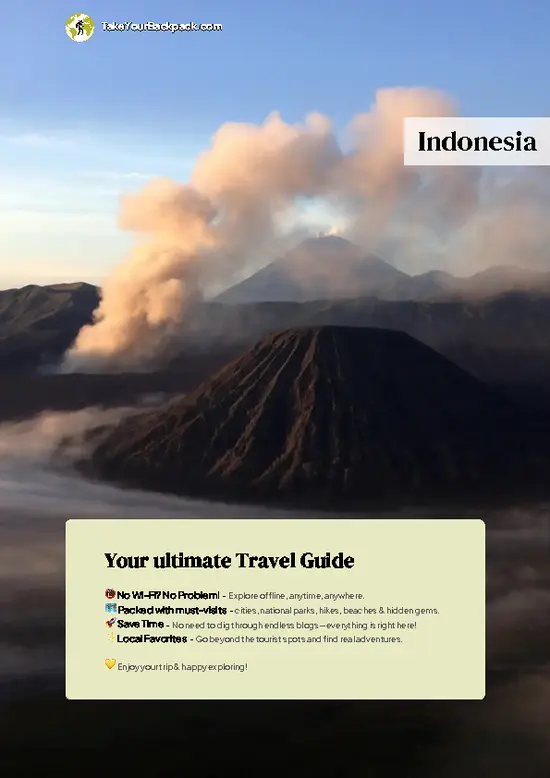
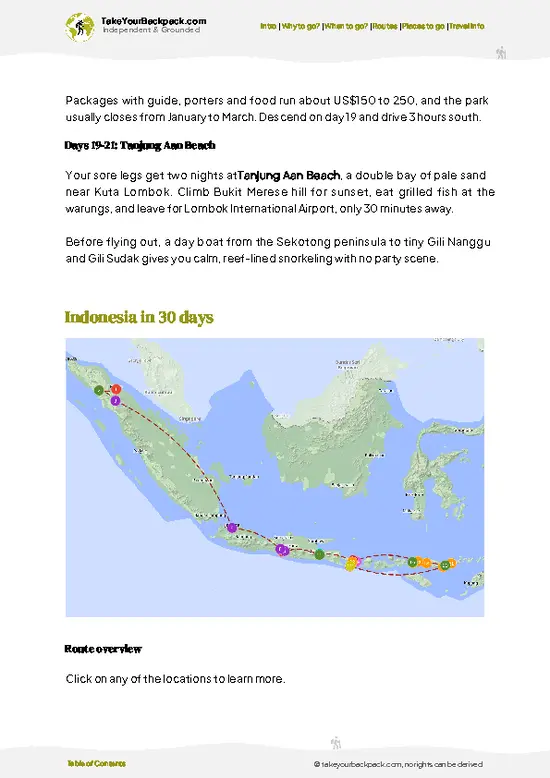
example page 0 from our offline Travel Guide for Indonesia
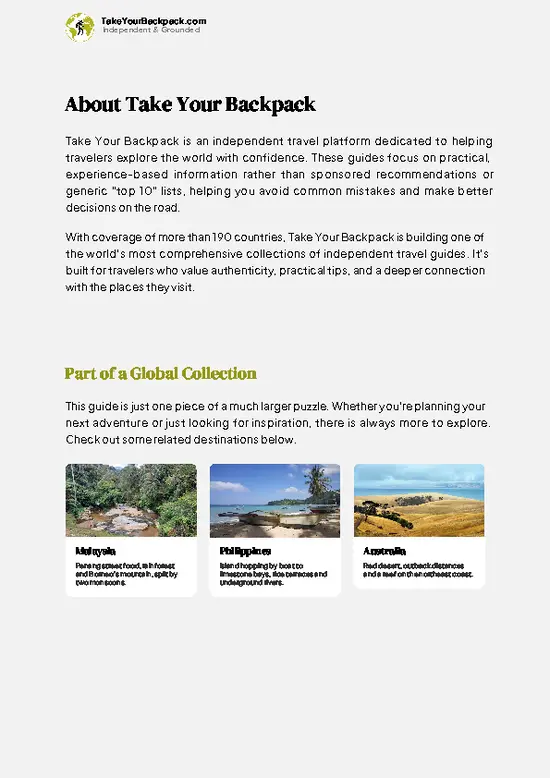
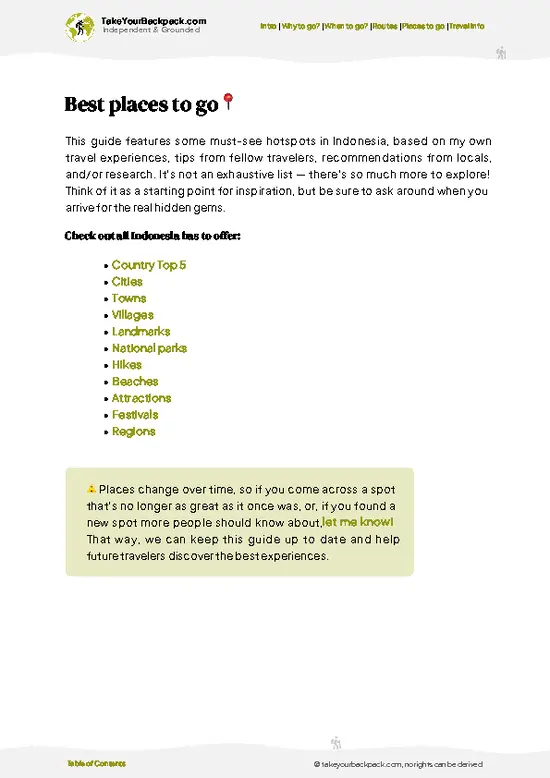
example page 1 from our offline Travel Guide for Indonesia
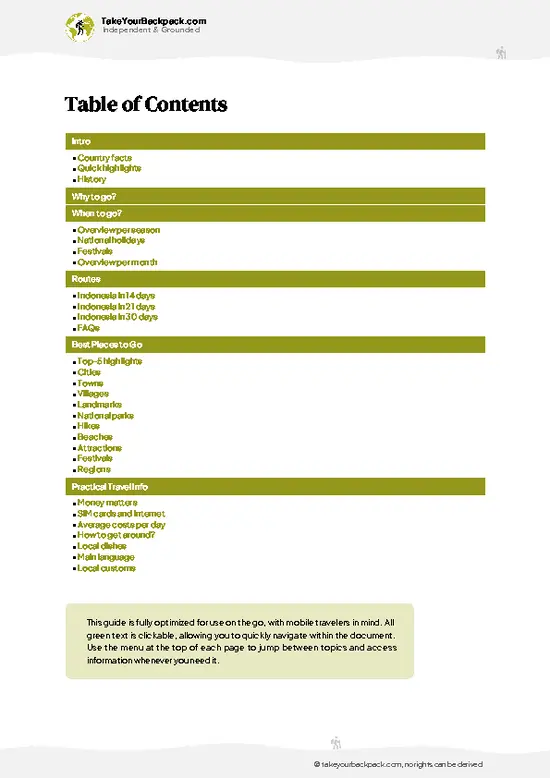
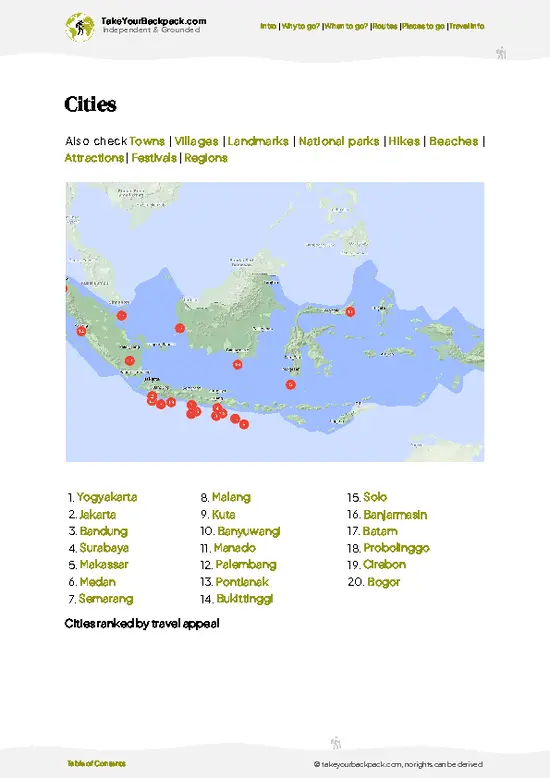
example page 2 from our offline Travel Guide for Indonesia
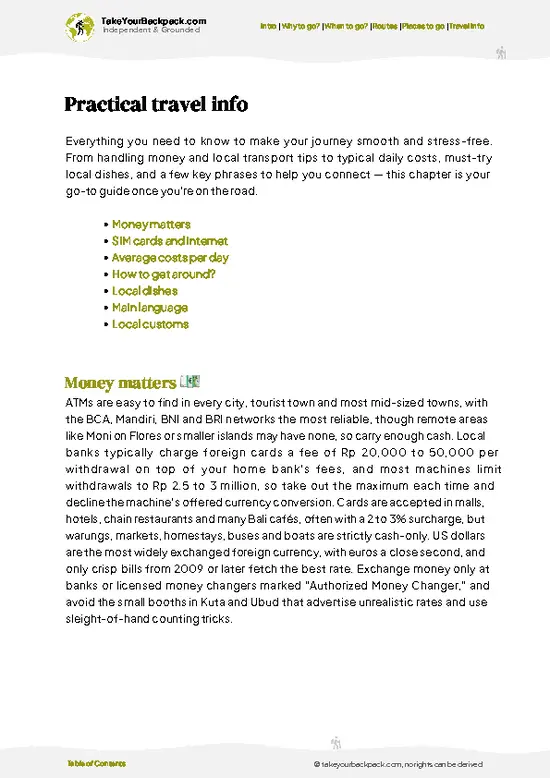
example page 3 from our offline Travel Guide for Indonesia
example page 4 from our offline Travel Guide for Indonesia
example page 5 from our offline Travel Guide for Indonesia
example page 6 from our offline Travel Guide for Indonesia
example page 7 from our offline Travel Guide for Indonesia
The digital guide (550 pages) contains:
155 highlights, ranked by travel appeal
Optimized 14, 21 & 30-day travel routes
Cities, national parks, landmarks, beaches
How to get around
Offline-friendly for travel without Wi-Fi
👉 Click to see all 30+ guide features

📅 Plan smarter in minutes, not weeks
Month by month travel advice
Festivals & national holidays
Budget expectations

🗺️ Go to the right places, skip the overrated ones
Honest pros & cons of destinations
Top hikes, parks & viewpoints
Lesser-known places most travelers miss
Clear “worth it vs skip it” guidance

🛏️ Travel smoothly without rookie mistakes
Best areas to stay
Transport systems explained simply
Common scams & safety advice
SIM cards, money & practical tips

🌍 Understand the country, not just visit it
Culture & traditions
52 Essential phrases & customs
Festivals worth planning around
Traveler-friendly historical context
Insights that make places more meaningful

📱 Built for real travel conditions
Fully downloadable PDF
Works completely offline
Optimized for phone use
Useful in remote areas & buses
Everything in one place
Save weeks of stressful planning
Get instant access to your full guide. 30‑day money-back guarantee.


By proceeding you agree to our terms.
Sent to your inbox immediately after payment • 100% Secure Checkout
Best Backpacking Travel Advisor 2025 tourism awardBest Backpacking
Travel Advisor
2025
What others say about Take Your Backpack Guides:
⭐⭐⭐⭐⭐
Fantastic, amazing amount of information!
⭐⭐⭐⭐⭐
My goodness this is amazing, it's what I've been looking for hats off too you!
⭐⭐⭐⭐⭐
I think this is absolutely BRILLIANT
⭐⭐⭐⭐
Very complete and informative. It's still missing places, but I gotta to commend you
⭐⭐⭐⭐⭐
This is truly amazing, thank you, can't wait to explore it with my kids!
⭐⭐⭐⭐⭐
Awesome resource, thank you!
⭐⭐⭐⭐⭐
This is amazing! Can't wait to explore the ones I haven't seen
⭐⭐⭐⭐
I love this! Well done, great idea.
⭐⭐⭐⭐⭐
Thanks for taking the time to make this gem!
⭐⭐⭐⭐⭐
This might be the best website I've ever seen.
⭐⭐⭐⭐⭐
Congratulations, and thank you so much for your work; it's incredibly valuable.
⭐⭐⭐⭐
In all seriousness I think you did a great job pointing out the important spots
⭐⭐⭐⭐⭐
10/10 very good
⭐⭐⭐⭐⭐
As someone who's only just starting to visit regularly this is awesome, thank you.
⭐⭐⭐⭐
Thank you very much! I'm going to visit my dad, it's going to be very useful!
⭐⭐⭐⭐⭐
This is really cool! We'll be travelling for the first time and this definitely come in handy.
⭐⭐⭐⭐⭐
You are now our minister of culture, congratulations 👨‍💼
⭐⭐⭐⭐⭐
Just wanted to tell you that this is a pearl! Going to follow your recommendations.
⭐⭐⭐⭐⭐
This is so cool. I'll definitely be using the resource for my travels soon.
⭐⭐⭐⭐⭐
This is very impressive! Good work.
⭐⭐⭐⭐⭐
This is an amazing and informative site. Very well done!

🛏️ Where to stay?Accommodation Highlights

Yes — hostels and budget guesthouses are widespread across Indonesia, especially in Bali, Yogyakarta, Jakarta, the Gili Islands, Lombok and Labuan Bajo.
In Bali search Kuta (very cheap and beach-close but crowded/noisy), Seminyak (more amenities, slightly pricier), Canggu (surf cafes, chilled vibe but farther from major transport) and Ubud (quiet, cultural and inland so extra travel time to beaches); Yogyakarta’s Malioboro and Prawirotaman put you close to temples and street food but can be busy at night; Jakarta’s Kemang and Menteng offer nightlife and transport links but suffer heavy traffic and are less walkable; the Gili Islands have abundant dorms with Gili Trawangan as the party hub … read more 👉
Yes — hostels and budget guesthouses are widespread across Indonesia, especially in Bali, Yogyakarta, Jakarta, the Gili Islands, Lombok and Labuan Bajo.
In Bali search Kuta (very cheap and beach-close but crowded/noisy), Seminyak (more amenities, slightly pricier), Canggu (surf cafes, chilled vibe but farther from major transport) and Ubud (quiet, cultural and inland so extra travel time to beaches); Yogyakarta’s Malioboro and Prawirotaman put you close to temples and street food but can be busy at night; Jakarta’s Kemang and Menteng offer nightlife and transport links but suffer heavy traffic and are less walkable; the Gili Islands have abundant dorms with Gili Trawangan as the party hub and Gili Air quieter for diving; Lombok Kuta is a budget surf base and Labuan Bajo has dorms for Komodo trips though prices spike in peak season.

If you enjoy meeting fellow travelers, consider choosing hostels with high ratings for atmosphere. On the other hand, if you prefer having your own space, a hotel might be a better option.

IndonesiaSee More of Indonesia

👋 Meet the founderWho’s Behind Take Your Backpack?

Johan, backpacker and founder of TakeYourBackpackHi, I’m Johan (Netherlands 🇳🇱), the creator of TakeYourBackpack. Over the past decade, I’ve backpacked through 80+ countries across six continents, gaining extensive experience with independent travel, long-term trips, and overland routes.

This site is built on a combination of firsthand travel experience and carefully curated insights from other backpackers. Many guides are based on places I’ve personally visited, while others bring together tips, observations, and practical advice shared by trusted travelers I’ve met along the way.

The goal is to provide realistic, experience-driven guidance — not generic itineraries — so you can explore destinations with better context, clearer expectations, and more confidence.

Get full Indonesia guide •
Instant download • 155 highlights • Full Offline guide