×

Indonesia🇮🇩 | regionsGili NangguNanggu islet, house reef, Sekotong boats, palm-fringed sand | things to do and best time to go

Explore Karimunjawa IslandsExplore Gede

Backpacking in Gili Nanggu
👀 For curious travelersregion ranked #21
By Johan Kruseman 🇳🇱 | Updated October 15, 2026

Gili Nanggu isn't a backpacker party island—it's a working fishing village where locals outnumber tourists by ten to one. Located off the southwest coast of Lombok, Indonesia, this small island delivers raw authenticity without the infrastructure crush of Gili Trawangan. I arrived by local boat at dawn, salt spray stinging my face, and watched fishermen haul nets while the island still slept. The beaches curve white and quiet; the reef drops close enough to snorkel from shore. You'll find basic guesthouses, no ATMs, no wifi in most places. That friction is the point. Gili Nanggu rewards travelers who embrace slowness and come ready to adapt.

Discover everything you want to know in the 📖 Indonesia Travel Guide.


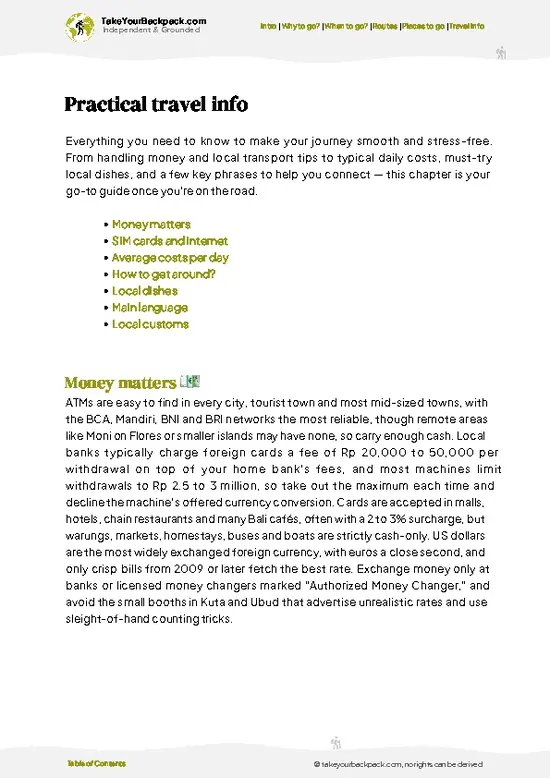
example page 0 from our offline Travel Guide for Indonesia
example page 1 from our offline Travel Guide for Indonesia
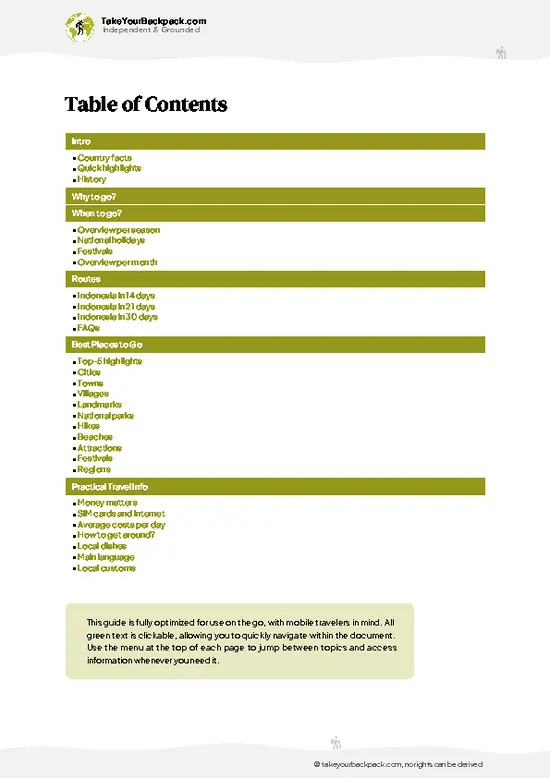
example page 2 from our offline Travel Guide for Indonesia
example page 3 from our offline Travel Guide for Indonesia
example page 4 from our offline Travel Guide for Indonesia
example page 5 from our offline Travel Guide for Indonesia
example page 6 from our offline Travel Guide for Indonesia
example page 7 from our offline Travel Guide for Indonesia
Loading the map 🌍
CLICK TO FILTER
cities
towns
villages
landmarks
national parks
hikes
beaches
attractions
festivals
regions
SHOW COUNTRY’S BESTSHOW ALL

✨ Why go?
Ranked #21 region in Indonesia
What makes it a must-see region

Gili Nanggu works as a base for island-hopping without the tourist machinery of its famous neighbors. The reef here is alive and accessible—coral, turtles, and fish visible within minutes of wading in. You can mix snorkeling, hiking, and village life in one compact place, then day-trip to nearby Gili Meno or the Lombok mainland for variety. The island's lack of development means lower costs and genuine interaction with fishing families. Transport to other Gilis and Lombok is straightforward, making it ideal for slow travel that doesn't demand constant relocation.

💡 HighlightsPlaces and moments you shouldn't skip

  1. Gili Nanggu Beach: A crescent of white sand with calm turquoise water, ideal for swimming and snorkeling directly from shore. The reef starts close to the beach, making it accessible without a boat.
  2. Turtle Point: A snorkeling site on the island's east side where green and hawksbill turtles feed in shallow water. Early morning visits increase sighting chances.
  3. Japanese Garden: An artificial reef built in the 1990s with concrete structures that now host vibrant coral and fish. Located on the south side, it's less crowded than Turtle Point.
  4. Sunset Cliffs: Rocky outcrops on the western edge offering views across the Lombok Strait at dusk. A quiet spot locals use for evening walks.
  5. Coral Garden: A shallow reef zone on the north side with dense coral formations and schooling fish, best visited at high
… read more 👉
  1. Gili Nanggu Beach: A crescent of white sand with calm turquoise water, ideal for swimming and snorkeling directly from shore. The reef starts close to the beach, making it accessible without a boat.
  2. Turtle Point: A snorkeling site on the island's east side where green and hawksbill turtles feed in shallow water. Early morning visits increase sighting chances.
  3. Japanese Garden: An artificial reef built in the 1990s with concrete structures that now host vibrant coral and fish. Located on the south side, it's less crowded than Turtle Point.
  4. Sunset Cliffs: Rocky outcrops on the western edge offering views across the Lombok Strait at dusk. A quiet spot locals use for evening walks.
  5. Coral Garden: A shallow reef zone on the north side with dense coral formations and schooling fish, best visited at high tide when water clarity peaks.
  6. Gili Nanggu Village: The small settlement on the island's eastern shore where locals live and work. Walking through reveals fishing boats, family compounds, and the rhythm of island life away from tourist zones.
  7. Mangrove Forest Trail: A narrow path through mangroves on the island's southern edge, home to crabs, birds, and juvenile fish. Few tourists venture here.
  8. Anchor Wreck: A submerged anchor and chain in shallow water off the south coast, a quirky dive site that attracts curious snorkelers.
  9. Gili Nanggu Viewpoint: A hilltop on the island's interior offering 360-degree views of the three Gili islands and Lombok's coast. Reachable by a 15-minute walk from the main beach.
  10. Night Snorkel: Evening water entry reveals nocturnal fish, squid, and bioluminescent plankton. Local guides offer this experience year-round.


I'd start with Turtle Point at dawn. The water is clearest then, turtles are most active, and you'll have the reef nearly to yourself before day-trippers arrive.
Spotted a mistake or missing something? Contact us.

Things to do around Gili Nanggu

Ratings based on Tripadvisor reviews. When you book through this link, you support our work at no extra cost to you.

⌛️ 5 daysWhat you can realistically do in a week

Day 1: Gili Nanggu Arrival & Reef Orientation: Arrive by boat from Lombok (Senggigi or Bangsal harbor). Settle into a guesthouse, then snorkel the reef in the afternoon when the sun is high. The island is small enough to walk in 20 minutes, so there's no rush. Eat dinner with locals at a warung and sleep early; jet lag and salt water demand it.

Day 2: Village & Snorkeling Depth: Spend the morning exploring the fishing village, watching nets being mended and boats launched. Afternoon snorkel focuses on the deeper reef sections and turtle spotting. This day builds familiarity with the island's rhythm and people.

Day 3: Gili Tangkong or Gili Meno Day Trip: Take a local boat to one of the neighboring islands. Tangkong offers pristine reef and solitude; Meno has more infrastructure and the freshwater … read more 👉
Day 1: Gili Nanggu Arrival & Reef Orientation: Arrive by boat from Lombok (Senggigi or Bangsal harbor). Settle into a guesthouse, then snorkel the reef in the afternoon when the sun is high. The island is small enough to walk in 20 minutes, so there's no rush. Eat dinner with locals at a warung and sleep early; jet lag and salt water demand it.

Day 2: Village & Snorkeling Depth: Spend the morning exploring the fishing village, watching nets being mended and boats launched. Afternoon snorkel focuses on the deeper reef sections and turtle spotting. This day builds familiarity with the island's rhythm and people.

Day 3: Gili Tangkong or Gili Meno Day Trip: Take a local boat to one of the neighboring islands. Tangkong offers pristine reef and solitude; Meno has more infrastructure and the freshwater lake. Return by late afternoon. This breaks the routine and shows how each island has its own character.

Day 4: Lombok Mainland Exploration: Boat to Senggigi or Kuta on Lombok. Visit markets, eat at local warungs, hike a beach, or explore rice paddies. The mainland offers cultural depth and scale that the island can't. Return to Nanggu for dinner.

Day 5: Slow Finish & Departure Prep: Final snorkel or beach time. Pack and prepare for departure. If your boat leaves in the afternoon, use the morning for one last reef visit or a walk through the village to say goodbye.

Off-Path Reward: Arrange a pre-dawn fishing boat ride on Day 2 or 3. You'll see the island's working side and understand why locals live here.

The must-do day is Day 2 or 3 when you snorkel the deeper reef sections—that's when the island reveals its real payoff.

🌤️ When to go?When to go for the best experience

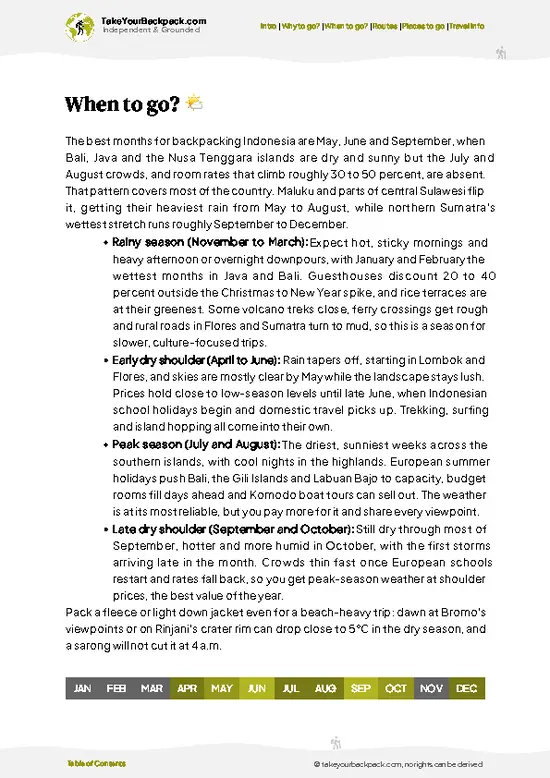
  • Dry Season (April to October): Best time overall. Calm seas, clear water for snorkeling, temperatures 26 to 30°C (79 to 86°F). Crowds peak July to August but remain light compared to Bali. Prices stable or slightly higher.
  • Wet Season (November to March): Frequent rain, rougher seas, occasional boat cancellations. Temperatures 26 to 32°C (79 to 90°F), high humidity. Fewer tourists, lower prices, but snorkeling visibility drops. December to January sees the heaviest rainfall.
  • Shoulder Months (March to April, September to October): Transition periods with mixed conditions. Good compromise between weather and crowds.
Visit April to June for the sweet spot of calm seas, clear water, and manageable crowds.

source: climatestotravel.comJANJanuary: below average for travelingFEBFebruary: below average for travelingMARMarch: below average for travelingAPRApril: fair for travelingMAYMay: highly recommended for travelingJUNJune: highly recommended for travelingJULJuly: good for travelingAUGAugust: good for travelingSEPSeptember: highly recommended for travelingOCTOctober: fair for travelingNOVNovember: below average for travelingDECDecember: below average for traveling
when-to-go

✈️ The backpacker research shortcutIndonesia Travel Guide

An offline-friendly backpacking guide with optimized travel routes, ranked highlights, transport advice, and the best areas to stay.
example page 0 from our offline Travel Guide for Indonesia
example page 1 from our offline Travel Guide for Indonesia
example page 2 from our offline Travel Guide for Indonesia
example page 3 from our offline Travel Guide for Indonesia
example page 4 from our offline Travel Guide for Indonesia
example page 5 from our offline Travel Guide for Indonesia
example page 6 from our offline Travel Guide for Indonesia
example page 7 from our offline Travel Guide for Indonesia
The digital guide (460 pages) contains:
✅ 153 highlights, ranked by travel appeal
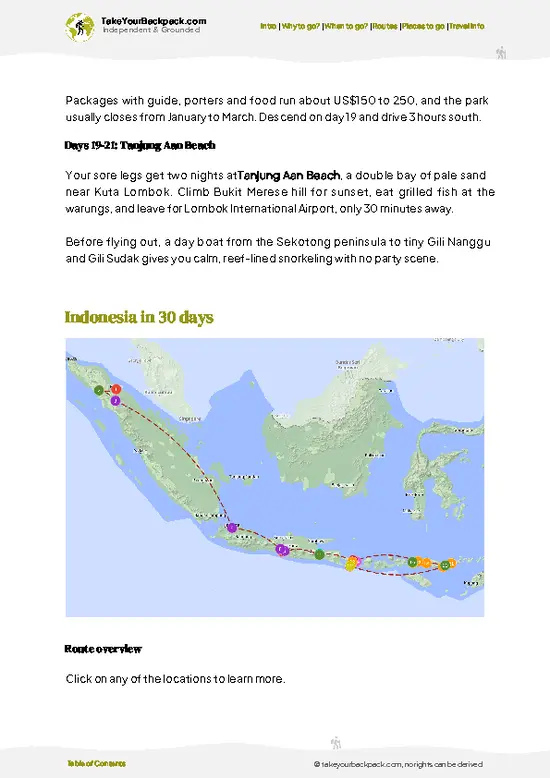
✅ Optimized 14, 21 & 30-day travel routes
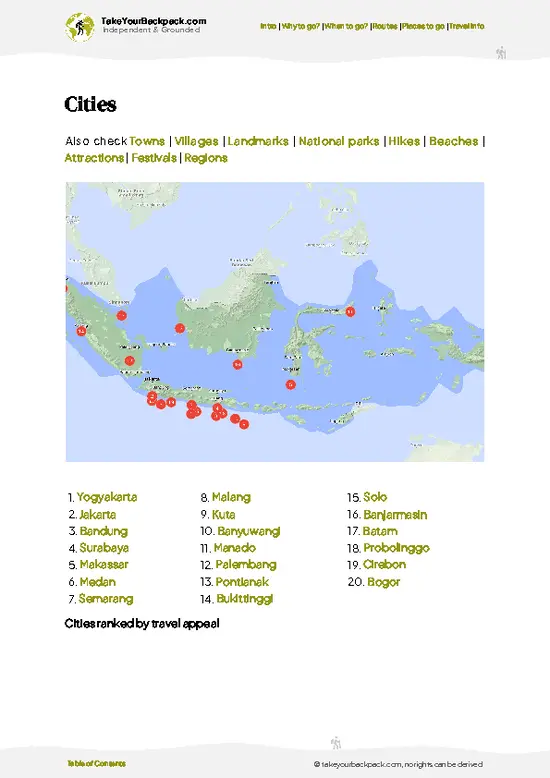
✅ Cities, national parks, landmarks, beaches
✅ How to get around
✅ Offline-friendly for travel without Wi-Fi
👉 Click to see all 30+ guide features

📅 Plan smarter in minutes, not weeks
✅ Month by month travel advice
✅ Festivals & national holidays
✅ Budget expectations

🗺️ Go to the right places, skip the overrated ones
✅ Honest pros & cons of destinations
✅ Top hikes, parks & viewpoints
✅ Lesser-known places most travelers miss
✅ Clear “worth it vs skip it” guidance

🛏️ Travel smoothly without rookie mistakes
✅ Best areas to stay
✅ Transport systems explained simply
✅ Common scams & safety advice
✅ SIM cards, money & practical tips

🌍 Understand the country, not just visit it
✅ Culture & traditions
✅ 52 Essential phrases & customs
✅ Festivals worth planning around
✅ Traveler-friendly historical context
✅ Insights that make places more meaningful

📱 Built for real travel conditions
✅ Fully downloadable PDF
✅ Works completely offline
✅ Optimized for phone use
✅ Useful in remote areas & buses
✅ Everything in one place
Stop searching, start planning
Get instant access to your full guide. 30‑day money-back guarantee.
+ Add another guide for just

By proceeding you agree to our terms.
Sent to your inbox immediately after payment • 100% Secure Checkout
Best Backpacking Travel Advisor 2025 tourism awardBest Backpacking
Travel Advisor
2025
What others say about Take Your Backpack Guides:
⭐⭐⭐⭐⭐
Fantastic, amazing amount of information!
⭐⭐⭐⭐⭐
My goodness this is amazing, it's what I've been looking for hats off too you!
⭐⭐⭐⭐⭐
I think this is absolutely BRILLIANT
⭐⭐⭐⭐
Very complete and informative. It's still missing places, but I gotta to commend you
⭐⭐⭐⭐⭐
This is truly amazing, thank you, can't wait to explore it with my kids!
⭐⭐⭐⭐⭐
Awesome resource, thank you!
⭐⭐⭐⭐⭐
This is amazing! Can't wait to explore the ones I haven't seen
⭐⭐⭐⭐
I love this! Well done, great idea.
⭐⭐⭐⭐⭐
Thanks for taking the time to make this gem!
⭐⭐⭐⭐⭐
This might be the best website I've ever seen.
⭐⭐⭐⭐⭐
Congratulations, and thank you so much for your work; it's incredibly valuable.
⭐⭐⭐⭐
In all seriousness I think you did a great job pointing out the important spots
⭐⭐⭐⭐⭐
10/10 very good
⭐⭐⭐⭐⭐
As someone who's only just starting to visit regularly this is awesome, thank you.
⭐⭐⭐⭐
Thank you very much! I'm going to visit my dad, it's going to be very useful!
⭐⭐⭐⭐⭐
This is really cool! We'll be travelling for the first time and this definitely come in handy.
⭐⭐⭐⭐⭐
You are now our minister of culture, congratulations 👨‍💼
⭐⭐⭐⭐⭐
Just wanted to tell you that this is a pearl! Going to follow your recommendations.
⭐⭐⭐⭐⭐
This is so cool. I'll definitely be using the resource for my travels soon.
⭐⭐⭐⭐⭐
This is very impressive! Good work.
⭐⭐⭐⭐⭐
This is an amazing and informative site. Very well done!

🛏️ Where to stay?Best areas and accommodation options

Stay in the village center or on the main beach near the reef. Most guesthouses are simple, family-run, and cost US$8 to 20 per night for a basic room. The village offers the most authentic experience and proximity to local warungs and fishing activity. Beach-front spots give direct reef access and sunset views but feel slightly more touristy. There are no hostels with dorm beds; all accommodations are private rooms. The island has no ATM, so bring cash from Lombok. Guesthouses are small and fill quickly in July and August, but year-round availability is generally good. Book ahead only during peak season; otherwise, walk in and negotiate.

🚌 Getting aroundGetting around like a local

Boats are the lifeline here. Most backpackers island-hop using public speedboats or negotiate private boat charters, both reliable and frequent enough to move freely between Gili Nanggu, Gili Meno, Gili Air, and the Lombok mainland. The system works because tourism infrastructure is established, though schedules shift with weather and demand.

  • Public Speedboat: Departs from Bangsal Harbor (Lombok) to all three Gili islands multiple times daily, costs US$3 to 5 per journey, takes 15 to 30 minutes depending on destination and sea state, moderately comfortable with bench seating.
  • Private Boat Charter: Hire a wooden outrigger or speedboat for a full day to explore multiple islands or snorkel sites, costs US$25 to 50 for a small group, flexible timing and route, allows you to chase turtles or reach
… read more 👉
Boats are the lifeline here. Most backpackers island-hop using public speedboats or negotiate private boat charters, both reliable and frequent enough to move freely between Gili Nanggu, Gili Meno, Gili Air, and the Lombok mainland. The system works because tourism infrastructure is established, though schedules shift with weather and demand.

  • Public Speedboat: Departs from Bangsal Harbor (Lombok) to all three Gili islands multiple times daily, costs US$3 to 5 per journey, takes 15 to 30 minutes depending on destination and sea state, moderately comfortable with bench seating.
  • Private Boat Charter: Hire a wooden outrigger or speedboat for a full day to explore multiple islands or snorkel sites, costs US$25 to 50 for a small group, flexible timing and route, allows you to chase turtles or reach quieter reefs.
  • Longtail Boat: Slower wooden boats used for short hops between islands or to nearby snorkel spots, costs US$2 to 4 per person, takes 20 to 45 minutes, more scenic and social than speedboats.
  • Swimming or Paddling: Gili Nanggu sits only 500 meters from Gili Meno; strong swimmers can cross, or rent a kayak for US$5 to 8 per day and paddle between islands at your own pace.

Book boats the evening before or early morning; captains fill seats as demand dictates, so flexibility pays off.

🍲 FoodLocal Flavors for Backpackers

Food here centers on fresh fish and seafood, grilled or fried at family-run warungs. Expect grilled snapper, squid, and prawns for US$3 to 6 per plate, often caught that morning. Rice, noodles, and sambal (chili paste) accompany every meal. Breakfast is typically nasi goreng (fried rice) or mie goreng (fried noodles) for US$1.50 to 3. Eat where locals eat: small open-air warungs near the beach or village center, not tourist restaurants. Teh tarik (pulled tea) and strong coffee are morning staples. Drinking water comes bottled; ask for air putih (plain water). Dining customs are casual; point at what you want or ask the owner what's fresh. Meals are communal and social. Alcohol is available but limited; beer costs US$2 to 4 per bottle.

FAQCommon questions from travelers

Four to five days is ideal. This gives you two full days of snorkeling, one day trip to a neighboring island or Lombok, and time to experience village life without rushing. Most backpackers stay three to seven days depending on how much reef time they want.
Walk everywhere on the island itself—it takes under 30 minutes to cross end to end. For trips to Lombok or other Gilis, use local wooden boats (jukung) departing early morning, which cost US$3 to 6 and take 30 to 45 minutes. Book the evening before or at dawn at the beach.
Gili Nanggu is known for its accessible coral reef, where you can snorkel turtles and fish directly from the beach, and for being a quiet, authentic fishing village without the party atmosphere of nearby Gili Trawangan. It's a base for island-hopping and offers genuine interaction with local communities.
⚠️ Things can change over time, so always validate details locally before you go.

Other Indonesian regions near Gili Nanggu

Explore more nearby:

  • Gili Layar—Southwest Lombok islet, white sand, day trips, clear shallows| 11 km away
  • Gili Asahan—Sekotong coast, quiet snorkeling, small islet, southwest Lombok| 14 km away
  • Lombok—Mount Rinjani, Kuta beaches, Sasak villages, southern surf| 38 km away

💡 Not sure where to go next?
Create a personalized itinerary for Indonesia including Gili Nanggu and the places that fit your trip.

Generate my itinerary

👉 Discover all regions

Or checkout all Indonesia has to offer (think cities, towns, villages, national parks, hikes, beaches, festivals)
Country photo of Indonesia

We 💚 feedbackWhat to keep in mind

Gili Nanggu rewards slow travel: the snorkeling is genuine, the island stays quiet, and you can actually meet locals. The catch is limited accommodation and food options mean you'll need to be flexible and comfortable with basic comfort.

✈️ When did I visit Indonesia?
As part of my 1.5 year travel around the world trip, I visited Indonesia twice (and it was worth it): first in September 2015 and a bit later again in January and February 2016.

✍️ Help improve this page!
The information on this page is based on my own backpacking experience in Indonesia, supplemented with up-to-date research and feedback from other travelers. Travel details can change, so if you notice anything outdated or incomplete, feel free to let me know.


🙋‍♂️ Give feedback

👋 Meet the founderWho’s Behind Take Your Backpack?

Johan, backpacker and founder of TakeYourBackpackHi, I’m Johan (Netherlands 🇳🇱), the creator of TakeYourBackpack. Over the past 3 decades, I’ve backpacked through 90+ countries across six continents, gaining extensive experience with independent travel, long-term trips, and overland routes.

This site is built on a combination of firsthand travel experience and carefully curated insights from other backpackers. Many guides are based on places I’ve personally visited, while others bring together tips, observations, and practical advice shared by trusted travelers I’ve met along the way.

The goal is to provide realistic, experience-driven guidance — not generic itineraries — so you can explore destinations with better context, clearer expectations, and more confidence.