×

Indonesia🇮🇩 | regionsJavavolcanic peaks, ancient temples, urban sprawl | things to do and best time to go

Explore Gili IslandsExplore Lombok

Backpacking in Java
🏆 Top pickregion ranked #3
By Johan Kruseman 🇳🇱 | Updated September 4, 2026

You land in Indonesia and hit the classic fork in the road: do you burn two precious days crossing Java by slow train and bus, or skip it and fly straight to Bali? That choice matters, because Java is the bit in the middle that quietly explains the country. It’s the long, crowded, volcanic spine between Sumatra and Bali, and it’s where a lot of real everyday Indonesia happens. For backpackers, Java is cheap, dense with things to do, and occasionally exhausting. You get sunrise on Bromo, sulfur-blue flames at Ijen, chaotic Yogyakarta with its street art and temples, and Jakarta’s urban sprawl if you’re curious or masochistic. Trains are decent but slow, buses can be rough, and some spots feel overrun on weekends. Compared with Bali or Lombok, Java is less polished, more intense, and, if you’re patient, far more revealing.

Discover everything you want to know in the 📖 Indonesia Travel Guide.
Loading the map 🌍
CLICK TO FILTER
cities
towns
landmarks
national parks
hikes
beaches
attractions
festivals
regions
SHOW COUNTRY’S BESTSHOW ALL

✨ Why go?
Ranked #3 region in Indonesia
What makes this region worth visiting

Java is a backpacker’s playground that offers a stunning variety of landscapes without the hassle of constant relocation. You can wake up in the shadow of Mount Bromo, sip coffee in the lush hills of Bandung, and then dive into the vibrant streets of Jakarta — all in one trip. This island packs in multiple experiences that cater to both nature lovers and culture seekers.

Transport is a breeze here. You can hop on a train or a bus and feel like a local, not just a tourist. This flexibility lets you embrace slow travel, soaking in the sights and sounds rather than rushing from one spot to another.

Mixing nature and culture is where Java shines. You can trek through rainforests, explore ancient temples, and then indulge in local street food, all while meeting friendly locals who are eager … read more 👉
Java is a backpacker’s playground that offers a stunning variety of landscapes without the hassle of constant relocation. You can wake up in the shadow of Mount Bromo, sip coffee in the lush hills of Bandung, and then dive into the vibrant streets of Jakarta — all in one trip. This island packs in multiple experiences that cater to both nature lovers and culture seekers.

Transport is a breeze here. You can hop on a train or a bus and feel like a local, not just a tourist. This flexibility lets you embrace slow travel, soaking in the sights and sounds rather than rushing from one spot to another.

Mixing nature and culture is where Java shines. You can trek through rainforests, explore ancient temples, and then indulge in local street food, all while meeting friendly locals who are eager to share their stories.

So, if you’re looking for a place that balances time, money, and comfort, Java is your ticket to a rich, layered experience that feels both authentic and rewarding.
Want to include Java in your Indonesia route?
Create a personalized Indonesia itinerary that includes Java and the places that fit your trip — based on your travel style, budget, and available time. Get your route in seconds.

Generate my trip

💡 HighlightsPlaces and moments you shouldn't skip

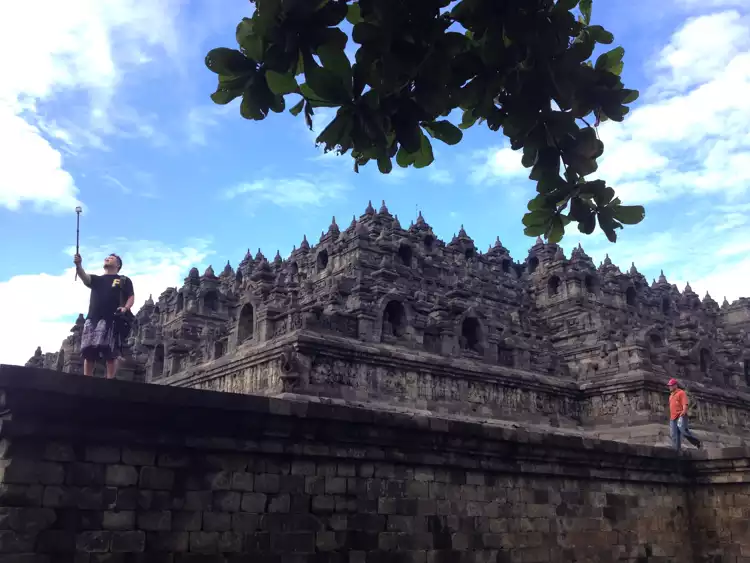
  1. Borobudur (Magelang, Central Java) — The largest Buddhist temple in the world and a masterclass in stone storytelling: endless relief panels, concentric terraces, and a sunrise atmosphere that actually feels ethereal. It’s not just a photo op — walk the levels, read the reliefs, and you’ll understand why Java was a cultural hub long before modern borders.
  2. Prambanan Temple Complex (near Yogyakarta) — Towering Hindu spires, intricate stone carvings, and the setting for nightly Ramayana ballet performances. The scale and verticality of Prambanan give a different vibe from Borobudur; it’s raw, dramatic, and rooted in Java’s Hindu past.
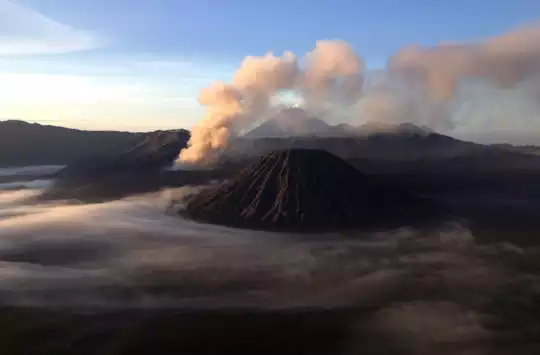
  3. Mount Bromo (Bromo-Tengger-Semeru National Park, East Java) — Surreal lunar-like sand sea, a smoking crater you can approach, and one of the best sunrise spectacles
read more 👉
  1. Borobudur (Magelang, Central Java) — The largest Buddhist temple in the world and a masterclass in stone storytelling: endless relief panels, concentric terraces, and a sunrise atmosphere that actually feels ethereal. It’s not just a photo op — walk the levels, read the reliefs, and you’ll understand why Java was a cultural hub long before modern borders.
  2. Prambanan Temple Complex (near Yogyakarta) — Towering Hindu spires, intricate stone carvings, and the setting for nightly Ramayana ballet performances. The scale and verticality of Prambanan give a different vibe from Borobudur; it’s raw, dramatic, and rooted in Java’s Hindu past.
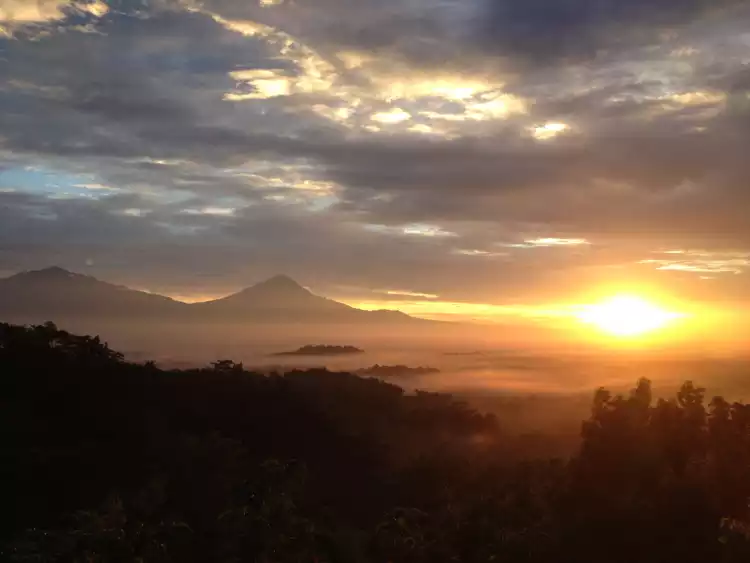
  3. Mount Bromo (Bromo-Tengger-Semeru National Park, East Java) — Surreal lunar-like sand sea, a smoking crater you can approach, and one of the best sunrise spectacles on the planet. Expect cold wind, motorbike taxis, and endless photo-worthy mist. (Personal favorite — there’s nothing like watching the sun hit the crater rims with a cup of roadside kopi in hand.)
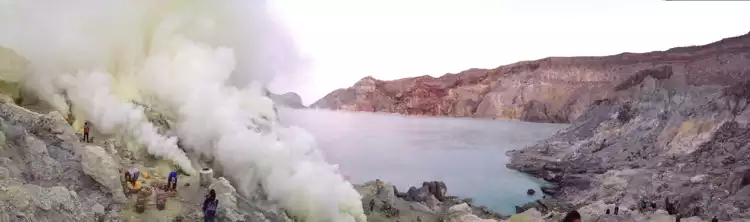
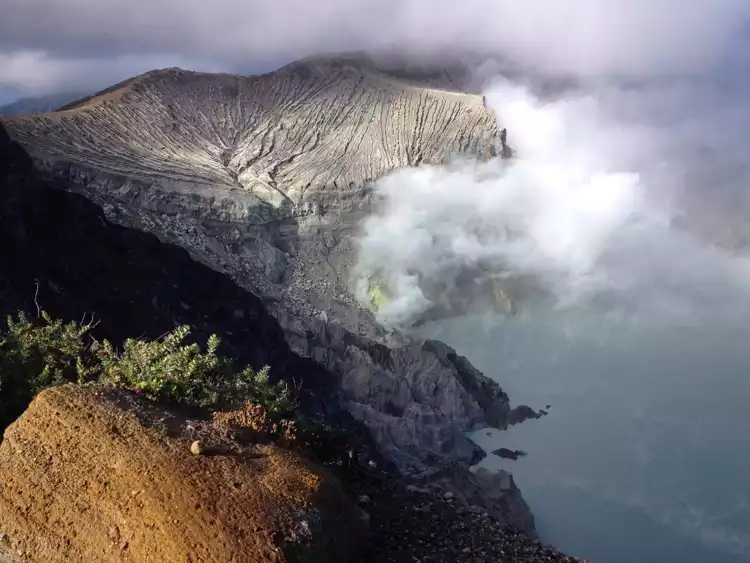
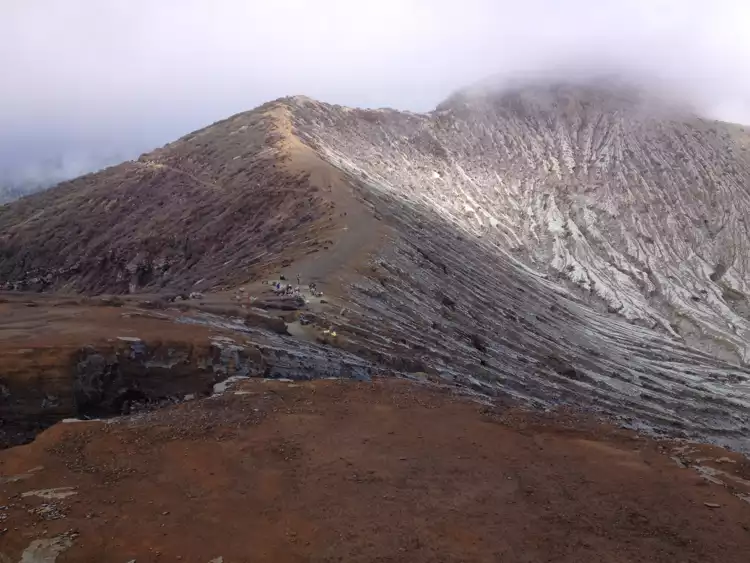
  4. Kawah Ijen and the Blue Fire (Banyuwangi, East Java) — A pre-dawn hike to a neon-blue flame inside an acid crater, then a greenish crater lake and sulfur miners hauling loads by hand. It’s unique, gritty, and something you won’t see many places in the world.
  5. Dieng Plateau (Wonosobo, Central Java) — High-altitude landscapes, steaming fumaroles, the shimmering Telaga Warna (Color Lake), and tiny ancient Hindu temples dotted across a cold volcanic plain. Feels remote and timeless — great for sunrise, local snacks, and half-forgotten mythology.
  6. Cetho & Sukuh Temples (Mount Lawu, Central Java) — Hidden gem — Two hilltop Hindu temple complexes with unusual, almost primitive carvings and erotic motifs that differ from the polished big temples. They’re quieter, eerier, and give a peek into Javanese religio-cultural complexity that most guidebooks skip.
  7. Sempu Island & Segara Anakan Lagoon (near Malang, East Java) — Hidden gem — A hike-and-boat micro-adventure to a turquoise lagoon enclosed by a beach ridge; the water looks tropical but you’re still on Java. Permits and a guide keep numbers low, so it feels like a local secret (bring sunblock and patience for the walk back).
  8. Kampung Naga (Tasikmalaya, West Java) — Hidden gem — A living Sundanese village that has kept traditional wooden houses, rites, and rice-field terraces intact. It’s low-key, respectful tourism only, and a rare chance to see vernacular life unchanged by mass tourism.
  9. Green Canyon / Cukang Taneuh (Pangandaran, West Java) — A river-carved canyon with emerald water, caves, and cliffside greenery you explore by small boat and occasional swim/jump spots. Much more scenic and relaxed than the overcrowded beaches nearby — a top choice for nature and easy river adventures.
  10. Kawah Putih (Ciwidey, near Bandung) — A milky crater lake with surreal turquoise/white waters and smoky sulfur air; the lunar landscape is only an hour or two from Bandung. It’s tourist-accessible but uniquely eerie and photogenic, especially on quieter weekdays.
Spotted a mistake or missing something? Contact us.

Things to do around Java

Ratings based on Tripadvisor reviews. When you book through this link, you support our work at no extra cost to you.

⌛️ 5 daysHow to make the most of Java

Day 1: Yogyakarta
Yogyakarta is your launchpad. It’s a cultural hub with a vibrant street life and rich history. Start here to acclimate and soak in the local vibe. The transport system is efficient, with buses and trains connecting you to other parts of Java. Spend the day exploring the Kraton and the bustling Malioboro Street. Grab a bowl of gudeg for dinner; it’s a local delicacy you won’t want to miss.

Day 2: Borobudur
An early morning trip to Borobudur is essential. The sunrise views from this ancient temple are breathtaking. It’s about an hour from Yogyakarta, and the journey is straightforward. The local buses are reliable, but consider hiring a motorbike for flexibility. After exploring, return to Yogyakarta for the night. This day is about maximizing your time at one of the … read more 👉
Day 1: Yogyakarta
Yogyakarta is your launchpad. It’s a cultural hub with a vibrant street life and rich history. Start here to acclimate and soak in the local vibe. The transport system is efficient, with buses and trains connecting you to other parts of Java. Spend the day exploring the Kraton and the bustling Malioboro Street. Grab a bowl of gudeg for dinner; it’s a local delicacy you won’t want to miss.

Day 2: Borobudur
An early morning trip to Borobudur is essential. The sunrise views from this ancient temple are breathtaking. It’s about an hour from Yogyakarta, and the journey is straightforward. The local buses are reliable, but consider hiring a motorbike for flexibility. After exploring, return to Yogyakarta for the night. This day is about maximizing your time at one of the world’s most iconic sites.

Day 3: Mount Merapi
Today, you’ll venture to Mount Merapi. The journey takes about an hour by jeep, and the thrill of exploring the volcanic landscape is worth it. Opt for a guided tour; they know the best trails and can share local legends. This is where you’ll feel the raw power of nature.

Day 4: Bandung
Travel to Bandung, a city known for its cooler climate and vibrant café culture. The train ride is scenic and takes around three hours. Once there, explore the local markets and indulge in some street food. The transport here is well-connected, making it easy to navigate.

Day 5: Off-Path Reward – Ciwidey
Take a detour to Ciwidey, famous for its stunning tea plantations and the Kawah Putih crater lake. It’s about a two-hour drive from Bandung, but the serene landscapes are worth the trip. Spend the day hiking and enjoying the fresh air before heading back to Bandung for your final night.

The must-do day? Day 2 at Borobudur. It encapsulates the essence of Java, blending history, culture, and breathtaking beauty. This experience will linger long after your trip ends.
Turn your Java visit into an Indonesia adventure
Build a complete Indonesia route with Java, hidden gems, must-see destinations, and realistic travel times included.

Generate my trip

🌤️ When to go?Weather, crowds, and seasonal trade-offs


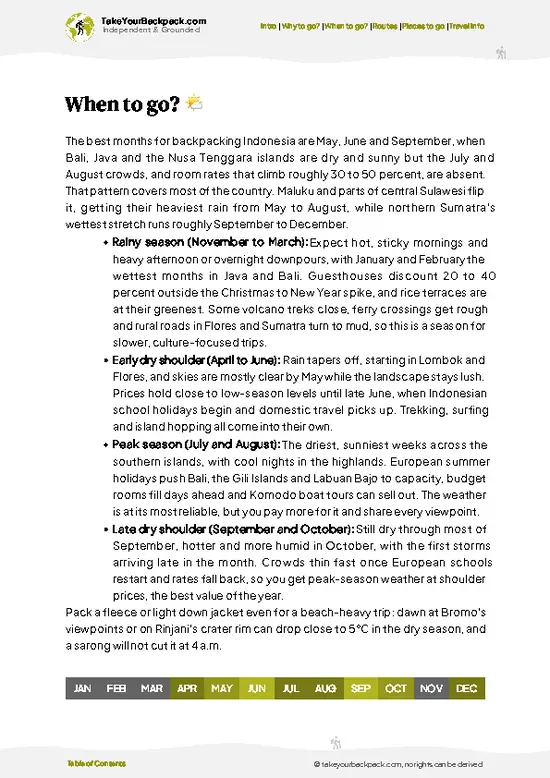
  • Weather: Java’s dry season runs from May to September, offering clear skies and minimal rain—ideal for trekking and exploring temples without soggy boots. The wet season, October to April, brings heavy downpours that can turn trails into mudslides and wash out plans.

  • Temperature: Expect daytime highs around 28-32°C (82-90°F) in the lowlands, cooling off to 18-22°C (64-72°F) in the highlands. Nights can be surprisingly chilly in places like Bandung or Dieng Plateau, so pack layers.

  • Daylight Hours: Java sits near the equator, so daylight stays steady year-round—about 12 hours daily. This means no drastic shifts in your hiking or sightseeing schedule, but also no extended twilight for late adventures.

  • Crowds: Peak tourist season aligns with the dry months and local holidays like Lebaran
read more 👉

  • Weather: Java’s dry season runs from May to September, offering clear skies and minimal rain—ideal for trekking and exploring temples without soggy boots. The wet season, October to April, brings heavy downpours that can turn trails into mudslides and wash out plans.

  • Temperature: Expect daytime highs around 28-32°C (82-90°F) in the lowlands, cooling off to 18-22°C (64-72°F) in the highlands. Nights can be surprisingly chilly in places like Bandung or Dieng Plateau, so pack layers.

  • Daylight Hours: Java sits near the equator, so daylight stays steady year-round—about 12 hours daily. This means no drastic shifts in your hiking or sightseeing schedule, but also no extended twilight for late adventures.

  • Crowds: Peak tourist season aligns with the dry months and local holidays like Lebaran (Eid). Expect busier temples and higher prices from July to August. Off-peak months offer quieter trails and a more authentic vibe.

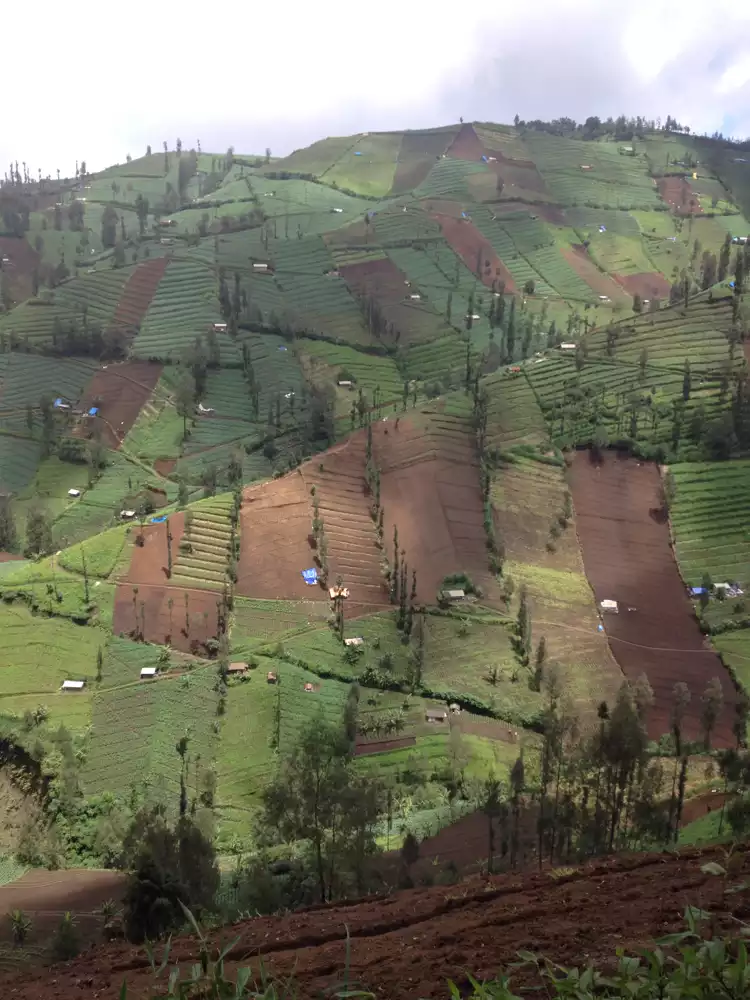
  • Seasonal Activities: The dry season is perfect for volcano hikes (like Bromo or Ijen) and cultural festivals. The wet season, while trickier for trekking, is when rice terraces are lush and green, rewarding those who brave the rain.

  • Price Fluctuations: Accommodation and transport costs spike during the dry season and holidays. Booking ahead pays off. The wet season sees discounts and empty guesthouses, but be ready for occasional travel delays.


Pro-tip: Hit Java in late April or early May—just before the dry season crowds arrive. You’ll dodge the worst rains, catch green landscapes, and enjoy lower prices. It’s the sweet spot locals keep to themselves.


source: climatestotravel.comJANJanuary: fair for travelingFEBFebruary: fair for travelingMARMarch: fair for travelingAPRApril: good for travelingMAYMay: excellent for travelingJUNJune: excellent for travelingJULJuly: highly recommended for travelingAUGAugust: highly recommended for travelingSEPSeptember: excellent for travelingOCTOctober: fair for travelingNOVNovember: fair for travelingDECDecember: fair for traveling
when-to-go

✈️ The backpacker research shortcutIndonesia Travel Guide

An offline-friendly backpacking guide with optimized travel routes, ranked highlights, transport advice, and the best areas to stay.
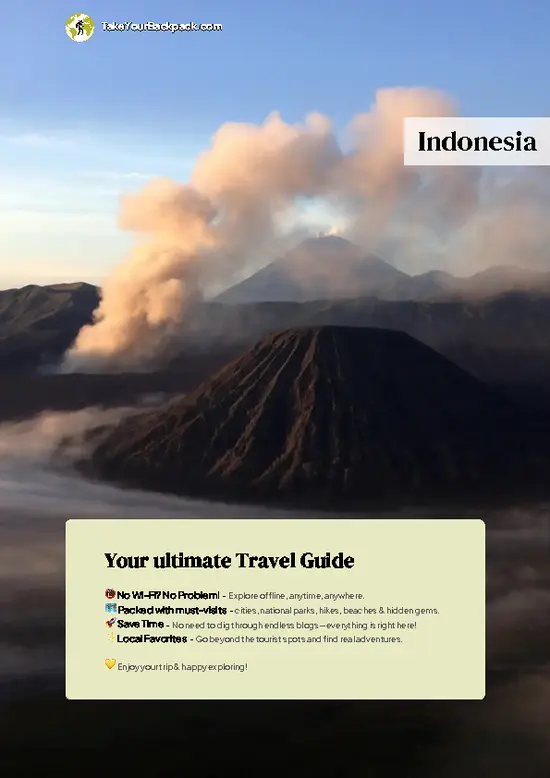
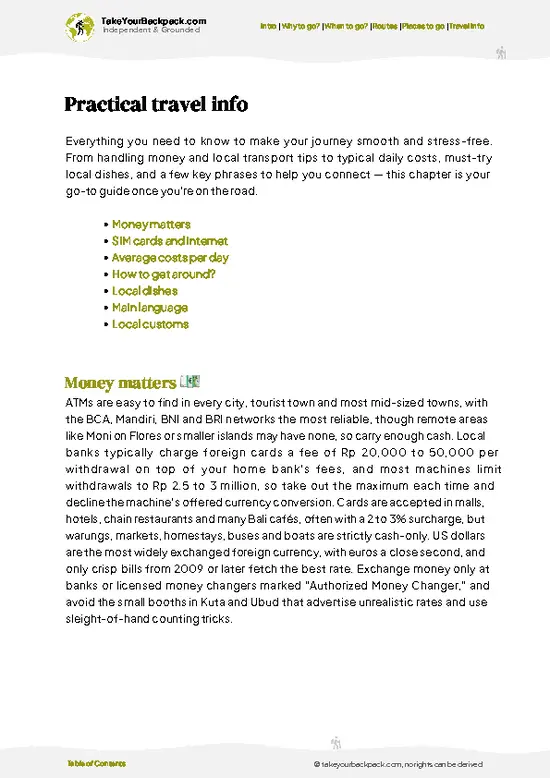
example page 0 from our offline Travel Guide for Indonesia
example page 1 from our offline Travel Guide for Indonesia
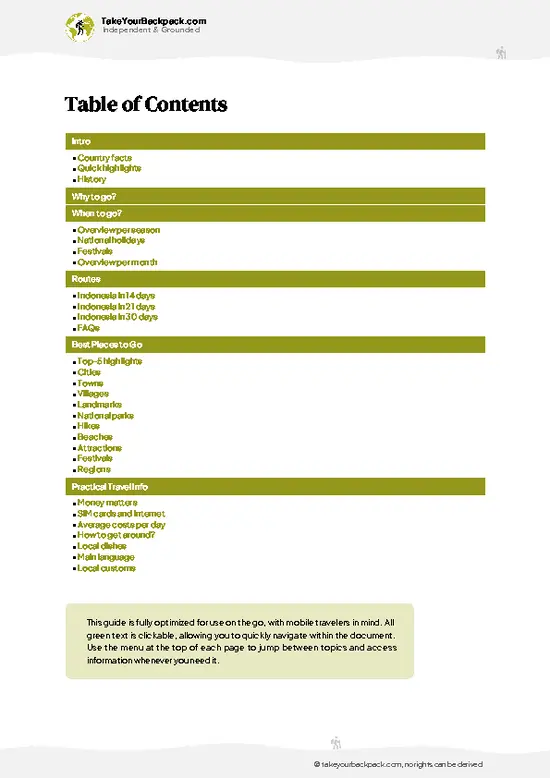
example page 2 from our offline Travel Guide for Indonesia
example page 3 from our offline Travel Guide for Indonesia
example page 4 from our offline Travel Guide for Indonesia
example page 5 from our offline Travel Guide for Indonesia
example page 6 from our offline Travel Guide for Indonesia
example page 7 from our offline Travel Guide for Indonesia
The digital guide (546 pages) contains:
156 highlights, ranked by travel appeal
Optimized 14, 21 & 30-day travel routes
Cities, national parks, landmarks, beaches
How to get around
Offline-friendly for travel without Wi-Fi
👉 Click to see all 30+ guide features

📅 Plan smarter in minutes, not weeks
Month by month travel advice
Festivals & national holidays
Budget expectations

🗺️ Go to the right places, skip the overrated ones
Honest pros & cons of destinations
Top hikes, parks & viewpoints
Lesser-known places most travelers miss
Clear “worth it vs skip it” guidance

🛏️ Travel smoothly without rookie mistakes
Best areas to stay
Transport systems explained simply
Common scams & safety advice
SIM cards, money & practical tips

🌍 Understand the country, not just visit it
Culture & traditions
52 Essential phrases & customs
Festivals worth planning around
Traveler-friendly historical context
Insights that make places more meaningful

📱 Built for real travel conditions
Fully downloadable PDF
Works completely offline
Optimized for phone use
Useful in remote areas & buses
Everything in one place
Save weeks of stressful planning
Get instant access to your full guide. 30‑day money-back guarantee.
+ Add another guide for just US$7.80

By proceeding you agree to our terms.
Sent to your inbox immediately after payment • 100% Secure Checkout
Best Backpacking Travel Advisor 2025 tourism awardBest Backpacking
Travel Advisor
2025
What others say about Take Your Backpack Guides:
⭐⭐⭐⭐⭐
Fantastic, amazing amount of information!
⭐⭐⭐⭐⭐
My goodness this is amazing, it's what I've been looking for hats off too you!
⭐⭐⭐⭐⭐
I think this is absolutely BRILLIANT
⭐⭐⭐⭐
Very complete and informative. It's still missing places, but I gotta to commend you
⭐⭐⭐⭐⭐
This is truly amazing, thank you, can't wait to explore it with my kids!
⭐⭐⭐⭐⭐
Awesome resource, thank you!
⭐⭐⭐⭐⭐
This is amazing! Can't wait to explore the ones I haven't seen
⭐⭐⭐⭐
I love this! Well done, great idea.
⭐⭐⭐⭐⭐
Thanks for taking the time to make this gem!
⭐⭐⭐⭐⭐
This might be the best website I've ever seen.
⭐⭐⭐⭐⭐
Congratulations, and thank you so much for your work; it's incredibly valuable.
⭐⭐⭐⭐
In all seriousness I think you did a great job pointing out the important spots
⭐⭐⭐⭐⭐
10/10 very good
⭐⭐⭐⭐⭐
As someone who's only just starting to visit regularly this is awesome, thank you.
⭐⭐⭐⭐
Thank you very much! I'm going to visit my dad, it's going to be very useful!
⭐⭐⭐⭐⭐
This is really cool! We'll be travelling for the first time and this definitely come in handy.
⭐⭐⭐⭐⭐
You are now our minister of culture, congratulations 👨‍💼
⭐⭐⭐⭐⭐
Just wanted to tell you that this is a pearl! Going to follow your recommendations.
⭐⭐⭐⭐⭐
This is so cool. I'll definitely be using the resource for my travels soon.
⭐⭐⭐⭐⭐
This is very impressive! Good work.
⭐⭐⭐⭐⭐
This is an amazing and informative site. Very well done!

🛏️ Where to stay?Where staying makes the most sense

Java is a treasure trove for backpackers, and knowing where to lay your head can elevate your experience.

Start in Yogyakarta. This city is a cultural hub, buzzing with energy. The streets are alive with art, and the food scene is a feast for your senses. Stay near Malioboro Street for easy access to markets and street food. You’ll find fellow travelers here, making it a social hotspot.

Next up is Bandung. It’s cooler in climate and vibe. The city is surrounded by lush hills, perfect for day hikes. The vibe here is laid-back, with plenty of cafes to chill and swap stories. Look for accommodations … read more 👉
Java is a treasure trove for backpackers, and knowing where to lay your head can elevate your experience.

Start in Yogyakarta. This city is a cultural hub, buzzing with energy. The streets are alive with art, and the food scene is a feast for your senses. Stay near Malioboro Street for easy access to markets and street food. You’ll find fellow travelers here, making it a social hotspot.

Next up is Bandung. It’s cooler in climate and vibe. The city is surrounded by lush hills, perfect for day hikes. The vibe here is laid-back, with plenty of cafes to chill and swap stories. Look for accommodations in the Dago area for a mix of local charm and backpacker-friendly spots.

Don’t overlook Canggu on the coast. While it’s known for its surf culture, it’s also a magnet for digital nomads. The beach scene is vibrant, and you’ll find a plethora of co-working spaces. Staying near the beach means you can catch sunsets and mingle with other travelers.

Finally, consider Malang. It’s less touristy but offers a genuine Indonesian experience. The local markets and street food are fantastic, and the nearby waterfalls are a must-see. Choose a central location to soak in the local life and connect with other backpackers.

Each of these spots offers a unique flavor of Java, balancing comfort, social interaction, and budget-friendly options. Choose wisely, and your trip will be anything but ordinary.

🚌 Getting aroundMoving around without the hassle

Java is a whirlwind of energy where the rhythm of life dances between the structured and the spontaneous. Picture bustling streets filled with motorbikes weaving through traffic, vendors shouting their wares, and the scent of street food wafting through the air. Schedules? They exist, but they often bend to the whims of the moment. You’ll find that getting around here is less about rigid timetables and more about embracing the chaos. It’s a place where intuition guides you as much as any map. So, let’s break down your transport options, shall we?


  • Angkot: These shared minivans are the heartbeat of local transport. They run frequently, usually from dawn until around 10 PM, and cost about 3,000 to 5,000 IDR. They’re not the most comfortable, but they’re cheap and give you a real taste of local
read more 👉
Java is a whirlwind of energy where the rhythm of life dances between the structured and the spontaneous. Picture bustling streets filled with motorbikes weaving through traffic, vendors shouting their wares, and the scent of street food wafting through the air. Schedules? They exist, but they often bend to the whims of the moment. You’ll find that getting around here is less about rigid timetables and more about embracing the chaos. It’s a place where intuition guides you as much as any map. So, let’s break down your transport options, shall we?


  • Angkot: These shared minivans are the heartbeat of local transport. They run frequently, usually from dawn until around 10 PM, and cost about 3,000 to 5,000 IDR. They’re not the most comfortable, but they’re cheap and give you a real taste of local life.


  • Train: The rail network connects major cities like Jakarta, Yogyakarta, and Surabaya. Prices range from 50,000 IDR for economy class to 300,000 IDR for executive seats. Trains are generally punctual, with first trains around 5 AM and last ones around 10 PM. They offer a decent level of comfort and a chance to see the countryside glide by.


  • Bus: Long-distance buses are a budget traveler’s best friend. Prices vary widely, from 50,000 IDR to 200,000 IDR depending on the distance and class. They can be a bit slow, but they run regularly, often from early morning until late at night. Just be prepared for some stops along the way.


  • Motorbike Taxi (Ojek): For those quick hops around town, these are your go-to. Prices are negotiable, usually starting around 10,000 IDR for short distances. They’re fast and can navigate through traffic like a pro, but comfort is subjective—hold on tight!


  • Ride-Hailing Apps: Grab and Gojek are widely used in urban areas. Fares are generally reasonable, starting at about 15,000 IDR. They offer a mix of comfort and convenience, with options for cars or motorbikes, and you can book them anytime, day or night.


Here’s a tactical tip: download a local map app that works offline. It’ll help you navigate the maze of streets and find the nearest transport options without getting lost in translation. Embrace the flow, and you’ll find that getting around Java is part of the adventure.

🍲 FoodEating & Drinking in Java

In Java, food is a vibrant tapestry of flavors that tells the island’s story. Dive into nasi goreng, a fragrant fried rice dish, often spiced with sweet soy sauce and topped with a fried egg. Don’t miss sate, skewered meat grilled to perfection, served with a rich peanut sauce that’s a flavor explosion. For something unique, try gado-gado, a salad of blanched vegetables drizzled with a creamy peanut dressing, a perfect balance of crunch and creaminess.

Street food is where the magic happens. Head to bustling markets where vendors serve up bakso, savory meatballs in a warm broth, or pisang goreng, crispy fried bananas that are a sweet treat. Cafés in Yogyakarta buzz with energy, offering local brews like kopi joss, coffee mixed with hot coals for a smoky twist.

Dining here is a communal … read more 👉
In Java, food is a vibrant tapestry of flavors that tells the island’s story. Dive into nasi goreng, a fragrant fried rice dish, often spiced with sweet soy sauce and topped with a fried egg. Don’t miss sate, skewered meat grilled to perfection, served with a rich peanut sauce that’s a flavor explosion. For something unique, try gado-gado, a salad of blanched vegetables drizzled with a creamy peanut dressing, a perfect balance of crunch and creaminess.

Street food is where the magic happens. Head to bustling markets where vendors serve up bakso, savory meatballs in a warm broth, or pisang goreng, crispy fried bananas that are a sweet treat. Cafés in Yogyakarta buzz with energy, offering local brews like kopi joss, coffee mixed with hot coals for a smoky twist.

Dining here is a communal affair. Expect to share dishes and savor the moment. When eating, use your right hand—it’s a local custom. And if you’re invited to someone’s home, bringing a small gift is a thoughtful gesture. Embrace the flavors, the aromas, and the lively atmosphere; it’s all part of the Java experience.

FAQTraveler FAQ

10 to 14 days are ideal to explore Java thoroughly, covering major sites like Yogyakarta, Borobudur, Mount Bromo, and Jakarta. This allows time for cultural experiences, hiking, and city exploration without rushing.
You can get around Java without a car using trains, buses, and local angkot minibuses. Trains connect major cities efficiently, with fares starting around $2 for short trips, while buses and angkots cover local routes affordably.
Java is known for its rich cultural heritage, including ancient temples like Borobudur and Prambanan, active volcanoes such as Mount Merapi, and vibrant cities like Jakarta and Yogyakarta. It is also famous for its traditional arts, batik textiles, and diverse cuisine.
⚠️ Things can change over time, so always validate details locally before you go.

Other Indonesian regions near Java

Explore more nearby:

  • Gede—volcano summit, montane forest, crater lakes| 369 km away
  • Menjangan island—marine park, deer population, wall diving| 475 km away
  • Bali—rice terraces, temple ceremonies, surf beaches| 557 km away

💡 Not sure where to go next?
Create a personalized itinerary for Indonesia including Java and the places that fit your trip.

Generate my itinerary

👉 Discover all regions

Or checkout all Indonesia has to offer (think cities, towns, villages, national parks, hikes, beaches, festivals)
Country photo of Indonesia

We 💚 feedbackKey takeaways before you go

Java’s a whirlwind of culture and adventure. You can hike up to the sunrise at Bromo, and trust me, that view is worth every ounce of effort. But here’s the kicker: traffic can be a nightmare. Plan your travels wisely, and don’t underestimate the time it takes to get from one spot to another. Embrace the chaos; it’s all part of the experience. Just be ready to roll with it!

✈️ When did I visit Indonesia?
As part of my 1.5 year travel around the world trip, I visited Indonesia twice (and it was worth it. First in September 2015 and a bit later again in January and February 2016.

✍️ Help improve this page!
The information on this page is based on my own backpacking experience in Indonesia, supplemented with up-to-date research and feedback from other travelers. Travel details can change, so if you notice anything outdated or incomplete, feel free to let me know.


🙋‍♂️ Give feedback

👋 Meet the founderWho’s Behind Take Your Backpack?

Johan, backpacker and founder of TakeYourBackpackHi, I’m Johan (Netherlands 🇳🇱), the creator of TakeYourBackpack. Over the past decade, I’ve backpacked through 80+ countries across six continents, gaining extensive experience with independent travel, long-term trips, and overland routes.

This site is built on a combination of firsthand travel experience and carefully curated insights from other backpackers. Many guides are based on places I’ve personally visited, while others bring together tips, observations, and practical advice shared by trusted travelers I’ve met along the way.

The goal is to provide realistic, experience-driven guidance — not generic itineraries — so you can explore destinations with better context, clearer expectations, and more confidence.

Get full Indonesia guide •
Instant download • 156 highlights • Full Offline guide