×

Indonesia🇮🇩 | regionsKarimunjawa IslandsJava Sea archipelago, island hopping, sandbanks, shark nursery | things to do and best time to go

Explore West PapuaExplore Gili Nanggu

Backpacking in Karimunjawa Islands
👍 Recommendedregion ranked #13
By Johan Kruseman 🇳🇱 | Updated October 15, 2026

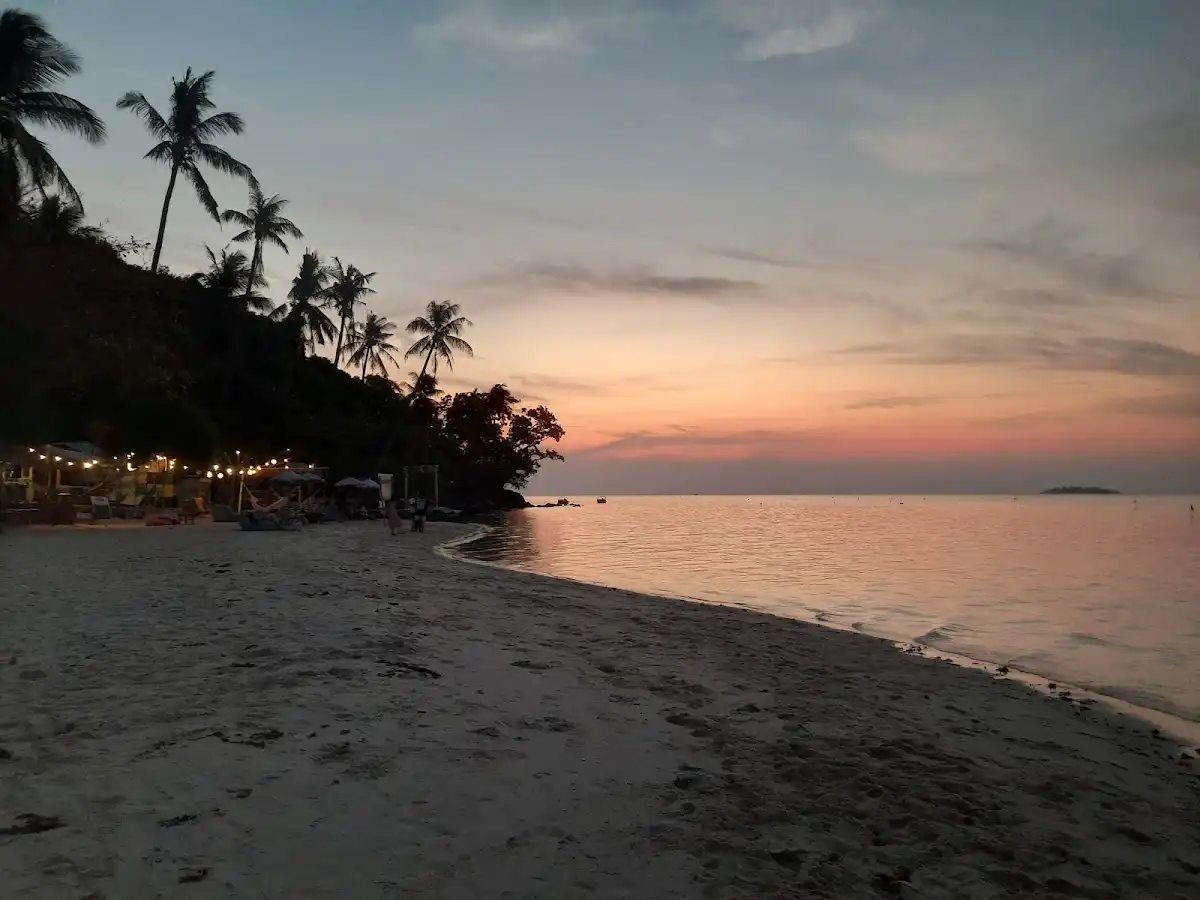
Karimunjawa Islands beach isn't the Instagram-perfect postcard most travel blogs promise, and that's exactly why backpackers keep returning. Strung across the Java Sea off Central Java's coast, this marine park archipelago trades polished resort infrastructure for genuine exploration. The islands deliver clear water, coral reefs, and empty stretches of sand, but expect basic facilities, occasional trash on shore, and a social scene that runs quieter than Bali or the Gilis. I remember wading through knee-deep water at dawn, the sand still cool underfoot, watching a reef shark glide past without ceremony, then turning back to find my guesthouse owner brewing coffee on a charcoal stove. Compared to crowded Lombok or overdeveloped Bali beaches, Karimunjawa feels raw and less filtered. Swimming is solid; snorkeling and diving reward the effort. Budget accommodation clusters on Jepara's mainland and Karimunjawa's main island, with meals under US$3 common. The trade-off is real: fewer creature comforts, but genuine solitude and marine life that hasn't learned to perform for cameras.

Discover everything you want to know in the 📖 Indonesia Travel Guide.


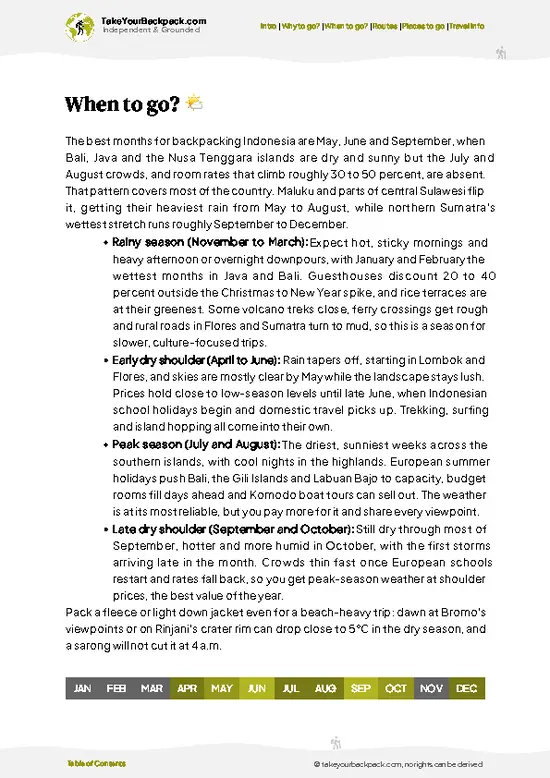
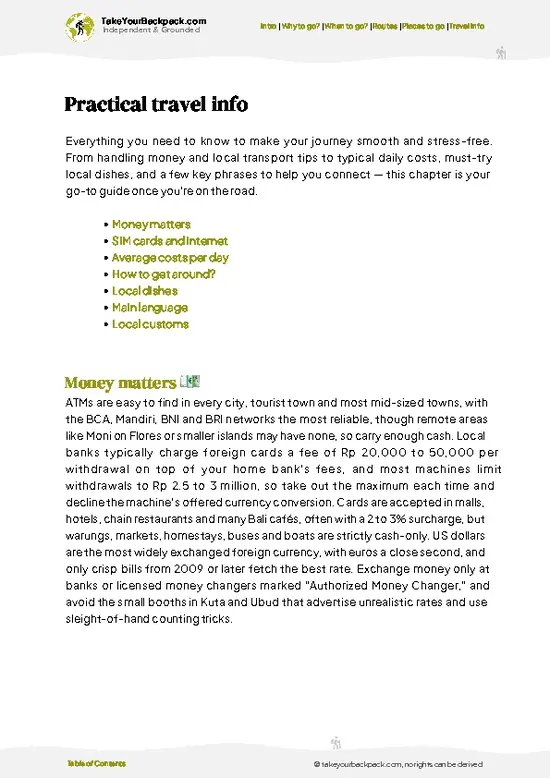
example page 0 from our offline Travel Guide for Indonesia
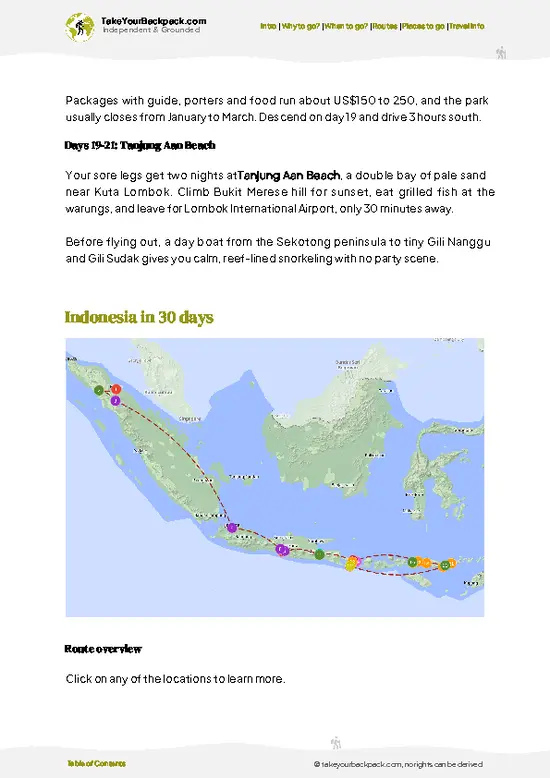
example page 1 from our offline Travel Guide for Indonesia
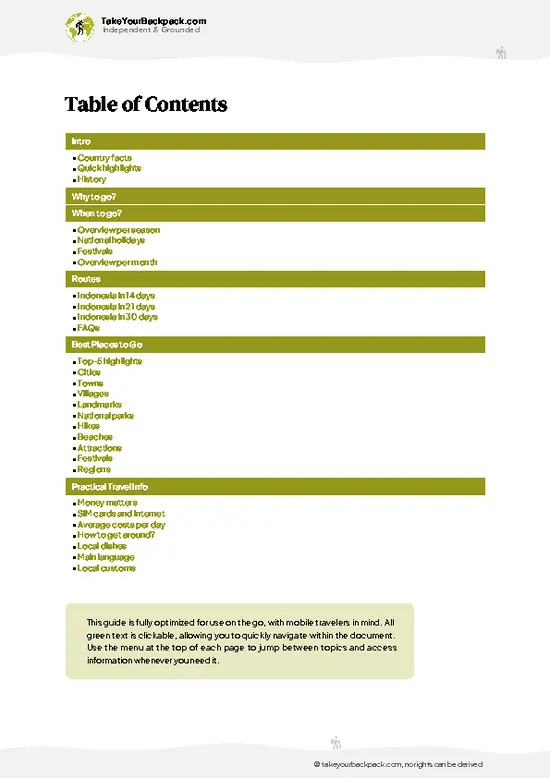
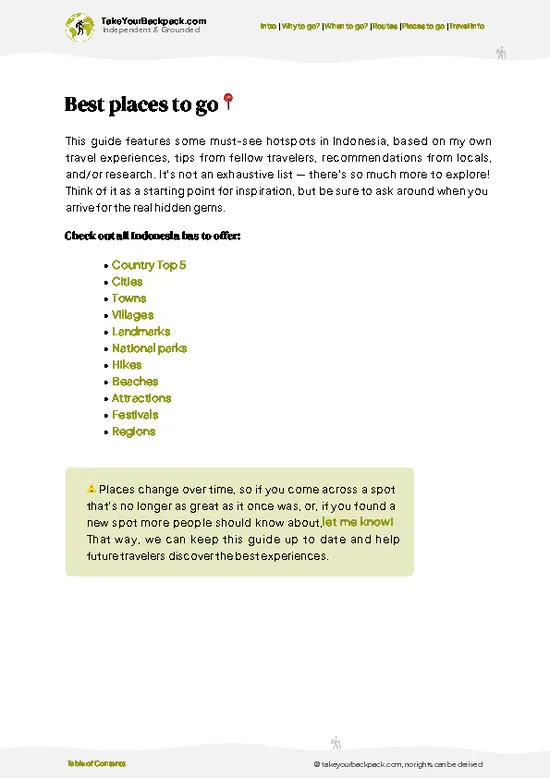
example page 2 from our offline Travel Guide for Indonesia
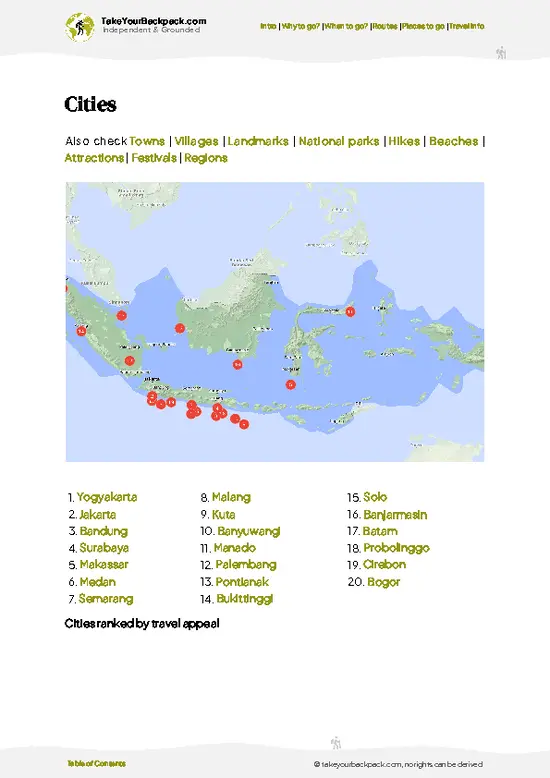
example page 3 from our offline Travel Guide for Indonesia
example page 4 from our offline Travel Guide for Indonesia
example page 5 from our offline Travel Guide for Indonesia
example page 6 from our offline Travel Guide for Indonesia
example page 7 from our offline Travel Guide for Indonesia
Loading the map 🌍
CLICK TO FILTER
cities
towns
villages
landmarks
national parks
hikes
beaches
attractions
festivals
regions
SHOW COUNTRY’S BESTSHOW ALL

✨ Why go?
Ranked #13 region in Indonesia
Why visitors keep coming back

Backpackers stop at Karimunjawa Islands beach because it works as a pause point between Java's cultural circuit and the Lombok-Bali rush. The islands offer affordable diving and snorkeling without the saturation of established dive hubs, letting you explore coral gardens and encounter turtles on your own schedule. The social rhythm is unhurried; guesthouses double as gathering spots where travelers swap routes and stories over cheap beer. Accessibility matters too: a short ferry from Jepara mainland keeps costs low and logistics simple. The water itself is the draw, warm and swimmable year-round, with reefs close enough to reach by boat in under an hour. It's a place where you can actually rest without feeling like you're missing something, then move on refreshed.

💡 HighlightsPlaces and moments you shouldn't skip

  1. Snorkeling at Menjangan Kecil (Small Deer Island): A short boat ride from the main island, this site delivers coral gardens in shallow water and frequent encounters with reef fish, turtles, and occasionally small sharks. The reef sits close to shore, making it accessible even for nervous swimmers.
  2. Diving at Geleang Reef: A deeper site favored by certified divers, featuring steep drop-offs, strong currents that attract larger pelagic fish, and coral formations that feel genuinely untouched. The payoff is marine life density that rivals more famous Indonesian sites.
  3. Beach camping or sunrise walks on Karimunjawa's quieter shores: The main island has stretches of sand where you can camp with minimal crowds, watch the sunrise without jostling for position, and experience the islands as they felt
… read more 👉
  1. Snorkeling at Menjangan Kecil (Small Deer Island): A short boat ride from the main island, this site delivers coral gardens in shallow water and frequent encounters with reef fish, turtles, and occasionally small sharks. The reef sits close to shore, making it accessible even for nervous swimmers.
  2. Diving at Geleang Reef: A deeper site favored by certified divers, featuring steep drop-offs, strong currents that attract larger pelagic fish, and coral formations that feel genuinely untouched. The payoff is marine life density that rivals more famous Indonesian sites.
  3. Beach camping or sunrise walks on Karimunjawa's quieter shores: The main island has stretches of sand where you can camp with minimal crowds, watch the sunrise without jostling for position, and experience the islands as they felt before tourism infrastructure arrived.
  4. Visiting Penyu Island (Turtle Island) for sea turtle conservation: A dedicated marine sanctuary where you can observe nesting and hatchling release programs. It's educational without feeling like a zoo, and the boat journey itself offers chances to spot dolphins.
  5. Sunset drinks at waterfront guesthouses: No nightlife scene exists here, but watching the sun drop over the Java Sea from a simple warung or guesthouse porch, cold beer in hand and conversation flowing, captures why people linger.
I'd pick snorkeling at Menjangan Kecil first because it requires minimal planning, delivers immediate reward, and sets the tone for why the islands matter: you're in the water within hours of arrival, seeing life that justifies the journey.
Spotted a mistake or missing something? Contact us.
🌤️ When to go?Best time to visit Karimunjawa Islands

  • Dry Season (May to September): Best window for visiting. Expect 28 to 32°C (82 to 90°F), calm seas, and clear visibility for snorkeling and diving. Daylight runs roughly 6 am to 6 pm. Crowds remain light compared to mainland tourist zones, and prices hold steady.
  • Wet Season (October to April): Heavier rainfall, rougher seas, and occasional ferry cancellations. Water temperature stays 27 to 29°C (81 to 84°F). Visibility drops, but prices dip and the islands feel even quieter. Not ideal for water activities.
  • Shoulder Months (April, September): Transition periods with mixed conditions. Seas can shift quickly; check forecasts before booking water activities.
Plan your visit for May through September if diving or snorkeling is your priority; the dry season guarantees the calmest seas and clearest water.

source: climatestotravel.comJANJanuary: fair for travelingFEBFebruary: fair for travelingMARMarch: fair for travelingAPRApril: highly recommended for travelingMAYMay: excellent for travelingJUNJune: highly recommended for travelingJULJuly: highly recommended for travelingAUGAugust: highly recommended for travelingSEPSeptember: excellent for travelingOCTOctober: highly recommended for travelingNOVNovember: below average for travelingDECDecember: below average for traveling
indonesia-region-karimunjawa-islands
© Google |

✈️ The backpacker research shortcutIndonesia Travel Guide

An offline-friendly backpacking guide with optimized travel routes, ranked highlights, transport advice, and the best areas to stay.
example page 0 from our offline Travel Guide for Indonesia
example page 1 from our offline Travel Guide for Indonesia
example page 2 from our offline Travel Guide for Indonesia
example page 3 from our offline Travel Guide for Indonesia
example page 4 from our offline Travel Guide for Indonesia
example page 5 from our offline Travel Guide for Indonesia
example page 6 from our offline Travel Guide for Indonesia
example page 7 from our offline Travel Guide for Indonesia
The digital guide (460 pages) contains:
✅ 153 highlights, ranked by travel appeal
✅ Optimized 14, 21 & 30-day travel routes
✅ Cities, national parks, landmarks, beaches
✅ How to get around
✅ Offline-friendly for travel without Wi-Fi
👉 Click to see all 30+ guide features

📅 Plan smarter in minutes, not weeks
✅ Month by month travel advice
✅ Festivals & national holidays
✅ Budget expectations

🗺️ Go to the right places, skip the overrated ones
✅ Honest pros & cons of destinations
✅ Top hikes, parks & viewpoints
✅ Lesser-known places most travelers miss
✅ Clear “worth it vs skip it” guidance

🛏️ Travel smoothly without rookie mistakes
✅ Best areas to stay
✅ Transport systems explained simply
✅ Common scams & safety advice
✅ SIM cards, money & practical tips

🌍 Understand the country, not just visit it
✅ Culture & traditions
✅ 52 Essential phrases & customs
✅ Festivals worth planning around
✅ Traveler-friendly historical context
✅ Insights that make places more meaningful

📱 Built for real travel conditions
✅ Fully downloadable PDF
✅ Works completely offline
✅ Optimized for phone use
✅ Useful in remote areas & buses
✅ Everything in one place
Stop searching, start planning
Get instant access to your full guide. 30‑day money-back guarantee.
+ Add another guide for just

By proceeding you agree to our terms.
Sent to your inbox immediately after payment • 100% Secure Checkout
Best Backpacking Travel Advisor 2025 tourism awardBest Backpacking
Travel Advisor
2025
What others say about Take Your Backpack Guides:
⭐⭐⭐⭐⭐
Fantastic, amazing amount of information!
⭐⭐⭐⭐⭐
My goodness this is amazing, it's what I've been looking for hats off too you!
⭐⭐⭐⭐⭐
I think this is absolutely BRILLIANT
⭐⭐⭐⭐
Very complete and informative. It's still missing places, but I gotta to commend you
⭐⭐⭐⭐⭐
This is truly amazing, thank you, can't wait to explore it with my kids!
⭐⭐⭐⭐⭐
Awesome resource, thank you!
⭐⭐⭐⭐⭐
This is amazing! Can't wait to explore the ones I haven't seen
⭐⭐⭐⭐
I love this! Well done, great idea.
⭐⭐⭐⭐⭐
Thanks for taking the time to make this gem!
⭐⭐⭐⭐⭐
This might be the best website I've ever seen.
⭐⭐⭐⭐⭐
Congratulations, and thank you so much for your work; it's incredibly valuable.
⭐⭐⭐⭐
In all seriousness I think you did a great job pointing out the important spots
⭐⭐⭐⭐⭐
10/10 very good
⭐⭐⭐⭐⭐
As someone who's only just starting to visit regularly this is awesome, thank you.
⭐⭐⭐⭐
Thank you very much! I'm going to visit my dad, it's going to be very useful!
⭐⭐⭐⭐⭐
This is really cool! We'll be travelling for the first time and this definitely come in handy.
⭐⭐⭐⭐⭐
You are now our minister of culture, congratulations 👨‍💼
⭐⭐⭐⭐⭐
Just wanted to tell you that this is a pearl! Going to follow your recommendations.
⭐⭐⭐⭐⭐
This is so cool. I'll definitely be using the resource for my travels soon.
⭐⭐⭐⭐⭐
This is very impressive! Good work.
⭐⭐⭐⭐⭐
This is an amazing and informative site. Very well done!

🛏️ Where to stay?Choosing the right base

Stay on Karimunjawa's main island, where most guesthouses cluster near the ferry dock and main beach. This area keeps you within walking distance of boats, food stalls, and other travelers, without feeling crowded. Rooms run US$8 to 20 per night for basic fan-cooled options. The Jepara mainland, where ferries depart, also has budget guesthouses and serves as a fallback if island rooms fill up. Jepara's waterfront area is walkable and safe, with local warungs and a genuine working-port atmosphere. Both locations are social hubs where solo travelers naturally connect. Avoid booking far from the … read more 👉
Stay on Karimunjawa's main island, where most guesthouses cluster near the ferry dock and main beach. This area keeps you within walking distance of boats, food stalls, and other travelers, without feeling crowded. Rooms run US$8 to 20 per night for basic fan-cooled options. The Jepara mainland, where ferries depart, also has budget guesthouses and serves as a fallback if island rooms fill up. Jepara's waterfront area is walkable and safe, with local warungs and a genuine working-port atmosphere. Both locations are social hubs where solo travelers naturally connect. Avoid booking far from the dock; the islands lack reliable transport, and walking distances can feel longer in heat. Guesthouses here are run by locals and long-term residents who offer genuine advice about conditions and boat schedules.

🛡️ SafetyStaying Safe: What Travelers Should Know

Swimming is safe in designated areas where locals swim, typically near the main beach and dock. Currents exist but are manageable for confident swimmers; check with your guesthouse before entering unfamiliar water. Sea conditions shift with the season; the dry season (May to September) brings calm, clear water, while the wet season can produce rough swells and reduced visibility. Sun exposure is intense year-round; reef shoes protect your feet from sharp coral and sea urchins. Petty theft occurs occasionally in crowded areas near the dock, so don't leave valuables unattended on the beach. Jellyfish appear seasonally but are not a major hazard. Boats are the main transport; verify that your operator carries safety equipment and life jackets before boarding. The islands have no hospital, so … read more 👉
Swimming is safe in designated areas where locals swim, typically near the main beach and dock. Currents exist but are manageable for confident swimmers; check with your guesthouse before entering unfamiliar water. Sea conditions shift with the season; the dry season (May to September) brings calm, clear water, while the wet season can produce rough swells and reduced visibility. Sun exposure is intense year-round; reef shoes protect your feet from sharp coral and sea urchins. Petty theft occurs occasionally in crowded areas near the dock, so don't leave valuables unattended on the beach. Jellyfish appear seasonally but are not a major hazard. Boats are the main transport; verify that your operator carries safety equipment and life jackets before boarding. The islands have no hospital, so serious injuries require evacuation to Jepara or Semarang.

FAQCommon questions from travelers

Ferries depart from Jepara, a port town 90 kilometers north of Semarang on Java's north coast. The crossing takes 4 to 5 hours depending on sea conditions and which island you're heading to; tickets cost around 150,000 to 200,000 IDR (US$10 to 13) one way. Boats run most days but schedules vary seasonally, so confirm departure times locally before booking.
Swimming is safe in calm conditions, though currents and tides shift throughout the day; ask locals which beaches are best at your planned time. Snorkeling is the main draw here, with healthy coral reefs and reef fish visible in shallow water just offshore from several islands. The islands are not known for surfing; waves are generally small and inconsistent.
Yes, the beaches are free to access. There is no entrance fee to the islands themselves, though some dive operators and snorkel tours charge for guiding and equipment rental, typically 300,000 to 500,000 IDR (US$20 to 33) per person for a half-day trip.
⚠️ Things can change over time, so always validate details locally before you go.

Other Indonesian regions near Karimunjawa Islands

Explore more nearby:

  • Java—Borobudur, Bromo and Ijen volcanoes, Yogyakarta, Jakarta, rail network| 149 km away
  • Gede—Mount Gede, Cibodas trails, West Java cloud forest, Pangrango ridge| 399 km away
  • Menjangan Island—West Bali National Park, wall dives, Pemuteran boats, deer trails| 513 km away

💡 Not sure where to go next?
Create a personalized itinerary for Indonesia including Karimunjawa Islands and the places that fit your trip.

Generate my itinerary

👉 Discover all regions

Or checkout all Indonesia has to offer (think cities, towns, villages, national parks, hikes, beaches, festivals)
Country photo of Indonesia

We 💚 feedbackWhat to keep in mind

Karimunjawa Islands beach delivers genuine isolation and marine life you won't find on Java's crowded mainland shores. The catch is getting there takes patience: ferries are slow, schedules shift, and the islands lack the infrastructure of established beach towns. Worth the effort if you crave quiet.

✈️ When did I visit Indonesia?
As part of my 1.5 year travel around the world trip, I visited Indonesia twice (and it was worth it): first in September 2015 and a bit later again in January and February 2016.

✍️ Help improve this page!
The information on this page is based on my own backpacking experience in Indonesia, supplemented with up-to-date research and feedback from other travelers. Travel details can change, so if you notice anything outdated or incomplete, feel free to let me know.


🙋‍♂️ Give feedback

👋 Meet the founderWho’s Behind Take Your Backpack?

Johan, backpacker and founder of TakeYourBackpackHi, I’m Johan (Netherlands 🇳🇱), the creator of TakeYourBackpack. Over the past 3 decades, I’ve backpacked through 90+ countries across six continents, gaining extensive experience with independent travel, long-term trips, and overland routes.

This site is built on a combination of firsthand travel experience and carefully curated insights from other backpackers. Many guides are based on places I’ve personally visited, while others bring together tips, observations, and practical advice shared by trusted travelers I’ve met along the way.

The goal is to provide realistic, experience-driven guidance — not generic itineraries — so you can explore destinations with better context, clearer expectations, and more confidence.