×

Indonesia🇮🇩 | citiesJayapuraPapua gateway, Lake Sentani, Cycloop mountains, Pacific border | things to do and best time to go

Explore SamarindaExplore Ambon

Backpacking in Jayapura
👍 Recommendedcity ranked #24
By Johan Kruseman 🇳🇱 | Updated October 15, 2026

Jayapura isn't for travelers seeking Instagram-ready beaches or temple crowds. But if you crave raw frontier energy and genuine encounters, this remote capital of Papua Province rewards the effort. Perched on Indonesia's eastern edge, where jungle meets the Coral Triangle, Jayapura demands patience and curiosity in exchange for unfiltered access to Papua's culture. I remember sitting in a warung at dusk, watching fishermen haul nets while the sky turned copper, realizing I'd stumbled into a place most travelers skip entirely. That's the payoff here: authenticity without the polish.

Discover everything you want to know in the 📖 Indonesia Travel Guide.


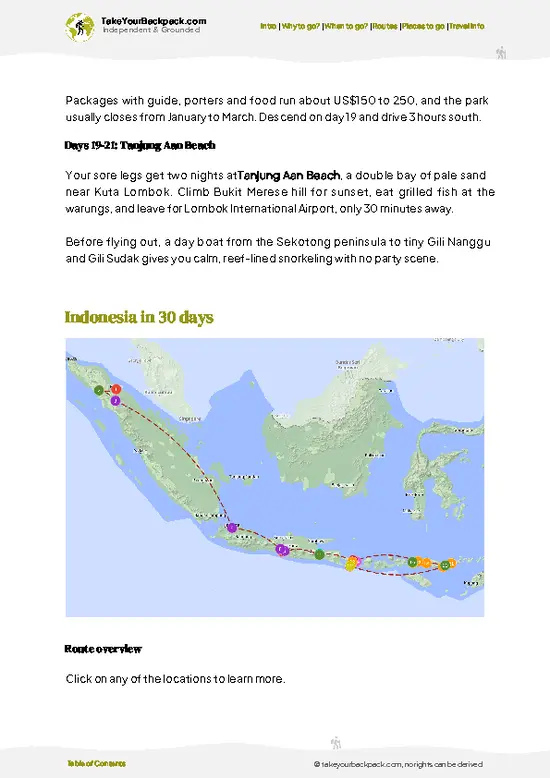
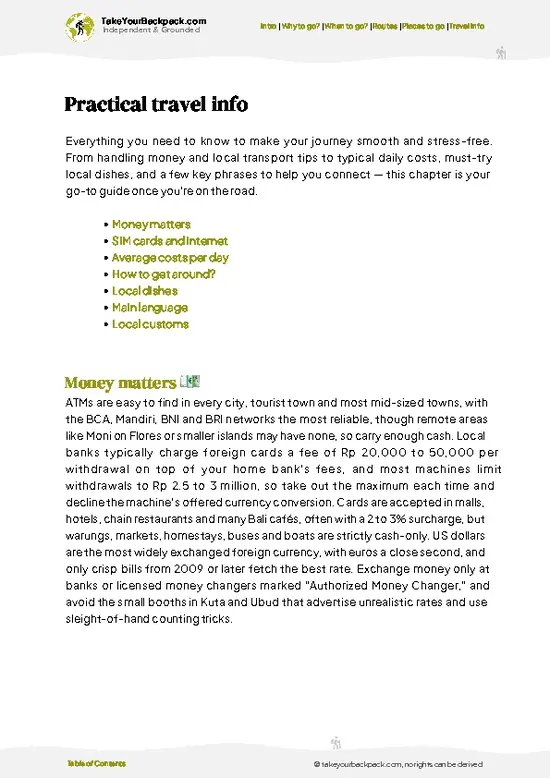
example page 0 from our offline Travel Guide for Indonesia
example page 1 from our offline Travel Guide for Indonesia
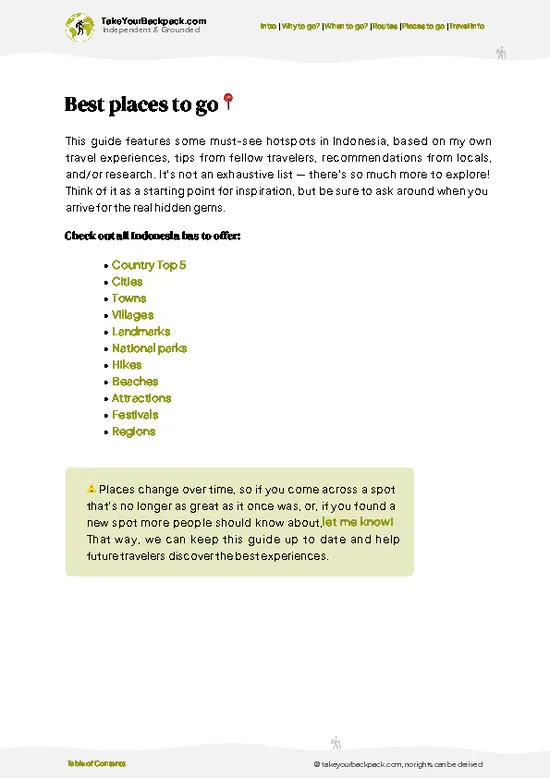
example page 2 from our offline Travel Guide for Indonesia
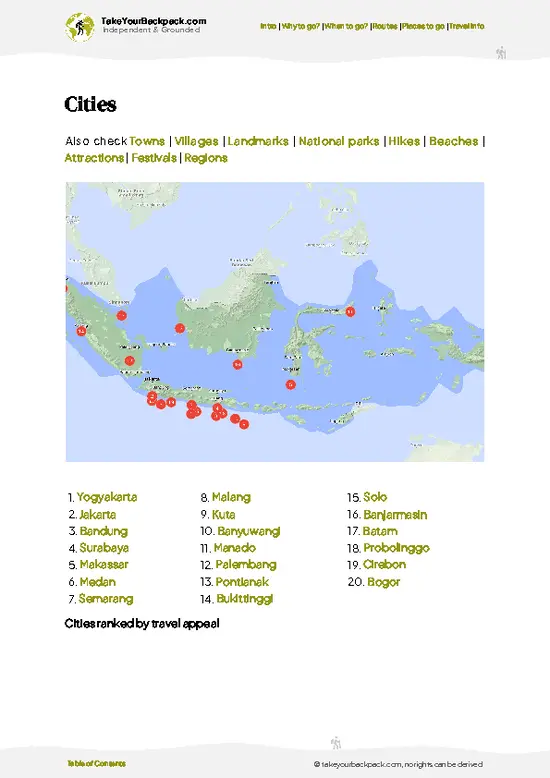
example page 3 from our offline Travel Guide for Indonesia
example page 4 from our offline Travel Guide for Indonesia
example page 5 from our offline Travel Guide for Indonesia
example page 6 from our offline Travel Guide for Indonesia
example page 7 from our offline Travel Guide for Indonesia
Loading the map 🌍
CLICK TO FILTER
cities
towns
villages
landmarks
national parks
hikes
beaches
attractions
festivals
regions
SHOW COUNTRY’S BESTSHOW ALL

✨ Why go?
Ranked #24 city in Indonesia
Reasons people choose to visit here

Jayapura functions as a basecamp for Papua's interior and coastal exploration, with direct access to Baliem Valley treks, Lake Sentani, and pristine diving. The city itself offers walkable waterfront markets, affordable guesthouses, and a tight backpacker community that shares routes and logistics. Food costs are low; meals run US$2 to 4. The real draw is onward travel: flights and boats depart for remote islands, jungle villages, and research stations. It's a working port city, not a resort, which means fewer tourists but more authentic interactions. Best suited for adventurers comfortable with basic infrastructure seeking genuine Papua experiences.

💡 HighlightsMust-see experiences and standout moments

  1. Lake Sentani: A sprawling freshwater lake ringed by traditional villages and forested hills, 40 kilometers from Jayapura. Hire a local boat (US$15 to 30 per day) to visit Sentani Island and Asei Island, where you can meet Papuan communities and see traditional canoe-building. Best visited early morning to avoid afternoon heat. Allow 6 to 8 hours including travel.
  2. Cenderawasih Bay National Marine Park: One of Indonesia's largest marine reserves, accessible by boat from Jayapura (2 to 3 hours). Snorkel or dive with whale sharks (seasonal, July to October), manta rays, and coral gardens. Costs range from US$40 to 80 for a day trip with a local operator. Water is clearest May to October.
  3. Jayapura Waterfront Market (Pasar Ikan): The working fish and produce market along the harbor, best visited at
… read more 👉
  1. Lake Sentani: A sprawling freshwater lake ringed by traditional villages and forested hills, 40 kilometers from Jayapura. Hire a local boat (US$15 to 30 per day) to visit Sentani Island and Asei Island, where you can meet Papuan communities and see traditional canoe-building. Best visited early morning to avoid afternoon heat. Allow 6 to 8 hours including travel.
  2. Cenderawasih Bay National Marine Park: One of Indonesia's largest marine reserves, accessible by boat from Jayapura (2 to 3 hours). Snorkel or dive with whale sharks (seasonal, July to October), manta rays, and coral gardens. Costs range from US$40 to 80 for a day trip with a local operator. Water is clearest May to October.
  3. Jayapura Waterfront Market (Pasar Ikan): The working fish and produce market along the harbor, best visited at dawn when boats unload. Free to walk; no entry fee. Arrive by 6:00 AM to see the busiest activity. 1 to 2 hours is enough to absorb the scene and grab breakfast.
  4. Museum Negeri Papua: Houses ethnographic collections of Papuan masks, weapons, and traditional clothing from across the province. Located in central Jayapura. Entry costs US$2 to 3. Open Tuesday to Sunday, 9:00 AM to 4:00 PM. Allow 1.5 to 2 hours.
  5. Tanjung Ria Beach: A modest but peaceful black-sand beach on Jayapura's outskirts, popular with locals on weekends. Free access. Best at sunset. 30 minutes to 1 hour is sufficient.
  6. Cyclops Mountains: A forested range directly behind Jayapura offering hiking trails with views over the city and bay. Local guides can be arranged through guesthouses (US$20 to 40 per day). Trails range from 2 to 6 hours depending on difficulty. Go early to avoid afternoon rain.
Day trips from Jayapura include the Baliem Valley (accessible by short flight, 45 minutes), where highland Dani villages and trekking dominate, and Pulau Biak, an island with World War II sites and diving. I'd pick the Baliem Valley first: the cultural contrast and trekking infrastructure make it the most rewarding single excursion.
Spotted a mistake or missing something? Contact us.

🏘️ NeighborhoodsKey areas and districts to know

Jayapura City Center clusters government buildings, markets, and colonial-era streets within walking distance of the waterfront. Explore the chaotic energy of Pasar Sentral, where vendors hawk fish, spices, and local produce. The pace is brisk, crowds thick, and the smell of the sea cuts through everything. Abepura spreads inland with residential streets, small warungs, and a slower rhythm. It's where locals actually live, quieter to navigate, cheaper to eat. Sentani sits on the lake's edge, 40 kilometers south, offering a cooler escape with water views and indigenous culture. Reaching it requires transport, but the payoff is breathing room and a different pace. Tanjung Ria hugs the northern coast with fishing villages and beach access. Walk the shoreline at dawn when boats launch; the light and activity reward early rising.

⌛️ 1 dayHow to make the most of one day

Jayapura rewards exploration with raw frontier energy and genuine encounters. This itinerary focuses on the waterfront and central districts, where the city's character emerges most clearly.

7:30 AM: Pantai Base G (Base G Beach) Start early at this local beach on the city's eastern edge, where fishermen launch boats and the light hits the water before crowds arrive. The sand is coarse, the water warm. Grab coffee from a warung nearby. Head back toward the center via the coastal road, about 20 minutes by ojek (motorcycle taxi, US$1 to 2).

9:00 AM: Pasar Jayapura (Central Market) The market pulses with energy: vendors selling fresh fish, tropical fruit, and local spices. Walk through slowly, observe how locals shop, buy a few snacks. This is where the city's supply lines converge. Spend 45 … read more 👉
Jayapura rewards exploration with raw frontier energy and genuine encounters. This itinerary focuses on the waterfront and central districts, where the city's character emerges most clearly.

7:30 AM: Pantai Base G (Base G Beach) Start early at this local beach on the city's eastern edge, where fishermen launch boats and the light hits the water before crowds arrive. The sand is coarse, the water warm. Grab coffee from a warung nearby. Head back toward the center via the coastal road, about 20 minutes by ojek (motorcycle taxi, US$1 to 2).

9:00 AM: Pasar Jayapura (Central Market) The market pulses with energy: vendors selling fresh fish, tropical fruit, and local spices. Walk through slowly, observe how locals shop, buy a few snacks. This is where the city's supply lines converge. Spend 45 minutes here. Walk west toward the harbor, 10 minutes on foot.

10:15 AM: Jayapura Waterfront Stroll the harbor area where cargo ships and fishing vessels dock. The view opens toward the sea and Papua New Guinea across the strait. Sit at a warung for a drink. This is the city's working heart, not a tourist zone. Stay 30 to 40 minutes.

12:00 PM: Lunch at a Local Warung Eat where locals eat: grilled fish, rice, sambal. Budget US$3 to 5. Ask your warung owner about neighborhoods worth exploring; they often know the real Jayapura.

2:00 PM: Museum Negeri Papua This museum holds artifacts from Papua's indigenous cultures, colonial history, and natural history. It's modest but genuine. Admission is US$2 to 3. Allow 1.5 to 2 hours. The staff are knowledgeable if you ask questions.

4:00 PM: Tanjung Ria Lookout Head to this hilltop viewpoint on the city's southern edge (US$1 to 2 by ojek from the museum). The view spans the city, the bay, and the mountains beyond. The light softens in late afternoon. Spend 30 to 45 minutes here, watching the city shift into evening.

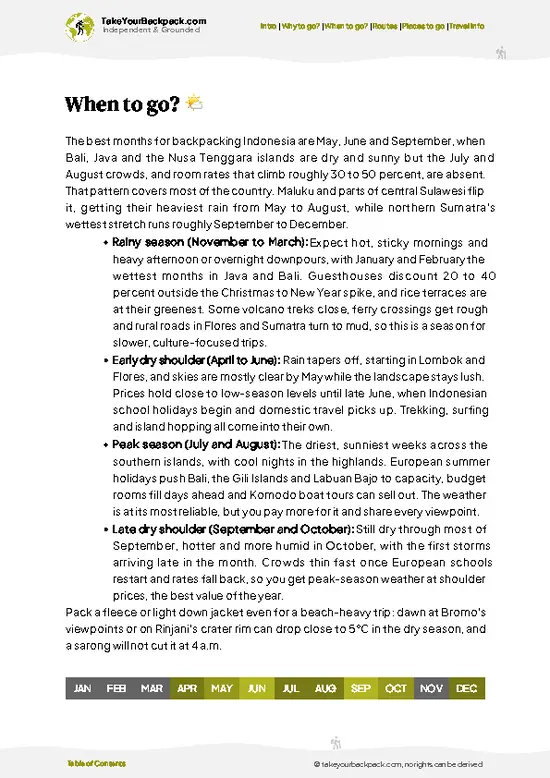
🌤️ When to go?Choosing the right time of year

  • Dry Season (May to October): The best window. Temperatures hold around 28 to 32°C (82 to 90°F), rainfall drops sharply, and daylight stretches to 12 hours. Prices stay moderate and travel to nearby islands becomes reliable.
  • Wet Season (November to April): Heavy rain, high humidity, temperatures 26 to 31°C (79 to 88°F). Crowds thin, accommodation discounts appear, but transport delays are common and some day trips become risky.
Visit May through September for the steadiest weather and easiest logistics.

source: climatestotravel.comJANJanuary: fair for travelingFEBFebruary: fair for travelingMARMarch: fair for travelingAPRApril: fair for travelingMAYMay: highly recommended for travelingJUNJune: highly recommended for travelingJULJuly: good for travelingAUGAugust: good for travelingSEPSeptember: highly recommended for travelingOCTOctober: highly recommended for travelingNOVNovember: fair for travelingDECDecember: fair for traveling
when-to-go

✈️ The backpacker research shortcutIndonesia Travel Guide

An offline-friendly backpacking guide with optimized travel routes, ranked highlights, transport advice, and the best areas to stay.
example page 0 from our offline Travel Guide for Indonesia
example page 1 from our offline Travel Guide for Indonesia
example page 2 from our offline Travel Guide for Indonesia
example page 3 from our offline Travel Guide for Indonesia
example page 4 from our offline Travel Guide for Indonesia
example page 5 from our offline Travel Guide for Indonesia
example page 6 from our offline Travel Guide for Indonesia
example page 7 from our offline Travel Guide for Indonesia
The digital guide (460 pages) contains:
✅ 153 highlights, ranked by travel appeal
✅ Optimized 14, 21 & 30-day travel routes
✅ Cities, national parks, landmarks, beaches
✅ How to get around
✅ Offline-friendly for travel without Wi-Fi
👉 Click to see all 30+ guide features

📅 Plan smarter in minutes, not weeks
✅ Month by month travel advice
✅ Festivals & national holidays
✅ Budget expectations

🗺️ Go to the right places, skip the overrated ones
✅ Honest pros & cons of destinations
✅ Top hikes, parks & viewpoints
✅ Lesser-known places most travelers miss
✅ Clear “worth it vs skip it” guidance

🛏️ Travel smoothly without rookie mistakes
✅ Best areas to stay
✅ Transport systems explained simply
✅ Common scams & safety advice
✅ SIM cards, money & practical tips

🌍 Understand the country, not just visit it
✅ Culture & traditions
✅ 52 Essential phrases & customs
✅ Festivals worth planning around
✅ Traveler-friendly historical context
✅ Insights that make places more meaningful

📱 Built for real travel conditions
✅ Fully downloadable PDF
✅ Works completely offline
✅ Optimized for phone use
✅ Useful in remote areas & buses
✅ Everything in one place
Stop searching, start planning
Get instant access to your full guide. 30‑day money-back guarantee.
+ Add another guide for just

By proceeding you agree to our terms.
Sent to your inbox immediately after payment • 100% Secure Checkout
Best Backpacking Travel Advisor 2025 tourism awardBest Backpacking
Travel Advisor
2025
What others say about Take Your Backpack Guides:
⭐⭐⭐⭐⭐
Fantastic, amazing amount of information!
⭐⭐⭐⭐⭐
My goodness this is amazing, it's what I've been looking for hats off too you!
⭐⭐⭐⭐⭐
I think this is absolutely BRILLIANT
⭐⭐⭐⭐
Very complete and informative. It's still missing places, but I gotta to commend you
⭐⭐⭐⭐⭐
This is truly amazing, thank you, can't wait to explore it with my kids!
⭐⭐⭐⭐⭐
Awesome resource, thank you!
⭐⭐⭐⭐⭐
This is amazing! Can't wait to explore the ones I haven't seen
⭐⭐⭐⭐
I love this! Well done, great idea.
⭐⭐⭐⭐⭐
Thanks for taking the time to make this gem!
⭐⭐⭐⭐⭐
This might be the best website I've ever seen.
⭐⭐⭐⭐⭐
Congratulations, and thank you so much for your work; it's incredibly valuable.
⭐⭐⭐⭐
In all seriousness I think you did a great job pointing out the important spots
⭐⭐⭐⭐⭐
10/10 very good
⭐⭐⭐⭐⭐
As someone who's only just starting to visit regularly this is awesome, thank you.
⭐⭐⭐⭐
Thank you very much! I'm going to visit my dad, it's going to be very useful!
⭐⭐⭐⭐⭐
This is really cool! We'll be travelling for the first time and this definitely come in handy.
⭐⭐⭐⭐⭐
You are now our minister of culture, congratulations 👨‍💼
⭐⭐⭐⭐⭐
Just wanted to tell you that this is a pearl! Going to follow your recommendations.
⭐⭐⭐⭐⭐
This is so cool. I'll definitely be using the resource for my travels soon.
⭐⭐⭐⭐⭐
This is very impressive! Good work.
⭐⭐⭐⭐⭐
This is an amazing and informative site. Very well done!

🛏️ Where to stay?Choosing the right base

Base yourself in Jayapura City Center or Abepura. The center puts you near markets, transport hubs, and the waterfront, with decent hostel and budget guesthouse options; it's noisier but walkable to everything. Abepura offers cheaper beds, quieter nights, and a local feel, though you'll rely more on ojek to reach attractions. Both are safe after dark if you stay aware. Transport links from either area are straightforward for day trips and moving on.

🚌 Getting aroundTransportation options and practical tips

The city center is walkable for markets, waterfront, and main streets, but distances stretch quickly beyond downtown. Traffic moves chaotically; motorbikes dominate and sidewalks are uneven. Public transport is basic but functional for budget travelers.

  • Walking: Free and essential for exploring neighborhoods, markets, and the waterfront. Works well for 2 to 3 kilometers; beyond that, fatigue and heat set in fast.
  • Ojek (motorcycle taxi): Costs US$1 to 3 per ride depending on distance. Fast, direct, and how locals move around the city. Negotiate before boarding.
  • Angkot (minibus): Shared minibuses run fixed routes for US$0.50 to 1 per trip. Slow, crowded, but cheap and reliable for longer hauls within the city.
  • Taxi: Metered taxis cost US$2 to 5 for short trips. More comfortable than ojek but slower
… read more 👉
The city center is walkable for markets, waterfront, and main streets, but distances stretch quickly beyond downtown. Traffic moves chaotically; motorbikes dominate and sidewalks are uneven. Public transport is basic but functional for budget travelers.

  • Walking: Free and essential for exploring neighborhoods, markets, and the waterfront. Works well for 2 to 3 kilometers; beyond that, fatigue and heat set in fast.
  • Ojek (motorcycle taxi): Costs US$1 to 3 per ride depending on distance. Fast, direct, and how locals move around the city. Negotiate before boarding.
  • Angkot (minibus): Shared minibuses run fixed routes for US$0.50 to 1 per trip. Slow, crowded, but cheap and reliable for longer hauls within the city.
  • Taxi: Metered taxis cost US$2 to 5 for short trips. More comfortable than ojek but slower in traffic and unnecessary for budget travelers.
  • Rental motorbike: US$5 to 8 per day. Gives freedom to explore outlying areas and nearby villages, though roads can be rough and traffic unpredictable.

👛 Costs (as of 15 October 2026)Travel costs and budget guide for Jayapura

Budget backpackers in Jayapura spend US$25 to 40 daily, depending on accommodation choices and activity level.
CategoryBudget RangeLocal Reality
Dorm accommodation (high season)US$12 to 18Basic guesthouses and hostels offer simple rooms with fans and shared bathrooms; high season (May to October) sees modest price increases.
Dorm accommodation (off-season)US$8 to 12Wet season discounts are common; availability is higher and negotiation possible.
MealsUS$2 to 5Street food and warungs cost US$2 to 3 per meal; sit-down restaurants run US$4 to 6. Markets offer the cheapest options.
Local transportUS$0.50 to 3Angkot minibuses cost US$0.50 to 1; ojek motorcycle taxis US$1 to 3 depending on distance.
City transport passN/ANo multi-day passes exist; pay per trip.
Basic activities and entry feesUS$5 to 15Hiking
… read more 👉
Budget backpackers in Jayapura spend US$25 to 40 daily, depending on accommodation choices and activity level.
CategoryBudget RangeLocal Reality
Dorm accommodation (high season)US$12 to 18Basic guesthouses and hostels offer simple rooms with fans and shared bathrooms; high season (May to October) sees modest price increases.
Dorm accommodation (off-season)US$8 to 12Wet season discounts are common; availability is higher and negotiation possible.
MealsUS$2 to 5Street food and warungs cost US$2 to 3 per meal; sit-down restaurants run US$4 to 6. Markets offer the cheapest options.
Local transportUS$0.50 to 3Angkot minibuses cost US$0.50 to 1; ojek motorcycle taxis US$1 to 3 depending on distance.
City transport passN/ANo multi-day passes exist; pay per trip.
Basic activities and entry feesUS$5 to 15Hiking guides cost US$5 to 10; boat tours US$15 to 25. Most cultural sites have minimal or no entry fees.
Miscellaneous expensesUS$3 to 8Drinks, snacks, and incidentals; budget for occasional splurges on better meals or transport upgrades.
Total Daily BudgetUS$25 to 40Achievable by staying in budget guesthouses, eating at warungs, and using local transport. Splurging on day trips or better accommodation pushes costs higher.
Eat at markets and warungs instead of tourist restaurants to stretch your budget significantly.
⚠️ Prices can change and everyone travels differently, so take this as a rough guide. Hope it helps you plan your adventure!

🚌 Day tripsWhere to go beyond the main area

Sentani Lake
The lake sprawls across a vast freshwater expanse ringed by forested hills, offering a genuine escape from the city's humidity and noise. A 45-minute drive northeast puts you on the water, where local boatmen ferry travelers to traditional villages on stilts and small islands where Sentani people still fish using hand-thrown nets. Budget US$25 to 40 for transport and a half-day boat tour; bring cash, as villages have no ATMs. The dry season (May to October) brings calmer waters and clearer skies. First-timers often skip the villages and just swim at the main beach, missing the real draw: watching daily life unfold in places where motorboats are still a novelty.


Cyclops Mountains
These jungle-clad peaks rise abruptly from the coast, offering hiking trails that cut through primary … read more 👉
Sentani Lake
The lake sprawls across a vast freshwater expanse ringed by forested hills, offering a genuine escape from the city's humidity and noise. A 45-minute drive northeast puts you on the water, where local boatmen ferry travelers to traditional villages on stilts and small islands where Sentani people still fish using hand-thrown nets. Budget US$25 to 40 for transport and a half-day boat tour; bring cash, as villages have no ATMs. The dry season (May to October) brings calmer waters and clearer skies. First-timers often skip the villages and just swim at the main beach, missing the real draw: watching daily life unfold in places where motorboats are still a novelty.


Cyclops Mountains
These jungle-clad peaks rise abruptly from the coast, offering hiking trails that cut through primary forest and lead to viewpoints overlooking Jayapura and the bay. A 30-minute drive south reaches the trailhead; the main summit hike takes 4 to 5 hours round-trip and demands fitness and proper footwear. Costs run US$15 to 25 for transport and a local guide (essential for navigation and safety). Go during the dry season when trails are passable; rain turns them into mud slides. The payoff is solitude and forest canopy that few tourists see.


Tobadi Beach
This black-sand beach sits 20 kilometers west and feels quieter than Jayapura's waterfront, with better swimming and fewer vendors. A 45-minute minibus ride costs US$2 to 3; the beach itself is free. Bring snacks and water, as facilities are minimal. Visit between May and October when the sea is calm enough for actual swimming rather than wading. The main mistake is arriving at midday without shade; go early morning or late afternoon.


Abepura Traditional Market
This sprawling inland market, 30 minutes by minibus (US$1.50), pulses with local commerce and sells everything from fresh tropical fruit to handicrafts and textiles. It's chaotic, loud, and entirely geared toward locals rather than tourists, which is exactly why it works. Spend US$5 to 10 on breakfast and souvenirs. Go on a weekday morning before the afternoon heat peaks. You'll see Jayapura's real rhythm here, not the polished version.

🍲 FoodEating & Drinking in Jayapura

Papuan cuisine centers on sago (starch from palm), fresh fish, and coconut. Try tinutuan, a savory rice porridge eaten for breakfast, and papeda, a slimy sago dish served with fish broth and lime. Grilled fish appears everywhere, especially near the waterfront and in markets, often cooked over charcoal and sold by weight. Street food stalls and small warungs dominate; eat where locals queue. Teh manis (sweet tea) and fresh coconut water are the drinks of choice. Meals cost US$2 to 4 at casual spots. The eating culture is communal and unhurried; food arrives when ready, not rushed.

🛡️ SafetySafety Tips and Common Scams in Jayapura

Jayapura is broadly safe for backpackers who stay aware. Petty theft happens in crowded markets and on minibuses; keep valuables close and bags zipped. Avoid walking alone late at night in unfamiliar areas, though the city center and main neighborhoods are fine after dark if you move with purpose. Scams are rare compared to other Indonesian cities. Police are present but not intrusive. The main annoyance is aggressive hawking in markets and transport hubs; a firm "tidak" (no) works. Stay hydrated in the heat and watch for uneven sidewalks.

FAQFrequently asked questions about Jayapura

Two to three days is ideal. One day covers the waterfront and markets; a second day allows a boat trip to Lake Sentani or Cenderawasih Bay. A third day opens options for Cyclops Mountains hiking or arranging onward travel to the Baliem Valley or Biak.
Jayapura is generally safe for solo backpackers, though petty theft occurs in crowded markets and at night. Avoid walking alone after dark and keep valuables secure. The backpacker community is tight and helpful; guesthouses provide reliable local advice. Political tensions exist but rarely affect tourists.
Jayapura is known as the gateway to Papua's interior and as a hub for biodiversity research and conservation. It's also recognized for its role in Indonesia's eastern frontier, its Melanesian cultural heritage, and access to Cenderawasih Bay's whale sharks and pristine coral reefs.
⚠️ Things can change over time, so always validate details locally before you go.

Other Indonesian cities near Jayapura

Explore more nearby:

  • Timika—mining hub, Mimika culture, airport gateway| 479 km away
  • Merauke—southernmost city, savanna plains, border crossing| 664 km away
  • Manokwari—Cenderawasih Bay, rainforest hills, missionary sites| 761 km away

💡 Not sure where to go next?
Create a personalized itinerary for Indonesia including Jayapura and the places that fit your trip.

Generate my itinerary

👉 Discover all cities

Or checkout all Indonesia has to offer (think cities, towns, villages, national parks, hikes, beaches, festivals)
Country photo of Indonesia

We 💚 feedbackFinal thoughts on visiting Jayapura

Jayapura is worth visiting for its raw authenticity and the chance to experience Indonesia beyond the tourist circuit. The catch is limited English and fewer creature comforts than you'll find elsewhere, but that's precisely what makes it real.

✈️ When did I visit Indonesia?
As part of my 1.5 year travel around the world trip, I visited Indonesia twice (and it was worth it): first in September 2015 and a bit later again in January and February 2016.

✍️ Help improve this page!
The information on this page is based on my own backpacking experience in Indonesia, supplemented with up-to-date research and feedback from other travelers. Travel details can change, so if you notice anything outdated or incomplete, feel free to let me know.


🙋‍♂️ Give feedback

👋 Meet the founderWho’s Behind Take Your Backpack?

Johan, backpacker and founder of TakeYourBackpackHi, I’m Johan (Netherlands 🇳🇱), the creator of TakeYourBackpack. Over the past 3 decades, I’ve backpacked through 90+ countries across six continents, gaining extensive experience with independent travel, long-term trips, and overland routes.

This site is built on a combination of firsthand travel experience and carefully curated insights from other backpackers. Many guides are based on places I’ve personally visited, while others bring together tips, observations, and practical advice shared by trusted travelers I’ve met along the way.

The goal is to provide realistic, experience-driven guidance — not generic itineraries — so you can explore destinations with better context, clearer expectations, and more confidence.