×

Indonesia🇮🇩 | citiesTimikamining hub, Mimika culture, airport gateway | things to do and best time to go

Explore MeraukeExplore Bogor

Backpacking in Timika
👀 For curious travelerscity ranked #37
By Johan Kruseman 🇳🇱 | Updated October 15, 2026

Most backpackers skip Timika entirely, choosing instead the well-worn trail to Bali or Java. That's the real choice: stay on the beaten path or venture into one of Indonesia's most remote and least touristed corners. Timika sits on the southern coast of Papua, Indonesia's easternmost province, a frontier town that feels genuinely off the map. The trade-off is real: you sacrifice comfort and convenience for raw authenticity and the thrill of exploring where few travelers venture. I remember stepping off the plane into thick, humid air and seeing the town sprawl beneath rainforest-covered mountains, feeling the weight of genuine remoteness. Timika suits adventurers seeking cultural immersion and natural exploration over creature comforts; it's not for those wanting easy infrastructure or predictable experiences.

Discover everything you want to know in the 📖 Indonesia Travel Guide.


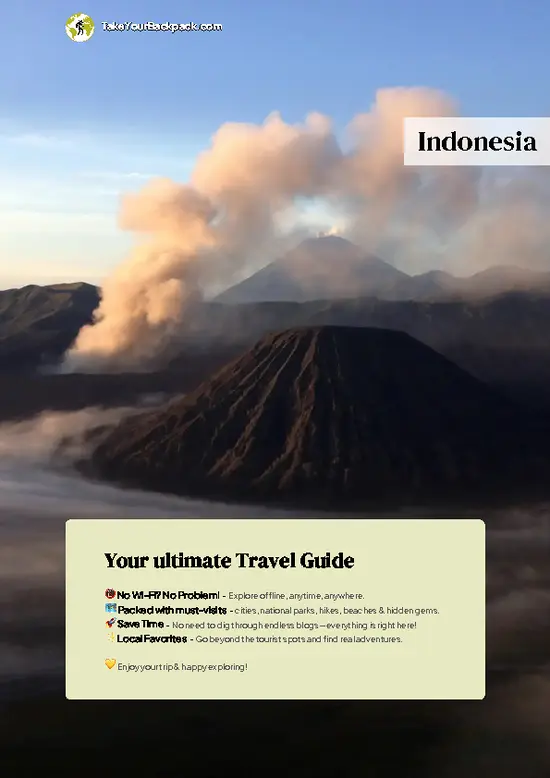
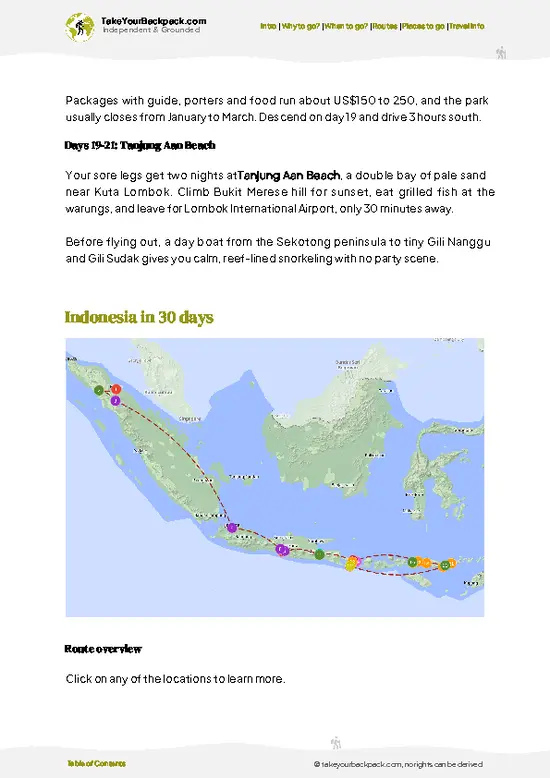
example page 0 from our offline Travel Guide for Indonesia
example page 1 from our offline Travel Guide for Indonesia
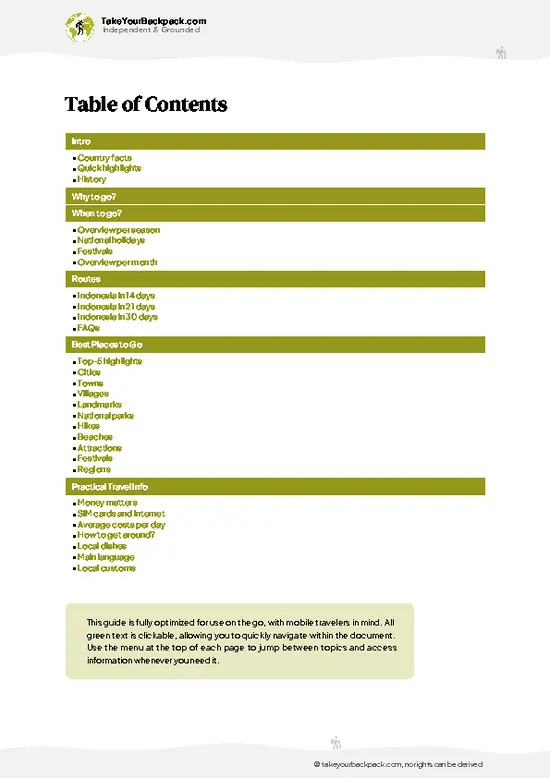
example page 2 from our offline Travel Guide for Indonesia
example page 3 from our offline Travel Guide for Indonesia
example page 4 from our offline Travel Guide for Indonesia
example page 5 from our offline Travel Guide for Indonesia
example page 6 from our offline Travel Guide for Indonesia
example page 7 from our offline Travel Guide for Indonesia
Loading the map 🌍
CLICK TO FILTER
cities
towns
villages
landmarks
national parks
hikes
beaches
attractions
festivals
regions
SHOW COUNTRY’S BESTSHOW ALL

✨ Why go?
Ranked #37 city in Indonesia
The unique appeal for travelers

Timika functions as a basecamp for Papua's interior and coastal ecosystems rather than a destination unto itself. The town offers affordable accommodation in simple guesthouses and a handful of hostels, plus access to indigenous communities, pristine rainforest, and coastal activities impossible to find elsewhere in Indonesia. It's walkable enough to navigate on foot, with a compact center and local warungs serving authentic Papuan food. Onward travel to remote villages, diving sites, and trekking routes requires local guides and patience, but that's precisely why serious explorers come. The nightlife is minimal; the reward is stepping outside tourism's bubble entirely.

💡 HighlightsKey sights and experiences for travelers

  1. Lorentz National Park: A UNESCO World Heritage site spanning rainforest, mountains, and coastal zones. Home to rare birds of paradise, tree kangaroos, and pristine beaches. Best visited June to September (dry season). Day trips cost US$80 to 150 per person with a guide; allow 8 to 10 hours.
  2. Kamoro Villages: Traditional settlements where the Kamoro people maintain ancestral practices and crafts. Visit with a local guide to see sago processing and traditional weaving. Year-round accessible; costs US$40 to 80 for a guide. Allow 4 to 6 hours.
  3. Timika Waterfront: A modest but genuine local gathering spot with fishing boats, small restaurants, and views across the bay. Free to explore; best at sunrise or late afternoon. 1 to 2 hours.
  4. Asmat Art Museum: Houses carvings and artifacts from the Asmat people,
… read more 👉
  1. Lorentz National Park: A UNESCO World Heritage site spanning rainforest, mountains, and coastal zones. Home to rare birds of paradise, tree kangaroos, and pristine beaches. Best visited June to September (dry season). Day trips cost US$80 to 150 per person with a guide; allow 8 to 10 hours.
  2. Kamoro Villages: Traditional settlements where the Kamoro people maintain ancestral practices and crafts. Visit with a local guide to see sago processing and traditional weaving. Year-round accessible; costs US$40 to 80 for a guide. Allow 4 to 6 hours.
  3. Timika Waterfront: A modest but genuine local gathering spot with fishing boats, small restaurants, and views across the bay. Free to explore; best at sunrise or late afternoon. 1 to 2 hours.
  4. Asmat Art Museum: Houses carvings and artifacts from the Asmat people, one of Papua's most culturally distinct groups. Small but meaningful collection. Open weekdays; US$3 to 5 entry. 1 to 2 hours.
  5. Nearby Diving and Snorkeling: Coral reefs and marine life in nearby coastal waters. Operators in town arrange trips; US$60 to 120 per person. 4 to 6 hours on water.
Day trips from Timika include the Arafura Sea islands, remote Asmat villages (requiring permits and guides), and the Baliem Valley to the north. I'd prioritize Lorentz National Park first because it combines the region's ecological richness with accessibility and the highest chance of encountering Papua's unique wildlife.
Spotted a mistake or missing something? Contact us.

🏘️ NeighborhoodsNeighborhood guide to Timika

Timika spreads across a compact coastal plain, and most exploration happens on foot or by ojek (motorcycle taxi). The town divides into distinct zones worth navigating.
  • Central Timika: The commercial heart pulses with markets, shops, and street food stalls. Walk the main drag to feel the town's rhythm. Loud, energetic, walkable end-to-end in 20 minutes. Budget accommodation clusters here; expect noise but maximum convenience.
  • Waterfront: The harbor area offers glimpses of fishing boats and coastal life. Less touristy, quieter than central, but fewer services. A 15-minute walk from downtown reveals how locals actually live.
  • Residential Outskirts: Scattered guesthouses sit in quieter neighborhoods with less foot traffic. Peaceful for sleeping, but you'll need transport to reach restaurants and
… read more 👉
Timika spreads across a compact coastal plain, and most exploration happens on foot or by ojek (motorcycle taxi). The town divides into distinct zones worth navigating.
  • Central Timika: The commercial heart pulses with markets, shops, and street food stalls. Walk the main drag to feel the town's rhythm. Loud, energetic, walkable end-to-end in 20 minutes. Budget accommodation clusters here; expect noise but maximum convenience.
  • Waterfront: The harbor area offers glimpses of fishing boats and coastal life. Less touristy, quieter than central, but fewer services. A 15-minute walk from downtown reveals how locals actually live.
  • Residential Outskirts: Scattered guesthouses sit in quieter neighborhoods with less foot traffic. Peaceful for sleeping, but you'll need transport to reach restaurants and action. Cheaper than central, trade-off is isolation.

⌛️ 1 dayA smart one-day plan

Timika rewards slow exploration and local connection rather than rushing through landmarks. Start early and embrace the town's genuine, unpolished character.

7:00 AM: Timika Waterfront. Arrive as fishermen unload their catch and the town wakes. The air is cooler, the light soft. Walk along the water for 45 minutes, watching boats and absorbing the rhythm of a working port. Grab coffee and a local pastry from a nearby warung.

8:30 AM: Asmat Art Museum. Head into town and spend an hour with the museum's collection of carvings and cultural artifacts. The pieces tell the story of Asmat artistry and spiritual practice. Entry is inexpensive and the staff often share context.

10:00 AM: Local Market. Wander the central market to see produce, fish, and goods specific to Papua. This is where locals … read more 👉
Timika rewards slow exploration and local connection rather than rushing through landmarks. Start early and embrace the town's genuine, unpolished character.

7:00 AM: Timika Waterfront. Arrive as fishermen unload their catch and the town wakes. The air is cooler, the light soft. Walk along the water for 45 minutes, watching boats and absorbing the rhythm of a working port. Grab coffee and a local pastry from a nearby warung.

8:30 AM: Asmat Art Museum. Head into town and spend an hour with the museum's collection of carvings and cultural artifacts. The pieces tell the story of Asmat artistry and spiritual practice. Entry is inexpensive and the staff often share context.

10:00 AM: Local Market. Wander the central market to see produce, fish, and goods specific to Papua. This is where locals shop, not tourists. Spend an hour observing and buying fresh fruit or snacks.

12:00 PM: Lunch at a Local Warung. Eat where residents eat. Try sago-based dishes, grilled fish, or local vegetables. Budget US$3 to 6 per meal.

2:00 PM: Rest or Arrange a Guide. Use the afternoon to rest or meet with a local guide to plan a village visit or nature excursion for the following day. This is essential groundwork for deeper exploration.

🌤️ When to go?Weather, crowds, and seasonal trade-offs

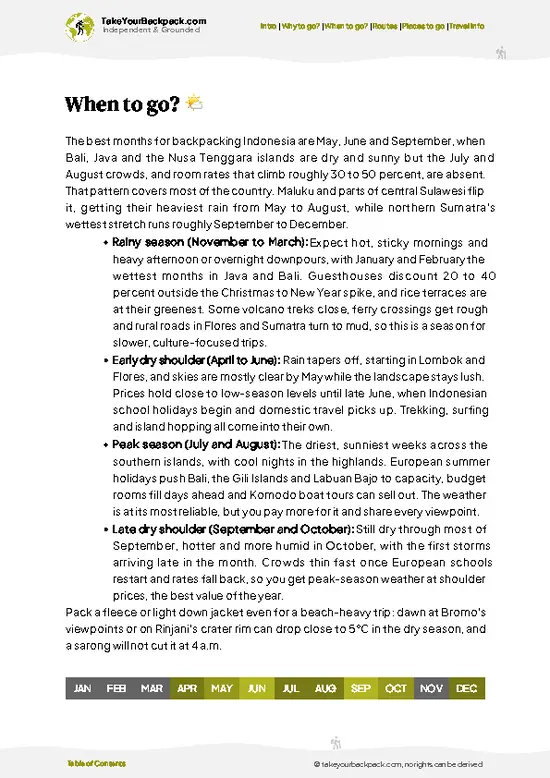
  • Dry Season (May to September): Best window for travel. Temperatures 24 to 28°C (75 to 82°F), minimal rain, and clear skies. Daylight runs roughly 6am to 6pm. Prices peak; book ahead.
  • Wet Season (November to March): Heavy rainfall, 26 to 30°C (79 to 86°F), high humidity. Roads flood; transport delays are common. Fewer tourists, lower prices. Avoid if you dislike rain.
  • Shoulder Months (April, October): Unpredictable weather, moderate crowds, mid-range prices. Workable but less reliable than dry season.
Visit May to September for the most stable conditions and easiest travel logistics.

source: climatestotravel.comJANJanuary: fair for travelingFEBFebruary: fair for travelingMARMarch: fair for travelingAPRApril: fair for travelingMAYMay: highly recommended for travelingJUNJune: excellent for travelingJULJuly: excellent for travelingAUGAugust: excellent for travelingSEPSeptember: excellent for travelingOCTOctober: highly recommended for travelingNOVNovember: fair for travelingDECDecember: fair for traveling
when-to-go

✈️ The backpacker research shortcutIndonesia Travel Guide

An offline-friendly backpacking guide with optimized travel routes, ranked highlights, transport advice, and the best areas to stay.
example page 0 from our offline Travel Guide for Indonesia
example page 1 from our offline Travel Guide for Indonesia
example page 2 from our offline Travel Guide for Indonesia
example page 3 from our offline Travel Guide for Indonesia
example page 4 from our offline Travel Guide for Indonesia
example page 5 from our offline Travel Guide for Indonesia
example page 6 from our offline Travel Guide for Indonesia
example page 7 from our offline Travel Guide for Indonesia
The digital guide (460 pages) contains:
✅ 153 highlights, ranked by travel appeal
✅ Optimized 14, 21 & 30-day travel routes
✅ Cities, national parks, landmarks, beaches
✅ How to get around
✅ Offline-friendly for travel without Wi-Fi
👉 Click to see all 30+ guide features

📅 Plan smarter in minutes, not weeks
✅ Month by month travel advice
✅ Festivals & national holidays
✅ Budget expectations

🗺️ Go to the right places, skip the overrated ones
✅ Honest pros & cons of destinations
✅ Top hikes, parks & viewpoints
✅ Lesser-known places most travelers miss
✅ Clear “worth it vs skip it” guidance

🛏️ Travel smoothly without rookie mistakes
✅ Best areas to stay
✅ Transport systems explained simply
✅ Common scams & safety advice
✅ SIM cards, money & practical tips

🌍 Understand the country, not just visit it
✅ Culture & traditions
✅ 52 Essential phrases & customs
✅ Festivals worth planning around
✅ Traveler-friendly historical context
✅ Insights that make places more meaningful

📱 Built for real travel conditions
✅ Fully downloadable PDF
✅ Works completely offline
✅ Optimized for phone use
✅ Useful in remote areas & buses
✅ Everything in one place
Stop searching, start planning
Get instant access to your full guide. 30‑day money-back guarantee.
+ Add another guide for just

By proceeding you agree to our terms.
Sent to your inbox immediately after payment • 100% Secure Checkout
Best Backpacking Travel Advisor 2025 tourism awardBest Backpacking
Travel Advisor
2025
What others say about Take Your Backpack Guides:
⭐⭐⭐⭐⭐
Fantastic, amazing amount of information!
⭐⭐⭐⭐⭐
My goodness this is amazing, it's what I've been looking for hats off too you!
⭐⭐⭐⭐⭐
I think this is absolutely BRILLIANT
⭐⭐⭐⭐
Very complete and informative. It's still missing places, but I gotta to commend you
⭐⭐⭐⭐⭐
This is truly amazing, thank you, can't wait to explore it with my kids!
⭐⭐⭐⭐⭐
Awesome resource, thank you!
⭐⭐⭐⭐⭐
This is amazing! Can't wait to explore the ones I haven't seen
⭐⭐⭐⭐
I love this! Well done, great idea.
⭐⭐⭐⭐⭐
Thanks for taking the time to make this gem!
⭐⭐⭐⭐⭐
This might be the best website I've ever seen.
⭐⭐⭐⭐⭐
Congratulations, and thank you so much for your work; it's incredibly valuable.
⭐⭐⭐⭐
In all seriousness I think you did a great job pointing out the important spots
⭐⭐⭐⭐⭐
10/10 very good
⭐⭐⭐⭐⭐
As someone who's only just starting to visit regularly this is awesome, thank you.
⭐⭐⭐⭐
Thank you very much! I'm going to visit my dad, it's going to be very useful!
⭐⭐⭐⭐⭐
This is really cool! We'll be travelling for the first time and this definitely come in handy.
⭐⭐⭐⭐⭐
You are now our minister of culture, congratulations 👨‍💼
⭐⭐⭐⭐⭐
Just wanted to tell you that this is a pearl! Going to follow your recommendations.
⭐⭐⭐⭐⭐
This is so cool. I'll definitely be using the resource for my travels soon.
⭐⭐⭐⭐⭐
This is very impressive! Good work.
⭐⭐⭐⭐⭐
This is an amazing and informative site. Very well done!

🛏️ Where to stay?Where staying makes the most sense

Stay in the central area around Jalan Ahmad Yani, where most backpackers base themselves. Hostels and budget guesthouses cluster here, offering dorm beds at US$12 to 18 per night and private rooms at US$20 to 30. The neighborhood sits within walking distance of the main market, transport hubs, and restaurants, cutting down on transport costs. Safety is solid in this zone, though street noise picks up after dark from nearby bars and traffic. The alternative is the quieter residential streets slightly inland, where you'll find cheaper rooms (US$10 to 15 for a dorm) but less foot traffic and fewer … read more 👉
Stay in the central area around Jalan Ahmad Yani, where most backpackers base themselves. Hostels and budget guesthouses cluster here, offering dorm beds at US$12 to 18 per night and private rooms at US$20 to 30. The neighborhood sits within walking distance of the main market, transport hubs, and restaurants, cutting down on transport costs. Safety is solid in this zone, though street noise picks up after dark from nearby bars and traffic. The alternative is the quieter residential streets slightly inland, where you'll find cheaper rooms (US$10 to 15 for a dorm) but less foot traffic and fewer dining options within immediate reach. For most backpackers, central Ahmad Yani offers the best balance of affordability, convenience, and access to transport links heading out to nearby attractions.

🚌 Getting aroundGetting around like a local

A ride on an ojek costs US$1 to 3 depending on distance; pay cash directly to the driver. Timika is walkable for central exploration, but distances to outlying areas and rough roads make motorized transport essential. Ojeks dominate; taxis exist but are pricier and less frequent. Minibuses connect to nearby towns.
  • Walking: Central Timika covers roughly 2 kilometers and takes 25 to 30 minutes end-to-end. Free, safe in daylight, and the best way to absorb street life and find food stalls.
  • Ojek (motorcycle taxi): US$1 to 3 per ride, instant availability, 5 to 15 minutes across town. Grab the driver's attention on the street or ask your guesthouse. Thrilling and practical.
  • Taxi: US$5 to 8 for short trips, slower to find, more comfortable. Negotiate fare beforehand or use a guesthouse to arrange one.
… read more 👉
A ride on an ojek costs US$1 to 3 depending on distance; pay cash directly to the driver. Timika is walkable for central exploration, but distances to outlying areas and rough roads make motorized transport essential. Ojeks dominate; taxis exist but are pricier and less frequent. Minibuses connect to nearby towns.
  • Walking: Central Timika covers roughly 2 kilometers and takes 25 to 30 minutes end-to-end. Free, safe in daylight, and the best way to absorb street life and find food stalls.
  • Ojek (motorcycle taxi): US$1 to 3 per ride, instant availability, 5 to 15 minutes across town. Grab the driver's attention on the street or ask your guesthouse. Thrilling and practical.
  • Taxi: US$5 to 8 for short trips, slower to find, more comfortable. Negotiate fare beforehand or use a guesthouse to arrange one.
  • Minibus (to nearby towns): US$3 to 8, departs when full, 1 to 3 hours. Depart early morning from the central transport hub. Crowded but cheap and reliable.

👛 Costs (as of 15 October 2026)How expensive it really is

Budget backpackers in Timika spend US$25 to 40 daily, covering basic accommodation, meals, and local transport. Costs are lower than major tourist hubs but higher than rural Indonesia due to limited competition and supply-chain distances.
CategoryBudget RangeLocal Reality
Dorm accommodation (high season)US$18 to 28Guesthouses offer basic rooms; true dorms are rare. High season (May to September) sees rates climb.
Dorm accommodation (off-season)US$12 to 18Wet season discounts are common; negotiate for longer stays.
MealsUS$2 to 6Street food and warungs cost US$2 to 3; sit-down restaurants run US$5 to 8. Markets offer fresh fruit cheaply.
Local transportUS$1 to 3Ojeks dominate; walking is free for central exploration.
City transport passN/ANo pass system exists; pay per ride.
Basic activities/entry
… read more 👉
Budget backpackers in Timika spend US$25 to 40 daily, covering basic accommodation, meals, and local transport. Costs are lower than major tourist hubs but higher than rural Indonesia due to limited competition and supply-chain distances.
CategoryBudget RangeLocal Reality
Dorm accommodation (high season)US$18 to 28Guesthouses offer basic rooms; true dorms are rare. High season (May to September) sees rates climb.
Dorm accommodation (off-season)US$12 to 18Wet season discounts are common; negotiate for longer stays.
MealsUS$2 to 6Street food and warungs cost US$2 to 3; sit-down restaurants run US$5 to 8. Markets offer fresh fruit cheaply.
Local transportUS$1 to 3Ojeks dominate; walking is free for central exploration.
City transport passN/ANo pass system exists; pay per ride.
Basic activities/entry feesUS$0 to 15Beaches and markets are free. Guided nature trips (Lorentz, villages) run US$30 to 60 per group.
Miscellaneous expensesUS$2 to 5Drinks, snacks, and incidentals add up quickly in a remote location.
Total Daily BudgetUS$25 to 40Achievable by eating local, using ojeks, and staying in guesthouses. Splurging on day trips raises the total.
Eat at markets and warungs instead of tourist restaurants to stretch your budget significantly.
⚠️ Prices can change and everyone travels differently, so take this as a rough guide. Hope it helps you plan your adventure!

🚌 Day tripsShort trips worth adding

Timika sits on the edge of Papua's wilderness, making it a solid base for exploring nearby natural and cultural sites. Most trips run 1 to 3 hours from town and return the same day.
Lorentz National Park
This UNESCO site spans rainforest, wetlands, and alpine peaks. Day visitors typically explore the lower forest trails and river areas accessible by boat from the coast. The payoff is genuine: pristine jungle, rare bird species, and the chance to see untouched landscape. Hire a local guide through your guesthouse (US$40 to 60 for a group). Travel time is 1 to 2 hours by boat. Go during dry season (May to September) when water levels allow boat access. First-timers often underestimate the heat and humidity; bring water and insect repellent.

Kamoro Villages
The Kamoro people live in coastal settlements … read more 👉
Timika sits on the edge of Papua's wilderness, making it a solid base for exploring nearby natural and cultural sites. Most trips run 1 to 3 hours from town and return the same day.
Lorentz National Park
This UNESCO site spans rainforest, wetlands, and alpine peaks. Day visitors typically explore the lower forest trails and river areas accessible by boat from the coast. The payoff is genuine: pristine jungle, rare bird species, and the chance to see untouched landscape. Hire a local guide through your guesthouse (US$40 to 60 for a group). Travel time is 1 to 2 hours by boat. Go during dry season (May to September) when water levels allow boat access. First-timers often underestimate the heat and humidity; bring water and insect repellent.

Kamoro Villages
The Kamoro people live in coastal settlements south of Timika, maintaining traditional fishing and woodcarving practices. A day trip involves a boat ride and time in a village, watching artisans work and learning about local life. Cost runs US$30 to 50 including transport and a guide. Travel time is 1 to 2 hours by boat. Best visited May to September. Respect local customs: ask permission before photographing and bring small gifts (school supplies, salt) rather than money.

🍲 FoodEating & Drinking in Timika

Papuan staples dominate: sago (starch from palm), grilled fish, and coconut-based dishes anchor local meals. Street stalls and small warungs (casual eateries) serve these dishes for US$2 to 4. Markets burst with fresh fish, tropical fruit, and vegetables; haggling is expected and part of the experience.
Grilled fish is the signature reward. Vendors near the waterfront grill catch daily, served with rice and sambal (chili paste). Eating here at dusk, watching boats return, feels authentic.
Sago porridge appears at breakfast; locals eat it with fish or eggs. Coffee culture is strong; warung coffee is thick, sweet, and cheap (US$0.50 to 1). Alcohol is available but less central to social life than in other Indonesian cities. Respect local customs: eat with your right hand, and avoid public displays of intoxication.

🛡️ SafetyTraveler Safety Guide

Timika is generally safe for backpackers who use common sense. Petty theft happens in crowded markets and transport hubs; keep valuables secure and bags zipped. Avoid walking alone after dark in unfamiliar areas; use ojeks instead. Solo travelers, especially women, should dress modestly and stay aware of surroundings. Scams are rare but can occur at money changers; use official banks or guesthouses. The main annoyance is aggressive touts near transport terminals; a firm 'no' works. Health risks (malaria, dengue) are real; use mosquito nets and repellent. Tap water is unsafe; drink bottled water.

FAQTraveler FAQ

Two to three days gives you time to explore the town, visit nearby Lorentz National Park, and adjust to the frontier pace without feeling rushed. Most backpackers spend one day in town and use a second day for a park trek or river trip. A third day lets you recover or take a longer excursion to Enarotali or the Kamoro villages.
Timika is generally safe for solo backpackers, though it's remote and less developed than major Indonesian cities. Stick to the main town areas, avoid walking alone after dark, and keep valuables secure. The local community is welcoming, and other travelers are easy to find at hostels and guesthouses.
Timika is known as the gateway to Lorentz National Park, one of Indonesia's largest protected areas with pristine rainforest, rivers, and indigenous Kamoro culture. It's also a frontier town where you can experience raw, unpolished Indonesia away from tourist circuits. The town itself serves as a base for jungle trekking, river exploration, and encounters with local communities.
⚠️ Things can change over time, so always validate details locally before you go.

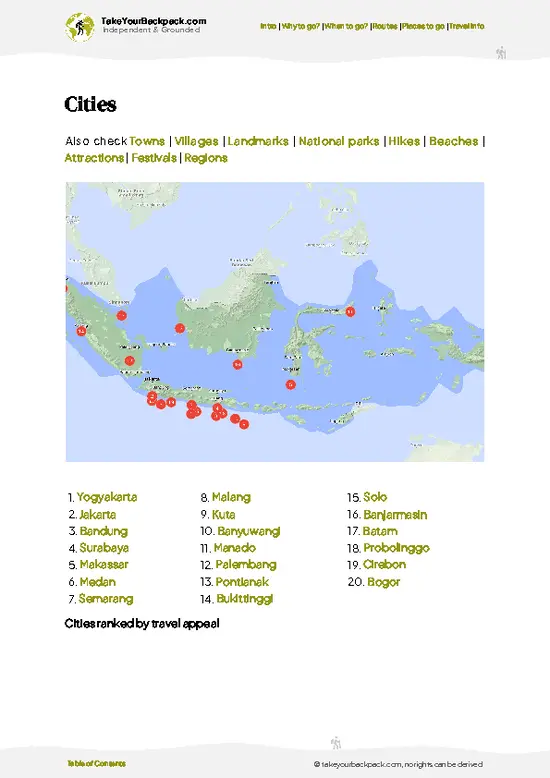
Other Indonesian cities near Timika

Explore more nearby:

  • Tual—island port, Muslim communities, coral reefs| 473 km away
  • Jayapura—Papua gateway, Lake Sentani, Cycloop mountains, Pacific border| 479 km away
  • Manokwari—Cenderawasih Bay, rainforest hills, missionary sites| 516 km away

💡 Not sure where to go next?
Create a personalized itinerary for Indonesia including Timika and the places that fit your trip.

Generate my itinerary

👉 Discover all cities

Or checkout all Indonesia has to offer (think cities, towns, villages, national parks, hikes, beaches, festivals)
Country photo of Indonesia

We 💚 feedbackIs it worth it?

Timika rewards patience. The raw frontier energy, untamed rainforest access, and genuine local warmth make it unforgettable. The catch is infrastructure: expect delays, limited services, and a town still finding its footing. Come ready to adapt.

✈️ When did I visit Indonesia?
As part of my 1.5 year travel around the world trip, I visited Indonesia twice (and it was worth it): first in September 2015 and a bit later again in January and February 2016.

✍️ Help improve this page!
The information on this page is based on my own backpacking experience in Indonesia, supplemented with up-to-date research and feedback from other travelers. Travel details can change, so if you notice anything outdated or incomplete, feel free to let me know.


🙋‍♂️ Give feedback

👋 Meet the founderWho’s Behind Take Your Backpack?

Johan, backpacker and founder of TakeYourBackpackHi, I’m Johan (Netherlands 🇳🇱), the creator of TakeYourBackpack. Over the past 3 decades, I’ve backpacked through 90+ countries across six continents, gaining extensive experience with independent travel, long-term trips, and overland routes.

This site is built on a combination of firsthand travel experience and carefully curated insights from other backpackers. Many guides are based on places I’ve personally visited, while others bring together tips, observations, and practical advice shared by trusted travelers I’ve met along the way.

The goal is to provide realistic, experience-driven guidance — not generic itineraries — so you can explore destinations with better context, clearer expectations, and more confidence.