×

Indonesia🇮🇩 | regionsSumba Islandmegalithic tombs, grassland savannah, ikat textiles | things to do and best time to go

Explore SumatraExplore Toraja Land

Backpacking in Sumba Island
👌 Worth visitingregion ranked #16
By Johan Kruseman 🇳🇱 | Updated July 17, 2026

Most blogs sell Sumba as “the next Bali,” but for backpackers the real shock is how empty it still feels once you leave the Instagram-famous beaches. Sumba sits east of Bali and Lombok, in Indonesia’s Lesser Sunda Islands, hanging out between Flores and Timor. It’s wild, dry, and spacious: huge surf, cliffy coves, traditional villages with megalithic tombs, and horses running on beaches that would be paywalled in Bali. It’s cheaper on the ground but pricier to reach, with slow, patchy transport between hubs like Waikabubak and Waingapu. Compared with Flores or Lombok, Sumba is rougher, poorer, less polished—and that’s exactly its power if you’re okay trading comfort for raw, stubborn authenticity.

Discover everything you want to know in the 📖 Indonesia Travel Guide.
Loading the map 🌍
CLICK TO FILTER
cities
towns
landmarks
national parks
hikes
beaches
attractions
festivals
regions
SHOW COUNTRY’S BESTSHOW ALL

✨ Why go?
Ranked #16 region in Indonesia
What makes it a must-see region

Backpackers flock to Sumba Island for its variety of landscapes—think rolling hills, pristine beaches, and lush rice paddies. You can dive into multiple experiences without the hassle of constant relocation. Want to surf in the morning and explore traditional villages by afternoon? Easy. The transport flexibility here is a game-changer; local bemos and motorbike rentals let you roam at your own pace. Plus, Sumba’s charm lies in its ability to blend nature and culture seamlessly. You can hike to stunning viewpoints, then immerse yourself in local ceremonies. This is slow travel at its finest, allowing you to savor every moment without feeling rushed.
Want to include Sumba Island in your Indonesia route?
Create a personalized Indonesia itinerary that includes Sumba Island and the places that fit your trip — based on your travel style, budget, and available time. Get your route in seconds.

Generate my trip

💡 HighlightsKey sights and experiences for travelers

  • Weekuri Lagoon (Danau Weekuri) — a small, saltwater lagoon with impossibly clear turquoise water set into volcanic rock. It’s swim-friendly, excellent for floating in calm pockets and watching the light change; the color and the tidy natural pool feel uniquely Sumbanese. (Personal favorite — bring reef shoes; the rocks are sharp.)
  • Wairinding Hill — rolling green hills that glow orange-gold at sunset, dotted with horses and simple villages. It’s an effortless viewpoint for dramatic Sumba landscapes that don’t exist anywhere else — great for sunrise or late-afternoon photos and a slow walk among grazing ponies.
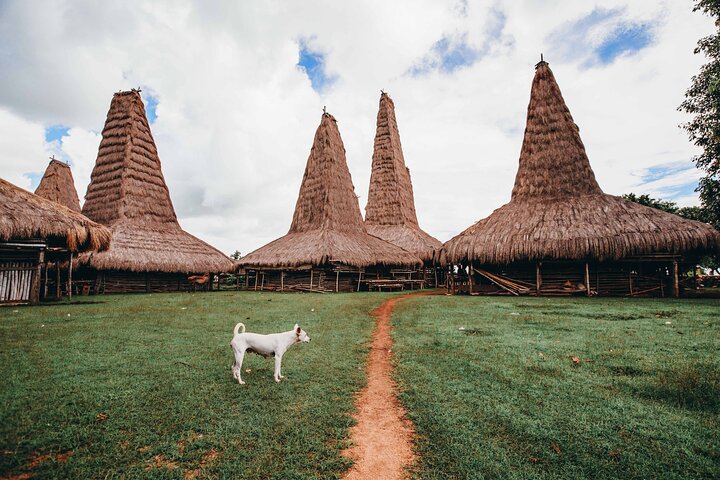
  • Ratenggaro Traditional Village — one of the classic Sumba villages: towering peaked houses, megalithic tombs, and local ikat weavers selling hand-dyed cloth. The architecture and
read more 👉
  • Weekuri Lagoon (Danau Weekuri) — a small, saltwater lagoon with impossibly clear turquoise water set into volcanic rock. It’s swim-friendly, excellent for floating in calm pockets and watching the light change; the color and the tidy natural pool feel uniquely Sumbanese. (Personal favorite — bring reef shoes; the rocks are sharp.)
  • Wairinding Hill — rolling green hills that glow orange-gold at sunset, dotted with horses and simple villages. It’s an effortless viewpoint for dramatic Sumba landscapes that don’t exist anywhere else — great for sunrise or late-afternoon photos and a slow walk among grazing ponies.
  • Ratenggaro Traditional Village — one of the classic Sumba villages: towering peaked houses, megalithic tombs, and local ikat weavers selling hand-dyed cloth. The architecture and living traditions are very much alive here; respectful visits give you real contact with craft and belief systems.
  • Praijing Megalithic Burial Grounds — hidden among fields and palms, Praijing’s carved stone tombs and ancestral poles are quieter than the better-known sites and feel eerier in person. It’s a slow, atmospheric place to learn about Sumba’s megalithic funerary culture away from the crowds. (Hidden gem)
  • Tarung Village — another authentic village steeped in megalithic practices and old ritual houses, set in a broad valley. Tarung gives a strong sense of village life, stonemasonry and ancestral rites — go with a local guide and leave time to sit and talk with elders.
  • Puru Kambera Beach — sweeping white sand backed by dunes and low cliffs, famous for long empty stretches and easy horse rides along the shore. It’s a great place to camp, watch fishermen bring home the catch, or just walk until the horizon gets boring. Pack water and shade — services are sparse.
  • Laiwangi Wanggameti National Park — wild Sumba: savanna, pocket forests, endemic birds and the occasional feral horse, plus remote coastlines you’ll often have all to yourself. It’s rugged and raw — proper boots and a local ranger/guide make it a memorable wilderness day-trip or overnight trek.
  • Wanokaka Waterfalls — a chain of cascades and deep natural pools where locals swim and picnic. The falls are photogenic and refreshingly cool after a dusty drive; easy cliff-jumping spots for the adventurous and peaceful pools for everyone else.
  • Mandorak Beach — a dramatic little cove with cliff edges, blue water and a handful of fishing boats. It’s not on every itinerary, so you’ll often have it to yourself; good for short hikes, snorkeling near the rocks and watching local net-fishing. (Hidden gem)
  • Hands-on Ikat Weaving Villages around Waikabubak — visit small workshops where women still dye and tie ikat yarn by hand and weave on backstrap looms. Watching an entire textile made on-site and buying directly supports families — you won’t get the same patterns or process outside Sumba. Ask to learn a few tying strokes; people are usually happy to show you. (Hidden gem)
Spotted a mistake or missing something? Contact us.

Things to do around Sumba Island

Ratings based on Tripadvisor reviews. When you book through this link, you support our work at no extra cost to you.

⌛️ 5 daysWhat you can realistically do in a week

Day 1: Waingapu
Start in Waingapu, the capital of Sumba. This is your gateway, so soak in the local vibe. Spend the day exploring the bustling market and sampling street food. The transport options here are limited, but you can rent a motorbike or hire a driver for the next leg. This sets the pace for your trip, as you’ll want to get familiar with the island’s rhythm.

Day 2: Weekuri Lake
Head to Weekuri Lake, about an hour from Waingapu. The turquoise waters are a refreshing escape. The journey is straightforward, but the roads can be bumpy. This is where you’ll start to feel the island’s charm. Take your time here; the lake is perfect for a swim and a picnic.

Day 3: Tarimbang Beach
Make your way to Tarimbang Beach, a stunning stretch of sand. It’s a longer drive, so plan for a full … read more 👉
Day 1: Waingapu
Start in Waingapu, the capital of Sumba. This is your gateway, so soak in the local vibe. Spend the day exploring the bustling market and sampling street food. The transport options here are limited, but you can rent a motorbike or hire a driver for the next leg. This sets the pace for your trip, as you’ll want to get familiar with the island’s rhythm.

Day 2: Weekuri Lake
Head to Weekuri Lake, about an hour from Waingapu. The turquoise waters are a refreshing escape. The journey is straightforward, but the roads can be bumpy. This is where you’ll start to feel the island’s charm. Take your time here; the lake is perfect for a swim and a picnic.

Day 3: Tarimbang Beach
Make your way to Tarimbang Beach, a stunning stretch of sand. It’s a longer drive, so plan for a full day. This beach is less crowded, giving you a taste of Sumba’s raw beauty. The waves are perfect for surfing, and the sunsets are legendary.

Day 4: Off-Path Reward: Prai Ijing
Detour to Prai Ijing, a traditional village. This adds depth to your experience. Engage with locals and witness their unique culture. It’s a short stop but enriches your understanding of Sumba’s heritage.

Day 5: Lamboya
Finish in Lamboya, where you can unwind before heading back. The beaches here are pristine, and the local food is a treat. This last day is about soaking in the island’s essence.

For the ultimate experience, Day 3 at Tarimbang Beach is a must-do. It encapsulates the spirit of Sumba—raw, beautiful, and unforgettable.
Turn your Sumba Island visit into an Indonesia adventure
Build a complete Indonesia route with Sumba Island, hidden gems, must-see destinations, and realistic travel times included.

Generate my trip

🌤️ When to go?Choosing the right time of year


  • Topic: Weather – Dry season from May to September is your golden window. Expect clear skies and minimal rain, perfect for trekking and beach time. The wet season (October to April) brings heavy downpours that can turn trails into mudslides and limit outdoor plans.

  • Topic: Temperature – Daytime temps hover around 28-32°C (82-90°F) year-round, but humidity spikes in the wet season, making it feel hotter and stickier. Dry season mornings and evenings are pleasantly cooler, ideal for early hikes.

  • Topic: Daylight Hours – Roughly 11-12 hours of daylight all year, with sunrise around 6 AM and sunset near 6 PM. Plan early starts to maximize daylight, especially if you want to catch the famous Sumba sunsets.

  • Topic: Crowds – Low-key all year, but dry season draws more surfers and adventure travelers.
read more 👉

  • Topic: Weather – Dry season from May to September is your golden window. Expect clear skies and minimal rain, perfect for trekking and beach time. The wet season (October to April) brings heavy downpours that can turn trails into mudslides and limit outdoor plans.

  • Topic: Temperature – Daytime temps hover around 28-32°C (82-90°F) year-round, but humidity spikes in the wet season, making it feel hotter and stickier. Dry season mornings and evenings are pleasantly cooler, ideal for early hikes.

  • Topic: Daylight Hours – Roughly 11-12 hours of daylight all year, with sunrise around 6 AM and sunset near 6 PM. Plan early starts to maximize daylight, especially if you want to catch the famous Sumba sunsets.

  • Topic: Crowds – Low-key all year, but dry season draws more surfers and adventure travelers. You’ll find fewer tourists than Bali or Lombok, so even peak months feel chill.

  • Topic: Seasonal Activities – Dry season unlocks surfing, horseback riding, and village festivals. Wet season is quieter but perfect for those who want solitude and lush green landscapes.

  • Topic: Price Fluctuations – Expect higher prices May-September due to demand. Off-season offers bargains on accommodation and tours but comes with the risk of rain disrupting plans.


Pro-tip: Book your stay and transport early for dry season to snag the best deals and avoid last-minute price hikes—Sumba’s charm means spots fill up faster than you’d think.


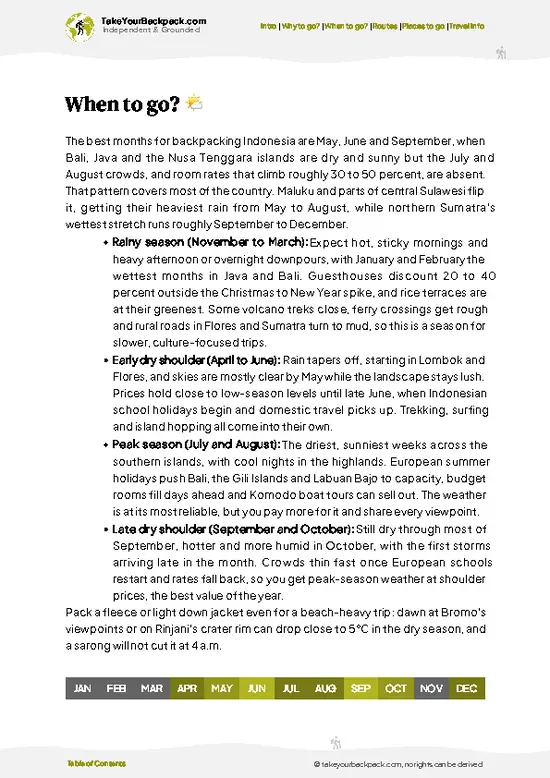
source: climatestotravel.comJANJanuary: fair for travelingFEBFebruary: fair for travelingMARMarch: fair for travelingAPRApril: fair for travelingMAYMay: excellent for travelingJUNJune: excellent for travelingJULJuly: excellent for travelingAUGAugust: excellent for travelingSEPSeptember: excellent for travelingOCTOctober: fair for travelingNOVNovember: fair for travelingDECDecember: fair for traveling
when-to-go

✈️ The backpacker research shortcutIndonesia Travel Guide

An offline-friendly backpacking guide with optimized travel routes, ranked highlights, transport advice, and the best areas to stay.
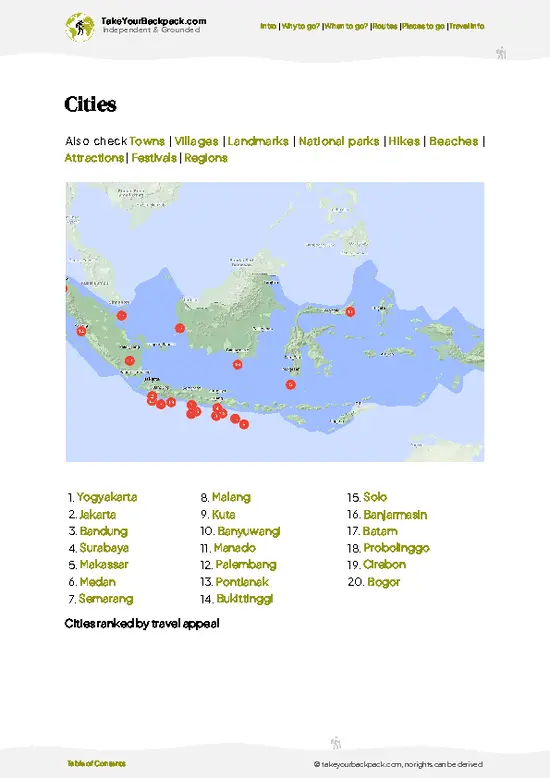
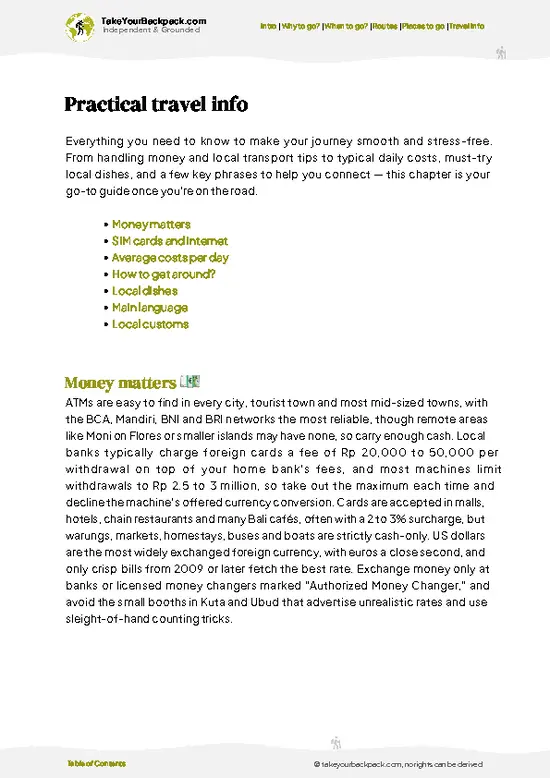
example page 0 from our offline Travel Guide for Indonesia
example page 1 from our offline Travel Guide for Indonesia
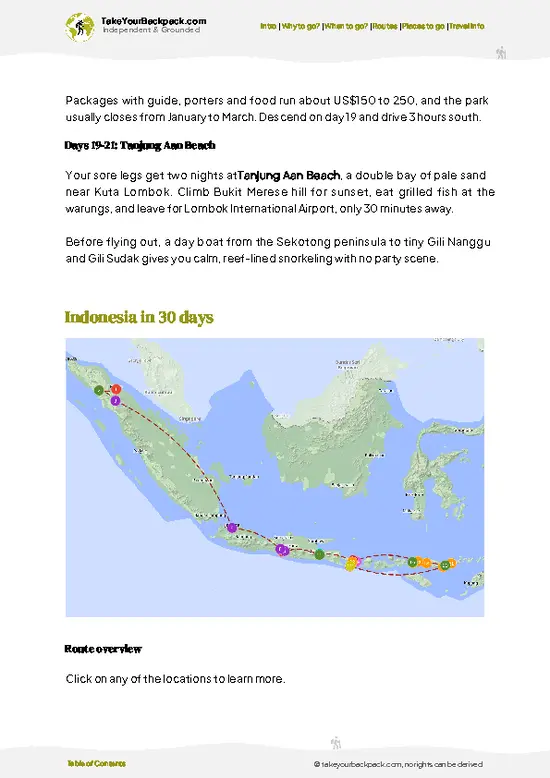
example page 2 from our offline Travel Guide for Indonesia
example page 3 from our offline Travel Guide for Indonesia
example page 4 from our offline Travel Guide for Indonesia
example page 5 from our offline Travel Guide for Indonesia
example page 6 from our offline Travel Guide for Indonesia
example page 7 from our offline Travel Guide for Indonesia
The digital guide (546 pages) contains:
156 highlights, ranked by travel appeal
Optimized 14, 21 & 30-day travel routes
Cities, national parks, landmarks, beaches
How to get around
Offline-friendly for travel without Wi-Fi
👉 Click to see all 30+ guide features

📅 Plan smarter in minutes, not weeks
Month by month travel advice
Festivals & national holidays
Budget expectations

🗺️ Go to the right places, skip the overrated ones
Honest pros & cons of destinations
Top hikes, parks & viewpoints
Lesser-known places most travelers miss
Clear “worth it vs skip it” guidance

🛏️ Travel smoothly without rookie mistakes
Best areas to stay
Transport systems explained simply
Common scams & safety advice
SIM cards, money & practical tips

🌍 Understand the country, not just visit it
Culture & traditions
52 Essential phrases & customs
Festivals worth planning around
Traveler-friendly historical context
Insights that make places more meaningful

📱 Built for real travel conditions
Fully downloadable PDF
Works completely offline
Optimized for phone use
Useful in remote areas & buses
Everything in one place
Save weeks of stressful planning
Get instant access to your full guide. 30‑day money-back guarantee.


By proceeding you agree to our terms.
Sent to your inbox immediately after payment • 100% Secure Checkout
Best Backpacking Travel Advisor 2025 tourism awardBest Backpacking
Travel Advisor
2025
What others say about Take Your Backpack Guides:
⭐⭐⭐⭐⭐
Fantastic, amazing amount of information!
⭐⭐⭐⭐⭐
My goodness this is amazing, it's what I've been looking for hats off too you!
⭐⭐⭐⭐⭐
I think this is absolutely BRILLIANT
⭐⭐⭐⭐
Very complete and informative. It's still missing places, but I gotta to commend you
⭐⭐⭐⭐⭐
This is truly amazing, thank you, can't wait to explore it with my kids!
⭐⭐⭐⭐⭐
Awesome resource, thank you!
⭐⭐⭐⭐⭐
This is amazing! Can't wait to explore the ones I haven't seen
⭐⭐⭐⭐
I love this! Well done, great idea.
⭐⭐⭐⭐⭐
Thanks for taking the time to make this gem!
⭐⭐⭐⭐⭐
This might be the best website I've ever seen.
⭐⭐⭐⭐⭐
Congratulations, and thank you so much for your work; it's incredibly valuable.
⭐⭐⭐⭐
In all seriousness I think you did a great job pointing out the important spots
⭐⭐⭐⭐⭐
10/10 very good
⭐⭐⭐⭐⭐
As someone who's only just starting to visit regularly this is awesome, thank you.
⭐⭐⭐⭐
Thank you very much! I'm going to visit my dad, it's going to be very useful!
⭐⭐⭐⭐⭐
This is really cool! We'll be travelling for the first time and this definitely come in handy.
⭐⭐⭐⭐⭐
You are now our minister of culture, congratulations 👨‍💼
⭐⭐⭐⭐⭐
Just wanted to tell you that this is a pearl! Going to follow your recommendations.
⭐⭐⭐⭐⭐
This is so cool. I'll definitely be using the resource for my travels soon.
⭐⭐⭐⭐⭐
This is very impressive! Good work.
⭐⭐⭐⭐⭐
This is an amazing and informative site. Very well done!

🛏️ Where to stay?Where staying makes the most sense

When you hit Sumba Island, aim for Waikabubak. It’s the capital and a hub for backpackers. You’ll find a mix of local culture and fellow travelers. The vibe is relaxed, and the markets are a feast for the senses.

Next up, check out Sumba Barat Daya. This area is known for its stunning beaches and laid-back atmosphere. It’s perfect for those who want to chill and meet like-minded souls.

Don’t overlook Kota Tambolaka. It’s a bit quieter but offers a genuine slice of local life. You’ll feel safe wandering around, and the locals are welcoming.

Each spot has its charm, so pick based on what you … read more 👉
When you hit Sumba Island, aim for Waikabubak. It’s the capital and a hub for backpackers. You’ll find a mix of local culture and fellow travelers. The vibe is relaxed, and the markets are a feast for the senses.

Next up, check out Sumba Barat Daya. This area is known for its stunning beaches and laid-back atmosphere. It’s perfect for those who want to chill and meet like-minded souls.

Don’t overlook Kota Tambolaka. It’s a bit quieter but offers a genuine slice of local life. You’ll feel safe wandering around, and the locals are welcoming.

Each spot has its charm, so pick based on what you crave: social buzz, serene beaches, or authentic experiences.

🚌 Getting aroundMoving around without the hassle

Sumba Island is a place where time feels fluid, and schedules are more like suggestions than rules. You’ll find yourself weaving through a tapestry of vibrant local life, where the rhythm of the day is dictated by the sun and the whims of the moment. Forget about rigid timetables; here, intuition reigns supreme. Whether you’re catching a ride on a bumpy road or haggling for a seat in a crowded minibus, every journey is an adventure. Embrace the chaos, and you’ll discover the true essence of Sumba.


  • Ojek (Motorbike Taxi): Quick and nimble, these motorbike taxis are your best bet for short distances. Prices start around 10,000 IDR ($0.70) and can vary based on negotiation. They’re fast, but comfort is a trade-off; hold on tight!


  • Minibus (Angkot): These shared minibuses are the lifeblood of
read more 👉
Sumba Island is a place where time feels fluid, and schedules are more like suggestions than rules. You’ll find yourself weaving through a tapestry of vibrant local life, where the rhythm of the day is dictated by the sun and the whims of the moment. Forget about rigid timetables; here, intuition reigns supreme. Whether you’re catching a ride on a bumpy road or haggling for a seat in a crowded minibus, every journey is an adventure. Embrace the chaos, and you’ll discover the true essence of Sumba.


  • Ojek (Motorbike Taxi): Quick and nimble, these motorbike taxis are your best bet for short distances. Prices start around 10,000 IDR ($0.70) and can vary based on negotiation. They’re fast, but comfort is a trade-off; hold on tight!


  • Minibus (Angkot): These shared minibuses are the lifeblood of local transport. Expect to pay about 20,000 IDR ($1.40) for a ride across town. They run from early morning until around 5 PM, but don’t expect them to leave until full. It’s a squeeze, but you’ll meet locals along the way.


  • Car Rental: Renting a car gives you freedom, with prices starting at around 400,000 IDR ($28) per day. You’ll need an international driver’s license, and be prepared for some rough roads. It’s the most comfortable option, especially for exploring remote areas.


  • Bicycle Rental: For the eco-conscious traveler, renting a bike is a fantastic way to soak in the scenery. Prices hover around 50,000 IDR ($3.50) per day. It’s a leisurely pace, but you’ll get up close and personal with the island’s beauty.


Master Tip: Always negotiate your fare upfront, especially with ojeks and minibuses. It’s part of the game here, and you’ll feel like a local in no time!

🍲 FoodEating & Drinking in Sumba Island

On Sumba Island, food is a celebration of local culture. Dive into ikan bakar, grilled fish marinated in tangy spices, or savor kolo, a traditional dish made from cassava and coconut. Don’t miss the sagu, a starchy delight that pairs perfectly with fresh seafood.

For a true local vibe, hit up the bustling markets. The aroma of grilled meats mingles with the sweetness of tropical fruits. Street vendors serve up nasi goreng that’s smoky and rich, perfect for a quick bite.

Dining here is casual. Expect to share tables and stories. Don’t be surprised if you’re offered a sip of arak, a local spirit, as a toast to new friendships. Embrace the communal spirit; it’s all part of the experience.

Other Indonesian regions near Sumba Island

Explore more nearby:

  • Flores—volcanic lakes, Komodo dragons, Catholic festivals| 290 km away
  • Lombok—Rinjani trekking, Sasak villages, surf breaks| 306 km away
  • Gili Layar—secluded sands, coral gardens, minimal infrastructure| 338 km away

💡 Not sure where to go next?
Create a personalized itinerary for Indonesia including Sumba Island and the places that fit your trip.

Generate my itinerary

👉 Discover all regions

Or checkout all Indonesia has to offer (think cities, towns, villages, national parks, hikes, beaches, festivals)
Country photo of Indonesia

We 💚 feedbackParting advice and final tips

Sumba Island is a treasure trove of culture and untouched beaches. You’ll feel like you’ve stepped into another world, especially at Weekuri Lake at sunset. But be ready: the infrastructure can be rough. Expect long drives on bumpy roads. It’s part of the adventure, but pack your patience.

✈️ When did I visit Indonesia?
As part of my 1.5 year travel around the world trip, I visited Indonesia twice (and it was worth it. First in September 2015 and a bit later again in January and February 2016.

✍️ Help improve this page!
The information on this page is based on my own backpacking experience in Indonesia, supplemented with up-to-date research and feedback from other travelers. Travel details can change, so if you notice anything outdated or incomplete, feel free to let me know.


🙋‍♂️ Give feedback

👋 Meet the founderWho’s Behind Take Your Backpack?

Johan, backpacker and founder of TakeYourBackpackHi, I’m Johan (Netherlands 🇳🇱), the creator of TakeYourBackpack. Over the past decade, I’ve backpacked through 80+ countries across six continents, gaining extensive experience with independent travel, long-term trips, and overland routes.

This site is built on a combination of firsthand travel experience and carefully curated insights from other backpackers. Many guides are based on places I’ve personally visited, while others bring together tips, observations, and practical advice shared by trusted travelers I’ve met along the way.

The goal is to provide realistic, experience-driven guidance — not generic itineraries — so you can explore destinations with better context, clearer expectations, and more confidence.

Get full Indonesia guide •
Instant download • 156 highlights • Full Offline guide