×

Indonesia🇮🇩 | regionsSumatrarainforest trekking, volcanic lakes, Sumatran wildlife | things to do and best time to go

Explore SulawesiExplore Sumba Island

Backpacking in Sumatra
🏆 Top pickregion ranked #4
By Johan Kruseman 🇳🇱 | Updated June 3, 2026

Everyone talks about Sumatra for orangutans and volcano selfies, but what actually matters once you land is how much time you’re willing to burn on buses, how rough you’re okay with things being, and how deep you want to go into real Indonesia. Sumatra sits on the far western side of the country, a huge, wild counterweight to polished Bali and Java. For backpackers, it’s a trade: cheaper rooms, fewer crowds, more raw jungle and village life, but slower, more chaotic transport and less hand-holding. Bukit Lawang and Lake Toba are the easy hits; Banda Aceh and the Mentawais feel like a different planet compared with Yogyakarta or Lombok. It’s less over-touristed, more “figure-it-out-yourself.” If you like your trips a bit scruffy and high-reward, Sumatra quietly ruins other islands for you.

Discover everything you want to know in the 📖 Indonesia Travel Guide.
Loading the map 🌍
CLICK TO FILTER
cities
towns
landmarks
national parks
hikes
beaches
attractions
festivals
regions
SHOW COUNTRY’S BESTSHOW ALL

✨ Why go?
Ranked #4 region in Indonesia
What sets this place apart

Backpackers flock to Sumatra for its incredible variety of landscapes. You can hike through lush jungles, chill on stunning beaches, and explore volcanic mountains—all without the hassle of constant relocation. This region offers a unique blend of nature and culture that’s hard to find elsewhere.

Transport is surprisingly flexible; you can hop on a bemo or rent a motorbike to navigate between towns and attractions at your own pace. This means you can truly embrace slow travel, soaking in the local vibe instead of rushing from one spot to another.

Plus, the chance to interact with diverse communities adds depth to your experience. Whether you’re sipping coffee in a local café or trekking to a remote village, every moment feels authentic. Sumatra isn’t just a destination; it’s a journey worth savoring.
Want to include Sumatra in your Indonesia route?
Create a personalized Indonesia itinerary that includes Sumatra and the places that fit your trip — based on your travel style, budget, and available time. Get your route in seconds.

Generate my trip

💡 HighlightsTop highlights of Sumatra

  1. Lake Toba & Samosir Island — The world’s largest volcanic lake, a proper geological oddity with Batak villages clinging to its shoreline. Stay in a homestay on Samosir, watch traditional music and carved houses, rent a scooter and ride the rim for views you won’t get anywhere else. It’s dramatic, sociable, and soaked in local culture — still very much Sumatra, not “another lake.”
  2. Bukit Lawang & Gunung Leuser National Park — Jungle treks to see orangutans in the wild (not in cages) are the main draw, but the real win is the thick lowland rainforest, hornbills, and river-camp nights with local guides who know the forest. Trek lengths vary, so you can do a half-day orangutan walk or a multi-day deep jungle trip. Personal favorite: I’ve returned here more than once — nothing beats watching
read more 👉
  1. Lake Toba & Samosir Island — The world’s largest volcanic lake, a proper geological oddity with Batak villages clinging to its shoreline. Stay in a homestay on Samosir, watch traditional music and carved houses, rent a scooter and ride the rim for views you won’t get anywhere else. It’s dramatic, sociable, and soaked in local culture — still very much Sumatra, not “another lake.”
  2. Bukit Lawang & Gunung Leuser National Park — Jungle treks to see orangutans in the wild (not in cages) are the main draw, but the real win is the thick lowland rainforest, hornbills, and river-camp nights with local guides who know the forest. Trek lengths vary, so you can do a half-day orangutan walk or a multi-day deep jungle trip. Personal favorite: I’ve returned here more than once — nothing beats watching a wild orangutan family move through the canopy at eye level.
  3. Mount Kerinci & Kerinci Seblat National Park — Indonesia’s highest volcano with alpine meadows, crater hikes, and rare rhododendron blooms; the trek is steep but rewarding and far less crowded than the usual volcano circuits. Add tea plantations and sleepy Kerinci villages for cultural contrast — you’ll meet people who live off the slopes.
  4. Mentawai Islands — World-class surf, stone-age-style longhouses, and an indigenous culture utterly different from mainland Sumatra. Getting here takes effort (boat or small plane), but you’ll be rewarded with reef breaks, pristine jungle, and the chance to visit traditional Mentawai settlements — surfing and anthropology rolled into one.
  5. Harau Valley (Lembah Harau) — Hidden gem: towering granite cliffs, plunging waterfalls, rice terraces and quiet homestays make this a low-key paradise for climbers and hikers. Locals picnic by the river; rock climbers find sharp routes; it’s scenic without the crowds of Bukittinggi. Great for a relaxed couple of days of walking and watching village life.
  6. Nias Island (South Nias) — Famous for hollow-point surf and the extraordinary “Fahombo” stone-jumping ritual — a living cultural performance you won’t see elsewhere. Nias has wooden longhouses, unique dances, and a strong community vibe; go during a festival for the best cultural immersion. Access needs planning but the island’s personality is worth it.
  7. Tesso Nilo National Park — Hidden gem: a lesser-known lowland forest and peatland in Riau where you can still find wild elephants, orangutans, and hornbills without the crowds. It’s raw, muddy, and fragile — visiting with trusted local guides helps support conservation and local communities. Expect basic facilities and a real off-the-beaten-path feel.
  8. Bukittinggi & Sianok Canyon (Minangkabau heartland) — Town life, lively pasar markets, and the iconic Minangkabau rumah gadang architecture make this a cultural hub. Walk the Sianok Canyon at sunrise, haggle at the local market for padang-style snacks, and go taste the real rendang cooked by local families. It’s a compact, tactile way to understand West Sumatran culture.
  9. Lake Maninjau — Hidden gem: quieter than Lake Toba but every bit as scenic — a volcanic caldera lake ringed by small villages and dramatic viewpoints. Rent a motorbike and descend switchbacks into the lake at dawn, stop for kopi and book-club-like chats in tiny warungs, and cycle the rim if you like a good adrenaline-fueled descent. Peaceful, photogenic, and very local.
  10. Way Kambas National Park — Elephant encounters, conservation camps, and night safaris in southern Sumatra make this a great place to see Sumatran elephants and learn conservation stories up close. The park has community-run initiatives and simple ranger-run tours — not glitzy, but meaningful if you care about wildlife survival and supporting local conservation efforts.
Spotted a mistake or missing something? Contact us.
⌛️ 5 daysWhat you can realistically do in a week

Day 1: Medan
Medan is your gateway to Sumatra, and it’s where you’ll kick off your adventure. The city’s chaotic charm is a perfect introduction to the island. Grab a local breakfast of nasi lemak at a street stall, then hop on a bus to Bukit Lawang. The journey takes about 4 hours, but it’s a chance to soak in the scenery and get a feel for the local rhythm.

Day 2: Bukit Lawang
This is where the magic happens. Spend the day trekking in Gunung Leuser National Park, home to orangutans and lush rainforests. The trails can be challenging, but the wildlife encounters are worth every bead of sweat. You’ll feel like you’ve stepped into a nature documentary.

Day 3: Lake Toba
Travel to Lake Toba, a stunning volcanic lake. The bus ride is long—around 6 hours—but it’s a scenic route that showcases … read more 👉
Day 1: Medan
Medan is your gateway to Sumatra, and it’s where you’ll kick off your adventure. The city’s chaotic charm is a perfect introduction to the island. Grab a local breakfast of nasi lemak at a street stall, then hop on a bus to Bukit Lawang. The journey takes about 4 hours, but it’s a chance to soak in the scenery and get a feel for the local rhythm.

Day 2: Bukit Lawang
This is where the magic happens. Spend the day trekking in Gunung Leuser National Park, home to orangutans and lush rainforests. The trails can be challenging, but the wildlife encounters are worth every bead of sweat. You’ll feel like you’ve stepped into a nature documentary.

Day 3: Lake Toba
Travel to Lake Toba, a stunning volcanic lake. The bus ride is long—around 6 hours—but it’s a scenic route that showcases Sumatra’s diverse landscapes. Once there, relax on Samosir Island. Rent a bike and explore the local Batak culture.

Day 4: Samosir Island
Take a day to unwind. Swim, hike, or visit traditional Batak villages. This is your chance to recharge. The slower pace here contrasts beautifully with the previous days.

Day 5: Off-Path Reward: Sipiso-Piso Waterfall
On your way back to Medan, take a detour to Sipiso-Piso Waterfall. It’s a stunning sight that adds a splash of adventure to your return trip. The waterfall is one of the tallest in Indonesia, and the views are breathtaking.

The must-do day? Day 2 in Bukit Lawang. The trek is not just about the orangutans; it’s about immersing yourself in the wild heart of Sumatra. That experience will stick with you long after you leave.
Turn your Sumatra visit into an Indonesia adventure
Build a complete Indonesia route with Sumatra, hidden gems, must-see destinations, and realistic travel times included.

Generate my trip

🌤️ When to go?When to go for the best experience


  • Weather: The dry season from May to September is your golden window. Expect less rain, which means trails stay firm and rivers aren’t raging. The wet season (October to April) can turn your trek into a soggy slog, with daily downpours and muddy paths.

  • Temperature: Sumatra stays warm year-round, averaging 26-32°C (79-90°F). Nights cool down to around 22°C (72°F), perfect for camping without freezing your toes off. The dry season feels more comfortable with lower humidity.

  • Daylight Hours: Roughly 11-12 hours of daylight year-round, thanks to its equatorial spot. Early starts are key—hit the trail at dawn to maximize light and avoid midday heat.

  • Crowds: Peak dry months attract more tourists, especially July and August. If you want fewer people, aim for shoulder months like May or September—still
read more 👉

  • Weather: The dry season from May to September is your golden window. Expect less rain, which means trails stay firm and rivers aren’t raging. The wet season (October to April) can turn your trek into a soggy slog, with daily downpours and muddy paths.

  • Temperature: Sumatra stays warm year-round, averaging 26-32°C (79-90°F). Nights cool down to around 22°C (72°F), perfect for camping without freezing your toes off. The dry season feels more comfortable with lower humidity.

  • Daylight Hours: Roughly 11-12 hours of daylight year-round, thanks to its equatorial spot. Early starts are key—hit the trail at dawn to maximize light and avoid midday heat.

  • Crowds: Peak dry months attract more tourists, especially July and August. If you want fewer people, aim for shoulder months like May or September—still dry but with a quieter vibe.

  • Seasonal Activities: Wildlife spotting and jungle trekking are best in the dry season when animals are more active and trails accessible. Surfing peaks from June to September on the west coast, so plan accordingly if that’s your jam.

  • Price Fluctuations: Expect higher prices during the dry season, especially in popular spots like Bukit Lawang. Off-season offers better deals on accommodation and tours but brace for rain interruptions.


Pro-tip: Book your flights and lodgings for late May or early September to snag dry weather, fewer crowds, and better prices—a sweet spot most tourists overlook.


source: climatestotravel.comJANJanuary: fair for travelingFEBFebruary: fair for travelingMARMarch: fair for travelingAPRApril: fair for travelingMAYMay: highly recommended for travelingJUNJune: excellent for travelingJULJuly: excellent for travelingAUGAugust: excellent for travelingSEPSeptember: highly recommended for travelingOCTOctober: fair for travelingNOVNovember: fair for travelingDECDecember: fair for traveling
when-to-go

✈️ The backpacker research shortcutIndonesia Travel Guide

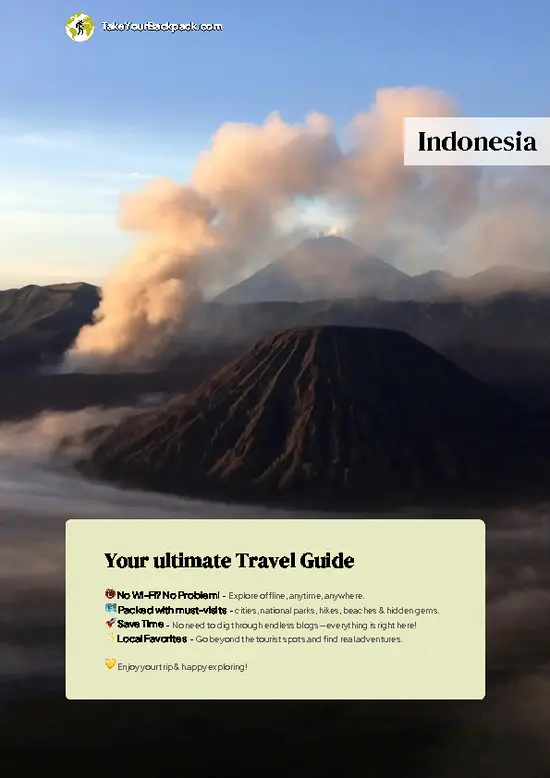
An offline-friendly backpacking guide with optimized travel routes, ranked highlights, transport advice, and the best areas to stay.
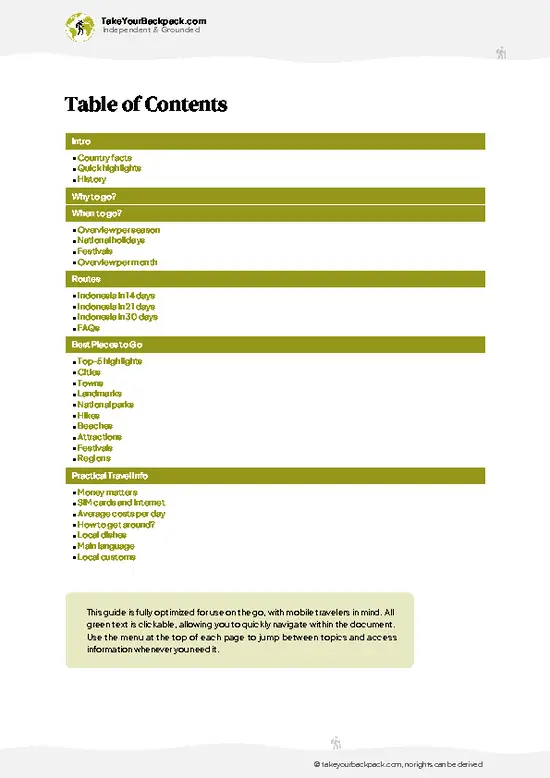
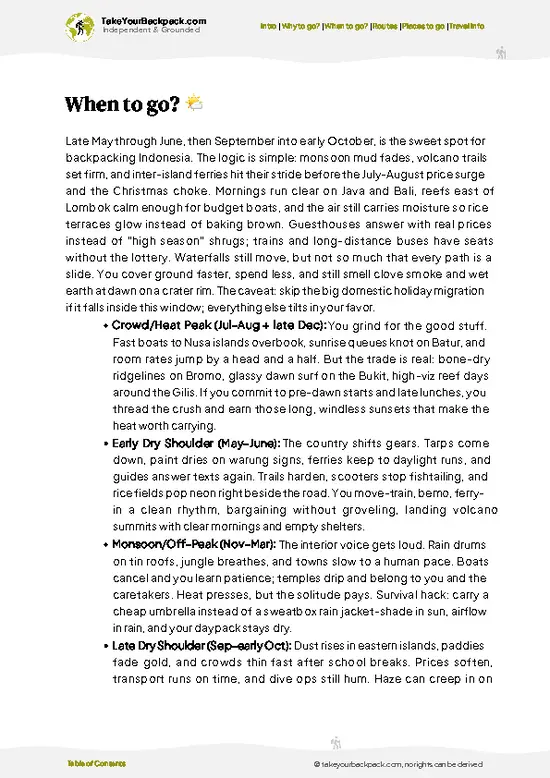
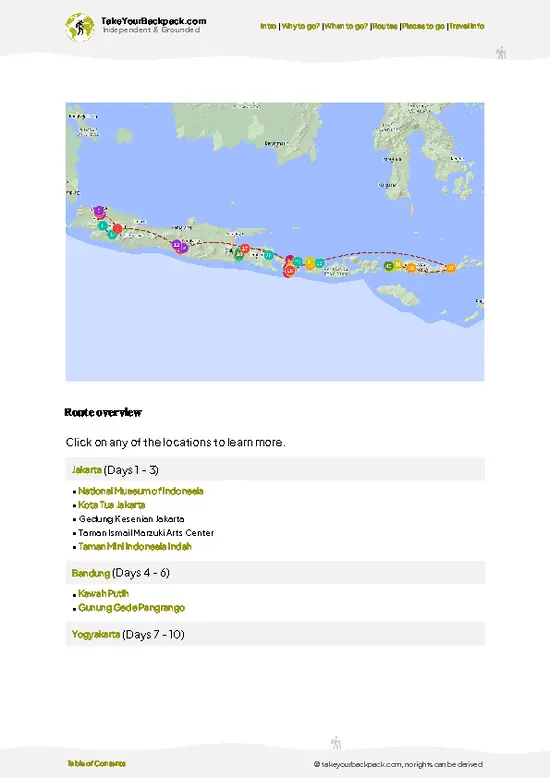
example page 0 from our offline Travel Guide for Indonesiaexample page 1 from our offline Travel Guide for Indonesiaexample page 2 from our offline Travel Guide for Indonesiaexample page 3 from our offline Travel Guide for Indonesiaexample page 4 from our offline Travel Guide for Indonesiaexample page 5 from our offline Travel Guide for Indonesiaexample page 6 from our offline Travel Guide for Indonesiaexample page 7 from our offline Travel Guide for Indonesia
The digital guide (550 pages) contains:
155 highlights, ranked by travel appeal
Optimized 14, 21 & 30-day travel routes
Cities, national parks, landmarks, beaches
How to get around
Offline-friendly for travel without Wi-Fi
👉 Click to see all 30+ guide features

📅 Plan smarter in minutes, not weeks
Month by month travel advice
Festivals & national holidays
Budget expectations

🗺️ Go to the right places, skip the overrated ones
Honest pros & cons of destinations
Top hikes, parks & viewpoints
Lesser-known places most travelers miss
Clear “worth it vs skip it” guidance

🛏️ Travel smoothly without rookie mistakes
Best areas to stay
Transport systems explained simply
Common scams & safety advice
SIM cards, money & practical tips

🌍 Understand the country, not just visit it
Culture & traditions
52 Essential phrases & customs
Festivals worth planning around
Traveler-friendly historical context
Insights that make places more meaningful

📱 Built for real travel conditions
Fully downloadable PDF
Works completely offline
Optimized for phone use
Useful in remote areas & buses
Everything in one place
Save weeks of stressful planning
Get instant access to your full guide. 30‑day money-back guarantee.


By proceeding you agree to our terms.
Sent to your inbox immediately after payment • 100% Secure Checkout
Best Backpacking Travel Advisor 2025 tourism awardBest Backpacking
Travel Advisor
2025
What others say about Take Your Backpack Guides:
⭐⭐⭐⭐⭐
Fantastic, amazing amount of information!
⭐⭐⭐⭐⭐
My goodness this is amazing, it's what I've been looking for hats off too you!
⭐⭐⭐⭐⭐
I think this is absolutely BRILLIANT
⭐⭐⭐⭐
Very complete and informative. It's still missing places, but I gotta to commend you
⭐⭐⭐⭐⭐
This is truly amazing, thank you, can't wait to explore it with my kids!
⭐⭐⭐⭐⭐
Awesome resource, thank you!
⭐⭐⭐⭐⭐
This is amazing! Can't wait to explore the ones I haven't seen
⭐⭐⭐⭐
I love this! Well done, great idea.
⭐⭐⭐⭐⭐
Thanks for taking the time to make this gem!
⭐⭐⭐⭐⭐
This might be the best website I've ever seen.
⭐⭐⭐⭐⭐
Congratulations, and thank you so much for your work; it's incredibly valuable.
⭐⭐⭐⭐
In all seriousness I think you did a great job pointing out the important spots
⭐⭐⭐⭐⭐
10/10 very good
⭐⭐⭐⭐⭐
As someone who's only just starting to visit regularly this is awesome, thank you.
⭐⭐⭐⭐
Thank you very much! I'm going to visit my dad, it's going to be very useful!
⭐⭐⭐⭐⭐
This is really cool! We'll be travelling for the first time and this definitely come in handy.
⭐⭐⭐⭐⭐
You are now our minister of culture, congratulations 👨‍💼
⭐⭐⭐⭐⭐
Just wanted to tell you that this is a pearl! Going to follow your recommendations.
⭐⭐⭐⭐⭐
This is so cool. I'll definitely be using the resource for my travels soon.
⭐⭐⭐⭐⭐
This is very impressive! Good work.
⭐⭐⭐⭐⭐
This is an amazing and informative site. Very well done!

🛏️ Where to stay?Best areas to stay in Indonesia

When you hit Sumatra, you’ll want to dive into the right spots. First up, Bukittinggi. This town is a backpacker’s dream, with its cool climate and stunning views of the surrounding mountains. The vibe is social, perfect for meeting fellow travelers over a plate of local rendang.

Next, check out Lake Toba. It’s not just a lake; it’s a whole culture. Stay on Samosir Island for a laid-back atmosphere. You can explore traditional Batak villages and enjoy some serious chill time by the water.

Then there’s Medan. It’s a bustling city, often overlooked, but it’s a gateway to adventure. The street … read more 👉
When you hit Sumatra, you’ll want to dive into the right spots. First up, Bukittinggi. This town is a backpacker’s dream, with its cool climate and stunning views of the surrounding mountains. The vibe is social, perfect for meeting fellow travelers over a plate of local rendang.

Next, check out Lake Toba. It’s not just a lake; it’s a whole culture. Stay on Samosir Island for a laid-back atmosphere. You can explore traditional Batak villages and enjoy some serious chill time by the water.

Then there’s Medan. It’s a bustling city, often overlooked, but it’s a gateway to adventure. The street food scene is wild, and you’ll find plenty of budget-friendly eateries.

Lastly, don’t skip Padang. Known for its spicy cuisine, it’s a great base for exploring the West Sumatra region. The friendly locals and vibrant markets will make you feel right at home. Each of these spots offers a unique slice of Sumatra, balancing comfort, social life, and budget.

🚌 Getting aroundTransportation options and practical tips

Sumatra is a wild dance of chaos and charm. Schedules? Forget about them. Here, time flows like the rivers that carve through its jungles—sometimes swift, often meandering. You’ll find yourself in a world where the unexpected is the norm, and the journey is as thrilling as the destination. Whether you’re navigating bustling cities or remote villages, the transport options are as diverse as the landscapes. Embrace the unpredictability, and you’ll discover the heart of this vibrant island.


  • Buses: The backbone of Sumatra’s transport. Prices range from $5 to $15 depending on distance. They run from early morning until late evening, but don’t expect a strict timetable. Comfort varies; some are air-conditioned, while others are not. Expect a mix of locals and travelers, and be ready for a few
read more 👉
Sumatra is a wild dance of chaos and charm. Schedules? Forget about them. Here, time flows like the rivers that carve through its jungles—sometimes swift, often meandering. You’ll find yourself in a world where the unexpected is the norm, and the journey is as thrilling as the destination. Whether you’re navigating bustling cities or remote villages, the transport options are as diverse as the landscapes. Embrace the unpredictability, and you’ll discover the heart of this vibrant island.


  • Buses: The backbone of Sumatra’s transport. Prices range from $5 to $15 depending on distance. They run from early morning until late evening, but don’t expect a strict timetable. Comfort varies; some are air-conditioned, while others are not. Expect a mix of locals and travelers, and be ready for a few surprises along the way.


  • Minivans (Angkot): These are the local favorites for short distances. Fares are around $1 to $3. They’re quick and can be a bit cramped, but they’ll get you where you need to go. Just hop on and off as you please, but be prepared for a lively ride with plenty of stops.


  • Motorbike Taxis (Ojek): Perfect for zipping through traffic in cities like Medan. Prices start at about $1 for short trips. They’re fast and flexible, but make sure to negotiate the fare upfront. It’s an exhilarating way to see the city from a local’s perspective.


  • Ferries: Essential for island hopping. Prices vary widely, from $2 to $20 depending on the route. They usually run from dawn until dusk. The experience can be scenic, but be ready for delays; it’s all part of the adventure.


  • Car Rentals: If you crave freedom, consider renting a car. Prices start around $30 per day. It’s the best way to explore at your own pace, but be prepared for some rough roads and local driving styles.


For a smooth ride across Sumatra, download a local transport app. It’ll help you navigate schedules and fares like a pro, making you feel like a savvy local instead of a lost tourist.

🍲 FoodEating & Drinking in Sumatra

In Sumatra, food is a vibrant tapestry of flavors that tells the story of its diverse cultures. Dive into Rendang, a rich, slow-cooked beef dish that’s a symphony of spices, or try Soto Padang, a fragrant soup that warms you from the inside out. Don’t miss Nasi Goreng, Indonesia’s beloved fried rice, often served with a fried egg on top, a perfect fuel for your adventures.

For a true local experience, hit up the bustling markets. The aroma of grilled satay wafts through the air, mingling with the scent of fresh herbs. Street vendors serve up kerupuk (crispy crackers) and pisang goreng (fried bananas) that are simply irresistible. Casual cafés offer a laid-back vibe, perfect for sipping kopi Sumatra, a robust coffee that packs a punch.

Dining here is communal. Expect to share dishes, and … read more 👉
In Sumatra, food is a vibrant tapestry of flavors that tells the story of its diverse cultures. Dive into Rendang, a rich, slow-cooked beef dish that’s a symphony of spices, or try Soto Padang, a fragrant soup that warms you from the inside out. Don’t miss Nasi Goreng, Indonesia’s beloved fried rice, often served with a fried egg on top, a perfect fuel for your adventures.

For a true local experience, hit up the bustling markets. The aroma of grilled satay wafts through the air, mingling with the scent of fresh herbs. Street vendors serve up kerupuk (crispy crackers) and pisang goreng (fried bananas) that are simply irresistible. Casual cafés offer a laid-back vibe, perfect for sipping kopi Sumatra, a robust coffee that packs a punch.

Dining here is communal. Expect to share dishes, and don’t be surprised if you’re invited to join a table. Just remember to use your right hand for eating—it’s a sign of respect. Embrace the flavors and the warmth of the locals; it’s all part of the adventure.

Other Indonesian regions near Sumatra

Explore more nearby:

  • Gede—volcano summit, montane forest, crater lakes| 894 km away
  • Java—volcanic peaks, ancient temples, urban sprawl| 1167 km away
  • Borneo—rainforest reserves, orangutan habitats, river journeys| 1214 km away

💡 Not sure where to go next?
Create a personalized itinerary for Indonesia including Sumatra and the places that fit your trip.

Generate my itinerary

👉 Discover all regions

Or checkout all Indonesia has to offer (think cities, towns, villages, national parks, hikes, beaches, festivals)
Country photo of Indonesia

We 💚 feedbackFinal thoughts on visiting Sumatra

Sumatra’s wild heart beats in its jungles and volcanic landscapes. You’ll find jaw-dropping beauty and rich culture that feels untouched. But, let’s be real: the infrastructure can be a challenge. Expect bumpy roads and limited services. Embrace the chaos, and you’ll uncover experiences that stick with you long after you leave. It’s the kind of adventure that makes you feel alive.

✈️ When did I visit Indonesia?
As part of my 1.5 year travel around the world trip, I visited Indonesia twice (and it was worth it. First in September 2015 and a bit later again in January and February 2016.

✍️ Help improve this page!
The information on this page is based on my own backpacking experience in Indonesia, supplemented with up-to-date research and feedback from other travelers. Travel details can change, so if you notice anything outdated or incomplete, feel free to let me know.


🙋‍♂️ Give feedback

👋 Meet the founderWho’s Behind Take Your Backpack?

Johan, backpacker and founder of TakeYourBackpackHi, I’m Johan (Netherlands 🇳🇱), the creator of TakeYourBackpack. Over the past decade, I’ve backpacked through 80+ countries across six continents, gaining extensive experience with independent travel, long-term trips, and overland routes.

This site is built on a combination of firsthand travel experience and carefully curated insights from other backpackers. Many guides are based on places I’ve personally visited, while others bring together tips, observations, and practical advice shared by trusted travelers I’ve met along the way.

The goal is to provide realistic, experience-driven guidance — not generic itineraries — so you can explore destinations with better context, clearer expectations, and more confidence.

Get full Indonesia guide •
Instant download • 155 highlights • Full Offline guide