×

Iran🇮🇷 | landmarksSheikh Safi al-din Khānegāh, ArdabilSufi mausoleum, mosaic corridors, domed sanctuaries | things to do and best time to go

Explore PersepolisExplore Shushtar Historical Hydraulic System

Backpacking in Sheikh Safi al-din Khānegāh, Ardabil
UNESCO World Heritage site
👌 Worth visitingunique site ranked #11
By Johan Kruseman 🇳🇱 | Updated September 4, 2026

Most summaries sell Sheikh Safi al-din Khānegāh in Ardabil as “just a pretty mausoleum,” but for a backpacker it’s closer to a compact crash course in how Sufi spirituality, politics, and art quietly built the Safavid empire. You’ll find it in Ardabil city, in Iran’s northwest, not far from the Azerbaijan border. The complex is small but dense: tiled domes, tight courtyards, and interiors that feel more like a jewel box than a mosque. It’s cheap to enter, rarely overrun, and easy to navigate on foot once you’re in town, but getting to Ardabil adds time and bus money to your route. Photos are rewarding yet tricky in low light, and the vibe is contemplative rather than adrenaline-high.

Discover everything you want to know in the 📖 Iran Travel Guide.
Safety warning

The current risk level for Iran is high. Check the advice before going.


Get your Iran guide
118 ranked highlights, routes & tips, works offline (412 pages)
Loading the map 🌍
CLICK TO FILTER
cities
towns
villages
landmarks
national parks
hikes
beaches
attractions
festivals
regions
SHOW COUNTRY’S BESTSHOW ALL

✨ Why go?
Ranked #11 unique site in Iran
What makes this unique site worth visiting

The Sheikh Safi al-din Khānegāh in Ardabil is a must-see for backpackers who crave authenticity over Instagram likes. Yes, it can get crowded, especially during peak season, but the rich history and stunning architecture make it worth the hustle. This isn’t just another tourist trap; it’s a UNESCO World Heritage Site that offers a glimpse into Iran’s spiritual past.

Entry is affordable, so you won’t break the bank. Plus, it fits perfectly into a broader route through northern Iran, allowing you to explore the breathtaking landscapes of the region. Take your time wandering through the intricate tile work and serene courtyards. The real magic lies in the stories whispered by the walls, making it a rewarding stop that resonates long after you leave.
Want to include Sheikh Safi al-din Khānegāh, Ardabil in your Iran route?
Create a personalized Iran itinerary that includes Sheikh Safi al-din Khānegāh, Ardabil and the places that fit your trip — based on your travel style, budget, and available time. Get your route in seconds.

Generate my trip

💡 HighlightsDon't-miss highlights and experiences

  • Mausoleum of Sheikh Safi — the spiritual core of the complex and burial place of the Sufi founder; an intimate, heavily decorated chamber that shows why the site became a focus of pilgrimage and later Safavid royal identity.
  • Khanegah courtyard and monumental portals — big, quiet courtyards framed by soaring iwans and stone portals. The scale and sequence of spaces make the layout feel more like a functioning religious city than a single shrine.
  • Tilework and calligraphic panels — fine glazed tiles, patterned faience and elegant calligraphy everywhere you look. These surfaces are a great place to study the transition into classic Safavid decorative styles.
  • Funerary cemetery and carved tombstones — a spread of weathered gravestones and memorial slabs, many with carved motifs and inscriptions.
read more 👉
  • Mausoleum of Sheikh Safi — the spiritual core of the complex and burial place of the Sufi founder; an intimate, heavily decorated chamber that shows why the site became a focus of pilgrimage and later Safavid royal identity.
  • Khanegah courtyard and monumental portals — big, quiet courtyards framed by soaring iwans and stone portals. The scale and sequence of spaces make the layout feel more like a functioning religious city than a single shrine.
  • Tilework and calligraphic panels — fine glazed tiles, patterned faience and elegant calligraphy everywhere you look. These surfaces are a great place to study the transition into classic Safavid decorative styles.
  • Funerary cemetery and carved tombstones — a spread of weathered gravestones and memorial slabs, many with carved motifs and inscriptions. They’re oddly moving and give a real sense of the people who used the complex over centuries.
  • Museum and treasure rooms — a compact collection of manuscripts, textiles, arms and liturgical objects that belonged to the shrine. The famous Ardabil Carpet was made for this ensemble (the original is in London), and the displays explain that important link.
  • Auxiliary buildings — kitchens, bath, school and hospital — these aren’t just ruins: they show how the khanegah functioned day-to-day as a self-contained Sufi community — useful for imagining life here centuries ago.
  • Howz, gardens and atmospheric corridors — pools, shaded arcades and small planted courtyards create calm, photogenic corners. Early morning or late afternoon light makes the tiles pop and the place feels wonderfully hushed.
Spotted a mistake or missing something? Contact us.
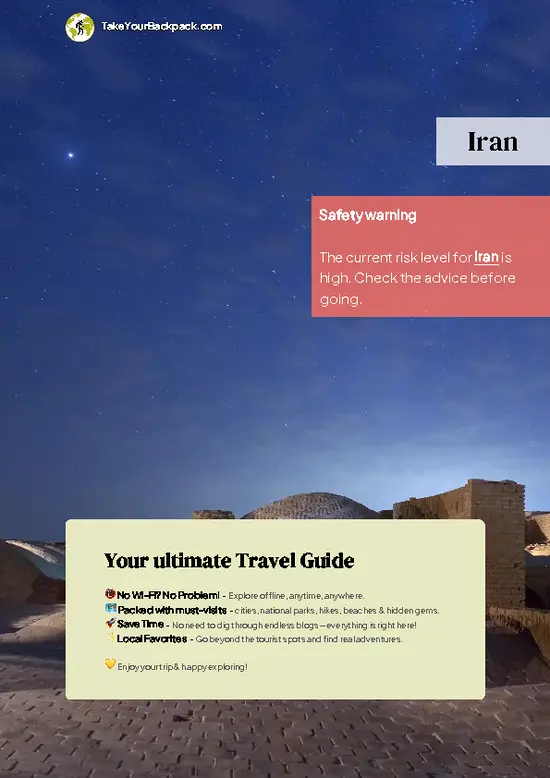
🌤️ When to go?When to go for the best experience


  • Weather: Spring (April to June) and autumn (September to November) offer the most comfortable weather. Summers can scorch with highs hitting 35°C (95°F), making exploration exhausting. Winters plunge below freezing, often under 0°C (32°F), which can freeze your plans solid.

  • Temperature: Expect mild days around 20-25°C (68-77°F) in spring and fall, perfect for wandering the intricate tilework without sweating buckets or shivering.

  • Daylight Hours: Longer daylight in late spring and early summer means more time to soak in the site’s details, while winter days are short and often gray, cutting your window for exploration.

  • Crowds: Peak tourist season aligns with Iranian holidays and spring break, swelling the modest crowds. Visiting mid-week in shoulder seasons keeps the experience intimate
read more 👉

  • Weather: Spring (April to June) and autumn (September to November) offer the most comfortable weather. Summers can scorch with highs hitting 35°C (95°F), making exploration exhausting. Winters plunge below freezing, often under 0°C (32°F), which can freeze your plans solid.

  • Temperature: Expect mild days around 20-25°C (68-77°F) in spring and fall, perfect for wandering the intricate tilework without sweating buckets or shivering.

  • Daylight Hours: Longer daylight in late spring and early summer means more time to soak in the site’s details, while winter days are short and often gray, cutting your window for exploration.

  • Crowds: Peak tourist season aligns with Iranian holidays and spring break, swelling the modest crowds. Visiting mid-week in shoulder seasons keeps the experience intimate and reflective.

  • Seasonal Activities: Spring brings local festivals and fresh blooms around Ardabil, adding cultural layers beyond the monument itself. Winter offers a quiet, almost meditative atmosphere but limited local events.

  • Price Fluctuations: Accommodation and transport costs spike during Nowruz (Iranian New Year, March) and summer holidays. Off-season travel slashes prices but demands tougher weather tolerance.


Pro-tip: Aim for late April or early October to dodge crowds, enjoy mild weather, and catch Ardabil’s local life in full swing without breaking the bank.


source: climatestotravel.comJANJanuary: below average for travelingFEBFebruary: fair for travelingMARMarch: good for travelingAPRApril: excellent for travelingMAYMay: excellent for travelingJUNJune: highly recommended for travelingJULJuly: fair for travelingAUGAugust: fair for travelingSEPSeptember: highly recommended for travelingOCTOctober: excellent for travelingNOVNovember: highly recommended for travelingDECDecember: below average for traveling
iran-unique-site-sheikh-safi-al-din-khanegah-ardabil
© Google |

✈️ The backpacker research shortcutIran Travel Guide

An offline-friendly backpacking guide with optimized travel routes, ranked highlights, transport advice, and the best areas to stay.
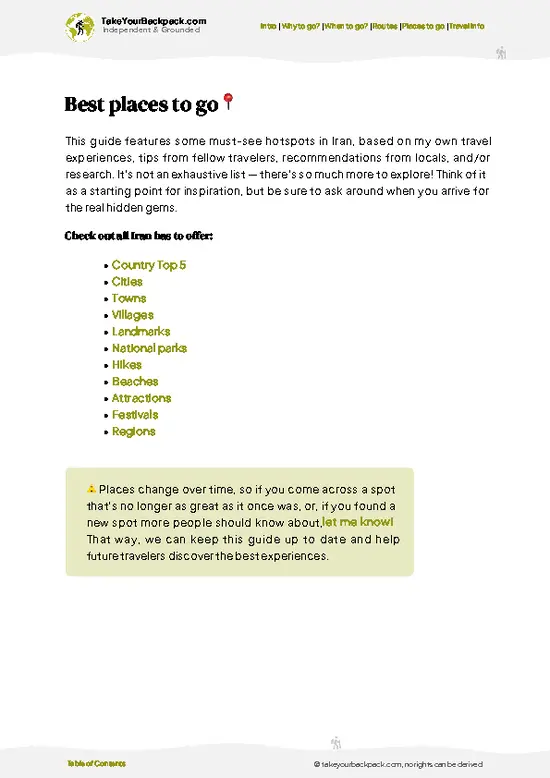
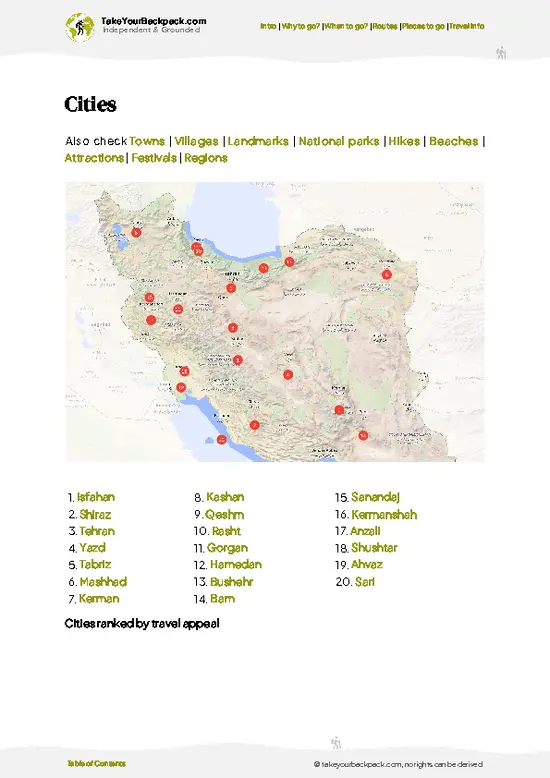
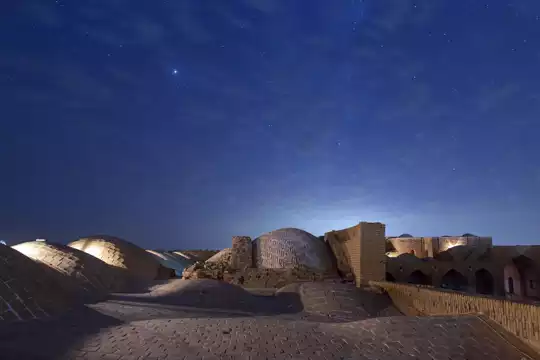
example page 0 from our offline Travel Guide for Iran
example page 1 from our offline Travel Guide for Iran
example page 2 from our offline Travel Guide for Iran
example page 3 from our offline Travel Guide for Iran
example page 4 from our offline Travel Guide for Iran
example page 5 from our offline Travel Guide for Iran
example page 6 from our offline Travel Guide for Iran
example page 7 from our offline Travel Guide for Iran
The digital guide (412 pages) contains:
118 highlights, ranked by travel appeal
Optimized 7, 14 & 21-day travel routes
Cities, national parks, landmarks, beaches
How to get around
Offline-friendly for travel without Wi-Fi
👉 Click to see all 30+ guide features

📅 Plan smarter in minutes, not weeks
Month by month travel advice
Festivals & national holidays
Budget expectations

🗺️ Go to the right places, skip the overrated ones
Honest pros & cons of destinations
Top hikes, parks & viewpoints
Lesser-known places most travelers miss
Clear “worth it vs skip it” guidance

🛏️ Travel smoothly without rookie mistakes
Best areas to stay
Transport systems explained simply
Common scams & safety advice
SIM cards, money & practical tips

🌍 Understand the country, not just visit it
Culture & traditions
52 Essential phrases & customs
Festivals worth planning around
Traveler-friendly historical context
Insights that make places more meaningful

📱 Built for real travel conditions
Fully downloadable PDF
Works completely offline
Optimized for phone use
Useful in remote areas & buses
Everything in one place
Save weeks of stressful planning
Get instant access to your full guide. 30‑day money-back guarantee.
+ Add another guide for just US$7.80

By proceeding you agree to our terms.
Sent to your inbox immediately after payment • 100% Secure Checkout
Best Backpacking Travel Advisor 2025 tourism awardBest Backpacking
Travel Advisor
2025
What others say about Take Your Backpack Guides:
⭐⭐⭐⭐⭐
Fantastic, amazing amount of information!
⭐⭐⭐⭐⭐
My goodness this is amazing, it's what I've been looking for hats off too you!
⭐⭐⭐⭐⭐
I think this is absolutely BRILLIANT
⭐⭐⭐⭐
Very complete and informative. It's still missing places, but I gotta to commend you
⭐⭐⭐⭐⭐
This is truly amazing, thank you, can't wait to explore it with my kids!
⭐⭐⭐⭐⭐
Awesome resource, thank you!
⭐⭐⭐⭐⭐
This is amazing! Can't wait to explore the ones I haven't seen
⭐⭐⭐⭐
I love this! Well done, great idea.
⭐⭐⭐⭐⭐
Thanks for taking the time to make this gem!
⭐⭐⭐⭐⭐
This might be the best website I've ever seen.
⭐⭐⭐⭐⭐
Congratulations, and thank you so much for your work; it's incredibly valuable.
⭐⭐⭐⭐
In all seriousness I think you did a great job pointing out the important spots
⭐⭐⭐⭐⭐
10/10 very good
⭐⭐⭐⭐⭐
As someone who's only just starting to visit regularly this is awesome, thank you.
⭐⭐⭐⭐
Thank you very much! I'm going to visit my dad, it's going to be very useful!
⭐⭐⭐⭐⭐
This is really cool! We'll be travelling for the first time and this definitely come in handy.
⭐⭐⭐⭐⭐
You are now our minister of culture, congratulations 👨‍💼
⭐⭐⭐⭐⭐
Just wanted to tell you that this is a pearl! Going to follow your recommendations.
⭐⭐⭐⭐⭐
This is so cool. I'll definitely be using the resource for my travels soon.
⭐⭐⭐⭐⭐
This is very impressive! Good work.
⭐⭐⭐⭐⭐
This is an amazing and informative site. Very well done!

🛏️ Where to stay?Where staying makes the most sense

Staying near Sheikh Safi al-din Khānegāh in Ardabil? You’ll want to focus on a few key areas that balance safety, social vibes, and affordability.

First up, the streets around the UNESCO site itself are buzzing with life. You’ll find local eateries and shops where you can grab a bite or chat with residents. It’s a prime spot for soaking in the culture without breaking the bank.

Then there’s the area near the Ardabil Grand Bazaar. It’s a bit more laid-back but still offers a friendly atmosphere. You can mingle with fellow travelers and locals alike, making it perfect for solo backpackers.
read more 👉
Staying near Sheikh Safi al-din Khānegāh in Ardabil? You’ll want to focus on a few key areas that balance safety, social vibes, and affordability.

First up, the streets around the UNESCO site itself are buzzing with life. You’ll find local eateries and shops where you can grab a bite or chat with residents. It’s a prime spot for soaking in the culture without breaking the bank.

Then there’s the area near the Ardabil Grand Bazaar. It’s a bit more laid-back but still offers a friendly atmosphere. You can mingle with fellow travelers and locals alike, making it perfect for solo backpackers.

Lastly, consider the outskirts of the city center. It’s quieter, but you’ll still have easy access to public transport and the main attractions. Plus, the local guesthouses often have a homey feel, making it easier to connect with others.

👛 Costs (as of 4 September 2026)Travel costs and budget guide for Sheikh Safi al-din Khānegāh, Ardabil

Visiting Sheikh Safi al-din Khānegāh in Ardabil, Iran, can be a rewarding experience, but it’s essential to know what to expect in terms of costs.
  • Entrance Fee: The entrance fee is typically around €2 to €5. This small investment grants you access to the complex, which includes the mausoleum and various historical sites. It’s a steal for the rich history you’ll encounter.
  • Guided Tours: If you want a deeper understanding, consider a guided tour. Prices range from €10 to €20 per person. A knowledgeable guide can illuminate the intricate details and stories behind the architecture and the Sufi heritage.
  • Transportation: Getting to Ardabil can vary. A bus from Tehran costs about €10 to €15. Once in Ardabil, local taxis or shared rides to the site might set you back around €1 to €3. Public transport
read more 👉
Visiting Sheikh Safi al-din Khānegāh in Ardabil, Iran, can be a rewarding experience, but it’s essential to know what to expect in terms of costs.
  • Entrance Fee: The entrance fee is typically around €2 to €5. This small investment grants you access to the complex, which includes the mausoleum and various historical sites. It’s a steal for the rich history you’ll encounter.
  • Guided Tours: If you want a deeper understanding, consider a guided tour. Prices range from €10 to €20 per person. A knowledgeable guide can illuminate the intricate details and stories behind the architecture and the Sufi heritage.
  • Transportation: Getting to Ardabil can vary. A bus from Tehran costs about €10 to €15. Once in Ardabil, local taxis or shared rides to the site might set you back around €1 to €3. Public transport is budget-friendly, but taxis save time.
  • Food and Drink: Local eateries offer meals for €3 to €7. Try the regional dishes; they’re delicious and affordable. Grab a tea or snack for about €1. Eating local not only saves money but enriches your experience.
  • Accommodation: If you plan to stay overnight, budget hotels range from €15 to €30 per night. For a more authentic experience, consider a guesthouse. Prices can go up to €50 for mid-range options, but the hospitality is often worth it.

Understanding these costs helps you plan better and enjoy the real magic of Sheikh Safi al-din Khānegāh without breaking the bank.


source: irantravelingcenter.com
⚠️ Prices can change and everyone travels differently, so take this as a rough guide. Hope it helps you plan your adventure!

FAQCommon questions from travelers

Sheikh Safi al-din Khānegāh, Ardabil is a UNESCO World Heritage site consisting of a complex of buildings including a mausoleum, mosque, school, and other structures related to the Sufi order founded by Sheikh Safi al-Din in the 14th century.
You need about 2 to 3 hours to visit Sheikh Safi al-din Khānegāh, Ardabil to fully explore the mausoleum, museum, and surrounding courtyards at a comfortable pace.
To get to Sheikh Safi al-din Khānegāh, Ardabil, travel to Ardabil city by bus or car from Tehran or Tabriz, then take a local taxi or walk to the site located in the city center, approximately 5 kilometers from Ardabil bus terminal.
⚠️ Things can change over time, so always validate details locally before you go.

Other Iranian landmarks near Sheikh Safi al-din Khānegāh, Ardabil

Explore more nearby:


💡 Not sure where to go next?
Create a personalized itinerary for Iran including Sheikh Safi al-din Khānegāh, Ardabil and the places that fit your trip.

Generate my itinerary

👉 Discover all landmarks

Or checkout all Iran has to offer (think cities, towns, villages, national parks, hikes, beaches, festivals)
Country photo of Iran

We 💚 feedbackSumming up the experience

If you’re heading to Sheikh Safi al-din Khānegāh, brace yourself for the crowds. They can be overwhelming, especially on weekends. But here’s the kicker: the intricate tile work and the serene courtyard are worth every moment. Take a breath, soak in the history, and don’t rush. The real magic is in the details, not the selfies.

✍️ Help improve this page!
The information on this page is based on in-depth research, insights shared by experienced travelers, and feedback from the local travel community in Iran. While every effort is made to keep the information accurate and current, conditions can change — so if you spot anything incorrect or outdated, please get in touch.


🙋‍♂️ Give feedback

👋 Meet the founderWho’s Behind Take Your Backpack?

Johan, backpacker and founder of TakeYourBackpackHi, I’m Johan (Netherlands 🇳🇱), the creator of TakeYourBackpack. Over the past decade, I’ve backpacked through 80+ countries across six continents, gaining extensive experience with independent travel, long-term trips, and overland routes.

This site is built on a combination of firsthand travel experience and carefully curated insights from other backpackers. Many guides are based on places I’ve personally visited, while others bring together tips, observations, and practical advice shared by trusted travelers I’ve met along the way.

The goal is to provide realistic, experience-driven guidance — not generic itineraries — so you can explore destinations with better context, clearer expectations, and more confidence.

Get full Iran guide •
Instant download • 118 highlights • Full Offline guide