×

Jamaica🇯🇲 | best villagesWhere to Find the Best villages in Jamaica

In Jamaica, villages are more than just dots on a map; they embody the island’s rich culture and diverse landscapes. Each region offers a distinct flavor, from the laid-back vibe of the South Coast to the vibrant energy of the North Coast. Seasonal activities, like carnivals or harvest festivals, can transform a quiet village into a lively hub, impacting your backpacking experience. Choosing the right village affects everything—budget, safety, and cultural immersion. Some areas are more tourist-friendly, while others offer a raw, authentic feel. Understanding these nuances is key to maximizing your adventure and connecting with Jamaica’s heart.

By Johan Kruseman 🇳🇱 | Updated June 12, 2026
Explore the best landmarks in Jamaica

Why go?Why Travelers Love These Spots

Jamaican villages are a tapestry of authenticity and tradition, offering a glimpse into a way of life that’s often overshadowed by the island’s more commercialized attractions. Unlike many countries where rural areas may feel homogenized, Jamaica’s villages pulse with a unique cultural identity shaped by historical influences from African, European, and indigenous roots. This rich blend creates a vibrant atmosphere where traditional practices thrive, from local crafts to culinary delights.

However, accessing these villages comes with its own set of challenges. The rural infrastructure can be less developed, leading to longer travel times that may deter some. Yet, this trade-off is crucial; the deeper you venture, the more you uncover the island’s soul. The scenic surroundings—lush mountains, … read more 👉
Jamaican villages are a tapestry of authenticity and tradition, offering a glimpse into a way of life that’s often overshadowed by the island’s more commercialized attractions. Unlike many countries where rural areas may feel homogenized, Jamaica’s villages pulse with a unique cultural identity shaped by historical influences from African, European, and indigenous roots. This rich blend creates a vibrant atmosphere where traditional practices thrive, from local crafts to culinary delights.

However, accessing these villages comes with its own set of challenges. The rural infrastructure can be less developed, leading to longer travel times that may deter some. Yet, this trade-off is crucial; the deeper you venture, the more you uncover the island’s soul. The scenic surroundings—lush mountains, cascading waterfalls, and serene coastlines—are not just backdrops but integral to the experience, enhancing the connection to the land and its people.

Seasonal accessibility also plays a role. Some villages may be more challenging to reach during the rainy season, which can impact your plans. Understanding these constraints is essential for maximizing your experience. In Jamaica, the journey into its villages is not just about the destination; it’s about immersing yourself in a world where every moment is steeped in meaning and history.
How the List Was Created
The list of best villages in Jamaica is created based on authenticity, scenic beauty, community spirit, traditions, and overall character. If you feel a village is missing in this list, please let us know.

When to go?Optimal Periods for Travel

Seasonality plays a crucial role in experiencing the authentic rural life of Jamaica. The island has a tropical climate, which means warm temperatures year-round, but the nuances of each season can significantly affect village visits.

Optimal months for immersing in village culture typically fall between November and mid-April. This period offers dry weather, making it easier to navigate rural areas and engage with local activities. Festivals and community events often peak during these months, showcasing the vibrant traditions and agricultural practices that define village life.

Shoulder seasons, from late April to early June and again in September to October, present a mixed bag. While you may encounter fewer tourists and lower prices, be prepared for occasional rain and humidity. This … read more 👉
Seasonality plays a crucial role in experiencing the authentic rural life of Jamaica. The island has a tropical climate, which means warm temperatures year-round, but the nuances of each season can significantly affect village visits.

Optimal months for immersing in village culture typically fall between November and mid-April. This period offers dry weather, making it easier to navigate rural areas and engage with local activities. Festivals and community events often peak during these months, showcasing the vibrant traditions and agricultural practices that define village life.

Shoulder seasons, from late April to early June and again in September to October, present a mixed bag. While you may encounter fewer tourists and lower prices, be prepared for occasional rain and humidity. This can limit outdoor activities and may affect the availability of certain local produce, which is often tied to harvest cycles.

Peak periods around major holidays can lead to crowded villages and inflated prices. If experiencing local life is the goal, consider timing your visit to avoid these spikes.

Accessibility can also be a concern. Some villages may be harder to reach during the rainy season, impacting travel plans. Understanding these seasonal dynamics is essential for maximizing the experience while minimizing unexpected challenges.

village hoppingPlanning Your Route Efficiently

To efficiently combine multiple villages across Jamaica, start by clustering your stops regionally. The island’s geography naturally divides it into distinct areas: the North Coast, the South Coast, and the interior. Prioritize your direction of travel; for instance, if you begin in the north, consider moving westward or southward to minimize backtracking.

Typical time spent in each village should be around two to four hours, depending on what you want to experience. This allows for a taste of local culture, food, and scenery without feeling rushed. However, be flexible; some villages may captivate you longer than expected.

A common mistake is trying to cram too many stops into a single day. This often leads to exhaustion and missed opportunities. Instead, focus on quality over quantity.read more 👉
To efficiently combine multiple villages across Jamaica, start by clustering your stops regionally. The island’s geography naturally divides it into distinct areas: the North Coast, the South Coast, and the interior. Prioritize your direction of travel; for instance, if you begin in the north, consider moving westward or southward to minimize backtracking.

Typical time spent in each village should be around two to four hours, depending on what you want to experience. This allows for a taste of local culture, food, and scenery without feeling rushed. However, be flexible; some villages may captivate you longer than expected.

A common mistake is trying to cram too many stops into a single day. This often leads to exhaustion and missed opportunities. Instead, focus on quality over quantity. Choose a few villages that resonate with your interests, whether it’s music, food, or history.

Consider trade-offs carefully. Speed can sacrifice depth of experience, and budget constraints might limit comfort. Local transport options like minibuses or shared taxis can be economical but may require patience. Balancing effort and reward is key; sometimes, the less-traveled paths yield the richest experiences. Plan strategically, but leave room for spontaneity. That’s where the magic happens.

The ListThe Best villages of Jamaica

1 Port Royal

sunken city, pirate history, seafood shacks

Step into a former pirate stronghold where underwater ruins and simple fish restaurants recall centuries of maritime intrigue.

Loading the map 🌍

Expert viewPro Tips for Exploring the Best

Accessibility
Jamaica’s villages are a treasure trove of culture, but getting to them can be a mixed bag. Some are easily accessible via main roads, while others require a bit of grit and determination. If you’re relying on public transport, be prepared for delays and limited schedules. Renting a car can give you the freedom to explore at your own pace, but don’t underestimate the local driving conditions. Roads can be narrow and winding, especially in rural areas. Plan to visit around three to five villages to balance your experience without feeling rushed. This allows you to soak in the local vibe without burning out.

Seasonal Variation
Timing is everything. Jamaica’s peak tourist season runs from mid-December to mid-April. During this time, villages can feel more crowded, and prices … read more 👉
Accessibility
Jamaica’s villages are a treasure trove of culture, but getting to them can be a mixed bag. Some are easily accessible via main roads, while others require a bit of grit and determination. If you’re relying on public transport, be prepared for delays and limited schedules. Renting a car can give you the freedom to explore at your own pace, but don’t underestimate the local driving conditions. Roads can be narrow and winding, especially in rural areas. Plan to visit around three to five villages to balance your experience without feeling rushed. This allows you to soak in the local vibe without burning out.

Seasonal Variation
Timing is everything. Jamaica’s peak tourist season runs from mid-December to mid-April. During this time, villages can feel more crowded, and prices may spike. If you’re looking for a more authentic experience, consider visiting during the shoulder seasons—late April to early June or September to early November. The weather is still pleasant, and you’ll find fewer tourists, which means more genuine interactions with locals. However, be aware that hurricane season runs from June to November, so keep an eye on weather forecasts if you choose to travel during this period.

Authenticity
The charm of Jamaican villages lies in their authenticity. You’ll find vibrant local markets, traditional music, and the unmistakable warmth of the people. However, not every village will offer the same level of cultural immersion. Some may cater more to tourists, diluting the experience. Prioritize villages known for their local crafts, food, and festivals. Engage with the community—ask about their traditions and participate in local events if you can. Just remember, while you’re there to soak it all in, be respectful of local customs and practices. This isn’t just a photo op; it’s a chance to connect.

Pacing Between Rural Stops
Jamaica’s villages are often spread out, and travel times can vary significantly. Don’t underestimate how long it might take to get from one village to another. Factor in time for winding roads and potential traffic. A good rule of thumb is to plan for at least an hour between stops, but be flexible. If you find a village that captivates you, don’t rush off just because you have another stop on your itinerary. Allow yourself the freedom to linger. This pacing will not only help you avoid travel fatigue but also enrich your experience as you discover the nuances of each village.

Safety & Cultural Considerations
Safety is paramount. While many villages are safe, some areas may have higher crime rates. Stay informed about the local situation and avoid wandering alone at night. Trust your instincts; if a place feels off, it probably is. When interacting with locals, approach with genuine curiosity and respect. Understand that you’re a guest in their home. Asking permission before taking photos or participating in local activities goes a long way. This respect fosters goodwill and often leads to deeper connections.

In summary, Jamaica’s villages offer a rich tapestry of experiences, but navigating them requires thoughtful planning. By focusing on accessibility, timing your visit, prioritizing authenticity, pacing your travels, and being mindful of safety, you’ll not only preserve your energy and budget but also unlock the true essence of Jamaican culture.

✈️ The backpacker research shortcutJamaica Travel Guide

An offline-friendly backpacking guide with optimized travel routes, ranked highlights, transport advice, and the best areas to stay.
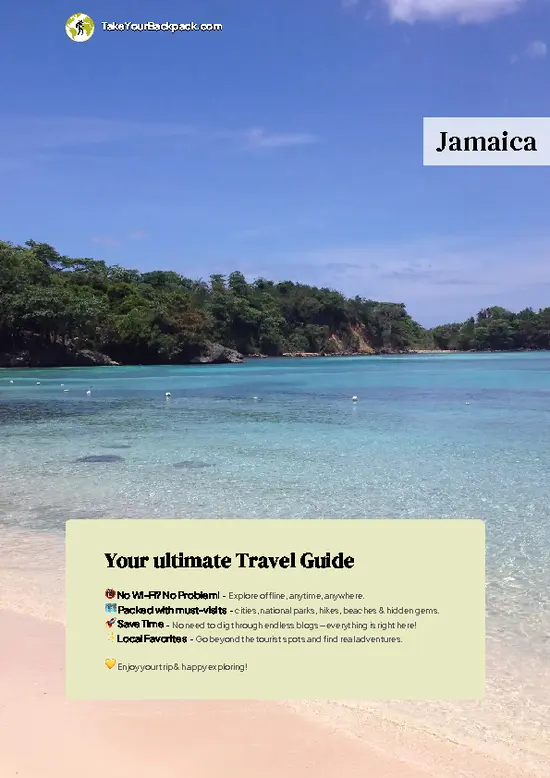
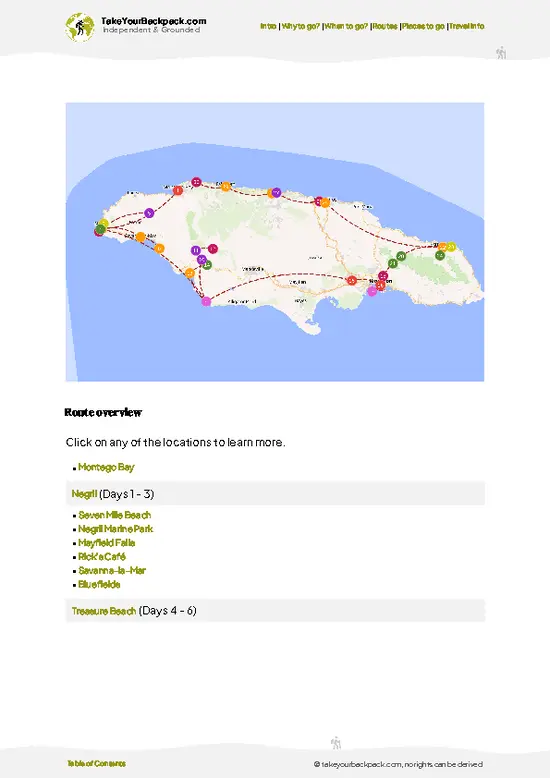
example page 0 from our offline Travel Guide for Jamaica
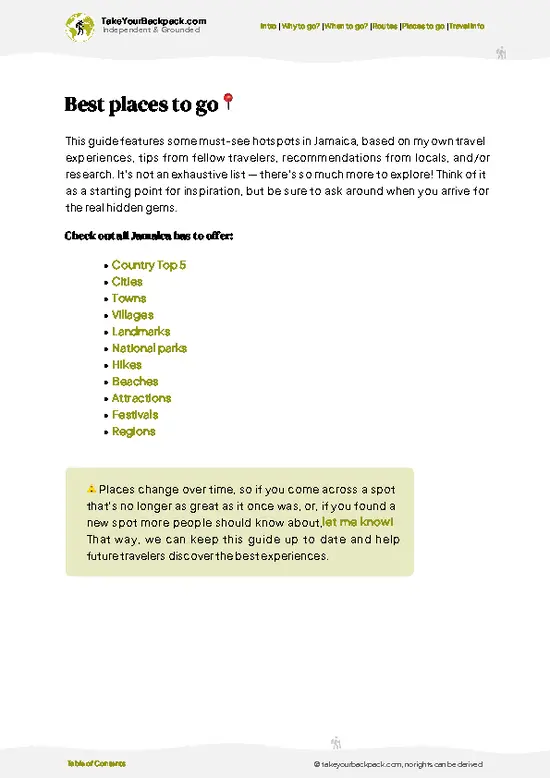
example page 1 from our offline Travel Guide for Jamaica
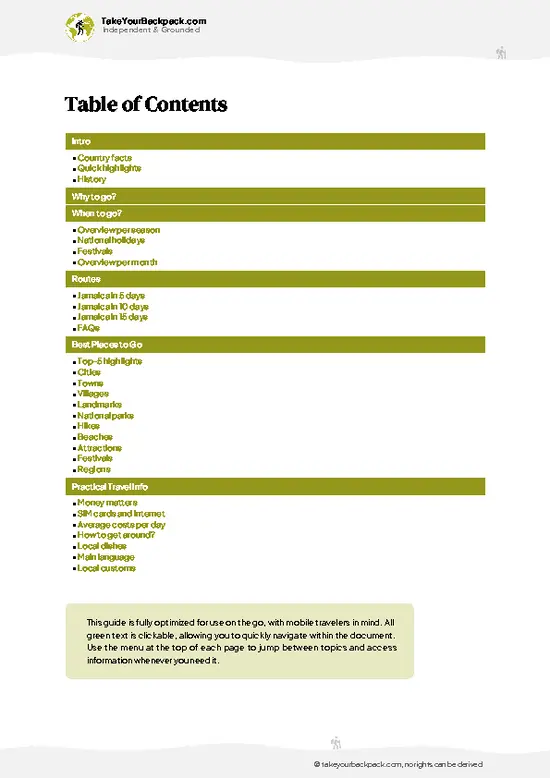
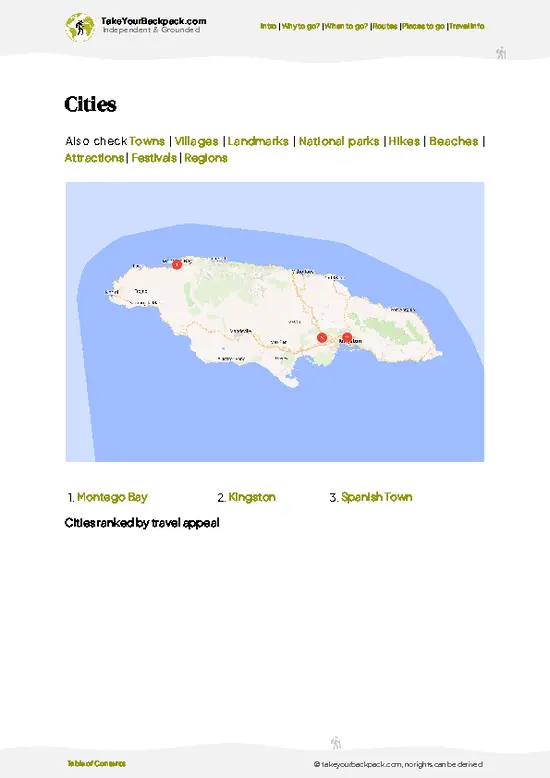
example page 2 from our offline Travel Guide for Jamaica
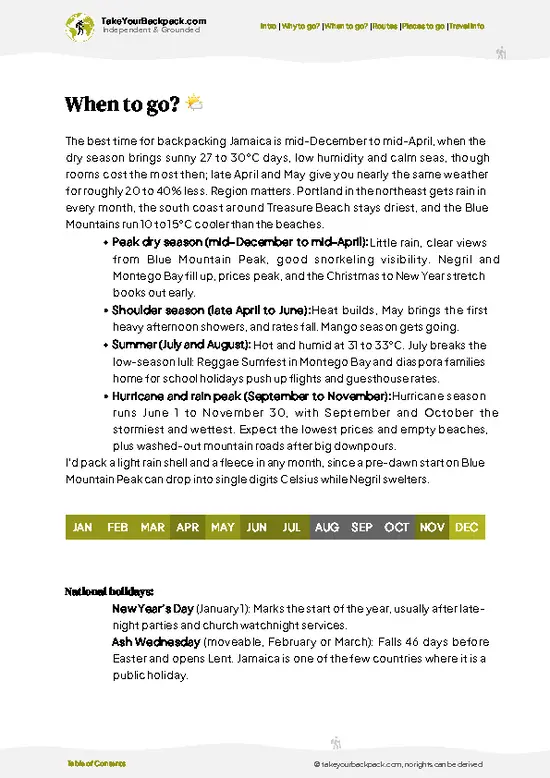
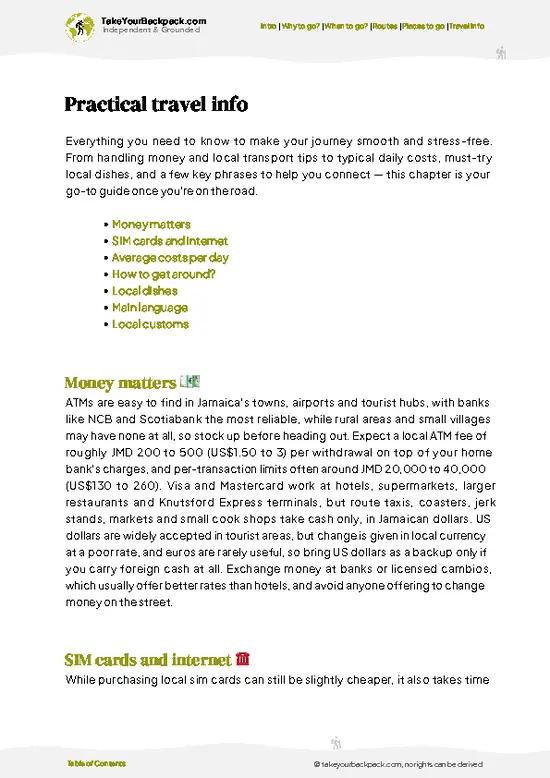
example page 3 from our offline Travel Guide for Jamaica
example page 4 from our offline Travel Guide for Jamaica
example page 5 from our offline Travel Guide for Jamaica
example page 6 from our offline Travel Guide for Jamaica
example page 7 from our offline Travel Guide for Jamaica
The digital guide (325 pages) contains:
87 highlights, ranked by travel appeal
Optimized 5, 10 & 15-day travel routes
Cities, national parks, landmarks, beaches
How to get around
Offline-friendly for travel without Wi-Fi
👉 Click to see all 30+ guide features

📅 Plan smarter in minutes, not weeks
Month by month travel advice
Festivals & national holidays
Budget expectations

🗺️ Go to the right places, skip the overrated ones
Honest pros & cons of destinations
Top hikes, parks & viewpoints
Lesser-known places most travelers miss
Clear “worth it vs skip it” guidance

🛏️ Travel smoothly without rookie mistakes
Best areas to stay
Transport systems explained simply
Common scams & safety advice
SIM cards, money & practical tips

🌍 Understand the country, not just visit it
Culture & traditions
Local customs
Festivals worth planning around
Traveler-friendly historical context
Insights that make places more meaningful

📱 Built for real travel conditions
Fully downloadable PDF
Works completely offline
Optimized for phone use
Useful in remote areas & buses
Everything in one place
Save weeks of stressful planning
Get instant access to your full guide. 30‑day money-back guarantee.


By proceeding you agree to our terms.
Sent to your inbox immediately after payment • 100% Secure Checkout
Best Backpacking Travel Advisor 2025 tourism awardBest Backpacking
Travel Advisor
2025
What others say about Take Your Backpack Guides:
⭐⭐⭐⭐⭐
Fantastic, amazing amount of information!
⭐⭐⭐⭐⭐
My goodness this is amazing, it's what I've been looking for hats off too you!
⭐⭐⭐⭐⭐
I think this is absolutely BRILLIANT
⭐⭐⭐⭐
Very complete and informative. It's still missing places, but I gotta to commend you
⭐⭐⭐⭐⭐
This is truly amazing, thank you, can't wait to explore it with my kids!
⭐⭐⭐⭐⭐
Awesome resource, thank you!
⭐⭐⭐⭐⭐
This is amazing! Can't wait to explore the ones I haven't seen
⭐⭐⭐⭐
I love this! Well done, great idea.
⭐⭐⭐⭐⭐
Thanks for taking the time to make this gem!
⭐⭐⭐⭐⭐
This might be the best website I've ever seen.
⭐⭐⭐⭐⭐
Congratulations, and thank you so much for your work; it's incredibly valuable.
⭐⭐⭐⭐
In all seriousness I think you did a great job pointing out the important spots
⭐⭐⭐⭐⭐
10/10 very good
⭐⭐⭐⭐⭐
As someone who's only just starting to visit regularly this is awesome, thank you.
⭐⭐⭐⭐
Thank you very much! I'm going to visit my dad, it's going to be very useful!
⭐⭐⭐⭐⭐
This is really cool! We'll be travelling for the first time and this definitely come in handy.
⭐⭐⭐⭐⭐
You are now our minister of culture, congratulations 👨‍💼
⭐⭐⭐⭐⭐
Just wanted to tell you that this is a pearl! Going to follow your recommendations.
⭐⭐⭐⭐⭐
This is so cool. I'll definitely be using the resource for my travels soon.
⭐⭐⭐⭐⭐
This is very impressive! Good work.
⭐⭐⭐⭐⭐
This is an amazing and informative site. Very well done!

🛏️ Where to stay?Top Areas to Stay

Yes, hostels and budget accommodation in Jamaica are widely available in main tourist towns and small beach villages, with the heaviest concentration around Negril (Seven Mile Beach/West End), Montego Bay (Hip Strip/airport corridor), Ocho Rios (town center), Kingston (New Kingston/waterfront), Port Antonio, and Treasure Beach.
Negril gives top beaches and lively nightlife but can be touristy and pricier near Seven Mile while West End is cheaper and quieter; Montego Bay is the easiest transport hub with lots of nightlife but feels busy and less authentic; Ocho Rios puts you close to waterfalls and tours but is the most tour‑focused.
Kingston is best for culture and night spots—stay in main … read more 👉
Yes, hostels and budget accommodation in Jamaica are widely available in main tourist towns and small beach villages, with the heaviest concentration around Negril (Seven Mile Beach/West End), Montego Bay (Hip Strip/airport corridor), Ocho Rios (town center), Kingston (New Kingston/waterfront), Port Antonio, and Treasure Beach.
Negril gives top beaches and lively nightlife but can be touristy and pricier near Seven Mile while West End is cheaper and quieter; Montego Bay is the easiest transport hub with lots of nightlife but feels busy and less authentic; Ocho Rios puts you close to waterfalls and tours but is the most tour‑focused.
Kingston is best for culture and night spots—stay in main tourist districts for safety—Port Antonio is remote, nature‑rich with fewer budget beds, and Treasure Beach is low‑key, affordable and quiet but has limited public transport and services.

If you enjoy meeting fellow travelers, consider choosing hostels with high ratings for atmosphere. On the other hand, if you prefer having your own space, a hotel might be a better option.

JamaicaDiscover the Country

👋 Meet the founderWho’s Behind Take Your Backpack?

Johan, backpacker and founder of TakeYourBackpackHi, I’m Johan (Netherlands 🇳🇱), the creator of TakeYourBackpack. Over the past decade, I’ve backpacked through 80+ countries across six continents, gaining extensive experience with independent travel, long-term trips, and overland routes.

This site is built on a combination of firsthand travel experience and carefully curated insights from other backpackers. Many guides are based on places I’ve personally visited, while others bring together tips, observations, and practical advice shared by trusted travelers I’ve met along the way.

The goal is to provide realistic, experience-driven guidance — not generic itineraries — so you can explore destinations with better context, clearer expectations, and more confidence.

Get full Jamaica guide •
Instant download • 87 highlights • Full Offline guide