×

Japan🇯🇵 | citiesIseShinto shrines, pilgrimage routes, sacred forests | things to do and best time to go

Explore KobeExplore Beppu

Backpacking in Ise
👍 Recommendedcity ranked #21
By Johan Kruseman 🇳🇱 | Updated September 23, 2026

Everyone says they go to Ise for “Japan’s most sacred shrine,” but the real game here is everything wrapped around that idea: how much time, money, and comfort you’re willing to trade for a quiet, almost old-fashioned slice of Japan. Ise sits on the Shima Peninsula in Mie Prefecture, south of Nagoya, and it feels small, safe, and slow compared with Osaka or Kyoto. You get Ise Jingu’s forested approach, the old merchant street of Okage Yokocho, and easy side trips to Toba’s coast, but nightlife is thin and hostels are limited, so meeting other backpackers takes effort. Trains are straightforward but not ultra-frequent, prices are mid-range, and the vibe is contemplative rather than social; I treat Ise as a deliberate detour, not a base, when I want to trade buzz for calm.

Discover everything you want to know in the 📖 Japan Travel Guide.


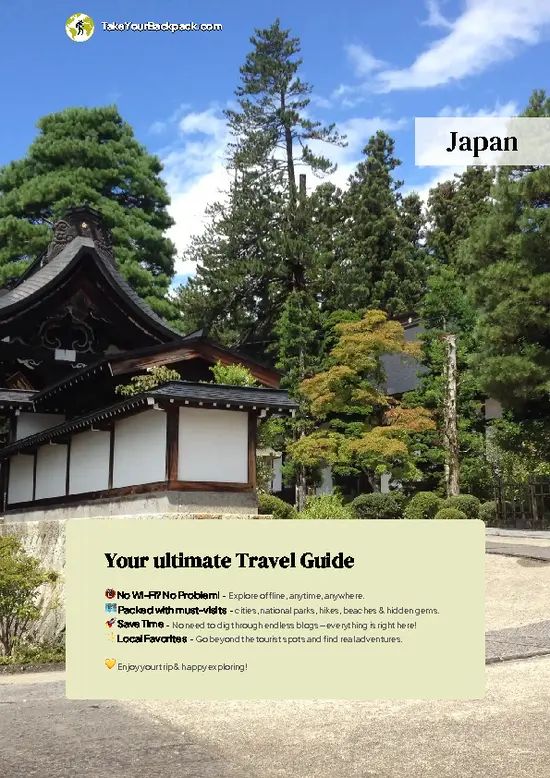
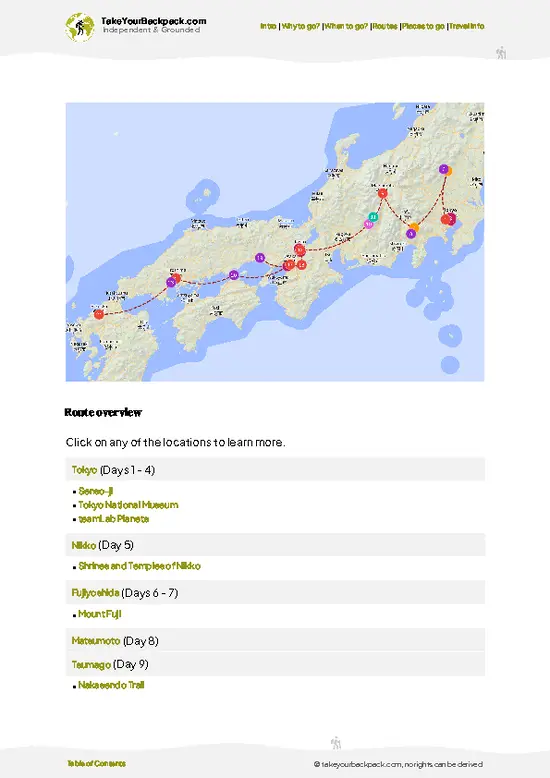
example page 0 from our offline Travel Guide for Japan
example page 1 from our offline Travel Guide for Japan
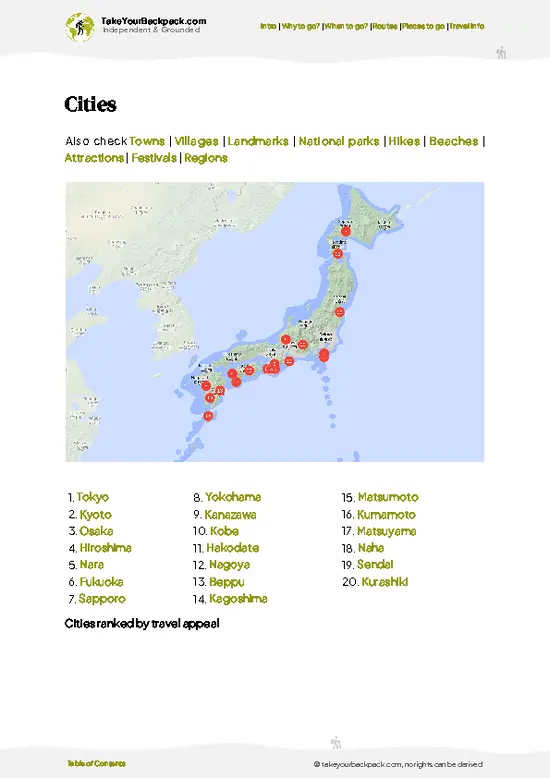
example page 2 from our offline Travel Guide for Japan
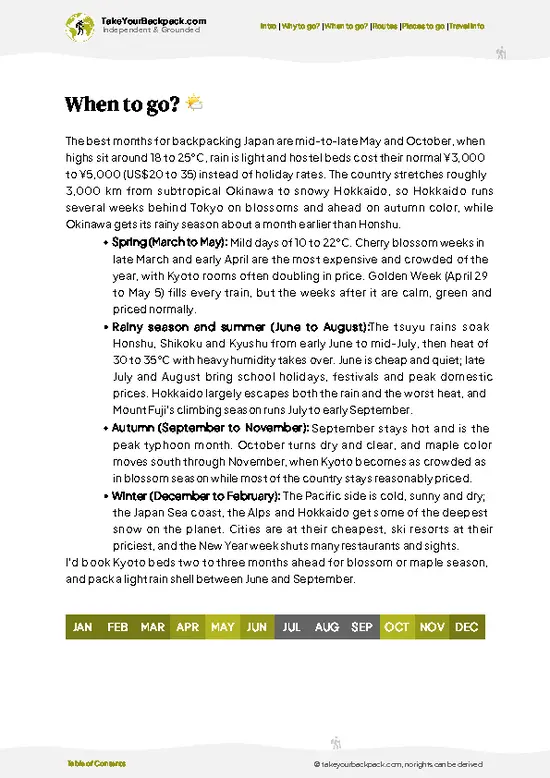
example page 3 from our offline Travel Guide for Japan
example page 4 from our offline Travel Guide for Japan
example page 5 from our offline Travel Guide for Japan
example page 6 from our offline Travel Guide for Japan
example page 7 from our offline Travel Guide for Japan
Loading the map 🌍
CLICK TO FILTER
cities
towns
villages
landmarks
national parks
hikes
beaches
attractions
festivals
regions
SHOW COUNTRY’S BESTSHOW ALL

✨ Why go?
Ranked #21 city in Japan
What makes it a must-see city

Ise is a strategic stop for backpackers, balancing time, money, and comfort. It’s compact and walkable, making it easy to explore without burning through your budget. The hostels here are affordable and friendly, perfect for meeting fellow travelers. You’ll find delicious local food that won’t break the bank, adding flavor to your experience. Ise serves as a solid basecamp for day trips, letting you dive into the surrounding beauty without the hassle of constant packing. Plus, with easy onward travel, it fits seamlessly into your route, whether you’re heading to Kyoto or beyond.

💡 HighlightsPlaces and moments you shouldn't skip

  • Ise Grand Shrine — Naikū (Inner Shrine): The spiritual heart of Shinto in Japan — walk across the sacred Uji Bridge, stroll the cedar-shaded approach, and feel why pilgrims have come here for centuries. The simplicity and scale of the precincts are quietly powerful in person.
  • Ise Grand Shrine — Gekū (Outer Shrine): Toyouke-no-Ōmikami’s shrine is older as a public ritual site and has a different, more open atmosphere than Naikū — good for seeing shrine architecture and ritual life without the heavier crowds.
  • Ujibashi (Uji Bridge) & Isuzu River: That red-lacquered bridge in front of Naikū is more than photo fodder — the Isuzu River’s clear waters, ritual washing spots, and riverbank paths make for a peaceful, scenic walk right into shrine history.
  • Ōharai-machi: The preserved merchant street
… read more 👉
  • Ise Grand Shrine — Naikū (Inner Shrine): The spiritual heart of Shinto in Japan — walk across the sacred Uji Bridge, stroll the cedar-shaded approach, and feel why pilgrims have come here for centuries. The simplicity and scale of the precincts are quietly powerful in person.
  • Ise Grand Shrine — Gekū (Outer Shrine): Toyouke-no-Ōmikami’s shrine is older as a public ritual site and has a different, more open atmosphere than Naikū — good for seeing shrine architecture and ritual life without the heavier crowds.
  • Ujibashi (Uji Bridge) & Isuzu River: That red-lacquered bridge in front of Naikū is more than photo fodder — the Isuzu River’s clear waters, ritual washing spots, and riverbank paths make for a peaceful, scenic walk right into shrine history.
  • Ōharai-machi: The preserved merchant street that runs beside Naikū — wooden shops, traditional eateries, and craft stalls give a real sense of the old pilgrim-town that grew up around the shrine. Great for slow wandering and people-watching.
  • Okage Yokocho: A recreated Edo/Meiji-era alley next to Ōharai-machi packed with food stalls, souvenir crafts, and small museums — ideal for tasting local snacks (Ise udon, sweet potato treats) and seeing artisans at work.
  • Futamiokitama Shrine & Meoto Iwa (Wedded Rocks): A short ride from central Ise, this coastal shrine and its famous married rocks strung with shimenawa rope are a cultural symbol of marriage and nature worship — sunrise here is especially evocative.
  • Ujiyamada Station: The station building itself is a Taishō-era gem with ornate, slightly theatrical architecture — stepping out of it gives you the old-town vibe of Ujiyamada and is a pleasant contrast to modern stations.
  • Ise Jingu Museum: Near Naikū, this museum provides context — artifacts, models, and clear explanations of Ise’s rituals, architecture, and rebuilding tradition (Shikinen Sengū). It’s small but incredibly useful to deepen what you see at the shrines.
  • Ise City Ujiyamada Museum (local history): A compact local-history museum that showcases Ise’s role in regional religious life, pilgrimages, and everyday town history — handy if you want historical layers beyond the shrines themselves.
  • Futamiura Coastline & Sunrise Walks: The rocky coast around Futami is great for a short seaside stroll, early-morning light on the rocks, and watching local fishermen — quieter and more contemplative than the busier shrine areas.
A few excellent day trips just outside Ise: Toba’s Mikimoto Pearl Island (my personal favorite) and the Toba Aquarium, plus the Ago Bay pearl farms and cruises in Shima — all easily visited from Ise.
Spotted a mistake or missing something? Contact us.

Things to do near Ise

Ratings based on Tripadvisor reviews. When you book through this link, you support our work at no extra cost to you.

🏘️ NeighborhoodsKey areas and districts to know

Ise offers a unique blend of tradition and modernity, making it a fascinating stop for backpackers.

Ise Jingu Area: This is the heart of Ise, home to the famous Ise Grand Shrine. The vibe is serene and spiritual, perfect for those seeking a quiet retreat. Costs are moderate, with a range of ryokans and guesthouses. Walkability is excellent, and the area is well-connected by local buses. Ideal for short stays focused on cultural immersion.

Okage Yokocho: A lively street filled with shops and eateries, this area captures the essence of Ise’s culinary scene. It’s bustling, making it great for nightlife enthusiasts. Prices can vary, but budget options are available. Walkable and close to transport, it suits both short visits and longer stays for food lovers.

Yamato-yama: A quieter residential … read more 👉
Ise offers a unique blend of tradition and modernity, making it a fascinating stop for backpackers.

Ise Jingu Area: This is the heart of Ise, home to the famous Ise Grand Shrine. The vibe is serene and spiritual, perfect for those seeking a quiet retreat. Costs are moderate, with a range of ryokans and guesthouses. Walkability is excellent, and the area is well-connected by local buses. Ideal for short stays focused on cultural immersion.

Okage Yokocho: A lively street filled with shops and eateries, this area captures the essence of Ise’s culinary scene. It’s bustling, making it great for nightlife enthusiasts. Prices can vary, but budget options are available. Walkable and close to transport, it suits both short visits and longer stays for food lovers.

Yamato-yama: A quieter residential area, perfect for those wanting a local experience. It’s less touristy, offering affordable accommodations. While nightlife is minimal, it’s a peaceful spot for longer stays. Transport access is decent, but walking can be a bit more challenging.

⌛️ 1 dayHow to make the most of one day

Ise, Japan, is a city steeped in spirituality and tradition, home to the revered Ise Grand Shrine. It’s a place where ancient rituals meet the serene beauty of nature, making it a must-visit for anyone seeking a deeper connection to Japanese culture.

Start your morning at the bustling Oharai-machi district. Grab a warm, fluffy yakitori from a local vendor and stroll through the charming streets lined with traditional wooden buildings. The aroma of grilled chicken mingles with the scent of cedar from the nearby shrine, setting a perfect tone for the day.

In the afternoon, head to the Ise Grand Shrine itself. The tranquility of the forested paths leading to the shrine is a refreshing escape. Spend time absorbing the sacred atmosphere, and don’t miss the lesser-known Naiku, where the inner … read more 👉
Ise, Japan, is a city steeped in spirituality and tradition, home to the revered Ise Grand Shrine. It’s a place where ancient rituals meet the serene beauty of nature, making it a must-visit for anyone seeking a deeper connection to Japanese culture.

Start your morning at the bustling Oharai-machi district. Grab a warm, fluffy yakitori from a local vendor and stroll through the charming streets lined with traditional wooden buildings. The aroma of grilled chicken mingles with the scent of cedar from the nearby shrine, setting a perfect tone for the day.

In the afternoon, head to the Ise Grand Shrine itself. The tranquility of the forested paths leading to the shrine is a refreshing escape. Spend time absorbing the sacred atmosphere, and don’t miss the lesser-known Naiku, where the inner shrine resides. It’s often less crowded, allowing for a more intimate experience.

As evening approaches, wander over to the coastal area of Futami. Here, you can catch a stunning sunset over the iconic Meoto Iwa, or “Wedded Rocks.” The sight of these sacred rocks, intertwined with local legends, offers a perfect end to your day. Enjoy a simple dinner at a nearby izakaya, where the locals gather, and soak in the warmth of Ise’s hospitality.

🌤️ When to go?When to go for the best experience

  • Weather: Spring (March to May) offers mild, pleasant weather with temperatures around 13-20°C (55-68°F), avoiding the heavy rains of the summer and the cold winters.
  • Temperature: Summer can hit 30°C (86°F) or more, often humid and sticky, while winter drops to near 0°C (32°F), which can be harsh for backpackers.
  • Daylight Hours: Longer days from late March to early September give you more daylight for exploring, peaking around 14-15 hours in June.
  • Crowds: Golden Week (late April to early May) and autumn festivals bring crowds, pushing prices up and making popular spots busier.
  • Seasonal Activities: Spring cherry blossoms and autumn foliage are prime draws, but they come with a price hike and more tourists.
  • Price Fluctuations: Off-peak seasons like late autumn and winter offer better deals
… read more 👉
  • Weather: Spring (March to May) offers mild, pleasant weather with temperatures around 13-20°C (55-68°F), avoiding the heavy rains of the summer and the cold winters.
  • Temperature: Summer can hit 30°C (86°F) or more, often humid and sticky, while winter drops to near 0°C (32°F), which can be harsh for backpackers.
  • Daylight Hours: Longer days from late March to early September give you more daylight for exploring, peaking around 14-15 hours in June.
  • Crowds: Golden Week (late April to early May) and autumn festivals bring crowds, pushing prices up and making popular spots busier.
  • Seasonal Activities: Spring cherry blossoms and autumn foliage are prime draws, but they come with a price hike and more tourists.
  • Price Fluctuations: Off-peak seasons like late autumn and winter offer better deals on accommodation and transport, but with trade-offs in weather and daylight.
Pro-tip: Aim for late March or October—sweet spots where weather, daylight, and crowd levels balance out, letting you stretch your budget without sacrificing comfort or experience.


source: climatestotravel.comJANJanuary: fair for travelingFEBFebruary: fair for travelingMARMarch: highly recommended for travelingAPRApril: highly recommended for travelingMAYMay: good for travelingJUNJune: good for travelingJULJuly: fair for travelingAUGAugust: fair for travelingSEPSeptember: good for travelingOCTOctober: excellent for travelingNOVNovember: highly recommended for travelingDECDecember: fair for traveling
when-to-go

✈️ The backpacker research shortcutJapan Travel Guide

An offline-friendly backpacking guide with optimized travel routes, ranked highlights, transport advice, and the best areas to stay.
example page 0 from our offline Travel Guide for Japan
example page 1 from our offline Travel Guide for Japan
example page 2 from our offline Travel Guide for Japan
example page 3 from our offline Travel Guide for Japan
example page 4 from our offline Travel Guide for Japan
example page 5 from our offline Travel Guide for Japan
example page 6 from our offline Travel Guide for Japan
example page 7 from our offline Travel Guide for Japan
The digital guide (475 pages) contains:
✅ 139 highlights, ranked by travel appeal
✅ Optimized 7, 14 & 21-day travel routes
✅ Cities, national parks, landmarks, beaches
✅ How to get around
✅ Offline-friendly for travel without Wi-Fi
👉 Click to see all 30+ guide features

📅 Plan smarter in minutes, not weeks
✅ Month by month travel advice
✅ Festivals & national holidays
✅ Budget expectations

🗺️ Go to the right places, skip the overrated ones
✅ Honest pros & cons of destinations
✅ Top hikes, parks & viewpoints
✅ Lesser-known places most travelers miss
✅ Clear “worth it vs skip it” guidance

🛏️ Travel smoothly without rookie mistakes
✅ Best areas to stay
✅ Transport systems explained simply
✅ Common scams & safety advice
✅ SIM cards, money & practical tips

🌍 Understand the country, not just visit it
✅ Culture & traditions
✅ 52 Essential phrases & customs
✅ Festivals worth planning around
✅ Traveler-friendly historical context
✅ Insights that make places more meaningful

📱 Built for real travel conditions
✅ Fully downloadable PDF
✅ Works completely offline
✅ Optimized for phone use
✅ Useful in remote areas & buses
✅ Everything in one place
Stop searching, start planning
Get instant access to your full guide. 30‑day money-back guarantee.
+ Add another guide for just

By proceeding you agree to our terms.
Sent to your inbox immediately after payment • 100% Secure Checkout
Best Backpacking Travel Advisor 2025 tourism awardBest Backpacking
Travel Advisor
2025
What others say about Take Your Backpack Guides:
⭐⭐⭐⭐⭐
Fantastic, amazing amount of information!
⭐⭐⭐⭐⭐
My goodness this is amazing, it's what I've been looking for hats off too you!
⭐⭐⭐⭐⭐
I think this is absolutely BRILLIANT
⭐⭐⭐⭐
Very complete and informative. It's still missing places, but I gotta to commend you
⭐⭐⭐⭐⭐
This is truly amazing, thank you, can't wait to explore it with my kids!
⭐⭐⭐⭐⭐
Awesome resource, thank you!
⭐⭐⭐⭐⭐
This is amazing! Can't wait to explore the ones I haven't seen
⭐⭐⭐⭐
I love this! Well done, great idea.
⭐⭐⭐⭐⭐
Thanks for taking the time to make this gem!
⭐⭐⭐⭐⭐
This might be the best website I've ever seen.
⭐⭐⭐⭐⭐
Congratulations, and thank you so much for your work; it's incredibly valuable.
⭐⭐⭐⭐
In all seriousness I think you did a great job pointing out the important spots
⭐⭐⭐⭐⭐
10/10 very good
⭐⭐⭐⭐⭐
As someone who's only just starting to visit regularly this is awesome, thank you.
⭐⭐⭐⭐
Thank you very much! I'm going to visit my dad, it's going to be very useful!
⭐⭐⭐⭐⭐
This is really cool! We'll be travelling for the first time and this definitely come in handy.
⭐⭐⭐⭐⭐
You are now our minister of culture, congratulations 👨‍💼
⭐⭐⭐⭐⭐
Just wanted to tell you that this is a pearl! Going to follow your recommendations.
⭐⭐⭐⭐⭐
This is so cool. I'll definitely be using the resource for my travels soon.
⭐⭐⭐⭐⭐
This is very impressive! Good work.
⭐⭐⭐⭐⭐
This is an amazing and informative site. Very well done!

🛏️ Where to stay?Best areas and accommodation options

In Ise, the best spot for backpackers is the area around Iseshi Station. It’s the city’s pulse—safe, easy to navigate, and buzzing just enough without overwhelming. You’ll find hostels and guesthouses clustered here, making it a natural hub for solo travelers looking to connect. The vibe is low-key but social, with small eateries and shops that cater to budget-conscious visitors. Compared to the quieter, more residential neighborhoods, this area trades a bit of tranquility for convenience and community. If you want to maximize your time exploring the Ise Grand Shrine and nearby attractions without … read more 👉
In Ise, the best spot for backpackers is the area around Iseshi Station. It’s the city’s pulse—safe, easy to navigate, and buzzing just enough without overwhelming. You’ll find hostels and guesthouses clustered here, making it a natural hub for solo travelers looking to connect. The vibe is low-key but social, with small eateries and shops that cater to budget-conscious visitors. Compared to the quieter, more residential neighborhoods, this area trades a bit of tranquility for convenience and community. If you want to maximize your time exploring the Ise Grand Shrine and nearby attractions without sacrificing comfort or breaking the bank, this neighborhood strikes the ideal balance. It’s where practicality meets the chance to meet fellow adventurers.

🚌 Getting aroundHow to get from A to B

Ise moves at a pace that feels like a gentle tide rather than a roaring current. It’s not a city where you’re hustled by relentless schedules or drowned in chaotic crowds. Instead, it’s a place where time stretches just enough to savor the moment, yet the flow of transit is reliable enough to keep you on track without stress. Here, the rhythm is a balance between tradition and practicality, where your choices about how to get around directly shape your experience—whether you’re chasing efficiency or soaking in the local vibe.
  • Walking: The heart of Ise is compact and pedestrian-friendly, especially around the Ise Grand Shrine. Walking costs nothing, offers the richest sensory experience, and lets you discover quiet alleys and local shops at your own pace. It’s slow but priceless for immersion.
… read more 👉
Ise moves at a pace that feels like a gentle tide rather than a roaring current. It’s not a city where you’re hustled by relentless schedules or drowned in chaotic crowds. Instead, it’s a place where time stretches just enough to savor the moment, yet the flow of transit is reliable enough to keep you on track without stress. Here, the rhythm is a balance between tradition and practicality, where your choices about how to get around directly shape your experience—whether you’re chasing efficiency or soaking in the local vibe.
  • Walking: The heart of Ise is compact and pedestrian-friendly, especially around the Ise Grand Shrine. Walking costs nothing, offers the richest sensory experience, and lets you discover quiet alleys and local shops at your own pace. It’s slow but priceless for immersion.
  • Kintetsu Line Train: Runs from Nagoya and Tsu to Ise-shi Station, with first trains around 5:00 AM and last near midnight. Tickets hover around 600-800 yen. It’s fast and punctual, perfect for budget travelers who want to maximize sightseeing time without splurging on taxis.
  • ISE Loop Bus: Circulates key spots including the shrine and Okage Yokocho. Runs roughly every 15-20 minutes from early morning to early evening. At about 210 yen per ride, it’s a cheap, comfortable way to cover ground that’s too far to walk but doesn’t justify a taxi.
  • Local Buses (Meikō Bus): Cover broader routes beyond the city center, useful if you’re heading to spots like Futami or the coast. They’re slower and less frequent than the train but cost-effective, with fares around 200-300 yen. Timetables require a bit of planning, so keep an eye on schedules.
  • Taxis: Expensive relative to other options, with starting fares around 600 yen and quick surges for longer distances. Best reserved for late-night returns or when you’re hauling heavy gear. Comfort and door-to-door service come at a price, so use sparingly if you’re budget-conscious.

👛 Costs (as of 23 September 2026)Travel costs and budget guide for Ise

Backpacking in Ise, Japan, is a study in balancing cost with cultural immersion, and knowing where your money goes sharpens your game.
  • Dorm Accommodation (High Season): Expect to pay around $30 to $45 per night. High season, especially during spring cherry blossom time or autumn foliage, pushes prices up due to demand, but the options remain modest and clean, often in guesthouses or small hostels.
  • Dorm Accommodation (Off-Season): Drop to about $20 to $30 per night. Off-peak months offer quieter stays and better deals, perfect for those who want to explore Ise’s spiritual sites without the crowds.
  • Meals: Budget roughly $10 to $20 daily. Convenience stores and local eateries serve up filling meals like onigiri, udon, or tempura bowls for $3 to $7 each. Splurge occasionally on a traditional
… read more 👉
Backpacking in Ise, Japan, is a study in balancing cost with cultural immersion, and knowing where your money goes sharpens your game.
  • Dorm Accommodation (High Season): Expect to pay around $30 to $45 per night. High season, especially during spring cherry blossom time or autumn foliage, pushes prices up due to demand, but the options remain modest and clean, often in guesthouses or small hostels.
  • Dorm Accommodation (Off-Season): Drop to about $20 to $30 per night. Off-peak months offer quieter stays and better deals, perfect for those who want to explore Ise’s spiritual sites without the crowds.
  • Meals: Budget roughly $10 to $20 daily. Convenience stores and local eateries serve up filling meals like onigiri, udon, or tempura bowls for $3 to $7 each. Splurge occasionally on a traditional set meal near Ise Jingu for around $15 to $20.
  • Local Transport: Single bus rides within the city typically cost $2 to $3. Taxis are rare for backpackers due to cost but keep them in mind for late-night returns or group splits.
  • City Transport Pass: The Ise City Bus Pass, around $5 to $7 per day, is a smart buy if you plan multiple trips to shrines and local spots. It simplifies hopping between the main areas without fuss.
  • Basic Activities/Entry Fees: Most shrine visits, including the famous Ise Jingu, are free, but some smaller museums or gardens charge $3 to $7. Budget a bit extra if you want guided tours or special exhibitions.
  • Miscellaneous Expenses: Think snacks, bottled drinks, or small souvenirs—set aside $5 to $10 daily. Convenience stores are your best friend for affordable essentials.

All told, you’re looking at a daily spend between $50 and $80, depending on season and how much you lean into comfort or convenience. This range lets you experience Ise authentically without overspending, turning every dollar into a piece of the city’s story.


source: kankomie.or.jp
⚠️ Prices can change and everyone travels differently, so take this as a rough guide. Hope it helps you plan your adventure!

🚌 Day tripsEasy escapes and nearby places

Ise, Japan, is a fantastic launchpad for day trips that blend culture, nature, and adventure. Here are some top picks that pack a punch without draining your wallet.

Shima Peninsula
Just a 45-minute train ride from Ise, Shima Peninsula offers stunning coastal views and the chance to explore the Ise-Shima National Park. Spend your day hiking the trails or visiting the famous Ama divers. The seafood here is fresh and delicious, so budget around ¥1,500 for a meal. Spring and autumn are ideal for mild weather. A common mistake? Skipping the local markets for lunch; they’re a treasure trove of flavors.


Toba
Only about 30 minutes away, Toba is home to the fascinating Toba Aquarium and the Mikimoto Pearl Island. You can dive into the history of pearl cultivation and see some incredible marine … read more 👉
Ise, Japan, is a fantastic launchpad for day trips that blend culture, nature, and adventure. Here are some top picks that pack a punch without draining your wallet.

Shima Peninsula
Just a 45-minute train ride from Ise, Shima Peninsula offers stunning coastal views and the chance to explore the Ise-Shima National Park. Spend your day hiking the trails or visiting the famous Ama divers. The seafood here is fresh and delicious, so budget around ¥1,500 for a meal. Spring and autumn are ideal for mild weather. A common mistake? Skipping the local markets for lunch; they’re a treasure trove of flavors.


Toba
Only about 30 minutes away, Toba is home to the fascinating Toba Aquarium and the Mikimoto Pearl Island. You can dive into the history of pearl cultivation and see some incredible marine life. Expect to spend around ¥2,000 for entry fees and lunch. The best time to visit is during the summer when the aquarium hosts special events. Don’t miss the chance to try the local pearl oysters!


Kumano Kodo
For a more adventurous day, head to the Kumano Kodo pilgrimage routes, about an hour from Ise. This UNESCO World Heritage site offers breathtaking hikes through ancient forests and shrines. Bring a packed lunch and budget around ¥1,000 for transportation. Spring and autumn are perfect for hiking, but be prepared for rain in summer. Many first-timers underestimate the trail lengths, so plan accordingly!
👉 Explore Kumano Kodo

🍲 FoodWhat to Eat & Drink

In Ise, local cuisine is a celebration of fresh ingredients. Dive into Ise-ebi, the sweet, succulent spiny lobster, often grilled or served sashimi-style. Pair it with Miso Soup, rich and comforting, showcasing the region’s unique miso.

Street stalls and bustling markets are where you’ll find the heart of Ise’s food scene. Grab a yakitori skewer or sample kushi-katsu, deep-fried skewers that are crispy and addictive.

When it comes to drinks, don’t miss the local sake; it’s crafted with pure Ise water, giving it a distinct flavor. Remember, sharing drinks is a sign of camaraderie, so raise your glass and enjoy the warmth of local customs.

🛡️ SafetyScams, Hazards, and Annoyances

Ise is generally safe, but like any city, a little awareness goes a long way. Stay alert in crowded areas, especially near popular shrines and markets, where pickpockets might lurk. Solo travelers should feel comfortable, but it’s wise to avoid poorly lit streets at night.

While scams are rare, be cautious of overly friendly locals offering unsolicited help; they may expect something in return. Carry yourself confidently, and trust your instincts. A relaxed demeanor often disarms potential annoyances, making your experience smoother.

FAQFrequently asked questions about Ise

2 to 3 days are sufficient to explore Ise thoroughly. This allows time to visit the Ise Grand Shrine, Okage Yokocho street, and nearby Meoto Iwa rocks. Additional days can be spent exploring local museums and nature trails.
Yes, Ise is safe for solo backpackers. The city has low crime rates and a friendly, respectful local population. Basic safety precautions like avoiding isolated areas at night are advisable.
Ise is known for the Ise Grand Shrine, one of Japan's most sacred Shinto shrines. It is also famous for its traditional architecture, pilgrimage culture, and the Okage Yokocho historic shopping street.
⚠️ Things can change over time, so always validate details locally before you go.

Other Japanese cities near Ise

Explore more nearby:

  • Nagoya—modern towers, automotive museums, castle keep| 79 km away
  • Nara—ancient temples, free-roaming deer, Buddha statue| 86 km away
  • Uji—Byodo-in temple, tea houses, riverside walks| 94 km away

💡 Not sure where to go next?
Create a personalized itinerary for Japan including Ise and the places that fit your trip.

Generate my itinerary

👉 Discover all cities

Or checkout all Japan has to offer (think cities, towns, villages, national parks, hikes, beaches, festivals)
Country photo of Japan

We 💚 feedbackKey takeaways before you go

Ise’s spiritual vibe is palpable, especially at the Ise Jingu shrine. You’ll feel the weight of tradition here. But be ready for crowds, especially during festivals. It can dampen the serene experience. Still, the connection to Japan’s roots makes it worth the hustle.

✈️ When did I visit Japan?
As part of my 1.5 year travel around the world trip, I visited Japan in August 2015.

✍️ Help improve this page!
The information on this page is based on my own backpacking experience in Japan, supplemented with up-to-date research and feedback from other travelers. Travel details can change, so if you notice anything outdated or incomplete, feel free to let me know.


🙋‍♂️ Give feedback

👋 Meet the founderWho’s Behind Take Your Backpack?

Johan, backpacker and founder of TakeYourBackpackHi, I’m Johan (Netherlands 🇳🇱), the creator of TakeYourBackpack. Over the past 3 decades, I’ve backpacked through 90+ countries across six continents, gaining extensive experience with independent travel, long-term trips, and overland routes.

This site is built on a combination of firsthand travel experience and carefully curated insights from other backpackers. Many guides are based on places I’ve personally visited, while others bring together tips, observations, and practical advice shared by trusted travelers I’ve met along the way.

The goal is to provide realistic, experience-driven guidance — not generic itineraries — so you can explore destinations with better context, clearer expectations, and more confidence.