×

Japan🇯🇵 | citiesShimonosekifish market, Kanmon Strait, pufferfish cuisine | things to do and best time to go

Explore MoriokaExplore Yamaguchi

Backpacking in Shimonoseki
👌 Worth visitingcity ranked #34
By Johan Kruseman 🇳🇱 | Updated September 23, 2026

Shimonoseki is not for checklist chasers who need ten famous sights before lunch or a raging hostel bar every night. It is for backpackers who enjoy watching how Japan actually runs when nobody’s performing for tourists. Sitting at the southwestern tip of Honshu facing Kyushu, it’s a working port city: cheap seafood, cheap business hotels, quiet streets, and almost no foreign crowds. Safe, a bit sleepy, and less polished than Fukuoka or Hiroshima, but Kanmon Strait views, Karato Market, and the retro Mojiko area across the water give it just enough payoff if you like slow, observational travel.

Discover everything you want to know in the 📖 Japan Travel Guide.


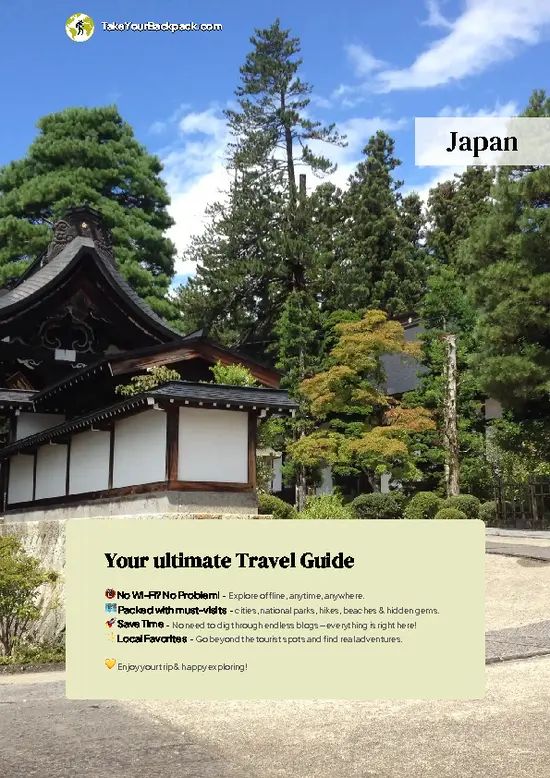
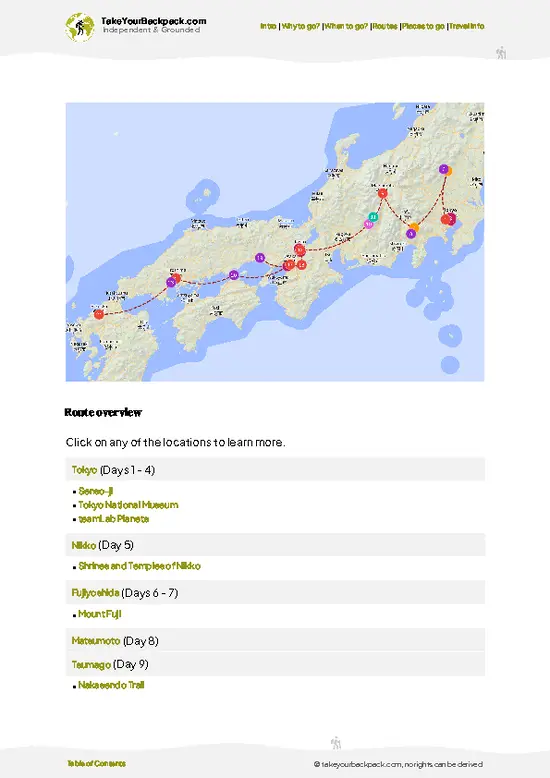
example page 0 from our offline Travel Guide for Japan
example page 1 from our offline Travel Guide for Japan
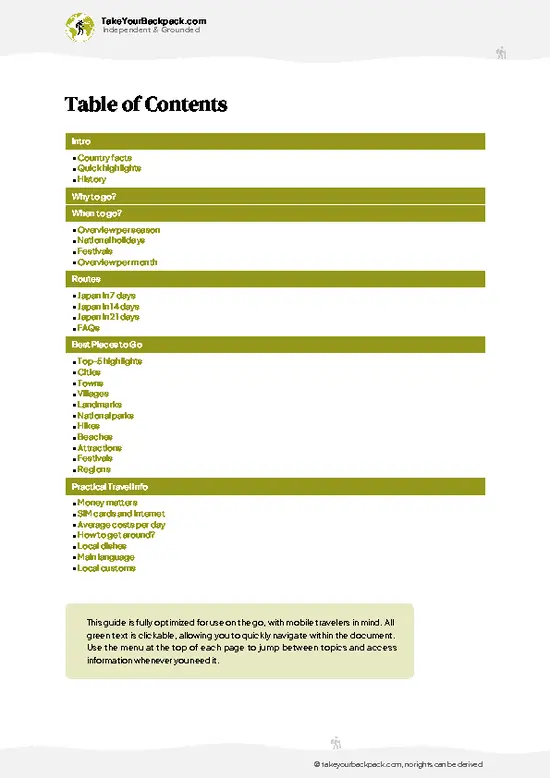
example page 2 from our offline Travel Guide for Japan
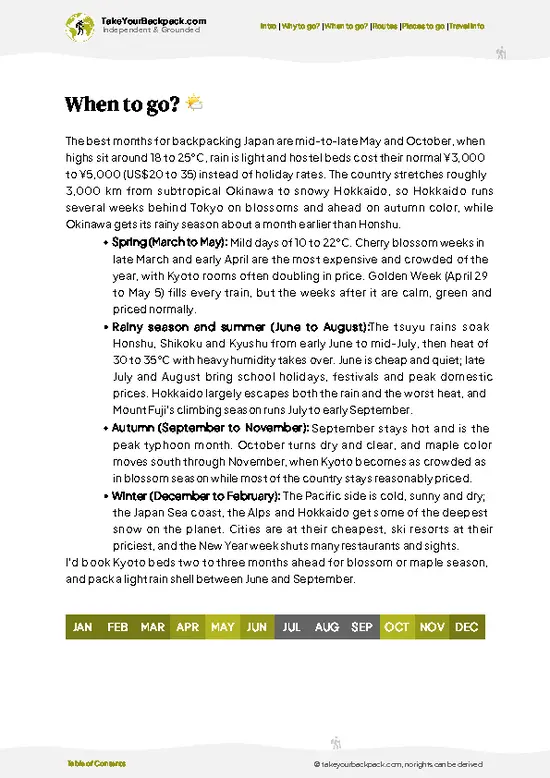
example page 3 from our offline Travel Guide for Japan
example page 4 from our offline Travel Guide for Japan
example page 5 from our offline Travel Guide for Japan
example page 6 from our offline Travel Guide for Japan
example page 7 from our offline Travel Guide for Japan
Loading the map 🌍
CLICK TO FILTER
cities
towns
villages
landmarks
national parks
hikes
beaches
attractions
festivals
regions
SHOW COUNTRY’S BESTSHOW ALL

✨ Why go?
Ranked #34 city in Japan
Why visitors keep coming back

Shimonoseki is a strategic stop for backpackers weaving through Japan. It’s not just about the highlights; it’s a basecamp for day trips to nearby attractions. The hostels here are budget-friendly and social, perfect for meeting fellow travelers. You’ll find delicious food options, from fresh seafood to local specialties, fueling your adventures. The city is walkable, making it easy to explore on foot, and the nightlife offers a laid-back vibe without overwhelming crowds. Plus, onward travel is a breeze, connecting you smoothly to other destinations. If you’re after a blend of convenience and character, Shimonoseki fits the bill.

💡 HighlightsPlaces and moments you shouldn't skip

Karato Market
This is the city’s pulse at breakfast. Fishermen unload the morning’s catch, and you get to eat it—sushi, fugu, uni—right at the counter. The energy is contagious, especially on weekends. Arrive before 10 a.m. for the freshest plates. Entry is free; expect to spend ¥1,000-¥2,500 for a satisfying meal. You’ll want at least an hour, but foodies could linger all morning.

Kanmon Bridge & Waterfront Promenade
This isn’t just a bridge—it’s a front-row seat to the Kanmon Straits’ ship traffic and tidal drama. Walk or rent a bike along the promenade for panoramic views and salty air. Free, open all day, but sunset is prime time. A full stroll takes about 45 minutes.

Akama Shrine
A vermilion shrine with a tragic backstory: Emperor Antoku’s resting place, tied to the epic Genpei War. The … read more 👉
Karato Market
This is the city’s pulse at breakfast. Fishermen unload the morning’s catch, and you get to eat it—sushi, fugu, uni—right at the counter. The energy is contagious, especially on weekends. Arrive before 10 a.m. for the freshest plates. Entry is free; expect to spend ¥1,000-¥2,500 for a satisfying meal. You’ll want at least an hour, but foodies could linger all morning.

Kanmon Bridge & Waterfront Promenade
This isn’t just a bridge—it’s a front-row seat to the Kanmon Straits’ ship traffic and tidal drama. Walk or rent a bike along the promenade for panoramic views and salty air. Free, open all day, but sunset is prime time. A full stroll takes about 45 minutes.

Akama Shrine
A vermilion shrine with a tragic backstory: Emperor Antoku’s resting place, tied to the epic Genpei War. The architecture is striking, and the sea breeze carries centuries of legend. Free entry. Early morning or late afternoon for quiet reflection. Allow 30-45 minutes.

Kaikyō Yume Tower
Shimonoseki’s skyline marker. The 143-meter tower’s observation deck gives you a 360-degree sweep—city, strait, and distant islands. ¥600 entry. Go late afternoon for golden-hour light. 30-60 minutes is plenty.

Haikara’t Yokocho Retro Street
A playful, nostalgia-soaked alleyway lined with Showa-era shops, snack stalls, and arcade games. It’s a time capsule for the senses. Free to wander; snacks and games from ¥100. Best in the afternoon or early evening. 30 minutes to an hour.

For day trips, the limestone caves of Akiyoshido, the samurai town of Chofu, and the Mojiko Retro district across the strait are all within easy reach—Akiyoshido is my personal favorite for its otherworldly underground beauty.
Spotted a mistake or missing something? Contact us.

Things to do near Shimonoseki

Ratings based on Tripadvisor reviews. When you book through this link, you support our work at no extra cost to you.

🏘️ NeighborhoodsWhere things are and how it's laid out

Shimonoseki offers a unique blend of coastal charm and urban convenience, making it a fascinating stop for backpackers.

Kawasaki District: This area buzzes with local eateries and shops. It’s budget-friendly, perfect for short stays. Walkable streets lead you to the waterfront, where you can enjoy fresh seafood. Nightlife is low-key, ideal for those who prefer a quieter evening.

Chuo District: The heart of Shimonoseki, it’s vibrant and well-connected. Expect a mix of affordable accommodations and lively bars. Great for longer stays, with plenty of transport options. The energy here is palpable, making it easy to meet fellow travelers.

Matsushima: A serene escape from the city’s hustle. It’s less walkable but offers stunning views and tranquility. Perfect for a day trip or a peaceful overnight … read more 👉
Shimonoseki offers a unique blend of coastal charm and urban convenience, making it a fascinating stop for backpackers.

Kawasaki District: This area buzzes with local eateries and shops. It’s budget-friendly, perfect for short stays. Walkable streets lead you to the waterfront, where you can enjoy fresh seafood. Nightlife is low-key, ideal for those who prefer a quieter evening.

Chuo District: The heart of Shimonoseki, it’s vibrant and well-connected. Expect a mix of affordable accommodations and lively bars. Great for longer stays, with plenty of transport options. The energy here is palpable, making it easy to meet fellow travelers.

Matsushima: A serene escape from the city’s hustle. It’s less walkable but offers stunning views and tranquility. Perfect for a day trip or a peaceful overnight stay. Ideal for those seeking a break from the urban pace.

⌛️ 1 dayWhat you can realistically do in a day

Shimonoseki, Japan, is a city where the sea meets rich history and culinary delights. Known for its famous blowfish (fugu) and the iconic Kanmon Bridge, it offers a unique blend of experiences that can easily fill a day.

Start your morning at the bustling Karato Market. Grab a fresh sushi breakfast from one of the local stalls. The energy here is contagious, and the flavors are unmatched. Afterward, stroll along the waterfront to the Kanmon Bridge. The views of the strait are breathtaking, especially as the sun rises.

In the afternoon, head to the historic Higashi Kojiro area. Explore the quaint streets and visit the Shimonoseki Historical Museum, where you can dive into the city’s maritime past. For something off the beaten path, check out the nearby Kameyama Park. It’s a peaceful spot, … read more 👉
Shimonoseki, Japan, is a city where the sea meets rich history and culinary delights. Known for its famous blowfish (fugu) and the iconic Kanmon Bridge, it offers a unique blend of experiences that can easily fill a day.

Start your morning at the bustling Karato Market. Grab a fresh sushi breakfast from one of the local stalls. The energy here is contagious, and the flavors are unmatched. Afterward, stroll along the waterfront to the Kanmon Bridge. The views of the strait are breathtaking, especially as the sun rises.

In the afternoon, head to the historic Higashi Kojiro area. Explore the quaint streets and visit the Shimonoseki Historical Museum, where you can dive into the city’s maritime past. For something off the beaten path, check out the nearby Kameyama Park. It’s a peaceful spot, perfect for a quick break.

As evening falls, treat yourself to dinner at a local izakaya. Try the fugu, if you’re feeling adventurous. The atmosphere is lively, and you’ll leave with a taste of Shimonoseki’s heart.

🌤️ When to go?Seasonal considerations and timing

  • Weather: Spring (March to May) and autumn (September to November) offer mild, dry conditions ideal for walking and exploring. Summers can be hot and humid, often exceeding 30°C (86°F), while winters are cool but rarely freezing.
  • Temperature: Spring averages 13-20°C (55-68°F), autumn 15-22°C (59-72°F), perfect for layering. Winter dips to around 5°C (41°F), which can feel sharp with wind near the coast.
  • Daylight Hours: Longer days in spring and autumn, roughly 11-13 hours, give you more daylight for sightseeing. Winter days shrink to about 9-10 hours, limiting outdoor time.
  • Crowds: Peak tourist influx hits during Golden Week (late April to early May) and autumn festivals. Visiting just before or after these spikes means fewer tourists and a more relaxed vibe.
  • Seasonal Activities: Spring
… read more 👉
  • Weather: Spring (March to May) and autumn (September to November) offer mild, dry conditions ideal for walking and exploring. Summers can be hot and humid, often exceeding 30°C (86°F), while winters are cool but rarely freezing.
  • Temperature: Spring averages 13-20°C (55-68°F), autumn 15-22°C (59-72°F), perfect for layering. Winter dips to around 5°C (41°F), which can feel sharp with wind near the coast.
  • Daylight Hours: Longer days in spring and autumn, roughly 11-13 hours, give you more daylight for sightseeing. Winter days shrink to about 9-10 hours, limiting outdoor time.
  • Crowds: Peak tourist influx hits during Golden Week (late April to early May) and autumn festivals. Visiting just before or after these spikes means fewer tourists and a more relaxed vibe.
  • Seasonal Activities: Spring brings cherry blossoms, a visual and cultural highlight. Autumn showcases vibrant foliage and local seafood festivals, especially fugu (pufferfish) season, a must-try for adventurous eaters.
  • Price Fluctuations: Accommodation and transport costs rise sharply during Golden Week and autumn festivals. Off-peak spring and late autumn offer better deals without sacrificing experience quality.
Pro-tip: Aim for early April or late October to balance pleasant weather, manageable crowds, and wallet-friendly prices—this is when Shimonoseki’s character shines brightest without the hassle.


source: climatestotravel.comJANJanuary: fair for travelingFEBFebruary: fair for travelingMARMarch: highly recommended for travelingAPRApril: excellent for travelingMAYMay: good for travelingJUNJune: fair for travelingJULJuly: fair for travelingAUGAugust: fair for travelingSEPSeptember: highly recommended for travelingOCTOctober: excellent for travelingNOVNovember: highly recommended for travelingDECDecember: good for traveling
when-to-go

✈️ The backpacker research shortcutJapan Travel Guide

An offline-friendly backpacking guide with optimized travel routes, ranked highlights, transport advice, and the best areas to stay.
example page 0 from our offline Travel Guide for Japan
example page 1 from our offline Travel Guide for Japan
example page 2 from our offline Travel Guide for Japan
example page 3 from our offline Travel Guide for Japan
example page 4 from our offline Travel Guide for Japan
example page 5 from our offline Travel Guide for Japan
example page 6 from our offline Travel Guide for Japan
example page 7 from our offline Travel Guide for Japan
The digital guide (475 pages) contains:
✅ 139 highlights, ranked by travel appeal
✅ Optimized 7, 14 & 21-day travel routes
✅ Cities, national parks, landmarks, beaches
✅ How to get around
✅ Offline-friendly for travel without Wi-Fi
👉 Click to see all 30+ guide features

📅 Plan smarter in minutes, not weeks
✅ Month by month travel advice
✅ Festivals & national holidays
✅ Budget expectations

🗺️ Go to the right places, skip the overrated ones
✅ Honest pros & cons of destinations
✅ Top hikes, parks & viewpoints
✅ Lesser-known places most travelers miss
✅ Clear “worth it vs skip it” guidance

🛏️ Travel smoothly without rookie mistakes
✅ Best areas to stay
✅ Transport systems explained simply
✅ Common scams & safety advice
✅ SIM cards, money & practical tips

🌍 Understand the country, not just visit it
✅ Culture & traditions
✅ 52 Essential phrases & customs
✅ Festivals worth planning around
✅ Traveler-friendly historical context
✅ Insights that make places more meaningful

📱 Built for real travel conditions
✅ Fully downloadable PDF
✅ Works completely offline
✅ Optimized for phone use
✅ Useful in remote areas & buses
✅ Everything in one place
Stop searching, start planning
Get instant access to your full guide. 30‑day money-back guarantee.
+ Add another guide for just

By proceeding you agree to our terms.
Sent to your inbox immediately after payment • 100% Secure Checkout
Best Backpacking Travel Advisor 2025 tourism awardBest Backpacking
Travel Advisor
2025
What others say about Take Your Backpack Guides:
⭐⭐⭐⭐⭐
Fantastic, amazing amount of information!
⭐⭐⭐⭐⭐
My goodness this is amazing, it's what I've been looking for hats off too you!
⭐⭐⭐⭐⭐
I think this is absolutely BRILLIANT
⭐⭐⭐⭐
Very complete and informative. It's still missing places, but I gotta to commend you
⭐⭐⭐⭐⭐
This is truly amazing, thank you, can't wait to explore it with my kids!
⭐⭐⭐⭐⭐
Awesome resource, thank you!
⭐⭐⭐⭐⭐
This is amazing! Can't wait to explore the ones I haven't seen
⭐⭐⭐⭐
I love this! Well done, great idea.
⭐⭐⭐⭐⭐
Thanks for taking the time to make this gem!
⭐⭐⭐⭐⭐
This might be the best website I've ever seen.
⭐⭐⭐⭐⭐
Congratulations, and thank you so much for your work; it's incredibly valuable.
⭐⭐⭐⭐
In all seriousness I think you did a great job pointing out the important spots
⭐⭐⭐⭐⭐
10/10 very good
⭐⭐⭐⭐⭐
As someone who's only just starting to visit regularly this is awesome, thank you.
⭐⭐⭐⭐
Thank you very much! I'm going to visit my dad, it's going to be very useful!
⭐⭐⭐⭐⭐
This is really cool! We'll be travelling for the first time and this definitely come in handy.
⭐⭐⭐⭐⭐
You are now our minister of culture, congratulations 👨‍💼
⭐⭐⭐⭐⭐
Just wanted to tell you that this is a pearl! Going to follow your recommendations.
⭐⭐⭐⭐⭐
This is so cool. I'll definitely be using the resource for my travels soon.
⭐⭐⭐⭐⭐
This is very impressive! Good work.
⭐⭐⭐⭐⭐
This is an amazing and informative site. Very well done!

🛏️ Where to stay?How to pick the right area

In Shimonoseki, the best spot for backpackers is the area around the JR Shimonoseki Station. It’s a practical hub—safe, easy to navigate, and packed with budget hostels that cater to solo travelers. This zone strikes a solid balance: you’re close enough to local eateries and the fish market to soak in authentic vibes without the tourist crowds overwhelming your experience. Compared to the quieter, more residential neighborhoods, this area buzzes just enough to keep you connected but never feels chaotic. If you want social energy without sacrificing comfort or your wallet, this is your base camp for exploring Shimonoseki efficiently.

🚌 Getting aroundGetting around like a local

Shimonoseki moves at a pace that’s neither frantic nor sluggish—it’s a city where the rhythm feels like a well-rehearsed haiku. You’ll find a blend of punctuality and laid-back charm, where trains and buses stick to schedules but locals navigate with a calm, intuitive flow. This balance means your transit choices aren’t just about getting from A to B; they’re about syncing with the city’s pulse, deciding how much time, money, and comfort you’re willing to trade for the experience.
  • JR Sanyo Main Line: Runs from early morning (around 5:30 AM) to just before midnight, with fares starting at about 200 yen for short hops. It’s fast and reliable, perfect if you want to cover ground quickly without breaking the bank, but expect standard commuter comfort—no frills, just efficiency.
  • Shimonoseki City
… read more 👉
Shimonoseki moves at a pace that’s neither frantic nor sluggish—it’s a city where the rhythm feels like a well-rehearsed haiku. You’ll find a blend of punctuality and laid-back charm, where trains and buses stick to schedules but locals navigate with a calm, intuitive flow. This balance means your transit choices aren’t just about getting from A to B; they’re about syncing with the city’s pulse, deciding how much time, money, and comfort you’re willing to trade for the experience.
  • JR Sanyo Main Line: Runs from early morning (around 5:30 AM) to just before midnight, with fares starting at about 200 yen for short hops. It’s fast and reliable, perfect if you want to cover ground quickly without breaking the bank, but expect standard commuter comfort—no frills, just efficiency.
  • Shimonoseki City Bus: Operating roughly between 6 AM and 9 PM, fares hover around 200-300 yen. Buses are slower but drop you closer to local neighborhoods and markets, offering a more immersive, if less comfortable, ride. Great if you want to stretch your legs and soak in street-level life.
  • Walking: Shimonoseki’s compact downtown rewards those who choose their own pace. Zero cost, full control over your time, and the chance to discover tucked-away shops and eateries. Just be ready for some hills and occasional weather shifts.
  • Taxi: Available 24/7 but pricey—starting fare around 600 yen with incremental charges. Offers door-to-door comfort and speed, ideal if you’re hauling gear or running late, but it’s a trade-off in budget and local interaction.

👛 Costs (as of 23 September 2026)Money, prices, and spending tips

Backpacking in Shimonoseki, Japan, offers a clear-cut balance between cost and comfort, letting you tailor your experience without surprises. Here’s the breakdown of what you’ll typically spend each day:
  • Dorm Accommodation (High Season): Expect to pay around $25 to $35 per night. This is when demand spikes, especially during local festivals or holidays, so prices reflect that.
  • Dorm Accommodation (Off-Season): Dropping to about $15 to $25, off-season rates give you more breathing room in your budget without sacrificing basic comfort.
  • Meals: Budget around $10 to $20 daily if you stick to local eateries and convenience stores. Shimonoseki is famous for its fresh seafood, so splurging a bit here can be worth it, but you can keep costs low with simple rice bowls and street snacks.
  • Local Transport:
… read more 👉
Backpacking in Shimonoseki, Japan, offers a clear-cut balance between cost and comfort, letting you tailor your experience without surprises. Here’s the breakdown of what you’ll typically spend each day:
  • Dorm Accommodation (High Season): Expect to pay around $25 to $35 per night. This is when demand spikes, especially during local festivals or holidays, so prices reflect that.
  • Dorm Accommodation (Off-Season): Dropping to about $15 to $25, off-season rates give you more breathing room in your budget without sacrificing basic comfort.
  • Meals: Budget around $10 to $20 daily if you stick to local eateries and convenience stores. Shimonoseki is famous for its fresh seafood, so splurging a bit here can be worth it, but you can keep costs low with simple rice bowls and street snacks.
  • Local Transport: Single bus or ferry rides typically cost between $1.50 and $3.50. These short hops are affordable and frequent, making it easy to get around without a car.
  • City Transport Pass: If you plan to move around a lot, a day pass for buses and ferries runs about $5 to $7, which can save money if you’re hopping on and off multiple times.
  • Basic Activities/Entry Fees: Museums, gardens, and historical sites usually charge between $3 and $8. Many places offer discounts for students or combined tickets, so keep an eye out.
  • Miscellaneous Expenses: Think small extras like bottled water, snacks, or a quick coffee—budget $3 to $7 daily to cover these without stress.

All told, you’re looking at roughly $40 to $70 per day for a no-surprises, independent backpacking trip in Shimonoseki. This range gives you flexibility: tighten the belt or indulge a little on meals or activities without breaking the bank. The key is knowing where to invest your time and money for the best payoff—like catching a ferry ride for the views rather than a pricey taxi.


source: visit-japan.jp
⚠️ Prices can change and everyone travels differently, so take this as a rough guide. Hope it helps you plan your adventure!

🚌 Day tripsBest day trips from Shimonoseki

Shimonoseki is a fantastic launchpad for day trips that blend culture, nature, and local flavor. Here are some standout options.

Kita-Kyushu
Just a 40-minute train ride away, Kita-Kyushu offers a vibrant mix of industrial history and green spaces. Explore the Mojiko Retro area, where old buildings meet the sea, or hike up to the scenic Kokura Castle. Budget around ¥1,500 for transport and snacks. Spring is ideal for cherry blossoms, but fall colors are equally stunning. A common mistake? Skipping the local street food—don’t miss the yakitori!


Tsushima Island
A ferry ride of about 1.5 hours takes you to Tsushima, where you can hike its rugged trails or visit ancient shrines. The island’s natural beauty is a breath of fresh air, and you can do it all for under ¥3,000, including the ferry. … read more 👉
Shimonoseki is a fantastic launchpad for day trips that blend culture, nature, and local flavor. Here are some standout options.

Kita-Kyushu
Just a 40-minute train ride away, Kita-Kyushu offers a vibrant mix of industrial history and green spaces. Explore the Mojiko Retro area, where old buildings meet the sea, or hike up to the scenic Kokura Castle. Budget around ¥1,500 for transport and snacks. Spring is ideal for cherry blossoms, but fall colors are equally stunning. A common mistake? Skipping the local street food—don’t miss the yakitori!


Tsushima Island
A ferry ride of about 1.5 hours takes you to Tsushima, where you can hike its rugged trails or visit ancient shrines. The island’s natural beauty is a breath of fresh air, and you can do it all for under ¥3,000, including the ferry. Late spring is perfect for wildflowers. First-timers often underestimate the ferry schedule, so check ahead to avoid long waits.


Yamaguchi City
Only an hour away by train, Yamaguchi is rich in history and culture. Visit the Ruriko-ji Temple with its five-story pagoda, or stroll through the beautiful gardens. Expect to spend around ¥1,200 for the round trip. Autumn is particularly lovely here. Many overlook the local onsen; don’t miss a soak after your explorations!

🍲 FoodWhat to Eat & Drink

Shimonoseki is a food lover’s paradise, especially known for its fugu (pufferfish). This delicacy isn’t just a meal; it’s an experience, often served in sashimi or hot pot. The thrill of trying fugu comes with a side of caution, as it requires skilled preparation.

Wander through the local markets where vendors serve up grilled seafood and soba noodles. The air is filled with the scent of yakitori, skewered chicken grilled to perfection. For drinks, don’t miss the local sake; it’s often enjoyed warm and pairs beautifully with the region’s seafood.

Etiquette is key here. Slurping your noodles is a sign of appreciation, while sharing small plates fosters a sense of community. Embrace the casual vibe of izakayas, where you can sip and savor the night away with fellow travelers and locals alike.

🛡️ SafetySafety Tips and Common Scams in Shimonoseki

Shimonoseki is generally safe, but a few tips can enhance your experience. Stay alert in crowded areas, especially around the bustling fish market; pickpockets can be opportunistic. If you’re solo and out at night, stick to well-lit streets and avoid quiet alleys. Most locals are friendly, but be cautious of overly eager vendors near tourist spots—they might push for sales. Carry cash, as some places don’t accept cards, and always keep your belongings close. Trust your instincts; they’re your best guide.

FAQTraveler FAQ

2 to 3 days is sufficient to explore Shimonoseki, covering its main attractions like the Karato Market, Akama Shrine, and the Kanmon Strait. Day trips to nearby areas like Mojiko are also feasible. This timeframe allows for a relaxed pace without rushing.
Yes, Shimonoseki is safe for solo backpackers. The city has low crime rates and a friendly local population, making it comfortable for solo travelers to navigate. Basic Japanese language skills help but are not mandatory for safety.
Shimonoseki is known for its seafood, especially fugu (pufferfish), which is a local delicacy served in many restaurants. It is also famous for the Kanmon Straits, a strategic waterway separating Honshu and Kyushu, and its historical sites related to the Battle of Dan-no-ura.
⚠️ Things can change over time, so always validate details locally before you go.

Other Japanese cities near Shimonoseki

Explore more nearby:

  • Yamaguchi—pagoda, hot springs, literary history| 55 km away
  • Fukuoka—canal-side dining, city beaches, ramen alleys| 64 km away
  • Beppu—hot spring hells, steam baths, mountain backdrop| 90 km away

💡 Not sure where to go next?
Create a personalized itinerary for Japan including Shimonoseki and the places that fit your trip.

Generate my itinerary

👉 Discover all cities

Or checkout all Japan has to offer (think cities, towns, villages, national parks, hikes, beaches, festivals)
Country photo of Japan

We 💚 feedbackWhat to keep in mind

Shimonoseki is a seafood lover’s paradise, especially for its fresh fugu. But be ready for a slower pace; this isn’t a bustling metropolis. If you’re craving authentic local culture over tourist chaos, it’s worth the trade-off. Just don’t expect a whirlwind itinerary.

✈️ When did I visit Japan?
As part of my 1.5 year travel around the world trip, I visited Japan in August 2015.

✍️ Help improve this page!
The information on this page is based on my own backpacking experience in Japan, supplemented with up-to-date research and feedback from other travelers. Travel details can change, so if you notice anything outdated or incomplete, feel free to let me know.


🙋‍♂️ Give feedback

👋 Meet the founderWho’s Behind Take Your Backpack?

Johan, backpacker and founder of TakeYourBackpackHi, I’m Johan (Netherlands 🇳🇱), the creator of TakeYourBackpack. Over the past 3 decades, I’ve backpacked through 90+ countries across six continents, gaining extensive experience with independent travel, long-term trips, and overland routes.

This site is built on a combination of firsthand travel experience and carefully curated insights from other backpackers. Many guides are based on places I’ve personally visited, while others bring together tips, observations, and practical advice shared by trusted travelers I’ve met along the way.

The goal is to provide realistic, experience-driven guidance — not generic itineraries — so you can explore destinations with better context, clearer expectations, and more confidence.