v2.webp)


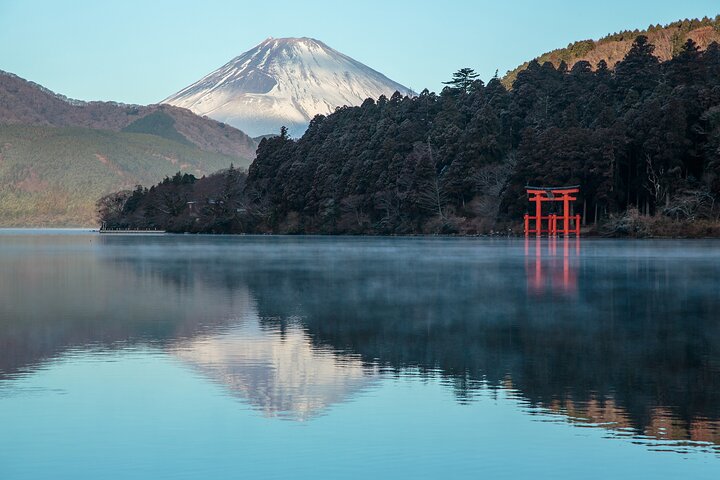
- Hakone Shrine (Hakone Jinja) — A compact Shinto shrine tucked into a cedar forest on Lake Ashi with a photogenic red torii that appears to float on the water. Quiet, atmospheric, and a proper taste of local religious life; great for a peaceful stroll and shrine stamps (goshuin).
- Lake Ashi (Ashinoko) & Moto-Hakone — The lake itself is the stage: scenic wakes, pirate-ship cruises, shoreline walks and the old Moto-Hakone post-town with teahouses and shops. Clear days give classic Fuji views; the lakeside is where Hakone’s history and tourist energy meet in a small area you can actually wander.
- Hakone Open-Air Museum — Big outdoor sculpture park set in rolling hills, plus an indoor Picasso Pavilion and hot-spring foot baths. It’s a rare combo of modern art you can walk around and a relaxed
- Hakone Shrine (Hakone Jinja) — A compact Shinto shrine tucked into a cedar forest on Lake Ashi with a photogenic red torii that appears to float on the water. Quiet, atmospheric, and a proper taste of local religious life; great for a peaceful stroll and shrine stamps (goshuin).
- Lake Ashi (Ashinoko) & Moto-Hakone — The lake itself is the stage: scenic wakes, pirate-ship cruises, shoreline walks and the old Moto-Hakone post-town with teahouses and shops. Clear days give classic Fuji views; the lakeside is where Hakone’s history and tourist energy meet in a small area you can actually wander.
- Hakone Open-Air Museum — Big outdoor sculpture park set in rolling hills, plus an indoor Picasso Pavilion and hot-spring foot baths. It’s a rare combo of modern art you can walk around and a relaxed place to spend a few hours away from the crowds.
- Owakudani (Great Boiling Valley) — A volcanic valley with sulfur vents and the infamous kuro-tamago (black eggs). It’s raw, geothermal Japan — bring a mask if the sulfur is strong and check for closures, but when it’s accessible it’s a memorable, otherworldly visit.
- Hakone Sekisho (Hakone Checkpoint) — A faithful reconstruction of the Edo-period checkpoint that once controlled travel on the Tōkaidō. Low-key museum, samurai-era atmosphere, and a short stroll from the lake that helps you mentally time-travel to old Japan.
- Hakone Tozan Railway & Gora area — The mountain switchback railway and the connecting cable car are attractions in themselves: narrow-gauge, steep grades, hydrangeas in season and great views from the windows. Get off at Gora to explore cafés, small museums, and the park without leaving the rail corridor.
- Gora Park — A tidy, European-style public park with greenhouses, a tea room and a small craft studio; it’s pleasant, accessible, and right by Gora Station. Good for a low-effort break, and they sometimes have hands-on workshops if you want something practical to do.
- Pola Museum of Art — A woodland museum with a tasteful modern building and a strong Impressionist/modern collection, plus well-integrated nature walks outside. Less crowded than the big city museums; the architecture and light make it a calming stop for art lovers.
- Lalique Museum (Le Musée Lalique Hakone) — A small, beautifully curated museum dedicated to René Lalique’s glasswork, set in a quiet garden. It’s niche but genuinely special for design and craft fans — elegant displays, quiet galleries, and a sense of luxury that’s not ostentatious.
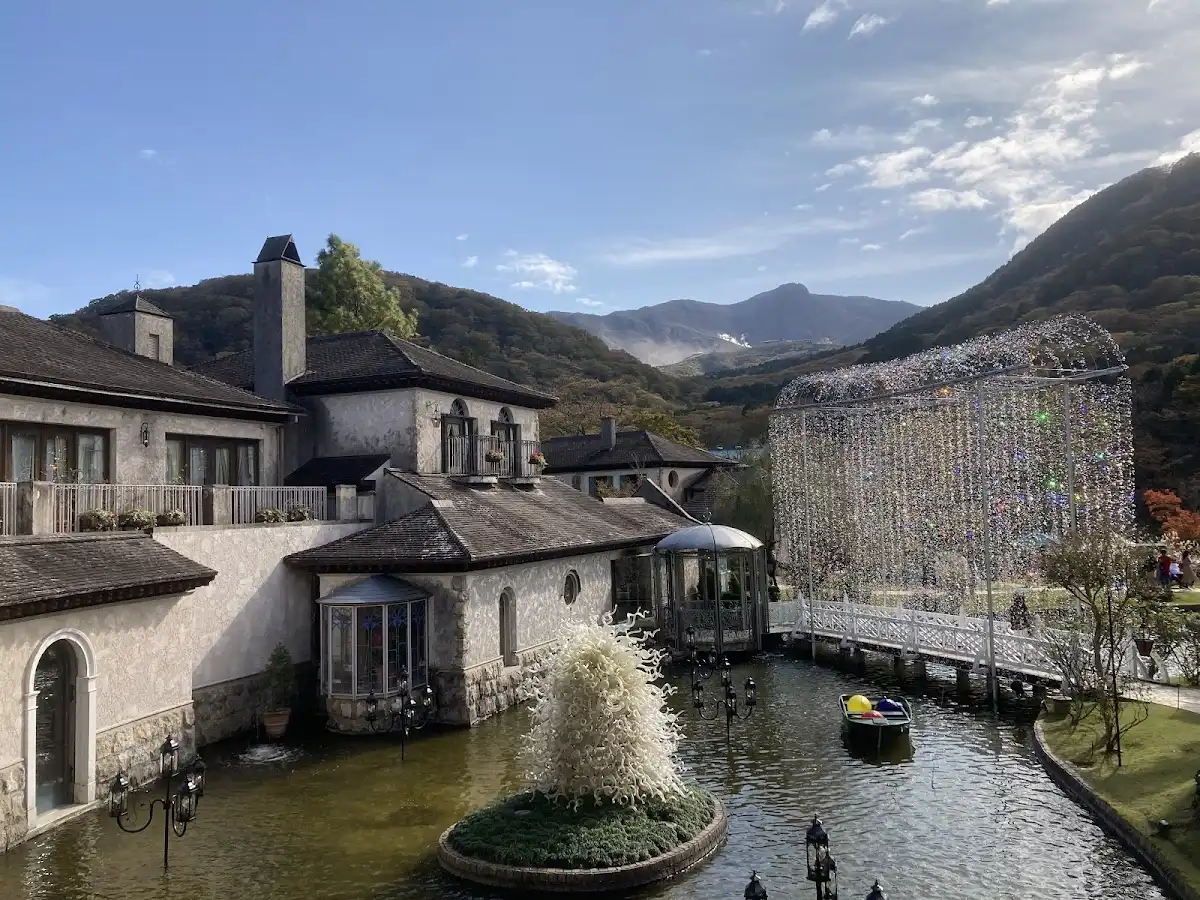
- Hakone Glass no Mori (Venetian Glass Museum) — A romantic little museum and garden focused on Venetian glass, with colorful displays, a chapel, and glass-blowing demonstrations. It’s touristy but charming — the gardens and café make it a nice slow-stop between bigger sights.
Spotted a mistake or missing something? Contact us.

Hakone Customized Private Tour in 1 Day with Licensed Guide
Custom Private Tour in Hakone with a Certified Local Guide

Private Hakone Half-day Car Tour with Hotel Pickup - Local Guide

Private Tour - Hakone Day Trip! A Tour to Explore All Must-Sees!
Hakone Full-Day Customized Private Tour with Licensed Guide
Hike Japan Heritage Hakone Hachiri with certified mountain guide
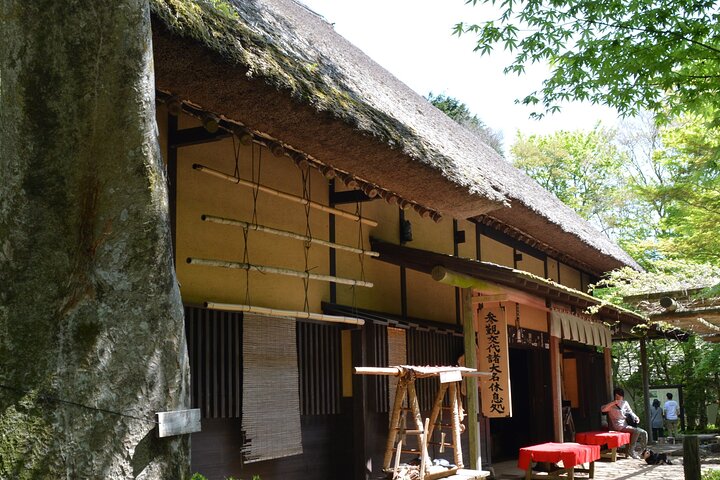
Hike Hakone Hachiri

Hakone Private Custom Tour: Mt. Fuji View, Nature & Shrine
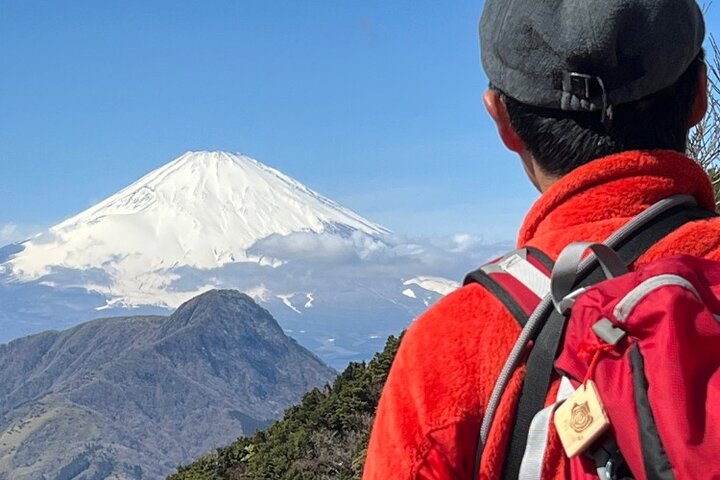
Traverse Outer Rim of Hakone Caldera and Enjoy Onsen Hiking Tour

 Best Backpacking
.jpg) Hi, I’m Johan (Netherlands 🇳🇱), the creator of TakeYourBackpack. Over the past 3 decades, I’ve backpacked through 90+ countries across six continents, gaining extensive experience with independent travel, long-term trips, and overland routes.
Hi, I’m Johan (Netherlands 🇳🇱), the creator of TakeYourBackpack. Over the past 3 decades, I’ve backpacked through 90+ countries across six continents, gaining extensive experience with independent travel, long-term trips, and overland routes.