How Many Towns: I advise
four to six towns on a trip of two weeks, because Japan’s travel friction sits in the transfers, not the sights. Each move costs half a day of packing, station changes and check-in rules, so more than six stops turns the journey into a series of arrivals. Two to three nights in a place lets you see it in morning and evening light, when day-trip crowds thin and the streets change character.
Prioritizing by Style: Pick the kind of town by what you want from the days.
Culture and architecture seekers should favor castle towns and preserved post-towns, accepting crowds and arriving before 9 am or after 4 pm.
Hikers and slow travelers do better in mountain and pilgrimage-route towns, where trails run from the edge of town but buses are infrequent.
Budget travelers get the …
read more 👉 How Many Towns: I advise
four to six towns on a trip of two weeks, because Japan’s travel friction sits in the transfers, not the sights. Each move costs half a day of packing, station changes and check-in rules, so more than six stops turns the journey into a series of arrivals. Two to three nights in a place lets you see it in morning and evening light, when day-trip crowds thin and the streets change character.
Prioritizing by Style: Pick the kind of town by what you want from the days.
Culture and architecture seekers should favor castle towns and preserved post-towns, accepting crowds and arriving before 9 am or after 4 pm.
Hikers and slow travelers do better in mountain and pilgrimage-route towns, where trails run from the edge of town but buses are infrequent.
Budget travelers get the most from rural towns in Shikoku, Kyushu and the Sea of Japan coast, where rooms and food cost less and crowds are minimal.
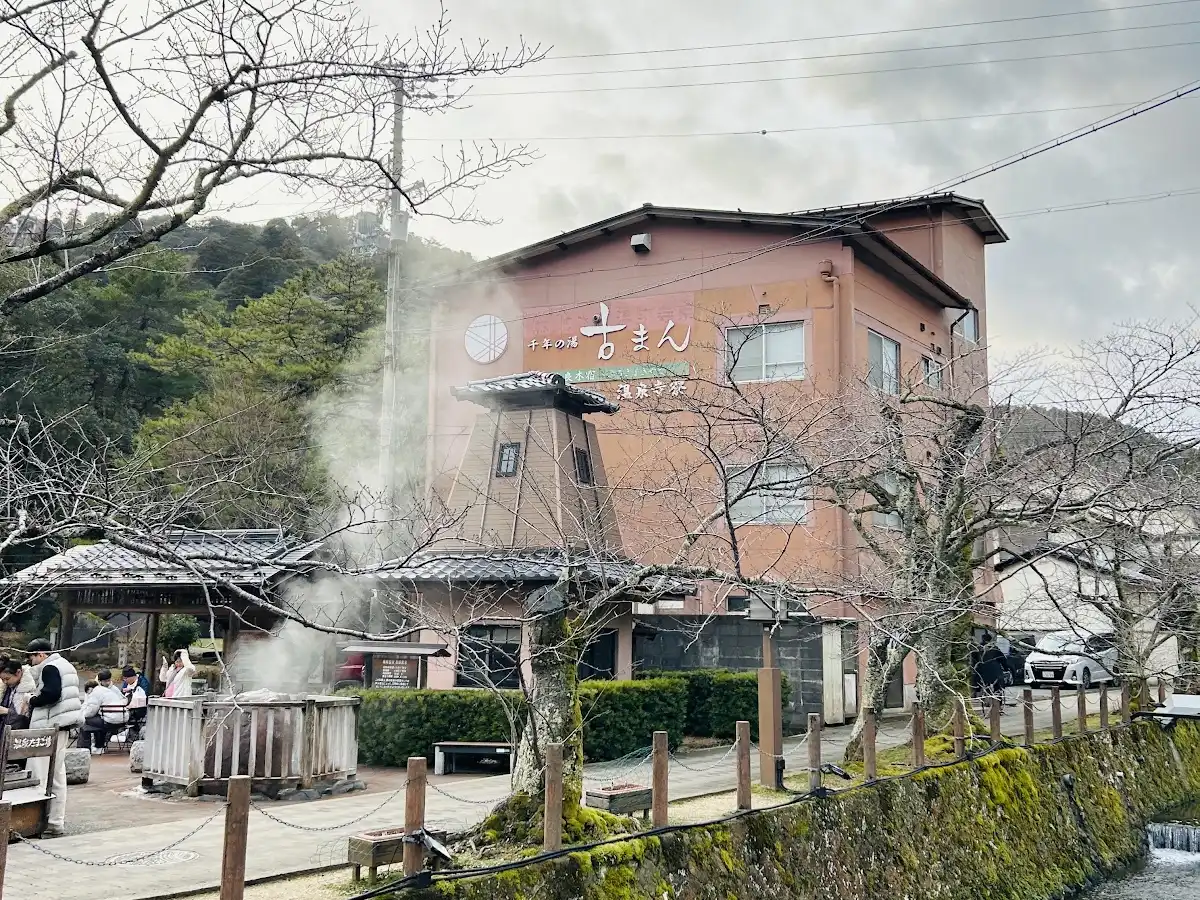
Onsen lovers should pick one hot-spring town and stay a full night, because the value is in the bath, the dinner and the early morning soak rather than a quick visit. Mixing one of each kind keeps the trip varied.
Budget: Backpackers can manage on
US$55 to 90 a day (about ¥8,000 to 13,500), higher than in much of Asia but achievable. Hostels and guesthouses run ¥3,000 to 5,500 (US$20 to 37) for a dorm bed, business hotels ¥7,000 to 12,000 (US$47 to 80) for a single, and ryokan with dinner and breakfast ¥12,000 to 30,000 (US$80 to 200) per person. Meals at set-lunch restaurants and convenience stores cost ¥800 to 1,500 (US$5 to 10), which is the smartest way to eat well cheaply since lunch menus are often half the price of dinner. Entry fees are modest: shrines are often free, temples and castles ¥300 to 1,000 (US$2 to 7), museums ¥500 to 1,500. Guided walks or local volunteer guides run free to ¥5,000 (up to US$33). Local transport adds ¥500 to 1,500 a day, and long rail legs cost ¥3,000 to 10,000 (US$20 to 67), which is why regional passes are worth pricing against point-to-point tickets.
Safety: Japan is among the safest countries for solo and female travelers, and petty crime is rare, so the main risks are
natural. Earthquakes, typhoons and, in snow country, road closures are handled with clear public alerts; download a disaster alert app and note the evacuation signs in your lodging. Summer heatstroke sends many visitors to clinics, so carry water and avoid midday walking in July and August. In rural areas, bears are active from spring to autumn, particularly in Tohoku and the Alps, and trail bells are commonly sold or rented for a reason.
Cultural Considerations: Small towns run on
quiet courtesy. Remove shoes at inns, temples and many restaurants, and keep voices low on trains and in residential streets, where old districts are people’s homes, not exhibits. Do not photograph residents or enter private lanes marked with signs. Tattoos can restrict access to some public baths, so check policies ahead or book a private bath. Tipping is not expected and can cause confusion. Many small places close one day a week, often Monday or Tuesday, and kitchens stop taking last orders early, so eat when it is offered. Carry cash and a few phrases of Japanese, since both open doors quickly.
v2.webp)
 Best Backpacking
.jpg) Hi, I’m Johan (Netherlands 🇳🇱), the creator of TakeYourBackpack. Over the past 3 decades, I’ve backpacked through 90+ countries across six continents, gaining extensive experience with independent travel, long-term trips, and overland routes.
Hi, I’m Johan (Netherlands 🇳🇱), the creator of TakeYourBackpack. Over the past 3 decades, I’ve backpacked through 90+ countries across six continents, gaining extensive experience with independent travel, long-term trips, and overland routes.