

×

Japan🇯🇵 | townsTakayamawooden merchant houses, morning markets, sake breweries | things to do and best time to go

Explore Ouchi-jukuExplore Nikko

Backpacking in Takayama
🌟 Highlighttown ranked #3
By Johan Kruseman 🇳🇱 | Updated July 30, 2026

A decade ago Takayama felt like a quiet mountain town where the old streets went dark by 8 p.m. and you’d share the whole morning market with a few grandmas and a stray dog. Today the lantern-lit alleys are busier, souvenir shops louder, but the air still smells of cedar, soy, and river water if you step one block off the main drag. Takayama sits in the Japanese Alps in Gifu Prefecture, roughly between Nagoya and Toyama, and works best as a soft-landing mountain stop on a longer route: a base for Shirakawa-go, alpine buses to Kamikochi, and slow wanders through the compact old town. Trains and buses make it easy to reach; once here, you walk almost everywhere. It’s calmer and more scenic than Nagoya, more lived-in than Shirakawa-go, with cozy hostels, early nights, moderate prices, and very low-stress, very safe streets.

Discover everything you want to know in the 📖 Japan Travel Guide.


Get your Japan guide
140 ranked highlights, routes & tips, works offline (482 pages)
Loading the map 🌍
CLICK TO FILTER
cities
towns
villages
landmarks
national parks
hikes
beaches
attractions
festivals
regions
SHOW COUNTRY’S BESTSHOW ALL

✨ Why go?
Ranked #3 town in Japan
Why visitors keep coming back

In the heart of Japan’s mountainous region, Takayama serves as a pivotal stop for backpackers seeking a blend of culture and nature. The town’s walkable streets are lined with traditional wooden houses, inviting you to wander and soak in the scent of cedar from nearby forests. It’s a gateway to stunning hikes in the surrounding Japanese Alps, making it ideal for those who crave the outdoors.

Backpackers often find themselves lingering here, drawn by the small-scale hostels and guesthouses that foster a friendly, communal atmosphere. You’ll meet fellow travelers over bowls of local ramen or at the bustling morning markets, where the aroma of fresh produce fills the air. This isn’t a party town; instead, it’s perfect for slow travelers and solo adventurers looking to connect with others or … read more 👉
In the heart of Japan’s mountainous region, Takayama serves as a pivotal stop for backpackers seeking a blend of culture and nature. The town’s walkable streets are lined with traditional wooden houses, inviting you to wander and soak in the scent of cedar from nearby forests. It’s a gateway to stunning hikes in the surrounding Japanese Alps, making it ideal for those who crave the outdoors.

Backpackers often find themselves lingering here, drawn by the small-scale hostels and guesthouses that foster a friendly, communal atmosphere. You’ll meet fellow travelers over bowls of local ramen or at the bustling morning markets, where the aroma of fresh produce fills the air. This isn’t a party town; instead, it’s perfect for slow travelers and solo adventurers looking to connect with others or simply enjoy a quiet moment by the river.

While some might use Takayama as a brief stopover, many stay a few days to fully appreciate its charm. If you’re into cultural experiences and nature, this town is a must-visit, offering a rich tapestry of experiences that feel both authentic and rewarding.
Want to include Takayama in your Japan route?
Create a personalized Japan itinerary that includes Takayama and the places that fit your trip — based on your travel style, budget, and available time. Get your route in seconds.

Generate my trip

💡 HighlightsPlaces and moments you shouldn't skip

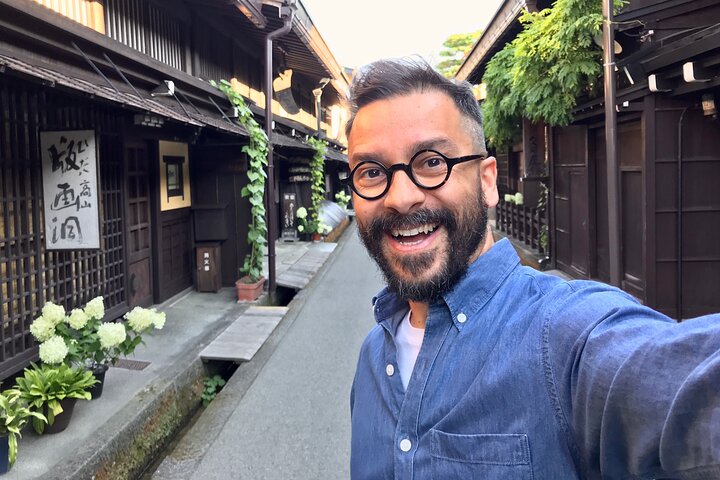
  1. Sanmachi Suji (Historic Old Town) — Narrow, preserved Edo-period streets lined with wooden merchant houses, sake shops and craft stalls; wandering here feels like stepping back a few centuries and it’s the best place to soak up Takayama’s atmosphere on foot.
  2. Takayama Jinya — The only surviving provincial government office from the Edo era; well-restored rooms, magistrate’s chambers and administrative records give a clear window into how the region was run under the shogunate.
  3. Miyagawa Morning Market — A lively riverside market where locals sell seasonal produce, pickles and handmade snacks; great for tasting local flavors and watching everyday Takayama life unfold.
  4. Hida Folk Village (Hida no Sato) — Open-air museum of relocated gassho-zukuri farmhouses and traditional buildings; walking
read more 👉
  1. Sanmachi Suji (Historic Old Town) — Narrow, preserved Edo-period streets lined with wooden merchant houses, sake shops and craft stalls; wandering here feels like stepping back a few centuries and it’s the best place to soak up Takayama’s atmosphere on foot.
  2. Takayama Jinya — The only surviving provincial government office from the Edo era; well-restored rooms, magistrate’s chambers and administrative records give a clear window into how the region was run under the shogunate.
  3. Miyagawa Morning Market — A lively riverside market where locals sell seasonal produce, pickles and handmade snacks; great for tasting local flavors and watching everyday Takayama life unfold.
  4. Hida Folk Village (Hida no Sato) — Open-air museum of relocated gassho-zukuri farmhouses and traditional buildings; walking between thatched roofs and farm tools brings the mountain folk culture to life.
  5. Takayama Festival Floats Exhibition Hall (Yatai Kaikan) — Intricately decorated festival floats from the famous spring and autumn festivals are on display year-round, so you can see the craftsmanship even when the festivals aren’t happening.
  6. Kusakabe Heritage House (Kusakabe Mingei-kan) — A beautifully preserved merchant’s home in Sanmachi with original architecture and folk crafts; quieter than the main streets and full of small tactile details.
  7. Sakurayama Hachiman Shrine — Historic shrine tied to Takayama’s festivals; the approach and steps are atmospheric, and the shrine area gives good context for local beliefs and seasonal rituals.
  8. Higashiyama Walking Course — A relaxed temple-and-teahouse walk on the east side of town with small temples, viewpoints and peaceful lanes — perfect if you want a contemplative hour away from the crowds.
  9. Shiroyama Park & Castle Ruins — Short climb rewards you with wide views over Takayama and the surrounding hills; castle-ruin atmosphere, cherry blossoms in spring and photo-friendly vantage points.
  10. Masuichi-Ichimura Sake Brewery (and the Sake District) — Historic brewery with a small museum and tastings; touring any of the old sake houses in town is one of the best ways to connect with local craft and culinary culture.
A few great day trips close to Takayama: the UNESCO village of Shirakawa-go, the hot-spring town Gero Onsen, and the quieter canal town Hida Furukawa — I personally favor Hida Furukawa for its mellow canals, local vibe and low-key charm.
Spotted a mistake or missing something? Contact us.

Things to do around Takayama

Ratings based on Tripadvisor reviews. When you book through this link, you support our work at no extra cost to you.

🏘️ NeighborhoodsNeighborhood guide to Takayama

Takayama is a charming blend of tradition and nature, making it a must-visit for backpackers seeking authentic experiences. Here’s how to navigate its neighborhoods for the best stay.

Sanmachi Suji: This historic district is the heart of Takayama, where wooden merchant houses line the streets. The vibe is lively yet intimate, perfect for wandering. You’ll find sake breweries and quaint shops. It’s walkable, so you can easily explore on foot. Costs here can be higher due to the tourist appeal, but splurging on a local meal is worth it. Ideal for short stays, as you can soak in the atmosphere quickly.

Hida-Takayama Onsen: If relaxation is your goal, this area is a haven. The hot springs offer a soothing escape after a day of hiking. The vibe is quieter, perfect for unwinding. While it’s a … read more 👉
Takayama is a charming blend of tradition and nature, making it a must-visit for backpackers seeking authentic experiences. Here’s how to navigate its neighborhoods for the best stay.

Sanmachi Suji: This historic district is the heart of Takayama, where wooden merchant houses line the streets. The vibe is lively yet intimate, perfect for wandering. You’ll find sake breweries and quaint shops. It’s walkable, so you can easily explore on foot. Costs here can be higher due to the tourist appeal, but splurging on a local meal is worth it. Ideal for short stays, as you can soak in the atmosphere quickly.

Hida-Takayama Onsen: If relaxation is your goal, this area is a haven. The hot springs offer a soothing escape after a day of hiking. The vibe is quieter, perfect for unwinding. While it’s a bit farther from the main attractions, local buses make access easy. Prices vary, but you can find budget-friendly ryokans. Great for longer stays if you want to recharge and explore the surrounding nature.

Takayama Station Area: This is the transport hub, making it convenient for day trips to nearby attractions like Shirakawa-go. The atmosphere is more modern, with a mix of shops and eateries. It’s walkable, but not as picturesque as other areas. Costs are generally lower here, making it suitable for budget travelers. Perfect for short stays, especially if you’re on the move.

Yatai Kaikan: Known for its festival floats, this area offers a unique glimpse into Takayama’s culture. The vibe is festive, especially during events. It’s a bit quieter at night, which is great for those who prefer a peaceful stay. Walkable and accessible, it’s a good option for both short and longer visits, especially if you’re keen on local traditions.

⌛️ 1 dayWhat you can realistically do in a day

Takayama, Japan, is a charming town that feels like a step back in time. Nestled in the Japanese Alps, it’s known for its well-preserved Edo-period streets and vibrant morning markets. The air is crisp, and the scent of cedar wafts through the narrow lanes, inviting you to explore.

Start your day at the morning market along the Miyagawa River. The stalls brim with fresh produce, pickles, and local crafts. Grab a steaming bowl of miso soup from a vendor; the warmth will kickstart your adventure. As you sip, take in the soft light filtering through the trees, illuminating the wooden structures that line the riverbank. This is where the town’s heartbeat begins.

After the market, wander over to the Sanmachi Suji district. The wooden houses here are a feast for the eyes, with their intricate … read more 👉
Takayama, Japan, is a charming town that feels like a step back in time. Nestled in the Japanese Alps, it’s known for its well-preserved Edo-period streets and vibrant morning markets. The air is crisp, and the scent of cedar wafts through the narrow lanes, inviting you to explore.

Start your day at the morning market along the Miyagawa River. The stalls brim with fresh produce, pickles, and local crafts. Grab a steaming bowl of miso soup from a vendor; the warmth will kickstart your adventure. As you sip, take in the soft light filtering through the trees, illuminating the wooden structures that line the riverbank. This is where the town’s heartbeat begins.

After the market, wander over to the Sanmachi Suji district. The wooden houses here are a feast for the eyes, with their intricate facades and sake breweries. Pop into a local sake shop; the friendly staff will guide you through tastings. Don’t miss the chance to try “nama-zake,” a fresh, unpasteurized version that’s a local specialty. The taste is crisp and slightly fruity, a perfect reflection of the region’s character.

In the afternoon, head to Hida Folk Village, a bit off the standard tourist path. This open-air museum showcases traditional thatched-roof houses, each telling a story of rural life. The tranquility here is palpable, and you can almost hear the whispers of history. Stroll through the village, and if you’re lucky, you might catch a demonstration of traditional crafts.

As evening approaches, return to the heart of Takayama and find a cozy izakaya for dinner. The local Hida beef is a must-try; it melts in your mouth and pairs beautifully with a glass of sake. The atmosphere is lively, filled with laughter and the clinking of glasses, a perfect way to end your day.

With each step, Takayama reveals its layers, making the effort of exploration feel richly rewarding. Embrace the rhythm of the town, and you’ll leave with a piece of its spirit in your heart.
Turn your Takayama visit into an Japan adventure
Build a complete Japan route with Takayama, hidden gems, must-see destinations, and realistic travel times included.

Generate my trip

🌤️ When to go?Weather, crowds, and seasonal trade-offs


  • Weather: Takayama’s weather swings dramatically. Spring (April-May) brings mild days around 15-20°C (59-68°F), perfect for wandering without sweating or freezing. Autumn (September-November) cools down to 10-18°C (50-64°F), with crisp air that sharpens the mountain views. Summers can be hot and humid, hitting 25-30°C (77-86°F), while winters plunge below freezing, often blanketing the town in snow.

  • Daylight Hours: In spring and autumn, you get a solid 11-13 hours of daylight, enough time to explore the old town’s wooden streets and nearby hikes without rushing. Winter days shrink to about 9 hours, which can cramp your sightseeing but offer magical twilight scenes.

  • Crowds: Peak crowds hit during the Takayama Festival in spring and autumn, when the town fills with locals and tourists
read more 👉

  • Weather: Takayama’s weather swings dramatically. Spring (April-May) brings mild days around 15-20°C (59-68°F), perfect for wandering without sweating or freezing. Autumn (September-November) cools down to 10-18°C (50-64°F), with crisp air that sharpens the mountain views. Summers can be hot and humid, hitting 25-30°C (77-86°F), while winters plunge below freezing, often blanketing the town in snow.

  • Daylight Hours: In spring and autumn, you get a solid 11-13 hours of daylight, enough time to explore the old town’s wooden streets and nearby hikes without rushing. Winter days shrink to about 9 hours, which can cramp your sightseeing but offer magical twilight scenes.

  • Crowds: Peak crowds hit during the Takayama Festival in spring and autumn, when the town fills with locals and tourists alike. Visiting just before or after these festivals means fewer people but still vibrant seasonal energy.

  • Seasonal Activities: Spring’s cherry blossoms and autumn’s fiery maples are the real draws, painting the town in color. Winter invites snowshoeing and soaking in hot springs, while summer offers lush greenery and mountain trails.

  • Price Fluctuations: Accommodation and travel costs spike during festival periods and peak foliage season. Booking outside these windows, especially in late spring or early autumn, can save you a decent chunk of yen without sacrificing atmosphere.


Pro-tip: Aim for early May or late October—cool, colorful, and calm—where the light hits the wooden facades just right, and the town feels like it’s breathing with you, not against you.


source: climatestotravel.comJANJanuary: fair for travelingFEBFebruary: fair for travelingMARMarch: good for travelingAPRApril: highly recommended for travelingMAYMay: excellent for travelingJUNJune: good for travelingJULJuly: fair for travelingAUGAugust: fair for travelingSEPSeptember: highly recommended for travelingOCTOctober: excellent for travelingNOVNovember: highly recommended for travelingDECDecember: fair for traveling
when-to-go

✈️ The backpacker research shortcutJapan Travel Guide

An offline-friendly backpacking guide with optimized travel routes, ranked highlights, transport advice, and the best areas to stay.
example page 0 from our offline Travel Guide for Japan
example page 1 from our offline Travel Guide for Japan
example page 2 from our offline Travel Guide for Japan
example page 3 from our offline Travel Guide for Japan
example page 4 from our offline Travel Guide for Japan
example page 5 from our offline Travel Guide for Japan
example page 6 from our offline Travel Guide for Japan
example page 7 from our offline Travel Guide for Japan
The digital guide (482 pages) contains:
140 highlights, ranked by travel appeal
Optimized 7, 14 & 21-day travel routes
Cities, national parks, landmarks, beaches
How to get around
Offline-friendly for travel without Wi-Fi
👉 Click to see all 30+ guide features

📅 Plan smarter in minutes, not weeks
Month by month travel advice
Festivals & national holidays
Budget expectations

🗺️ Go to the right places, skip the overrated ones
Honest pros & cons of destinations
Top hikes, parks & viewpoints
Lesser-known places most travelers miss
Clear “worth it vs skip it” guidance

🛏️ Travel smoothly without rookie mistakes
Best areas to stay
Transport systems explained simply
Common scams & safety advice
SIM cards, money & practical tips

🌍 Understand the country, not just visit it
Culture & traditions
52 Essential phrases & customs
Festivals worth planning around
Traveler-friendly historical context
Insights that make places more meaningful

📱 Built for real travel conditions
Fully downloadable PDF
Works completely offline
Optimized for phone use
Useful in remote areas & buses
Everything in one place
Save weeks of stressful planning
Get instant access to your full guide. 30‑day money-back guarantee.


By proceeding you agree to our terms.
Sent to your inbox immediately after payment • 100% Secure Checkout
Best Backpacking Travel Advisor 2025 tourism awardBest Backpacking
Travel Advisor
2025
What others say about Take Your Backpack Guides:
⭐⭐⭐⭐⭐
Fantastic, amazing amount of information!
⭐⭐⭐⭐⭐
My goodness this is amazing, it's what I've been looking for hats off too you!
⭐⭐⭐⭐⭐
I think this is absolutely BRILLIANT
⭐⭐⭐⭐
Very complete and informative. It's still missing places, but I gotta to commend you
⭐⭐⭐⭐⭐
This is truly amazing, thank you, can't wait to explore it with my kids!
⭐⭐⭐⭐⭐
Awesome resource, thank you!
⭐⭐⭐⭐⭐
This is amazing! Can't wait to explore the ones I haven't seen
⭐⭐⭐⭐
I love this! Well done, great idea.
⭐⭐⭐⭐⭐
Thanks for taking the time to make this gem!
⭐⭐⭐⭐⭐
This might be the best website I've ever seen.
⭐⭐⭐⭐⭐
Congratulations, and thank you so much for your work; it's incredibly valuable.
⭐⭐⭐⭐
In all seriousness I think you did a great job pointing out the important spots
⭐⭐⭐⭐⭐
10/10 very good
⭐⭐⭐⭐⭐
As someone who's only just starting to visit regularly this is awesome, thank you.
⭐⭐⭐⭐
Thank you very much! I'm going to visit my dad, it's going to be very useful!
⭐⭐⭐⭐⭐
This is really cool! We'll be travelling for the first time and this definitely come in handy.
⭐⭐⭐⭐⭐
You are now our minister of culture, congratulations 👨‍💼
⭐⭐⭐⭐⭐
Just wanted to tell you that this is a pearl! Going to follow your recommendations.
⭐⭐⭐⭐⭐
This is so cool. I'll definitely be using the resource for my travels soon.
⭐⭐⭐⭐⭐
This is very impressive! Good work.
⭐⭐⭐⭐⭐
This is an amazing and informative site. Very well done!

🛏️ Where to stay?Where staying makes the most sense

Takayama’s Old Town district is the heartbeat for backpackers craving a blend of history and social buzz without breaking the bank. This area pulses with wooden merchant houses, narrow lanes, and morning markets where the scent of fresh miso and grilled fish drifts through the crisp mountain air. Staying here means you’re steps away from lively izakayas and cozy cafés, perfect for striking up conversations with fellow travelers over sake or steaming bowls of Hida beef ramen. The vibe is relaxed but alive, with a steady flow of tourists and locals that keeps things safe and welcoming well into … read more 👉
Takayama’s Old Town district is the heartbeat for backpackers craving a blend of history and social buzz without breaking the bank. This area pulses with wooden merchant houses, narrow lanes, and morning markets where the scent of fresh miso and grilled fish drifts through the crisp mountain air. Staying here means you’re steps away from lively izakayas and cozy cafés, perfect for striking up conversations with fellow travelers over sake or steaming bowls of Hida beef ramen. The vibe is relaxed but alive, with a steady flow of tourists and locals that keeps things safe and welcoming well into the evening.

Compared to the quieter, more residential neighborhoods on the outskirts, Old Town offers a natural social hub. Hostels cluster around this area, often tucked into traditional buildings that give you a genuine taste of Takayama’s charm without the sterile feel of newer developments. You’ll find dorms and private rooms that cater to solo travelers and budget seekers alike, making it easy to meet others while still having your own space.

If you venture too far from Old Town, you risk losing that easy access to nightlife and communal spaces. Plus, the walk back through dimly lit streets after dark can feel isolating. Staying central means you soak in the town’s unique atmosphere day and night, turning every moment into part of the adventure.

🚌 Getting aroundTransportation options and practical tips

Takayama moves at its own rhythm—more like the gentle flow of a mountain stream than the rush of a city river. The air carries a crispness that sharpens your senses, mingling with the faint scent of cedar from nearby forests and the earthy aroma of morning markets. Here, time feels measured by the slow clatter of wooden shutters opening and the soft murmur of locals greeting each other, not by strict timetables. That said, understanding how to navigate Takayama’s transit options isn’t about surrendering to chaos; it’s about syncing with its pulse. Knowing when and how to move lets you slip into the town’s groove, turning what could be a logistical headache into part of the experience itself.


  • Walking: Takayama’s compact old town is best explored on foot. Streets are narrow, lined with traditional
read more 👉
Takayama moves at its own rhythm—more like the gentle flow of a mountain stream than the rush of a city river. The air carries a crispness that sharpens your senses, mingling with the faint scent of cedar from nearby forests and the earthy aroma of morning markets. Here, time feels measured by the slow clatter of wooden shutters opening and the soft murmur of locals greeting each other, not by strict timetables. That said, understanding how to navigate Takayama’s transit options isn’t about surrendering to chaos; it’s about syncing with its pulse. Knowing when and how to move lets you slip into the town’s groove, turning what could be a logistical headache into part of the experience itself.


  • Walking: Takayama’s compact old town is best explored on foot. Streets are narrow, lined with traditional wooden houses and shops, making walking not just practical but immersive. Most key sights are within a 15-20 minute stroll, so lace up comfortable shoes and let your pace match the town’s unhurried vibe.


  • Takayama Nohi Bus: The local bus system is reliable but runs on a schedule that favors early risers and midday explorers. First buses start around 7:00 AM, with the last departing by 6:00 PM. A single ride costs about 210 yen, making it a budget-friendly option for reaching spots like the Hida Folk Village or the morning markets if you prefer not to walk.


  • JR Takayama Line Train: For budget travelers arriving or departing, the JR train is a solid choice. It connects Takayama to Nagoya and Toyama, with trains running roughly every hour. Tickets hover around 3,000 yen one-way to Nagoya, and the ride offers scenic views of the Japanese Alps—perfect for easing into or out of the mountain atmosphere.


  • Rental Bicycle: If you want to cover more ground without losing the freedom of self-pacing, renting a bicycle is a smart move. Rentals typically cost around 800-1,000 yen per day. The town’s gentle hills and quiet streets make cycling enjoyable, especially in the early morning light when the air is cool and the streets are nearly empty.


  • Taxi: Taxis are available but pricey compared to other options—expect to pay around 700-1,000 yen for short rides within town. Use them sparingly, perhaps for late-night returns or when carrying heavy gear. The drivers know the town well and can offer quick, direct routes, but this convenience comes at a premium.

👛 Costs (as of 30 July 2026)Money, prices, and spending tips

Backpacking in Takayama, Japan, offers a blend of traditional charm and mountain air that feels like stepping back in time—but it’s not without its costs. Here’s what you can expect to spend daily as an independent traveler navigating this town.
  • Dorm Accommodation: Hostels and guesthouses in Takayama typically charge between $25 and $40 per night for a dorm bed. These places often have a cozy, communal vibe with tatami mats or simple bunk beds, giving you a chance to meet other travelers without breaking the bank.
  • Meals: Eating out can range from budget-friendly to a bit pricier if you go for local specialties. A bowl of ramen or a simple set meal (teishoku) at a casual eatery will cost around $6 to $10. Convenience stores offer cheaper snacks and onigiri for about $2 to $4, perfect for
read more 👉
Backpacking in Takayama, Japan, offers a blend of traditional charm and mountain air that feels like stepping back in time—but it’s not without its costs. Here’s what you can expect to spend daily as an independent traveler navigating this town.
  • Dorm Accommodation: Hostels and guesthouses in Takayama typically charge between $25 and $40 per night for a dorm bed. These places often have a cozy, communal vibe with tatami mats or simple bunk beds, giving you a chance to meet other travelers without breaking the bank.
  • Meals: Eating out can range from budget-friendly to a bit pricier if you go for local specialties. A bowl of ramen or a simple set meal (teishoku) at a casual eatery will cost around $6 to $10. Convenience stores offer cheaper snacks and onigiri for about $2 to $4, perfect for a quick bite on the go.
  • Local Transport: Takayama is compact, so walking covers most spots. However, local buses run around $2 to $3 per ride if you want to reach farther attractions or the outskirts. Renting a bicycle for the day is another option, usually about $10 to $15, letting you explore at your own pace.
  • Basic Activities/Entry Fees: Many of Takayama’s highlights, like wandering the old town streets or visiting morning markets, are free. Museums and historic houses charge modest fees, typically $3 to $7. If you’re planning to visit the Hida Folk Village or nearby temples, budget around $5 to $10 for entry.
  • Miscellaneous Expenses: Think small extras—coffee, a souvenir, or a snack from a street vendor. These usually add up to $5 to $10 daily, depending on your habits. Also, factor in occasional splurges like a local sake tasting or a hot spring visit, which can push this higher.

All told, you’re looking at roughly $45 to $75 per day to cover the essentials in Takayama without sacrificing comfort or experience. This range gives you enough wiggle room to enjoy local flavors and cultural spots without feeling pinched. The crisp mountain air and wooden streets make every dollar feel like an investment in a slower, richer pace of life.


source: hida.jp
⚠️ Prices can change and everyone travels differently, so take this as a rough guide. Hope it helps you plan your adventure!

🚌 Day tripsShort trips worth adding

Takayama is a backpacker’s dream base, offering a mix of traditional charm and easy access to stunning day trips. The surrounding mountains and valleys are not just a backdrop; they’re an invitation to explore Japan’s rich culture and natural beauty.

Shirakawa-go
Just an hour’s bus ride from Takayama, Shirakawa-go feels like stepping into a postcard. The iconic gassho-zukuri farmhouses, with their steep thatched roofs, dot the landscape, especially breathtaking in winter when snow blankets the village. Aim for early morning to beat the crowds and catch the soft light filtering through the trees. A round-trip ticket costs around 2,000 yen, and the best time to visit is between late November and early March for that magical winter vibe. A common mistake? Forgetting to bring a camera; you’ll … read more 👉
Takayama is a backpacker’s dream base, offering a mix of traditional charm and easy access to stunning day trips. The surrounding mountains and valleys are not just a backdrop; they’re an invitation to explore Japan’s rich culture and natural beauty.

Shirakawa-go
Just an hour’s bus ride from Takayama, Shirakawa-go feels like stepping into a postcard. The iconic gassho-zukuri farmhouses, with their steep thatched roofs, dot the landscape, especially breathtaking in winter when snow blankets the village. Aim for early morning to beat the crowds and catch the soft light filtering through the trees. A round-trip ticket costs around 2,000 yen, and the best time to visit is between late November and early March for that magical winter vibe. A common mistake? Forgetting to bring a camera; you’ll want to capture every angle.
👉 Explore Shirakawa-go

Hida Folk Village
Just a short bus ride from the center of Takayama, the Hida Folk Village is an open-air museum showcasing traditional rural architecture. You can wander through over 30 historical buildings, each telling a story of the region’s past. The scent of cedar and the sound of rustling leaves create an immersive experience. Entry is about 700 yen, and it’s best to go in spring or autumn when the foliage adds a splash of color. Many first-timers rush through; take your time to chat with the staff and soak in the atmosphere.


Kamikochi
For those craving a taste of the great outdoors, Kamikochi is a must. About 90 minutes by bus, this stunning valley is a hiker’s paradise, with trails that range from easy strolls to challenging treks. The crisp mountain air and the sound of the Azusa River create an invigorating backdrop. A day trip will cost around 3,000 yen for transport, and the best months to visit are late spring through early autumn. A rookie mistake? Not checking the weather; conditions can change rapidly in the mountains.


Gero Onsen
If you’re looking to unwind, Gero Onsen is just over an hour away by train. Known for its soothing hot springs, this town offers a perfect blend of relaxation and cultural experience. You can soak in public baths or enjoy a ryokan experience for a splurge. Expect to spend around 1,500 yen for entry to the public baths. The best time to visit is in winter when the steam rises against the cold air. Many backpackers overlook the chance to enjoy a foot bath by the river; don’t miss it!
Want to know what more Japan offers?
The Japan Travel Guide describes 140 highlights, from cities to national parks, from beaches to hikes

Get the Travel Guide -

🛡️ SafetyScams, Hazards, and Annoyances

Takayama is generally a safe haven for backpackers, but a few practical tips can enhance your experience. The old town, with its wooden buildings and narrow streets, is a delight to wander, but keep your belongings close, especially in crowded areas. Pickpocketing is rare, yet it’s wise to stay aware during festivals when the streets fill up.

If you’re traveling solo, the evenings can feel tranquil, but stick to well-lit areas. The local vibe is friendly, but it’s smart to avoid isolated spots after dark.

Scams are almost non-existent, but be cautious of overly eager vendors at markets. They might push for sales, but a polite “no, thank you” usually suffices.

Annoyances can come from language barriers; not everyone speaks English fluently. Carry a translation app or a phrasebook to bridge … read more 👉
Takayama is generally a safe haven for backpackers, but a few practical tips can enhance your experience. The old town, with its wooden buildings and narrow streets, is a delight to wander, but keep your belongings close, especially in crowded areas. Pickpocketing is rare, yet it’s wise to stay aware during festivals when the streets fill up.

If you’re traveling solo, the evenings can feel tranquil, but stick to well-lit areas. The local vibe is friendly, but it’s smart to avoid isolated spots after dark.

Scams are almost non-existent, but be cautious of overly eager vendors at markets. They might push for sales, but a polite “no, thank you” usually suffices.

Annoyances can come from language barriers; not everyone speaks English fluently. Carry a translation app or a phrasebook to bridge the gap. This not only helps in navigating but also opens doors to genuine interactions. Embrace the quirks, and you’ll find Takayama rewarding.

Other Japanese towns near Takayama

Explore more nearby:

  • Fujiyoshida—Mt. Fuji base, pilgrimage routes, retro shopping streets| 158 km away
  • Maizuru—naval port, red brick warehouses, coastal inlets| 184 km away
  • Hakone—open-air art, volcanic hot springs, lake views| 196 km away

💡 Not sure where to go next?
Create a personalized itinerary for Japan including Takayama and the places that fit your trip.

Generate my itinerary

👉 Discover all towns

Or checkout all Japan has to offer (think cities, towns, villages, national parks, hikes, beaches, festivals)
Country photo of Japan

We 💚 feedbackParting advice and final tips

Takayama’s charm lies in its preserved Edo-period streets, where the scent of cedar mingles with the aroma of local sake. Strolling through the morning markets, you’ll feel the pulse of tradition. But be ready for the crowds, especially during festivals; they can turn serene moments into a bustling maze. Embrace the chaos, though—it’s part of the experience. The beauty here isn’t just in the sights; it’s in the stories waiting to unfold.

✈️ When did I visit Japan?
As part of my 1.5 year travel around the world trip, I visited Japan in August 2015.

✍️ Help improve this page!
The information on this page is based on my own backpacking experience in Japan, supplemented with up-to-date research and feedback from other travelers. Travel details can change, so if you notice anything outdated or incomplete, feel free to let me know.


🙋‍♂️ Give feedback

👋 Meet the founderWho’s Behind Take Your Backpack?

Johan, backpacker and founder of TakeYourBackpackHi, I’m Johan (Netherlands 🇳🇱), the creator of TakeYourBackpack. Over the past decade, I’ve backpacked through 80+ countries across six continents, gaining extensive experience with independent travel, long-term trips, and overland routes.

This site is built on a combination of firsthand travel experience and carefully curated insights from other backpackers. Many guides are based on places I’ve personally visited, while others bring together tips, observations, and practical advice shared by trusted travelers I’ve met along the way.

The goal is to provide realistic, experience-driven guidance — not generic itineraries — so you can explore destinations with better context, clearer expectations, and more confidence.

Get full Japan guide •
Instant download • 140 highlights • Full Offline guide