×

Japan🇯🇵 | townsNikkoornate shrines, forested mountains, misty waterfalls | things to do and best time to go

Explore TakayamaExplore Hakone

Backpacking in Nikko
🏆 Top picktown ranked #2
By Johan Kruseman 🇳🇱 | Updated September 4, 2026

Most people picture Nikko as a single, crowded shrine complex you “do in a day” from Tokyo and move on. That’s the surface version. The deeper truth is that the town of Nikko is a small, slightly sleepy mountain gateway in Tochigi Prefecture, a couple of hours north of Tokyo, where the real payoff is how shrine, forest, and highland all link together if you give it time.

The town itself feels more like a stretched-out road with pockets of life than a classic backpacker hub. Around Tobu-Nikko and JR Nikko stations you get a few hostels, cafés, and simple izakaya; evenings are quiet, more hot-tea-and-onsen than bar crawl, and meeting other travelers happens in dorm kitchens, not nightlife. Trains from Tokyo are easy, but buses are essential to reach Toshogu, Lake Chuzenji, and the Oku-Nikko marshes. Compared with nearby Utsunomiya it’s far more scenic but less practical; compared with Tokyo it’s calmer, darker at night, and pricier for basic rooms, though still safe and low-stress. As a base, it works best for one to three nights of shrine wandering and alpine day hikes rather than as a long-term stop.

Discover everything you want to know in the 📖 Japan Travel Guide.


Get your Japan guide
140 ranked highlights, routes & tips, works offline (482 pages)
Loading the map 🌍
CLICK TO FILTER
cities
towns
villages
landmarks
national parks
hikes
beaches
attractions
festivals
regions
SHOW COUNTRY’S BESTSHOW ALL

✨ Why go?
Ranked #2 town in Japan
What makes it a must-see town

Nikko draws backpackers for its convenience as a gateway to both nature and culture. Just a couple of hours from Tokyo, it’s a perfect stop for those craving a mix of hiking and historical sites. The surrounding mountains offer trails that range from leisurely strolls to challenging hikes, all framed by lush forests and the scent of cedar.

In town, the walkable streets are lined with small-scale hostels and guesthouses, fostering a friendly, communal vibe. You can easily strike up a conversation over a bowl of local soba or while sharing travel stories with fellow backpackers. This isn’t a place for wild nightlife; instead, it’s ideal for slow travelers, solo adventurers, or small groups looking to soak in the serene atmosphere.

Many visitors linger a few days, enjoying the balance of … read more 👉
Nikko draws backpackers for its convenience as a gateway to both nature and culture. Just a couple of hours from Tokyo, it’s a perfect stop for those craving a mix of hiking and historical sites. The surrounding mountains offer trails that range from leisurely strolls to challenging hikes, all framed by lush forests and the scent of cedar.

In town, the walkable streets are lined with small-scale hostels and guesthouses, fostering a friendly, communal vibe. You can easily strike up a conversation over a bowl of local soba or while sharing travel stories with fellow backpackers. This isn’t a place for wild nightlife; instead, it’s ideal for slow travelers, solo adventurers, or small groups looking to soak in the serene atmosphere.

Many visitors linger a few days, enjoying the balance of quiet reflection and social interaction. Whether you’re here to explore the UNESCO World Heritage sites or simply to recharge before heading back into the wild, Nikko offers a rich experience that feels both earned and rewarding.
Want to include Nikko in your Japan route?
Create a personalized Japan itinerary that includes Nikko and the places that fit your trip — based on your travel style, budget, and available time. Get your route in seconds.

Generate my trip

💡 HighlightsThe experiences that define the visit

  • Nikkō Tōshō-gū — The showstopper: an outrageously ornate Tokugawa mausoleum with the Yomeimon gate, famous carvings (three wise monkeys, sleeping cat) and packed with history and detail you won’t get from pictures.
  • Rinnō-ji (Sanbutsudō) — The main hall houses three large, gilded Buddha images and a calm temple garden; it’s the Buddhist heart that balances the flashy Toshogu next door.
  • Futarasan Shrine — Ancient Shinto shrine linked to mountain worship (Mt. Nantai); quieter than Toshogu and full of mossy atmosphere, sacred trees and a real sense of continuity with the mountains.
  • Shinkyō (Sacred Bridge) — The vermilion-lacquered bridge at the shrine approach is iconic and very photogenic; it’s a small spot but sets the tone for the spiritual landscape of Nikko.
  • Taiyū-inbyō — The beautifully
read more 👉
  • Nikkō Tōshō-gū — The showstopper: an outrageously ornate Tokugawa mausoleum with the Yomeimon gate, famous carvings (three wise monkeys, sleeping cat) and packed with history and detail you won’t get from pictures.
  • Rinnō-ji (Sanbutsudō) — The main hall houses three large, gilded Buddha images and a calm temple garden; it’s the Buddhist heart that balances the flashy Toshogu next door.
  • Futarasan Shrine — Ancient Shinto shrine linked to mountain worship (Mt. Nantai); quieter than Toshogu and full of mossy atmosphere, sacred trees and a real sense of continuity with the mountains.
  • Shinkyō (Sacred Bridge) — The vermilion-lacquered bridge at the shrine approach is iconic and very photogenic; it’s a small spot but sets the tone for the spiritual landscape of Nikko.
  • Taiyū-inbyō — The beautifully proportioned mausoleum of Tokugawa Iemitsu with refined carvings and a more peaceful vibe than Toshogu; good if you want ornate woodwork without the crowds.
  • Tamozawa Imperial Villa Memorial Park — A sprawling Meiji-Taishō era wooden villa complex with unexpected room layouts, polished floors and imperial-era detail — great for architecture and a slower, local-feeling visit.
  • Kanmangafuchi Abyss — A short riverside walk lined with dozens of small Jizō statues (some weathered, some fresh); atmospheric, easy to reach from the shrine area and genuinely haunting in winter mist.
  • Shōyō-en Garden (Rinnō-ji’s garden) — A compact strolling garden with ponds, tea-house views and a calm, seasonal palette; it’s a lovely place to sit and watch the world slow down after temple-hopping.
  • Nikko Kanaya Hotel (lobby & café) — Historic Western-style hotel from the Meiji era: even if you’re not staying, the lobby, old photos and the hotel café feel like stepping into early-modern travel history.
  • Honchō-dōri & Yuba shops — The town’s main street full of local food stalls, yuba (tofu-skin) specialists and small craft shops; it’s where Nikko’s everyday culture and flavors are best experienced on foot.
A few great day trips just outside Nikko: Kegon Falls (my personal favorite for dramatic scenery), Lake Chūzenji for peaceful lakeside walks, and the Kinugawa Onsen area for hot springs and easy river views.
Spotted a mistake or missing something? Contact us.

Things to do around Nikko

Ratings based on Tripadvisor reviews. When you book through this link, you support our work at no extra cost to you.

🏘️ NeighborhoodsHow different areas shape the experience

Nikko is a captivating blend of nature and culture, where ancient shrines meet lush landscapes. Each neighborhood offers a unique flavor, making it essential to choose wisely.

Toshogu Shrine Area: This is the heart of Nikko, home to the ornate Toshogu Shrine. The vibe here is steeped in history, with the scent of cedar trees filling the air. It’s walkable, allowing you to explore the shrine complex and nearby trails. Costs can be higher due to tourist traffic, but the experience is worth it. Perfect for short stays, as you can soak in the spiritual atmosphere quickly.

Nikko City Center: A bustling hub with shops and eateries, this area offers a lively atmosphere. It’s budget-friendly, with plenty of affordable dining options. Walkability is high, making it easy to navigate. While nightlife … read more 👉
Nikko is a captivating blend of nature and culture, where ancient shrines meet lush landscapes. Each neighborhood offers a unique flavor, making it essential to choose wisely.

Toshogu Shrine Area: This is the heart of Nikko, home to the ornate Toshogu Shrine. The vibe here is steeped in history, with the scent of cedar trees filling the air. It’s walkable, allowing you to explore the shrine complex and nearby trails. Costs can be higher due to tourist traffic, but the experience is worth it. Perfect for short stays, as you can soak in the spiritual atmosphere quickly.

Nikko City Center: A bustling hub with shops and eateries, this area offers a lively atmosphere. It’s budget-friendly, with plenty of affordable dining options. Walkability is high, making it easy to navigate. While nightlife is limited, you’ll find cozy izakayas to unwind in. Ideal for longer stays if you want to immerse yourself in local life.

Lake Chuzenji: A bit farther out, this area is quieter and surrounded by stunning natural beauty. The air is crisp, and the views are breathtaking. It’s less walkable, requiring transport to reach, but the tranquility is unmatched. Great for longer stays if you’re seeking solitude and outdoor activities like hiking or boating.

Kegon Falls: Just a short bus ride from Lake Chuzenji, this area is all about the dramatic waterfall. The sound of rushing water is invigorating. It’s a quick visit, but the views are spectacular. Perfect for a day trip, especially if you’re short on time but craving nature.

⌛️ 1 dayWhat you can realistically do in a day

Nikko, Japan, is a captivating blend of history and nature, where ornate temples sit beneath towering cedar trees, and the air is thick with the scent of moss and earth. It’s a place where the past whispers through the leaves, and every corner offers a new story.

Start your day early at the iconic Toshogu Shrine, a UNESCO World Heritage site. The intricate carvings and vibrant colors are a feast for the eyes, especially in the soft morning light. Take your time wandering through the grounds, absorbing the tranquility. The early hours mean fewer crowds, allowing you to appreciate the serene atmosphere.

After soaking in the shrine’s beauty, head to the nearby Kanmangafuchi Path. This lesser-known gem is lined with hundreds of Jizo statues, each with its own unique expression. The path is … read more 👉
Nikko, Japan, is a captivating blend of history and nature, where ornate temples sit beneath towering cedar trees, and the air is thick with the scent of moss and earth. It’s a place where the past whispers through the leaves, and every corner offers a new story.

Start your day early at the iconic Toshogu Shrine, a UNESCO World Heritage site. The intricate carvings and vibrant colors are a feast for the eyes, especially in the soft morning light. Take your time wandering through the grounds, absorbing the tranquility. The early hours mean fewer crowds, allowing you to appreciate the serene atmosphere.

After soaking in the shrine’s beauty, head to the nearby Kanmangafuchi Path. This lesser-known gem is lined with hundreds of Jizo statues, each with its own unique expression. The path is peaceful, perfect for a reflective stroll. The gentle rustle of leaves and the distant sound of a stream create a calming soundtrack.

For lunch, make your way to the local market in the town center. Try yuba, or tofu skin, a Nikko specialty. The texture is delicate, and the flavor is subtle yet satisfying. Grab a seat at a small eatery where you can watch locals go about their day, adding to the experience.

In the afternoon, visit Lake Chuzenji and Kegon Falls. The drive offers stunning views, and the falls are breathtaking, especially if you take the elevator down for a closer look. The mist from the falls feels refreshing, a perfect contrast to the warm sun.

As evening approaches, return to the town and explore the charming streets of Nikko. Stop by a small izakaya for dinner, where you can enjoy local sake and seasonal dishes. The atmosphere is lively, and the warmth of the place invites you to linger.

Nikko is a place where every moment feels earned, and the beauty of the experience is amplified by the journey through its rich history and stunning landscapes.
Turn your Nikko visit into an Japan adventure
Build a complete Japan route with Nikko, hidden gems, must-see destinations, and realistic travel times included.

Generate my trip

🌤️ When to go?When to go for the best experience


  • Weather: Nikko’s weather swings dramatically. Summers hover around 22-28°C (72-82°F), humid but bearable with forest shade. Winters plunge below freezing, often under 0°C (32°F), blanketing the area in snow—magical but slippery for hiking.

  • Temperature: Spring and autumn offer the sweet spot: 10-20°C (50-68°F). Crisp mornings and cool evenings make trekking comfortable without overheating or frostbite risk.

  • Daylight Hours: Late spring to early autumn stretches daylight to 14-15 hours, giving you long, golden afternoons perfect for exploring temples and waterfalls without rushing.

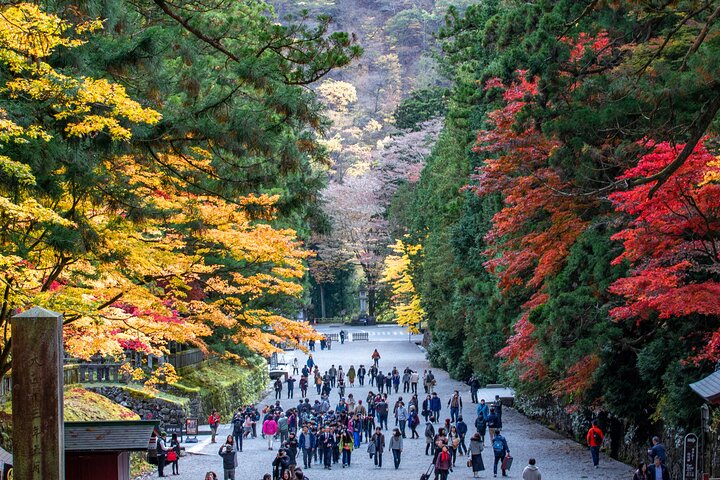
  • Crowds: Peak crowds hit in autumn (October-November) for fall foliage and in early May during Golden Week. Visiting just before or after these spikes means quieter trails and more breathing room at shrines.
read more 👉

  • Weather: Nikko’s weather swings dramatically. Summers hover around 22-28°C (72-82°F), humid but bearable with forest shade. Winters plunge below freezing, often under 0°C (32°F), blanketing the area in snow—magical but slippery for hiking.

  • Temperature: Spring and autumn offer the sweet spot: 10-20°C (50-68°F). Crisp mornings and cool evenings make trekking comfortable without overheating or frostbite risk.

  • Daylight Hours: Late spring to early autumn stretches daylight to 14-15 hours, giving you long, golden afternoons perfect for exploring temples and waterfalls without rushing.

  • Crowds: Peak crowds hit in autumn (October-November) for fall foliage and in early May during Golden Week. Visiting just before or after these spikes means quieter trails and more breathing room at shrines.

  • Seasonal Activities: Autumn’s fiery leaves are Nikko’s headline act, but spring’s cherry blossoms and summer’s cool mountain hikes offer their own charms. Winter’s snow transforms the landscape but limits access to some trails.

  • Price Fluctuations: Accommodation and transport costs spike during autumn foliage and Golden Week. Shoulder seasons like late spring and early summer provide better deals and availability.


Pro-tip: Aim for late April or early June to catch mild weather, fewer tourists, and lush greenery—Nikko’s quiet magic before the crowds and colors explode.


source: climatestotravel.comJANJanuary: fair for travelingFEBFebruary: fair for travelingMARMarch: good for travelingAPRApril: highly recommended for travelingMAYMay: good for travelingJUNJune: highly recommended for travelingJULJuly: good for travelingAUGAugust: good for travelingSEPSeptember: good for travelingOCTOctober: excellent for travelingNOVNovember: excellent for travelingDECDecember: fair for traveling
when-to-go

✈️ The backpacker research shortcutJapan Travel Guide

An offline-friendly backpacking guide with optimized travel routes, ranked highlights, transport advice, and the best areas to stay.
example page 0 from our offline Travel Guide for Japan
example page 1 from our offline Travel Guide for Japan
example page 2 from our offline Travel Guide for Japan
example page 3 from our offline Travel Guide for Japan
example page 4 from our offline Travel Guide for Japan
example page 5 from our offline Travel Guide for Japan
example page 6 from our offline Travel Guide for Japan
example page 7 from our offline Travel Guide for Japan
The digital guide (482 pages) contains:
140 highlights, ranked by travel appeal
Optimized 7, 14 & 21-day travel routes
Cities, national parks, landmarks, beaches
How to get around
Offline-friendly for travel without Wi-Fi
👉 Click to see all 30+ guide features

📅 Plan smarter in minutes, not weeks
Month by month travel advice
Festivals & national holidays
Budget expectations

🗺️ Go to the right places, skip the overrated ones
Honest pros & cons of destinations
Top hikes, parks & viewpoints
Lesser-known places most travelers miss
Clear “worth it vs skip it” guidance

🛏️ Travel smoothly without rookie mistakes
Best areas to stay
Transport systems explained simply
Common scams & safety advice
SIM cards, money & practical tips

🌍 Understand the country, not just visit it
Culture & traditions
52 Essential phrases & customs
Festivals worth planning around
Traveler-friendly historical context
Insights that make places more meaningful

📱 Built for real travel conditions
Fully downloadable PDF
Works completely offline
Optimized for phone use
Useful in remote areas & buses
Everything in one place
Save weeks of stressful planning
Get instant access to your full guide. 30‑day money-back guarantee.
+ Add another guide for just US$7.80

By proceeding you agree to our terms.
Sent to your inbox immediately after payment • 100% Secure Checkout
Best Backpacking Travel Advisor 2025 tourism awardBest Backpacking
Travel Advisor
2025
What others say about Take Your Backpack Guides:
⭐⭐⭐⭐⭐
Fantastic, amazing amount of information!
⭐⭐⭐⭐⭐
My goodness this is amazing, it's what I've been looking for hats off too you!
⭐⭐⭐⭐⭐
I think this is absolutely BRILLIANT
⭐⭐⭐⭐
Very complete and informative. It's still missing places, but I gotta to commend you
⭐⭐⭐⭐⭐
This is truly amazing, thank you, can't wait to explore it with my kids!
⭐⭐⭐⭐⭐
Awesome resource, thank you!
⭐⭐⭐⭐⭐
This is amazing! Can't wait to explore the ones I haven't seen
⭐⭐⭐⭐
I love this! Well done, great idea.
⭐⭐⭐⭐⭐
Thanks for taking the time to make this gem!
⭐⭐⭐⭐⭐
This might be the best website I've ever seen.
⭐⭐⭐⭐⭐
Congratulations, and thank you so much for your work; it's incredibly valuable.
⭐⭐⭐⭐
In all seriousness I think you did a great job pointing out the important spots
⭐⭐⭐⭐⭐
10/10 very good
⭐⭐⭐⭐⭐
As someone who's only just starting to visit regularly this is awesome, thank you.
⭐⭐⭐⭐
Thank you very much! I'm going to visit my dad, it's going to be very useful!
⭐⭐⭐⭐⭐
This is really cool! We'll be travelling for the first time and this definitely come in handy.
⭐⭐⭐⭐⭐
You are now our minister of culture, congratulations 👨‍💼
⭐⭐⭐⭐⭐
Just wanted to tell you that this is a pearl! Going to follow your recommendations.
⭐⭐⭐⭐⭐
This is so cool. I'll definitely be using the resource for my travels soon.
⭐⭐⭐⭐⭐
This is very impressive! Good work.
⭐⭐⭐⭐⭐
This is an amazing and informative site. Very well done!

🛏️ Where to stay?Choosing the right base

Nikko’s backpacker sweet spot is the area around Nikko Station and the nearby town center. This zone is the practical heart of the town, where the rhythm of daily life hums alongside a steady stream of travelers. Staying here means you’re steps away from the bus routes that fan out to the temples, waterfalls, and hiking trails—no need to wrestle with complicated transfers or expensive taxis after a long day on the trail. The station area is safe, well-lit in the evenings, and has a handful of hostels that cater to solo travelers and budget adventurers. You’ll find a mix of international backpackers … read more 👉
Nikko’s backpacker sweet spot is the area around Nikko Station and the nearby town center. This zone is the practical heart of the town, where the rhythm of daily life hums alongside a steady stream of travelers. Staying here means you’re steps away from the bus routes that fan out to the temples, waterfalls, and hiking trails—no need to wrestle with complicated transfers or expensive taxis after a long day on the trail. The station area is safe, well-lit in the evenings, and has a handful of hostels that cater to solo travelers and budget adventurers. You’ll find a mix of international backpackers and Japanese youth, creating a social vibe that’s easy to tap into without feeling forced.

Compared to the more spread-out temple district, which is quieter and more atmospheric but less convenient for late arrivals or quick grocery runs, the station neighborhood offers a better balance of accessibility and community. The streets here carry the scent of fresh soba noodles and roasted chestnuts from local vendors, grounding you in the town’s everyday pulse. It’s not flashy, but it’s real—and that’s exactly what makes it a solid base for anyone who wants to explore Nikko without the hassle. The vibe is low-key but welcoming, perfect for swapping trail stories over a cheap beer or planning your next day’s adventure with fellow travelers.

🚌 Getting aroundGetting around like a local

Nikko moves at a pace that feels like a slow, deliberate breath. It’s not a place where you’ll find the frantic rush of a city or the strict tick of a clock demanding your attention. Instead, the town’s rhythm is set by the gentle clatter of wooden geta on cobblestone, the soft murmur of temple bells, and the occasional burst of tourists arriving by train or bus. This isn’t a place to sprint through; it’s a place to settle into, letting the cool mountain air and the scent of cedar trees guide your steps. The flow here is intuitive—follow the crowds in the morning to the shrines, then drift away in the afternoon to quieter trails. Understanding how to move through Nikko efficiently means syncing with this natural pulse rather than fighting it.


  • JR Nikko Line Train: The backbone for budget
read more 👉
Nikko moves at a pace that feels like a slow, deliberate breath. It’s not a place where you’ll find the frantic rush of a city or the strict tick of a clock demanding your attention. Instead, the town’s rhythm is set by the gentle clatter of wooden geta on cobblestone, the soft murmur of temple bells, and the occasional burst of tourists arriving by train or bus. This isn’t a place to sprint through; it’s a place to settle into, letting the cool mountain air and the scent of cedar trees guide your steps. The flow here is intuitive—follow the crowds in the morning to the shrines, then drift away in the afternoon to quieter trails. Understanding how to move through Nikko efficiently means syncing with this natural pulse rather than fighting it.


  • JR Nikko Line Train: The backbone for budget travelers, this train runs from Utsunomiya Station to Nikko Station roughly every 30-60 minutes, starting early around 6:00 AM and tapering off by 9:30 PM. It’s affordable (about 1,300 yen one-way), reliable, and drops you right in the heart of town, perfect for syncing your arrival with the opening hours of major temples.


  • Tobu Railways: A slightly cheaper alternative to JR, Tobu’s limited express trains from Asakusa in Tokyo to Tobu-Nikko Station take about two hours and cost around 2,700 yen one-way. The trains are clean and comfortable, with reserved seating options that make the journey smoother if you book ahead. The station is a short walk from the main attractions, but the train schedule is less frequent in the evening, so plan accordingly.


  • Nikko City Loop Bus: Once you’re in town, this bus is your best friend for hitting the spread-out temples and waterfalls. It runs every 30 minutes from 8:00 AM to 5:00 PM, with a one-day pass costing about 500 yen. The buses are modest but warm in winter, and the drivers often announce stops in English, which helps if you’re not fluent in Japanese. It’s slower than a taxi but much cheaper and lets you soak in the mountain air through open windows.


  • Walking: Nikko’s compact town center and temple area are best explored on foot. The paths are well-marked, often shaded by towering cedars, and the air carries the faint, earthy scent of moss and pine. Walking lets you catch the subtle details—the carved wooden eaves, the flicker of lantern light, the quiet corners where monks might sit in meditation. Budget travelers save money and gain a deeper connection by choosing their own pace over any vehicle’s schedule.


  • Local Taxis: For those moments when time is tight or you’re carrying heavy gear, taxis are available but pricey—expect to pay around 1,000 yen for short rides within town. They’re quick and convenient but don’t expect much English, so having your destination written down helps. Use taxis sparingly to stretch your budget and keep your experience grounded in Nikko’s slower rhythm.

👛 Costs (as of 4 September 2026)Travel costs and budget guide for Nikko

Backpacking in Nikko, Japan, balances serene nature with cultural depth, and your daily costs reflect that mix of simplicity and occasional splurges.
  • Dorm Accommodation: Expect to pay around $25 to $40 per night for a bed in a hostel dorm. Nikko’s hostels are modest but clean, often tucked near the train station or close to the shrines, which means you’re stepping out into misty forest air or historic streets without a long trek.
  • Meals: Budget about $10 to $20 daily if you stick to convenience stores, small noodle shops, or local markets. Nikko’s food scene leans on hearty, warming dishes—think bowls of soba or rice topped with yuba (tofu skin)—which are filling and affordable. Splurge once or twice on a set meal at a local eatery for around $15 to $25.
  • Local Transport: Getting around Nikko
read more 👉
Backpacking in Nikko, Japan, balances serene nature with cultural depth, and your daily costs reflect that mix of simplicity and occasional splurges.
  • Dorm Accommodation: Expect to pay around $25 to $40 per night for a bed in a hostel dorm. Nikko’s hostels are modest but clean, often tucked near the train station or close to the shrines, which means you’re stepping out into misty forest air or historic streets without a long trek.
  • Meals: Budget about $10 to $20 daily if you stick to convenience stores, small noodle shops, or local markets. Nikko’s food scene leans on hearty, warming dishes—think bowls of soba or rice topped with yuba (tofu skin)—which are filling and affordable. Splurge once or twice on a set meal at a local eatery for around $15 to $25.
  • Local Transport: Getting around Nikko is straightforward but not free. A daily bus pass costs roughly $6 to $8, covering routes to major temples and waterfalls. Walking is an option for some spots, but the hills and distances between sights make the bus pass a smart buy to save time and energy.
  • Basic Activities/Entry Fees: Most temples and shrines charge entry fees between $3 and $6. The famous Toshogu Shrine is on the higher end, around $8 to $10. If you plan to visit several sites, consider the combined ticket for about $15, which unlocks multiple key locations and saves money overall.
  • Miscellaneous Expenses: Budget $5 to $10 for extras like bottled drinks, snacks, or small souvenirs. Nikko’s souvenir shops offer local crafts and yuba products, which are worth a look but can add up if you’re not careful.

All told, a realistic daily budget for backpacking in Nikko falls between $55 and $90. This range covers the essentials without cutting corners on comfort or experience. Nikko’s charm is in its quiet mornings and temple-lit evenings, so spending a bit more on a good dorm or a warm meal pays off in moments that stick with you.


source: visitnikko.jp
⚠️ Prices can change and everyone travels differently, so take this as a rough guide. Hope it helps you plan your adventure!

🚌 Day tripsShort trips worth adding

Nikko is a fantastic base for day trips, offering a blend of natural beauty and cultural richness. Here are some standout excursions that will elevate your backpacking experience.

Toshogu Shrine
Just a short bus ride from Nikko, Toshogu Shrine is a UNESCO World Heritage site that’s a feast for the senses. The intricate carvings and vibrant colors of the shrine contrast beautifully with the surrounding cedar trees. Aim to get there early to avoid the crowds and soak in the serene atmosphere. The trip takes about 30 minutes and costs around 500 yen. Don’t miss the Yomeimon Gate, which is a masterpiece of craftsmanship. A common mistake is rushing through; take your time to appreciate the details.


Kegon Falls
Kegon Falls is a breathtaking cascade that plunges 97 meters into a rocky gorge. … read more 👉
Nikko is a fantastic base for day trips, offering a blend of natural beauty and cultural richness. Here are some standout excursions that will elevate your backpacking experience.

Toshogu Shrine
Just a short bus ride from Nikko, Toshogu Shrine is a UNESCO World Heritage site that’s a feast for the senses. The intricate carvings and vibrant colors of the shrine contrast beautifully with the surrounding cedar trees. Aim to get there early to avoid the crowds and soak in the serene atmosphere. The trip takes about 30 minutes and costs around 500 yen. Don’t miss the Yomeimon Gate, which is a masterpiece of craftsmanship. A common mistake is rushing through; take your time to appreciate the details.


Kegon Falls
Kegon Falls is a breathtaking cascade that plunges 97 meters into a rocky gorge. The journey takes about 50 minutes by bus, costing around 1,000 yen round trip. Visit in autumn for a spectacular display of fall colors, or in spring when cherry blossoms frame the view. The observation deck offers a stunning perspective, but don’t forget to hike down to the base for a more immersive experience. Many first-timers overlook the trail; it’s worth the effort for the fresh air and the sound of rushing water.


Lake Chuzenji
Just a stone’s throw from Kegon Falls, Lake Chuzenji is a tranquil escape. The bus ride is about 30 minutes, and you can expect to spend around 1,500 yen for the round trip. Rent a bike to explore the lakeside paths or simply enjoy a picnic with the stunning backdrop of mountains. Summer is ideal for swimming, while winter offers a peaceful, snow-covered landscape. A common pitfall is not checking the bus schedule; services can be infrequent, especially in off-peak seasons.


Ryuokyo Canyon
For a more adventurous day, head to Ryuokyo Canyon. It’s about an hour by train and bus, costing around 1,200 yen total. The canyon offers stunning views and a chance to hike along the river, where you can feel the cool mist on your face. Spring and autumn are particularly beautiful, with wildflowers and foliage adding color to the landscape. Many backpackers miss the trailhead; look for the signs near the train station to ensure you don’t miss out on this natural wonder.


Each of these trips offers a unique slice of what makes Nikko special, allowing you to dive deeper into Japan’s rich tapestry of culture and nature.
Want to know what more Japan offers?
The Japan Travel Guide describes 140 highlights, from cities to national parks, from beaches to hikes

Get the Travel Guide -

🛡️ SafetyStaying Safe: What Travelers Should Know

Nikko is generally safe, but a few practical tips can enhance your experience. The main tourist areas, like Toshogu Shrine, are well-lit and bustling, but side streets can feel quieter at night. If you’re wandering solo after dark, stick to well-trafficked paths and keep your phone handy for navigation.

While scams are rare, be cautious around overly friendly locals offering unsolicited help. They might lead you to shops with inflated prices. If someone approaches you, a polite but firm “no, thank you” usually suffices.

Annoyances can pop up, like crowded trains during peak hours or the occasional language barrier. Carry a translation app; it can turn a frustrating moment into a fun interaction. Embrace the quirks of the town, and you’ll find that the little challenges only add to the richness of your journey.

FAQTraveler FAQ

Yes, Nikko is worth visiting for its rich cultural heritage and natural beauty, not just as a stopover. It features UNESCO World Heritage sites like Toshogu Shrine and scenic spots such as Kegon Falls. The combination of history and nature makes it a destination in its own right.
You need 1 to 2 full days in Nikko to explore the main attractions comfortably. One day covers the key shrines and temples, while a second day allows for hiking or visiting nearby waterfalls and lakes. Staying overnight also lets you experience the town’s peaceful atmosphere after day-trippers leave.
Yes, Nikko can be visited as a day trip from Tokyo, which is about 2 hours away by train. The Tobu Railway offers direct limited express trains that take around 1 hour 50 minutes. However, a day trip can be rushed if you want to see multiple sites in detail.
⚠️ Things can change over time, so always validate details locally before you go.

Other Japanese towns near Nikko

Explore more nearby:

  • Ouchi-juku—thatched roofs, Edo-era street, soba stalls| 69 km away
  • Fujiyoshida—Mt. Fuji base, pilgrimage routes, retro shopping streets| 159 km away
  • Hakone—open-air art, volcanic hot springs, lake views| 174 km away

💡 Not sure where to go next?
Create a personalized itinerary for Japan including Nikko and the places that fit your trip.

Generate my itinerary

👉 Discover all towns

Or checkout all Japan has to offer (think cities, towns, villages, national parks, hikes, beaches, festivals)
Country photo of Japan

We 💚 feedbackParting advice and final tips

Nikko is a sensory feast, where the scent of cedar mingles with the sound of rushing water. The ornate temples, especially Toshogu, are a testament to Japan’s rich history, pulling you into a world of craftsmanship and spirituality. But be prepared: the crowds can be overwhelming, especially on weekends. If you can time your visit for early mornings or weekdays, you’ll unlock a more intimate experience, allowing the beauty to truly sink in.

✈️ When did I visit Japan?
As part of my 1.5 year travel around the world trip, I visited Japan in August 2015.

✍️ Help improve this page!
The information on this page is based on my own backpacking experience in Japan, supplemented with up-to-date research and feedback from other travelers. Travel details can change, so if you notice anything outdated or incomplete, feel free to let me know.


🙋‍♂️ Give feedback

👋 Meet the founderWho’s Behind Take Your Backpack?

Johan, backpacker and founder of TakeYourBackpackHi, I’m Johan (Netherlands 🇳🇱), the creator of TakeYourBackpack. Over the past decade, I’ve backpacked through 80+ countries across six continents, gaining extensive experience with independent travel, long-term trips, and overland routes.

This site is built on a combination of firsthand travel experience and carefully curated insights from other backpackers. Many guides are based on places I’ve personally visited, while others bring together tips, observations, and practical advice shared by trusted travelers I’ve met along the way.

The goal is to provide realistic, experience-driven guidance — not generic itineraries — so you can explore destinations with better context, clearer expectations, and more confidence.

Get full Japan guide •
Instant download • 140 highlights • Full Offline guide