v2.webp)
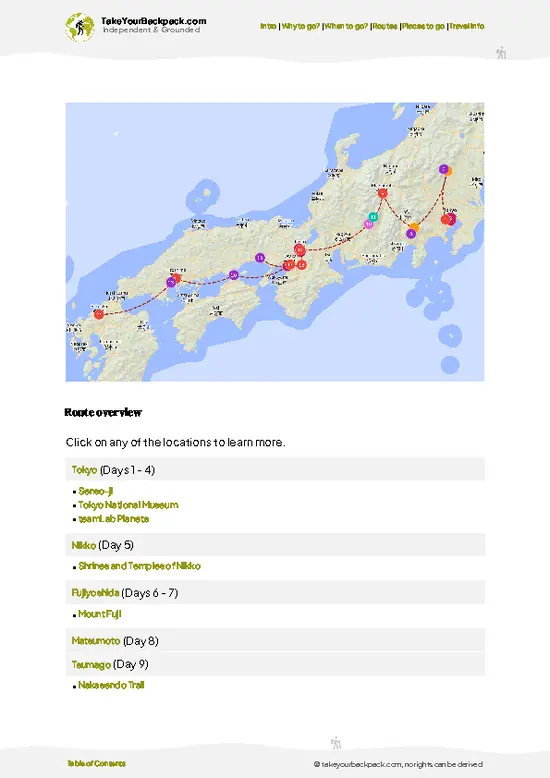
- Chureito Pagoda (Arakurayama Sengen Park) — The classic Fuji postcard: a five-storied pagoda framed by Mt. Fuji, cherry blossoms in spring and fiery maples in autumn. It’s a short climb and the view at sunrise or sunset is worth the stairs.
- Kitaguchi Hongu Fuji Sengen Shrine — Historic shrine that served as the Yoshida Trail head for pilgrims. Stately torii, cedar avenues and shrine architecture give a real sense of Mount Fuji’s religious importance.
- Fujisan World Heritage Center (Fujiyoshida) — Small, well-curated museum focused on Fuji’s place in culture, religion and climbing history. Great when the weather hides the mountain—lots of maps, films and exhibits that explain what you’re looking at.
- Subaru Line 5th Station (Yoshida Trail 5th) — Drive or bus up to about 2,300 m for thin-air
- Chureito Pagoda (Arakurayama Sengen Park) — The classic Fuji postcard: a five-storied pagoda framed by Mt. Fuji, cherry blossoms in spring and fiery maples in autumn. It’s a short climb and the view at sunrise or sunset is worth the stairs.
- Kitaguchi Hongu Fuji Sengen Shrine — Historic shrine that served as the Yoshida Trail head for pilgrims. Stately torii, cedar avenues and shrine architecture give a real sense of Mount Fuji’s religious importance.
- Fujisan World Heritage Center (Fujiyoshida) — Small, well-curated museum focused on Fuji’s place in culture, religion and climbing history. Great when the weather hides the mountain—lots of maps, films and exhibits that explain what you’re looking at.
- Subaru Line 5th Station (Yoshida Trail 5th) — Drive or bus up to about 2,300 m for thin-air views, short walks and climbing infrastructure. It’s the most accessible “mountain” experience for non-climbers and a proper starting point if you plan to summit (seasonal).
- Fuji-Q Highland — Crazy roller coasters and kitschy attractions set with Fuji as a backdrop. Not just for adrenalin junkies: there are photo ops, indoor shows and it’s a big part of the town’s modern identity.
- Yoshida Fire Festival (Yoshida no Himatsuri) — The city’s spectacular late-August festival honoring the end of the climbing season. Gigantic torches, parade of floats and a deeply local ritual atmosphere—plan your trip around Aug 26 if you want to see it live.
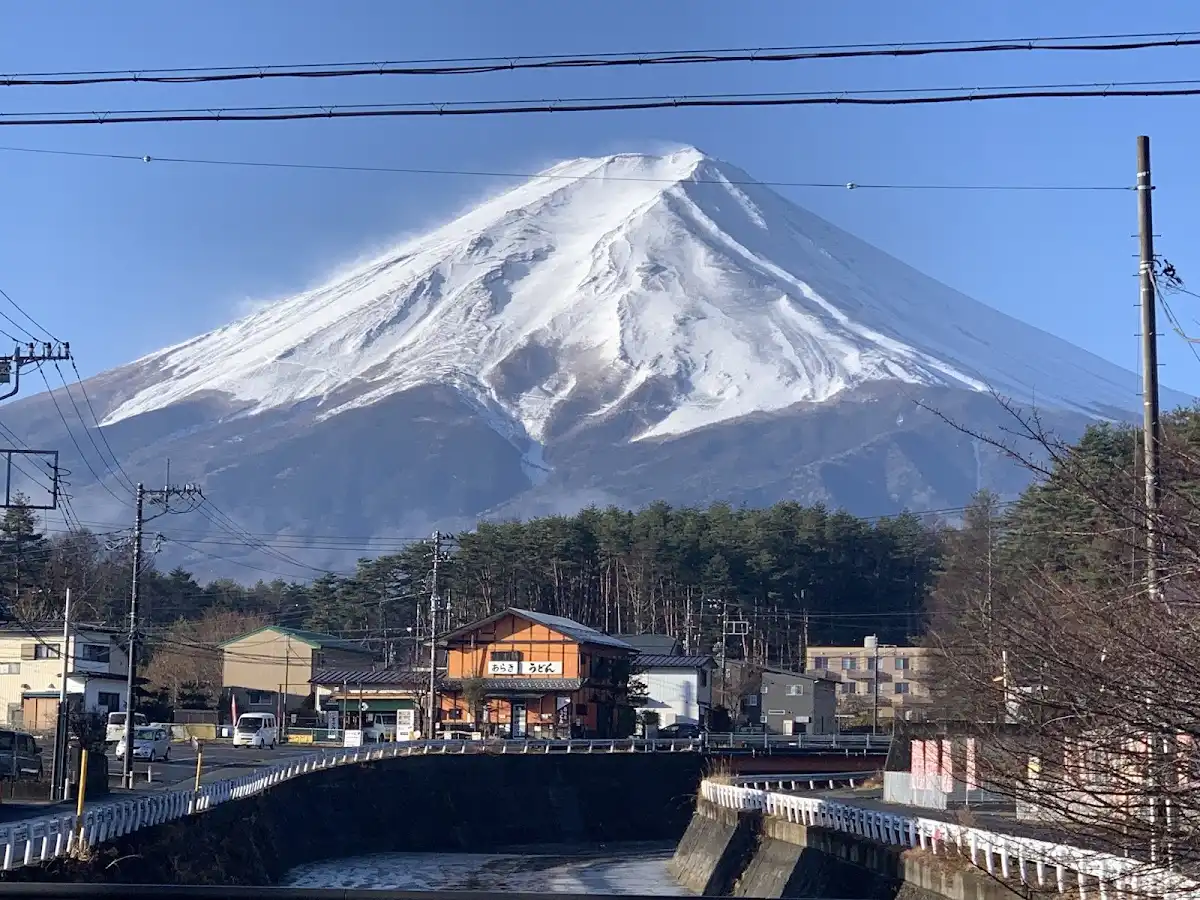
- Yoshida Udon shops — The town’s version of udon is thick, chewy and served in simple, hearty bowls. Chase down an old-school storefront near the station or shrine for an authentic, cheap meal—instant local culture and belly-warming fuel for hikes.
- Historic streets around the Kitaguchi area — Walkable lanes with older wooden buildings, small temples and shops selling pilgrimage goods and Fuji souvenirs. Quiet, ordinary neighborhoods that reveal how the town supported pilgrims and climbers for centuries.
- Yoshida Trailhead stone markers and climbing-related landmarks — Scattered stone markers, plaques and small memorials around town speak to the long climbing tradition. They’re low-key, photogenic and give context to the shrine and the 5th station.
- Local galleries and craft stalls — Small studios and souvenir shops offering woodcuts, Fuji-themed prints and handmade goods. Not flashy museums, but good for picking up something locally made and chatting with artisans.
Spotted a mistake or missing something? Contact us.

Horseback Archery Experience with Mt. Fuji Views

Private Hiking Tour to View Mt. Fuji

Mount Fuji Passes (optional)

Mt Fuji Early Morning Photo Spot Tour with English Guide

Mount Fuji Highlights Minibus(small group) Tour from Tokyo

One Way Bus from Kawaguchiko to Tokyo

Fuji Q Highland One Day Admission Pass

Kimono Rental and Dressing Experience in Fujiyoshida

5 Hours of Pilgrimage Tour in the footage of Mt Fuji in English

 Best Backpacking
.jpg) Hi, I’m Johan (Netherlands 🇳🇱), the creator of TakeYourBackpack. Over the past 3 decades, I’ve backpacked through 90+ countries across six continents, gaining extensive experience with independent travel, long-term trips, and overland routes.
Hi, I’m Johan (Netherlands 🇳🇱), the creator of TakeYourBackpack. Over the past 3 decades, I’ve backpacked through 90+ countries across six continents, gaining extensive experience with independent travel, long-term trips, and overland routes.