×

Japan🇯🇵 | citiesHiroshimaPeace Memorial, okonomiyaki, island shrine | things to do and best time to go

Explore Futamiura BeachExplore Kurashiki

Backpacking in Hiroshima
🏆 Top pickcity ranked #4
By Johan Kruseman 🇳🇱 | Updated September 23, 2026

Most people realize too late that Hiroshima is the perfect “hub day” in western Honshu: you can hit Miyajima, the Peace Park, and still have time for a slow dinner without sprinting between trains. It sits in the Chugoku region, a few Shinkansen hours west of Osaka and Kyoto, on the coast facing the Inland Sea. As a backpacker stop, it’s emotionally heavy but logistically easy: compact tram network, clear signage, and a calm, walkable center around the Peace Memorial Park and Hondori shopping street. The Peace Memorial Museum is essential and draining; I always plan something gentle afterward, like sunset by the river or a baseball game if the Carp are playing. Hostels are social but not rowdy, cheaper than Kyoto, and the city feels very safe. Compared with Osaka or Fukuoka, nightlife is quieter, but conversations go deeper.

Discover everything you want to know in the 📖 Japan Travel Guide.


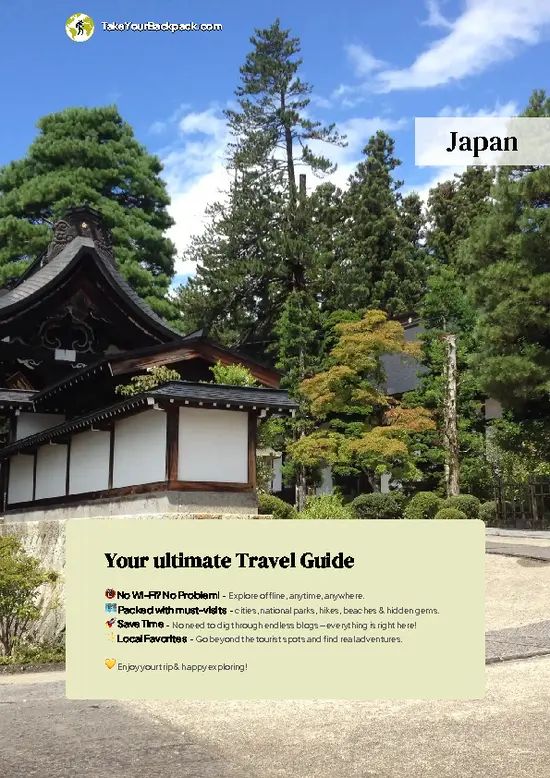
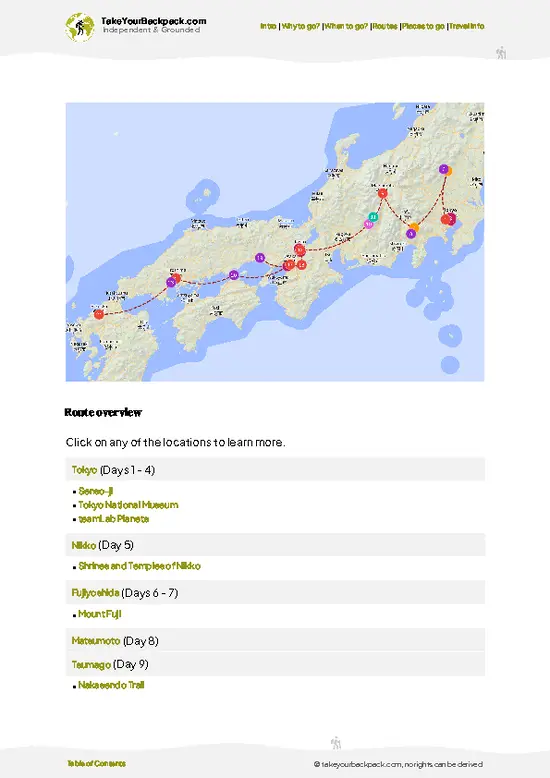
example page 0 from our offline Travel Guide for Japan
example page 1 from our offline Travel Guide for Japan
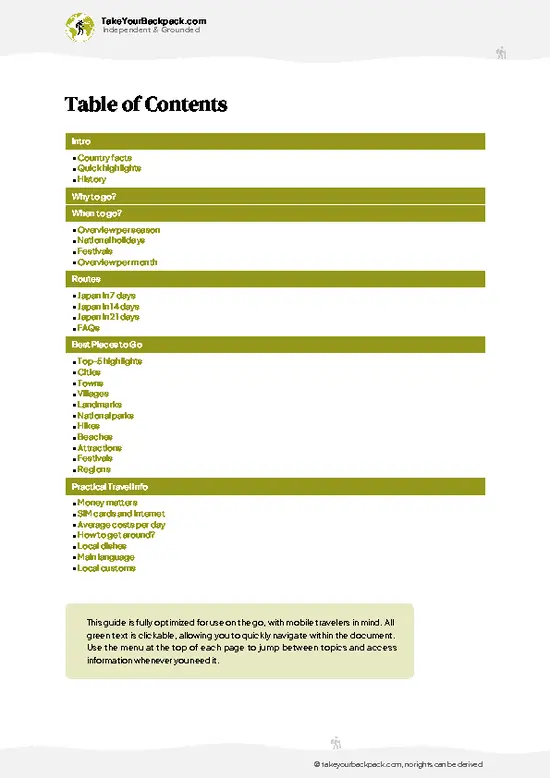
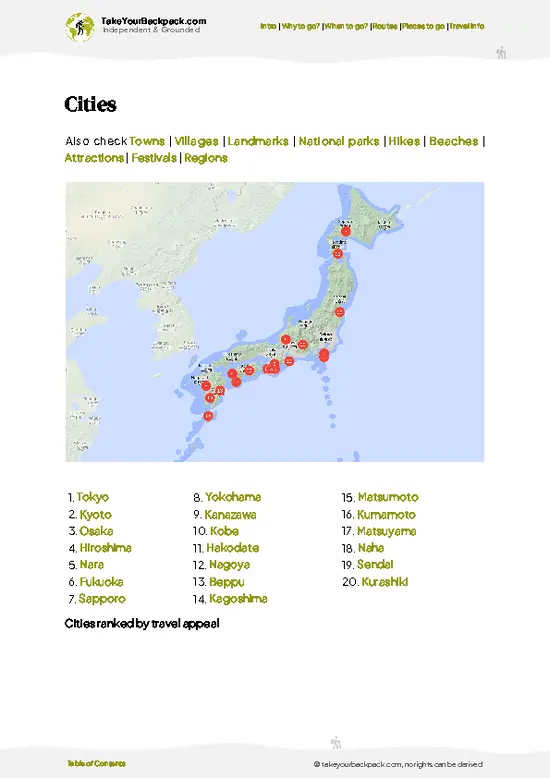
example page 2 from our offline Travel Guide for Japan
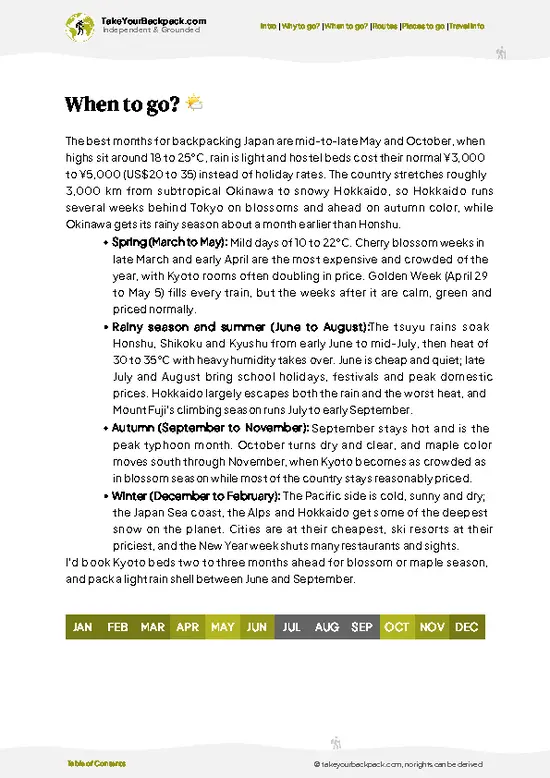
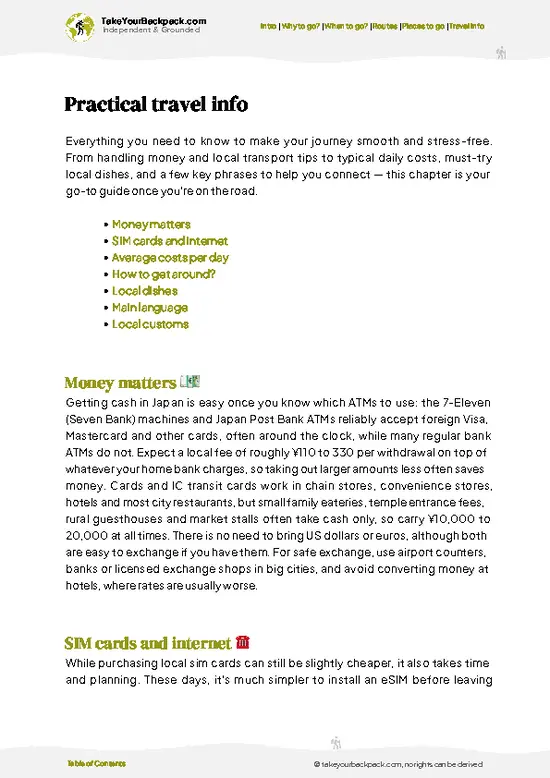
example page 3 from our offline Travel Guide for Japan
example page 4 from our offline Travel Guide for Japan
example page 5 from our offline Travel Guide for Japan
example page 6 from our offline Travel Guide for Japan
example page 7 from our offline Travel Guide for Japan
Loading the map 🌍
CLICK TO FILTER
cities
towns
villages
landmarks
national parks
hikes
beaches
attractions
festivals
regions
SHOW COUNTRY’S BESTSHOW ALL

✨ Why go?
Ranked #4 city in Japan
The unique appeal for travelers

Hiroshima is a strategic stop for backpackers weaving through Japan. It’s not just about the highlights; it’s about how they fit into your journey. The city offers a rich tapestry of history and culture that resonates deeply, making it a compelling place to linger.

You’ll find a variety of hostels that cater to budget-conscious travelers, often with a social vibe that makes meeting fellow adventurers easy. The food scene is a delight, from street stalls to cozy eateries, where you can savor local flavors without breaking the bank.

Hiroshima is also walkable, allowing you to explore at your own pace. This is a city that invites you to wander, with parks and riverside paths that make for a pleasant stroll. When night falls, the nightlife offers a mix of laid-back bars and lively izakayas, … read more 👉
Hiroshima is a strategic stop for backpackers weaving through Japan. It’s not just about the highlights; it’s about how they fit into your journey. The city offers a rich tapestry of history and culture that resonates deeply, making it a compelling place to linger.

You’ll find a variety of hostels that cater to budget-conscious travelers, often with a social vibe that makes meeting fellow adventurers easy. The food scene is a delight, from street stalls to cozy eateries, where you can savor local flavors without breaking the bank.

Hiroshima is also walkable, allowing you to explore at your own pace. This is a city that invites you to wander, with parks and riverside paths that make for a pleasant stroll. When night falls, the nightlife offers a mix of laid-back bars and lively izakayas, perfect for unwinding after a day of exploration.

Plus, it serves as a basecamp for day trips to nearby attractions, making onward travel a breeze. Whether you stay for a few days or just a quick stop, Hiroshima fits seamlessly into your backpacking route.

💡 HighlightsDon't-miss highlights and experiences

  • Atomic Bomb Dome (Genbaku Dome) — The skeletal ruin left standing where the bomb exploded; UNESCO-listed and brutally honest, it’s the single most powerful, visitable reminder of what happened here.
  • Hiroshima Peace Memorial Park — Low, landscaped grounds full of monuments, reflective pools and the children’s memorial; easy to walk, hard to leave untouched. Best visited slowly, not as a quick photo stop.
  • Hiroshima Peace Memorial Museum — Carefully curated exhibits, survivor testimony and objects that explain the human cost; emotionally heavy but essential for context if you visit the park and Dome.
  • Orizuru Tower — Modern observation deck right across from the Dome with great city and river views, plus a hands-on orizuru (paper crane) folding area where you can leave your crane as part
… read more 👉
  • Atomic Bomb Dome (Genbaku Dome) — The skeletal ruin left standing where the bomb exploded; UNESCO-listed and brutally honest, it’s the single most powerful, visitable reminder of what happened here.
  • Hiroshima Peace Memorial Park — Low, landscaped grounds full of monuments, reflective pools and the children’s memorial; easy to walk, hard to leave untouched. Best visited slowly, not as a quick photo stop.
  • Hiroshima Peace Memorial Museum — Carefully curated exhibits, survivor testimony and objects that explain the human cost; emotionally heavy but essential for context if you visit the park and Dome.
  • Orizuru Tower — Modern observation deck right across from the Dome with great city and river views, plus a hands-on orizuru (paper crane) folding area where you can leave your crane as part of a communal display.
  • Shukkeien Garden — A compact Edo-period strolling garden with ponds, islands and a teahouse; it’s surprisingly intimate and a perfect counterpoint to the city’s heavier memorial sites.
  • Hiroshima Castle — Reconstructed samurai keep and museum sitting in a pleasant park; good for history buffs who want feudal-era context and a nice vantage point over the city moat.
  • Mitaki-dera Temple — A mossy mountain temple with waterfalls, stone lanterns and quiet trails; less touristy, atmospheric in autumn, and a good place for a reflective walk away from downtown.
  • Okonomimura — Multi-stall building devoted to Hiroshima-style okonomiyaki; cheap, social and delicious—sit at the griddle, order locally, and watch your layered pancake get built in front of you.
  • Hondori Shopping Arcade & Nagarekawa — Covered pedestrian street feeding into the lively Nagarekawa nightlife area; great for people-watching, quick bites, secondhand shops and late-night izakaya culture.
  • Fukuromachi Elementary School Peace Museum — A small, preserved classroom showing the impact of the blast on a neighborhood school; quieter than the main museum and very immediate in its intimacy.
A few excellent day trips just outside Hiroshima: the floating torii and Itsukushima Shrine on Miyajima (my personal favorite), the wooden Kintai Bridge in Iwakuni, and the temple-lined hills and cycling start point in Onomichi — all easily doable from the city.
Spotted a mistake or missing something? Contact us.

Things to do in Hiroshima

Ratings based on Tripadvisor reviews. When you book through this link, you support our work at no extra cost to you.

🏘️ NeighborhoodsUnderstanding the local layout

Hiroshima is a city where history and modern life intertwine, making it a fascinating stop for backpackers. Here’s a breakdown of key neighborhoods to help you navigate your choices.

Hondori: This bustling shopping arcade is the heart of Hiroshima. It’s a pedestrian-friendly zone filled with shops, cafes, and eateries. Perfect for short stays, you’ll find budget-friendly options nearby. The vibe is lively, especially in the evenings, making it a great spot for nightlife without being overwhelming.

Peace Memorial Park Area: A must-visit for its historical significance, this area is tranquil and reflective. The park is walkable, and you can easily spend a day exploring museums and monuments. Accommodations here range from hostels to mid-range hotels, suitable for both short and longer stays. … read more 👉
Hiroshima is a city where history and modern life intertwine, making it a fascinating stop for backpackers. Here’s a breakdown of key neighborhoods to help you navigate your choices.

Hondori: This bustling shopping arcade is the heart of Hiroshima. It’s a pedestrian-friendly zone filled with shops, cafes, and eateries. Perfect for short stays, you’ll find budget-friendly options nearby. The vibe is lively, especially in the evenings, making it a great spot for nightlife without being overwhelming.

Peace Memorial Park Area: A must-visit for its historical significance, this area is tranquil and reflective. The park is walkable, and you can easily spend a day exploring museums and monuments. Accommodations here range from hostels to mid-range hotels, suitable for both short and longer stays. The atmosphere is quieter, ideal for those seeking a moment of peace.

Shukkeien Garden Area: This neighborhood offers a serene escape with beautiful gardens. It’s less touristy, making it perfect for a relaxed vibe. While it’s a bit farther from the main transport hubs, the walk is scenic. Great for longer stays if you want to immerse yourself in local life.

Naka-ku: This central district is a mix of modernity and tradition. It’s well-connected by public transport, making it easy to explore the city. The nightlife here is vibrant, with plenty of bars and restaurants. Ideal for backpackers who want a balance of activity and accessibility.

⌛️ 1 day1-day itinerary for Hiroshima

Hiroshima is a city that wears its history with a quiet strength. Known for its tragic past, it has transformed into a vibrant hub of resilience and culture. You can feel the spirit of renewal in the air, making it a compelling destination for any traveler.

Start your day in the heart of the city at the Hiroshima Peace Memorial Park. Arrive early to soak in the serene atmosphere before the crowds. The park is a poignant reminder of the past, with the Atomic Bomb Dome standing as a haunting yet powerful symbol. Spend some time at the Peace Memorial Museum; it’s a deeply moving experience that provides context to the city’s history.

After reflecting, wander over to the nearby Hondori Shopping Arcade. This lively street is filled with local shops and eateries. Grab a bite of Hiroshima-style … read more 👉
Hiroshima is a city that wears its history with a quiet strength. Known for its tragic past, it has transformed into a vibrant hub of resilience and culture. You can feel the spirit of renewal in the air, making it a compelling destination for any traveler.

Start your day in the heart of the city at the Hiroshima Peace Memorial Park. Arrive early to soak in the serene atmosphere before the crowds. The park is a poignant reminder of the past, with the Atomic Bomb Dome standing as a haunting yet powerful symbol. Spend some time at the Peace Memorial Museum; it’s a deeply moving experience that provides context to the city’s history.

After reflecting, wander over to the nearby Hondori Shopping Arcade. This lively street is filled with local shops and eateries. Grab a bite of Hiroshima-style okonomiyaki at one of the casual diners. It’s a savory pancake layered with ingredients that will fuel your afternoon adventures.

In the afternoon, head to the Shukkeien Garden, a tranquil oasis that’s often overlooked by tourists. The garden’s winding paths and picturesque ponds offer a peaceful escape from the city’s hustle. Take your time here; it’s a perfect spot to recharge.

As evening approaches, make your way to the lively Nagarekawa district. This area is known for its nightlife, with izakayas lining the streets. Try a local sake and enjoy some grilled skewers while mingling with locals.

Hiroshima is a city that invites you to explore its layers, balancing history with modern life. By focusing on these neighborhoods, you’ll experience the essence of Hiroshima without feeling rushed, making your day both meaningful and memorable.

🌤️ When to go?Weather, crowds, and seasonal trade-offs

  • Topic: Weather and Temperature - Spring (March to May) and autumn (September to November) offer mild, comfortable temperatures ranging from 10°C to 22°C (50°F to 72°F). Summers can be hot and humid, often hitting 30°C (86°F) or more, while winters dip to around 3°C (37°F), which might be chilly for backpackers.
  • Topic: Daylight Hours - In spring and autumn, daylight stretches roughly from 6 AM to 6 PM, giving you a solid 12 hours to explore without rushing. Winter days shorten significantly, limiting sightseeing time.
  • Topic: Crowds - Cherry blossom season in April draws heavy crowds, especially around Peace Memorial Park. Autumn’s colorful foliage attracts visitors too, but it’s less overwhelming. Winter and summer see fewer tourists, offering more breathing room.
  • Topic: Seasonal Activities
… read more 👉
  • Topic: Weather and Temperature - Spring (March to May) and autumn (September to November) offer mild, comfortable temperatures ranging from 10°C to 22°C (50°F to 72°F). Summers can be hot and humid, often hitting 30°C (86°F) or more, while winters dip to around 3°C (37°F), which might be chilly for backpackers.
  • Topic: Daylight Hours - In spring and autumn, daylight stretches roughly from 6 AM to 6 PM, giving you a solid 12 hours to explore without rushing. Winter days shorten significantly, limiting sightseeing time.
  • Topic: Crowds - Cherry blossom season in April draws heavy crowds, especially around Peace Memorial Park. Autumn’s colorful foliage attracts visitors too, but it’s less overwhelming. Winter and summer see fewer tourists, offering more breathing room.
  • Topic: Seasonal Activities - Spring brings cherry blossoms and outdoor festivals, while autumn showcases vibrant maple leaves and harvest events. Summer hosts fireworks but also intense heat. Winter is quieter, with fewer events but peaceful city vibes.
  • Topic: Price Fluctuations - Accommodation and flights spike during cherry blossom season and autumn foliage peak. Booking outside these windows can save you a significant chunk of your budget.
Pro-tip: Aim for late March or mid-October to balance pleasant weather, manageable crowds, and wallet-friendly prices—your sweet spot for a high-value Hiroshima visit.


source: climatestotravel.comJANJanuary: fair for travelingFEBFebruary: fair for travelingMARMarch: highly recommended for travelingAPRApril: good for travelingMAYMay: highly recommended for travelingJUNJune: fair for travelingJULJuly: fair for travelingAUGAugust: fair for travelingSEPSeptember: highly recommended for travelingOCTOctober: excellent for travelingNOVNovember: highly recommended for travelingDECDecember: fair for traveling
japan-city-hiroshima
© Google |

✈️ The backpacker research shortcutJapan Travel Guide

An offline-friendly backpacking guide with optimized travel routes, ranked highlights, transport advice, and the best areas to stay.
example page 0 from our offline Travel Guide for Japan
example page 1 from our offline Travel Guide for Japan
example page 2 from our offline Travel Guide for Japan
example page 3 from our offline Travel Guide for Japan
example page 4 from our offline Travel Guide for Japan
example page 5 from our offline Travel Guide for Japan
example page 6 from our offline Travel Guide for Japan
example page 7 from our offline Travel Guide for Japan
The digital guide (475 pages) contains:
✅ 139 highlights, ranked by travel appeal
✅ Optimized 7, 14 & 21-day travel routes
✅ Cities, national parks, landmarks, beaches
✅ How to get around
✅ Offline-friendly for travel without Wi-Fi
👉 Click to see all 30+ guide features

📅 Plan smarter in minutes, not weeks
✅ Month by month travel advice
✅ Festivals & national holidays
✅ Budget expectations

🗺️ Go to the right places, skip the overrated ones
✅ Honest pros & cons of destinations
✅ Top hikes, parks & viewpoints
✅ Lesser-known places most travelers miss
✅ Clear “worth it vs skip it” guidance

🛏️ Travel smoothly without rookie mistakes
✅ Best areas to stay
✅ Transport systems explained simply
✅ Common scams & safety advice
✅ SIM cards, money & practical tips

🌍 Understand the country, not just visit it
✅ Culture & traditions
✅ 52 Essential phrases & customs
✅ Festivals worth planning around
✅ Traveler-friendly historical context
✅ Insights that make places more meaningful

📱 Built for real travel conditions
✅ Fully downloadable PDF
✅ Works completely offline
✅ Optimized for phone use
✅ Useful in remote areas & buses
✅ Everything in one place
Stop searching, start planning
Get instant access to your full guide. 30‑day money-back guarantee.
+ Add another guide for just

By proceeding you agree to our terms.
Sent to your inbox immediately after payment • 100% Secure Checkout
Best Backpacking Travel Advisor 2025 tourism awardBest Backpacking
Travel Advisor
2025
What others say about Take Your Backpack Guides:
⭐⭐⭐⭐⭐
Fantastic, amazing amount of information!
⭐⭐⭐⭐⭐
My goodness this is amazing, it's what I've been looking for hats off too you!
⭐⭐⭐⭐⭐
I think this is absolutely BRILLIANT
⭐⭐⭐⭐
Very complete and informative. It's still missing places, but I gotta to commend you
⭐⭐⭐⭐⭐
This is truly amazing, thank you, can't wait to explore it with my kids!
⭐⭐⭐⭐⭐
Awesome resource, thank you!
⭐⭐⭐⭐⭐
This is amazing! Can't wait to explore the ones I haven't seen
⭐⭐⭐⭐
I love this! Well done, great idea.
⭐⭐⭐⭐⭐
Thanks for taking the time to make this gem!
⭐⭐⭐⭐⭐
This might be the best website I've ever seen.
⭐⭐⭐⭐⭐
Congratulations, and thank you so much for your work; it's incredibly valuable.
⭐⭐⭐⭐
In all seriousness I think you did a great job pointing out the important spots
⭐⭐⭐⭐⭐
10/10 very good
⭐⭐⭐⭐⭐
As someone who's only just starting to visit regularly this is awesome, thank you.
⭐⭐⭐⭐
Thank you very much! I'm going to visit my dad, it's going to be very useful!
⭐⭐⭐⭐⭐
This is really cool! We'll be travelling for the first time and this definitely come in handy.
⭐⭐⭐⭐⭐
You are now our minister of culture, congratulations 👨‍💼
⭐⭐⭐⭐⭐
Just wanted to tell you that this is a pearl! Going to follow your recommendations.
⭐⭐⭐⭐⭐
This is so cool. I'll definitely be using the resource for my travels soon.
⭐⭐⭐⭐⭐
This is very impressive! Good work.
⭐⭐⭐⭐⭐
This is an amazing and informative site. Very well done!

🛏️ Where to stay?Best areas to stay in Japan

Hiroshima’s backpacker sweet spot is the area around Hatchobori and Nagarekawa. This zone nails the balance between safety, social buzz, and budget-friendly options. Hatchobori is a transit hub, so you’re plugged into the city’s pulse with trams and buses at your fingertips. It’s not flashy, but it’s clean, well-lit, and packed with affordable eateries and convenience stores—perfect for solo travelers who want to keep things simple but lively.

Nagarekawa, just a short walk away, cranks up the social vibe. It’s the nightlife and hangout district where locals and travelers mingle over cheap drinks … read more 👉
Hiroshima’s backpacker sweet spot is the area around Hatchobori and Nagarekawa. This zone nails the balance between safety, social buzz, and budget-friendly options. Hatchobori is a transit hub, so you’re plugged into the city’s pulse with trams and buses at your fingertips. It’s not flashy, but it’s clean, well-lit, and packed with affordable eateries and convenience stores—perfect for solo travelers who want to keep things simple but lively.

Nagarekawa, just a short walk away, cranks up the social vibe. It’s the nightlife and hangout district where locals and travelers mingle over cheap drinks and street food. Hostels here tend to be compact but sociable, with communal spaces that make meeting other backpackers effortless. The trade-off? You sacrifice a bit of quiet, especially on weekends, but that’s the price for instant camaraderie.

Compared to staying near Hiroshima Station, where things feel more transient and businesslike, Hatchobori and Nagarekawa offer a more immersive, human-scale experience. You’re not just passing through; you’re plugged into the city’s rhythm without breaking the bank or compromising safety. It’s the kind of setup that turns a simple stopover into a memorable chapter.

🚌 Getting aroundGetting around like a local

Hiroshima moves with a rhythm that’s part clockwork, part improvisation. The city’s pulse is set by its efficient trams and punctual trains, yet there’s a laid-back vibe that invites you to slow down and soak in the history and humanity around you. It’s a place where schedules matter, but so does the space between them—the moments you carve out to wander, reflect, or grab a bite from a street vendor. Understanding how time, money, and comfort interplay here lets you hack your trip for maximum impact without burning your budget or your patience.
  • Walking: Hiroshima’s compact city center is a walker’s playground. No cost, zero emissions, and you control the pace. Walking lets you stumble upon quiet shrines or lively markets that public transit might skip. It’s the cheapest and most flexible
… read more 👉
Hiroshima moves with a rhythm that’s part clockwork, part improvisation. The city’s pulse is set by its efficient trams and punctual trains, yet there’s a laid-back vibe that invites you to slow down and soak in the history and humanity around you. It’s a place where schedules matter, but so does the space between them—the moments you carve out to wander, reflect, or grab a bite from a street vendor. Understanding how time, money, and comfort interplay here lets you hack your trip for maximum impact without burning your budget or your patience.
  • Walking: Hiroshima’s compact city center is a walker’s playground. No cost, zero emissions, and you control the pace. Walking lets you stumble upon quiet shrines or lively markets that public transit might skip. It’s the cheapest and most flexible option, but expect to spend time on your feet—comfort depends on your shoes and stamina.
  • Hiroden Streetcar (Tram): The backbone of Hiroshima’s public transit, these trams run from about 5:30 AM to midnight. A single ride costs 180 yen, with a one-day pass available for 600 yen, making it a budget-friendly way to cover longer distances quickly. Trams are reliable and frequent, but can get crowded during rush hours. Comfort is basic but consistent, and the open windows in summer offer a breeze that buses lack.
  • JR Sanyo Line: For trips beyond the city center—like heading to Miyajima or Okayama—this train is your go-to. It runs roughly from 5 AM to midnight, with fares starting around 410 yen for short hops. It’s faster and more comfortable than trams, with reserved seating options on some trains, but it costs more and requires planning around schedules. If you’re tight on time and want to see more, this is your best bet.
  • Local Buses: Covering routes that trams don’t reach, buses fill in the gaps but run less frequently and can be slower due to traffic. Fares hover around 210 yen per ride. They’re a decent option if you’re heading to neighborhoods off the tram lines, but less predictable time-wise. Comfort varies, and you’ll need exact change or a prepaid card.
  • Bicycle Rentals: For a middle ground between walking and public transit, renting a bike costs about 500-800 yen per day. It’s faster than walking and lets you explore at your own pace without the constraints of schedules. Comfort depends on your cycling skills and weather conditions, but it’s a fantastic way to blend freedom with efficiency.

Mastering Hiroshima’s transit means balancing your priorities: save money by walking and hopping trams, save time with trains, or boost comfort with a bike. Each choice shifts your experience, so think of it as a strategic game where every yen and minute counts toward the story you want to tell.

👛 Costs (as of 23 September 2026)Travel costs and budget guide for Hiroshima

Backpacking in Hiroshima offers a clear trade-off map between time, money, and comfort, and knowing the average daily costs helps you play that game smartly.
  • Dorm Accommodation (High Season): Expect to pay around $25 to $35 per night in popular hostels during peak travel months like spring and autumn. These dorms are clean, often modern, and centrally located, but prices spike with demand.
  • Dorm Accommodation (Off-Season): In quieter months, prices drop to about $18 to $25. You might snag a better deal or a quieter dorm, but some places may have limited availability or reduced services.
  • Meals: Budget around $10 to $15 daily if you stick to convenience stores, street food, or casual eateries. Hiroshima’s okonomiyaki stands are a must-try and won’t break the bank. Splurging on a sit-down meal
… read more 👉
Backpacking in Hiroshima offers a clear trade-off map between time, money, and comfort, and knowing the average daily costs helps you play that game smartly.
  • Dorm Accommodation (High Season): Expect to pay around $25 to $35 per night in popular hostels during peak travel months like spring and autumn. These dorms are clean, often modern, and centrally located, but prices spike with demand.
  • Dorm Accommodation (Off-Season): In quieter months, prices drop to about $18 to $25. You might snag a better deal or a quieter dorm, but some places may have limited availability or reduced services.
  • Meals: Budget around $10 to $15 daily if you stick to convenience stores, street food, or casual eateries. Hiroshima’s okonomiyaki stands are a must-try and won’t break the bank. Splurging on a sit-down meal can easily double this.
  • Local Transport: Single tram or bus rides cost about $1.50 to $2.50 each. If you’re hopping around the city, these add up quickly, so consider your itinerary carefully.
  • City Transport Pass: A one-day tram and bus pass runs about $5 to $6, offering unlimited rides. This is a solid value if you plan multiple stops or want to explore without watching every fare.
  • Basic Activities/Entry Fees: Hiroshima Peace Memorial Museum charges around $2 to $3. Other sites like Shukkeien Garden or Hiroshima Castle are in the $3 to $5 range. Budget $5 to $10 daily if you want a steady flow of cultural stops.
  • Miscellaneous Expenses: Think snacks, bottled water, occasional coffee, or small souvenirs—set aside $5 to $10 daily. These little extras add flavor to your day but can sneak up on you.

Add it all up, and you’re looking at roughly $50 to $75 per day for a backpacker who balances comfort and economy without cutting corners on the experience. This range lets you stay in decent dorms, eat well enough to fuel your explorations, and move around efficiently while hitting key sights. Knowing these numbers upfront means you can decide where to tighten the belt or where to indulge, turning your Hiroshima trip into a strategic win rather than a budget scramble.


source: visithiroshima.net
⚠️ Prices can change and everyone travels differently, so take this as a rough guide. Hope it helps you plan your adventure!

🚌 Day tripsEasy escapes and nearby places

Hiroshima is a fantastic launchpad for day trips that blend history, culture, and stunning landscapes. Here are some top picks that make the most of your time and money.

Miyajima Island
Just a short ferry ride from Hiroshima, Miyajima is famous for its iconic floating torii gate. Spend the day hiking Mount Misen for panoramic views or exploring the quaint streets lined with traditional shops. The ferry costs around ¥1800 round trip, and you can easily do this in half a day. Avoid the mistake of sticking around the ferry terminal; the real charm lies in the island’s trails and temples.


Okayama
About an hour away, Okayama offers the beautiful Korakuen Garden and Okayama Castle. The garden is one of Japan’s top three gardens, perfect for a leisurely stroll. Train tickets will set you back … read more 👉
Hiroshima is a fantastic launchpad for day trips that blend history, culture, and stunning landscapes. Here are some top picks that make the most of your time and money.

Miyajima Island
Just a short ferry ride from Hiroshima, Miyajima is famous for its iconic floating torii gate. Spend the day hiking Mount Misen for panoramic views or exploring the quaint streets lined with traditional shops. The ferry costs around ¥1800 round trip, and you can easily do this in half a day. Avoid the mistake of sticking around the ferry terminal; the real charm lies in the island’s trails and temples.


Okayama
About an hour away, Okayama offers the beautiful Korakuen Garden and Okayama Castle. The garden is one of Japan’s top three gardens, perfect for a leisurely stroll. Train tickets will set you back about ¥1000 each way. Best visited in spring or autumn, when the foliage is breathtaking, don’t miss the local specialty, Kibi Dango, a sweet treat that’s a must-try. A common rookie error is underestimating the time needed to explore the garden fully.
👉 Explore Okayama

Onomichi
This charming seaside town is about 90 minutes from Hiroshima and is known for its picturesque hills and temples. Rent a bike and ride along the Shimanami Kaido, a scenic route that connects islands in the Seto Inland Sea. Expect to spend around ¥2000 for the train and bike rental. Spring and fall are ideal for cycling, as the weather is mild. Many first-timers overlook the local cafes that serve delicious seafood; make sure to stop and refuel!


Kure
Just 30 minutes away, Kure is a naval city with a rich maritime history. Visit the Yamato Museum to learn about Japan’s naval past, and stroll along the waterfront. The train fare is about ¥500 each way, making it an easy and affordable trip. Late spring is particularly lovely, with blooming flowers lining the streets. A common mistake is rushing through the museum; take your time to soak in the fascinating exhibits.

🍲 FoodLocal Cuisine & Drinks

In Hiroshima, food isn’t just sustenance; it’s a vibrant part of the city’s identity. You can’t visit without trying okonomiyaki, a savory pancake layered with cabbage, meat, and topped with a rich sauce. Street vendors whip these up right before your eyes, the sizzling sound mingling with the laughter of locals.

For a lighter bite, seek out yakitori stalls, where skewered chicken is grilled to perfection. The smoky aroma wafts through the air, drawing you in. Pair it with a cold asahi or a local sake, and you’re in for a treat.

Markets are a treasure trove for backpackers. The Hiroshima Hondori shopping arcade buzzes with energy, offering everything from fresh seafood to sweet treats. Don’t miss the momiji manju, a maple leaf-shaped cake filled with red bean paste — it’s a must-try snack. … read more 👉
In Hiroshima, food isn’t just sustenance; it’s a vibrant part of the city’s identity. You can’t visit without trying okonomiyaki, a savory pancake layered with cabbage, meat, and topped with a rich sauce. Street vendors whip these up right before your eyes, the sizzling sound mingling with the laughter of locals.

For a lighter bite, seek out yakitori stalls, where skewered chicken is grilled to perfection. The smoky aroma wafts through the air, drawing you in. Pair it with a cold asahi or a local sake, and you’re in for a treat.

Markets are a treasure trove for backpackers. The Hiroshima Hondori shopping arcade buzzes with energy, offering everything from fresh seafood to sweet treats. Don’t miss the momiji manju, a maple leaf-shaped cake filled with red bean paste — it’s a must-try snack.

When it comes to drinking, locals often gather in izakayas, casual pubs where sharing plates and drinks is the norm. Remember to say “kanpai” before clinking glasses; it’s a sign of camaraderie. Embrace the lively atmosphere, and don’t hesitate to join in on the banter. This is where the heart of Hiroshima truly beats.

🛡️ SafetyStaying Safe: What Travelers Should Know

Hiroshima is broadly safe, but a few practical tips can enhance your experience. While wandering the Peace Memorial Park, keep an eye on your belongings, especially during busy times. Petty theft is rare, but it’s smart to stay aware in crowded areas.

If you’re solo and out at night, stick to well-lit streets and popular spots. The nightlife is generally low-key, but it’s wise to avoid isolated alleys.

Scams are minimal, but be cautious of overly friendly locals offering unsolicited help. They might expect a tip or lead you to a shop with inflated prices.

Everyday annoyances can include language barriers; not everyone speaks English fluently. A translation app can be a lifesaver. Overall, carry yourself with confidence, be polite, and embrace the local culture. You’ll find that most interactions are genuine and welcoming.

FAQTraveler FAQ

2 to 3 days are sufficient to explore Hiroshima. This allows time to visit the Peace Memorial Park, Hiroshima Castle, and take a day trip to Miyajima Island. Most travelers find 48 hours enough to cover main attractions without rushing.
Yes, Hiroshima is safe for solo backpackers. The city has low crime rates and a welcoming atmosphere, with reliable public transport and well-marked tourist areas. Basic precautions like avoiding isolated areas at night are advised, as in any city.
Hiroshima is known for the atomic bombing in 1945 and its Peace Memorial Park. It is also famous for its historic sites like Hiroshima Castle and Itsukushima Shrine on Miyajima Island. The city is recognized for its role in promoting peace and nuclear disarmament.
⚠️ Things can change over time, so always validate details locally before you go.

Other Japanese cities near Hiroshima

Explore more nearby:

  • Iwakuni—arched bridge, riverside park, samurai quarters| 33 km away
  • Matsuyama—hilltop castle, literary heritage, Dogo Onsen| 67 km away
  • Yamaguchi—pagoda, hot springs, literary history| 93 km away

💡 Not sure where to go next?
Create a personalized itinerary for Japan including Hiroshima and the places that fit your trip.

Generate my itinerary

👉 Discover all cities

Or checkout all Japan has to offer (think cities, towns, villages, national parks, hikes, beaches, festivals)
Country photo of Japan

We 💚 feedbackIs it worth it?

Hiroshima’s resilience is palpable. Standing in the Peace Memorial Park, you feel the weight of history and the hope for a better future. It’s a profound experience that sticks with you. But be prepared: the city can be a bit pricey, especially when it comes to dining and accommodations. Balancing your budget here means prioritizing those high-value moments, like the incredible local cuisine and heartfelt memorials. Choose wisely, and it’ll be worth every yen.

✈️ When did I visit Japan?
As part of my 1.5 year travel around the world trip, I visited Japan in August 2015.

✍️ Help improve this page!
The information on this page is based on my own backpacking experience in Japan, supplemented with up-to-date research and feedback from other travelers. Travel details can change, so if you notice anything outdated or incomplete, feel free to let me know.


🙋‍♂️ Give feedback

👋 Meet the founderWho’s Behind Take Your Backpack?

Johan, backpacker and founder of TakeYourBackpackHi, I’m Johan (Netherlands 🇳🇱), the creator of TakeYourBackpack. Over the past 3 decades, I’ve backpacked through 90+ countries across six continents, gaining extensive experience with independent travel, long-term trips, and overland routes.

This site is built on a combination of firsthand travel experience and carefully curated insights from other backpackers. Many guides are based on places I’ve personally visited, while others bring together tips, observations, and practical advice shared by trusted travelers I’ve met along the way.

The goal is to provide realistic, experience-driven guidance — not generic itineraries — so you can explore destinations with better context, clearer expectations, and more confidence.