×

Japan🇯🇵 | citiesIwakuniarched bridge, riverside park, samurai quarters | things to do and best time to go

Explore UjiExplore Kochi

Backpacking in Iwakuni
By Johan Kruseman 🇳🇱 | Updated September 4, 2026

Most people only realize after leaving Iwakuni that it’s the perfect “reset” day between big-hitter cities: cheap, calm, and logistically simple, without feeling boring. Sitting in Yamaguchi Prefecture, just south of Hiroshima on Honshu’s southwest edge, it’s a compact riverside city built around the arched Kintai Bridge, a small castle on the hill, and springtime cherry-blossom parks. It’s safe, walkable, and easy on the wallet, but nightlife is thin and the backpacker scene is quiet; you’ll meet more local families and U.S. base folks than hostel-bar crowds. Compared with Hiroshima or Fukuoka, Iwakuni feels like a slow, well-organized side quest: less energy, more breathing room.

Discover everything you want to know in the 📖 Japan Travel Guide.


Get your Japan guide
140 ranked highlights, routes & tips, works offline (482 pages)
Loading the map 🌍
CLICK TO FILTER
cities
towns
villages
landmarks
national parks
hikes
beaches
attractions
festivals
regions
SHOW COUNTRY’S BESTSHOW ALL

✨ Why go?
Ranked #99 city in Japan
Why visitors keep coming back

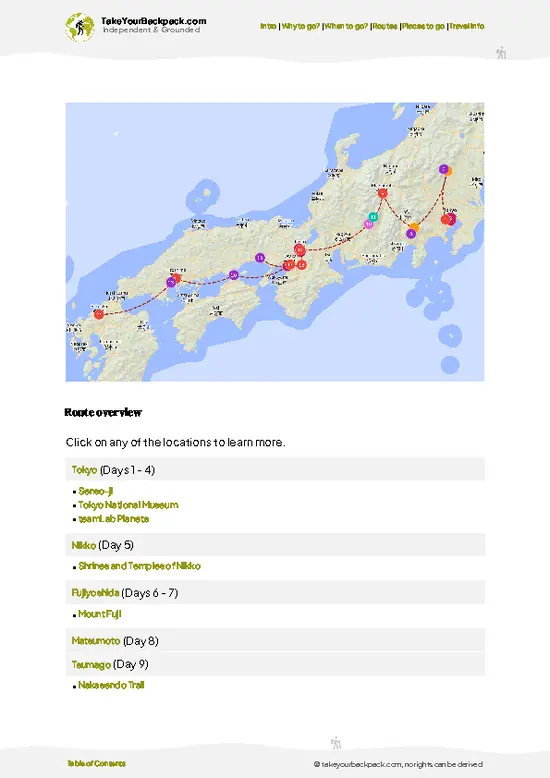
Iwakuni is a strategic stop for backpackers weaving through Japan. It offers a basecamp value for day trips to nearby attractions, making it easy to explore without the hassle of constant packing. The walkability of the city means you can easily navigate its charming streets, while affordable hostels provide a cozy place to recharge. Food options range from local delights to quick bites, satisfying both budget and taste. As for nightlife, it’s laid-back but lively enough to unwind after a day of exploration. Plus, onward travel is a breeze, connecting you to larger cities without fuss.
Want to include Iwakuni in your Japan route?
Create a personalized Japan itinerary that includes Iwakuni and the places that fit your trip — based on your travel style, budget, and available time. Get your route in seconds.

Generate my trip

💡 HighlightsDon't-miss highlights and experiences

  1. Kintai-kyo Bridge — That five-arch wooden bridge is Iwakuni’s showpiece: great for photos, impressive engineering history, and the riverfront setting is perfect for a slow wander (best at sunrise or when the bridge is lit at night).
  2. Kikko Park (Kikkōen) — The grounds next to the bridge with ponds, walking paths and seasonal cherry blossoms; it’s where you feel how the town’s samurai past and river life come together in one peaceful spot.
  3. Iwakuni Castle (Shiroyama) — A small reconstructed castle on Mount Shiroyama with a compact museum inside and one of the best lookout points over the bridge, river and surrounding countryside.
  4. Kintai-kyo Ropeway / Mount Shiroyama cable car — Short, cheap and fun: the ropeway saves you the climb, gives quick panoramic views, and drops you right by the
read more 👉
  1. Kintai-kyo Bridge — That five-arch wooden bridge is Iwakuni’s showpiece: great for photos, impressive engineering history, and the riverfront setting is perfect for a slow wander (best at sunrise or when the bridge is lit at night).
  2. Kikko Park (Kikkōen) — The grounds next to the bridge with ponds, walking paths and seasonal cherry blossoms; it’s where you feel how the town’s samurai past and river life come together in one peaceful spot.
  3. Iwakuni Castle (Shiroyama) — A small reconstructed castle on Mount Shiroyama with a compact museum inside and one of the best lookout points over the bridge, river and surrounding countryside.
  4. Kintai-kyo Ropeway / Mount Shiroyama cable car — Short, cheap and fun: the ropeway saves you the climb, gives quick panoramic views, and drops you right by the castle walking trails — useful when you want the vista without the sweat.
  5. Iwakuni Art Museum — A modest museum near Kikko Park that houses regional art and samurai-era armor and artifacts; good if you want context on the local clans and cultural tastes without a huge time investment.
  6. White Snake House (Iwakuni’s white snakes) — Iwakuni is famous for its sacred white snakes; you can see live specimens at the small facility in the Kikko Park area and learn the local folklore that made them a city symbol.
  7. Former samurai residences in Kikko Park — Scattered historic houses and preserved streets near the park where lower-rank retainers once lived; small, atmospheric, and excellent for imagining daily life in the feudal era.
  8. Nishiki River boat rides and riverside promenades — Short river cruises (seasonal) or just strolling the Nishiki’s banks give you a different angle on the bridge and town; in spring and autumn it’s especially pretty.
  9. Kintaikyo Bridge Festival / Bridge illuminations (seasonal experiences) — If your timing is right you’ll catch lantern-lit nights or festival processions that turn the whole area into something theatrical — an excellent way to see local traditions in action.
  10. Iwakuni City Local History exhibits — Small municipal displays (scattered around the Kikko/Kinuta area) that explain the Kikkawa clan, bridge restorations and local crafts — not flashy, but they give the backstory that makes the rest of the sites click.
A few great day trips just outside Iwakuni: Miyajima/Itsukushima (the floating torii), Hiroshima Peace Memorial in Hiroshima city, and the Akiyoshido/Akiyoshidai area — my personal favorite for a quick outing is Miyajima.
Spotted a mistake or missing something? Contact us.

Things to do near Iwakuni

Ratings based on Tripadvisor reviews. When you book through this link, you support our work at no extra cost to you.

🏘️ NeighborhoodsKey areas and districts to know

Iwakuni offers a unique blend of history and modernity, making it a fascinating stop for backpackers.

Central Iwakuni: This area buzzes with energy. It’s walkable, with plenty of shops and eateries. You’ll find budget-friendly options, but prices can spike near tourist spots. Nightlife is low-key, perfect for unwinding after a day of exploring. Great transport links make it easy to venture further.

Kintai Bridge Area: A must-see for its iconic bridge. The vibe is serene, ideal for a short stay. While it’s quieter, the beauty of the surroundings compensates. Costs can be higher here, but the views are worth it. Access to transport is decent, but you might want to walk to soak it all in.

Yamaguchi Road: This neighborhood is more residential and offers a glimpse of local life. It’s less touristy, … read more 👉
Iwakuni offers a unique blend of history and modernity, making it a fascinating stop for backpackers.

Central Iwakuni: This area buzzes with energy. It’s walkable, with plenty of shops and eateries. You’ll find budget-friendly options, but prices can spike near tourist spots. Nightlife is low-key, perfect for unwinding after a day of exploring. Great transport links make it easy to venture further.

Kintai Bridge Area: A must-see for its iconic bridge. The vibe is serene, ideal for a short stay. While it’s quieter, the beauty of the surroundings compensates. Costs can be higher here, but the views are worth it. Access to transport is decent, but you might want to walk to soak it all in.

Yamaguchi Road: This neighborhood is more residential and offers a glimpse of local life. It’s less touristy, making it budget-friendly. Walkability is good, but nightlife is minimal. Perfect for longer stays if you want to immerse yourself in the culture. Transport options are available, but not as frequent.

⌛️ 1 daySeeing the highlights in 24 hours

Iwakuni, Japan, is a charming city where history and nature intertwine seamlessly. Its iconic Kintai Bridge, a stunning wooden arch bridge, is a must-see, but there’s more to discover beyond the usual tourist spots.

Start your morning at the Iwakuni Castle. Take the ropeway up for a panoramic view of the city and the surrounding mountains. The castle itself, while small, offers a glimpse into the region’s samurai past. Afterward, stroll through the nearby Shirohebi Shrine, where you might spot the rare white snake, a local symbol of good fortune.

In the afternoon, head to the Kintai Bridge area. Grab a bento box from a local shop and enjoy it by the river. Then, wander through the quaint streets of the historic Iwakuni neighborhood, where traditional wooden houses line the pathways. Don’t … read more 👉
Iwakuni, Japan, is a charming city where history and nature intertwine seamlessly. Its iconic Kintai Bridge, a stunning wooden arch bridge, is a must-see, but there’s more to discover beyond the usual tourist spots.

Start your morning at the Iwakuni Castle. Take the ropeway up for a panoramic view of the city and the surrounding mountains. The castle itself, while small, offers a glimpse into the region’s samurai past. Afterward, stroll through the nearby Shirohebi Shrine, where you might spot the rare white snake, a local symbol of good fortune.

In the afternoon, head to the Kintai Bridge area. Grab a bento box from a local shop and enjoy it by the river. Then, wander through the quaint streets of the historic Iwakuni neighborhood, where traditional wooden houses line the pathways. Don’t miss the lesser-known Iwakuni Art Museum, showcasing local artists.

As evening falls, find a cozy izakaya in the city center. Savor some local sake and grilled fish while chatting with friendly locals. This blend of sights and tastes makes for a day that’s both enriching and memorable.
Turn your Iwakuni visit into an Japan adventure
Build a complete Japan route with Iwakuni, hidden gems, must-see destinations, and realistic travel times included.

Generate my trip

🌤️ When to go?Seasonal considerations and timing


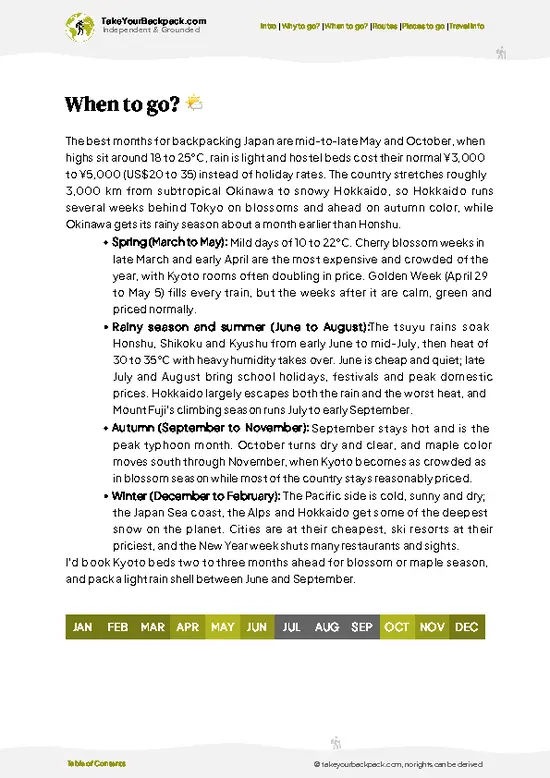
  • Weather: Spring (March to May) and autumn (September to November) offer mild, dry conditions, perfect for hiking and exploring without sweating buckets or freezing fingers.

  • Temperature: Spring highs hover around 15-20°C (59-68°F), autumn is similar but cooler at night, dropping to 10°C (50°F), so pack layers.

  • Daylight Hours: Spring and autumn provide balanced daylight, roughly 11-13 hours, enough time to squeeze in sightseeing and evening strolls along the Kintai Bridge.

  • Crowds: Peak tourist influx hits in cherry blossom season (late March to early April) and autumn foliage weekends, so expect busier trails and pricier stays then.

  • Seasonal Activities: Cherry blossoms in spring and vibrant maple leaves in autumn are the headline acts; summer festivals bring energy but also humidity
read more 👉

  • Weather: Spring (March to May) and autumn (September to November) offer mild, dry conditions, perfect for hiking and exploring without sweating buckets or freezing fingers.

  • Temperature: Spring highs hover around 15-20°C (59-68°F), autumn is similar but cooler at night, dropping to 10°C (50°F), so pack layers.

  • Daylight Hours: Spring and autumn provide balanced daylight, roughly 11-13 hours, enough time to squeeze in sightseeing and evening strolls along the Kintai Bridge.

  • Crowds: Peak tourist influx hits in cherry blossom season (late March to early April) and autumn foliage weekends, so expect busier trails and pricier stays then.

  • Seasonal Activities: Cherry blossoms in spring and vibrant maple leaves in autumn are the headline acts; summer festivals bring energy but also humidity and crowds.

  • Price Fluctuations: Accommodation and transport costs spike during cherry blossom and autumn leaf seasons; off-peak months like early March or late November offer better deals.


Pro-tip: Aim for early spring or late autumn weekdays to dodge crowds and snag lower prices while still enjoying crisp weather and scenic beauty.


source: climatestotravel.comJANJanuary: fair for travelingFEBFebruary: fair for travelingMARMarch: highly recommended for travelingAPRApril: good for travelingMAYMay: highly recommended for travelingJUNJune: fair for travelingJULJuly: fair for travelingAUGAugust: fair for travelingSEPSeptember: highly recommended for travelingOCTOctober: excellent for travelingNOVNovember: highly recommended for travelingDECDecember: fair for traveling
when-to-go

✈️ The backpacker research shortcutJapan Travel Guide

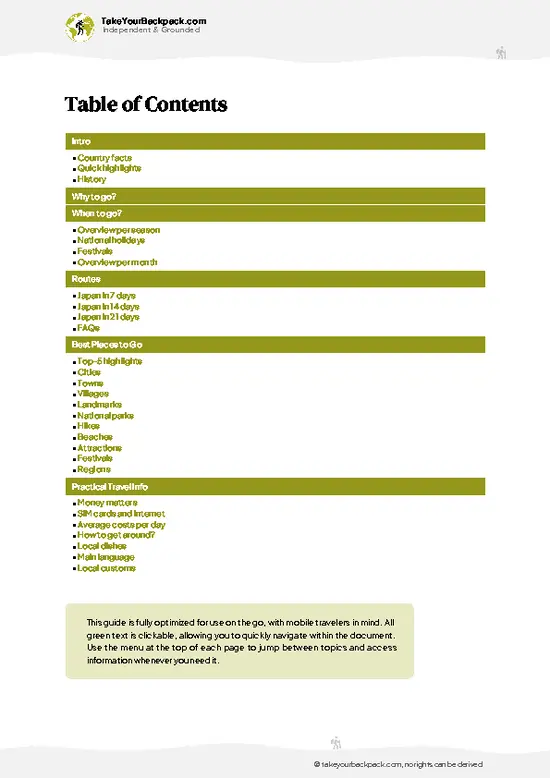
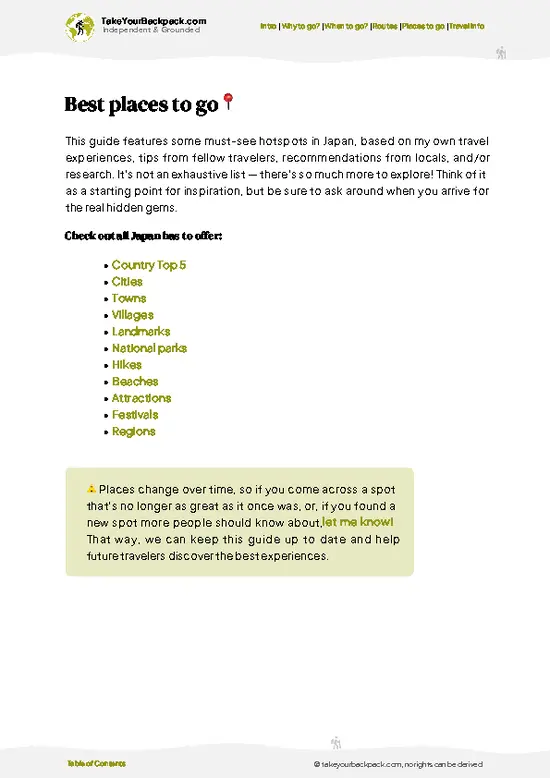
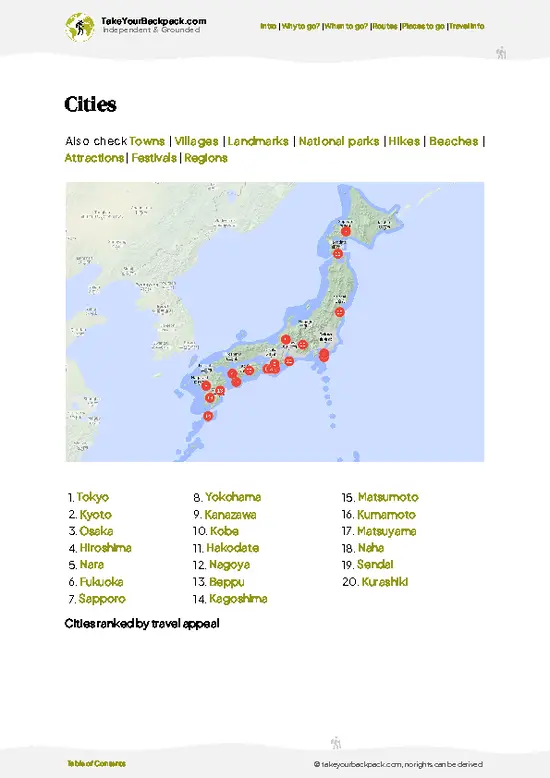
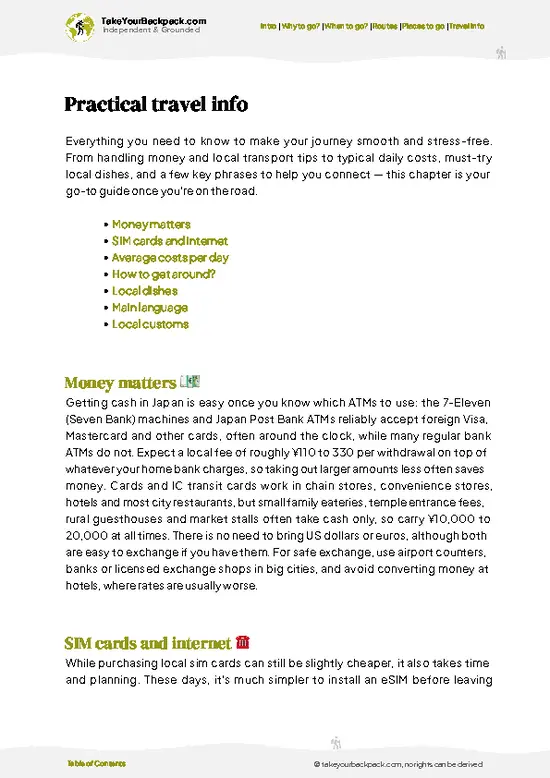
An offline-friendly backpacking guide with optimized travel routes, ranked highlights, transport advice, and the best areas to stay.
example page 0 from our offline Travel Guide for Japan
example page 1 from our offline Travel Guide for Japan
example page 2 from our offline Travel Guide for Japan
example page 3 from our offline Travel Guide for Japan
example page 4 from our offline Travel Guide for Japan
example page 5 from our offline Travel Guide for Japan
example page 6 from our offline Travel Guide for Japan
example page 7 from our offline Travel Guide for Japan
The digital guide (482 pages) contains:
140 highlights, ranked by travel appeal
Optimized 7, 14 & 21-day travel routes
Cities, national parks, landmarks, beaches
How to get around
Offline-friendly for travel without Wi-Fi
👉 Click to see all 30+ guide features

📅 Plan smarter in minutes, not weeks
Month by month travel advice
Festivals & national holidays
Budget expectations

🗺️ Go to the right places, skip the overrated ones
Honest pros & cons of destinations
Top hikes, parks & viewpoints
Lesser-known places most travelers miss
Clear “worth it vs skip it” guidance

🛏️ Travel smoothly without rookie mistakes
Best areas to stay
Transport systems explained simply
Common scams & safety advice
SIM cards, money & practical tips

🌍 Understand the country, not just visit it
Culture & traditions
52 Essential phrases & customs
Festivals worth planning around
Traveler-friendly historical context
Insights that make places more meaningful

📱 Built for real travel conditions
Fully downloadable PDF
Works completely offline
Optimized for phone use
Useful in remote areas & buses
Everything in one place
Save weeks of stressful planning
Get instant access to your full guide. 30‑day money-back guarantee.
+ Add another guide for just US$7.80

By proceeding you agree to our terms.
Sent to your inbox immediately after payment • 100% Secure Checkout
Best Backpacking Travel Advisor 2025 tourism awardBest Backpacking
Travel Advisor
2025
What others say about Take Your Backpack Guides:
⭐⭐⭐⭐⭐
Fantastic, amazing amount of information!
⭐⭐⭐⭐⭐
My goodness this is amazing, it's what I've been looking for hats off too you!
⭐⭐⭐⭐⭐
I think this is absolutely BRILLIANT
⭐⭐⭐⭐
Very complete and informative. It's still missing places, but I gotta to commend you
⭐⭐⭐⭐⭐
This is truly amazing, thank you, can't wait to explore it with my kids!
⭐⭐⭐⭐⭐
Awesome resource, thank you!
⭐⭐⭐⭐⭐
This is amazing! Can't wait to explore the ones I haven't seen
⭐⭐⭐⭐
I love this! Well done, great idea.
⭐⭐⭐⭐⭐
Thanks for taking the time to make this gem!
⭐⭐⭐⭐⭐
This might be the best website I've ever seen.
⭐⭐⭐⭐⭐
Congratulations, and thank you so much for your work; it's incredibly valuable.
⭐⭐⭐⭐
In all seriousness I think you did a great job pointing out the important spots
⭐⭐⭐⭐⭐
10/10 very good
⭐⭐⭐⭐⭐
As someone who's only just starting to visit regularly this is awesome, thank you.
⭐⭐⭐⭐
Thank you very much! I'm going to visit my dad, it's going to be very useful!
⭐⭐⭐⭐⭐
This is really cool! We'll be travelling for the first time and this definitely come in handy.
⭐⭐⭐⭐⭐
You are now our minister of culture, congratulations 👨‍💼
⭐⭐⭐⭐⭐
Just wanted to tell you that this is a pearl! Going to follow your recommendations.
⭐⭐⭐⭐⭐
This is so cool. I'll definitely be using the resource for my travels soon.
⭐⭐⭐⭐⭐
This is very impressive! Good work.
⭐⭐⭐⭐⭐
This is an amazing and informative site. Very well done!

🛏️ Where to stay?Where staying makes the most sense

In Iwakuni, the sweet spot for backpackers is the area around Iwakuni Station. It’s a practical hub—safe, easy to navigate, and buzzing enough to meet fellow travelers without the overwhelm of a big city. Hostels cluster here, offering budget-friendly beds and a social vibe that’s perfect for solo adventurers looking to swap stories over a cheap beer. Compared to the quieter, more residential neighborhoods, this zone balances convenience with a pulse of activity. You sacrifice a bit of tranquility but gain access to transport links and local eateries that keep your wallet happy and your itinerary flexible.

🚌 Getting aroundMoving around without the hassle

Iwakuni moves at its own pace—neither frantic nor sluggish. It’s a city where the rhythm is set by trains and buses that mostly stick to their timetables, but with enough local quirks to keep you alert. The flow here is a blend of punctuality and laid-back charm, where you can rely on schedules but also expect a few moments to soak in the surroundings while waiting. It’s not a place where you’ll be hustling through crowds, but you do need to plan your moves carefully if you want to maximize your time without overspending or sacrificing comfort.


  • JR Sanyo Line Train: Runs roughly from 5:30 AM to midnight, with fares around 200-400 yen depending on distance. Fast and reliable, it’s your best bet for covering longer distances quickly, though it can get crowded during rush hours.

  • Kintetsu
read more 👉
Iwakuni moves at its own pace—neither frantic nor sluggish. It’s a city where the rhythm is set by trains and buses that mostly stick to their timetables, but with enough local quirks to keep you alert. The flow here is a blend of punctuality and laid-back charm, where you can rely on schedules but also expect a few moments to soak in the surroundings while waiting. It’s not a place where you’ll be hustling through crowds, but you do need to plan your moves carefully if you want to maximize your time without overspending or sacrificing comfort.


  • JR Sanyo Line Train: Runs roughly from 5:30 AM to midnight, with fares around 200-400 yen depending on distance. Fast and reliable, it’s your best bet for covering longer distances quickly, though it can get crowded during rush hours.

  • Kintetsu Bus: Operates from early morning until about 9 PM, fares usually under 300 yen. Slower than the train but covers areas trains don’t reach, offering a comfortable ride with decent frequency.

  • Walking: Iwakuni’s compact downtown and castle area are perfect for walking. Zero cost, full control over your pace, and the chance to discover small shops and local eateries that buses and trains miss.

  • Rental Bicycle: Available at several spots near the station, typically 500-800 yen per day. Faster than walking and flexible, but weather-dependent and requires some stamina on hilly stretches.

👛 Costs (as of 4 September 2026)How expensive it really is

Backpacking in Iwakuni, Japan, offers a clear trade-off between cost and comfort, with prices reflecting its blend of local charm and tourist interest. Here’s the breakdown of what you’re likely to spend daily:
  • Dorm Accommodation (High Season): Expect to pay around $25 to $35 per night. This is when demand peaks, especially during cherry blossom season or local festivals, pushing prices up slightly.
  • Dorm Accommodation (Off-Season): Prices drop to about $15 to $25 per night. Fewer tourists mean better deals, but some hostels may close or reduce services.
  • Meals: Budget around $10 to $20 daily if you stick to convenience stores, local eateries, and street food. Iwakuni’s specialty, like its famous kintaikyo bridge area snacks or simple ramen shops, offers good value without breaking the bank.
read more 👉
Backpacking in Iwakuni, Japan, offers a clear trade-off between cost and comfort, with prices reflecting its blend of local charm and tourist interest. Here’s the breakdown of what you’re likely to spend daily:
  • Dorm Accommodation (High Season): Expect to pay around $25 to $35 per night. This is when demand peaks, especially during cherry blossom season or local festivals, pushing prices up slightly.
  • Dorm Accommodation (Off-Season): Prices drop to about $15 to $25 per night. Fewer tourists mean better deals, but some hostels may close or reduce services.
  • Meals: Budget around $10 to $20 daily if you stick to convenience stores, local eateries, and street food. Iwakuni’s specialty, like its famous kintaikyo bridge area snacks or simple ramen shops, offers good value without breaking the bank.
  • Local Transport: Single bus rides typically cost $1.50 to $2.50. Walking is often viable, but buses cover the spread-out sights efficiently.
  • City Transport Pass: A day pass for buses runs about $4 to $6, which pays off if you plan multiple trips in a day.
  • Basic Activities/Entry Fees: Visiting landmarks like Kintaikyo Bridge or Iwakuni Castle usually costs between $3 and $7. Some shrines and parks are free, balancing out your activity budget.
  • Miscellaneous Expenses: Set aside $5 to $10 for small extras—bottled drinks, snacks, or occasional souvenirs.

Altogether, you’re looking at roughly $40 to $70 per day for a solid backpacking experience in Iwakuni. This range lets you choose between tighter budgeting and a bit more comfort without losing the authentic feel of the city. The key is balancing your accommodation and transport choices—splurging on a comfortable dorm can free up energy for exploring, while savvy use of local buses keeps costs down.
⚠️ Prices can change and everyone travels differently, so take this as a rough guide. Hope it helps you plan your adventure!

🚌 Day tripsExploring the surroundings

Iwakuni is a fantastic launchpad for day trips that blend culture, nature, and adventure. Here’s how to make the most of your time.

Hiroshima
Just a 45-minute train ride away, Hiroshima is a must-see for its profound history. The Peace Memorial Park and Museum offer a sobering yet essential glimpse into the past. Budget around ¥1,500 for transport and entrance fees. Spring, with cherry blossoms in full bloom, is particularly stunning. A common mistake is underestimating the emotional weight of the museum; prepare yourself for a reflective experience.
👉 Explore Hiroshima

Miyajima Island
A quick ferry ride from Hiroshima, Miyajima is famous for its floating torii gate. Spend the day hiking Mount Misen or exploring the quaint streets filled with local snacks. Expect to spend about ¥2, … read more 👉
Iwakuni is a fantastic launchpad for day trips that blend culture, nature, and adventure. Here’s how to make the most of your time.

Hiroshima
Just a 45-minute train ride away, Hiroshima is a must-see for its profound history. The Peace Memorial Park and Museum offer a sobering yet essential glimpse into the past. Budget around ¥1,500 for transport and entrance fees. Spring, with cherry blossoms in full bloom, is particularly stunning. A common mistake is underestimating the emotional weight of the museum; prepare yourself for a reflective experience.
👉 Explore Hiroshima

Miyajima Island
A quick ferry ride from Hiroshima, Miyajima is famous for its floating torii gate. Spend the day hiking Mount Misen or exploring the quaint streets filled with local snacks. Expect to spend about ¥2,000 for the ferry and food. Late autumn is ideal for fewer crowds and beautiful foliage. Many first-timers miss the last ferry back, so keep an eye on the schedule!


Kintaikyo Bridge
Just 15 minutes from Iwakuni, this iconic wooden bridge is a marvel of engineering. Stroll along the riverbanks and enjoy the surrounding park. The trip is practically free, with only a small fee for bridge access. Spring and autumn provide the best views. Don’t rush your visit; the area is perfect for a leisurely picnic.


Shimonoseki
About an hour away, Shimonoseki is known for its fresh seafood, especially fugu (pufferfish). Enjoy a meal at the bustling fish market and take a stroll along the waterfront. Budget around ¥3,000 for transport and lunch. Visit in late summer for the best catch. Many travelers overlook the market’s opening hours, so check ahead!
👉 Explore Shimonoseki
Want to know what more Japan offers?
The Japan Travel Guide describes 140 highlights, from cities to national parks, from beaches to hikes

Get the Travel Guide -

🍲 FoodEating & Drinking in Iwakuni

In Iwakuni, local cuisine is a delightful adventure. Don’t miss the yaki-soba, stir-fried noodles that dance with flavor, often found sizzling at street stalls. Pair it with katsu, crispy pork cutlets that are a staple here.

The drinking culture is equally engaging. Grab a cold local sake at a casual izakaya, where the atmosphere buzzes with laughter and clinking glasses.

When dining, embrace the custom of sharing; it’s all about community. Don’t be surprised if you’re offered a taste of someone’s dish—this is how connections are made. Enjoy the vibrant market scenes, where the air is thick with spices and the camaraderie is palpable.

🛡️ SafetySafety Tips and Common Scams in Iwakuni

Iwakuni is generally safe, but awareness is key. Stick to well-lit areas at night, especially if you’re solo. The city is small, so you can easily navigate, but keep an eye on your belongings in crowded spots like the Kintai Bridge.

While scams are rare, be cautious of overly friendly locals who might push you toward specific shops or restaurants—trust your instincts. Everyday annoyances include occasional language barriers; a translation app can be a lifesaver. Stay confident and engaged, and you’ll enjoy Iwakuni’s charm without a hitch.

FAQFrequently asked questions about Iwakuni

2 to 3 days are sufficient to explore Iwakuni. This allows time to visit key sites like Kintai Bridge, Iwakuni Castle, and the local museums. You can also enjoy the nearby Nishiki River and sample local cuisine within this timeframe.
Yes, Iwakuni is safe for solo backpackers. The city has low crime rates and a friendly, welcoming atmosphere. Basic precautions like avoiding isolated areas at night are recommended, as in any travel destination.
Iwakuni is known for the iconic Kintai Bridge, a historic wooden arch bridge built in 1673. It is also famous for Iwakuni Castle and its traditional sake breweries. The city is recognized for its scenic beauty and cultural heritage.
⚠️ Things can change over time, so always validate details locally before you go.

Other Japanese cities near Iwakuni

Explore more nearby:

  • Hiroshima—Peace Memorial, okonomiyaki, island shrine| 33 km away
  • Matsuyama—hilltop castle, literary heritage, Dogo Onsen| 62 km away
  • Yamaguchi—pagoda, hot springs, literary history| 69 km away

💡 Not sure where to go next?
Create a personalized itinerary for Japan including Iwakuni and the places that fit your trip.

Generate my itinerary

👉 Discover all cities

Or checkout all Japan has to offer (think cities, towns, villages, national parks, hikes, beaches, festivals)
Country photo of Japan

We 💚 feedbackFinal thoughts on visiting Iwakuni

Iwakuni’s Kintai-kyo Bridge is a masterpiece of craftsmanship, blending history with stunning views. But be prepared: it’s not a bustling hub. If you crave nightlife or a plethora of dining options, you might feel a bit isolated. Embrace the quiet; it’s part of the charm.

✈️ When did I visit Japan?
As part of my 1.5 year travel around the world trip, I visited Japan in August 2015.

✍️ Help improve this page!
The information on this page is based on my own backpacking experience in Japan, supplemented with up-to-date research and feedback from other travelers. Travel details can change, so if you notice anything outdated or incomplete, feel free to let me know.


🙋‍♂️ Give feedback

👋 Meet the founderWho’s Behind Take Your Backpack?

Johan, backpacker and founder of TakeYourBackpackHi, I’m Johan (Netherlands 🇳🇱), the creator of TakeYourBackpack. Over the past decade, I’ve backpacked through 80+ countries across six continents, gaining extensive experience with independent travel, long-term trips, and overland routes.

This site is built on a combination of firsthand travel experience and carefully curated insights from other backpackers. Many guides are based on places I’ve personally visited, while others bring together tips, observations, and practical advice shared by trusted travelers I’ve met along the way.

The goal is to provide realistic, experience-driven guidance — not generic itineraries — so you can explore destinations with better context, clearer expectations, and more confidence.

Get full Japan guide •
Instant download • 140 highlights • Full Offline guide