×

Japan🇯🇵 | landmarksItsukushima Shrinefloating torii, tidal island, vermilion structures | things to do and best time to go

Explore Himeji CastleExplore Kumano Kodo

Backpacking in Itsukushima Shrine
UNESCO World Heritage site
🏆 Top pickunique site ranked #3
By Johan Kruseman 🇳🇱 | Updated October 15, 2026

Most people realize too late that Itsukushima Shrine is one of the easiest “big-ticket” sights in Japan to do as a cheap DIY day trip, with no tour, no guide, just a local train and a short ferry ride you can pay for with your IC card. Itsukushima Shrine sits on Miyajima Island, just off the coast of Hiroshima in western Honshu. The floating torii gate absolutely delivers that jaw-drop moment, especially at high tide or lit up at night, and the shrine’s boardwalks over the water feel quietly theatrical. But it’s busy, especially midday, and prices on the island creep up—snacks, souvenirs, even basic drinks. You’re not getting solitude; you’re getting a very photogenic, very managed sacred site with real historical weight. For backpackers, it’s a high-impact, half-day hit: easy logistics, huge photo payoff, slightly theme-park energy if you don’t time it early or late.

Discover everything you want to know in the 📖 Japan Travel Guide.


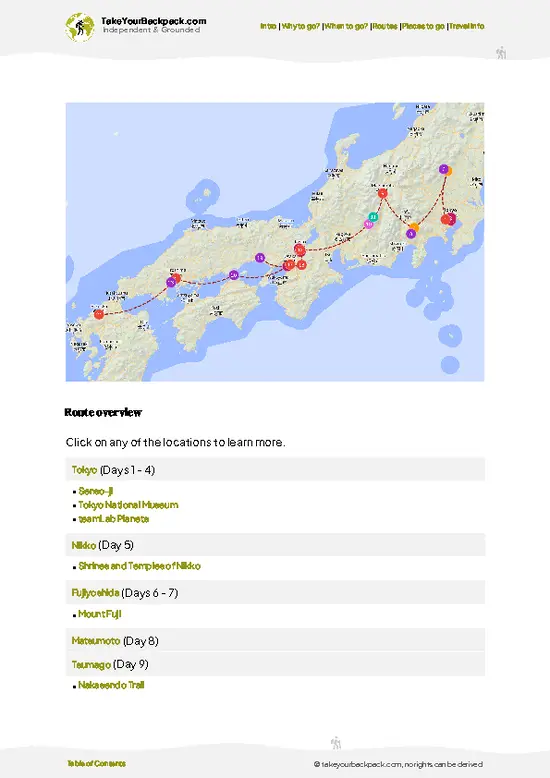
example page 0 from our offline Travel Guide for Japan
example page 1 from our offline Travel Guide for Japan
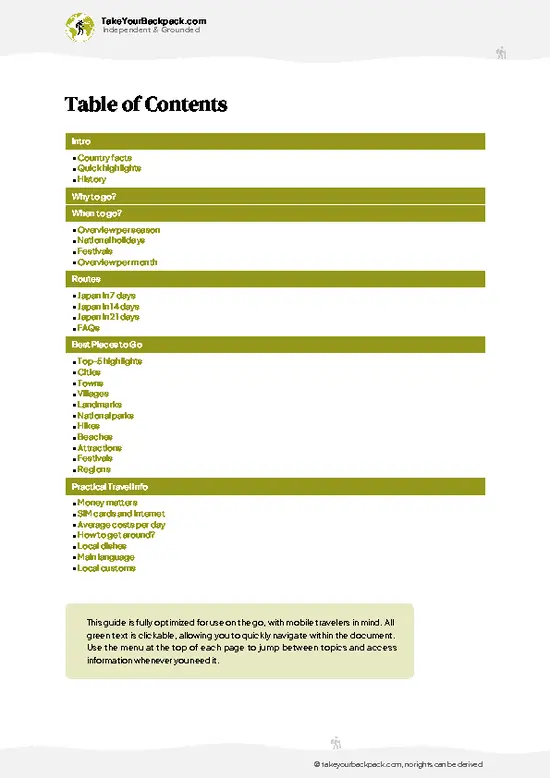
example page 2 from our offline Travel Guide for Japan
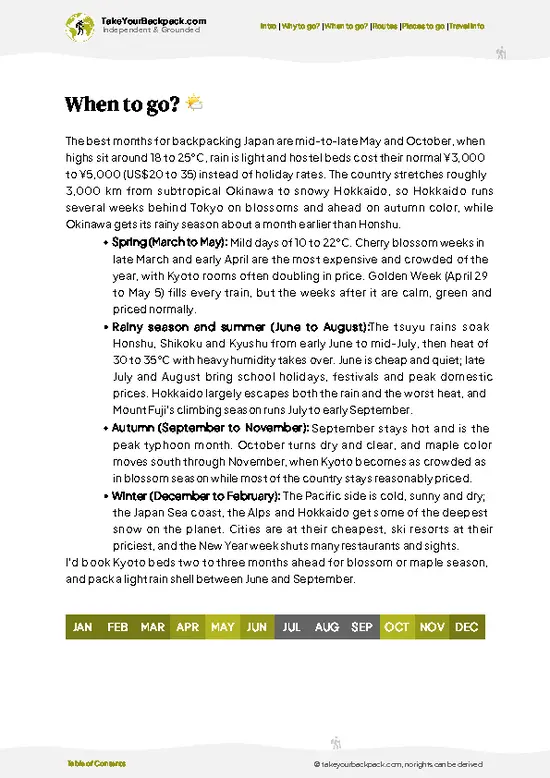
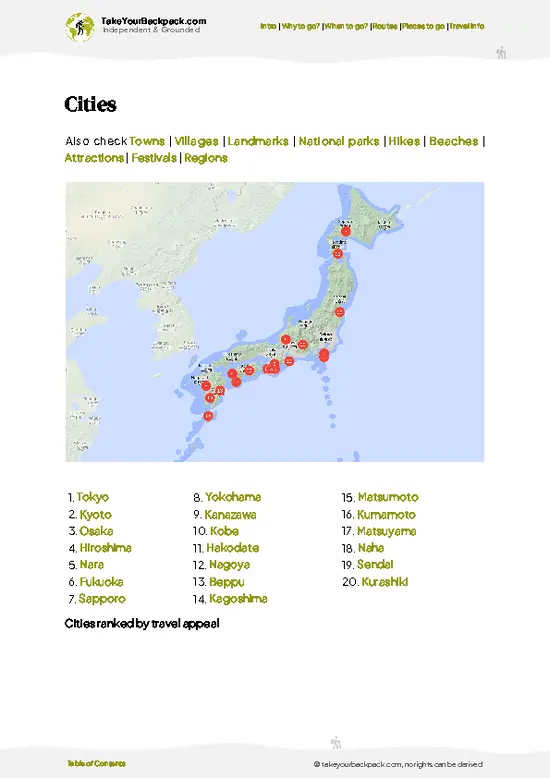
example page 3 from our offline Travel Guide for Japan
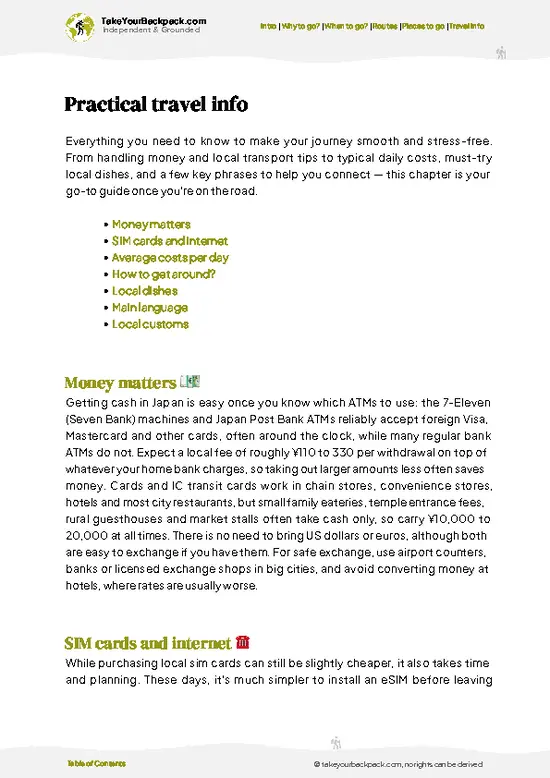
example page 4 from our offline Travel Guide for Japan
example page 5 from our offline Travel Guide for Japan
example page 6 from our offline Travel Guide for Japan
example page 7 from our offline Travel Guide for Japan
Loading the map 🌍
CLICK TO FILTER
cities
towns
villages
landmarks
national parks
hikes
beaches
attractions
festivals
regions
SHOW COUNTRY’S BESTSHOW ALL

✨ Why go?
Ranked #3 unique site in Japan
What makes this unique site worth visiting

The Itsukushima Shrine is often plastered across social media, but let’s cut through the hype. Yes, it’s crowded, especially during peak seasons. You’ll be elbow-to-elbow with tourists snapping selfies. But here’s the kicker: the experience is still worth it.

This shrine, floating on the water, is a masterclass in architecture and spirituality. The torii gate rises majestically at high tide, creating a surreal backdrop that’s hard to shake off. It’s not just a photo op; it’s a moment that pulls you into Japan’s rich cultural tapestry.

Getting there is a breeze. A short ferry ride from Hiroshima makes it accessible, and you can easily fit it into a broader route exploring the region. Plus, entry is low-cost, making it a solid choice for backpackers.

While the crowds can be a drag, take … read more 👉
The Itsukushima Shrine is often plastered across social media, but let’s cut through the hype. Yes, it’s crowded, especially during peak seasons. You’ll be elbow-to-elbow with tourists snapping selfies. But here’s the kicker: the experience is still worth it.

This shrine, floating on the water, is a masterclass in architecture and spirituality. The torii gate rises majestically at high tide, creating a surreal backdrop that’s hard to shake off. It’s not just a photo op; it’s a moment that pulls you into Japan’s rich cultural tapestry.

Getting there is a breeze. A short ferry ride from Hiroshima makes it accessible, and you can easily fit it into a broader route exploring the region. Plus, entry is low-cost, making it a solid choice for backpackers.

While the crowds can be a drag, take a moment to wander the quieter paths around the shrine. You’ll find local shops and food stalls that serve up authentic flavors. Embrace the chaos, soak in the history, and you’ll walk away with a deeper appreciation for this iconic site.

💡 HighlightsEssential experiences to have while visiting Itsukushima Shrine

  • O-torii (The “Floating” Torii Gate) — The icon: a massive vermilion gate that appears to float on the bay at high tide. It’s instantly recognizable, framed against Seto Inland Sea vistas, and photographed constantly for good reason.
  • Main Shrine Complex (Honden and Connected Boardwalks) — Built on stilts over the water, the shrine’s elegant red-painted corridors and pillars were designed so deities could arrive by boat. The layout feels airy and theatrical—different from most landlocked shrines.
  • Noh Stage and Traditional Performances — The stage in front of the main hall still hosts Noh and kagura performances. Seeing music and theater performed in that watery setting gives you a direct line to centuries-old cultural practice.
  • Senjokaku (The “Thousand-Mat Hall”) — A huge, open wooden hall
… read more 👉
  • O-torii (The “Floating” Torii Gate) — The icon: a massive vermilion gate that appears to float on the bay at high tide. It’s instantly recognizable, framed against Seto Inland Sea vistas, and photographed constantly for good reason.
  • Main Shrine Complex (Honden and Connected Boardwalks) — Built on stilts over the water, the shrine’s elegant red-painted corridors and pillars were designed so deities could arrive by boat. The layout feels airy and theatrical—different from most landlocked shrines.
  • Noh Stage and Traditional Performances — The stage in front of the main hall still hosts Noh and kagura performances. Seeing music and theater performed in that watery setting gives you a direct line to centuries-old cultural practice.
  • Senjokaku (The “Thousand-Mat Hall”) — A huge, open wooden hall begun by Toyotomi Hideyoshi and left unfinished; its plain interior and massive scale are striking. Good spot to pause and appreciate the historical layers of the island.
  • Five-Storied Pagoda (Gojunoto) — A compact, brightly colored pagoda close to the shrine that adds vertical drama to photos. It blends Buddhist form with the island’s Shinto complex and is particularly pretty in the softer light of late afternoon.
  • Mount Misen Summit & Hiking Trails — Short hikes and a cable car take you up for panoramic views over Hiroshima Bay. Trails snake through cedar forest, there are small temples and lookout points, and the summit feels wonderfully quiet compared with the shrine area.
  • Low-Tide Walk to the Torii & Sunrise/Sunset Views — When the tide drops you can actually walk out to the base of the gate; the scale hits you in a different way than photos. Sunrise/sunset here is magical and moody—my personal favorite for timing, light, and the simple pleasure of standing right next to that famous gate.
Spotted a mistake or missing something? Contact us.

Things to do around Itsukushima Shrine

Ratings based on Tripadvisor reviews. When you book through this link, you support our work at no extra cost to you.

🌤️ When to go?Weather, crowds, and seasonal trade-offs

  • Weather: Spring (March to May) and autumn (September to November) offer the most comfortable weather. Expect mild temperatures around 15-22°C (59-72°F). Summers can be brutally humid and sticky, while winters are chilly and damp, not ideal for long walks or photo ops.
  • Temperature: Peak summer hits 28-32°C (82-90°F), which feels hotter thanks to humidity. Winters hover around 5-10°C (41-50°F), often gray and wet, killing the vibe.
  • Daylight Hours: Longer days in late spring and early autumn mean more time to explore without rushing. Winter days shrink to about 10 hours, limiting your window for decent light and shrine views.
  • Crowds: Brace yourself for crowds year-round, especially weekends and holidays. Golden Week (late April to early May) and autumn foliage season pack the place with
… read more 👉
  • Weather: Spring (March to May) and autumn (September to November) offer the most comfortable weather. Expect mild temperatures around 15-22°C (59-72°F). Summers can be brutally humid and sticky, while winters are chilly and damp, not ideal for long walks or photo ops.
  • Temperature: Peak summer hits 28-32°C (82-90°F), which feels hotter thanks to humidity. Winters hover around 5-10°C (41-50°F), often gray and wet, killing the vibe.
  • Daylight Hours: Longer days in late spring and early autumn mean more time to explore without rushing. Winter days shrink to about 10 hours, limiting your window for decent light and shrine views.
  • Crowds: Brace yourself for crowds year-round, especially weekends and holidays. Golden Week (late April to early May) and autumn foliage season pack the place with tourists. Early mornings or weekdays in shoulder seasons are your best bet for some breathing room.
  • Seasonal Activities: Cherry blossoms in April and vibrant maple leaves in November transform the shrine’s backdrop into a living postcard. These are the moments everyone chases, so expect a crush but also a rare kind of magic.
  • Price Fluctuations: Accommodation and ferry prices spike during peak seasons—spring and autumn. Budget travelers should aim for off-peak months like late November or early March to dodge the premium rates.
Pro-tip: Hit the shrine at dawn during shoulder seasons—fewer people, soft light, and a quiet that lets you soak in the shrine’s spiritual pull without the Instagram mob.


source: climatestotravel.comJANJanuary: fair for travelingFEBFebruary: fair for travelingMARMarch: good for travelingAPRApril: excellent for travelingMAYMay: highly recommended for travelingJUNJune: fair for travelingJULJuly: below average for travelingAUGAugust: below average for travelingSEPSeptember: highly recommended for travelingOCTOctober: highly recommended for travelingNOVNovember: excellent for travelingDECDecember: fair for traveling
japan-unique-site-itsukushima-shrine
© Google |

✈️ The backpacker research shortcutJapan Travel Guide

An offline-friendly backpacking guide with optimized travel routes, ranked highlights, transport advice, and the best areas to stay.
example page 0 from our offline Travel Guide for Japan
example page 1 from our offline Travel Guide for Japan
example page 2 from our offline Travel Guide for Japan
example page 3 from our offline Travel Guide for Japan
example page 4 from our offline Travel Guide for Japan
example page 5 from our offline Travel Guide for Japan
example page 6 from our offline Travel Guide for Japan
example page 7 from our offline Travel Guide for Japan
The digital guide (475 pages) contains:
✅ 139 highlights, ranked by travel appeal
✅ Optimized 7, 14 & 21-day travel routes
✅ Cities, national parks, landmarks, beaches
✅ How to get around
✅ Offline-friendly for travel without Wi-Fi
👉 Click to see all 30+ guide features

📅 Plan smarter in minutes, not weeks
✅ Month by month travel advice
✅ Festivals & national holidays
✅ Budget expectations

🗺️ Go to the right places, skip the overrated ones
✅ Honest pros & cons of destinations
✅ Top hikes, parks & viewpoints
✅ Lesser-known places most travelers miss
✅ Clear “worth it vs skip it” guidance

🛏️ Travel smoothly without rookie mistakes
✅ Best areas to stay
✅ Transport systems explained simply
✅ Common scams & safety advice
✅ SIM cards, money & practical tips

🌍 Understand the country, not just visit it
✅ Culture & traditions
✅ 52 Essential phrases & customs
✅ Festivals worth planning around
✅ Traveler-friendly historical context
✅ Insights that make places more meaningful

📱 Built for real travel conditions
✅ Fully downloadable PDF
✅ Works completely offline
✅ Optimized for phone use
✅ Useful in remote areas & buses
✅ Everything in one place
Stop searching, start planning
Get instant access to your full guide. 30‑day money-back guarantee.
+ Add another guide for just

By proceeding you agree to our terms.
Sent to your inbox immediately after payment • 100% Secure Checkout
Best Backpacking Travel Advisor 2025 tourism awardBest Backpacking
Travel Advisor
2025
What others say about Take Your Backpack Guides:
⭐⭐⭐⭐⭐
Fantastic, amazing amount of information!
⭐⭐⭐⭐⭐
My goodness this is amazing, it's what I've been looking for hats off too you!
⭐⭐⭐⭐⭐
I think this is absolutely BRILLIANT
⭐⭐⭐⭐
Very complete and informative. It's still missing places, but I gotta to commend you
⭐⭐⭐⭐⭐
This is truly amazing, thank you, can't wait to explore it with my kids!
⭐⭐⭐⭐⭐
Awesome resource, thank you!
⭐⭐⭐⭐⭐
This is amazing! Can't wait to explore the ones I haven't seen
⭐⭐⭐⭐
I love this! Well done, great idea.
⭐⭐⭐⭐⭐
Thanks for taking the time to make this gem!
⭐⭐⭐⭐⭐
This might be the best website I've ever seen.
⭐⭐⭐⭐⭐
Congratulations, and thank you so much for your work; it's incredibly valuable.
⭐⭐⭐⭐
In all seriousness I think you did a great job pointing out the important spots
⭐⭐⭐⭐⭐
10/10 very good
⭐⭐⭐⭐⭐
As someone who's only just starting to visit regularly this is awesome, thank you.
⭐⭐⭐⭐
Thank you very much! I'm going to visit my dad, it's going to be very useful!
⭐⭐⭐⭐⭐
This is really cool! We'll be travelling for the first time and this definitely come in handy.
⭐⭐⭐⭐⭐
You are now our minister of culture, congratulations 👨‍💼
⭐⭐⭐⭐⭐
Just wanted to tell you that this is a pearl! Going to follow your recommendations.
⭐⭐⭐⭐⭐
This is so cool. I'll definitely be using the resource for my travels soon.
⭐⭐⭐⭐⭐
This is very impressive! Good work.
⭐⭐⭐⭐⭐
This is an amazing and informative site. Very well done!

🛏️ Where to stay?Best areas to stay in Japan

Staying near Itsukushima Shrine can be a mixed bag. The crowds? Expect them. Tourists flock here for that iconic floating torii gate, and it can feel like a human tidal wave. But don’t let that deter you; there’s real magic to be found if you know where to look.

Head to the area around Miyajima Town. It’s buzzing with energy, and you’ll find plenty of budget-friendly options. Look for guesthouses and ryokans that welcome solo travelers. The vibe is social, making it easy to connect with fellow backpackers over shared meals or evening chats.

Another solid choice is the waterfront area. You’ll … read more 👉
Staying near Itsukushima Shrine can be a mixed bag. The crowds? Expect them. Tourists flock here for that iconic floating torii gate, and it can feel like a human tidal wave. But don’t let that deter you; there’s real magic to be found if you know where to look.

Head to the area around Miyajima Town. It’s buzzing with energy, and you’ll find plenty of budget-friendly options. Look for guesthouses and ryokans that welcome solo travelers. The vibe is social, making it easy to connect with fellow backpackers over shared meals or evening chats.

Another solid choice is the waterfront area. You’ll be just a stone’s throw from the shrine, and the views are worth every yen. Plus, you can escape the crowds by wandering the quieter paths leading up to Mount Misen.

Don’t overlook the local eateries. Grab some momiji manju (maple leaf-shaped cakes) or fresh oysters from street vendors. These experiences are what make the trip memorable.

In short, embrace the chaos but seek out the authentic. The shrine is just the beginning; the real journey lies in the connections you make and the stories you gather along the way.

👛 Costs (as of 15 October 2026)Money, prices, and spending tips

Visiting the Itsukushima Shrine is a unique experience, but it comes with its own set of costs that you should know about.
  • Entrance Fee: Expect to pay around €3 to €5 (or $3 to $5) for entry. This fee grants you access to the shrine and its beautiful surroundings. It’s a small price for a piece of Japan’s cultural heritage.
  • Transportation: Getting to the shrine can vary. A train from Hiroshima to Miyajima-guchi costs about €5 ($5) one way. Then, you’ll need a ferry to the island, which is around €10 ($10) round trip. Factor in the time and convenience of public transport versus taxis, which can be pricier.
  • Food and Drink: Dining options range widely. A meal at a local eatery can set you back about €10 to €20 ($10 to $20). If you want to try the famous grilled oysters, expect to pay a bit more.
… read more 👉
Visiting the Itsukushima Shrine is a unique experience, but it comes with its own set of costs that you should know about.
  • Entrance Fee: Expect to pay around €3 to €5 (or $3 to $5) for entry. This fee grants you access to the shrine and its beautiful surroundings. It’s a small price for a piece of Japan’s cultural heritage.
  • Transportation: Getting to the shrine can vary. A train from Hiroshima to Miyajima-guchi costs about €5 ($5) one way. Then, you’ll need a ferry to the island, which is around €10 ($10) round trip. Factor in the time and convenience of public transport versus taxis, which can be pricier.
  • Food and Drink: Dining options range widely. A meal at a local eatery can set you back about €10 to €20 ($10 to $20). If you want to try the famous grilled oysters, expect to pay a bit more. Snacks and drinks are available, but prices can add up quickly if you’re not careful.
  • Souvenirs: If you’re looking to take home a piece of the experience, budget around €5 to €30 ($5 to $30) for souvenirs. Traditional crafts and local snacks can be found, but don’t get sucked into overpriced tourist traps.
  • Accommodation: If you plan to stay overnight, options range from budget hostels at about €20 ($20) to mid-range hotels around €100 ($100) per night. Staying on the island can be pricier, but it offers a unique experience.

Be prepared for crowds, especially during peak seasons. The shrine is popular for a reason, but the real magic lies in the moments when you step away from the throngs and soak in the atmosphere.


source: hiroshima-navi.or.jp
⚠️ Prices can change and everyone travels differently, so take this as a rough guide. Hope it helps you plan your adventure!

FAQFrequently asked questions about Itsukushima Shrine

Itsukushima Shrine is a historic shrine located on Miyajima Island, famous for its 'floating' torii gate that appears to float on water during high tide. It is a UNESCO World Heritage Site and dates back to the 6th century, showcasing traditional Shinto architecture.
You need about 2 to 3 hours to visit Itsukushima Shrine, including time to explore the main shrine buildings, walk around the torii gate area, and enjoy the surrounding nature. More time may be needed if you plan to hike nearby trails or visit other island attractions.
To get to Itsukushima Shrine, take a train to Miyajimaguchi Station on the JR Sanyo Line, then a 10-minute ferry ride to Miyajima Island. The ferry runs frequently and costs around 180 yen one way.
⚠️ Things can change over time, so always validate details locally before you go.

Other Japanese landmarks near Itsukushima Shrine

Explore more nearby:

  • Shimanami Kaido—cycling route, island bridges, Seto Inland Sea views| 71 km away
  • Iwami Tatamigaura—rock platforms, fossil beds, tidal pools| 75 km away
  • Naoshima—contemporary art, island landscapes, outdoor installations| 155 km away

💡 Not sure where to go next?
Create a personalized itinerary for Japan including Itsukushima Shrine and the places that fit your trip.

Generate my itinerary

👉 Discover all landmarks

Or checkout all Japan has to offer (think cities, towns, villages, national parks, hikes, beaches, festivals)
Country photo of Japan

We 💚 feedbackWhat to keep in mind

Itsukushima Shrine is a breathtaking sight, especially when the tide rises and the iconic torii gate appears to float. That moment? Pure magic. But let’s be real: the crowds can be overwhelming, especially during peak season. You’ll be jostling for that perfect shot. If you can embrace the chaos and focus on the spiritual vibe, it’s worth every second. Just don’t expect solitude; this place is popular for a reason.

✈️ When did I visit Japan?
As part of my 1.5 year travel around the world trip, I visited Japan in August 2015.

✍️ Help improve this page!
The information on this page is based on my own backpacking experience in Japan, supplemented with up-to-date research and feedback from other travelers. Travel details can change, so if you notice anything outdated or incomplete, feel free to let me know.


🙋‍♂️ Give feedback

👋 Meet the founderWho’s Behind Take Your Backpack?

Johan, backpacker and founder of TakeYourBackpackHi, I’m Johan (Netherlands 🇳🇱), the creator of TakeYourBackpack. Over the past 3 decades, I’ve backpacked through 90+ countries across six continents, gaining extensive experience with independent travel, long-term trips, and overland routes.

This site is built on a combination of firsthand travel experience and carefully curated insights from other backpackers. Many guides are based on places I’ve personally visited, while others bring together tips, observations, and practical advice shared by trusted travelers I’ve met along the way.

The goal is to provide realistic, experience-driven guidance — not generic itineraries — so you can explore destinations with better context, clearer expectations, and more confidence.