×

Japan🇯🇵 | landmarksNaoshimacontemporary art, island landscapes, outdoor installations | things to do and best time to go

Explore Mount FujiExplore Shimanami Kaido

Backpacking in Naoshima
👍 Recommendedunique site ranked #6
By Johan Kruseman 🇳🇱 | Updated September 4, 2026

Your socks are still damp from the ferry spray when you step off the bus and suddenly there’s a giant yellow pumpkin at the end of a quiet pier, waves slapping the concrete, a faint smell of salt and engine oil in the air, and somewhere behind you a kid’s bicycle rattles past on a gravel lane. This is Naoshima, a small island in Japan’s Seto Inland Sea, between Okayama and Shikoku. People hype it as “the art island,” and they’re not wrong: world-class museums half-buried in hillsides, concrete so clean it feels illegal to touch, and surreal moments like floating in a James Turrell room. It’s pricey, ferries are infrequent, and in peak season you’ll queue with art pilgrims and Instagram hunters. But if you’re a backpacker who loves slow travel, weird architecture, and quiet fishing-village evenings, Naoshima hits hard.

Discover everything you want to know in the 📖 Japan Travel Guide.


Get your Japan guide
140 ranked highlights, routes & tips, works offline (482 pages)
Loading the map 🌍
CLICK TO FILTER
cities
towns
villages
landmarks
national parks
hikes
beaches
attractions
festivals
regions
SHOW COUNTRY’S BESTSHOW ALL

✨ Why go?
Ranked #6 unique site in Japan
What makes this unique site worth visiting

Naoshima isn’t just another Instagram backdrop; it’s a canvas of creativity that challenges the notion of what a landmark should be. Yes, it can get crowded, especially during peak seasons, but the art installations and architecture scattered across this island are worth the hustle. You’ll find works by Yayoi Kusama and Tadao Ando that transform the landscape into a living gallery.

Getting there isn’t a hassle either. A quick ferry ride from Okayama or Takamatsu makes it accessible, and once you’re on the island, you can rent a bike to explore at your own pace. The costs? Surprisingly low for what you get. Entry fees to museums are reasonable, and the local food scene offers delicious options without breaking the bank.

Incorporate Naoshima into a broader route through Setouchi, and you’ll … read more 👉
Naoshima isn’t just another Instagram backdrop; it’s a canvas of creativity that challenges the notion of what a landmark should be. Yes, it can get crowded, especially during peak seasons, but the art installations and architecture scattered across this island are worth the hustle. You’ll find works by Yayoi Kusama and Tadao Ando that transform the landscape into a living gallery.

Getting there isn’t a hassle either. A quick ferry ride from Okayama or Takamatsu makes it accessible, and once you’re on the island, you can rent a bike to explore at your own pace. The costs? Surprisingly low for what you get. Entry fees to museums are reasonable, and the local food scene offers delicious options without breaking the bank.

Incorporate Naoshima into a broader route through Setouchi, and you’ll discover a region rich in culture and beauty. It’s not just a stop; it’s a journey into the heart of contemporary art that leaves a lasting impression.
Want to include Naoshima in your Japan route?
Create a personalized Japan itinerary that includes Naoshima and the places that fit your trip — based on your travel style, budget, and available time. Get your route in seconds.

Generate my trip

💡 HighlightsKey sights and experiences for travelers

  1. Chichu Art Museum — Built mostly underground by Tadao Ando to protect and frame the art, this museum is as much an architectural experience as an art one. Natural light is choreographed into the galleries (especially the Monet room), so the paintings change with the day — you won’t see many museums that literally use the sky as a lamp.
  2. Benesse House — Half museum, half hotel, perched on the cliffs overlooking the Seto Inland Sea. Site-specific installations spill outside into the landscape, so you can wander between indoor galleries and outdoor sculptures with sea views — staying in one of the rooms feels like sleeping inside a living artwork.
  3. Lee Ufan Museum — A small, quietly powerful museum also designed by Ando; minimal, meditative spaces where Lee Ufan’s sparse paintings and stone-and-metal
read more 👉
  1. Chichu Art Museum — Built mostly underground by Tadao Ando to protect and frame the art, this museum is as much an architectural experience as an art one. Natural light is choreographed into the galleries (especially the Monet room), so the paintings change with the day — you won’t see many museums that literally use the sky as a lamp.
  2. Benesse House — Half museum, half hotel, perched on the cliffs overlooking the Seto Inland Sea. Site-specific installations spill outside into the landscape, so you can wander between indoor galleries and outdoor sculptures with sea views — staying in one of the rooms feels like sleeping inside a living artwork.
  3. Lee Ufan Museum — A small, quietly powerful museum also designed by Ando; minimal, meditative spaces where Lee Ufan’s sparse paintings and stone-and-metal works converse with concrete, light, and the ocean beyond. Ideal if you want a slow, contemplative break from the more touristy spots.
  4. Art House Project (Honmura) — Old houses, shops, and temples in the Honmura neighborhood converted into site-specific installations by Japanese and international artists. The scale is intimate and local: you duck into tiny rooms and alleyways and discover artworks that reuse the town’s history and architecture — personal favorite for the sense of surprise and real neighborhood life.
  5. Yayoi Kusama’s Pumpkins — That giant polka-dotted pumpkin has become the island’s poster child (there’s a red one at the port and a yellow one further along the shore). It’s pure pop-art joy against a rural, coastal backdrop — great for photos, and oddly emblematic of Naoshima’s blend of global contemporary art and sleepy island vibe.
  6. Naoshima Bath “I♥湯” (I Love Yu) — A functioning public sento turned art piece with playful tiles and murals; it’s a local way to experience everyday Japanese culture while enjoying an artwork. Cheap, social, and surprisingly memorable after a day of museum-hopping.
  7. Ando Museum — Housed in a restored merchant’s building with Ando’s architectural interventions, this tiny museum shows models, sketches, and his process. It’s a close-up look at the mind behind several of Naoshima’s signature buildings, without the crowds.
Spotted a mistake or missing something? Contact us.

Things to do near Naoshima

Ratings based on Tripadvisor reviews. When you book through this link, you support our work at no extra cost to you.

🌤️ When to go?When to go for the best experience


  • Weather: Naoshima’s climate is mild but leans humid. Summers hit 28-32°C (82-90°F), sticky and sweaty, not ideal for long outdoor art strolls. Winters hover around 5-10°C (41-50°F), crisp but manageable with layers.

  • Temperature: Spring (March-May) and autumn (September-November) offer the sweet spot—comfortable 15-22°C (59-72°F) days that invite wandering without overheating or freezing.

  • Daylight Hours: Longer days in late spring and early autumn mean more time to soak in the outdoor installations and museums without rushing.

  • Crowds: Peak summer and Golden Week (late April to early May) pack the island with tourists, turning serene art walks into a shuffle. Off-peak shoulder seasons provide breathing room and better photo ops.

  • Seasonal Activities: Autumn brings art festivals and
read more 👉

  • Weather: Naoshima’s climate is mild but leans humid. Summers hit 28-32°C (82-90°F), sticky and sweaty, not ideal for long outdoor art strolls. Winters hover around 5-10°C (41-50°F), crisp but manageable with layers.

  • Temperature: Spring (March-May) and autumn (September-November) offer the sweet spot—comfortable 15-22°C (59-72°F) days that invite wandering without overheating or freezing.

  • Daylight Hours: Longer days in late spring and early autumn mean more time to soak in the outdoor installations and museums without rushing.

  • Crowds: Peak summer and Golden Week (late April to early May) pack the island with tourists, turning serene art walks into a shuffle. Off-peak shoulder seasons provide breathing room and better photo ops.

  • Seasonal Activities: Autumn brings art festivals and local harvest events, adding authentic cultural layers beyond the usual museum circuit.

  • Price Fluctuations: Accommodation and ferry prices spike during summer and holidays. Booking off-season nets better deals and a quieter vibe.


Pro-tip: Aim for late October—cool, clear, and calm. You’ll dodge the crush and catch Naoshima’s art and nature at their most honest.


source: climatestotravel.comJANJanuary: good for travelingFEBFebruary: good for travelingMARMarch: highly recommended for travelingAPRApril: good for travelingMAYMay: fair for travelingJUNJune: good for travelingJULJuly: fair for travelingAUGAugust: fair for travelingSEPSeptember: highly recommended for travelingOCTOctober: excellent for travelingNOVNovember: highly recommended for travelingDECDecember: good for traveling
japan-unique-site-naoshima
© Google |

✈️ The backpacker research shortcutJapan Travel Guide

An offline-friendly backpacking guide with optimized travel routes, ranked highlights, transport advice, and the best areas to stay.
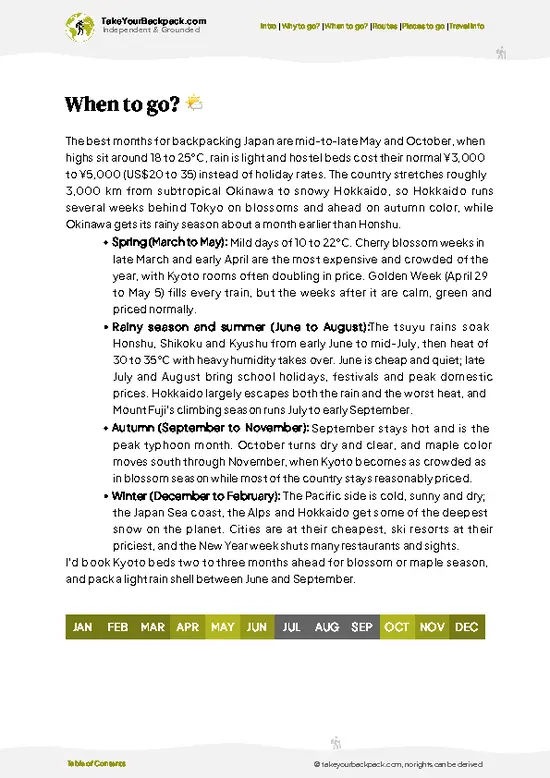
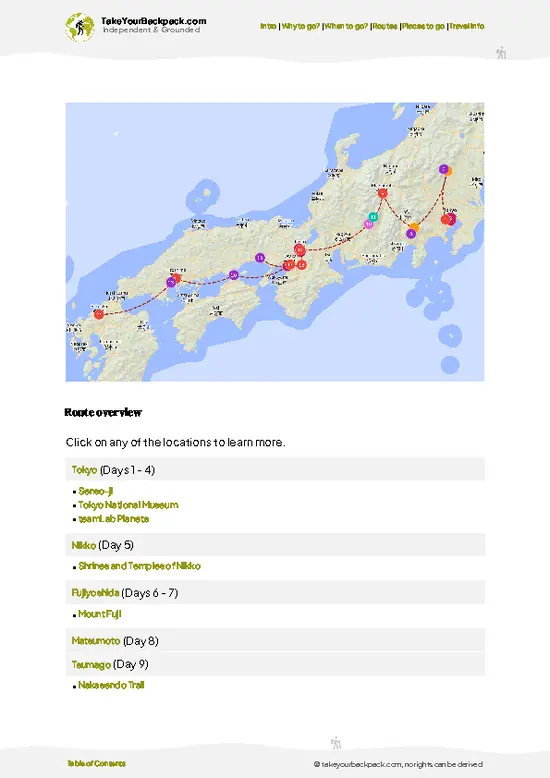
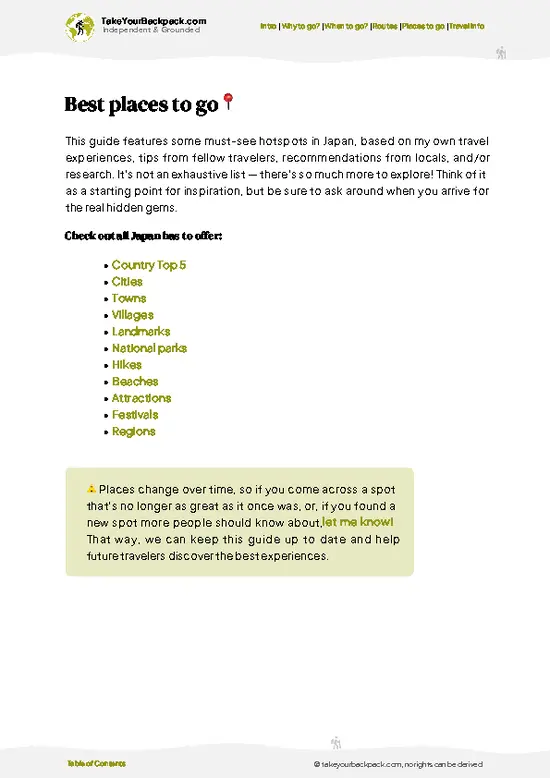
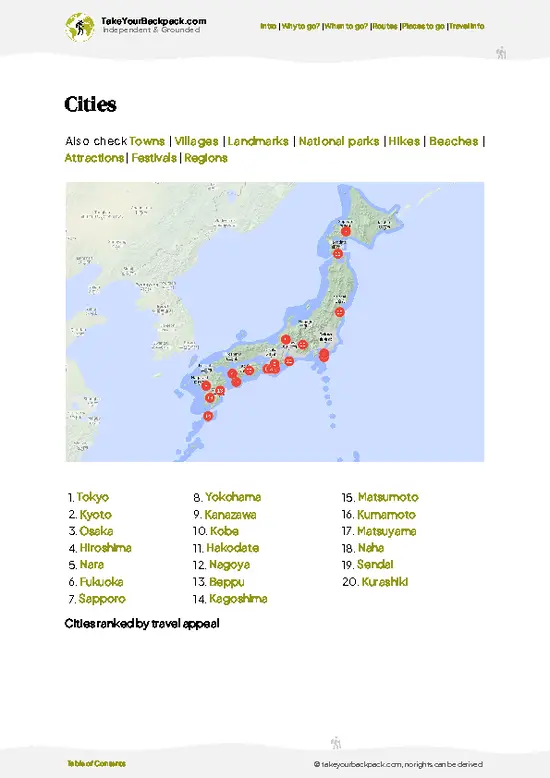
example page 0 from our offline Travel Guide for Japan
example page 1 from our offline Travel Guide for Japan
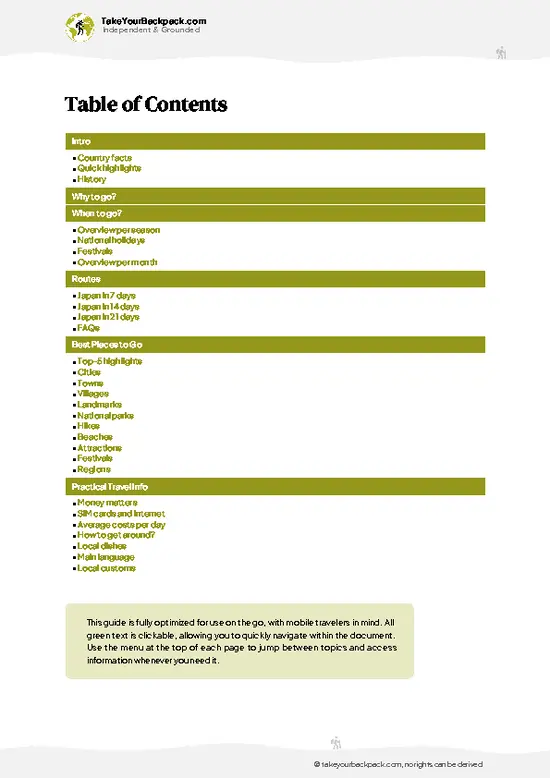
example page 2 from our offline Travel Guide for Japan
example page 3 from our offline Travel Guide for Japan
example page 4 from our offline Travel Guide for Japan
example page 5 from our offline Travel Guide for Japan
example page 6 from our offline Travel Guide for Japan
example page 7 from our offline Travel Guide for Japan
The digital guide (482 pages) contains:
140 highlights, ranked by travel appeal
Optimized 7, 14 & 21-day travel routes
Cities, national parks, landmarks, beaches
How to get around
Offline-friendly for travel without Wi-Fi
👉 Click to see all 30+ guide features

📅 Plan smarter in minutes, not weeks
Month by month travel advice
Festivals & national holidays
Budget expectations

🗺️ Go to the right places, skip the overrated ones
Honest pros & cons of destinations
Top hikes, parks & viewpoints
Lesser-known places most travelers miss
Clear “worth it vs skip it” guidance

🛏️ Travel smoothly without rookie mistakes
Best areas to stay
Transport systems explained simply
Common scams & safety advice
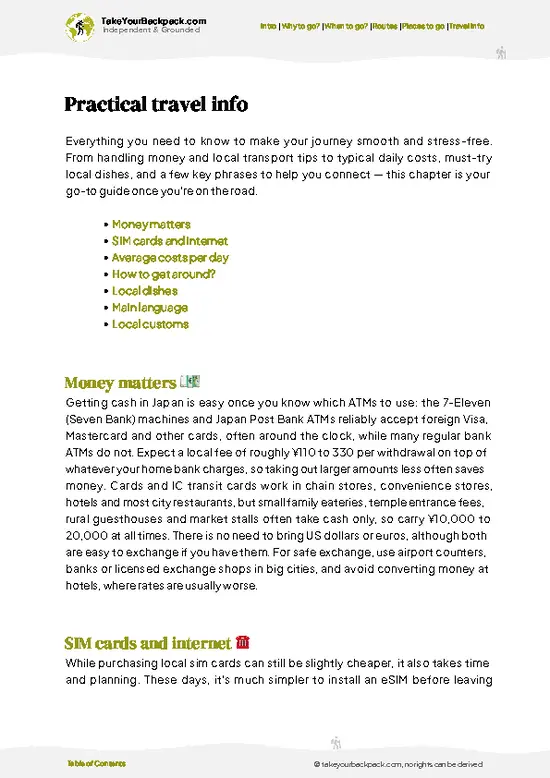
SIM cards, money & practical tips

🌍 Understand the country, not just visit it
Culture & traditions
52 Essential phrases & customs
Festivals worth planning around
Traveler-friendly historical context
Insights that make places more meaningful

📱 Built for real travel conditions
Fully downloadable PDF
Works completely offline
Optimized for phone use
Useful in remote areas & buses
Everything in one place
Save weeks of stressful planning
Get instant access to your full guide. 30‑day money-back guarantee.
+ Add another guide for just US$7.80

By proceeding you agree to our terms.
Sent to your inbox immediately after payment • 100% Secure Checkout
Best Backpacking Travel Advisor 2025 tourism awardBest Backpacking
Travel Advisor
2025
What others say about Take Your Backpack Guides:
⭐⭐⭐⭐⭐
Fantastic, amazing amount of information!
⭐⭐⭐⭐⭐
My goodness this is amazing, it's what I've been looking for hats off too you!
⭐⭐⭐⭐⭐
I think this is absolutely BRILLIANT
⭐⭐⭐⭐
Very complete and informative. It's still missing places, but I gotta to commend you
⭐⭐⭐⭐⭐
This is truly amazing, thank you, can't wait to explore it with my kids!
⭐⭐⭐⭐⭐
Awesome resource, thank you!
⭐⭐⭐⭐⭐
This is amazing! Can't wait to explore the ones I haven't seen
⭐⭐⭐⭐
I love this! Well done, great idea.
⭐⭐⭐⭐⭐
Thanks for taking the time to make this gem!
⭐⭐⭐⭐⭐
This might be the best website I've ever seen.
⭐⭐⭐⭐⭐
Congratulations, and thank you so much for your work; it's incredibly valuable.
⭐⭐⭐⭐
In all seriousness I think you did a great job pointing out the important spots
⭐⭐⭐⭐⭐
10/10 very good
⭐⭐⭐⭐⭐
As someone who's only just starting to visit regularly this is awesome, thank you.
⭐⭐⭐⭐
Thank you very much! I'm going to visit my dad, it's going to be very useful!
⭐⭐⭐⭐⭐
This is really cool! We'll be travelling for the first time and this definitely come in handy.
⭐⭐⭐⭐⭐
You are now our minister of culture, congratulations 👨‍💼
⭐⭐⭐⭐⭐
Just wanted to tell you that this is a pearl! Going to follow your recommendations.
⭐⭐⭐⭐⭐
This is so cool. I'll definitely be using the resource for my travels soon.
⭐⭐⭐⭐⭐
This is very impressive! Good work.
⭐⭐⭐⭐⭐
This is an amazing and informative site. Very well done!

🛏️ Where to stay?How to pick the right area

Naoshima is a canvas of art and nature, but let’s cut through the Instagram gloss. Crowds can be overwhelming, especially during peak seasons. The ferry ride is a must, but don’t expect solitude when you land.

For budget travelers and solo backpackers, the best areas to stay are in nearby Honmura and Miyanoura. Honmura is where the art installations blend seamlessly with local life. You’ll find cozy guesthouses that encourage mingling. It’s a great spot to swap stories over a shared meal or a cup of tea.

Miyanoura, on the other hand, offers a more laid-back vibe. It’s close to the ferry terminal, … read more 👉
Naoshima is a canvas of art and nature, but let’s cut through the Instagram gloss. Crowds can be overwhelming, especially during peak seasons. The ferry ride is a must, but don’t expect solitude when you land.

For budget travelers and solo backpackers, the best areas to stay are in nearby Honmura and Miyanoura. Honmura is where the art installations blend seamlessly with local life. You’ll find cozy guesthouses that encourage mingling. It’s a great spot to swap stories over a shared meal or a cup of tea.

Miyanoura, on the other hand, offers a more laid-back vibe. It’s close to the ferry terminal, making it easy to hop back and forth. The local eateries here are affordable and serve up fresh seafood that’s hard to beat.

Both areas are safe and welcoming, with a community feel that’s often missing in more touristy spots. You’ll find that the real magic of Naoshima isn’t just in the art; it’s in the connections you make and the stories you gather along the way.

👛 Costs (as of 4 September 2026)What things cost and how to budget

Visiting Naoshima, Japan, can be a transformative experience, but it comes with its own set of costs. Here’s a breakdown to help you plan without the Instagram filter.
  • Accommodation: Expect to pay between €80 to €300 per night. Options range from traditional ryokans to modern hotels. The more you splurge, the closer you’ll be to the art installations. Budget travelers can find hostels or guesthouses for around €40.
  • Transportation: Getting to Naoshima involves a ferry ride from Okayama or Takamatsu. Ferry tickets cost about €10 to €15 each way. Once on the island, renting a bicycle is a popular choice, costing around €5 to €10 per day. Public buses are also available, but they can be less flexible.
  • Entry Fees: Many art museums charge admission. Expect to pay around €10 to €20 for each museum.
read more 👉
Visiting Naoshima, Japan, can be a transformative experience, but it comes with its own set of costs. Here’s a breakdown to help you plan without the Instagram filter.
  • Accommodation: Expect to pay between €80 to €300 per night. Options range from traditional ryokans to modern hotels. The more you splurge, the closer you’ll be to the art installations. Budget travelers can find hostels or guesthouses for around €40.
  • Transportation: Getting to Naoshima involves a ferry ride from Okayama or Takamatsu. Ferry tickets cost about €10 to €15 each way. Once on the island, renting a bicycle is a popular choice, costing around €5 to €10 per day. Public buses are also available, but they can be less flexible.
  • Entry Fees: Many art museums charge admission. Expect to pay around €10 to €20 for each museum. Some special exhibitions may cost more. If you plan to visit multiple sites, consider a museum pass for better value.
  • Food: Dining options vary widely. Street food and casual eateries can cost about €5 to €15 per meal. If you opt for a sit-down restaurant, budget around €20 to €50 per person. Local specialties like fresh seafood are worth trying.
  • Activities: Beyond museums, you might want to explore outdoor art installations or participate in workshops. Costs can range from free to €50, depending on the activity. Some experiences, like guided tours, may have higher fees but offer deeper insights.

Understanding these costs helps you navigate Naoshima without falling into tourist traps. It’s about the experience, not just the price tag.


source: pref.kagawa.lg.jp
⚠️ Prices can change and everyone travels differently, so take this as a rough guide. Hope it helps you plan your adventure!

FAQFrequently asked questions about Naoshima

Naoshima is a small island in Japan known for its contemporary art museums, outdoor sculptures, and architecture, including works by Yayoi Kusama and Tadao Ando. It is part of the Seto Inland Sea and has become a major destination for art lovers. The island features several museums such as the Chichu Art Museum and Benesse House Museum.
You need at least one full day to visit Naoshima to see the main art sites and enjoy the island's atmosphere. Two days is ideal if you want to explore more museums, outdoor installations, and relax at the beaches. Most visitors plan their trip around a weekend or a single overnight stay.
To get to Naoshima, take a ferry from Uno Port in Okayama Prefecture or from Takamatsu Port in Kagawa Prefecture. The ferry ride from Uno takes about 20 minutes and costs around 360 yen one way. From Takamatsu, the ferry takes about 50 minutes and costs approximately 1,000 yen one way.
⚠️ Things can change over time, so always validate details locally before you go.

Other Japanese landmarks near Naoshima

Explore more nearby:

  • Himeji-jo—white castle, defensive walls, feudal architecture| 77 km away
  • Shimanami Kaido—cycling route, island bridges, Seto Inland Sea views| 86 km away
  • Tottori Sand Dunes—wind-shaped dunes, coastal desert, camel rides| 122 km away

💡 Not sure where to go next?
Create a personalized itinerary for Japan including Naoshima and the places that fit your trip.

Generate my itinerary

👉 Discover all landmarks

Or checkout all Japan has to offer (think cities, towns, villages, national parks, hikes, beaches, festivals)
Country photo of Japan

We 💚 feedbackSumming up the experience

Naoshima is a treasure for art lovers, where contemporary installations blend seamlessly with nature. The real magic? Wandering through the island’s quiet paths, discovering pieces that provoke thought and stir emotion. But let’s be real: it can feel like a tourist circus during peak seasons, and prices for accommodations can sting. If you’re willing to navigate the crowds, the experience is worth every yen. Just plan wisely.

✈️ When did I visit Japan?
As part of my 1.5 year travel around the world trip, I visited Japan in August 2015.

✍️ Help improve this page!
The information on this page is based on my own backpacking experience in Japan, supplemented with up-to-date research and feedback from other travelers. Travel details can change, so if you notice anything outdated or incomplete, feel free to let me know.


🙋‍♂️ Give feedback

👋 Meet the founderWho’s Behind Take Your Backpack?

Johan, backpacker and founder of TakeYourBackpackHi, I’m Johan (Netherlands 🇳🇱), the creator of TakeYourBackpack. Over the past decade, I’ve backpacked through 80+ countries across six continents, gaining extensive experience with independent travel, long-term trips, and overland routes.

This site is built on a combination of firsthand travel experience and carefully curated insights from other backpackers. Many guides are based on places I’ve personally visited, while others bring together tips, observations, and practical advice shared by trusted travelers I’ve met along the way.

The goal is to provide realistic, experience-driven guidance — not generic itineraries — so you can explore destinations with better context, clearer expectations, and more confidence.

Get full Japan guide •
Instant download • 140 highlights • Full Offline guide