×

Japan🇯🇵 | landmarksHimeji Castlewhite castle, defensive walls, feudal architecture | things to do and best time to go

Explore Aoshima IslandExplore Itsukushima Shrine

Backpacking in Himeji Castle
UNESCO World Heritage site
🏆 Top pickunique site ranked #2
By Johan Kruseman 🇳🇱 | Updated October 15, 2026

Everyone arrives at Himeji Castle expecting a quiet, ethereal “samurai castle in the clouds.” Reality check: it’s a heavily restored fortress with timed entry, tour groups, and more selfie sticks than swords. Himeji Castle sits in Himeji city, Hyogo Prefecture, on the main Honshu island, an easy hop by train from Osaka or Kobe. As a backpacker stop, it’s both absolutely worth it and mildly annoying. The approach is jaw-dropping: that white silhouette over the city is one of the few castles in Japan that’s largely original, not a concrete replica, and you feel that authenticity in the creaky floors and steep, ankle-biting stairs. It’s not cheap by backpacker standards and the interior is pretty bare, more “wood and history” than “exhibits and drama.” Crowds can be brutal, but if you hit opening time on a weekday, the morning light on the white walls is camera gold and the whole place feels like Japan’s history flexing.

Discover everything you want to know in the 📖 Japan Travel Guide.


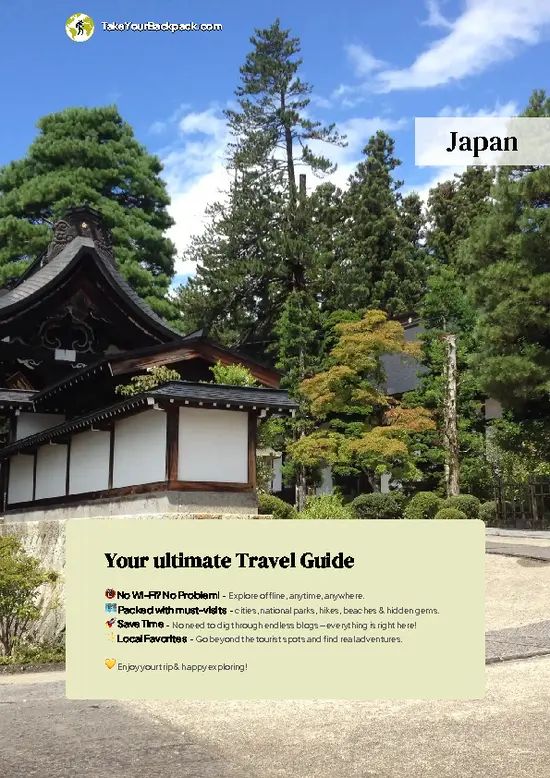
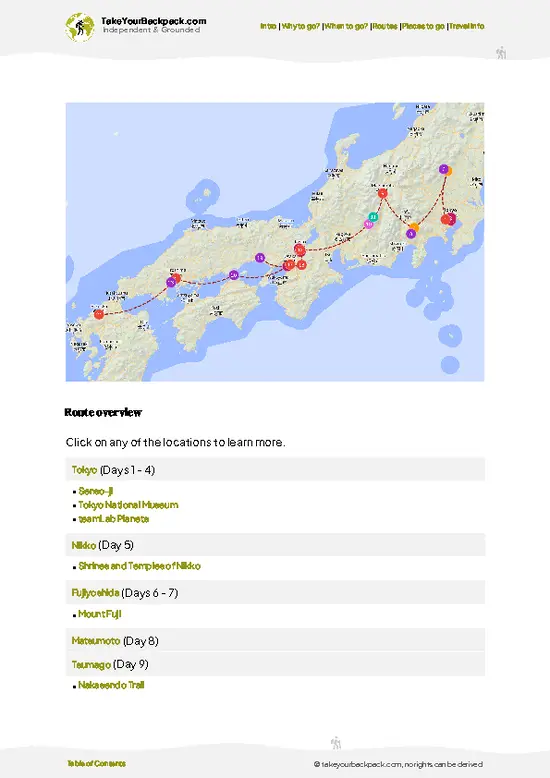
example page 0 from our offline Travel Guide for Japan
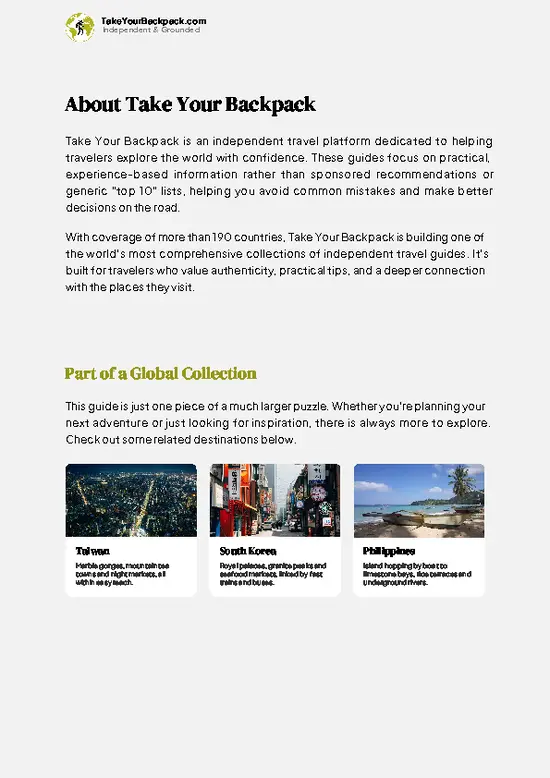
example page 1 from our offline Travel Guide for Japan
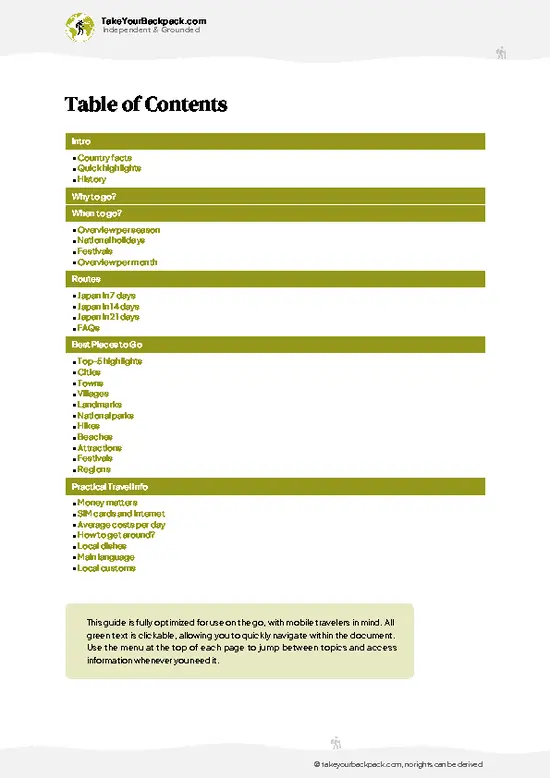
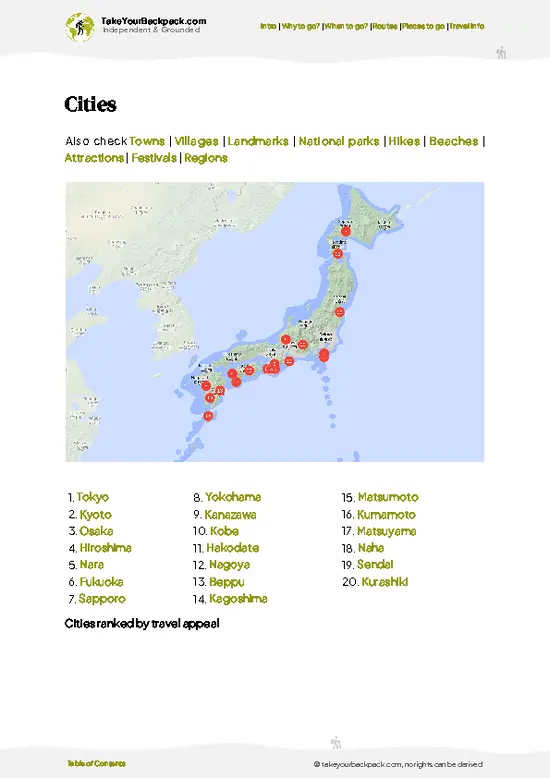
example page 2 from our offline Travel Guide for Japan
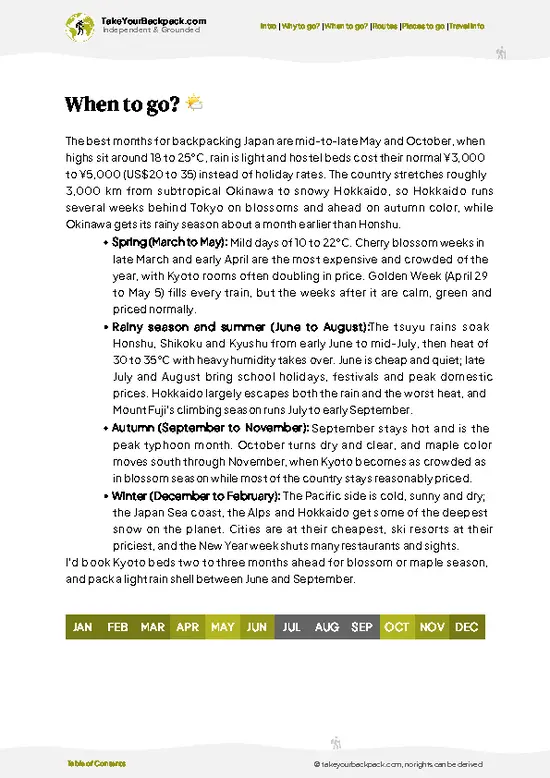
example page 3 from our offline Travel Guide for Japan
example page 4 from our offline Travel Guide for Japan
example page 5 from our offline Travel Guide for Japan
example page 6 from our offline Travel Guide for Japan
example page 7 from our offline Travel Guide for Japan
Loading the map 🌍
CLICK TO FILTER
cities
towns
villages
landmarks
national parks
hikes
beaches
attractions
festivals
regions
SHOW COUNTRY’S BESTSHOW ALL

✨ Why go?
Ranked #2 unique site in Japan
What makes this unique site worth visiting

Himeji Castle isn’t just another castle; it’s a masterpiece of Japanese architecture that demands your attention. Yes, it gets crowded, especially during cherry blossom season, but don’t let that deter you. The effort-to-reward ratio is off the charts. You’ll find yourself standing before a structure that’s been meticulously preserved since the 17th century, with its stunning white facade gleaming in the sun.

The entry fee is a mere fraction of what you’d pay at other tourist traps, making it a low-cost gem. Plus, it fits seamlessly into a broader route through Japan. Pair it with a visit to nearby Kokoen Garden for a tranquil escape from the hustle.

Accessibility is a breeze; it’s just a short train ride from Osaka or Kyoto. You can easily make it a day trip. The real magic lies in the … read more 👉
Himeji Castle isn’t just another castle; it’s a masterpiece of Japanese architecture that demands your attention. Yes, it gets crowded, especially during cherry blossom season, but don’t let that deter you. The effort-to-reward ratio is off the charts. You’ll find yourself standing before a structure that’s been meticulously preserved since the 17th century, with its stunning white facade gleaming in the sun.

The entry fee is a mere fraction of what you’d pay at other tourist traps, making it a low-cost gem. Plus, it fits seamlessly into a broader route through Japan. Pair it with a visit to nearby Kokoen Garden for a tranquil escape from the hustle.

Accessibility is a breeze; it’s just a short train ride from Osaka or Kyoto. You can easily make it a day trip. The real magic lies in the details—the intricate woodwork, the strategic design for defense, and the breathtaking views from the top. This isn’t just a photo op; it’s a deep dive into Japan’s rich history. Don’t miss it.

💡 HighlightsThe experiences that define the visit

  • Main keep (Tenshu) — The heart of Himeji Castle: a multi-storied wooden fortress built in the early 1600s that’s survived wars and earthquakes. Seeing the whole complex from its base up close gives you a real sense of scale and why it’s a UNESCO World Heritage site.
  • Panoramic rooftop view — Climb the steep, narrow stairs and you get a rewarding view over Himeji city, the surrounding mountains and the castle’s own layered roofs. (Personal favorite — that airy, slightly vertigo-inducing moment when you realise how much history you’re standing on.)
  • The “White Heron” exterior (Shirasagi-jo) — That brilliant white plaster and elegant sweeping roofs make the castle look like a bird taking flight. It’s not just pretty: the plaster helped with fire resistance and gives the castle its iconic silhouette.
… read more 👉
  • Main keep (Tenshu) — The heart of Himeji Castle: a multi-storied wooden fortress built in the early 1600s that’s survived wars and earthquakes. Seeing the whole complex from its base up close gives you a real sense of scale and why it’s a UNESCO World Heritage site.
  • Panoramic rooftop view — Climb the steep, narrow stairs and you get a rewarding view over Himeji city, the surrounding mountains and the castle’s own layered roofs. (Personal favorite — that airy, slightly vertigo-inducing moment when you realise how much history you’re standing on.)
  • The “White Heron” exterior (Shirasagi-jo) — That brilliant white plaster and elegant sweeping roofs make the castle look like a bird taking flight. It’s not just pretty: the plaster helped with fire resistance and gives the castle its iconic silhouette.
  • Defensive maze of gates and baileys — The approach isn’t a straight walk-in: angled paths, multiple gates, and winding corridors were designed to slow and confuse attackers. You can still feel the strategy as you move through the courtyards.
  • Original wooden interiors and craftsmanship — Much of what you see inside is original or restored using traditional carpentry. The heavy beams, joinery and wooden floors give a tactile, lived-in sense of samurai-era construction that you don’t get from reconstructions.
  • Steep stone walls and moats (Ishigaki) — Massive, carefully fitted stone foundations and sloped walls are engineering at work: they’re beautiful, imposing, and practical — designed to prevent climbing and erosion while supporting the huge keep above.
  • Seasonal cherry blossoms and night illuminations — In spring the castle framed by sakura is picture-postcard perfect; in some years they run evening illuminations that turn the white walls ghostly and dramatic. If your timing lines up, it’s worth staying into twilight.
Spotted a mistake or missing something? Contact us.

Things to do around Himeji Castle

Ratings based on Tripadvisor reviews. When you book through this link, you support our work at no extra cost to you.

🌤️ When to go?Weather, crowds, and seasonal trade-offs

  • Weather: Spring (March to May) and autumn (September to November) offer the most comfortable weather. Expect mild temperatures around 15-22°C (59-72°F). Summers can be brutally hot and humid, pushing past 30°C (86°F), which drains your energy fast.
  • Temperature: Winters dip to 0-10°C (32-50°F), which is chilly but manageable with layers. Avoid the peak summer heat unless you’re a fan of sweating through your shirt while climbing castle stairs.
  • Daylight Hours: Longer days in spring and autumn give you more time to explore. In winter, daylight shrinks to about 9-10 hours, limiting your sightseeing window.
  • Crowds: Cherry blossom season in early April and autumn foliage draw heavy crowds, especially weekends. If you want fewer selfie sticks in your shot, aim for weekdays outside these peak
… read more 👉
  • Weather: Spring (March to May) and autumn (September to November) offer the most comfortable weather. Expect mild temperatures around 15-22°C (59-72°F). Summers can be brutally hot and humid, pushing past 30°C (86°F), which drains your energy fast.
  • Temperature: Winters dip to 0-10°C (32-50°F), which is chilly but manageable with layers. Avoid the peak summer heat unless you’re a fan of sweating through your shirt while climbing castle stairs.
  • Daylight Hours: Longer days in spring and autumn give you more time to explore. In winter, daylight shrinks to about 9-10 hours, limiting your sightseeing window.
  • Crowds: Cherry blossom season in early April and autumn foliage draw heavy crowds, especially weekends. If you want fewer selfie sticks in your shot, aim for weekdays outside these peak periods.
  • Seasonal Activities: The castle grounds bloom with cherry blossoms in spring and turn fiery red in autumn, offering photo ops that justify the crowd. Winter is quiet but lacks the color spectacle.
  • Price Fluctuations: Accommodation and transport costs spike during cherry blossom and autumn foliage seasons. Off-peak months like January or February offer better deals but less visual drama.

Pro-tip: Visit in late March or mid-November on a weekday morning to dodge crowds, enjoy crisp weather, and catch Himeji Castle’s real charm without the tourist circus.


source: climatestotravel.comJANJanuary: good for travelingFEBFebruary: good for travelingMARMarch: highly recommended for travelingAPRApril: highly recommended for travelingMAYMay: highly recommended for travelingJUNJune: fair for travelingJULJuly: below average for travelingAUGAugust: below average for travelingSEPSeptember: highly recommended for travelingOCTOctober: excellent for travelingNOVNovember: highly recommended for travelingDECDecember: good for traveling
japan-unique-site-himeji-castle
© Google |

✈️ The backpacker research shortcutJapan Travel Guide

An offline-friendly backpacking guide with optimized travel routes, ranked highlights, transport advice, and the best areas to stay.
example page 0 from our offline Travel Guide for Japan
example page 1 from our offline Travel Guide for Japan
example page 2 from our offline Travel Guide for Japan
example page 3 from our offline Travel Guide for Japan
example page 4 from our offline Travel Guide for Japan
example page 5 from our offline Travel Guide for Japan
example page 6 from our offline Travel Guide for Japan
example page 7 from our offline Travel Guide for Japan
The digital guide (475 pages) contains:
✅ 139 highlights, ranked by travel appeal
✅ Optimized 7, 14 & 21-day travel routes
✅ Cities, national parks, landmarks, beaches
✅ How to get around
✅ Offline-friendly for travel without Wi-Fi
👉 Click to see all 30+ guide features

📅 Plan smarter in minutes, not weeks
✅ Month by month travel advice
✅ Festivals & national holidays
✅ Budget expectations

🗺️ Go to the right places, skip the overrated ones
✅ Honest pros & cons of destinations
✅ Top hikes, parks & viewpoints
✅ Lesser-known places most travelers miss
✅ Clear “worth it vs skip it” guidance

🛏️ Travel smoothly without rookie mistakes
✅ Best areas to stay
✅ Transport systems explained simply
✅ Common scams & safety advice
✅ SIM cards, money & practical tips

🌍 Understand the country, not just visit it
✅ Culture & traditions
✅ 52 Essential phrases & customs
✅ Festivals worth planning around
✅ Traveler-friendly historical context
✅ Insights that make places more meaningful

📱 Built for real travel conditions
✅ Fully downloadable PDF
✅ Works completely offline
✅ Optimized for phone use
✅ Useful in remote areas & buses
✅ Everything in one place
Stop searching, start planning
Get instant access to your full guide. 30‑day money-back guarantee.
+ Add another guide for just

By proceeding you agree to our terms.
Sent to your inbox immediately after payment • 100% Secure Checkout
Best Backpacking Travel Advisor 2025 tourism awardBest Backpacking
Travel Advisor
2025
What others say about Take Your Backpack Guides:
⭐⭐⭐⭐⭐
Fantastic, amazing amount of information!
⭐⭐⭐⭐⭐
My goodness this is amazing, it's what I've been looking for hats off too you!
⭐⭐⭐⭐⭐
I think this is absolutely BRILLIANT
⭐⭐⭐⭐
Very complete and informative. It's still missing places, but I gotta to commend you
⭐⭐⭐⭐⭐
This is truly amazing, thank you, can't wait to explore it with my kids!
⭐⭐⭐⭐⭐
Awesome resource, thank you!
⭐⭐⭐⭐⭐
This is amazing! Can't wait to explore the ones I haven't seen
⭐⭐⭐⭐
I love this! Well done, great idea.
⭐⭐⭐⭐⭐
Thanks for taking the time to make this gem!
⭐⭐⭐⭐⭐
This might be the best website I've ever seen.
⭐⭐⭐⭐⭐
Congratulations, and thank you so much for your work; it's incredibly valuable.
⭐⭐⭐⭐
In all seriousness I think you did a great job pointing out the important spots
⭐⭐⭐⭐⭐
10/10 very good
⭐⭐⭐⭐⭐
As someone who's only just starting to visit regularly this is awesome, thank you.
⭐⭐⭐⭐
Thank you very much! I'm going to visit my dad, it's going to be very useful!
⭐⭐⭐⭐⭐
This is really cool! We'll be travelling for the first time and this definitely come in handy.
⭐⭐⭐⭐⭐
You are now our minister of culture, congratulations 👨‍💼
⭐⭐⭐⭐⭐
Just wanted to tell you that this is a pearl! Going to follow your recommendations.
⭐⭐⭐⭐⭐
This is so cool. I'll definitely be using the resource for my travels soon.
⭐⭐⭐⭐⭐
This is very impressive! Good work.
⭐⭐⭐⭐⭐
This is an amazing and informative site. Very well done!

🛏️ Where to stay?Best areas to stay in Japan

Staying near Himeji Castle? You’ve got options that balance safety, social vibes, and budget-friendliness.

First up, the area around Himeji Station is a solid choice. It’s bustling, with easy access to the castle and local eateries. You’ll find a mix of capsule hotels and guesthouses that cater to solo travelers. The energy here is infectious, and you can easily strike up conversations with fellow backpackers over a bowl of ramen.

Then there’s the historic district, just a short walk from the castle. This area has a more traditional feel, with ryokans and small inns that offer a glimpse into … read more 👉
Staying near Himeji Castle? You’ve got options that balance safety, social vibes, and budget-friendliness.

First up, the area around Himeji Station is a solid choice. It’s bustling, with easy access to the castle and local eateries. You’ll find a mix of capsule hotels and guesthouses that cater to solo travelers. The energy here is infectious, and you can easily strike up conversations with fellow backpackers over a bowl of ramen.

Then there’s the historic district, just a short walk from the castle. This area has a more traditional feel, with ryokans and small inns that offer a glimpse into Japanese culture. It’s quieter, perfect for those who want to soak in the atmosphere without the chaos of the station. Plus, you’ll be close to local shops and cafes where you can grab a matcha latte and chat with locals.

Avoid the tourist traps and overpriced accommodations near the castle itself. They’re often packed and lack character. Instead, embrace the authentic experience that Himeji offers by staying in these vibrant, welcoming neighborhoods. You’ll leave with stories, not just photos.

👛 Costs (as of 15 October 2026)Money, prices, and spending tips

Visiting Himeji Castle is a must, but let’s cut through the fluff and get real about the costs involved.
  • Entrance Fee: Expect to pay around €10 ($12 USD) for a ticket. This grants you access to the main keep and the surrounding gardens. It’s worth every cent for the history and architecture you’ll experience.
  • Transportation: Getting to Himeji can vary. A shinkansen (bullet train) from Osaka will set you back about €30-€50 ($35-$60 USD) one way. Local trains are cheaper, around €5-€10 ($6-$12 USD), but they take longer. Factor in the cost of getting to and from the station.
  • Food: Dining options range widely. A quick meal at a local eatery will cost about €7-€15 ($8-$18 USD). If you want to sit down for a nicer meal, budget around €20-€40 ($24-$48 USD). Don’t skip the local specialties; they’re
… read more 👉
Visiting Himeji Castle is a must, but let’s cut through the fluff and get real about the costs involved.
  • Entrance Fee: Expect to pay around €10 ($12 USD) for a ticket. This grants you access to the main keep and the surrounding gardens. It’s worth every cent for the history and architecture you’ll experience.
  • Transportation: Getting to Himeji can vary. A shinkansen (bullet train) from Osaka will set you back about €30-€50 ($35-$60 USD) one way. Local trains are cheaper, around €5-€10 ($6-$12 USD), but they take longer. Factor in the cost of getting to and from the station.
  • Food: Dining options range widely. A quick meal at a local eatery will cost about €7-€15 ($8-$18 USD). If you want to sit down for a nicer meal, budget around €20-€40 ($24-$48 USD). Don’t skip the local specialties; they’re part of the experience.
  • Souvenirs: If you’re looking to take a piece of Himeji home, set aside €5-€30 ($6-$36 USD) for souvenirs. Local crafts and snacks are great options, but don’t go overboard unless you really want that samurai figurine.
  • Guided Tours: If you prefer a deeper dive into the history, consider a guided tour. Prices range from €20-€50 ($24-$60 USD) depending on the length and depth of the tour. It’s a good investment if you want to understand the significance of what you’re seeing.

Plan accordingly, and you’ll find that Himeji Castle offers a rich experience that’s worth every euro or dollar spent.


source: hyogo-tourism.jp
⚠️ Prices can change and everyone travels differently, so take this as a rough guide. Hope it helps you plan your adventure!

FAQCommon questions from travelers

Himeji Castle is a historic Japanese castle known as the White Heron Castle due to its elegant, white appearance. It is one of Japan's most well-preserved and largest castles, designated as a UNESCO World Heritage Site. The castle dates back to 1609 and features complex defensive systems and beautiful architecture.
You need about 2 to 3 hours to visit Himeji Castle thoroughly. This allows time to explore the main keep, various smaller buildings, and the surrounding gardens. Longer visits may be needed if you want to take guided tours or explore the nearby Koko-en Garden.
You get to Himeji Castle by taking the JR Sanyo Shinkansen or local JR trains to Himeji Station. The castle is a 15-minute walk from the station. It is also accessible by bus or taxi from Himeji Station if you prefer not to walk.
⚠️ Things can change over time, so always validate details locally before you go.

Other Japanese landmarks near Himeji Castle

Explore more nearby:

  • Naoshima—contemporary art, island landscapes, outdoor installations| 77 km away
  • Tottori Sand Dunes—wind-shaped dunes, coastal desert, camel rides| 89 km away
  • Kumano Kodo—pilgrimage trails, cedar forests, ancient stone paths| 142 km away

💡 Not sure where to go next?
Create a personalized itinerary for Japan including Himeji Castle and the places that fit your trip.

Generate my itinerary

👉 Discover all landmarks

Or checkout all Japan has to offer (think cities, towns, villages, national parks, hikes, beaches, festivals)
Country photo of Japan

We 💚 feedbackKey takeaways before you go

Himeji Castle is a must-see for its stunning architecture and rich history—this castle is a masterpiece that stands proud, telling tales of samurai and strategy. But brace yourself for the crowds; it’s a popular spot, especially during cherry blossom season. If you can navigate the throngs, you’ll find a place that’s not just a photo op but a deep dive into Japan’s soul. Just be ready to share the experience with a lot of fellow travelers.

✈️ When did I visit Japan?
As part of my 1.5 year travel around the world trip, I visited Japan in August 2015.

✍️ Help improve this page!
The information on this page is based on my own backpacking experience in Japan, supplemented with up-to-date research and feedback from other travelers. Travel details can change, so if you notice anything outdated or incomplete, feel free to let me know.


🙋‍♂️ Give feedback

👋 Meet the founderWho’s Behind Take Your Backpack?

Johan, backpacker and founder of TakeYourBackpackHi, I’m Johan (Netherlands 🇳🇱), the creator of TakeYourBackpack. Over the past 3 decades, I’ve backpacked through 90+ countries across six continents, gaining extensive experience with independent travel, long-term trips, and overland routes.

This site is built on a combination of firsthand travel experience and carefully curated insights from other backpackers. Many guides are based on places I’ve personally visited, while others bring together tips, observations, and practical advice shared by trusted travelers I’ve met along the way.

The goal is to provide realistic, experience-driven guidance — not generic itineraries — so you can explore destinations with better context, clearer expectations, and more confidence.