v2.webp)


1. Sado Kinzan Gold Mine
This isn’t your average “old mine” tour. Sado’s gold mine is a labyrinth of tunnels and eerie dioramas, but the real thrill is walking through the same shafts that bankrolled the Tokugawa shogunate. The air is cool, the history is heavy, and the scale is wild—think kilometers of underground passages, not a quick peek and a gift shop.
2. Ogi Peninsula’s Taraibune Tub Boats
You haven’t truly been to Sado until you’ve watched (or better, tried) rowing a washtub boat. Local women in straw hats steer these round tubs with a single paddle, gliding over crystal water. It’s a centuries-old hack for seaweed and abalone gathering, and it looks as quirky as it sounds. Pure Sado.
3. Shukunegi Village
A preserved maze of wooden houses built by shipbuilders, with alleys barely wide … read more 👉
This isn’t your average “old mine” tour. Sado’s gold mine is a labyrinth of tunnels and eerie dioramas, but the real thrill is walking through the same shafts that bankrolled the Tokugawa shogunate. The air is cool, the history is heavy, and the scale is wild—think kilometers of underground passages, not a quick peek and a gift shop.
2. Ogi Peninsula’s Taraibune Tub Boats
You haven’t truly been to Sado until you’ve watched (or better, tried) rowing a washtub boat. Local women in straw hats steer these round tubs with a single paddle, gliding over crystal water. It’s a centuries-old hack for seaweed and abalone gathering, and it looks as quirky as it sounds. Pure Sado.
3. Shukunegi Village
A preserved maze of wooden houses built by shipbuilders, with alleys barely wide … read more 👉
1. Sado Kinzan Gold Mine
This isn’t your average “old mine” tour. Sado’s gold mine is a labyrinth of tunnels and eerie dioramas, but the real thrill is walking through the same shafts that bankrolled the Tokugawa shogunate. The air is cool, the history is heavy, and the scale is wild—think kilometers of underground passages, not a quick peek and a gift shop.
2. Ogi Peninsula’s Taraibune Tub Boats
You haven’t truly been to Sado until you’ve watched (or better, tried) rowing a washtub boat. Local women in straw hats steer these round tubs with a single paddle, gliding over crystal water. It’s a centuries-old hack for seaweed and abalone gathering, and it looks as quirky as it sounds. Pure Sado.
3. Shukunegi Village
A preserved maze of wooden houses built by shipbuilders, with alleys barely wide enough for a cat. No cars, no neon, just the creak of old timber and the smell of the sea. It’s the kind of place where you half-expect a samurai to round the corner. My personal favorite—come at dusk for the best atmosphere.
4. Onogame and Futatsugame
These two massive rock outcrops on the northern coast are Sado’s answer to the Faroe Islands. In late May, Onogame is carpeted with yellow daylilies. The hike is short but steep, and the views are pure drama—ocean, cliffs, and wind that’ll slap the city out of you.
5. Sado Okesa Folk Song and Dance
Skip the touristy stage shows. Instead, hunt down a local festival or a tiny bar where the Sado Okesa is sung live. The rhythm is hypnotic, and if you’re lucky, you’ll get pulled into the circle. This is Sado’s soul, not a museum piece.
6. Senkakuwan Bay
Jagged cliffs, turquoise water, and a glass-bottom boat that feels like a secret. Most tourists snap a photo from the parking lot and leave. Don’t. Walk the trails, scramble down to the water, and you’ll have the place nearly to yourself.
7. Myosenji Temple Five-Story Pagoda
The only five-story pagoda in Niigata Prefecture, tucked in a sleepy village. The grounds are lush, the air smells of cedar, and you’ll likely have it to yourself. Go in the early morning for mist and birdsong.
8. Sado’s Noh Theaters
Sado has more Noh stages than anywhere else in Japan, thanks to exiled aristocrats. Catching a performance in an open-air shrine is a time warp—slow, haunting, and deeply local.
9. Mano Goryo Mausoleum
The resting place of Emperor Juntoku, exiled here in the 13th century. It’s a quiet, mossy spot with a heavy sense of history. Not flashy, but if you like your history with a side of melancholy, this is your stop.
10. Himezaki Lighthouse
A windswept, often empty spot at the island’s northern tip. The lighthouse itself is modest, but the views are wild—sea eagles, crashing surf, and a sense you’ve reached the edge of Japan. Locals come here to clear their heads; you should too.
This isn’t your average “old mine” tour. Sado’s gold mine is a labyrinth of tunnels and eerie dioramas, but the real thrill is walking through the same shafts that bankrolled the Tokugawa shogunate. The air is cool, the history is heavy, and the scale is wild—think kilometers of underground passages, not a quick peek and a gift shop.
2. Ogi Peninsula’s Taraibune Tub Boats
You haven’t truly been to Sado until you’ve watched (or better, tried) rowing a washtub boat. Local women in straw hats steer these round tubs with a single paddle, gliding over crystal water. It’s a centuries-old hack for seaweed and abalone gathering, and it looks as quirky as it sounds. Pure Sado.
3. Shukunegi Village
A preserved maze of wooden houses built by shipbuilders, with alleys barely wide enough for a cat. No cars, no neon, just the creak of old timber and the smell of the sea. It’s the kind of place where you half-expect a samurai to round the corner. My personal favorite—come at dusk for the best atmosphere.
4. Onogame and Futatsugame
These two massive rock outcrops on the northern coast are Sado’s answer to the Faroe Islands. In late May, Onogame is carpeted with yellow daylilies. The hike is short but steep, and the views are pure drama—ocean, cliffs, and wind that’ll slap the city out of you.
5. Sado Okesa Folk Song and Dance
Skip the touristy stage shows. Instead, hunt down a local festival or a tiny bar where the Sado Okesa is sung live. The rhythm is hypnotic, and if you’re lucky, you’ll get pulled into the circle. This is Sado’s soul, not a museum piece.
6. Senkakuwan Bay
Jagged cliffs, turquoise water, and a glass-bottom boat that feels like a secret. Most tourists snap a photo from the parking lot and leave. Don’t. Walk the trails, scramble down to the water, and you’ll have the place nearly to yourself.
7. Myosenji Temple Five-Story Pagoda
The only five-story pagoda in Niigata Prefecture, tucked in a sleepy village. The grounds are lush, the air smells of cedar, and you’ll likely have it to yourself. Go in the early morning for mist and birdsong.
8. Sado’s Noh Theaters
Sado has more Noh stages than anywhere else in Japan, thanks to exiled aristocrats. Catching a performance in an open-air shrine is a time warp—slow, haunting, and deeply local.
9. Mano Goryo Mausoleum
The resting place of Emperor Juntoku, exiled here in the 13th century. It’s a quiet, mossy spot with a heavy sense of history. Not flashy, but if you like your history with a side of melancholy, this is your stop.
10. Himezaki Lighthouse
A windswept, often empty spot at the island’s northern tip. The lighthouse itself is modest, but the views are wild—sea eagles, crashing surf, and a sense you’ve reached the edge of Japan. Locals come here to clear their heads; you should too.
Spotted a mistake or missing something? Contact us.

Snow Monkey Park, Soba Lunch and Shibu Onsen Tour

Sake Blending Experience : Craft Your Own Signature Sake
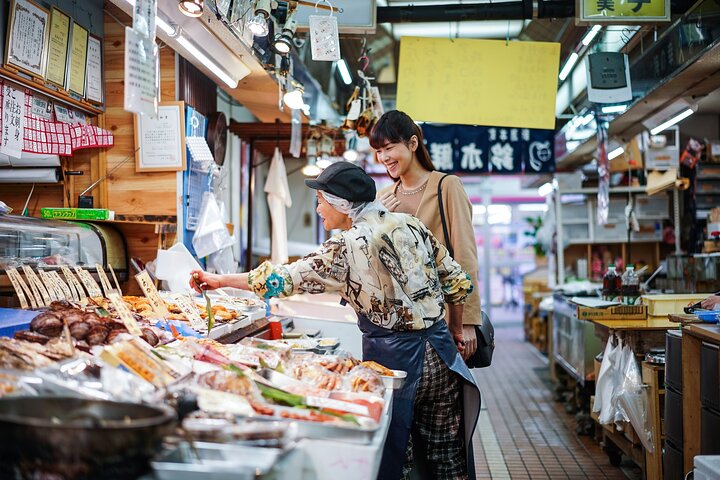
Niigata Customized Private Tour in 1 Day with Licensed Guide

Historical Walking Tour of Niigata Port Town
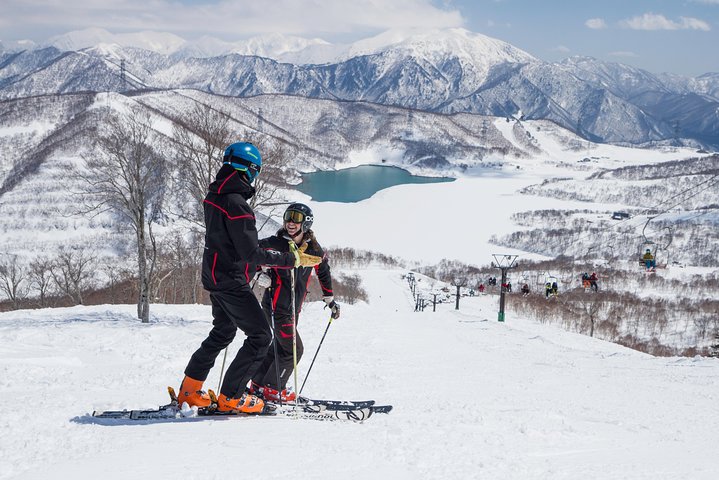
Full Day Ski Lesson (6 hours) in Yuzawa, Japan

Myoko and Madarao Day Tour Snow Monkeys, Zenkoji and Sake

Relaxed Snow Monkeys & Shibu Onsen: Green Season Private Tour

One-of-a-kind frying pan crafting tour

Private Guided Japanese Pub Hopping Tour at Furumachidori

 Best Backpacking
.jpg) Hi, I’m Johan (Netherlands 🇳🇱), the creator of TakeYourBackpack. Over the past 3 decades, I’ve backpacked through 90+ countries across six continents, gaining extensive experience with independent travel, long-term trips, and overland routes.
Hi, I’m Johan (Netherlands 🇳🇱), the creator of TakeYourBackpack. Over the past 3 decades, I’ve backpacked through 90+ countries across six continents, gaining extensive experience with independent travel, long-term trips, and overland routes.