×

Japan🇯🇵 | townsMaizurunaval port, red brick warehouses, coastal inlets | things to do and best time to go

Explore FujiyoshidaExplore Himeji-jo

Backpacking in Maizuru
👀 For curious travelerstown ranked #7
By Johan Kruseman 🇳🇱 | Updated July 27, 2026

Most people either haven’t heard of Maizuru or assume it’s just a gray port with nothing to do; that’s off. It’s a quiet naval town on the north coast of Kyoto Prefecture, facing the Sea of Japan, and it works best as a slow, practical pause in a Kansai–Sea of Japan loop rather than a headline destination. You come here for the harbor light on old red-brick warehouses, the smell of the sea around the docks, and easy access to coastal scenery, not for nightlife or big-city buzz. Trains from Kyoto and Osaka make it simple to reach, buses fill the gaps, and the compact center is walkable, but you’ll want local transport for beaches and viewpoints. It’s cheaper and calmer than Amanohashidate, less polished than Miyazu, very safe, and social only in a low-key, café-and-conbini-chat way, so don’t count on meeting many other backpackers.

Discover everything you want to know in the 📖 Japan Travel Guide.


Get your Japan guide
140 ranked highlights, routes & tips, works offline (482 pages)
Loading the map 🌍
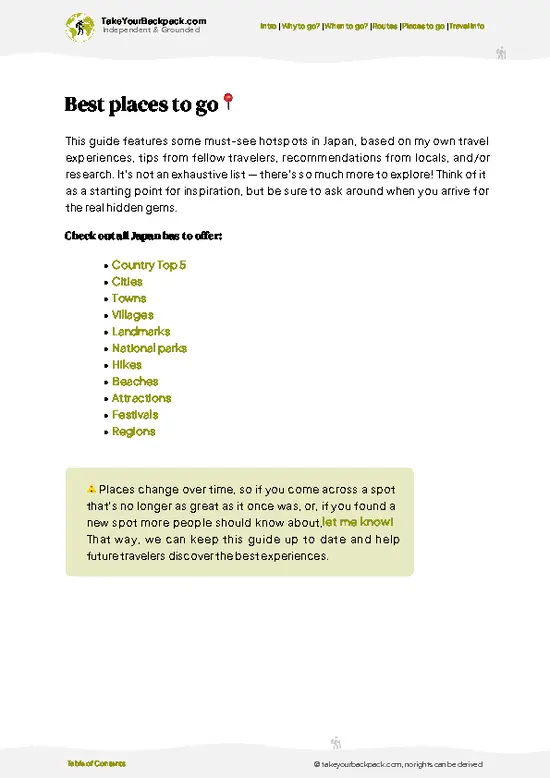
CLICK TO FILTER
cities
towns
villages
landmarks
national parks
hikes
beaches
attractions
festivals
regions
SHOW COUNTRY’S BESTSHOW ALL

✨ Why go?
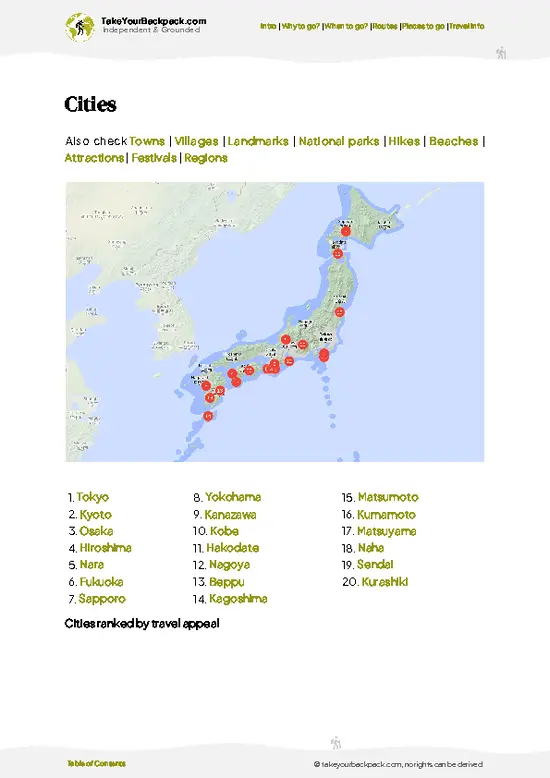
Ranked #7 town in Japan
The unique appeal for travelers

Backpackers flock to Maizuru for its strategic position along the Kinki coastline, making it a perfect base for hiking and exploring nearby beaches. The town’s walkable streets invite you to wander, with small-scale hostels and guesthouses that foster a friendly, communal vibe. You’ll find local eateries serving up fresh seafood, where the scent of grilled fish mingles with the salty sea air, creating a sensory feast that feels authentic and rewarding.

Most travelers stay a couple of days, soaking in the laid-back atmosphere. It’s not a party town, but that’s part of its charm. Here, slow travelers, hikers, and solo adventurers can connect over shared experiences without the distractions of a bustling nightlife. The cultural sites nearby, like the Maizuru Hanasaki Park, offer a glimpse into … read more 👉
Backpackers flock to Maizuru for its strategic position along the Kinki coastline, making it a perfect base for hiking and exploring nearby beaches. The town’s walkable streets invite you to wander, with small-scale hostels and guesthouses that foster a friendly, communal vibe. You’ll find local eateries serving up fresh seafood, where the scent of grilled fish mingles with the salty sea air, creating a sensory feast that feels authentic and rewarding.

Most travelers stay a couple of days, soaking in the laid-back atmosphere. It’s not a party town, but that’s part of its charm. Here, slow travelers, hikers, and solo adventurers can connect over shared experiences without the distractions of a bustling nightlife. The cultural sites nearby, like the Maizuru Hanasaki Park, offer a glimpse into local life, rewarding those who take the time to explore. If you’re looking for a place to recharge and immerse yourself in Japan’s coastal beauty, Maizuru is a worthy stop on your journey.
Want to include Maizuru in your Japan route?
Create a personalized Japan itinerary that includes Maizuru and the places that fit your trip — based on your travel style, budget, and available time. Get your route in seconds.

Generate my trip

💡 HighlightsEssential experiences to have while visiting Maizuru

  • Maizuru Red Brick Park (舞鶴赤れんがパーク) — A cluster of restored Meiji-Taishō era red-brick naval warehouses on the waterfront turned into cafés, shops and exhibition space; the architecture and harbor-side setting perfectly capture Maizuru’s naval past and make for great photos and a relaxed stroll.
  • Maizuru Repatriation Memorial Museum (舞鶴引揚記念館) — A focused, moving museum about the post-WWII repatriation of Japanese civilians and soldiers through Maizuru port; real artifacts, testimonies and dockside context give a vivid sense of the human side of history.
  • Maizuru Naval Port & ship-watching viewpoints — Maizuru is an active naval port; public vantage points around the bay let you watch JMSDF ships, ferries and fishing boats, and the city periodically opens base events — a living, maritime experience
read more 👉
  • Maizuru Red Brick Park (舞鶴赤れんがパーク) — A cluster of restored Meiji-Taishō era red-brick naval warehouses on the waterfront turned into cafés, shops and exhibition space; the architecture and harbor-side setting perfectly capture Maizuru’s naval past and make for great photos and a relaxed stroll.
  • Maizuru Repatriation Memorial Museum (舞鶴引揚記念館) — A focused, moving museum about the post-WWII repatriation of Japanese civilians and soldiers through Maizuru port; real artifacts, testimonies and dockside context give a vivid sense of the human side of history.
  • Maizuru Naval Port & ship-watching viewpoints — Maizuru is an active naval port; public vantage points around the bay let you watch JMSDF ships, ferries and fishing boats, and the city periodically opens base events — a living, maritime experience you can’t get from a book.
  • Maizuru Park (城址公園) — castle ruins and seasonal cherry blossoms — A compact hilltop park built around the old castle site with strolling paths, stone walls and classic sakura season vibes; good short hike and panoramic views over the city and bay.
  • Maizuru City Museum (舞鶴市立博物館) — The local history museum with displays on Maizuru’s maritime development, fishing culture and regional archaeology; small but well laid-out, excellent for understanding the city’s identity.
A few great day-trip highlights nearby are Amanohashidate, the fishing-boat houses of Ine, and the rugged Tango Peninsula — my personal favorite to explore from Maizuru is Amanohashidate.
Spotted a mistake or missing something? Contact us.

Things to do near Maizuru

Ratings based on Tripadvisor reviews. When you book through this link, you support our work at no extra cost to you.

🏘️ NeighborhoodsUnderstanding the local layout

Maizuru is a charming coastal town that offers a blend of history, nature, and local culture, making it a rewarding stop for backpackers.

Kita-Maizuru: This area buzzes with local life. You’ll find affordable guesthouses and eateries serving fresh seafood. The vibe is laid-back, perfect for short stays. Walkability is high; you can easily explore the waterfront and nearby parks. Nightlife is minimal, but the local izakayas offer a cozy atmosphere for evening chats.

Nishi-Maizuru: Known for its historical sites, this neighborhood is ideal for those who want to soak in culture. The Maizuru Red Brick Park and the nearby museum are must-sees. It’s quieter, making it suitable for longer stays. Transport access is good, with buses connecting you to other parts of town. The scent of blooming cherry … read more 👉
Maizuru is a charming coastal town that offers a blend of history, nature, and local culture, making it a rewarding stop for backpackers.

Kita-Maizuru: This area buzzes with local life. You’ll find affordable guesthouses and eateries serving fresh seafood. The vibe is laid-back, perfect for short stays. Walkability is high; you can easily explore the waterfront and nearby parks. Nightlife is minimal, but the local izakayas offer a cozy atmosphere for evening chats.

Nishi-Maizuru: Known for its historical sites, this neighborhood is ideal for those who want to soak in culture. The Maizuru Red Brick Park and the nearby museum are must-sees. It’s quieter, making it suitable for longer stays. Transport access is good, with buses connecting you to other parts of town. The scent of blooming cherry blossoms in spring adds a lovely touch.

Maizuru Bay: This picturesque area is a feast for the senses. The bay views are stunning, especially at sunset. It’s a bit pricier, but the experience is worth it. Perfect for evening strolls, you’ll find a few bars and cafes here. It’s walkable, but renting a bike can unlock hidden spots along the coast. Ideal for both short and longer visits, the atmosphere is vibrant yet relaxed.

⌛️ 1 dayA smart one-day plan

Maizuru, Japan, is a charming coastal town that offers a delightful blend of history, nature, and local culture. Nestled between the sea and mountains, it’s often overlooked by travelers, but that’s what makes it special. You’ll find a slower pace here, where the scent of saltwater mingles with the aroma of grilled seafood wafting from local stalls.

Start your morning at Maizuru’s bustling Fish Market. The early hours are alive with vendors shouting their wares, and you can savor fresh sashimi right from the source. Grab a piece of grilled mackerel, its smoky flavor perfectly complemented by a squeeze of lemon. This isn’t just breakfast; it’s an experience that sets the tone for your day.

After fueling up, head to Maizuru Park. The cherry blossoms here are stunning in spring, but the park’s … read more 👉
Maizuru, Japan, is a charming coastal town that offers a delightful blend of history, nature, and local culture. Nestled between the sea and mountains, it’s often overlooked by travelers, but that’s what makes it special. You’ll find a slower pace here, where the scent of saltwater mingles with the aroma of grilled seafood wafting from local stalls.

Start your morning at Maizuru’s bustling Fish Market. The early hours are alive with vendors shouting their wares, and you can savor fresh sashimi right from the source. Grab a piece of grilled mackerel, its smoky flavor perfectly complemented by a squeeze of lemon. This isn’t just breakfast; it’s an experience that sets the tone for your day.

After fueling up, head to Maizuru Park. The cherry blossoms here are stunning in spring, but the park’s history is what captivates. Explore the remnants of the old castle and take in the panoramic views of the bay. The light filtering through the trees creates a serene atmosphere, perfect for a moment of reflection.

In the afternoon, wander through the quaint streets of the Kido district. This area is often missed by tourists, but it’s where you’ll find traditional wooden houses and local artisans. Stop by a small pottery shop; the owner might even share stories about the craft. It’s these personal connections that enrich your journey.

As evening approaches, make your way to the waterfront. The sunset casts a golden hue over the water, and you can enjoy a leisurely dinner at a seaside izakaya. Try the local squid dishes; they’re a specialty here.

By the end of the day, you’ll have not just seen Maizuru but felt its heartbeat, making every moment worthwhile.
Turn your Maizuru visit into an Japan adventure
Build a complete Japan route with Maizuru, hidden gems, must-see destinations, and realistic travel times included.

Generate my trip

🌤️ When to go?Seasonal considerations and timing


  • Weather: Maizuru’s coastal location means humid summers with highs around 30°C (86°F), often sticky and prone to sudden rain. Winters dip to about 3°C (37°F), crisp but rarely harsh. Spring and autumn offer the most comfortable air—mild, dry, and fresh with a salty breeze.

  • Temperature: Aim for April to June or September to November. Spring mornings hover around 12°C (54°F), warming to 20°C (68°F) by afternoon. Autumn cools from 22°C (72°F) down to 10°C (50°F) as days shorten, perfect for layering and long hikes.

  • Daylight Hours: Summer stretches daylight to nearly 14 hours, ideal for extended exploration but beware the heat. Spring and autumn offer balanced light—about 11 to 12 hours—enough time to roam without rushing or overheating.

  • Crowds: Maizuru isn’t a tourist hotspot, but summer
read more 👉

  • Weather: Maizuru’s coastal location means humid summers with highs around 30°C (86°F), often sticky and prone to sudden rain. Winters dip to about 3°C (37°F), crisp but rarely harsh. Spring and autumn offer the most comfortable air—mild, dry, and fresh with a salty breeze.

  • Temperature: Aim for April to June or September to November. Spring mornings hover around 12°C (54°F), warming to 20°C (68°F) by afternoon. Autumn cools from 22°C (72°F) down to 10°C (50°F) as days shorten, perfect for layering and long hikes.

  • Daylight Hours: Summer stretches daylight to nearly 14 hours, ideal for extended exploration but beware the heat. Spring and autumn offer balanced light—about 11 to 12 hours—enough time to roam without rushing or overheating.

  • Crowds: Maizuru isn’t a tourist hotspot, but summer weekends see local families and day-trippers. Visiting in shoulder seasons means quieter streets and more authentic interactions with locals.

  • Seasonal Activities: Cherry blossoms bloom late March to early April, painting the city in soft pinks. Autumn’s fiery foliage peaks in November, turning parks and waterfronts into a fiery canvas. Summer brings festivals with fireworks, but also humidity.

  • Price Fluctuations: Accommodation and transport costs rise slightly during cherry blossom season and local festivals. Off-peak spring and autumn offer better deals and more flexible bookings.


Pro-tip: Visit in late April or October to catch perfect weather, fewer crowds, and vibrant natural colors—this combo turns Maizuru from a stopover into a memory.


source: climatestotravel.comJANJanuary: fair for travelingFEBFebruary: fair for travelingMARMarch: good for travelingAPRApril: excellent for travelingMAYMay: excellent for travelingJUNJune: highly recommended for travelingJULJuly: good for travelingAUGAugust: good for travelingSEPSeptember: highly recommended for travelingOCTOctober: excellent for travelingNOVNovember: highly recommended for travelingDECDecember: fair for traveling
when-to-go

✈️ The backpacker research shortcutJapan Travel Guide

An offline-friendly backpacking guide with optimized travel routes, ranked highlights, transport advice, and the best areas to stay.
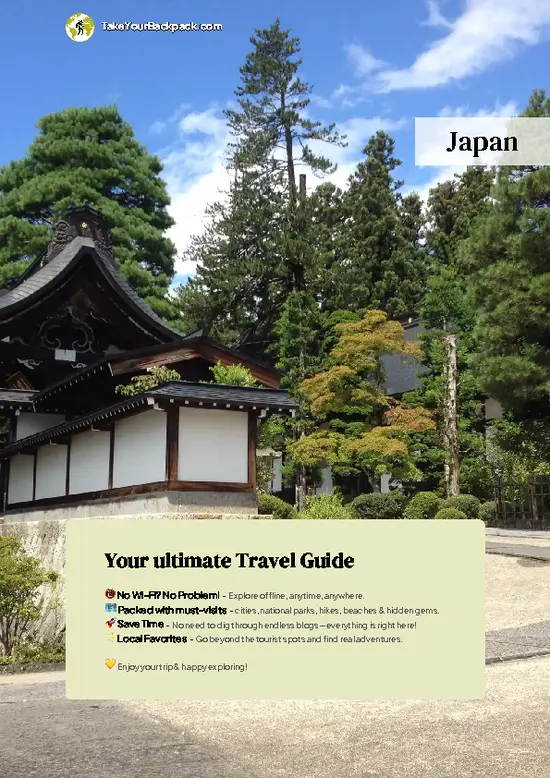
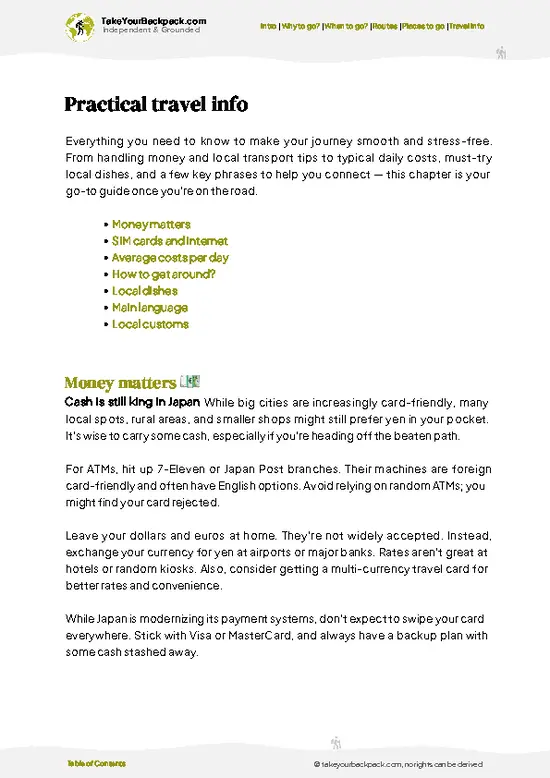
example page 0 from our offline Travel Guide for Japan
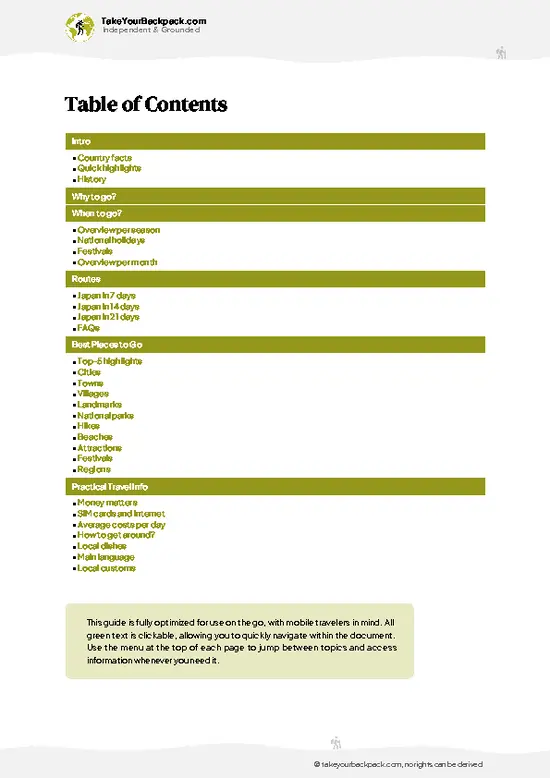
example page 1 from our offline Travel Guide for Japan
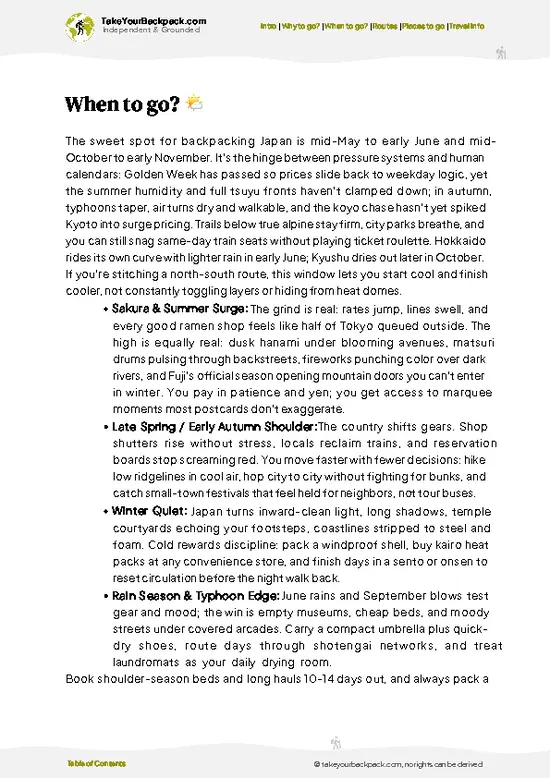
example page 2 from our offline Travel Guide for Japan
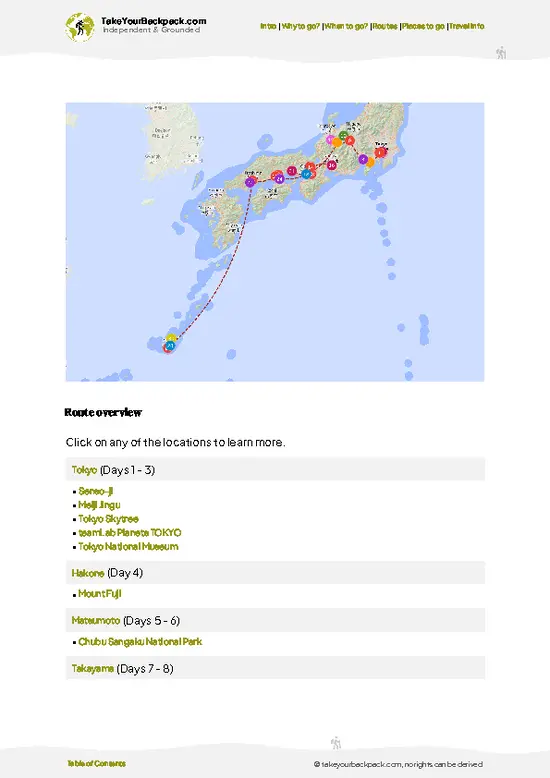
example page 3 from our offline Travel Guide for Japan
example page 4 from our offline Travel Guide for Japan
example page 5 from our offline Travel Guide for Japan
example page 6 from our offline Travel Guide for Japan
example page 7 from our offline Travel Guide for Japan
The digital guide (482 pages) contains:
140 highlights, ranked by travel appeal
Optimized 7, 14 & 21-day travel routes
Cities, national parks, landmarks, beaches
How to get around
Offline-friendly for travel without Wi-Fi
👉 Click to see all 30+ guide features

📅 Plan smarter in minutes, not weeks
Month by month travel advice
Festivals & national holidays
Budget expectations

🗺️ Go to the right places, skip the overrated ones
Honest pros & cons of destinations
Top hikes, parks & viewpoints
Lesser-known places most travelers miss
Clear “worth it vs skip it” guidance

🛏️ Travel smoothly without rookie mistakes
Best areas to stay
Transport systems explained simply
Common scams & safety advice
SIM cards, money & practical tips

🌍 Understand the country, not just visit it
Culture & traditions
52 Essential phrases & customs
Festivals worth planning around
Traveler-friendly historical context
Insights that make places more meaningful

📱 Built for real travel conditions
Fully downloadable PDF
Works completely offline
Optimized for phone use
Useful in remote areas & buses
Everything in one place
Save weeks of stressful planning
Get instant access to your full guide. 30‑day money-back guarantee.


By proceeding you agree to our terms.
Sent to your inbox immediately after payment • 100% Secure Checkout
Best Backpacking Travel Advisor 2025 tourism awardBest Backpacking
Travel Advisor
2025
What others say about Take Your Backpack Guides:
⭐⭐⭐⭐⭐
Fantastic, amazing amount of information!
⭐⭐⭐⭐⭐
My goodness this is amazing, it's what I've been looking for hats off too you!
⭐⭐⭐⭐⭐
I think this is absolutely BRILLIANT
⭐⭐⭐⭐
Very complete and informative. It's still missing places, but I gotta to commend you
⭐⭐⭐⭐⭐
This is truly amazing, thank you, can't wait to explore it with my kids!
⭐⭐⭐⭐⭐
Awesome resource, thank you!
⭐⭐⭐⭐⭐
This is amazing! Can't wait to explore the ones I haven't seen
⭐⭐⭐⭐
I love this! Well done, great idea.
⭐⭐⭐⭐⭐
Thanks for taking the time to make this gem!
⭐⭐⭐⭐⭐
This might be the best website I've ever seen.
⭐⭐⭐⭐⭐
Congratulations, and thank you so much for your work; it's incredibly valuable.
⭐⭐⭐⭐
In all seriousness I think you did a great job pointing out the important spots
⭐⭐⭐⭐⭐
10/10 very good
⭐⭐⭐⭐⭐
As someone who's only just starting to visit regularly this is awesome, thank you.
⭐⭐⭐⭐
Thank you very much! I'm going to visit my dad, it's going to be very useful!
⭐⭐⭐⭐⭐
This is really cool! We'll be travelling for the first time and this definitely come in handy.
⭐⭐⭐⭐⭐
You are now our minister of culture, congratulations 👨‍💼
⭐⭐⭐⭐⭐
Just wanted to tell you that this is a pearl! Going to follow your recommendations.
⭐⭐⭐⭐⭐
This is so cool. I'll definitely be using the resource for my travels soon.
⭐⭐⭐⭐⭐
This is very impressive! Good work.
⭐⭐⭐⭐⭐
This is an amazing and informative site. Very well done!

🛏️ Where to stay?Best areas and accommodation options

Maizuru’s best backpacker base is the area around Maizuru Station. It’s the city’s pulse—safe, easy to navigate, and where budget travelers naturally cluster. Staying here means you’re steps from the train, which is crucial because Maizuru’s charm is spread out, and public transport isn’t a whirlwind. Hostels and guesthouses here cater to solo travelers and small groups, offering a chance to swap stories over instant noodles or local sake. The vibe is low-key but welcoming, with a mix of fishermen, students, and travelers creating an unforced social atmosphere.

Compared to the quieter, more residential … read more 👉
Maizuru’s best backpacker base is the area around Maizuru Station. It’s the city’s pulse—safe, easy to navigate, and where budget travelers naturally cluster. Staying here means you’re steps from the train, which is crucial because Maizuru’s charm is spread out, and public transport isn’t a whirlwind. Hostels and guesthouses here cater to solo travelers and small groups, offering a chance to swap stories over instant noodles or local sake. The vibe is low-key but welcoming, with a mix of fishermen, students, and travelers creating an unforced social atmosphere.

Compared to the quieter, more residential neighborhoods like the coastal Higashimaizuru, the station area hums with life after dark. You’ll find small izakayas and convenience stores that stay open late, perfect for grabbing a quick bite or chatting with locals. It’s not flashy, but the scent of salty sea air mingled with grilled fish from nearby eateries makes the experience authentic and grounded. Venturing beyond this hub means fewer options for socializing and a heavier reliance on taxis or long walks, which can eat into your adventure time. Stick close to the station to keep your energy for exploring Maizuru’s rugged coastline and historic sites.

🚌 Getting aroundMoving around without the hassle

Maizuru moves at its own rhythm—neither frantic nor sluggish, but a steady pulse shaped by the sea breeze and the hum of fishing boats returning at dusk. The town’s flow isn’t dictated by rigid timetables but by a blend of practical routine and laid-back intuition. Streets feel alive with the scent of salt and fresh seafood, and locals navigate with a quiet confidence that comes from knowing when to pause and when to move. For a budget traveler, this means embracing a bit of flexibility while leaning into the town’s natural cadence—walking when the light is just right, catching buses that feel more like community lifelines than tourist shuttles, and timing your moves around the ebb and flow of daily life.


  • Walking: Maizuru’s compact downtown is best explored on foot. The streets are flat
read more 👉
Maizuru moves at its own rhythm—neither frantic nor sluggish, but a steady pulse shaped by the sea breeze and the hum of fishing boats returning at dusk. The town’s flow isn’t dictated by rigid timetables but by a blend of practical routine and laid-back intuition. Streets feel alive with the scent of salt and fresh seafood, and locals navigate with a quiet confidence that comes from knowing when to pause and when to move. For a budget traveler, this means embracing a bit of flexibility while leaning into the town’s natural cadence—walking when the light is just right, catching buses that feel more like community lifelines than tourist shuttles, and timing your moves around the ebb and flow of daily life.


  • Walking: Maizuru’s compact downtown is best explored on foot. The streets are flat and easy, with the salty air and occasional waft of grilled fish keeping you alert. Walking costs nothing and lets you soak in the subtle shifts in light and sound, especially near the harbor at golden hour.


  • Maizuru City Bus: This is your budget-friendly backbone for reaching neighborhoods and attractions beyond walking distance. Buses run roughly from 6:30 AM to 9 PM, with fares around 200-300 yen per ride. They’re not the fastest, but the routes are straightforward and the buses clean and punctual enough to rely on without stress.


  • JR Maizuru Line Train: If you’re heading to or from Kyoto or connecting to other parts of Kansai, the JR Maizuru Line is your best bet. Trains run about every 30-60 minutes, starting early morning until late evening. Tickets hover around 1,000 yen to Kyoto, making it a solid balance of speed and cost. The ride offers a glimpse of the coastal landscape, a nice reward for the hour-long trip.


  • Rental Bicycle: For a bit more freedom without breaking the bank, renting a bike is a smart move. Maizuru’s bike-friendly streets and scenic waterfront paths make pedaling a breeze. Rentals typically cost 500-800 yen per day, and you can cover more ground while still feeling the town’s textures and smells up close.


  • Taxi: Taxis are available but pricey compared to other options—expect a base fare around 600 yen, with incremental charges per kilometer. Best saved for late-night returns or when you’re hauling heavy gear. They offer comfort and speed but don’t fit the budget traveler’s flow unless absolutely necessary.

👛 Costs (as of 25 December 2024)Typical daily expenses

Backpacking in Maizuru, Japan, offers a quiet coastal vibe with a price tag that’s surprisingly manageable if you know where to look. Here’s the breakdown of what you’ll typically spend each day:
  • Dorm Accommodation: Expect to pay around $25 to $40 USD per night for a bed in a guesthouse or hostel dorm. Maizuru isn’t flooded with budget hostels, so options are limited but clean and comfortable, often with a local, homey feel rather than flashy tourist setups.
  • Meals: You can eat well on about $10 to $15 USD daily if you stick to local eateries or convenience stores. A bowl of ramen or a bento box from a supermarket will run you $5 to $7, while grabbing a coffee and a snack might add a few dollars. Dining at sit-down restaurants will push the budget higher, but street food and markets keep
read more 👉
Backpacking in Maizuru, Japan, offers a quiet coastal vibe with a price tag that’s surprisingly manageable if you know where to look. Here’s the breakdown of what you’ll typically spend each day:
  • Dorm Accommodation: Expect to pay around $25 to $40 USD per night for a bed in a guesthouse or hostel dorm. Maizuru isn’t flooded with budget hostels, so options are limited but clean and comfortable, often with a local, homey feel rather than flashy tourist setups.
  • Meals: You can eat well on about $10 to $15 USD daily if you stick to local eateries or convenience stores. A bowl of ramen or a bento box from a supermarket will run you $5 to $7, while grabbing a coffee and a snack might add a few dollars. Dining at sit-down restaurants will push the budget higher, but street food and markets keep it affordable.
  • Local Transport: Maizuru is compact, so walking covers most ground. For longer trips, local buses cost about $2 to $3 per ride. If you plan to explore nearby areas, budget around $5 to $10 for occasional bus or ferry rides.
  • Basic Activities/Entry Fees: Many local attractions, like parks and shrines, are free or cost under $5. Museums or special exhibitions might charge $5 to $8. This keeps your cultural exploration light on the wallet but rich in experience.
  • Miscellaneous Expenses: This covers essentials like bottled water, snacks, or occasional laundry, usually around $3 to $7 daily. Small splurges on souvenirs or extra treats can push this higher, but it’s easy to keep it minimal.

All told, you’re looking at roughly $45 to $70 USD per day to backpack comfortably in Maizuru. It’s a town where the calm sea air and modest prices make every dollar feel well spent, especially if you embrace the slower pace and local rhythms rather than chasing big-city thrills.


source: kyoto.travel
⚠️ Prices can change and everyone travels differently, so take this as a rough guide. Hope it helps you plan your adventure!

🚌 Day tripsBest day trips from Maizuru

Maizuru is a fantastic base for backpackers eager to explore the rich tapestry of Japan’s culture and nature. With its convenient transport links and vibrant local scene, you can easily dive into unforgettable day trips.

1. Amanohashidate
Just over an hour from Maizuru, Amanohashidate is famous for its stunning sandbar, often dubbed one of Japan’s three scenic views. The journey is a breeze, costing around 1,500 yen each way. Once there, rent a bike to explore the area; the fresh sea breeze and the scent of pine trees will invigorate you. Climb to the viewpoint for a panoramic view that makes the effort worthwhile. Many first-timers miss the chance to enjoy the local delicacies at the nearby stalls, so don’t skip the grilled squid!


2. Ine no Funaya
A 30-minute train ride will take … read more 👉
Maizuru is a fantastic base for backpackers eager to explore the rich tapestry of Japan’s culture and nature. With its convenient transport links and vibrant local scene, you can easily dive into unforgettable day trips.

1. Amanohashidate
Just over an hour from Maizuru, Amanohashidate is famous for its stunning sandbar, often dubbed one of Japan’s three scenic views. The journey is a breeze, costing around 1,500 yen each way. Once there, rent a bike to explore the area; the fresh sea breeze and the scent of pine trees will invigorate you. Climb to the viewpoint for a panoramic view that makes the effort worthwhile. Many first-timers miss the chance to enjoy the local delicacies at the nearby stalls, so don’t skip the grilled squid!


2. Ine no Funaya
A 30-minute train ride will take you to Ine, a charming fishing village where traditional boathouses line the waterfront. The atmosphere is serene, with the gentle lapping of waves and the salty scent of the sea. Stroll along the coast, and consider taking a boat tour to see the village from the water. Budget around 1,000 yen for transport and a few hundred more for snacks. The best time to visit is during the early morning when the mist hangs over the water, creating a magical scene. Many overlook the local seafood restaurants, which serve some of the freshest catches you’ll ever taste.


3. Nijo Castle
A bit further afield, about two hours by train, Nijo Castle in Kyoto is a must-see for history buffs. The entrance fee is around 1,000 yen, and the journey is worth every yen. The castle’s intricate architecture and beautiful gardens are a feast for the senses. Aim to visit in the spring when cherry blossoms bloom, painting the grounds in delicate pink hues. A common mistake is to rush through; take your time to soak in the history and the atmosphere.
👉 Explore Nijo Castle

4. Kinosaki Onsen
For a unique experience, head to Kinosaki Onsen, about two hours away. This hot spring town is famous for its seven public baths. The round-trip fare is around 3,000 yen, but the experience is priceless. Stroll in a yukata, savoring the scent of steaming water and the sound of laughter from fellow bathers. The best time to visit is in winter when the hot springs provide a cozy escape from the cold. Many first-timers forget to try the local crab dishes, which are a seasonal delight.
👉 Explore Kinosaki Onsen

Each of these trips offers a unique slice of Japan, making your base in Maizuru not just a stopover, but a launchpad for adventure.
Want to know what more Japan offers?
The Japan Travel Guide describes 140 highlights, from cities to national parks, from beaches to hikes

Get the Travel Guide -

🛡️ SafetyTraveler Safety Guide

Maizuru is generally safe, but a few practical tips can enhance your experience. The waterfront area is lovely during the day, but as night falls, it can feel a bit deserted. Stick to well-lit streets and avoid wandering too far from the main thoroughfares after dark.

Solo travelers should be aware of their surroundings, especially near train stations where crowds can be disorienting. While scams are rare, be cautious of overly friendly locals offering unsolicited help; they might expect something in return.

Everyday annoyances can include language barriers, so having a translation app handy can smooth out interactions. Carry cash, as some smaller shops may not accept cards. By staying aware and prepared, you’ll navigate Maizuru like a pro, soaking in its charm without unnecessary hiccups.

Other Japanese towns near Maizuru

Explore more nearby:

  • Kinosaki Onsen—public bathhouses, willow-lined canals, yukata strolls| 54 km away
  • Takayama—wooden merchant houses, morning markets, sake breweries| 184 km away
  • Fujiyoshida—Mt. Fuji base, pilgrimage routes, retro shopping streets| 310 km away

💡 Not sure where to go next?
Create a personalized itinerary for Japan including Maizuru and the places that fit your trip.

Generate my itinerary

👉 Discover all towns

Or checkout all Japan has to offer (think cities, towns, villages, national parks, hikes, beaches, festivals)
Country photo of Japan

We 💚 feedbackWhat to keep in mind

Maizuru’s coastal views are a feast for the senses. The salty breeze mingles with the scent of fresh seafood, and the sunsets paint the sky in hues you’ll want to capture forever. But be prepared: public transport can be a puzzle. Buses aren’t frequent, so plan ahead or be ready to walk. Embrace the challenge; it’s part of the adventure, and the payoff is worth every step.

✈️ When did I visit Japan?
As part of my 1.5 year travel around the world trip, I visited Japan in August 2015.

✍️ Help improve this page!
The information on this page is based on my own backpacking experience in Japan, supplemented with up-to-date research and feedback from other travelers. Travel details can change, so if you notice anything outdated or incomplete, feel free to let me know.


🙋‍♂️ Give feedback

👋 Meet the founderWho’s Behind Take Your Backpack?

Johan, backpacker and founder of TakeYourBackpackHi, I’m Johan (Netherlands 🇳🇱), the creator of TakeYourBackpack. Over the past decade, I’ve backpacked through 80+ countries across six continents, gaining extensive experience with independent travel, long-term trips, and overland routes.

This site is built on a combination of firsthand travel experience and carefully curated insights from other backpackers. Many guides are based on places I’ve personally visited, while others bring together tips, observations, and practical advice shared by trusted travelers I’ve met along the way.

The goal is to provide realistic, experience-driven guidance — not generic itineraries — so you can explore destinations with better context, clearer expectations, and more confidence.

Get full Japan guide •
Instant download • 140 highlights • Full Offline guide