×

Japan🇯🇵 | townsKinosaki Onsenpublic bathhouses, willow-lined canals, yukata strolls | things to do and best time to go

Explore Southern regionExplore Ouchi-juku

Backpacking in Kinosaki Onsen
👍 Recommendedtown ranked #4
By Johan Kruseman 🇳🇱 | Updated September 4, 2026

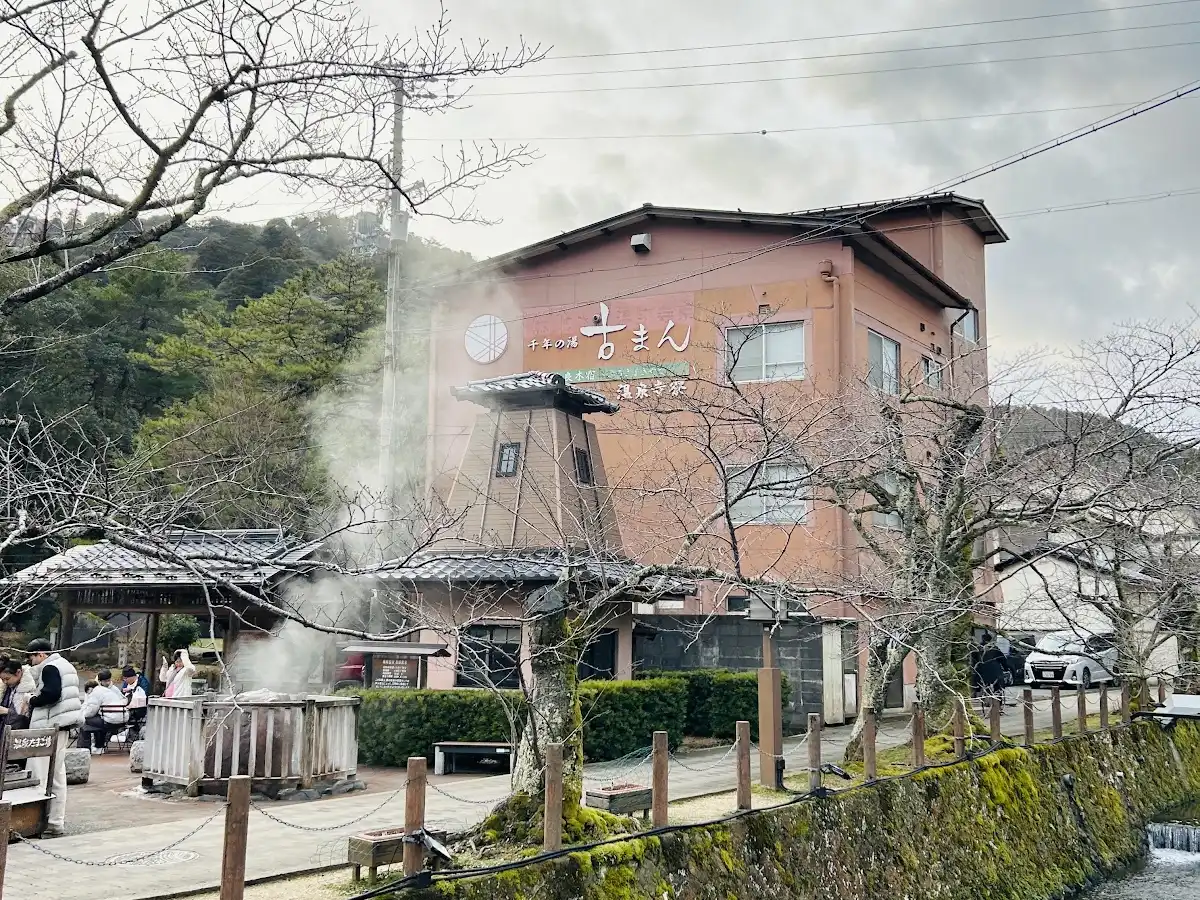
Most people imagine Kinosaki Onsen as a sealed-off luxury spa town where backpackers don’t belong. In reality, it’s a small, very walkable hot-spring village in northern Hyogo Prefecture, on the Sea of Japan side, that can absolutely fit a backpacking route if you play it smart. The whole town smells faintly of mineral water and soy from little eateries, with willow trees hanging over a narrow canal and people shuffling past in yukata and wooden geta. It’s not cheap compared with nearby Toyooka or Tajima countryside stays, and nightlife is basically quiet lantern-lit streets and vending machines, not bars and clubs. But that’s the point: it works best as a one- or two-night reset between Kyoto/Osaka and the coast, or paired with nearby beaches like Takeno and simple hikes in the hills. Trains roll right into the tiny station, everything is on foot, and while there are a couple of budget options, you’ll meet more slow-travel couples and Japanese weekenders than hostel-party crowds.

Discover everything you want to know in the 📖 Japan Travel Guide.


Get your Japan guide
140 ranked highlights, routes & tips, works offline (482 pages)
Loading the map 🌍
CLICK TO FILTER
cities
towns
villages
landmarks
national parks
hikes
beaches
attractions
festivals
regions
SHOW COUNTRY’S BESTSHOW ALL

✨ Why go?
Ranked #4 town in Japan
Why visitors keep coming back

Kinosaki Onsen draws backpackers for its authentic charm and strategic location. Nestled in the mountains, it’s a gateway to nearby hikes that reward you with stunning views and a sense of solitude. The walkable streets are lined with traditional ryokans and small-scale hostels, making it easy to find a cozy spot to rest your head. You’ll breathe in the scent of steaming onsen water as you stroll, a reminder of the town’s rich bathing culture.

Travelers often linger here for a few days, soaking in the friendly social atmosphere. It’s a place where solo adventurers can connect with fellow backpackers over bowls of local ramen or fresh seafood. The pace is relaxed, ideal for slow travelers who want to savor each moment.

While Kinosaki isn’t a nightlife hub, its charm lies in the quiet eveningsread more 👉
Kinosaki Onsen draws backpackers for its authentic charm and strategic location. Nestled in the mountains, it’s a gateway to nearby hikes that reward you with stunning views and a sense of solitude. The walkable streets are lined with traditional ryokans and small-scale hostels, making it easy to find a cozy spot to rest your head. You’ll breathe in the scent of steaming onsen water as you stroll, a reminder of the town’s rich bathing culture.

Travelers often linger here for a few days, soaking in the friendly social atmosphere. It’s a place where solo adventurers can connect with fellow backpackers over bowls of local ramen or fresh seafood. The pace is relaxed, ideal for slow travelers who want to savor each moment.

While Kinosaki isn’t a nightlife hub, its charm lies in the quiet evenings spent soaking in outdoor baths under the stars. If you’re looking for a blend of cultural immersion and natural beauty, this town is more than a stopover; it’s a rewarding chapter in your journey.
Want to include Kinosaki Onsen in your Japan route?
Create a personalized Japan itinerary that includes Kinosaki Onsen and the places that fit your trip — based on your travel style, budget, and available time. Get your route in seconds.

Generate my trip

💡 HighlightsThe experiences that define the visit

  1. Willow-lined canal and wooden footbridges — The postcard shot of Kinosaki: narrow canal flanked by weeping willows, little arched bridges and lanterns. Best at dusk when everyone’s in yukata and the whole town feels intentionally slow.
  2. The seven public bathhouses (sotoyu) circuit — You can buy a pass and hop between the different public onsen. Each house has its own history, interior style and water temperature, so doing the circuit is as much cultural research as relaxation.
  3. Free public footbaths (ashiyu) — Scattered along the main street and by the station; perfect for a quick soak between baths or while waiting for a bus. No ritual knowledge required, just sit, dip and people-watch.
  4. Onsenji Temple (温泉寺) — The temple closely tied to the origin myths of Kinosaki’s springs. A short climb
read more 👉
  1. Willow-lined canal and wooden footbridges — The postcard shot of Kinosaki: narrow canal flanked by weeping willows, little arched bridges and lanterns. Best at dusk when everyone’s in yukata and the whole town feels intentionally slow.
  2. The seven public bathhouses (sotoyu) circuit — You can buy a pass and hop between the different public onsen. Each house has its own history, interior style and water temperature, so doing the circuit is as much cultural research as relaxation.
  3. Free public footbaths (ashiyu) — Scattered along the main street and by the station; perfect for a quick soak between baths or while waiting for a bus. No ritual knowledge required, just sit, dip and people-watch.
  4. Onsenji Temple (温泉寺) — The temple closely tied to the origin myths of Kinosaki’s springs. A short climb and a few stone steps lead to quiet temple grounds and good views back over town — a neat pause from the tourist flow.
  5. Kinosaki Ropeway and Mt. Daishi observatory — A quick cablecar ride takes you above the rooftops for sweeping views of the Sea of Japan and the town. There are short trails up top if you want a bit of fresh-air hiking without committing to a long trek.
  6. Goshono-yu (御所の湯) — One of the more visitor-friendly public baths, with roomy indoor/outdoor pools and a pleasant rest area. It’s a good introduction to local bathing culture if you’re nervous about etiquette.
  7. Jizō statues and small riverside shrines — Little clusters of stone jizō (child-protecting) statues and tiny shrines dot the alleys beside the canal. They’re simple, atmospheric, and give a real sense of the town’s quiet, daily devotion.
  8. Yukata-and-geta strolling experience — Not a single spot but a whole town activity: rent a yukata, put on geta, and wander. The ryokan lobbies, narrow lanes and evening illuminations make a simple walk feel like a ritual.
  9. Local shops and food stalls (crab and onsen treats) — Small stores selling geta, local sweets, sake and seasonal crab dishes line the main street. Popping into a shop for a sample or souvenir tells you more about local life than any brochure.
  10. Short riverside walks and pocket viewpoints — There are a handful of unassuming paths off the main drag that lead to peaceful riverside spots and tiny viewpoints. They’re perfect for escaping the crowds for 10-20 minutes and listening to the water.
A few great day trips nearby: the castle-town vibes and soba of Izushi, the aquarium and coastline at Kinosaki Marine World, and the basalt caves/Genbudo Park around Toyooka — my personal favorite for a day out is Izushi (castle streets + noodles are hard to beat).
Spotted a mistake or missing something? Contact us.

Things to do near Kinosaki Onsen

Ratings based on Tripadvisor reviews. When you book through this link, you support our work at no extra cost to you.

🏘️ NeighborhoodsKey areas and districts to know

Kinosaki Onsen is a charming town where the art of relaxation meets traditional Japanese culture. Each neighborhood offers a unique experience, making it essential to choose wisely.

Yumoto: This is the heart of Kinosaki, where the main onsen (hot springs) are located. The vibe is lively yet serene, perfect for soaking in the local culture. You’ll find a mix of ryokans (traditional inns) and budget-friendly guesthouses. Walkability is excellent; everything is within a short stroll. Nightlife is low-key, with a few bars and izakayas, but it’s more about the quiet soak than late-night revelry. Ideal for both short and longer stays.

Gokuraku: A bit quieter, Gokuraku is where you can escape the hustle. The atmosphere is peaceful, with fewer tourists. It’s a great spot for those looking to unwind … read more 👉
Kinosaki Onsen is a charming town where the art of relaxation meets traditional Japanese culture. Each neighborhood offers a unique experience, making it essential to choose wisely.

Yumoto: This is the heart of Kinosaki, where the main onsen (hot springs) are located. The vibe is lively yet serene, perfect for soaking in the local culture. You’ll find a mix of ryokans (traditional inns) and budget-friendly guesthouses. Walkability is excellent; everything is within a short stroll. Nightlife is low-key, with a few bars and izakayas, but it’s more about the quiet soak than late-night revelry. Ideal for both short and longer stays.

Gokuraku: A bit quieter, Gokuraku is where you can escape the hustle. The atmosphere is peaceful, with fewer tourists. It’s a great spot for those looking to unwind after a day of exploring. The ryokans here are slightly pricier but offer a more intimate experience. Walkability remains strong, and you can easily access the main attractions. Perfect for longer stays if you want to immerse yourself in relaxation.

Shinbashi: This area has a more local feel, with traditional wooden buildings lining the streets. It’s less touristy, making it a great place to experience authentic Japanese life. Costs are generally lower here, and you’ll find cozy guesthouses. While it’s quieter, you can still enjoy a few local eateries. Walkability is decent, but you might need to venture a bit further for onsen access. Best for short stays if you want a taste of local life without the tourist bustle.

⌛️ 1 dayWhat you can realistically do in a day

Kinosaki Onsen is a charming town where the air is infused with the soothing scent of mineral-rich hot springs. This is a place where tradition meets tranquility, and the gentle sound of water flowing from the many public baths creates a serene backdrop for your day.

Start your morning with a stroll along the willow-lined canal in the central area, where the light dances on the water’s surface. Grab a breakfast of fresh, local pastries at a nearby bakery. The flaky, sweet melon bread pairs perfectly with a cup of rich matcha from a local tea shop. This is not just breakfast; it’s a ritual that sets the tone for your day.

After fueling up, head to the iconic Kinosaki Onsen’s seven public baths. Each has its own unique charm, but I recommend the lesser-known Jizou-yu. It’s a bit quieter, … read more 👉
Kinosaki Onsen is a charming town where the air is infused with the soothing scent of mineral-rich hot springs. This is a place where tradition meets tranquility, and the gentle sound of water flowing from the many public baths creates a serene backdrop for your day.

Start your morning with a stroll along the willow-lined canal in the central area, where the light dances on the water’s surface. Grab a breakfast of fresh, local pastries at a nearby bakery. The flaky, sweet melon bread pairs perfectly with a cup of rich matcha from a local tea shop. This is not just breakfast; it’s a ritual that sets the tone for your day.

After fueling up, head to the iconic Kinosaki Onsen’s seven public baths. Each has its own unique charm, but I recommend the lesser-known Jizou-yu. It’s a bit quieter, allowing you to soak in the hot water while gazing at the surrounding mountains. The steam rising around you feels like a warm embrace, and the experience is a perfect blend of relaxation and cultural immersion.

In the afternoon, wander through the quaint streets of the Gokuraku-yu neighborhood. Here, you’ll find traditional ryokans and small shops selling handmade crafts. Don’t miss the chance to try some local sweets—especially the yudofu, a delicate tofu dish that melts in your mouth.

As evening approaches, make your way to the Kinosaki Onsen Ropeway. The ride offers breathtaking views of the town and the surrounding landscape, especially as the sun sets and the sky turns shades of orange and pink.

Finish your day with dinner at a local izakaya, where you can savor fresh seafood and seasonal vegetables. The atmosphere is lively, and the food is a celebration of local flavors. You’ll leave Kinosaki Onsen not just with memories, but with a deeper appreciation for its serene beauty and rich culture.
Turn your Kinosaki Onsen visit into an Japan adventure
Build a complete Japan route with Kinosaki Onsen, hidden gems, must-see destinations, and realistic travel times included.

Generate my trip

🌤️ When to go?Best time to visit Kinosaki Onsen


  • Weather: Kinosaki Onsen’s climate swings with the seasons. Winters dip to around 0°C (32°F), dusting the town in snow that turns the outdoor baths into steamy, otherworldly spots. Summers hover near 28°C (82°F), humid but bearable if you’re chasing lush greenery and river sounds.

  • Temperature: Spring and autumn offer the sweet spot—mild 10-20°C (50-68°F) days that make wandering between ryokans and onsens a pleasure, not a sweat fest or frostbite risk.

  • Daylight Hours: Longer days from April to September stretch your exploring time well into the evening, perfect for soaking in the last light before a hot bath.

  • Crowds: Golden Week (late April to early May) and New Year’s pack the town with tourists, turning peaceful strolls into a shuffle. Off-peak months like November or February offer
read more 👉

  • Weather: Kinosaki Onsen’s climate swings with the seasons. Winters dip to around 0°C (32°F), dusting the town in snow that turns the outdoor baths into steamy, otherworldly spots. Summers hover near 28°C (82°F), humid but bearable if you’re chasing lush greenery and river sounds.

  • Temperature: Spring and autumn offer the sweet spot—mild 10-20°C (50-68°F) days that make wandering between ryokans and onsens a pleasure, not a sweat fest or frostbite risk.

  • Daylight Hours: Longer days from April to September stretch your exploring time well into the evening, perfect for soaking in the last light before a hot bath.

  • Crowds: Golden Week (late April to early May) and New Year’s pack the town with tourists, turning peaceful strolls into a shuffle. Off-peak months like November or February offer quiet lanes and more intimate onsen experiences.

  • Seasonal Activities: Cherry blossoms bloom in April, painting the town in soft pinks, while autumn’s fiery maples in October-November create a fiery backdrop that’s worth the chill.

  • Price Fluctuations: Expect peak-season surcharges during holidays and festivals. Booking in shoulder seasons can save you a tidy sum without sacrificing the charm.


Pro-tip: Aim for late autumn—cool air, fewer crowds, and those fiery leaves make every soak feel like a reward earned through crisp, invigorating walks.


source: climatestotravel.comJANJanuary: good for travelingFEBFebruary: highly recommended for travelingMARMarch: good for travelingAPRApril: excellent for travelingMAYMay: good for travelingJUNJune: good for travelingJULJuly: good for travelingAUGAugust: good for travelingSEPSeptember: highly recommended for travelingOCTOctober: excellent for travelingNOVNovember: excellent for travelingDECDecember: good for traveling
japan-city-kinosaki-onsen
© Google |

✈️ The backpacker research shortcutJapan Travel Guide

An offline-friendly backpacking guide with optimized travel routes, ranked highlights, transport advice, and the best areas to stay.
example page 0 from our offline Travel Guide for Japan
example page 1 from our offline Travel Guide for Japan
example page 2 from our offline Travel Guide for Japan
example page 3 from our offline Travel Guide for Japan
example page 4 from our offline Travel Guide for Japan
example page 5 from our offline Travel Guide for Japan
example page 6 from our offline Travel Guide for Japan
example page 7 from our offline Travel Guide for Japan
The digital guide (482 pages) contains:
140 highlights, ranked by travel appeal
Optimized 7, 14 & 21-day travel routes
Cities, national parks, landmarks, beaches
How to get around
Offline-friendly for travel without Wi-Fi
👉 Click to see all 30+ guide features

📅 Plan smarter in minutes, not weeks
Month by month travel advice
Festivals & national holidays
Budget expectations

🗺️ Go to the right places, skip the overrated ones
Honest pros & cons of destinations
Top hikes, parks & viewpoints
Lesser-known places most travelers miss
Clear “worth it vs skip it” guidance

🛏️ Travel smoothly without rookie mistakes
Best areas to stay
Transport systems explained simply
Common scams & safety advice
SIM cards, money & practical tips

🌍 Understand the country, not just visit it
Culture & traditions
52 Essential phrases & customs
Festivals worth planning around
Traveler-friendly historical context
Insights that make places more meaningful

📱 Built for real travel conditions
Fully downloadable PDF
Works completely offline
Optimized for phone use
Useful in remote areas & buses
Everything in one place
Save weeks of stressful planning
Get instant access to your full guide. 30‑day money-back guarantee.
+ Add another guide for just US$7.80

By proceeding you agree to our terms.
Sent to your inbox immediately after payment • 100% Secure Checkout
Best Backpacking Travel Advisor 2025 tourism awardBest Backpacking
Travel Advisor
2025
What others say about Take Your Backpack Guides:
⭐⭐⭐⭐⭐
Fantastic, amazing amount of information!
⭐⭐⭐⭐⭐
My goodness this is amazing, it's what I've been looking for hats off too you!
⭐⭐⭐⭐⭐
I think this is absolutely BRILLIANT
⭐⭐⭐⭐
Very complete and informative. It's still missing places, but I gotta to commend you
⭐⭐⭐⭐⭐
This is truly amazing, thank you, can't wait to explore it with my kids!
⭐⭐⭐⭐⭐
Awesome resource, thank you!
⭐⭐⭐⭐⭐
This is amazing! Can't wait to explore the ones I haven't seen
⭐⭐⭐⭐
I love this! Well done, great idea.
⭐⭐⭐⭐⭐
Thanks for taking the time to make this gem!
⭐⭐⭐⭐⭐
This might be the best website I've ever seen.
⭐⭐⭐⭐⭐
Congratulations, and thank you so much for your work; it's incredibly valuable.
⭐⭐⭐⭐
In all seriousness I think you did a great job pointing out the important spots
⭐⭐⭐⭐⭐
10/10 very good
⭐⭐⭐⭐⭐
As someone who's only just starting to visit regularly this is awesome, thank you.
⭐⭐⭐⭐
Thank you very much! I'm going to visit my dad, it's going to be very useful!
⭐⭐⭐⭐⭐
This is really cool! We'll be travelling for the first time and this definitely come in handy.
⭐⭐⭐⭐⭐
You are now our minister of culture, congratulations 👨‍💼
⭐⭐⭐⭐⭐
Just wanted to tell you that this is a pearl! Going to follow your recommendations.
⭐⭐⭐⭐⭐
This is so cool. I'll definitely be using the resource for my travels soon.
⭐⭐⭐⭐⭐
This is very impressive! Good work.
⭐⭐⭐⭐⭐
This is an amazing and informative site. Very well done!

🛏️ Where to stay?Choosing the right base

Kinosaki Onsen’s real pulse beats strongest around its central hot spring district, where the narrow streets hum with the quiet rhythm of yukata-clad visitors slipping between ryokan and public baths. For backpackers, this area is a jackpot. It’s safe, pedestrian-friendly, and alive with the kind of low-key social energy that makes solo travel feel less like wandering and more like joining a slow-moving, warm current. The scent of cedar and steam hangs in the air, mixing with the faint clink of geta sandals on stone paths.

Compared to the quieter outskirts or residential zones, staying near the … read more 👉
Kinosaki Onsen’s real pulse beats strongest around its central hot spring district, where the narrow streets hum with the quiet rhythm of yukata-clad visitors slipping between ryokan and public baths. For backpackers, this area is a jackpot. It’s safe, pedestrian-friendly, and alive with the kind of low-key social energy that makes solo travel feel less like wandering and more like joining a slow-moving, warm current. The scent of cedar and steam hangs in the air, mixing with the faint clink of geta sandals on stone paths.

Compared to the quieter outskirts or residential zones, staying near the seven public onsen is a game-changer. You’re steps from the action—early morning dips, evening strolls under paper lanterns, and casual chats with fellow travelers and locals alike. Hostels here tend to be small, cozy, and budget-friendly, often tucked into traditional buildings that keep the authentic vibe intact without the touristy gloss. This proximity means you can ditch complicated transport plans and just wander, soaking in the atmosphere without rushing.

If you stray too far from this core, you lose that intimate, communal feel. The farther neighborhoods are quieter but less social, and you’ll spend more time and yen on taxis or buses. So, for a backpacker craving connection and convenience, the central onsen district isn’t just a place to stay—it’s the heart of the Kinosaki experience.

🚌 Getting aroundMoving around without the hassle

Kinosaki Onsen moves at the pace of steam rising from its hot springs—unhurried, deliberate, and inviting you to slow down. This town doesn’t rush you with strict timetables or noisy crowds; instead, it flows like the gentle current of the Maruyama River threading through its streets. The rhythm here is a dance between tradition and ease, where your feet and intuition become your guides. You’ll find that the best way to experience Kinosaki is by embracing its natural cadence—walking from one onsen to the next, letting the scent of cedar and the warmth of the baths dictate your day. But when you need to stretch your legs beyond the town’s cozy limits or arrive fresh from a train, there are a few transit options that keep things smooth and budget-friendly.


  • Walking: The heart of Kinosaki
read more 👉
Kinosaki Onsen moves at the pace of steam rising from its hot springs—unhurried, deliberate, and inviting you to slow down. This town doesn’t rush you with strict timetables or noisy crowds; instead, it flows like the gentle current of the Maruyama River threading through its streets. The rhythm here is a dance between tradition and ease, where your feet and intuition become your guides. You’ll find that the best way to experience Kinosaki is by embracing its natural cadence—walking from one onsen to the next, letting the scent of cedar and the warmth of the baths dictate your day. But when you need to stretch your legs beyond the town’s cozy limits or arrive fresh from a train, there are a few transit options that keep things smooth and budget-friendly.


  • Walking: The heart of Kinosaki Onsen beats strongest on foot. The town’s compact layout means every ryokan, bathhouse, and noodle shop is within a 10-15 minute stroll. Walking lets you soak in the crisp mountain air, hear the clack of geta on stone paths, and catch the faint steam drifting from the onsen vents. It’s free, flexible, and the best way to sync with the town’s unhurried pulse.


  • JR San’in Main Line Train: Arriving or departing by train is the most practical choice. The station is a short walk from the town center, and local trains run roughly every hour from early morning (around 6:00 AM) until late evening (around 10:00 PM). Tickets from Osaka or Kyoto hover around 3,000 to 4,000 yen one way, making it a budget-friendly gateway. The ride offers scenic views of the Sea of Japan coast, setting the tone for your onsen retreat.


  • Local Bus: For exploring beyond the immediate town, the local bus service connects Kinosaki with nearby attractions like Genbudo Cave and the Tajima region. Buses run infrequently—typically every 1-2 hours—so timing is key. A single fare is about 200-300 yen. The bus is slower than walking for short distances but essential if you want to venture further without renting a car.


  • Bicycle Rental: Renting a bike offers a sweet middle ground between walking and public transit. Bikes are available from several shops near the station for around 1,000 yen per day. Cycling lets you cover more ground while still feeling the breeze and spotting quiet corners that buses miss. The terrain is mostly flat with gentle hills, so it’s manageable even for casual riders.

👛 Costs (as of 4 September 2026)Travel costs and budget guide for Kinosaki Onsen

Backpacking in Kinosaki Onsen offers a unique blend of traditional charm and practical affordability, but knowing the costs upfront helps you plan a trip that feels both smooth and rewarding.
  • Dorm Accommodation: Expect to pay around $30 to $50 per night for a dorm bed in a guesthouse or budget hostel. Kinosaki’s ryokans (traditional inns) lean expensive, so dorms are your best bet for stretching your budget while still soaking in the town’s atmosphere.
  • Meals: You can get by on about $15 to $25 daily if you mix convenience store meals, casual eateries, and the occasional local specialty like crab or onsen tamago (hot spring eggs). Breakfast is often included with dorm stays, but lunch and dinner will be your main expenses.
  • Local Transport: The town is compact and walkable, so transport costs
read more 👉
Backpacking in Kinosaki Onsen offers a unique blend of traditional charm and practical affordability, but knowing the costs upfront helps you plan a trip that feels both smooth and rewarding.
  • Dorm Accommodation: Expect to pay around $30 to $50 per night for a dorm bed in a guesthouse or budget hostel. Kinosaki’s ryokans (traditional inns) lean expensive, so dorms are your best bet for stretching your budget while still soaking in the town’s atmosphere.
  • Meals: You can get by on about $15 to $25 daily if you mix convenience store meals, casual eateries, and the occasional local specialty like crab or onsen tamago (hot spring eggs). Breakfast is often included with dorm stays, but lunch and dinner will be your main expenses.
  • Local Transport: The town is compact and walkable, so transport costs are minimal. If you want to explore nearby spots, a bus ride costs around $2 to $4. Renting a bicycle for the day is another option, roughly $10 to $15, giving you freedom without breaking the bank.
  • Basic Activities/Entry Fees: The main draw is the seven public onsen baths, usually accessible with a single pass costing about $15 to $20 for unlimited visits in a day. Other attractions like the Kinosaki Straw Craft Museum or boat rides hover around $5 to $10.
  • Miscellaneous Expenses: Factor in about $5 to $10 for snacks, souvenirs, or small extras like vending machine drinks. Wi-Fi is often free in guesthouses, so no extra cost there.

All told, a realistic daily budget for backpacking in Kinosaki Onsen falls between $70 and $120. This range balances comfort and experience without skimping on the town’s signature pleasures. The walkable streets and affordable onsen passes mean your money goes further here than in many other Japanese destinations, letting you savor the slow pace and steamy charm without stress.


source: visitkinosaki.com
⚠️ Prices can change and everyone travels differently, so take this as a rough guide. Hope it helps you plan your adventure!

🚌 Day tripsShort trips worth adding

Kinosaki Onsen is a perfect launchpad for exploring the rich tapestry of Japan’s culture and nature. Nestled in the mountains, this charming onsen town offers easy access to some truly memorable day trips.

1. Takeda Castle Ruins
Just an hour away by train, the Takeda Castle Ruins are a must-see for history buffs and nature lovers alike. Perched on a mountain, the castle offers breathtaking views, especially during sunrise when the mist rolls in, creating a mystical atmosphere. The hike up is invigorating, and you’ll feel the weight of history in the air. Bring a bento box for a scenic lunch at the top. Expect to spend around ¥1,500 for transport and snacks. Spring and autumn are ideal for the stunning foliage. A common mistake? Underestimating the hike; wear sturdy shoes.


2. Amanohashidateread more 👉
Kinosaki Onsen is a perfect launchpad for exploring the rich tapestry of Japan’s culture and nature. Nestled in the mountains, this charming onsen town offers easy access to some truly memorable day trips.

1. Takeda Castle Ruins
Just an hour away by train, the Takeda Castle Ruins are a must-see for history buffs and nature lovers alike. Perched on a mountain, the castle offers breathtaking views, especially during sunrise when the mist rolls in, creating a mystical atmosphere. The hike up is invigorating, and you’ll feel the weight of history in the air. Bring a bento box for a scenic lunch at the top. Expect to spend around ¥1,500 for transport and snacks. Spring and autumn are ideal for the stunning foliage. A common mistake? Underestimating the hike; wear sturdy shoes.


2. Amanohashidate
Amanohashidate, known for its unique sandbar, is about two hours from Kinosaki. The journey involves a train ride followed by a short ferry trip, making it feel like an adventure. Once there, rent a bike to explore the area. The view from the observation deck is worth the trip alone, especially at sunset when the sky ignites in colors. Budget around ¥3,000 for transport and bike rental. Late spring is perfect for avoiding crowds while enjoying the scenery. Many first-timers miss the ferry schedule; check it ahead of time to avoid long waits.


3. Hyogo Prefectural Museum of Art
For a dose of culture, the Hyogo Prefectural Museum of Art in Kobe is just over two hours away. The museum itself is a work of art, set against a backdrop of mountains and sea. You’ll find a mix of modern and traditional Japanese art, plus rotating exhibitions that keep things fresh. Entry is about ¥500, and the train ride costs around ¥2,000. Aim for a weekday visit to dodge the weekend crowds. A common pitfall? Rushing through; take your time to soak in the atmosphere.


4. Himeji Castle
Himeji Castle, a UNESCO World Heritage site, is a straightforward trip of about 90 minutes. This iconic white castle is a stunning example of Japanese architecture, surrounded by beautiful gardens. The entry fee is around ¥1,000, and the train ride will set you back about ¥1,500. Spring is particularly lovely when cherry blossoms bloom. Many visitors overlook the surrounding gardens; take a stroll to fully appreciate the setting.
👉 Explore Himeji Castle

Kinosaki Onsen isn’t just about soaking in hot springs; it’s a gateway to unforgettable experiences. Each day trip offers a unique slice of Japan, making your journey richer and more rewarding.
Want to know what more Japan offers?
The Japan Travel Guide describes 140 highlights, from cities to national parks, from beaches to hikes

Get the Travel Guide -

🛡️ SafetyStaying Safe: What Travelers Should Know

Kinosaki Onsen is a haven of tranquility, but like any destination, it has its nuances. The town is generally safe, with a low crime rate, but awareness is key. Stick to well-lit areas when wandering at night, especially if you’re solo. The streets can be quiet, and while that adds to the charm, it’s wise to stay alert.

You might encounter the occasional pushy vendor, particularly near the train station. They often promote local ryokans or onsen experiences. Politely decline if it doesn’t feel right; trust your instincts.

Another common annoyance is the etiquette around the onsen. Remember to wash thoroughly before entering the baths. It’s not just a rule; it’s part of the culture.

Overall, carry yourself with confidence. A friendly smile and a respectful demeanor go a long way. Embrace … read more 👉
Kinosaki Onsen is a haven of tranquility, but like any destination, it has its nuances. The town is generally safe, with a low crime rate, but awareness is key. Stick to well-lit areas when wandering at night, especially if you’re solo. The streets can be quiet, and while that adds to the charm, it’s wise to stay alert.

You might encounter the occasional pushy vendor, particularly near the train station. They often promote local ryokans or onsen experiences. Politely decline if it doesn’t feel right; trust your instincts.

Another common annoyance is the etiquette around the onsen. Remember to wash thoroughly before entering the baths. It’s not just a rule; it’s part of the culture.

Overall, carry yourself with confidence. A friendly smile and a respectful demeanor go a long way. Embrace the experience, and you’ll find that the little bumps along the way only enhance your journey.

FAQFrequently asked questions about Kinosaki Onsen

Yes, Kinosaki Onsen is worth visiting for its authentic hot spring town atmosphere and traditional ryokan experience. It offers seven public bathhouses to explore, making it more than just a stopover. The town's charming streets and seasonal events add to its appeal.
Two to three days are ideal to fully enjoy Kinosaki Onsen. This allows time to visit multiple onsen, stroll the willow-lined canals, and try local seafood specialties. Staying overnight in a ryokan enhances the experience with traditional hospitality.
Yes, Kinosaki Onsen can be visited as a day trip from nearby cities like Kyoto or Osaka. It takes about 2.5 to 3 hours by train each way, so a very early start is necessary. A day trip allows for a quick soak in one or two onsen but limits time for exploring the town.
⚠️ Things can change over time, so always validate details locally before you go.

Other Japanese towns near Kinosaki Onsen

Explore more nearby:

  • Maizuru—naval port, red brick warehouses, coastal inlets| 54 km away
  • Takayama—wooden merchant houses, morning markets, sake breweries| 227 km away
  • Fujiyoshida—Mt. Fuji base, pilgrimage routes, retro shopping streets| 362 km away

💡 Not sure where to go next?
Create a personalized itinerary for Japan including Kinosaki Onsen and the places that fit your trip.

Generate my itinerary

👉 Discover all towns

Or checkout all Japan has to offer (think cities, towns, villages, national parks, hikes, beaches, festivals)
Country photo of Japan

We 💚 feedbackWhat to keep in mind

Kinosaki Onsen is a sensory delight, with its charming streets lined by willow trees and the soothing scent of steaming hot springs wafting through the air. You’ll feel the weight of the world lift as you soak in those healing waters. But be ready for crowds, especially during peak seasons; it can feel a bit like a festival. Embrace the buzz, though—it adds to the experience, making those quiet moments in the baths even sweeter.

✈️ When did I visit Japan?
As part of my 1.5 year travel around the world trip, I visited Japan in August 2015.

✍️ Help improve this page!
The information on this page is based on my own backpacking experience in Japan, supplemented with up-to-date research and feedback from other travelers. Travel details can change, so if you notice anything outdated or incomplete, feel free to let me know.


🙋‍♂️ Give feedback

👋 Meet the founderWho’s Behind Take Your Backpack?

Johan, backpacker and founder of TakeYourBackpackHi, I’m Johan (Netherlands 🇳🇱), the creator of TakeYourBackpack. Over the past decade, I’ve backpacked through 80+ countries across six continents, gaining extensive experience with independent travel, long-term trips, and overland routes.

This site is built on a combination of firsthand travel experience and carefully curated insights from other backpackers. Many guides are based on places I’ve personally visited, while others bring together tips, observations, and practical advice shared by trusted travelers I’ve met along the way.

The goal is to provide realistic, experience-driven guidance — not generic itineraries — so you can explore destinations with better context, clearer expectations, and more confidence.

Get full Japan guide •
Instant download • 140 highlights • Full Offline guide