




- Mount Kita (Kita-dake): Japan’s second-highest peak (3,193 m). Big alpine faces, dramatic ridgelines and huge panoramas — on a clear day you can pick out Mount Fuji. It’s a serious day or overnight climb, but the summit scenery feels properly wild.
- Mount Aino (Aino-dake): The rugged neighbor to Kita and one of the 3,000-meter club. It’s less crowded than Kita but just as epic — lots of exposed ridge walking and alpine meadows that explode into flowers in late summer.
- Kita-Aino ridge traverse: A classic high-altitude traverse linking big peaks with constant skyline views. Rocky scrambles, narrow ridges, and long vistas make this a multi-day favorite for alpine hikers. (Personal favorite — the solitude and endless horizon up there are hard to beat.)
- Mount Kaikoma (Kaikoma-yama): A striking,
- Mount Kita (Kita-dake): Japan’s second-highest peak (3,193 m). Big alpine faces, dramatic ridgelines and huge panoramas — on a clear day you can pick out Mount Fuji. It’s a serious day or overnight climb, but the summit scenery feels properly wild.
- Mount Aino (Aino-dake): The rugged neighbor to Kita and one of the 3,000-meter club. It’s less crowded than Kita but just as epic — lots of exposed ridge walking and alpine meadows that explode into flowers in late summer.
- Kita-Aino ridge traverse: A classic high-altitude traverse linking big peaks with constant skyline views. Rocky scrambles, narrow ridges, and long vistas make this a multi-day favorite for alpine hikers. (Personal favorite — the solitude and endless horizon up there are hard to beat.)
- Mount Kaikoma (Kaikoma-yama): A striking, pyramid-shaped peak with granite shoulders. It’s famous for clear views of Fuji and for brilliant autumn colors. The routes feel more alpine than forested, so you get that big-mountain vibe.
- Senjōgatake (Mount Senjō) and its plateaus: Wide open plateaus and gentle domes ideal for sunrise or watching clouds fill the valleys. The light here is gorgeous in dawn and dusk — excellent for photographers and those who love quiet mornings.
- Alpine meadows and glacial cirques: The park’s high basins host carpets of alpine flowers in summer and hummocky cirques carved by glaciers long ago. Colorful gentians, dwarf shrubs and textured rockscapes make short ridge walks feel like model scenes.
- Wildlife and old-growth forests: Below the treeline find deep beech and fir stands, home to Japanese serow, woodpeckers and small alpine birds (and occasionally the rare rock ptarmigan at high elevations). The contrast between silent forests and exposed ridges is one of the park’s charms.
Spotted a mistake or missing something? Contact us.

Tokyo:Samurai sword and archery class from a samurai descendant
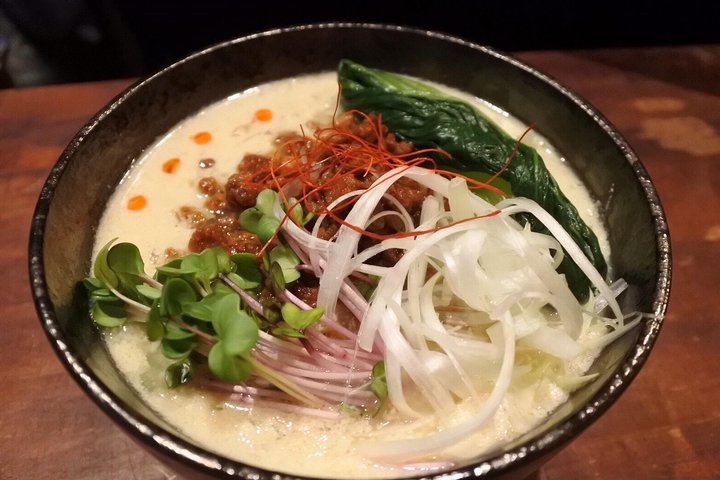
Vegan/Vegetarian Ramen and Gyoza by Bentoya cooking

Full Day Hiking Tour at Mt.Takao including Hot Spring
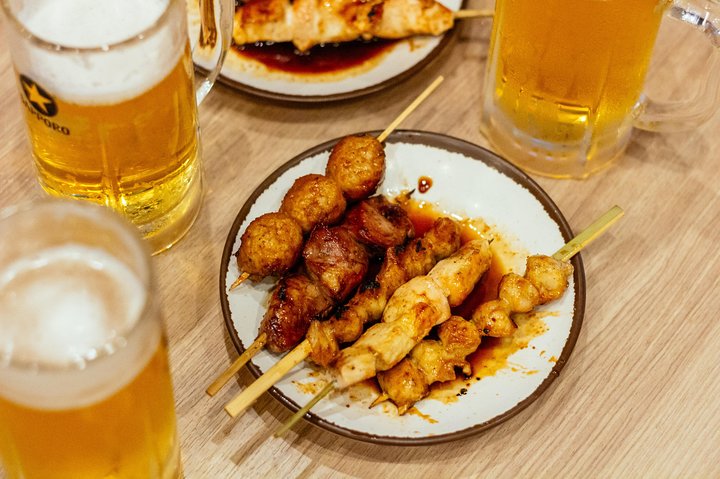
The 10 Tastings of Tokyo With Locals: Private Street Food Tour

2026 Small Town in the Big City: Tasting Tokyo’s Kichijoji

Tokyo Izakaya Crawl: Eat & Drink Like a Local in Kichijoji

Tokyo: Mt. Takao Tour with Ramen and Tattoo-Okay Hot Spring

Tokyo Half-Day Canyoning Adventure

Tokyo: Samurai Sword Academy in the Hometown of the Last Samurai


 Best Backpacking

 Hi, I’m Johan (Netherlands 🇳🇱), the creator of TakeYourBackpack. Over the past 3 decades, I’ve backpacked through 90+ countries across six continents, gaining extensive experience with independent travel, long-term trips, and overland routes.