
×

Japan🇯🇵 | national parksKerama Shoto National ParkTurquoise bays, white sand beaches, coral gardens, sea turtles | things to do and best time to go

Explore Setonaikai National ParkExplore Minami Alps National Park

Backpacking in Kerama Shoto
👌 Worth visitingnational park ranked #17
By Johan Kruseman 🇳🇱 | Updated September 4, 2026

Most guides sell Kerama Shoto National Park as a pure beach-and-snorkel stop, but the real surprise is how small and walkable the main islands are, which makes overplanning transport a bigger waste than the ferry itself. The park sits west of Okinawa’s main island, scattered in the East China Sea. For backpackers, it’s gorgeous water, short coastal hikes, sea turtles, and quiet lanes instead of big mountain trails. Ferries are limited, accommodation skews to simple guesthouses not true dirt-cheap hostels, and wild camping is basically off the table. Compared with Okinawa’s Yanbaru or Yakushima, Kerama is softer: less epic, more salt, sun, and slow days.

Discover everything you want to know in the 📖 Japan Travel Guide.


Get your Japan guide
140 ranked highlights, routes & tips, works offline (482 pages)
Loading the map 🌍
CLICK TO FILTER
cities
towns
villages
landmarks
national parks
hikes
beaches
attractions
festivals
regions
SHOW COUNTRY’S BESTSHOW ALL

✨ Why go?
Ranked #17 national park in Japan
The unique appeal for travelers

Kerama Shoto National Park attracts backpackers for several compelling reasons. Independent exploration is a major draw; the park’s layout encourages you to wander at your own pace, soaking in the stunning coastal views and vibrant marine life. Nearby, you’ll find budget camping options and hostels that keep your costs low, allowing you to stretch your yen further. The trail variety is impressive, catering to both casual walkers and seasoned hikers. You can choose from easy coastal paths to more challenging inland routes. This park is particularly suited for self-guided travelers; the well-marked trails and accessible maps mean you won’t feel pressured to join a tour. By avoiding the crowds and costs of guided experiences, you can focus your energy and budget on the moments that truly matter.
Want to include Kerama Shoto National Park in your Japan route?
Create a personalized Japan itinerary that includes Kerama Shoto National Park and the places that fit your trip — based on your travel style, budget, and available time. Get your route in seconds.

Generate my trip

💡 HighlightsMust-see experiences and standout moments

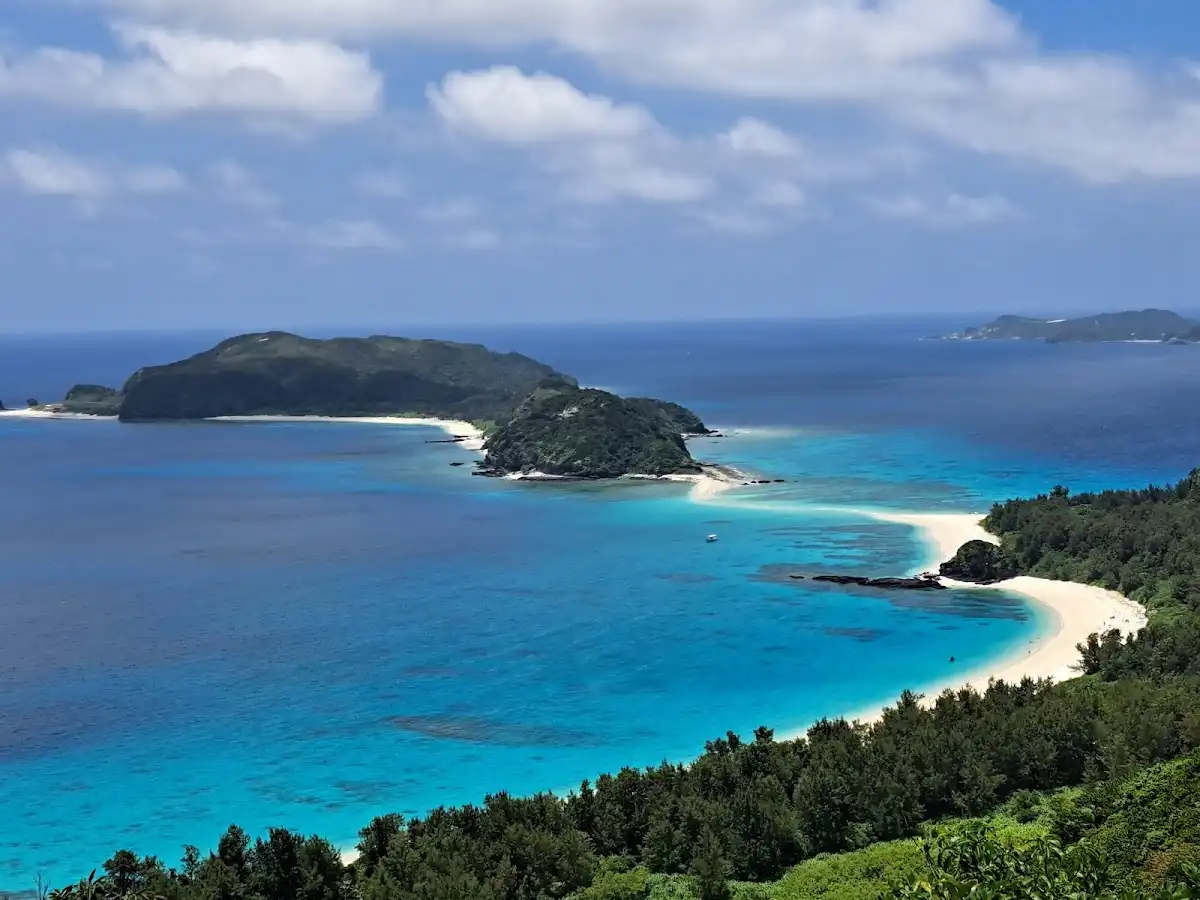
  • Kerama Blue (the water) — that impossible, electric-blue sea that gives the islands their reputation. Water clarity is outstanding, so even from a small boat you can see reef shapes and turtles below. It’s the single thing that makes everything else here feel a little unreal.
  • Coral gardens and reef snorkeling — fringing reefs packed with staghorn, brain corals and a riot of reef fish. The park’s protected status means healthier coral and more turtles than many other spots in Japan, so snorkeling feels like wandering through an aquarium — only colder.
  • Furuzamami Beach (Zamami Island) — powdery white sand, shallow turquoise water and easy shore snorkeling. You’ll often spot hawksbill and green sea turtles just off the beach. Personal favorite: it’s perfect for lazy days, quick swims, and
read more 👉
  • Kerama Blue (the water) — that impossible, electric-blue sea that gives the islands their reputation. Water clarity is outstanding, so even from a small boat you can see reef shapes and turtles below. It’s the single thing that makes everything else here feel a little unreal.
  • Coral gardens and reef snorkeling — fringing reefs packed with staghorn, brain corals and a riot of reef fish. The park’s protected status means healthier coral and more turtles than many other spots in Japan, so snorkeling feels like wandering through an aquarium — only colder.
  • Furuzamami Beach (Zamami Island) — powdery white sand, shallow turquoise water and easy shore snorkeling. You’ll often spot hawksbill and green sea turtles just off the beach. Personal favorite: it’s perfect for lazy days, quick swims, and one of the best quiet sunset spots on the islands.
  • Aharen Beach (Tokashiki Island) — a long, user-friendly beach with basic facilities, gentle surf and great visibility for snorkelers. Easier to reach from the ferry terminal, so it’s a practical pick if you’ve only got a day or two.
  • Aka & Geruma Islands — two small, connected islands with a slow-paced village vibe, neat shoreline reefs and good turtle-watching. Bring a bike or walk the coastal roads for simple island atmosphere and photogenic viewpoints.
  • Winter whale watching — from about January to April humpback whales migrate through the Kerama channel. Local boat tours run regularly and sightings of breaching, tail slaps and calves are common — spectacular if you’re around at the right time.
  • Short island hikes & viewpoints — nothing here is Everest, but the few trails to ridgelines and observatories on Zamami and Tokashiki give panoramic views of the atolls and coral-studded sea. They’re short, often steep, and worth waking up early for sunrise light.
Spotted a mistake or missing something? Contact us.

Things to do near Kerama Shoto National Park

Ratings based on Tripadvisor reviews. When you book through this link, you support our work at no extra cost to you.

🌤️ When to go?Seasonal considerations and timing


  • Weather: The best weather hits from late March to early June and September to November. Summers get hot and humid, often above 30°C (86°F), with typhoon risks from July to September.

  • Temperature: Spring and autumn offer mild temps around 20-25°C (68-77°F), perfect for hiking and snorkeling without overheating or shivering.

  • Daylight Hours: Expect about 11-13 hours of daylight in spring and autumn, enough time to explore without rushing but not so long that you burn out.

  • Crowds: Summer is peak season, especially August, when locals and tourists flood the islands. Spring and autumn see fewer visitors, making trails and beaches more peaceful.

  • Seasonal Activities: Spring and autumn are ideal for diving and snorkeling, with clearer waters and abundant marine life. Summer’s heat can be
read more 👉

  • Weather: The best weather hits from late March to early June and September to November. Summers get hot and humid, often above 30°C (86°F), with typhoon risks from July to September.

  • Temperature: Spring and autumn offer mild temps around 20-25°C (68-77°F), perfect for hiking and snorkeling without overheating or shivering.

  • Daylight Hours: Expect about 11-13 hours of daylight in spring and autumn, enough time to explore without rushing but not so long that you burn out.

  • Crowds: Summer is peak season, especially August, when locals and tourists flood the islands. Spring and autumn see fewer visitors, making trails and beaches more peaceful.

  • Seasonal Activities: Spring and autumn are ideal for diving and snorkeling, with clearer waters and abundant marine life. Summer’s heat can be oppressive, and winter waters get chilly.

  • Price Fluctuations: Accommodation and ferry prices spike in summer and Golden Week (late April to early May). Booking outside these times saves money and hassle.


Pro-tip: Aim for late April or October to dodge crowds, enjoy stable weather, and keep your budget intact—this timing keeps your energy focused on the experience, not the logistics.


source: climatestotravel.comJANJanuary: fair for travelingFEBFebruary: fair for travelingMARMarch: highly recommended for travelingAPRApril: excellent for travelingMAYMay: highly recommended for travelingJUNJune: good for travelingJULJuly: fair for travelingAUGAugust: below average for travelingSEPSeptember: good for travelingOCTOctober: excellent for travelingNOVNovember: highly recommended for travelingDECDecember: fair for traveling
japan-national-park-kerama-shoto-national-park
© Google |

✈️ The backpacker research shortcutJapan Travel Guide

An offline-friendly backpacking guide with optimized travel routes, ranked highlights, transport advice, and the best areas to stay.
example page 0 from our offline Travel Guide for Japan
example page 1 from our offline Travel Guide for Japan
example page 2 from our offline Travel Guide for Japan
example page 3 from our offline Travel Guide for Japan
example page 4 from our offline Travel Guide for Japan
example page 5 from our offline Travel Guide for Japan
example page 6 from our offline Travel Guide for Japan
example page 7 from our offline Travel Guide for Japan
The digital guide (482 pages) contains:
140 highlights, ranked by travel appeal
Optimized 7, 14 & 21-day travel routes
Cities, national parks, landmarks, beaches
How to get around
Offline-friendly for travel without Wi-Fi
👉 Click to see all 30+ guide features

📅 Plan smarter in minutes, not weeks
Month by month travel advice
Festivals & national holidays
Budget expectations

🗺️ Go to the right places, skip the overrated ones
Honest pros & cons of destinations
Top hikes, parks & viewpoints
Lesser-known places most travelers miss
Clear “worth it vs skip it” guidance

🛏️ Travel smoothly without rookie mistakes
Best areas to stay
Transport systems explained simply
Common scams & safety advice
SIM cards, money & practical tips

🌍 Understand the country, not just visit it
Culture & traditions
52 Essential phrases & customs
Festivals worth planning around
Traveler-friendly historical context
Insights that make places more meaningful

📱 Built for real travel conditions
Fully downloadable PDF
Works completely offline
Optimized for phone use
Useful in remote areas & buses
Everything in one place
Save weeks of stressful planning
Get instant access to your full guide. 30‑day money-back guarantee.
+ Add another guide for just JP¥1170

By proceeding you agree to our terms.
Sent to your inbox immediately after payment • 100% Secure Checkout
Best Backpacking Travel Advisor 2025 tourism awardBest Backpacking
Travel Advisor
2025
What others say about Take Your Backpack Guides:
⭐⭐⭐⭐⭐
Fantastic, amazing amount of information!
⭐⭐⭐⭐⭐
My goodness this is amazing, it's what I've been looking for hats off too you!
⭐⭐⭐⭐⭐
I think this is absolutely BRILLIANT
⭐⭐⭐⭐
Very complete and informative. It's still missing places, but I gotta to commend you
⭐⭐⭐⭐⭐
This is truly amazing, thank you, can't wait to explore it with my kids!
⭐⭐⭐⭐⭐
Awesome resource, thank you!
⭐⭐⭐⭐⭐
This is amazing! Can't wait to explore the ones I haven't seen
⭐⭐⭐⭐
I love this! Well done, great idea.
⭐⭐⭐⭐⭐
Thanks for taking the time to make this gem!
⭐⭐⭐⭐⭐
This might be the best website I've ever seen.
⭐⭐⭐⭐⭐
Congratulations, and thank you so much for your work; it's incredibly valuable.
⭐⭐⭐⭐
In all seriousness I think you did a great job pointing out the important spots
⭐⭐⭐⭐⭐
10/10 very good
⭐⭐⭐⭐⭐
As someone who's only just starting to visit regularly this is awesome, thank you.
⭐⭐⭐⭐
Thank you very much! I'm going to visit my dad, it's going to be very useful!
⭐⭐⭐⭐⭐
This is really cool! We'll be travelling for the first time and this definitely come in handy.
⭐⭐⭐⭐⭐
You are now our minister of culture, congratulations 👨‍💼
⭐⭐⭐⭐⭐
Just wanted to tell you that this is a pearl! Going to follow your recommendations.
⭐⭐⭐⭐⭐
This is so cool. I'll definitely be using the resource for my travels soon.
⭐⭐⭐⭐⭐
This is very impressive! Good work.
⭐⭐⭐⭐⭐
This is an amazing and informative site. Very well done!

🛏️ Where to stay?How to pick the right area

Kerama Shoto National Park is a paradise for backpackers, but your accommodation choices can make or break your experience. Inside the park, options are limited. The best bet is to camp at designated sites like Zamami Island, where you can pitch a tent near the beach. This gives you direct access to stunning snorkeling spots and the chance to wake up to the sound of waves.

If you prefer a bed, head to the nearby towns of Zamami or Tokashiki. Both offer guesthouses and hostels that cater to budget travelers. Look for places like Kerama Beach Hotel or guesthouses that provide a local vibe and friendly … read more 👉
Kerama Shoto National Park is a paradise for backpackers, but your accommodation choices can make or break your experience. Inside the park, options are limited. The best bet is to camp at designated sites like Zamami Island, where you can pitch a tent near the beach. This gives you direct access to stunning snorkeling spots and the chance to wake up to the sound of waves.

If you prefer a bed, head to the nearby towns of Zamami or Tokashiki. Both offer guesthouses and hostels that cater to budget travelers. Look for places like Kerama Beach Hotel or guesthouses that provide a local vibe and friendly service.

Be mindful of ferry schedules; they can limit your travel plans. Booking in advance is wise, especially during peak seasons. This way, you’ll avoid scrambling for a place to stay and can focus on the breathtaking beauty of the islands.

👛 Costs (as of 4 September 2026)Typical daily expenses

Kerama Shoto National Park, located in Japan, offers a range of costs that can catch you off guard if you’re not prepared.

First, entry to the park itself is generally free. However, if you plan to visit specific areas or engage in activities like snorkeling or diving, expect to pay for equipment rentals and guided tours. Prices for these can range from $30 to $100 USD, depending on the service and duration.

Transportation is another factor. If you’re flying into Naha, budget around $50 to $100 USD for a round-trip ferry to the Kerama Islands. Local buses can cost about $5 to $10 USD for short trips within the islands.

Accommodations vary widely. Hostels start around $20 USD per night, while mid-range hotels can go from $70 to $150 USD. If you’re looking for something more upscale, expect … read more 👉
Kerama Shoto National Park, located in Japan, offers a range of costs that can catch you off guard if you’re not prepared.

First, entry to the park itself is generally free. However, if you plan to visit specific areas or engage in activities like snorkeling or diving, expect to pay for equipment rentals and guided tours. Prices for these can range from $30 to $100 USD, depending on the service and duration.

Transportation is another factor. If you’re flying into Naha, budget around $50 to $100 USD for a round-trip ferry to the Kerama Islands. Local buses can cost about $5 to $10 USD for short trips within the islands.

Accommodations vary widely. Hostels start around $20 USD per night, while mid-range hotels can go from $70 to $150 USD. If you’re looking for something more upscale, expect to pay $200 USD and up.

Food is relatively affordable. Local eateries offer meals for $5 to $15 USD. If you opt for more upscale dining, prices can rise to $30 USD or more per person.

Keep these costs in mind to avoid surprises. Planning ahead will help you focus on the experiences that truly matter, rather than scrambling to cover unexpected expenses.


source: japan.travel
⚠️ Prices can change and everyone travels differently, so take this as a rough guide. Hope it helps you plan your adventure!

🥾 TrailsPlan your hike in Kerama Shoto: routes, terrain, and sights

Kerama Shoto National Park is a gem in Japan, especially if you’re into stunning coastal views and rich marine life. The park is made up of a series of islands, so you’ll find plenty of opportunities to hike along rugged coastlines and through lush forests. The terrain varies from gentle slopes to more challenging rocky paths, making it suitable for both casual walkers and those looking for a bit more of a workout. Keep your eyes peeled for wildlife; you might spot sea turtles and various bird species, especially around the nesting areas.

One of the popular trails is the Kerama Islands Trail. … read more 👉
Kerama Shoto National Park is a gem in Japan, especially if you’re into stunning coastal views and rich marine life. The park is made up of a series of islands, so you’ll find plenty of opportunities to hike along rugged coastlines and through lush forests. The terrain varies from gentle slopes to more challenging rocky paths, making it suitable for both casual walkers and those looking for a bit more of a workout. Keep your eyes peeled for wildlife; you might spot sea turtles and various bird species, especially around the nesting areas.

One of the popular trails is the Kerama Islands Trail. Here are the details:
  • Category: Length
  • Explanation: Approximately 10 kilometers
  • Category: Estimated Duration
  • Explanation: About 4-5 hours
  • Category: Difficulty Level
  • Explanation: Moderate
  • Category: Key Features
  • Explanation: Scenic viewpoints, beaches, and unique rock formations
  • Category: Terrain
  • Explanation: Mixed terrain with some steep sections and rocky paths

Getting to the park is pretty straightforward. You can catch a ferry from Okinawa Island to the Kerama Islands, and the ride is often a scenic adventure in itself. Public transport is decent, but be prepared for some waiting time, especially during peak seasons. Speaking of crowds, the park can get busy, especially in summer, so try to hit the trails early in the day if you want a quieter experience. As for entrance fees, there usually aren’t any for the park itself, but some specific areas or activities might have small charges. Always good to check ahead!
⚠️ Hiking info can sometimes be outdated or inaccurate. Before you hit the trail, check the latest conditions with locals. If you do spot anything that's off, I'd love to hear from you, so I can update it for fellow travelers.

🛡️ SafetyTraveler Safety Guide

Kerama Shoto National Park is generally a friendly place for backpackers, but a few practical considerations can enhance your experience. Weather can shift quickly, especially during typhoon season, so keep an eye on forecasts and be prepared for rain. The terrain is mostly manageable, but some trails can be steep and rocky; sturdy footwear is essential.

Wildlife encounters are rare, but if you spot a snake or a boar, give them space and back away slowly. Navigation is straightforward, yet it’s wise to have a map or a GPS device, as cell service can be spotty. Lastly, respect local customs and fellow hikers—keep noise down and pack out what you pack in. These small actions preserve the park’s beauty for everyone.

FAQFrequently asked questions about Kerama Shoto

3 to 4 days are sufficient to explore Kerama Shoto National Park thoroughly. This allows time for island hopping, snorkeling, diving, and enjoying the beaches. Each main island offers unique experiences, so plan accordingly.
Yes, you can visit Kerama Shoto National Park without a car. Ferries and boats connect the islands, and local transport options like bicycles and scooters are available on the islands. Walking is also practical on smaller islands.
No entrance fee or permit is required to visit Kerama Shoto National Park. However, some activities like diving may require permits or fees through local operators. Always check with service providers for specific activity regulations.
⚠️ Things can change over time, so always validate details locally before you go.

Other Japanese national parks near Kerama Shoto

Explore more nearby:


💡 Not sure where to go next?
Create a personalized itinerary for Japan including Kerama Shoto and the places that fit your trip.

Generate my itinerary

👉 Discover all national parks

Or checkout all Japan has to offer (think cities, towns, villages, national parks, hikes, beaches, festivals)
Country photo of Japan

We 💚 feedbackKey takeaways before you go

Kerama Shoto National Park is a paradise for snorkelers and divers, with vibrant coral reefs teeming with life. But be prepared: the ferry rides can be a hassle, especially if seas are rough. Plan ahead to avoid delays and keep your energy for the underwater adventures that truly make this place shine. It’s all about balancing the journey with the destination.

✈️ When did I visit Japan?
As part of my 1.5 year travel around the world trip, I visited Japan in August 2015.

✍️ Help improve this page!
The information on this page is based on my own backpacking experience in Japan, supplemented with up-to-date research and feedback from other travelers. Travel details can change, so if you notice anything outdated or incomplete, feel free to let me know.


🙋‍♂️ Give feedback

👋 Meet the founderWho’s Behind Take Your Backpack?

Johan, backpacker and founder of TakeYourBackpackHi, I’m Johan (Netherlands 🇳🇱), the creator of TakeYourBackpack. Over the past decade, I’ve backpacked through 80+ countries across six continents, gaining extensive experience with independent travel, long-term trips, and overland routes.

This site is built on a combination of firsthand travel experience and carefully curated insights from other backpackers. Many guides are based on places I’ve personally visited, while others bring together tips, observations, and practical advice shared by trusted travelers I’ve met along the way.

The goal is to provide realistic, experience-driven guidance — not generic itineraries — so you can explore destinations with better context, clearer expectations, and more confidence.

Get full Japan guide •
Instant download • 140 highlights • Full Offline guide