×

Japan🇯🇵 | regionsNorthern regionsnow country, wild coastlines, rural festivals | things to do and best time to go

Explore Kiso ValleyExplore Okinawa

Backpacking in Northern region
By Johan Kruseman 🇳🇱 | Updated May 24, 2026

You land in Japan and have to choose: burn days and cash chasing temples in Kyoto, or ride north for colder air, wilder trails, and cheaper beds in the Northern region. That call matters, because Northern region (think Tohoku and Hokkaido, above Tokyo on the map) trades convenience for character. Fewer trains, longer gaps between towns, but hot springs, rugged coasts, deep snow culture, and quiet villages that make Osaka feel like a theme park. It’s less polished than central Japan, sometimes logistically annoying, but if you want space, real local bars, and mountains instead of crowds, this is where the trip stops feeling like an Instagram checklist and starts feeling like travel.

Discover everything you want to know in the 📖 Japan Travel Guide.


Get your Japan guide
140 ranked highlights, routes & tips, works offline (490 pages)
Loading the map 🌍
CLICK TO FILTER
cities
towns
villages
landmarks
national parks
hikes
beaches
attractions
festivals
regions
SHOW COUNTRY’S BESTSHOW ALL

✨ Why go?
Ranked #99 region in Japan
Why visitors keep coming back

Backpackers flock to the Northern region of Japan for a reason. First off, the variety of landscapes is jaw-dropping. You can hike through mountain ranges, chill by lakes, or soak in hot springs — all within a few hours. This means you don’t have to constantly pack up and relocate.

Transport here is a breeze. Trains and buses are reliable, giving you the flexibility to explore at your own pace. You can easily hop from a bustling city to a serene countryside without breaking a sweat.

What’s really special is the chance to mix nature and culture seamlessly. You can spend a morning trekking and then dive into local festivals or food markets in the afternoon. This blend of experiences encourages slow travel, allowing you to savor each moment rather than rushing through. It’s about making choices … read more 👉
Backpackers flock to the Northern region of Japan for a reason. First off, the variety of landscapes is jaw-dropping. You can hike through mountain ranges, chill by lakes, or soak in hot springs — all within a few hours. This means you don’t have to constantly pack up and relocate.

Transport here is a breeze. Trains and buses are reliable, giving you the flexibility to explore at your own pace. You can easily hop from a bustling city to a serene countryside without breaking a sweat.

What’s really special is the chance to mix nature and culture seamlessly. You can spend a morning trekking and then dive into local festivals or food markets in the afternoon. This blend of experiences encourages slow travel, allowing you to savor each moment rather than rushing through. It’s about making choices that elevate your trip, and Northern Japan is a masterclass in that.
Get the complete Travel Guide for Japan
Everything organized for offline planning — routes, highlights, costs & tips

See what’s inside 👉

Get the Travel Guide -

💡 HighlightsPlaces and moments you shouldn't skip

  1. Oirase Gorge & Lake Towada (Aomori) — A narrow, mossy river valley that leads to the glassy caldera lake Towada; walk the boardwalks along tumbling streams, ride a rental bike, or time a morning mist for unbelievable reflections and fall colors.
  2. Hirosaki Castle & Park (Aomori) — One of the few original-style castle keeps in the north surrounded by thousands of cherry trees; the castle moat, stonework and moat-viewing spots make the spring sakura scene uniquely northern Japan.
  3. Mount Osore (Osorezan) (Aomori) — A stark volcanic caldera with sulfuric hot springs, black sand, and a centuries-old Buddhist temple where locals hold spirit ceremonies; the otherworldly landscape and living folk rituals are unlike most shrine circuits.
  4. Yamadera / Risshaku-ji (Yamagata) — Cliffside temple reached
read more 👉
  1. Oirase Gorge & Lake Towada (Aomori) — A narrow, mossy river valley that leads to the glassy caldera lake Towada; walk the boardwalks along tumbling streams, ride a rental bike, or time a morning mist for unbelievable reflections and fall colors.
  2. Hirosaki Castle & Park (Aomori) — One of the few original-style castle keeps in the north surrounded by thousands of cherry trees; the castle moat, stonework and moat-viewing spots make the spring sakura scene uniquely northern Japan.
  3. Mount Osore (Osorezan) (Aomori) — A stark volcanic caldera with sulfuric hot springs, black sand, and a centuries-old Buddhist temple where locals hold spirit ceremonies; the otherworldly landscape and living folk rituals are unlike most shrine circuits.
  4. Yamadera / Risshaku-ji (Yamagata) — Cliffside temple reached by a 1,000-step climb through cedar groves that opens onto mountain terraces and quiet prayer halls; the climb and views feel like a pilgrimage rather than a tourist stop.
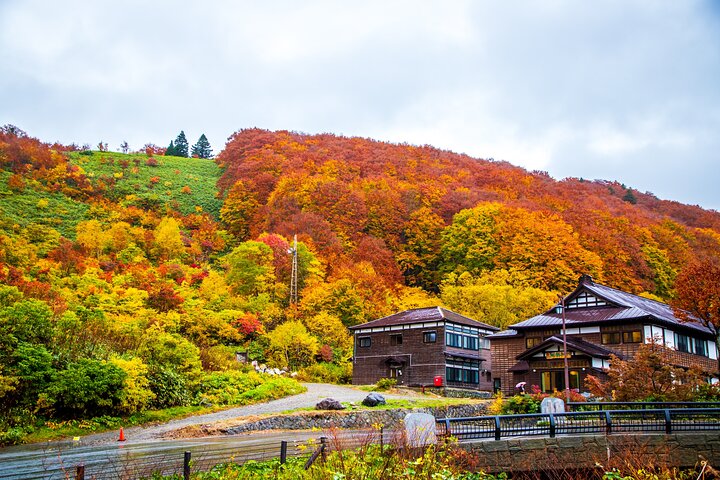
  5. Ginzan Onsen (Yamagata) — Narrow, lantern-lit street lined with Taisho-era wooden ryokan and steaming baths right beside the river; an atmospheric overnight stay that feels frozen in time (personal favorite) for quiet evening strolls and onsen-hopping.
  6. Kakunodate Samurai District (Akita) — Exceptionally well-preserved samurai residences and streetscapes with lacquered doors and gardens; walk through real samurai homes and experience old-world Edo-class domestic architecture without the crowds of bigger cities.
  7. Hiraizumi — Chūson-ji & Mōtsū-ji (Iwate) — Compact, serene temple complexes with Pure Land garden layouts and golden-hall history dating to the 11th-12th centuries; the layered gardens and temple ruins show how a regional power imagined paradise on earth.
  8. Kitayamazaki Cliffs (Sanriku Coast, Iwate) — Raw, towering sea cliffs carved by the Pacific with dramatic viewpoints and coastal trails; boat trips along the cliffs give a rugged, remote coastal feel that’s distinct from Japan’s more gentle shorelines (hidden gem).
  9. Nyuto Onsen (Akita) — A cluster of rustic, wood-faced hot spring ryokan tucked into mountain forest where baths range from milky to clear; stay in a tiny inn and soak in isolated tubs used by locals for generations (hidden gem).
  10. Tashirojima (Cat Island, Miyagi) — A tiny fishing island where free-roaming cats, simple wooden cottages and quiet seawalls outnumber people; arrive by ferry for slow walks, cat shrines and an uncrowded, offbeat island pace most tourists miss (hidden gem).
Spotted a mistake or missing something? Contact us.

Things to do near Northern region

Ratings based on Tripadvisor reviews. When you book through this link, you support our work at no extra cost to you.

⌛️ 5 daysWhat you can realistically do in a week

Day 1: Sapporo
Start your journey in Sapporo, the region’s vibrant capital. The city’s efficient subway and bus system makes it easy to explore. Dive into the local food scene—try miso ramen at a cozy joint like Ramen Shingen. The transport here sets the pace; you can hop from the Sapporo Beer Museum to Odori Park in no time.

Day 2: Otaru
Take a quick train ride to Otaru, just 30 minutes away. This charming port town is famous for its canal and glassworks. The train is frequent, so you won’t waste time waiting. Stroll along the canal, and don’t miss the sushi shops—fresh seafood is a must. The slower pace here lets you soak in the atmosphere.

Day 3: Niseko
Next, head to Niseko, about two hours from Otaru. Known for its ski resorts, it’s a winter wonderland, but summer hiking is equally … read more 👉
Day 1: Sapporo
Start your journey in Sapporo, the region’s vibrant capital. The city’s efficient subway and bus system makes it easy to explore. Dive into the local food scene—try miso ramen at a cozy joint like Ramen Shingen. The transport here sets the pace; you can hop from the Sapporo Beer Museum to Odori Park in no time.

Day 2: Otaru
Take a quick train ride to Otaru, just 30 minutes away. This charming port town is famous for its canal and glassworks. The train is frequent, so you won’t waste time waiting. Stroll along the canal, and don’t miss the sushi shops—fresh seafood is a must. The slower pace here lets you soak in the atmosphere.

Day 3: Niseko
Next, head to Niseko, about two hours from Otaru. Known for its ski resorts, it’s a winter wonderland, but summer hiking is equally rewarding. The bus system is reliable, and the scenery along the way is breathtaking. Spend the day hiking Mount Yotei, and reward yourself with a soak in an onsen afterward.

Day 4: Furano
Travel to Furano, famous for its lavender fields in summer. The train ride takes about two hours, and the views are stunning. Rent a bike to explore the fields and local wineries. This is where you can really feel the rural charm of Hokkaido.

Day 5: Off-Path Reward - Shiretoko National Park
For a true adventure, take a detour to Shiretoko National Park. It’s a longer journey, but the untouched nature and wildlife are worth it. You’ll need to plan your transport carefully, but the hiking trails here are pristine and less crowded.

The must-do day? Day 3 in Niseko. Whether you’re skiing or hiking, the combination of stunning landscapes and local culture makes it the highlight of your trip.
Build the Right Itinerary
Use the Japan Travel Guide’s 7, 14 & 21-day routes as a starting point to plan a trip that actually works on the ground.

Get the Travel Guide -

🌤️ When to go?Seasonal considerations and timing


  • Weather: Spring (April-May) and autumn (September-October) bring crisp, clear days perfect for hiking. Summers can be hot and humid, while winters plunge below freezing, often below -5°C (23°F).

  • Temperature: Spring and autumn hover around 10-20°C (50-68°F), ideal for layering. Winter drops to -10°C (14°F) or colder, demanding serious gear.

  • Daylight Hours: Long summer days stretch to 15 hours, great for extended treks. Winter days shrink to about 9 hours, limiting daylight adventures.

  • Crowds: Peak tourist season hits in summer and autumn foliage time, so expect busier trails and higher prices. Spring’s cherry blossom window is brief but crowded.

  • Seasonal Activities: Autumn offers vibrant foliage and harvest festivals; spring showcases cherry blossoms and fresh greenery. Winter is
read more 👉

  • Weather: Spring (April-May) and autumn (September-October) bring crisp, clear days perfect for hiking. Summers can be hot and humid, while winters plunge below freezing, often below -5°C (23°F).

  • Temperature: Spring and autumn hover around 10-20°C (50-68°F), ideal for layering. Winter drops to -10°C (14°F) or colder, demanding serious gear.

  • Daylight Hours: Long summer days stretch to 15 hours, great for extended treks. Winter days shrink to about 9 hours, limiting daylight adventures.

  • Crowds: Peak tourist season hits in summer and autumn foliage time, so expect busier trails and higher prices. Spring’s cherry blossom window is brief but crowded.

  • Seasonal Activities: Autumn offers vibrant foliage and harvest festivals; spring showcases cherry blossoms and fresh greenery. Winter is for hardcore snow sports and solitude.

  • Price Fluctuations: Expect higher accommodation and transport costs during peak seasons—summer and autumn. Shoulder seasons (late spring, early autumn) offer better deals without sacrificing experience.


Pro-tip: Aim for late April or early October—beat the crowds, catch the best weather, and snag deals before prices spike.


source: climatestotravel.comJANJanuary: fair for travelingFEBFebruary: fair for travelingMARMarch: good for travelingAPRApril: highly recommended for travelingMAYMay: highly recommended for travelingJUNJune: good for travelingJULJuly: fair for travelingAUGAugust: fair for travelingSEPSeptember: highly recommended for travelingOCTOctober: excellent for travelingNOVNovember: good for travelingDECDecember: fair for traveling
when-to-go

✈️ The backpacker research shortcutJapan Travel Guide

An offline-friendly backpacking guide with optimized travel routes, ranked highlights, transport advice, and the best areas to stay.
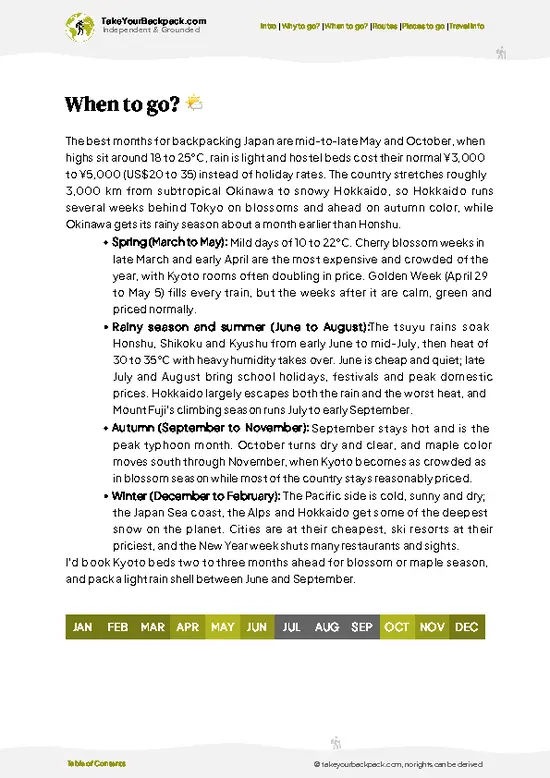
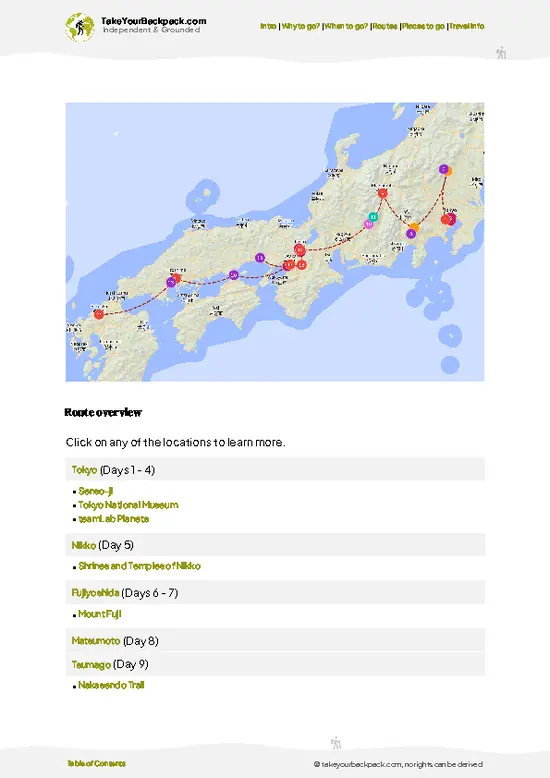
example page 0 from our offline Travel Guide for Japanexample page 1 from our offline Travel Guide for Japanexample page 2 from our offline Travel Guide for Japanexample page 3 from our offline Travel Guide for Japanexample page 4 from our offline Travel Guide for Japanexample page 5 from our offline Travel Guide for Japanexample page 6 from our offline Travel Guide for Japanexample page 7 from our offline Travel Guide for Japan
The digital guide (490 pages) contains:
140 highlights, ranked by travel appeal
Optimized 7, 14 & 21-day travel routes
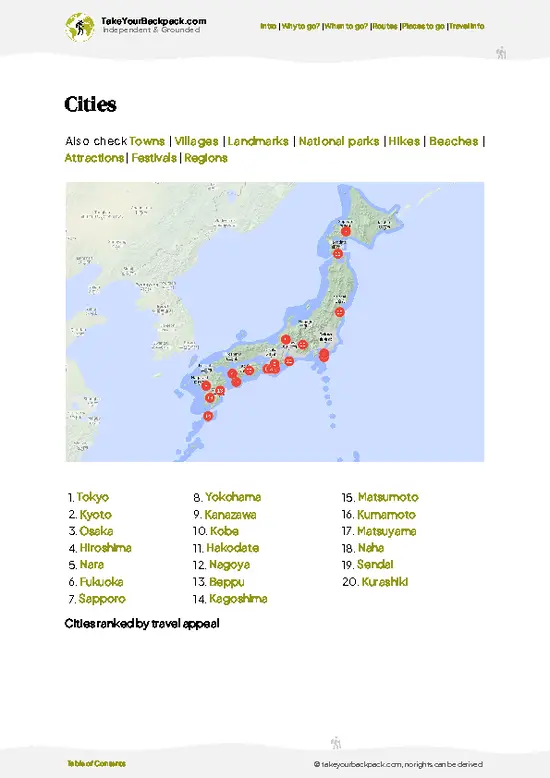
Cities, national parks, beaches, historical sites, ...
How to get around
Offline-friendly for travel without Wi-Fi
👉 Click to see all 30+ guide features

📅 Plan smarter in minutes, not weeks
Month by month travel advice
Festivals & national holidays
Budget expectations

🗺️ Go to the right places, skip the overrated ones
Honest pros & cons of destinations
Top hikes, parks & viewpoints
Lesser-known places most travelers miss
Clear “worth it vs skip it” guidance

🛏️ Travel smoothly without rookie mistakes
Best areas to stay
Transport systems explained simply
Common scams & safety advice
SIM cards, money & practical tips

🌍 Understand the country, not just visit it
Culture & traditions
52 Essential phrases & customs
Festivals worth planning around
Traveler-friendly historical context
Insights that make places more meaningful

📱 Built for real travel conditions
Fully downloadable PDF
Works completely offline
Optimized for phone use
Useful in remote areas & buses
Everything in one place
Save weeks of stressful planning
Get instant access to the full guide directly. 30-day money-back guarantee.


Sent to your inbox immediately after payment • 100% Secure Checkout
Best Backpacking Travel Advisor 2025 tourism awardBest Backpacking
Travel Advisor
2025
What others say about Take Your Backpack Guides:
⭐⭐⭐⭐⭐
Fantastic, amazing amount of information!
⭐⭐⭐⭐⭐
My goodness this is amazing, it's what I've been looking for hats off too you!
⭐⭐⭐⭐⭐
I think this is absolutely BRILLIANT
⭐⭐⭐⭐
Very complete and informative. It's still missing places, but I gotta to commend you
⭐⭐⭐⭐⭐
This is truly amazing, thank you, can't wait to explore it with my kids!
⭐⭐⭐⭐⭐
Awesome resource, thank you!
⭐⭐⭐⭐⭐
This is amazing! Can't wait to explore the ones I haven't seen
⭐⭐⭐⭐
I love this! Well done, great idea.
⭐⭐⭐⭐⭐
Thanks for taking the time to make this gem!
⭐⭐⭐⭐⭐
This might be the best website I've ever seen.
⭐⭐⭐⭐⭐
Congratulations, and thank you so much for your work; it's incredibly valuable.
⭐⭐⭐⭐
In all seriousness I think you did a great job pointing out the important spots
⭐⭐⭐⭐⭐
10/10 very good
⭐⭐⭐⭐⭐
As someone who's only just starting to visit regularly this is awesome, thank you.
⭐⭐⭐⭐
Thank you very much! I'm going to visit my dad, it's going to be very useful!
⭐⭐⭐⭐⭐
This is really cool! We'll be travelling for the first time and this definitely come in handy.
⭐⭐⭐⭐⭐
You are now our minister of culture, congratulations 👨‍💼
⭐⭐⭐⭐⭐
Just wanted to tell you that this is a pearl! Going to follow your recommendations.
⭐⭐⭐⭐⭐
This is so cool. I'll definitely be using the resource for my travels soon.
⭐⭐⭐⭐⭐
This is very impressive! Good work.
⭐⭐⭐⭐⭐
This is an amazing and informative site. Very well done!

🛏️ Where to stay?Best areas to stay in Japan

In Northern Japan, you’ve got some killer spots that scream backpacker-friendly.

Start with Sapporo. It’s the big city vibe with a chill atmosphere. The nightlife is buzzing, and the food scene? Think ramen and fresh seafood. Hit up the Susukino district for a mix of bars and izakayas where you can mingle with locals and fellow travelers.

Then there’s Niseko. Known for skiing, but in summer, it transforms into a hiker’s paradise. The community is tight-knit, and you’ll find plenty of outdoor activities. Plus, it’s a great place to meet other adventurers over a pint after a day on the trails. … read more 👉
In Northern Japan, you’ve got some killer spots that scream backpacker-friendly.

Start with Sapporo. It’s the big city vibe with a chill atmosphere. The nightlife is buzzing, and the food scene? Think ramen and fresh seafood. Hit up the Susukino district for a mix of bars and izakayas where you can mingle with locals and fellow travelers.

Then there’s Niseko. Known for skiing, but in summer, it transforms into a hiker’s paradise. The community is tight-knit, and you’ll find plenty of outdoor activities. Plus, it’s a great place to meet other adventurers over a pint after a day on the trails.

Don’t overlook Otaru. This quaint port town is a visual treat with its canals and old warehouses. It’s safe and walkable, perfect for solo travelers. The glass workshops and local sake breweries offer unique experiences that won’t break the bank.

Each of these spots balances time, money, and comfort, letting you dive deep into the local culture without feeling like a tourist.

🚌 Getting aroundTransportation options and practical tips

The Northern region of Japan is a delightful dance between the rigid precision of its transport systems and the chaotic charm of its landscapes. Here, you’ll find the punctuality of trains that glide like clockwork, juxtaposed with the spontaneous allure of local buses that seem to appear just when you need them. It’s a place where you can plan your itinerary down to the minute, or throw caution to the wind and let the mountains guide you. The choice is yours, but knowing your options will make you feel like a local rather than a lost tourist.


  • Shinkansen (Bullet Train): The ultimate speedster, whisking you from Tokyo to Hokkaido in about 4 hours. Prices start around ¥23,000 one-way, but splurge on a Green Car for extra comfort. First train departs at 6:00 AM, last at 8:00 PM.


  • Local Trains:
read more 👉
The Northern region of Japan is a delightful dance between the rigid precision of its transport systems and the chaotic charm of its landscapes. Here, you’ll find the punctuality of trains that glide like clockwork, juxtaposed with the spontaneous allure of local buses that seem to appear just when you need them. It’s a place where you can plan your itinerary down to the minute, or throw caution to the wind and let the mountains guide you. The choice is yours, but knowing your options will make you feel like a local rather than a lost tourist.


  • Shinkansen (Bullet Train): The ultimate speedster, whisking you from Tokyo to Hokkaido in about 4 hours. Prices start around ¥23,000 one-way, but splurge on a Green Car for extra comfort. First train departs at 6:00 AM, last at 8:00 PM.


  • Local Trains: A budget-friendly option, these trains connect smaller towns and cities. Expect prices around ¥1,000-¥3,000 depending on distance. They run frequently, but schedules can vary, so check ahead. Comfort is decent, but don’t expect plush seating.


  • Highway Buses: A true money-saver, with fares as low as ¥2,000 for longer routes. They take longer than trains—up to 10 hours for some trips—but you’ll save a bundle. Buses typically run from early morning until late evening, but check local schedules for specifics.


  • Rental Cars: Ideal for those who crave freedom. Prices start around ¥5,000 per day. Just remember, parking can be a hassle in cities. Fuel is relatively cheap, and the scenic drives are worth it. Be mindful of winter conditions if you’re traveling in colder months.


  • Bicycles: Many cities offer rental bikes, perfect for exploring at your own pace. Rates are usually around ¥500-¥1,000 per day. It’s a fantastic way to soak in the local vibe, especially in places like Sapporo.


For a tactical tip: invest in a Japan Rail Pass if you plan to cover significant distances. It’s a game-changer for budget travelers, allowing unlimited travel on most trains for a set period. Just make sure to activate it before you hit the tracks!

🍲 FoodEating & Drinking in Northern region

In the Northern region of Japan, food is a celebration of the land’s bounty. Think Hokkaido seafood, where the sweetness of crab and the umami of fresh sashimi dance on your palate. Don’t miss the rich miso ramen—a steaming bowl that warms you from the inside out, especially in winter.

For a true local experience, hit up the morning markets. Vendors shout their wares, and the air is thick with the scent of grilled fish and sizzling yakitori. Grab a skewer and mingle with locals; it’s a rite of passage. Cafés here often serve sapporo beer or local sake, perfect for unwinding after a day of exploration.

Dining customs are relaxed but respectful. Always say “itadakimasu” before digging in; it’s a nod to the food and those who prepared it. If you’re at a communal table, don’t hesitate to share … read more 👉
In the Northern region of Japan, food is a celebration of the land’s bounty. Think Hokkaido seafood, where the sweetness of crab and the umami of fresh sashimi dance on your palate. Don’t miss the rich miso ramen—a steaming bowl that warms you from the inside out, especially in winter.

For a true local experience, hit up the morning markets. Vendors shout their wares, and the air is thick with the scent of grilled fish and sizzling yakitori. Grab a skewer and mingle with locals; it’s a rite of passage. Cafés here often serve sapporo beer or local sake, perfect for unwinding after a day of exploration.

Dining customs are relaxed but respectful. Always say “itadakimasu” before digging in; it’s a nod to the food and those who prepared it. If you’re at a communal table, don’t hesitate to share dishes—it’s all about connection. Embrace the quirks, like slurping your noodles; it’s a compliment to the chef. This isn’t just food; it’s a taste of culture.

Other Japanese regions near Northern region

Explore more nearby:

  • Sado Island—gold mines, taiko drumming, rugged shores| 362 km away
  • Japanese Alps—alpine peaks, mountain huts, seasonal trails| 550 km away
  • Kiso Valley—post towns, cedar forests, Nakasendo trail| 621 km away

👉 Discover all regions

Or checkout all Japan has to offer (think cities, towns, villages, national parks, hikes, beaches, festivals)
Country photo of Japan

We 💚 feedbackSumming up the experience

Northern Japan is a treasure trove of raw beauty and rich culture. The hot springs in places like Noboribetsu are a must—nothing beats soaking in mineral-rich waters surrounded by snow-capped mountains. But here’s the catch: it can get chilly, and some spots are remote, requiring a bit of travel time. Embrace the journey; it’s all part of the adventure. Just pack an extra layer and enjoy the ride!

✈️ When did I visit Japan?
As part of my 1.5 year travel around the world trip, I visited Japan in August 2015.

✍️ Help improve this page!
The information on this page is based on my own backpacking experience in Japan, supplemented with up-to-date research and feedback from other travelers. Travel details can change, so if you notice anything outdated or incomplete, feel free to let me know.


🙋‍♂️ Give feedback

👋 Meet the founderWho’s Behind Take Your Backpack?

Johan, backpacker and founder of TakeYourBackpackHi, I’m Johan (Netherlands 🇳🇱), the creator of TakeYourBackpack. Over the past decade, I’ve backpacked through 80+ countries across six continents, gaining extensive experience with independent travel, long-term trips, and overland routes.

This site is built on a combination of firsthand travel experience and carefully curated insights from other backpackers. Many guides are based on places I’ve personally visited, while others bring together tips, observations, and practical advice shared by trusted travelers I’ve met along the way.

The goal is to provide realistic, experience-driven guidance — not generic itineraries — so you can explore destinations with better context, clearer expectations, and more confidence.

Get full Japan guide •
Instant download • 140 highlights • Full Offline guide