
×

Japan🇯🇵 | regionsOkinawacoral reefs, subtropical islands, Ryukyu heritage | things to do and best time to go

Explore Northern regionExplore Sado Island

Backpacking in Okinawa
🏆 Top pickregion ranked #2
By Johan Kruseman 🇳🇱 | Updated June 2, 2026

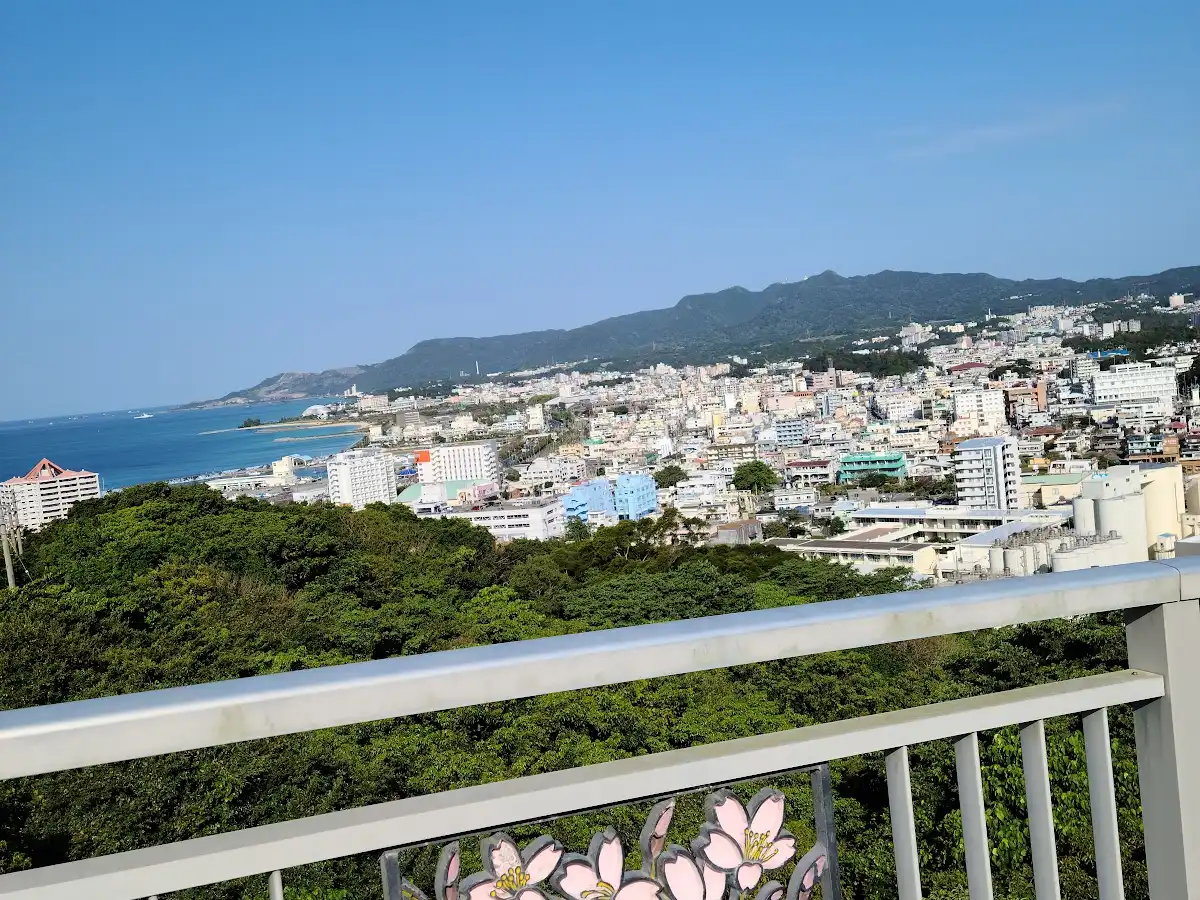
Ten years ago Okinawa still felt like a slightly scruffy, semi-forgotten edge of Japan: half beach town, half US base, with izakaya smoke in the alleys and almost no foreign backpackers. Now the secret’s out. You’ll see rental cars lined up at every viewpoint and Instagram tripods on the sand, but you can still slip behind the curtain if you know where to look. Okinawa sits far south of Japan’s main islands, closer to Taiwan than Tokyo, and it feels like its own country: slower, saltier, more tropical. For backpackers, it’s a trade: cheaper guesthouses than Tokyo, but pricier ferries and car rentals; wild beaches and coral, but spread-out towns and patchy buses. Naha is busy and a bit theme-parky; head to Zamami or Tokashiki for reefs and sea turtles, or north into Yanbaru’s jungle for real quiet. Compared with mainland Kansai or Kyushu, Okinawa is less temples-and-trains, more islands-and-time.

Discover everything you want to know in the 📖 Japan Travel Guide.


Get your Japan guide
140 ranked highlights, routes & tips, works offline (490 pages)
Loading the map 🌍
CLICK TO FILTER
cities
towns
villages
landmarks
national parks
hikes
beaches
attractions
festivals
regions
SHOW COUNTRY’S BESTSHOW ALL

✨ Why go?
Ranked #2 region in Japan
What makes this region worth visiting

Okinawa is a backpacker’s paradise for a reason. First off, the variety of landscapes is mind-blowing. You can go from pristine beaches to lush jungles in a matter of minutes. This means you can soak up sun and then hike through vibrant greenery without the hassle of constant relocation.

Transport here is a breeze. Renting a scooter or bike gives you the flexibility to explore at your own pace. You’re not tied to rigid schedules or crowded buses. Want to catch a sunrise at a secluded beach? Go for it.

What really sets Okinawa apart is the chance to mix nature and culture seamlessly. Spend your mornings snorkeling in crystal-clear waters, then dive into local cuisine at a traditional izakaya in the evening. This blend of experiences allows for slow travel, letting you savor each moment … read more 👉
Okinawa is a backpacker’s paradise for a reason. First off, the variety of landscapes is mind-blowing. You can go from pristine beaches to lush jungles in a matter of minutes. This means you can soak up sun and then hike through vibrant greenery without the hassle of constant relocation.

Transport here is a breeze. Renting a scooter or bike gives you the flexibility to explore at your own pace. You’re not tied to rigid schedules or crowded buses. Want to catch a sunrise at a secluded beach? Go for it.

What really sets Okinawa apart is the chance to mix nature and culture seamlessly. Spend your mornings snorkeling in crystal-clear waters, then dive into local cuisine at a traditional izakaya in the evening. This blend of experiences allows for slow travel, letting you savor each moment without feeling rushed. It’s all about making choices that elevate your journey, and Okinawa nails it.
Get the complete Travel Guide for Japan
Everything organized for offline planning — routes, highlights, costs & tips

See what’s inside 👉

Get the Travel Guide -

💡 HighlightsDon't-miss highlights and experiences

  1. Shurijo (Shuri Castle) — The old royal palace of the Ryukyu Kingdom rebuilt after the 2019 fire; walk the tiled courtyards, see Okinawan lacquer and tile styles that don’t look like mainland Japan, and feel how Okinawa once connected to China and Southeast Asia. Worth it for the history and the view over Naha.
  2. Sefa Utaki — One of the most sacred Ryukyuan sites: ancient rock formations and cliffside grottos where local religion was practiced for centuries. It’s atmospheric in a way you won’t get at a shrine in Kyoto — raw, coastal, and quietly powerful.
  3. Nakijin Gusuku Ruins — Crumbling Ryukyu castle walls perched on a hill with ocean views; in spring the site explodes with early-blooming sakura. It’s a great mix of stonework, history, and a very Okinawan sense of place.
  4. Cape Manzamo
read more 👉
  1. Shurijo (Shuri Castle) — The old royal palace of the Ryukyu Kingdom rebuilt after the 2019 fire; walk the tiled courtyards, see Okinawan lacquer and tile styles that don’t look like mainland Japan, and feel how Okinawa once connected to China and Southeast Asia. Worth it for the history and the view over Naha.
  2. Sefa Utaki — One of the most sacred Ryukyuan sites: ancient rock formations and cliffside grottos where local religion was practiced for centuries. It’s atmospheric in a way you won’t get at a shrine in Kyoto — raw, coastal, and quietly powerful.
  3. Nakijin Gusuku Ruins — Crumbling Ryukyu castle walls perched on a hill with ocean views; in spring the site explodes with early-blooming sakura. It’s a great mix of stonework, history, and a very Okinawan sense of place.
  4. Cape Manzamo — A dramatic limestone cliff shaped like an elephant’s trunk jutting into blue sea. Sunset and the wind here feel quintessentially Okinawan; bring a camera and a windbreaker. Easy to get to, but the view is something you can’t fake.
  5. Zamami Island (Kerama Islands snorkeling) — Short ferry from Naha to clear-water islands where sea turtles are common and the coral is healthy; snorkeling here actually lives up to the photos. Low-rise, sleepy villages — this is island life, not a resort commercial.
  6. Taketomi Island — A preserved Ryukyu village with red-tiled roofs, sandy lanes, and water-buffalo carts. Walk or rent a bike, visit Kondoi Beach, and you’ll get a compact, authentic-feeling island town that practically stopped changing decades ago.
  7. Iriomote Island: Pinaisara Falls & mangrove kayaking — Dense subtropical jungle, mangrove-lined rivers, and one of Okinawa’s biggest waterfalls. You’ll need a guide for crossings and trails, but the payoff is lush wilderness you won’t find elsewhere in Japan. (Personal favorite — I keep going back for that raw, humid jungle feel.)
  8. Tatami-ishi, Kume Island — Hidden gem. Strange, regular hexagonal rock formations laid out like tatami mats along the coast — a geological curiosity and photogenic spot far from crowded tourist routes. Kume itself has quiet beaches and a real local vibe.
  9. Valley of Gangala, Nanjo — Hidden gem. A fossilized limestone valley with caves, ancient tree cover, and guided walks that blend archaeology, nature, and local folklore. It feels like stepping into deep-time Okinawa — much less crowded than the big sites.
  10. Bise Fukugi Tree Road (Motobu) — Hidden gem. A peaceful, centuries-old avenue of fukugi trees shielding old fishing houses; walk or rent a bike and you’ll see how Okinawan coastal villages used to (and still sometimes) look. It’s small and simple, but deeply local and strangely calming.
Spotted a mistake or missing something? Contact us.

Things to do around Okinawa

Ratings based on Tripadvisor reviews. When you book through this link, you support our work at no extra cost to you.

⌛️ 5 daysHow to make the most of Okinawa

Day 1: Naha
Naha is your launchpad. The capital city is where you’ll find the main airport and the hub for public transport. Start your journey by exploring Shuri Castle, a UNESCO World Heritage site. It’s a short bus ride from the city center. The castle gives you a taste of Okinawa’s unique culture and history. Spend the evening at Kokusai Street, where you can sample local cuisine and shop for souvenirs. This sets the tone for your trip, blending history with modern vibrancy.

Day 2: Okinawa World
Head to Okinawa World, about a 30-minute bus ride from Naha. This theme park showcases traditional crafts, local food, and the stunning Gyokusendo Cave. The transport is straightforward, and the experience is immersive. You’ll get a deeper understanding of Okinawan culture here, plus the cave … read more 👉
Day 1: Naha
Naha is your launchpad. The capital city is where you’ll find the main airport and the hub for public transport. Start your journey by exploring Shuri Castle, a UNESCO World Heritage site. It’s a short bus ride from the city center. The castle gives you a taste of Okinawa’s unique culture and history. Spend the evening at Kokusai Street, where you can sample local cuisine and shop for souvenirs. This sets the tone for your trip, blending history with modern vibrancy.

Day 2: Okinawa World
Head to Okinawa World, about a 30-minute bus ride from Naha. This theme park showcases traditional crafts, local food, and the stunning Gyokusendo Cave. The transport is straightforward, and the experience is immersive. You’ll get a deeper understanding of Okinawan culture here, plus the cave is a cool escape from the heat.

Day 3: Zamami Island
Take a ferry from Naha to Zamami Island. This is where the pace slows down. Spend the day snorkeling in crystal-clear waters and lounging on the beach. The ferry ride is about 50 minutes, but the tranquility is worth it. You’ll feel like you’ve stepped into another world.

Day 4: Kerama Islands
Stay on the island and take a day trip to the Kerama Islands. The snorkeling here is world-class. You can rent gear locally, and the boat rides are short. This is your off-path reward; it’s a bit of a detour but adds immense value to your trip.

Day 5: Nago
Return to the main island and head north to Nago. Visit the Okinawa Churaumi Aquarium, one of the largest in the world. The journey takes about two hours, but the sights along the way are stunning. Wrap up your trip with a sunset at Emerald Beach.

The must-do day? Day 3 on Zamami Island. It’s the heart of Okinawa’s natural beauty and a perfect escape from the hustle. You’ll leave feeling rejuvenated and connected to the island’s spirit.
Build the Right Itinerary
Use the Japan Travel Guide’s 7, 14 & 21-day routes as a starting point to plan a trip that actually works on the ground.

Get the Travel Guide -

🌤️ When to go?Best time to visit Okinawa


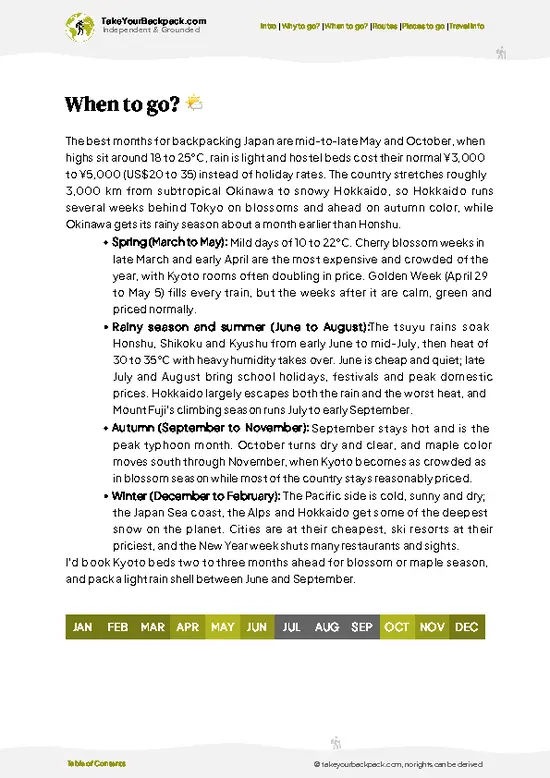
  • Topic: Weather – Okinawa’s subtropical climate means hot, humid summers with temps hitting 30–33°C (86–91°F). Typhoon season peaks from July to September, so expect heavy rain and possible disruptions. Spring and autumn offer milder, more stable weather—think 20–25°C (68–77°F)—perfect for hiking and beach time without the sweat or storms.

  • Topic: Temperature – Winters are mild, rarely dropping below 15°C (59°F), but water temps cool down, making swimming less appealing. If you want warm ocean dips and sunbathing, late April to early June is your sweet spot before the summer heat and crowds hit.

  • Topic: Daylight Hours – Okinawa enjoys roughly 11–13 hours of daylight year-round. Longer days in summer mean more time to explore but also more intense sun. Spring and autumn balance daylight
read more 👉

  • Topic: Weather – Okinawa’s subtropical climate means hot, humid summers with temps hitting 30–33°C (86–91°F). Typhoon season peaks from July to September, so expect heavy rain and possible disruptions. Spring and autumn offer milder, more stable weather—think 20–25°C (68–77°F)—perfect for hiking and beach time without the sweat or storms.

  • Topic: Temperature – Winters are mild, rarely dropping below 15°C (59°F), but water temps cool down, making swimming less appealing. If you want warm ocean dips and sunbathing, late April to early June is your sweet spot before the summer heat and crowds hit.

  • Topic: Daylight Hours – Okinawa enjoys roughly 11–13 hours of daylight year-round. Longer days in summer mean more time to explore but also more intense sun. Spring and autumn balance daylight and comfort, letting you pack in activities without frying.

  • Topic: Crowds – Golden Week (late April to early May) and summer holidays bring a surge of domestic tourists. If you want to dodge the crush, aim for late May or October. You’ll have beaches and trails more to yourself, which makes a huge difference.

  • Topic: Seasonal Activities – Cherry blossoms bloom in January–February here, earlier than mainland Japan, offering a unique spectacle. Dive season kicks off in spring, with visibility peaking through early summer. Autumn brings cultural festivals and harvest events—great for local flavor without the tourist bubble.

  • Topic: Price Fluctuations – Expect accommodation and flights to spike during Golden Week and summer. Booking outside these windows, especially in shoulder seasons like late May or October, nets you better deals and upgrades without sacrificing experience.


Pro-tip: Book your trip for late May—weather’s solid, crowds thin, prices dip, and you’ll catch both cherry blossoms’ tail end and the start of dive season. It’s the sweet spot locals keep quiet about.


source: climatestotravel.comJANJanuary: highly recommended for travelingFEBFebruary: highly recommended for travelingMARMarch: highly recommended for travelingAPRApril: excellent for travelingMAYMay: excellent for travelingJUNJune: good for travelingJULJuly: fair for travelingAUGAugust: fair for travelingSEPSeptember: fair for travelingOCTOctober: highly recommended for travelingNOVNovember: highly recommended for travelingDECDecember: good for traveling
japan-region-okinawa
© Google |

✈️ The backpacker research shortcutJapan Travel Guide

An offline-friendly backpacking guide with optimized travel routes, ranked highlights, transport advice, and the best areas to stay.
example page 0 from our offline Travel Guide for Japanexample page 1 from our offline Travel Guide for Japanexample page 2 from our offline Travel Guide for Japanexample page 3 from our offline Travel Guide for Japanexample page 4 from our offline Travel Guide for Japanexample page 5 from our offline Travel Guide for Japanexample page 6 from our offline Travel Guide for Japanexample page 7 from our offline Travel Guide for Japan
The digital guide (490 pages) contains:
140 highlights, ranked by travel appeal
Optimized 7, 14 & 21-day travel routes
Cities, national parks, beaches, historical sites, ...
How to get around
Offline-friendly for travel without Wi-Fi
👉 Click to see all 30+ guide features

📅 Plan smarter in minutes, not weeks
Month by month travel advice
Festivals & national holidays
Budget expectations

🗺️ Go to the right places, skip the overrated ones
Honest pros & cons of destinations
Top hikes, parks & viewpoints
Lesser-known places most travelers miss
Clear “worth it vs skip it” guidance

🛏️ Travel smoothly without rookie mistakes
Best areas to stay
Transport systems explained simply
Common scams & safety advice
SIM cards, money & practical tips

🌍 Understand the country, not just visit it
Culture & traditions
52 Essential phrases & customs
Festivals worth planning around
Traveler-friendly historical context
Insights that make places more meaningful

📱 Built for real travel conditions
Fully downloadable PDF
Works completely offline
Optimized for phone use
Useful in remote areas & buses
Everything in one place
Save weeks of stressful planning
Get instant access to the full guide directly. 30-day money-back guarantee.


Sent to your inbox immediately after payment • 100% Secure Checkout
Best Backpacking Travel Advisor 2025 tourism awardBest Backpacking
Travel Advisor
2025
What others say about Take Your Backpack Guides:
⭐⭐⭐⭐⭐
Fantastic, amazing amount of information!
⭐⭐⭐⭐⭐
My goodness this is amazing, it's what I've been looking for hats off too you!
⭐⭐⭐⭐⭐
I think this is absolutely BRILLIANT
⭐⭐⭐⭐
Very complete and informative. It's still missing places, but I gotta to commend you
⭐⭐⭐⭐⭐
This is truly amazing, thank you, can't wait to explore it with my kids!
⭐⭐⭐⭐⭐
Awesome resource, thank you!
⭐⭐⭐⭐⭐
This is amazing! Can't wait to explore the ones I haven't seen
⭐⭐⭐⭐
I love this! Well done, great idea.
⭐⭐⭐⭐⭐
Thanks for taking the time to make this gem!
⭐⭐⭐⭐⭐
This might be the best website I've ever seen.
⭐⭐⭐⭐⭐
Congratulations, and thank you so much for your work; it's incredibly valuable.
⭐⭐⭐⭐
In all seriousness I think you did a great job pointing out the important spots
⭐⭐⭐⭐⭐
10/10 very good
⭐⭐⭐⭐⭐
As someone who's only just starting to visit regularly this is awesome, thank you.
⭐⭐⭐⭐
Thank you very much! I'm going to visit my dad, it's going to be very useful!
⭐⭐⭐⭐⭐
This is really cool! We'll be travelling for the first time and this definitely come in handy.
⭐⭐⭐⭐⭐
You are now our minister of culture, congratulations 👨‍💼
⭐⭐⭐⭐⭐
Just wanted to tell you that this is a pearl! Going to follow your recommendations.
⭐⭐⭐⭐⭐
This is so cool. I'll definitely be using the resource for my travels soon.
⭐⭐⭐⭐⭐
This is very impressive! Good work.
⭐⭐⭐⭐⭐
This is an amazing and informative site. Very well done!

🛏️ Where to stay?How to pick the right area

Okinawa is a treasure trove for backpackers, and the right spots can elevate your experience from ordinary to extraordinary.

Start in Naha, the capital. It’s bustling, with a mix of local markets and vibrant nightlife. You’ll find fellow travelers in abundance, making it easy to swap stories over a cold Orion beer. Hit up Kokusai Street for street food and shops, but don’t miss the quieter alleys for authentic izakayas.

Next, consider Okinawa City. It’s less touristy, giving you a taste of local life. The music scene here is alive, especially with the sounds of Okinawan folk. Plus, it’s a great … read more 👉
Okinawa is a treasure trove for backpackers, and the right spots can elevate your experience from ordinary to extraordinary.

Start in Naha, the capital. It’s bustling, with a mix of local markets and vibrant nightlife. You’ll find fellow travelers in abundance, making it easy to swap stories over a cold Orion beer. Hit up Kokusai Street for street food and shops, but don’t miss the quieter alleys for authentic izakayas.

Next, consider Okinawa City. It’s less touristy, giving you a taste of local life. The music scene here is alive, especially with the sounds of Okinawan folk. Plus, it’s a great base for exploring nearby beaches without the crowds.

For a more laid-back vibe, head to Zamami Island. It’s a short ferry ride from Naha and offers stunning beaches and snorkeling. The community is tight-knit, so you’ll feel right at home.

Lastly, Ishigaki is a must for its breathtaking landscapes. It’s a bit pricier, but the sunsets and hiking trails are worth every yen. Choose wisely, and you’ll create memories that linger long after you leave.

🚌 Getting aroundHow to get around Okinawa

Okinawa flows like a laid-back melody, where rigid schedules are more of a suggestion than a rule. Picture this: palm trees swaying, the scent of salt in the air, and locals moving at their own pace. It’s a place where spontaneity reigns, and you’ll find that the best experiences often come from wandering rather than adhering to a strict itinerary. Sure, you can catch a bus or a taxi, but the real charm lies in embracing the rhythm of the island. You’ll feel like a savvy local, navigating through a mix of organized chaos and relaxed vibes.


  • Buses: The backbone of public transport, with routes connecting major attractions. Fares range from ¥200 to ¥500 depending on distance. Buses run from around 6 AM to 10 PM, but don’t expect them to be on the dot—just roll with it.

  • Taxis: A bit pricier,
read more 👉
Okinawa flows like a laid-back melody, where rigid schedules are more of a suggestion than a rule. Picture this: palm trees swaying, the scent of salt in the air, and locals moving at their own pace. It’s a place where spontaneity reigns, and you’ll find that the best experiences often come from wandering rather than adhering to a strict itinerary. Sure, you can catch a bus or a taxi, but the real charm lies in embracing the rhythm of the island. You’ll feel like a savvy local, navigating through a mix of organized chaos and relaxed vibes.


  • Buses: The backbone of public transport, with routes connecting major attractions. Fares range from ¥200 to ¥500 depending on distance. Buses run from around 6 AM to 10 PM, but don’t expect them to be on the dot—just roll with it.

  • Taxis: A bit pricier, with base fares starting at ¥500. They’re convenient for late-night returns or when you’re hauling beach gear. Just know that they can add up quickly, especially if you’re hopping around.

  • Rental Cars: Ideal for those who want to explore at their own pace. Prices start around ¥3,000 per day. Just remember, you’ll be driving on the left side of the road, and parking can be tricky in busy areas. But the freedom? Totally worth it.

  • Bicycles: Rent one for about ¥1,000 a day and cruise along the coast. It’s a fantastic way to soak in the scenery, but be prepared for some hills. Plus, you’ll feel like a local zipping past tourists in buses.

  • Ferries: If you’re island-hopping, ferries are essential. Prices vary, but expect around ¥1,500 to ¥3,000 for a ride to nearby islands. They’re a scenic way to travel, but check schedules ahead of time—some routes are limited.


For a smooth ride across Okinawa, consider timing your bus trips around meal times. Locals often take breaks, so you’ll find buses less crowded and more reliable. Plus, you can grab a bite at a local eatery while you wait. Embrace the flow, and you’ll discover the island’s true charm.

🍲 FoodLocal Cuisine & Drinks

Okinawa is a culinary playground where flavors dance with the sea breeze. Dive into Okinawa soba, a hearty noodle dish served in a rich broth, topped with tender pork and green onions. Don’t miss out on rafute, braised pork belly that melts in your mouth, often paired with a side of goya champuru, a stir-fry featuring the bitter melon that’s a local staple.

For drinks, awamori is a must-try. This traditional Okinawan spirit, distilled from rice, packs a punch and is best enjoyed chilled. Sip it slowly while mingling with locals at a yakiniku joint, where you grill your own meat right at the table.

Markets like Makishi Public Market buzz with life. Here, you can sample street food like taco rice, a fusion dish that’s a delicious reminder of Okinawa’s unique history.

Dining here is casual … read more 👉
Okinawa is a culinary playground where flavors dance with the sea breeze. Dive into Okinawa soba, a hearty noodle dish served in a rich broth, topped with tender pork and green onions. Don’t miss out on rafute, braised pork belly that melts in your mouth, often paired with a side of goya champuru, a stir-fry featuring the bitter melon that’s a local staple.

For drinks, awamori is a must-try. This traditional Okinawan spirit, distilled from rice, packs a punch and is best enjoyed chilled. Sip it slowly while mingling with locals at a yakiniku joint, where you grill your own meat right at the table.

Markets like Makishi Public Market buzz with life. Here, you can sample street food like taco rice, a fusion dish that’s a delicious reminder of Okinawa’s unique history.

Dining here is casual and communal. Don’t be surprised if you’re encouraged to share dishes. It’s all about connection. Just remember to say “Itadakimasu” before you dig in, a nod to the food and those who prepared it. Embrace the flavors and the warmth of the people; it’s what makes Okinawa truly special.

Other Japanese regions near Okinawa

Explore more nearby:

  • Southern region—warm climate, volcanic islands, subtropical flora| 561 km away
  • Chugoku region—coastal villages, volcanic landscapes, ancient shrines| 943 km away
  • Iya Valley—vine bridges, deep gorges, remote hamlets| 1000 km away

👉 Discover all regions

Or checkout all Japan has to offer (think cities, towns, villages, national parks, hikes, beaches, festivals)
Country photo of Japan

We 💚 feedbackParting advice and final tips

Okinawa’s beaches are a slice of paradise, with crystal-clear waters that feel like a warm embrace. You’ll find local food that’s bursting with flavor, especially the Okinawan soba. But here’s the catch: it can get pricey, especially if you’re chasing those beachfront stays. Plan your splurges wisely, and you’ll savor the best of both worlds. Just remember, the real magic happens when you dive into the local vibe, not just the scenery.

✈️ When did I visit Japan?
As part of my 1.5 year travel around the world trip, I visited Japan in August 2015.

✍️ Help improve this page!
The information on this page is based on my own backpacking experience in Japan, supplemented with up-to-date research and feedback from other travelers. Travel details can change, so if you notice anything outdated or incomplete, feel free to let me know.


🙋‍♂️ Give feedback

👋 Meet the founderWho’s Behind Take Your Backpack?

Johan, backpacker and founder of TakeYourBackpackHi, I’m Johan (Netherlands 🇳🇱), the creator of TakeYourBackpack. Over the past decade, I’ve backpacked through 80+ countries across six continents, gaining extensive experience with independent travel, long-term trips, and overland routes.

This site is built on a combination of firsthand travel experience and carefully curated insights from other backpackers. Many guides are based on places I’ve personally visited, while others bring together tips, observations, and practical advice shared by trusted travelers I’ve met along the way.

The goal is to provide realistic, experience-driven guidance — not generic itineraries — so you can explore destinations with better context, clearer expectations, and more confidence.

Get full Japan guide •
Instant download • 140 highlights • Full Offline guide