×

Japan🇯🇵 | regionsSouthern regionwarm climate, volcanic islands, subtropical flora | things to do and best time to go

Explore Sado IslandExplore Kinosaki Onsen

Backpacking in Southern region
By Johan Kruseman 🇳🇱 | Updated October 15, 2026

Most people only realize on the train out that Southern region is where Japan finally slows down enough for you to actually breathe between sights. It sits in the far south of the country, below the main Honshu corridor, feeling a world away from Tokyo and Osaka. For backpackers, it’s cheaper, wilder, and more local than the big-name circuits, with coastal towns, hot springs, and small festivals that still feel genuinely for residents, not Instagram. Buses between towns can be slow and infrequent, and you trade convenience for character, but that’s the point: compared with nearby, more polished regions, Southern region feels like the part of Japan you brag about finding before everyone else.

Discover everything you want to know in the 📖 Japan Travel Guide.


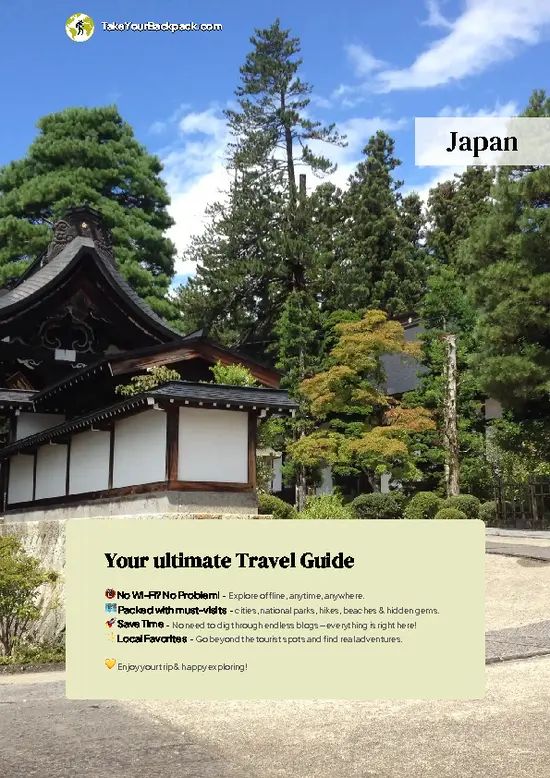
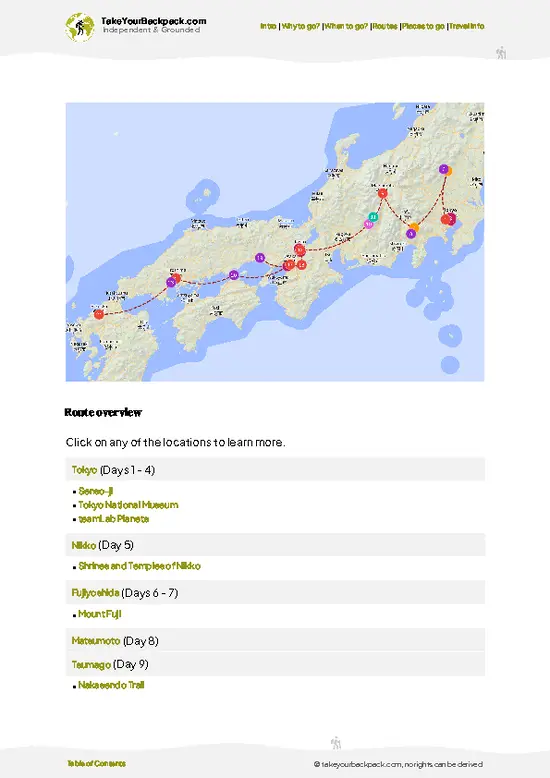
example page 0 from our offline Travel Guide for Japan
example page 1 from our offline Travel Guide for Japan
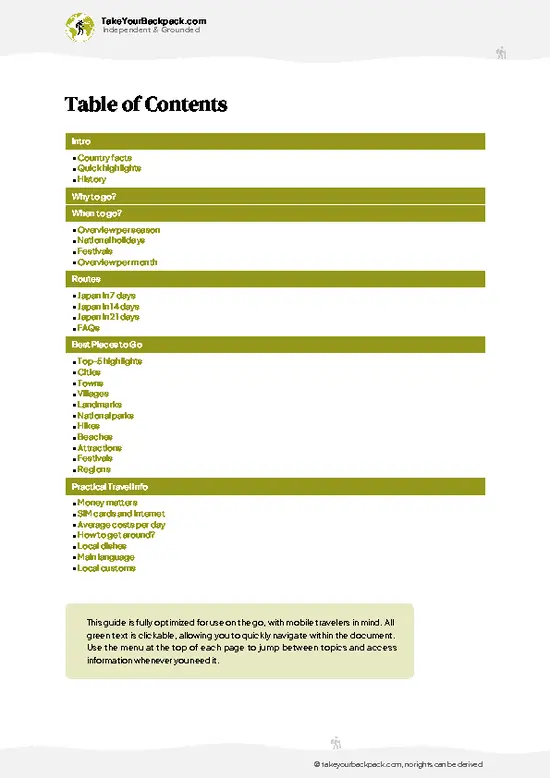
example page 2 from our offline Travel Guide for Japan
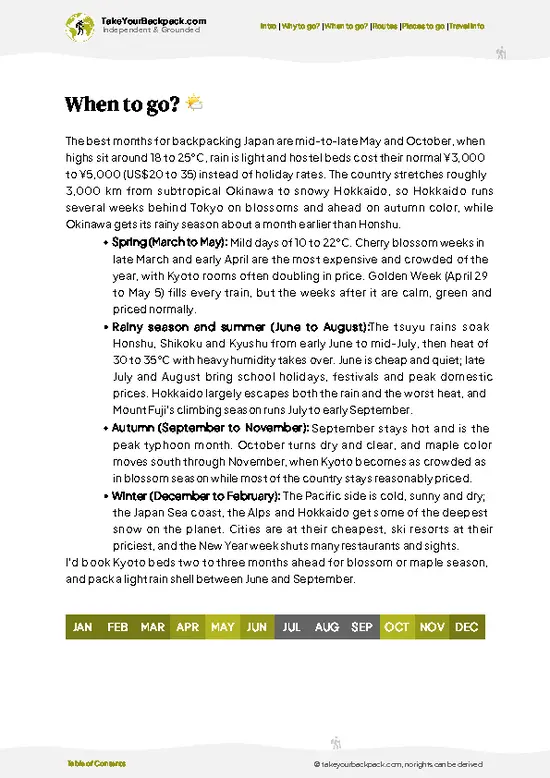
example page 3 from our offline Travel Guide for Japan
example page 4 from our offline Travel Guide for Japan
example page 5 from our offline Travel Guide for Japan
example page 6 from our offline Travel Guide for Japan
example page 7 from our offline Travel Guide for Japan
Loading the map 🌍
CLICK TO FILTER
cities
towns
villages
landmarks
national parks
hikes
beaches
attractions
festivals
regions
SHOW COUNTRY’S BESTSHOW ALL

✨ Why go?
Ranked #99 region in Japan
What makes it a must-see region

In the Southern region of Japan, backpackers find a treasure trove of experiences that blend nature and culture seamlessly. You can explore everything from lush mountains to serene coastlines without the hassle of constant relocation. This area offers a variety of landscapes that keeps your journey fresh and exciting.

Transport is a breeze here. With efficient trains and buses, you can hop between historic towns and breathtaking parks with ease. This flexibility allows you to dive deep into local life, savoring authentic cuisine and engaging with friendly locals.

The beauty of slow travel shines in the Southern region. You can take your time, soaking in the sights and sounds, rather than rushing through a checklist. Each moment becomes a chance to connect, whether you’re hiking a trail … read more 👉
In the Southern region of Japan, backpackers find a treasure trove of experiences that blend nature and culture seamlessly. You can explore everything from lush mountains to serene coastlines without the hassle of constant relocation. This area offers a variety of landscapes that keeps your journey fresh and exciting.

Transport is a breeze here. With efficient trains and buses, you can hop between historic towns and breathtaking parks with ease. This flexibility allows you to dive deep into local life, savoring authentic cuisine and engaging with friendly locals.

The beauty of slow travel shines in the Southern region. You can take your time, soaking in the sights and sounds, rather than rushing through a checklist. Each moment becomes a chance to connect, whether you’re hiking a trail or sipping tea in a traditional inn. It’s about making choices that elevate your experience, and this region delivers in spades.

💡 HighlightsDon't-miss highlights and experiences

  1. Mount Aso (Aso-san), Kumamoto — One of the world’s largest volcanic calderas with rolling grasslands (Kusasenri) and dramatic crater rims you can walk around. The scale and lunar feel of the landscape are uniquely Kyushu; hikes and short drives give excellent viewpoints and local farmers’ stalls sell simple, hearty food.
  2. Yakushima Island, Kagoshima (personal favorite) — Ancient, moss-draped cedar forests (including trails toward Jomon Sugi), rugged coastline and waterfalls that feel prehistoric. The island’s rain-fed ecosystem and long hiking routes make it unlike anywhere else in Japan.
  3. Takachiho Gorge, Miyazaki — Narrow basalt cliffs carved by the Gokase River with emerald water and a photogenic waterfall you can boat beneath. The place carries mythic Shinto associations and offers gorge
… read more 👉
  1. Mount Aso (Aso-san), Kumamoto — One of the world’s largest volcanic calderas with rolling grasslands (Kusasenri) and dramatic crater rims you can walk around. The scale and lunar feel of the landscape are uniquely Kyushu; hikes and short drives give excellent viewpoints and local farmers’ stalls sell simple, hearty food.
  2. Yakushima Island, Kagoshima (personal favorite) — Ancient, moss-draped cedar forests (including trails toward Jomon Sugi), rugged coastline and waterfalls that feel prehistoric. The island’s rain-fed ecosystem and long hiking routes make it unlike anywhere else in Japan.
  3. Takachiho Gorge, Miyazaki — Narrow basalt cliffs carved by the Gokase River with emerald water and a photogenic waterfall you can boat beneath. The place carries mythic Shinto associations and offers gorge walks, evening kagura dance performances, and quiet ryokan stays.
  4. Kumamoto Castle, Kumamoto — A massive feudal-era fortress with imposing stone walls, turrets and expansive grounds that show Japan’s samurai architecture at its most dramatic. The surrounding castle town streets and nearby gardens make for a full cultural afternoon.
  5. Sengan-en & Sakurajima views, Kagoshima — A traditional samurai garden set against a postcard view of Sakurajima’s smoking cone across Kinko Bay. The combination of manicured gardens, historic villa, and an active volcano as backdrop is a Kyushu signature.
  6. Kurokawa Onsen (hidden gem), Kumamoto — A compact, low-key onsen town made for relaxed onsen-hopping; many ryokan allow daytime bath passes and outdoor rotenburo tucked into the river valleys. The wooden streets and small-batch hospitality feel authentically rural and unhurried.
  7. Arita & Imari porcelain towns (hidden gem), Saga — Cradle of Japan’s porcelain industry with kilns, galleries and hands-on pottery workshops where you can see and buy centuries-old techniques. The pottery trails and small museums are great for collectors and anyone who likes making things with their hands.
  8. Yanagawa canal boats, Fukuoka — Slow, flat-bottomed boat trips through willow-lined canals and traditional neighborhoods; boatmen punt and share local stories. It’s a gentle, local way to see river life and try regional river-eel dishes afterward.
  9. Yufuin, Oita — A compact, artsy onsen town beneath Mt. Yufu with indie galleries, cafes and quiet ryokan-style baths. The village has a well-curated, walkable main street and countryside scenery that’s calmer than the big onsen cities.
  10. Kitsuki Samurai District (hidden gem), Oita — One of Japan’s best-preserved small castle towns with original samurai residences, narrow lanes and restored earthen walls you can stroll through without crowds. The scale and authenticity make it feel like stepping into a living Edo-era neighborhood.
Spotted a mistake or missing something? Contact us.

Things to do near Southern region

Ratings based on Tripadvisor reviews. When you book through this link, you support our work at no extra cost to you.

⌛️ 5 days5-day itinerary for Southern region

Day 1: Fukuoka
Start your journey in Fukuoka, the gateway to the southern region. The transport here is seamless, with the airport just a quick subway ride from the city center. Spend the day exploring the bustling Nakasu district, famous for its yatai (street food stalls). This sets the tone for your trip: vibrant, local, and delicious.

Day 2: Nagasaki
Hop on the Limited Express train to Nagasaki. The ride is about two hours, and the views along the way are a treat. Nagasaki’s history is rich, with influences from both Japan and the West. Visit the Peace Park and the Glover Garden for a taste of its unique past. The train system here is efficient, allowing you to maximize your time exploring rather than waiting.

Day 3: Kumamoto
Next, take the shinkansen to Kumamoto. The castle here … read more 👉
Day 1: Fukuoka
Start your journey in Fukuoka, the gateway to the southern region. The transport here is seamless, with the airport just a quick subway ride from the city center. Spend the day exploring the bustling Nakasu district, famous for its yatai (street food stalls). This sets the tone for your trip: vibrant, local, and delicious.

Day 2: Nagasaki
Hop on the Limited Express train to Nagasaki. The ride is about two hours, and the views along the way are a treat. Nagasaki’s history is rich, with influences from both Japan and the West. Visit the Peace Park and the Glover Garden for a taste of its unique past. The train system here is efficient, allowing you to maximize your time exploring rather than waiting.

Day 3: Kumamoto
Next, take the shinkansen to Kumamoto. The castle here is a must-see, showcasing traditional Japanese architecture. The journey is quick, and the train’s comfort makes it easy to relax. Spend the afternoon in Suizenji Jojuen Garden, a serene spot that feels worlds away from the city buzz.

Day 4: Off-Path Reward - Aso
Take a detour to Mount Aso, just a short bus ride from Kumamoto. This active volcano offers stunning landscapes and hiking trails. The experience of standing in the caldera is surreal and worth the extra effort.

Day 5: Kagoshima
Wrap up your trip in Kagoshima, accessible via a scenic train ride. The Sakurajima volcano looms large, and a ferry ride offers breathtaking views. Enjoy the local black pork cuisine, a highlight of the region.

The must-do day? Day 4 in Aso. It’s a unique experience that encapsulates the wild beauty of southern Japan, making your trip truly memorable.

🌤️ When to go?Best time to visit Southern region

  • Weather: Spring (March to May) and autumn (September to November) bring mild, dry conditions—think 15-22°C (59-72°F). Summer is hot and humid, often above 30°C (86°F), with a rainy season in June.
  • Temperature: Winters are cool but bearable, around 5-12°C (41-54°F), perfect if you pack layers. Avoid the sweltering summer unless you love sweat and festivals.
  • Daylight Hours: Longer days in summer mean more hiking time, but shorter autumn days offer crisp, clear skies for early starts and stunning sunsets.
  • Crowds: Golden Week (late April to early May) and autumn foliage weekends pack the trails. Early spring and late autumn are your quiet windows.
  • Seasonal Activities: Cherry blossoms in April and colorful leaves in November are showstoppers. Summer festivals are lively but crowded and pricey.
… read more 👉
  • Weather: Spring (March to May) and autumn (September to November) bring mild, dry conditions—think 15-22°C (59-72°F). Summer is hot and humid, often above 30°C (86°F), with a rainy season in June.
  • Temperature: Winters are cool but bearable, around 5-12°C (41-54°F), perfect if you pack layers. Avoid the sweltering summer unless you love sweat and festivals.
  • Daylight Hours: Longer days in summer mean more hiking time, but shorter autumn days offer crisp, clear skies for early starts and stunning sunsets.
  • Crowds: Golden Week (late April to early May) and autumn foliage weekends pack the trails. Early spring and late autumn are your quiet windows.
  • Seasonal Activities: Cherry blossoms in April and colorful leaves in November are showstoppers. Summer festivals are lively but crowded and pricey.
  • Price Fluctuations: Expect peak-season spikes during cherry blossom and autumn leaf seasons. Off-peak months like February offer wallet-friendly stays and fewer tourists.
Pro-tip: Arrive just before cherry blossom season for fewer crowds and better deals—locals call it the “sweet spot.”


source: climatestotravel.comJANJanuary: good for travelingFEBFebruary: highly recommended for travelingMARMarch: highly recommended for travelingAPRApril: excellent for travelingMAYMay: highly recommended for travelingJUNJune: fair for travelingJULJuly: fair for travelingAUGAugust: fair for travelingSEPSeptember: highly recommended for travelingOCTOctober: highly recommended for travelingNOVNovember: excellent for travelingDECDecember: good for traveling
when-to-go

✈️ The backpacker research shortcutJapan Travel Guide

An offline-friendly backpacking guide with optimized travel routes, ranked highlights, transport advice, and the best areas to stay.
example page 0 from our offline Travel Guide for Japan
example page 1 from our offline Travel Guide for Japan
example page 2 from our offline Travel Guide for Japan
example page 3 from our offline Travel Guide for Japan
example page 4 from our offline Travel Guide for Japan
example page 5 from our offline Travel Guide for Japan
example page 6 from our offline Travel Guide for Japan
example page 7 from our offline Travel Guide for Japan
The digital guide (475 pages) contains:
✅ 139 highlights, ranked by travel appeal
✅ Optimized 7, 14 & 21-day travel routes
✅ Cities, national parks, landmarks, beaches
✅ How to get around
✅ Offline-friendly for travel without Wi-Fi
👉 Click to see all 30+ guide features

📅 Plan smarter in minutes, not weeks
✅ Month by month travel advice
✅ Festivals & national holidays
✅ Budget expectations

🗺️ Go to the right places, skip the overrated ones
✅ Honest pros & cons of destinations
✅ Top hikes, parks & viewpoints
✅ Lesser-known places most travelers miss
✅ Clear “worth it vs skip it” guidance

🛏️ Travel smoothly without rookie mistakes
✅ Best areas to stay
✅ Transport systems explained simply
✅ Common scams & safety advice
✅ SIM cards, money & practical tips

🌍 Understand the country, not just visit it
✅ Culture & traditions
✅ 52 Essential phrases & customs
✅ Festivals worth planning around
✅ Traveler-friendly historical context
✅ Insights that make places more meaningful

📱 Built for real travel conditions
✅ Fully downloadable PDF
✅ Works completely offline
✅ Optimized for phone use
✅ Useful in remote areas & buses
✅ Everything in one place
Stop searching, start planning
Get instant access to your full guide. 30‑day money-back guarantee.
+ Add another guide for just

By proceeding you agree to our terms.
Sent to your inbox immediately after payment • 100% Secure Checkout
Best Backpacking Travel Advisor 2025 tourism awardBest Backpacking
Travel Advisor
2025
What others say about Take Your Backpack Guides:
⭐⭐⭐⭐⭐
Fantastic, amazing amount of information!
⭐⭐⭐⭐⭐
My goodness this is amazing, it's what I've been looking for hats off too you!
⭐⭐⭐⭐⭐
I think this is absolutely BRILLIANT
⭐⭐⭐⭐
Very complete and informative. It's still missing places, but I gotta to commend you
⭐⭐⭐⭐⭐
This is truly amazing, thank you, can't wait to explore it with my kids!
⭐⭐⭐⭐⭐
Awesome resource, thank you!
⭐⭐⭐⭐⭐
This is amazing! Can't wait to explore the ones I haven't seen
⭐⭐⭐⭐
I love this! Well done, great idea.
⭐⭐⭐⭐⭐
Thanks for taking the time to make this gem!
⭐⭐⭐⭐⭐
This might be the best website I've ever seen.
⭐⭐⭐⭐⭐
Congratulations, and thank you so much for your work; it's incredibly valuable.
⭐⭐⭐⭐
In all seriousness I think you did a great job pointing out the important spots
⭐⭐⭐⭐⭐
10/10 very good
⭐⭐⭐⭐⭐
As someone who's only just starting to visit regularly this is awesome, thank you.
⭐⭐⭐⭐
Thank you very much! I'm going to visit my dad, it's going to be very useful!
⭐⭐⭐⭐⭐
This is really cool! We'll be travelling for the first time and this definitely come in handy.
⭐⭐⭐⭐⭐
You are now our minister of culture, congratulations 👨‍💼
⭐⭐⭐⭐⭐
Just wanted to tell you that this is a pearl! Going to follow your recommendations.
⭐⭐⭐⭐⭐
This is so cool. I'll definitely be using the resource for my travels soon.
⭐⭐⭐⭐⭐
This is very impressive! Good work.
⭐⭐⭐⭐⭐
This is an amazing and informative site. Very well done!

🛏️ Where to stay?Best areas and accommodation options

In Southern Japan, you’ve got some stellar spots that scream backpacker-friendly.

First up, Fukuoka. This city is a vibrant hub with a killer street food scene. Think late-night ramen stalls and bustling markets. The vibe is laid-back, making it easy to meet fellow travelers. Plus, it’s a gateway to other destinations.

Next, check out Kumamoto. The castle here is a must-see, but the real charm lies in the surrounding nature. It’s safe, and you can easily mingle with locals in the parks.

Then there’s Nagasaki. Rich in history, it’s a place where you can soak in culture without breaking the … read more 👉
In Southern Japan, you’ve got some stellar spots that scream backpacker-friendly.

First up, Fukuoka. This city is a vibrant hub with a killer street food scene. Think late-night ramen stalls and bustling markets. The vibe is laid-back, making it easy to meet fellow travelers. Plus, it’s a gateway to other destinations.

Next, check out Kumamoto. The castle here is a must-see, but the real charm lies in the surrounding nature. It’s safe, and you can easily mingle with locals in the parks.

Then there’s Nagasaki. Rich in history, it’s a place where you can soak in culture without breaking the bank. The hilly streets are perfect for wandering, and the views are worth every step.

Lastly, Kagoshima offers a unique blend of hot springs and volcanic landscapes. The local izakayas are perfect for striking up conversations.

Each of these spots balances time, money, and comfort, letting you dive deep into the local scene without feeling like a tourist.

🚌 Getting aroundGetting around like a local

The Southern region of Japan is a dance between precision and spontaneity. Here, the rhythm of life flows like a well-tuned instrument, where trains glide in and out with clockwork precision, yet the streets pulse with the vibrant chaos of local markets and festivals. You’ll find yourself swept up in the energy of bustling cities like Fukuoka and Kumamoto, where the schedules are tight, but the experiences are rich and unpredictable. It’s a place where you can plan your route meticulously, but the best moments often come from wandering off the beaten path.
  • Shinkansen (Bullet Train): The ultimate way to zip across the region. First train departs around 6 AM, with the last one around 10 PM. Prices vary, but expect around ¥15,000 for a one-way trip to major cities. It’s fast—think 300 km/h—and
… read more 👉
The Southern region of Japan is a dance between precision and spontaneity. Here, the rhythm of life flows like a well-tuned instrument, where trains glide in and out with clockwork precision, yet the streets pulse with the vibrant chaos of local markets and festivals. You’ll find yourself swept up in the energy of bustling cities like Fukuoka and Kumamoto, where the schedules are tight, but the experiences are rich and unpredictable. It’s a place where you can plan your route meticulously, but the best moments often come from wandering off the beaten path.
  • Shinkansen (Bullet Train): The ultimate way to zip across the region. First train departs around 6 AM, with the last one around 10 PM. Prices vary, but expect around ¥15,000 for a one-way trip to major cities. It’s fast—think 300 km/h—and comfortable, with spacious seating and onboard amenities.
  • Local Trains: These are your lifelines to smaller towns and hidden spots. They run frequently, typically from 5 AM to midnight. Fares are budget-friendly, often under ¥1,500 for short distances. While slower than the Shinkansen, they offer a more intimate view of the countryside.
  • Bus Services: Ideal for reaching places the trains can’t. Buses operate from early morning until late evening, with fares usually between ¥500 and ¥3,000 depending on the distance. They can be less comfortable, but the routes often take you through scenic landscapes.
  • Rental Bikes: Perfect for exploring cities like Fukuoka at your own pace. Daily rentals start around ¥1,000. It’s a fun way to soak in the local vibe, but be prepared for some hills!
  • Domestic Flights: If you’re heading to the islands like Kyushu, consider a quick flight. Prices can range from ¥5,000 to ¥15,000, depending on how early you book. It’s the fastest option, but you’ll miss the scenery.

For a tactical edge, grab a Japan Rail Pass if you plan to hop between cities. It’s a game-changer for budget travelers, allowing unlimited travel on most trains for a set period. Just make sure to activate it before you hit the tracks!

🍲 FoodLocal Cuisine & Drinks

In the Southern region of Japan, food is a vibrant tapestry of flavors that tells a story. Dive into Kyushu ramen, where the rich, pork-based broth is a warm embrace on a rainy day. Don’t miss tonkotsu, a creamy delight that’s a local staple. Pair it with goya champuru, a stir-fry that balances the bitterness of bitter melon with tofu and pork, a dish that’s as comforting as it is nutritious.

For a true backpacker experience, hit up local markets. The bustling stalls of Nagasaki’s morning market are a feast for the senses. Sample saba sushi, fresh mackerel wrapped in vinegared rice, or grab a quick bite of yakitori from a street vendor, where the smoky aroma wafts through the air.

Dining here is a communal affair. Don’t be surprised if you’re encouraged to share dishes. Remember, slurping … read more 👉
In the Southern region of Japan, food is a vibrant tapestry of flavors that tells a story. Dive into Kyushu ramen, where the rich, pork-based broth is a warm embrace on a rainy day. Don’t miss tonkotsu, a creamy delight that’s a local staple. Pair it with goya champuru, a stir-fry that balances the bitterness of bitter melon with tofu and pork, a dish that’s as comforting as it is nutritious.

For a true backpacker experience, hit up local markets. The bustling stalls of Nagasaki’s morning market are a feast for the senses. Sample saba sushi, fresh mackerel wrapped in vinegared rice, or grab a quick bite of yakitori from a street vendor, where the smoky aroma wafts through the air.

Dining here is a communal affair. Don’t be surprised if you’re encouraged to share dishes. Remember, slurping your noodles is a compliment to the chef. Embrace the casual vibe; it’s all about enjoying the moment, one bite at a time.

FAQCommon questions from travelers

5 to 7 days are sufficient to explore the Southern region of Japan thoroughly. This allows time to visit key cities like Kagoshima and Miyazaki, as well as natural attractions such as Sakurajima volcano and Yakushima Island. Extra days may be needed for island hopping or hiking.
You can get around the Southern region without a car using the extensive JR Kyushu rail network and local buses. The JR Kyushu Rail Pass offers unlimited travel on trains for 3 to 5 days, costing around 15,000 to 20,000 yen. Ferries connect islands like Yakushima and Tanegashima to the mainland.
The Southern region is known for its active volcanoes, hot springs, and subtropical climate. It is famous for Sakurajima, one of Japan's most active volcanoes, and Yakushima, a UNESCO World Heritage site with ancient cedar forests. The area also boasts unique local cuisine featuring fresh seafood and Kagoshima black pork.
⚠️ Things can change over time, so always validate details locally before you go.

Other Japanese regions near Southern region

Explore more nearby:

  • Iya Valley—vine bridges, deep gorges, remote hamlets| 481 km away
  • Okinawa—coral reefs, subtropical islands, Ryukyu heritage| 561 km away
  • Chugoku region—coastal villages, volcanic landscapes, ancient shrines| 589 km away

💡 Not sure where to go next?
Create a personalized itinerary for Japan including Southern region and the places that fit your trip.

Generate my itinerary

👉 Discover all regions

Or checkout all Japan has to offer (think cities, towns, villages, national parks, hikes, beaches, festivals)
Country photo of Japan

We 💚 feedbackParting advice and final tips

Southern Japan is a treasure trove of culture and cuisine. The street food in Fukuoka? Absolutely killer—think rich tonkotsu ramen that warms your soul. But here’s the catch: public transport can be a bit tricky outside major cities. You might find yourself waiting longer than expected for that next bus or train. Embrace the slower pace, and you’ll uncover the real charm of this region.

✈️ When did I visit Japan?
As part of my 1.5 year travel around the world trip, I visited Japan in August 2015.

✍️ Help improve this page!
The information on this page is based on my own backpacking experience in Japan, supplemented with up-to-date research and feedback from other travelers. Travel details can change, so if you notice anything outdated or incomplete, feel free to let me know.


🙋‍♂️ Give feedback

👋 Meet the founderWho’s Behind Take Your Backpack?

Johan, backpacker and founder of TakeYourBackpackHi, I’m Johan (Netherlands 🇳🇱), the creator of TakeYourBackpack. Over the past 3 decades, I’ve backpacked through 90+ countries across six continents, gaining extensive experience with independent travel, long-term trips, and overland routes.

This site is built on a combination of firsthand travel experience and carefully curated insights from other backpackers. Many guides are based on places I’ve personally visited, while others bring together tips, observations, and practical advice shared by trusted travelers I’ve met along the way.

The goal is to provide realistic, experience-driven guidance — not generic itineraries — so you can explore destinations with better context, clearer expectations, and more confidence.