×

Japan🇯🇵 | citiesWakayamamountain temples, pilgrimage trails, castle park | things to do and best time to go

Explore TokushimaExplore Saga

Backpacking in Wakayama
👍 Recommendedcity ranked #26
By Johan Kruseman 🇳🇱 | Updated September 4, 2026

You land in Osaka and face the first real fork: burn a day on Wakayama’s mellow coast and castle, or chase Kyoto’s temples with everyone else. That choice matters because Wakayama, on the Kii Peninsula south of Osaka, trades big-name sights for space, slower trains, and cheaper everything. I like it for the hilltop castle, ferry access to Tokushima, and as a gateway to Koyasan and the Kumano Kodo, but the city itself is quiet, thin on nightlife, and light on backpacker hostels, so meeting other travelers takes effort compared with Osaka or Nara. It feels safe, local, slightly scruffy in spots, and ideal if you want a low-cost, low-drama base rather than a headline destination.

Discover everything you want to know in the 📖 Japan Travel Guide.


Get your Japan guide
140 ranked highlights, routes & tips, works offline (482 pages)
Loading the map 🌍
CLICK TO FILTER
cities
towns
villages
landmarks
national parks
hikes
beaches
attractions
festivals
regions
SHOW COUNTRY’S BESTSHOW ALL

✨ Why go?
Ranked #26 city in Japan
Reasons people choose to visit here

Wakayama is a strategic stop for backpackers seeking a blend of affordability and authenticity. The city offers a solid basecamp for day trips to nearby natural wonders and cultural sites, making it easy to explore without the hassle of constant packing. Hostels here are budget-friendly and often social, perfect for meeting fellow travelers. The food scene is a delight, with local eateries serving up delicious, wallet-friendly meals. Plus, the walkability of the city means you can easily navigate its streets, soaking in the atmosphere. With easy onward travel options, it’s a smart choice for those looking to balance comfort and adventure.
Want to include Wakayama in your Japan route?
Create a personalized Japan itinerary that includes Wakayama and the places that fit your trip — based on your travel style, budget, and available time. Get your route in seconds.

Generate my trip

💡 HighlightsDon't-miss highlights and experiences

Wakayama Castle
The city’s heart and its best vantage point. Climb the reconstructed keep for a 360-degree sweep over Wakayama’s grid, rivers, and distant mountains. The castle grounds are a local hangout, especially during cherry blossom season (late March to early April). Entry: ¥410. Allow 1-2 hours. The climb is steep but short; the payoff is the sense of place you get from above.

Kishu Toshogu Shrine
A riot of color and intricate carvings, this shrine is Wakayama’s answer to Nikko—minus the crowds. Built for the Tokugawa clan, it’s a crash course in Edo-period opulence. Free entry. Best in the soft light of early morning. 45 minutes is enough for a slow wander.

Wakayama Marina City & Kuroshio Market
A working fish market where you can watch tuna carving shows and eat your way through the … read more 👉
Wakayama Castle
The city’s heart and its best vantage point. Climb the reconstructed keep for a 360-degree sweep over Wakayama’s grid, rivers, and distant mountains. The castle grounds are a local hangout, especially during cherry blossom season (late March to early April). Entry: ¥410. Allow 1-2 hours. The climb is steep but short; the payoff is the sense of place you get from above.

Kishu Toshogu Shrine
A riot of color and intricate carvings, this shrine is Wakayama’s answer to Nikko—minus the crowds. Built for the Tokugawa clan, it’s a crash course in Edo-period opulence. Free entry. Best in the soft light of early morning. 45 minutes is enough for a slow wander.

Wakayama Marina City & Kuroshio Market
A working fish market where you can watch tuna carving shows and eat your way through the freshest sashimi. The adjacent Porto Europa theme park is skippable unless you’re traveling with kids. Market is free to enter; lunch sets run ¥1,500-¥2,500. Go before noon for the action. Budget 1-2 hours.

Kimii-dera Temple
A hillside temple with 231 steps and a view that rewards every drop of sweat. Famous for its early-blooming cherry trees (mid-March), it’s also a peaceful spot for quiet reflection. Entry: ¥200. About 1 hour is enough unless you linger for the view.

Momijidani Garden
A compact, meticulously maintained garden tucked behind the castle. Maple leaves blaze in autumn (late November), but it’s a tranquil escape any time. Free. 30 minutes for a slow circuit.

For day trips, Koyasan’s mountaintop temples, the dramatic cliffs of Shirahama, and the Kumano Kodo pilgrimage trails are all within striking distance—Koyasan is my personal favorite for its otherworldly calm.
Spotted a mistake or missing something? Contact us.

Things to do in Wakayama

Ratings based on Tripadvisor reviews. When you book through this link, you support our work at no extra cost to you.

🏘️ NeighborhoodsUnderstanding the local layout

Wakayama offers a blend of history, nature, and urban charm, making it a strategic stop for backpackers.

Wakayama City Center: This area pulses with energy. It’s walkable, with plenty of budget-friendly eateries and shops. Nightlife is lively but not overwhelming. Perfect for short stays, it’s well-connected by trains and buses, making day trips easy.

Kimiidera: Known for its serene temple, this neighborhood is quieter and ideal for those seeking a peaceful retreat. It’s less touristy, offering a more authentic experience. While transport options are limited, the tranquility makes it worth the stay for longer visits.

Shirahama: Famous for its beaches and hot springs, this area is a bit pricier but offers a unique blend of relaxation and adventure. Great for both short and longer stays, … read more 👉
Wakayama offers a blend of history, nature, and urban charm, making it a strategic stop for backpackers.

Wakayama City Center: This area pulses with energy. It’s walkable, with plenty of budget-friendly eateries and shops. Nightlife is lively but not overwhelming. Perfect for short stays, it’s well-connected by trains and buses, making day trips easy.

Kimiidera: Known for its serene temple, this neighborhood is quieter and ideal for those seeking a peaceful retreat. It’s less touristy, offering a more authentic experience. While transport options are limited, the tranquility makes it worth the stay for longer visits.

Shirahama: Famous for its beaches and hot springs, this area is a bit pricier but offers a unique blend of relaxation and adventure. Great for both short and longer stays, it’s a bit further out but accessible via local transport.

⌛️ 1 dayA smart one-day plan

Wakayama, Japan, is a blend of rich history and serene nature, making it a delightful stop for any traveler. Start your day at Wakayama Castle, where the views from the top are worth the climb. The castle’s gardens are perfect for a leisurely stroll, letting you soak in the morning sun.

Afterward, head to the bustling streets of Shinkyogoku, where you can grab a quick breakfast of fresh sushi or a steaming bowl of ramen. The energy here is infectious, and the local shops offer a glimpse into everyday life.

In the afternoon, make your way to Kimiidera Temple. It’s a bit off the beaten path, but the hike up the hill rewards you with stunning views and a peaceful atmosphere. Spend some time exploring the temple grounds and the cherry blossoms if they’re in season.

As evening approaches, return … read more 👉
Wakayama, Japan, is a blend of rich history and serene nature, making it a delightful stop for any traveler. Start your day at Wakayama Castle, where the views from the top are worth the climb. The castle’s gardens are perfect for a leisurely stroll, letting you soak in the morning sun.

Afterward, head to the bustling streets of Shinkyogoku, where you can grab a quick breakfast of fresh sushi or a steaming bowl of ramen. The energy here is infectious, and the local shops offer a glimpse into everyday life.

In the afternoon, make your way to Kimiidera Temple. It’s a bit off the beaten path, but the hike up the hill rewards you with stunning views and a peaceful atmosphere. Spend some time exploring the temple grounds and the cherry blossoms if they’re in season.

As evening approaches, return to the city center for dinner at a local izakaya. Try the grilled fish and local sake. The cozy atmosphere will wrap up your day perfectly, leaving you with a sense of connection to this charming city.
Turn your Wakayama visit into an Japan adventure
Build a complete Japan route with Wakayama, hidden gems, must-see destinations, and realistic travel times included.

Generate my trip

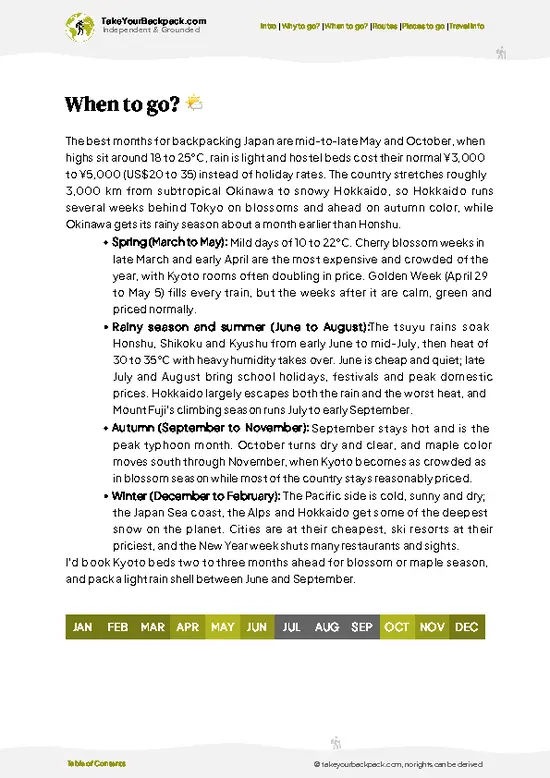
🌤️ When to go?When to go for the best experience


  • Weather: Spring (March to May) and autumn (September to November) offer mild, dry conditions—ideal for hiking and exploring without the oppressive summer humidity or winter chill.

  • Temperature: Spring averages 13-22°C (55-72°F), autumn 15-23°C (59-73°F), perfect for layering and comfortable days outdoors.

  • Daylight Hours: Around 11-13 hours in spring and autumn, giving you ample time to cover trails and cultural sites without rushing.

  • Crowds: Peak tourist influx hits during cherry blossom season (late March to early April) and autumn foliage (mid-November), so expect busier trails and higher prices.

  • Seasonal Activities: Cherry blossoms and autumn leaves are the showstoppers; summer brings festivals but also heat and humidity, while winter is quiet but cold.

  • Price Fluctuations: Accommodation
read more 👉

  • Weather: Spring (March to May) and autumn (September to November) offer mild, dry conditions—ideal for hiking and exploring without the oppressive summer humidity or winter chill.

  • Temperature: Spring averages 13-22°C (55-72°F), autumn 15-23°C (59-73°F), perfect for layering and comfortable days outdoors.

  • Daylight Hours: Around 11-13 hours in spring and autumn, giving you ample time to cover trails and cultural sites without rushing.

  • Crowds: Peak tourist influx hits during cherry blossom season (late March to early April) and autumn foliage (mid-November), so expect busier trails and higher prices.

  • Seasonal Activities: Cherry blossoms and autumn leaves are the showstoppers; summer brings festivals but also heat and humidity, while winter is quiet but cold.

  • Price Fluctuations: Accommodation and transport costs spike during peak cherry blossom and autumn foliage periods; off-peak spring and late autumn offer better deals.


Pro-tip: Aim for early April or late October to balance pleasant weather, manageable crowds, and wallet-friendly prices—your smartest move for a high-value Wakayama trip.


source: climatestotravel.comJANJanuary: fair for travelingFEBFebruary: fair for travelingMARMarch: highly recommended for travelingAPRApril: highly recommended for travelingMAYMay: excellent for travelingJUNJune: fair for travelingJULJuly: fair for travelingAUGAugust: fair for travelingSEPSeptember: highly recommended for travelingOCTOctober: excellent for travelingNOVNovember: highly recommended for travelingDECDecember: fair for traveling
when-to-go

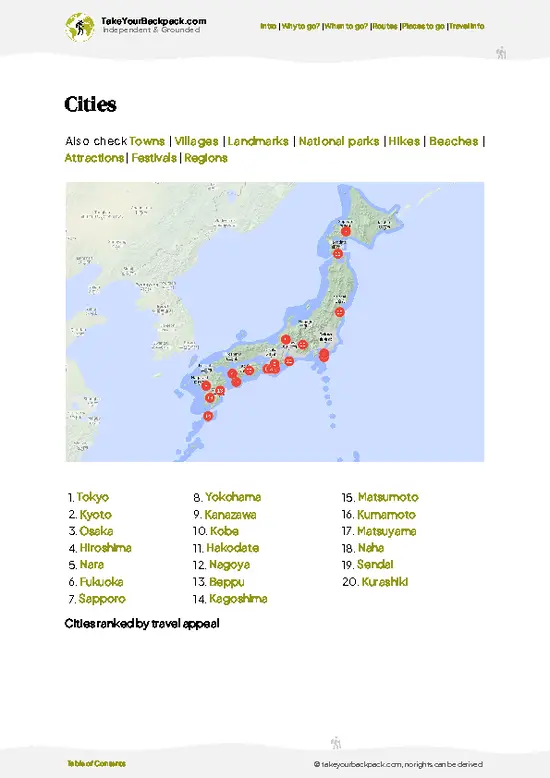
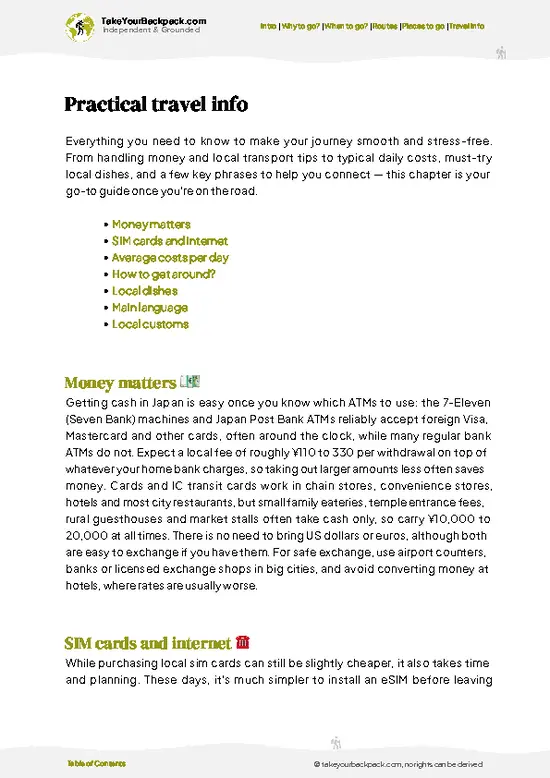
✈️ The backpacker research shortcutJapan Travel Guide

An offline-friendly backpacking guide with optimized travel routes, ranked highlights, transport advice, and the best areas to stay.
example page 0 from our offline Travel Guide for Japan
example page 1 from our offline Travel Guide for Japan
example page 2 from our offline Travel Guide for Japan
example page 3 from our offline Travel Guide for Japan
example page 4 from our offline Travel Guide for Japan
example page 5 from our offline Travel Guide for Japan
example page 6 from our offline Travel Guide for Japan
example page 7 from our offline Travel Guide for Japan
The digital guide (482 pages) contains:
140 highlights, ranked by travel appeal
Optimized 7, 14 & 21-day travel routes
Cities, national parks, landmarks, beaches
How to get around
Offline-friendly for travel without Wi-Fi
👉 Click to see all 30+ guide features

📅 Plan smarter in minutes, not weeks
Month by month travel advice
Festivals & national holidays
Budget expectations

🗺️ Go to the right places, skip the overrated ones
Honest pros & cons of destinations
Top hikes, parks & viewpoints
Lesser-known places most travelers miss
Clear “worth it vs skip it” guidance

🛏️ Travel smoothly without rookie mistakes
Best areas to stay
Transport systems explained simply
Common scams & safety advice
SIM cards, money & practical tips

🌍 Understand the country, not just visit it
Culture & traditions
52 Essential phrases & customs
Festivals worth planning around
Traveler-friendly historical context
Insights that make places more meaningful

📱 Built for real travel conditions
Fully downloadable PDF
Works completely offline
Optimized for phone use
Useful in remote areas & buses
Everything in one place
Save weeks of stressful planning
Get instant access to your full guide. 30‑day money-back guarantee.
+ Add another guide for just US$7.80

By proceeding you agree to our terms.
Sent to your inbox immediately after payment • 100% Secure Checkout
Best Backpacking Travel Advisor 2025 tourism awardBest Backpacking
Travel Advisor
2025
What others say about Take Your Backpack Guides:
⭐⭐⭐⭐⭐
Fantastic, amazing amount of information!
⭐⭐⭐⭐⭐
My goodness this is amazing, it's what I've been looking for hats off too you!
⭐⭐⭐⭐⭐
I think this is absolutely BRILLIANT
⭐⭐⭐⭐
Very complete and informative. It's still missing places, but I gotta to commend you
⭐⭐⭐⭐⭐
This is truly amazing, thank you, can't wait to explore it with my kids!
⭐⭐⭐⭐⭐
Awesome resource, thank you!
⭐⭐⭐⭐⭐
This is amazing! Can't wait to explore the ones I haven't seen
⭐⭐⭐⭐
I love this! Well done, great idea.
⭐⭐⭐⭐⭐
Thanks for taking the time to make this gem!
⭐⭐⭐⭐⭐
This might be the best website I've ever seen.
⭐⭐⭐⭐⭐
Congratulations, and thank you so much for your work; it's incredibly valuable.
⭐⭐⭐⭐
In all seriousness I think you did a great job pointing out the important spots
⭐⭐⭐⭐⭐
10/10 very good
⭐⭐⭐⭐⭐
As someone who's only just starting to visit regularly this is awesome, thank you.
⭐⭐⭐⭐
Thank you very much! I'm going to visit my dad, it's going to be very useful!
⭐⭐⭐⭐⭐
This is really cool! We'll be travelling for the first time and this definitely come in handy.
⭐⭐⭐⭐⭐
You are now our minister of culture, congratulations 👨‍💼
⭐⭐⭐⭐⭐
Just wanted to tell you that this is a pearl! Going to follow your recommendations.
⭐⭐⭐⭐⭐
This is so cool. I'll definitely be using the resource for my travels soon.
⭐⭐⭐⭐⭐
This is very impressive! Good work.
⭐⭐⭐⭐⭐
This is an amazing and informative site. Very well done!

🛏️ Where to stay?How to pick the right area

Wakayama’s backpacker sweet spot is the area around Wakayama Station. It’s the city’s transit hub, so you’re plugged into trains and buses without the hassle of long commutes. This neighborhood balances safety with a low-key, social vibe—think casual izakayas and small cafes where solo travelers naturally strike up conversations. Hostels here cater to budget-conscious visitors, offering clean, no-frills stays that keep your wallet intact while connecting you with like-minded explorers. Compared to the quieter, more residential zones, this spot buzzes just enough to feel alive without overwhelming. … read more 👉
Wakayama’s backpacker sweet spot is the area around Wakayama Station. It’s the city’s transit hub, so you’re plugged into trains and buses without the hassle of long commutes. This neighborhood balances safety with a low-key, social vibe—think casual izakayas and small cafes where solo travelers naturally strike up conversations. Hostels here cater to budget-conscious visitors, offering clean, no-frills stays that keep your wallet intact while connecting you with like-minded explorers. Compared to the quieter, more residential zones, this spot buzzes just enough to feel alive without overwhelming. It’s the practical choice that maximizes your time and social opportunities without sacrificing comfort or security.

🚌 Getting aroundMoving around without the hassle

Wakayama moves at its own pace—neither frantic nor sluggish. It’s a city where the rhythm is set by trains that run like clockwork, yet the streets invite you to slow down and absorb the quiet hum of daily life. Here, time is a currency you spend deliberately, balancing the efficiency of public transit with the freedom of wandering on foot. The flow is a blend of precision and ease, rewarding those who understand the trade-offs between speed, cost, and comfort.


  • JR Wakayama Line: Runs from early morning (around 5:30 AM) to just before midnight, with fares starting at about 150 yen. It’s reliable and fast enough to cover longer distances, but expect basic comfort—no frills, just steady service.

  • Nankai Electric Railway: Connects Wakayama to Kansai International Airport and Osaka, with trains
read more 👉
Wakayama moves at its own pace—neither frantic nor sluggish. It’s a city where the rhythm is set by trains that run like clockwork, yet the streets invite you to slow down and absorb the quiet hum of daily life. Here, time is a currency you spend deliberately, balancing the efficiency of public transit with the freedom of wandering on foot. The flow is a blend of precision and ease, rewarding those who understand the trade-offs between speed, cost, and comfort.


  • JR Wakayama Line: Runs from early morning (around 5:30 AM) to just before midnight, with fares starting at about 150 yen. It’s reliable and fast enough to cover longer distances, but expect basic comfort—no frills, just steady service.

  • Nankai Electric Railway: Connects Wakayama to Kansai International Airport and Osaka, with trains every 15-30 minutes. Tickets hover around 1,000 yen for airport trips. It’s pricier but saves hours, perfect if you value time over money.

  • City Buses: Cover most neighborhoods with fares around 210 yen. They’re slower and less predictable than trains but hit spots the rail doesn’t. Ideal for budget travelers who want to explore beyond the main hubs.

  • Walking: The city center is compact and walkable, making this the cheapest and most comfortable option for short trips. You control your pace, soak in local details, and avoid any schedule constraints.

👛 Costs (as of 4 September 2026)What things cost and how to budget

Backpacking in Wakayama, Japan, means balancing your wallet against your time and comfort, and knowing exactly where your money goes lets you play the system smart.
  • Dorm Accommodation (High Season and Off-Season): In peak travel months like spring cherry blossom season or autumn, dorm beds in guesthouses or hostels hover around $25-$35 per night. Off-season, expect to drop closer to $18-$25. These places are basic but clean, often with shared bathrooms and a chance to meet other travelers.
  • Meals: Budget meals, like convenience store bento boxes or small noodle shops, run about $6-$10 per meal. If you want to splurge on a local specialty like Wakayama ramen, count on $10-$15. Cooking your own food can cut costs but isn’t always practical in dorms.
  • Local Transport: Single bus rides within
read more 👉
Backpacking in Wakayama, Japan, means balancing your wallet against your time and comfort, and knowing exactly where your money goes lets you play the system smart.
  • Dorm Accommodation (High Season and Off-Season): In peak travel months like spring cherry blossom season or autumn, dorm beds in guesthouses or hostels hover around $25-$35 per night. Off-season, expect to drop closer to $18-$25. These places are basic but clean, often with shared bathrooms and a chance to meet other travelers.
  • Meals: Budget meals, like convenience store bento boxes or small noodle shops, run about $6-$10 per meal. If you want to splurge on a local specialty like Wakayama ramen, count on $10-$15. Cooking your own food can cut costs but isn’t always practical in dorms.
  • Local Transport: Single bus rides within Wakayama city typically cost $1.50-$2.50. Taxis are rare for backpackers due to cost, but short rides start around $7. Walking is often the best way to save time and money in the compact city center.
  • City Transport Pass: A one-day bus pass costs about $5-$6, which pays off if you plan multiple trips. It’s a solid investment if you want to cover more ground without the hassle of buying individual tickets.
  • Basic Activities/Entry Fees: Entry to cultural sites like Wakayama Castle or local museums ranges from $3 to $7. Some temples are free, but special exhibitions or gardens might charge $5-$10. Budget for at least one paid activity daily to soak in the local flavor.
  • Miscellaneous Expenses: Think snacks, bottled drinks, occasional laundry, or a coffee break—set aside $5-$10 daily. These small costs add up but are part of the rhythm of city life on the road.

Add it all up, and you’re looking at roughly $45 to $70 per day for a no-frills but comfortable backpacking experience in Wakayama. This range gives you flexibility: tighten the belt by skipping the city pass or splurge a bit on a memorable meal. Knowing these trade-offs means you control your trip’s pace and flavor, not the other way around.


source: wakayamakanko.com
⚠️ Prices can change and everyone travels differently, so take this as a rough guide. Hope it helps you plan your adventure!

🚌 Day tripsWhere to go beyond the main area

Wakayama is a fantastic launchpad for day trips that blend culture, nature, and adventure. Here’s how to make the most of your time.

Kumano Kodo
This ancient pilgrimage route offers a chance to walk in the footsteps of monks. You can tackle sections of the trail in a day, with the Nakahechi route being the most accessible. Expect about a 1.5-hour train ride, and budget around ¥2,000 for transport and snacks. Spring and autumn are ideal for mild weather and stunning foliage. A common mistake is underestimating the trail’s difficulty; wear sturdy shoes!
👉 Explore Kumano Kodo

Mount Koya
A spiritual hub, Mount Koya is home to over 100 temples. It’s about a 2-hour journey by train and cable car. You’ll spend around ¥3,000 for transport and a meal. Visit in early November for the breathtaking … read more 👉
Wakayama is a fantastic launchpad for day trips that blend culture, nature, and adventure. Here’s how to make the most of your time.

Kumano Kodo
This ancient pilgrimage route offers a chance to walk in the footsteps of monks. You can tackle sections of the trail in a day, with the Nakahechi route being the most accessible. Expect about a 1.5-hour train ride, and budget around ¥2,000 for transport and snacks. Spring and autumn are ideal for mild weather and stunning foliage. A common mistake is underestimating the trail’s difficulty; wear sturdy shoes!
👉 Explore Kumano Kodo

Mount Koya
A spiritual hub, Mount Koya is home to over 100 temples. It’s about a 2-hour journey by train and cable car. You’ll spend around ¥3,000 for transport and a meal. Visit in early November for the breathtaking autumn colors. Many first-timers miss the early morning rituals; don’t skip them!


Shirahama Beach
If you crave sun and sand, Shirahama Beach is your spot. Just a 1-hour train ride away, it’s perfect for a quick dip or lounging. Expect to spend about ¥1,500 for the train and snacks. Summer is peak season, but late spring offers fewer crowds. A rookie mistake? Forgetting sunscreen!


Nachi Falls
This stunning waterfall is a must-see, standing at 133 meters. It’s about a 2-hour trip, costing around ¥2,500 for transport. Visit in late spring for the best views. Many overlook the short hike to the viewing platform; don’t miss it!
Want to know what more Japan offers?
The Japan Travel Guide describes 140 highlights, from cities to national parks, from beaches to hikes

Get the Travel Guide -

🍲 FoodEating & Drinking in Wakayama

In Wakayama, the food scene is a delightful adventure. Dive into katsu curry, where crispy pork meets rich, savory sauce, or savor wakayama ramen, known for its unique, soy-based broth. Street vendors serve up takoyaki, those irresistible octopus balls, hot off the grill, filling the air with a mouthwatering aroma.

Markets buzz with energy, offering fresh seafood and local produce. Casual eateries invite you to sit at the counter, where you can watch chefs at work. Don’t miss the drinking culture; locals enjoy umeshu, a sweet plum wine, often shared in cozy bars. Remember, it’s polite to say “Itadakimasu” before eating—embrace the customs, and you’ll feel right at home.

🛡️ SafetyStaying Safe: What Travelers Should Know

Wakayama is generally safe, but awareness is key. Stick to well-lit areas at night, especially around the train station and quieter neighborhoods. Solo travelers should trust their instincts; if something feels off, it probably is.

While scams are rare, be cautious of overly friendly locals offering unsolicited help—sometimes it leads to a sales pitch. Everyday annoyances include language barriers; a translation app can smooth interactions. Carry yourself confidently, and you’ll navigate the city like a pro.

FAQFrequently asked questions about Wakayama

2 to 3 days are sufficient to explore Wakayama city and nearby attractions like Wakayama Castle and Kimiidera Temple. This allows time for a day trip to the scenic coastal area of Shirahama or the Kumano Kodo pilgrimage trails.
Yes, Wakayama is safe for solo backpackers. The city has low crime rates and a friendly local population, making it comfortable for solo travelers to navigate both urban and rural areas.
Wakayama is known for its historic sites such as Wakayama Castle, its natural hot springs in Shirahama, and the Kumano Kodo pilgrimage routes. It is also famous for fresh seafood and the production of umeboshi (pickled plums).
⚠️ Things can change over time, so always validate details locally before you go.

Other Japanese cities near Wakayama

Explore more nearby:

  • Kobe—harborfront, sake breweries, mountain cable cars| 51 km away
  • Tokushima—Awa Odori dance, river whirlpools, indigo dyeing| 59 km away
  • Osaka—street food arcades, neon nightlife, castle park| 60 km away

💡 Not sure where to go next?
Create a personalized itinerary for Japan including Wakayama and the places that fit your trip.

Generate my itinerary

👉 Discover all cities

Or checkout all Japan has to offer (think cities, towns, villages, national parks, hikes, beaches, festivals)
Country photo of Japan

We 💚 feedbackParting advice and final tips

Wakayama’s coastal beauty and rich history make it a must-visit. The temples and fresh seafood are worth every moment. Just know that public transport can be a bit sparse, so plan your routes carefully. It’s all part of the adventure!

✈️ When did I visit Japan?
As part of my 1.5 year travel around the world trip, I visited Japan in August 2015.

✍️ Help improve this page!
The information on this page is based on my own backpacking experience in Japan, supplemented with up-to-date research and feedback from other travelers. Travel details can change, so if you notice anything outdated or incomplete, feel free to let me know.


🙋‍♂️ Give feedback

👋 Meet the founderWho’s Behind Take Your Backpack?

Johan, backpacker and founder of TakeYourBackpackHi, I’m Johan (Netherlands 🇳🇱), the creator of TakeYourBackpack. Over the past decade, I’ve backpacked through 80+ countries across six continents, gaining extensive experience with independent travel, long-term trips, and overland routes.

This site is built on a combination of firsthand travel experience and carefully curated insights from other backpackers. Many guides are based on places I’ve personally visited, while others bring together tips, observations, and practical advice shared by trusted travelers I’ve met along the way.

The goal is to provide realistic, experience-driven guidance — not generic itineraries — so you can explore destinations with better context, clearer expectations, and more confidence.

Get full Japan guide •
Instant download • 140 highlights • Full Offline guide