v2.webp)
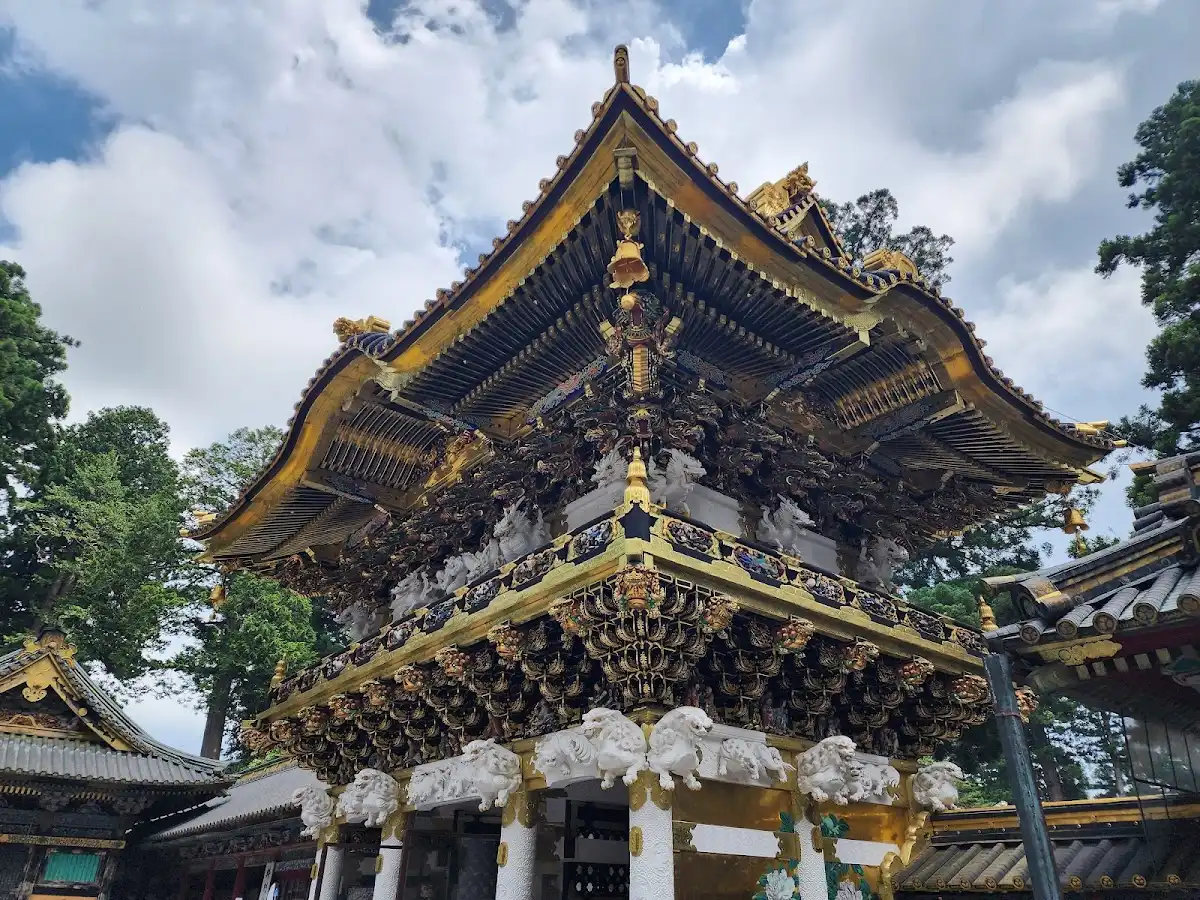
- Toshogu Shrine (especially the Yomeimon Gate) — The showpiece of Nikko: incredibly ornate Edo-period decoration, lacquer, and gold leaf everywhere. It’s loud with detail in the best way, celebrating Tokugawa power; the Yomeimon gate in particular is a feast for your eyes (personal favorite — I could stare at those carvings for ages).
- The Three Wise Monkeys carving — A tiny, famous panel tucked into Toshogu’s stable building that sums up a whole moral philosophy: “see no evil, hear no evil, speak no evil.” It’s a great example of compact storytelling in woodwork and a classic photo stop.
- Nemuri-neko (the Sleeping Cat) — A small, exquisitely carved cat that looks serene and oddly modern; traditionally attributed to a master carver. It’s subtly placed, so finding it feels like a little reward.
- Toshogu Shrine (especially the Yomeimon Gate) — The showpiece of Nikko: incredibly ornate Edo-period decoration, lacquer, and gold leaf everywhere. It’s loud with detail in the best way, celebrating Tokugawa power; the Yomeimon gate in particular is a feast for your eyes (personal favorite — I could stare at those carvings for ages).
- The Three Wise Monkeys carving — A tiny, famous panel tucked into Toshogu’s stable building that sums up a whole moral philosophy: “see no evil, hear no evil, speak no evil.” It’s a great example of compact storytelling in woodwork and a classic photo stop.
- Nemuri-neko (the Sleeping Cat) — A small, exquisitely carved cat that looks serene and oddly modern; traditionally attributed to a master carver. It’s subtly placed, so finding it feels like a little reward.
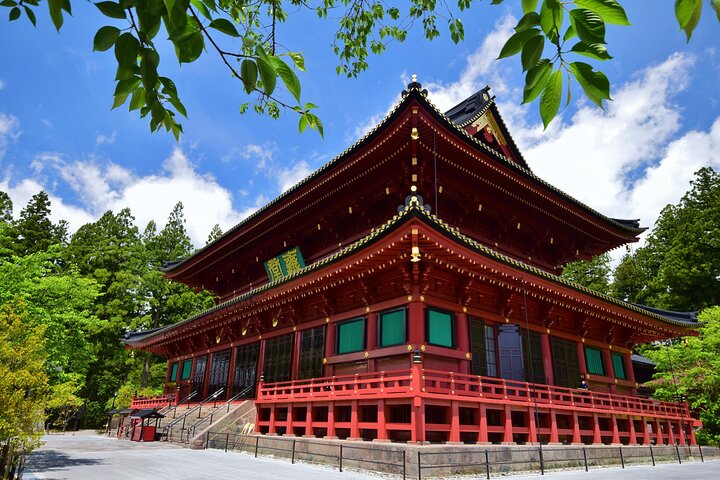
- Rinno-ji Temple and the Three Buddha Hall — The Buddhist counterpoint to Toshogu: more restrained, deeply spiritual, and home to large gilded Buddha figures. It shows the layered mix of Shinto and Buddhist traditions that make Nikko special.
- Futarasan Shrine — An older, quieter Shinto site that’s all about mountain worship and ritual simplicity. It feels less touristy than Toshogu and gives you a clearer sense of local religious practice.
- Shinkyō (the Sacred Bridge) — That photogenic red bridge over the Daiya River marks the entrance to Nikko’s spiritual precinct. Even if you don’t cross it, the view from the riverbank is postcard-perfect at any time of year.
- The Cedar Avenue and ancient trees — Walk among towering sugi (cryptomeria) that line approaches and temple grounds; the trunks create a cathedral-like, almost primeval atmosphere. It’s where the architecture meets the forest and why the site got UNESCO love.
Spotted a mistake or missing something? Contact us.

Nikko Customized Private Tour in 1 Day with Licensed Guide

Nikko Toshogu, Edo Wonderland, and more | Licensed Guide &Driver

Nikko World Heritage One Day Tour from Tokyo

Private Tea Ceremony & Kimono Experience in Nikko

Nikko Early Morning Tour Tokyo Departure Option Available

Tokyo Narita Airport (NRT) to Tokyo hotel or address - Arrival Private Transfer

Magnificent Nikko World Heritage and Breathtaking Scenic Beauty in one day

Nikko: Kegon Falls & Lake Chuzenji 3-Hour E-Bike Tour

Nikko Private Custom Tour with Local Guide


 Best Backpacking
.jpg) Hi, I’m Johan (Netherlands 🇳🇱), the creator of TakeYourBackpack. Over the past decade, I’ve backpacked through 80+ countries across six continents, gaining extensive experience with independent travel, long-term trips, and overland routes.
Hi, I’m Johan (Netherlands 🇳🇱), the creator of TakeYourBackpack. Over the past decade, I’ve backpacked through 80+ countries across six continents, gaining extensive experience with independent travel, long-term trips, and overland routes.