×
Tokyo

Japan🇯🇵 | citiesTokyourban sprawl, pop culture, historic districts | things to do and best time to go

Explore SapporoExplore Fukuoka

Backpacking in Tokyo
🏆 Top pickcity ranked #1
By Johan Kruseman 🇳🇱 | Updated September 4, 2026

Tokyo’s secret advantage is how forgiving it is for first-timers: you can land jet-lagged, speak zero Japanese, and still navigate trains, buy food, and find your hostel with almost absurd ease. It sprawls across eastern Honshu, facing Tokyo Bay, the brain of Japan’s rail network and the launchpad for side trips to Nikko, Hakone, and Yokohama. For backpackers, it’s a paradox: expensive beds and transport, but cheap, excellent food if you lean into konbini snacks, standing sushi bars, and lunch sets. The city feels hyper-organized yet playful—Shibuya’s chaos, Asakusa’s temples, Ueno’s museums and park, Shimokitazawa’s thrift stores and tiny bars. It’s very safe, trains run like clockwork, and hostel common rooms make meeting people easier than in many Japanese cities, though locals can be shy. Compared with Osaka or Fukuoka, Tokyo is denser, more intense, less laid-back—and absolutely worth the mental bandwidth.

Discover everything you want to know in the 📖 Japan Travel Guide.


Get your Japan guide
140 ranked highlights, routes & tips, works offline (482 pages)
Loading the map 🌍
CLICK TO FILTER
cities
towns
villages
landmarks
national parks
hikes
beaches
attractions
festivals
regions
SHOW COUNTRY’S BESTSHOW ALL

✨ Why go?
Ranked #1 city in Japan
Why Tokyo should be on your travel list

Tokyo is a backpacker’s paradise that balances time, money, and comfort in a way that feels almost effortless. First off, the sheer amount of highlights and activities is staggering. You can dive into the cultural richness of the city without breaking the bank, thanks to affordable hostels that offer a solid basecamp for your adventures.

The walkability of Tokyo is a game-changer. You can easily explore neighborhoods on foot, soaking in the atmosphere while saving on transport costs. Plus, the food scene is a treasure trove of budget-friendly options, from street vendors to cozy izakayas, ensuring you never have to sacrifice quality for price.

When the sun sets, the nightlife kicks into high gear, offering everything from quirky themed bars to vibrant clubs, all accessible without a hefty … read more 👉
Tokyo is a backpacker’s paradise that balances time, money, and comfort in a way that feels almost effortless. First off, the sheer amount of highlights and activities is staggering. You can dive into the cultural richness of the city without breaking the bank, thanks to affordable hostels that offer a solid basecamp for your adventures.

The walkability of Tokyo is a game-changer. You can easily explore neighborhoods on foot, soaking in the atmosphere while saving on transport costs. Plus, the food scene is a treasure trove of budget-friendly options, from street vendors to cozy izakayas, ensuring you never have to sacrifice quality for price.

When the sun sets, the nightlife kicks into high gear, offering everything from quirky themed bars to vibrant clubs, all accessible without a hefty cover charge. And if you’re itching for a change of scenery, Tokyo serves as a launchpad for day trips to nearby attractions, making it easy to balance urban exploration with nature escapes.

In short, Tokyo isn’t just a stop; it’s a strategic hub that enhances your backpacking journey, allowing you to maximize experiences while keeping your budget intact.
Want to include Tokyo in your Japan route?
Create a personalized Japan itinerary that includes Tokyo and the places that fit your trip — based on your travel style, budget, and available time. Get your route in seconds.

Generate my trip

💡 HighlightsKey sights and experiences for travelers

  1. Senso-ji (Asakusa) — Tokyo’s oldest temple with a dramatic gate, a lively Nakamise shopping street full of traditional snacks and souvenirs, and a real sense of old Edo rubbing shoulders with tourists. Great for early-morning visits before the crowds and for getting a feel of historic Tokyo without leaving the metro map.
  2. Meiji Jingu (Harajuku) — A vast Shinto shrine tucked behind a forested approach, offering calm, ritual observation (purification, ema boards) and occasional ceremonies. It’s a cultural reset from the neon and fashion on the other side of the station, and people-watching on Sunday is a show in itself.
  3. Shibuya Crossing & Hachiko Statue — The scramble crossing is less about the view and more about the organized chaos: step into it for the quintessential urban Tokyo snapshot,
read more 👉
  1. Senso-ji (Asakusa) — Tokyo’s oldest temple with a dramatic gate, a lively Nakamise shopping street full of traditional snacks and souvenirs, and a real sense of old Edo rubbing shoulders with tourists. Great for early-morning visits before the crowds and for getting a feel of historic Tokyo without leaving the metro map.
  2. Meiji Jingu (Harajuku) — A vast Shinto shrine tucked behind a forested approach, offering calm, ritual observation (purification, ema boards) and occasional ceremonies. It’s a cultural reset from the neon and fashion on the other side of the station, and people-watching on Sunday is a show in itself.
  3. Shibuya Crossing & Hachiko Statue — The scramble crossing is less about the view and more about the organized chaos: step into it for the quintessential urban Tokyo snapshot, then join locals near the Hachiko statue for a quick photo meet-up. Pop up to a café or the Shibuya Scramble Square observation deck for a bird’s-eye of the flow.
  4. Tokyo Skytree & Solamachi (Sumida) — Japan’s tallest tower for sweeping city views, plus Solamachi mall and riverside walks that make it easy to spend a few hours eating, shopping regional crafts, and watching the Sumida River traffic. Sunrise or sunset views are worth the ticket if cityscapes matter to you.
  5. Imperial Palace East Gardens — Quiet, beautifully kept gardens and ruins of Edo Castle right in the heart of the city; a good dose of history, seasonal flowers, and moat-side strolls without paying for a palace tour. It’s a surprisingly green, reflective place after the surrounding business district.
  6. Tsukiji Outer Market — The old fish market vibe lives on in the outer market: stalls, knife shops, tiny sushi counters and street food that reward early risers. You won’t see the inner wholesale auctions here anymore, but the food culture and chef gear scene are very much real and visitable.
  7. Yanaka Ginza & Yanaka Cemetery — One of Tokyo’s best-preserved “old town” neighborhoods: low-rise shops, slow streets, temples, and an atmospheric cemetery that shows a gentler, lived-in side of the city. It’s where you go to feel Tokyo’s continuity — not just its flash.
  8. Golden Gai (Shinjuku) — Tiny alleys packed with micro-bars and neon history; you can’t sit in every bar, but wandering and popping into a friendly spot for a drink is a compact, characterful night out. It’s a peek at postwar Tokyo nightlife that’s survived by staying small and unapologetic.
  9. teamLab Planets (Toyosu) — Immersive digital art that you actually walk through: mirrored rooms, water installations, and interactive lightscapes that force you to experience art physically, not just glance at it. Tickets sell out on weekends, but it’s a memorable contrast to Tokyo’s traditional sites.
  10. Ueno Park & Tokyo National Museum — Museums, temples, and wide parkland that hold Japan’s cultural treasures and a famous cherry-blossom scene; the Tokyo National Museum is the go-to for samurai armor, ceramics, and historical context. Good for a full-day cultural loop with food stalls and a relaxed museum crawl.
A few easy day trips from Tokyo: Kamakura (temples and coastal trails), Hakone (hot springs and views of Mt. Fuji), Nikko (shrines and mountain forests), and Mt. Takao (a quick, scenic hike). Personal favorite: Kamakura — compact, historic, and seaside, it’s perfect for a relaxed day outside the city.
Spotted a mistake or missing something? Contact us.

Things to do in Tokyo

Ratings based on Tripadvisor reviews. When you book through this link, you support our work at no extra cost to you.

🏘️ NeighborhoodsHow different areas shape the experience

Tokyo is a sprawling metropolis where each neighborhood offers a unique flavor, making it essential for backpackers to choose wisely. Here’s a breakdown of key areas to help you navigate the city’s vibrant landscape.

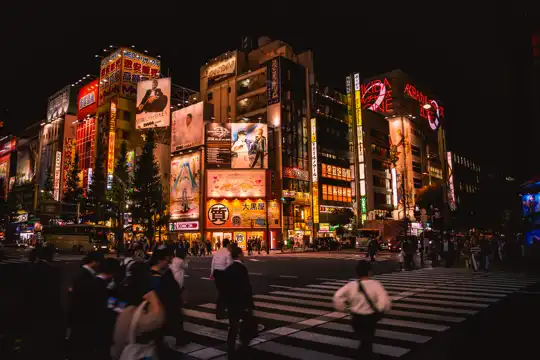
Shinjuku: This is the heartbeat of Tokyo. It’s alive with neon lights and bustling crowds. Expect a mix of budget hostels and upscale hotels. Walkability is high, but it can get overwhelming. Nightlife is vibrant, with bars and clubs open late. Great for both short and longer stays, especially if you want easy access to transport.

Shibuya: Known for the iconic crossing, Shibuya is youthful and energetic. It’s packed with shops and eateries, making it a fun place to explore on foot. Accommodations range from budget to mid-range. The nightlife is buzzing, but you can find quieter … read more 👉
Tokyo is a sprawling metropolis where each neighborhood offers a unique flavor, making it essential for backpackers to choose wisely. Here’s a breakdown of key areas to help you navigate the city’s vibrant landscape.

Shinjuku: This is the heartbeat of Tokyo. It’s alive with neon lights and bustling crowds. Expect a mix of budget hostels and upscale hotels. Walkability is high, but it can get overwhelming. Nightlife is vibrant, with bars and clubs open late. Great for both short and longer stays, especially if you want easy access to transport.

Shibuya: Known for the iconic crossing, Shibuya is youthful and energetic. It’s packed with shops and eateries, making it a fun place to explore on foot. Accommodations range from budget to mid-range. The nightlife is buzzing, but you can find quieter spots if you wander off the main streets. Ideal for short stays focused on shopping and socializing.

Asakusa: This area offers a glimpse into traditional Japan with its temples and markets. It’s quieter than Shinjuku and Shibuya, making it suitable for those seeking a more relaxed vibe. Walkability is excellent, and you’ll find affordable guesthouses. While nightlife is limited, the cultural experiences here are rich. Perfect for longer stays if you want to soak in history.

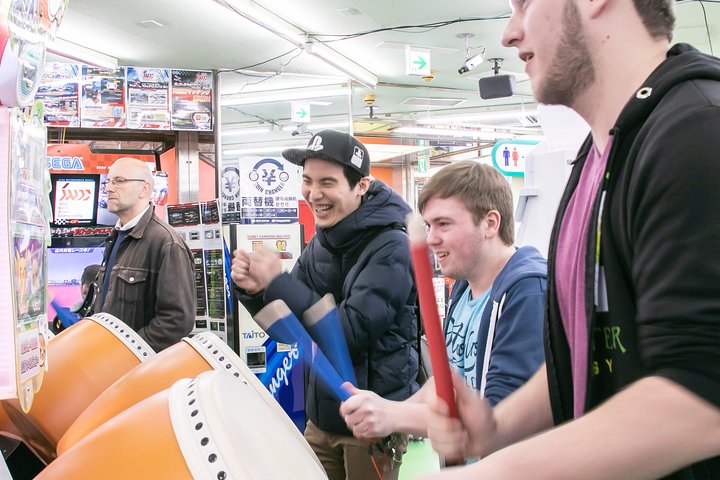
Akihabara: The mecca for tech and anime lovers. It’s quirky and fun, with plenty of themed cafes and shops. Accommodations are mostly budget-friendly. Walkability is high, and while nightlife is more subdued, the area is lively during the day. Great for short stays focused on pop culture.

Harajuku: A blend of fashion and youth culture, Harajuku is a must-visit for trendsetters. The area is walkable, with unique shops and cafes. Accommodations can be pricier, but the experience is worth it. Nightlife is low-key, making it suitable for those who prefer a quieter evening. Ideal for short stays to soak in the fashion scene.

⌛️ 1 day1-day itinerary for Tokyo

Tokyo is a city that dances between the ultra-modern and the deeply traditional. From neon-lit streets to serene temples, it’s a place where every corner reveals a new story. You can spend a day here and feel the pulse of its vibrant culture without feeling rushed.

Start your morning in the historic district of Asakusa. Grab a steaming bowl of ramen at a local spot, then stroll over to Senso-ji, Tokyo’s oldest temple. The atmosphere is electric, with vendors selling everything from traditional snacks to quirky souvenirs. Take your time here; the temple grounds are a feast for the senses.

As you wander, head towards Ueno Park, just a short walk away. This sprawling green space is home to museums and a zoo, but don’t miss the lesser-known Tokyo National Museum. It’s a treasure trove of Japanese … read more 👉
Tokyo is a city that dances between the ultra-modern and the deeply traditional. From neon-lit streets to serene temples, it’s a place where every corner reveals a new story. You can spend a day here and feel the pulse of its vibrant culture without feeling rushed.

Start your morning in the historic district of Asakusa. Grab a steaming bowl of ramen at a local spot, then stroll over to Senso-ji, Tokyo’s oldest temple. The atmosphere is electric, with vendors selling everything from traditional snacks to quirky souvenirs. Take your time here; the temple grounds are a feast for the senses.

As you wander, head towards Ueno Park, just a short walk away. This sprawling green space is home to museums and a zoo, but don’t miss the lesser-known Tokyo National Museum. It’s a treasure trove of Japanese art and history, often overlooked by tourists. Spend a couple of hours here, absorbing the rich narratives of the past.

In the afternoon, make your way to the trendy neighborhood of Harajuku. This is where you’ll find the famous Takeshita Street, bursting with unique shops and colorful fashion. Grab a crepe from one of the street vendors—trust me, it’s a must. Afterward, take a breather in Yoyogi Park, where you might catch a spontaneous dance performance or a group practicing tai chi.

As evening approaches, venture to Shibuya. The iconic Shibuya Crossing is a sight to behold, a chaotic ballet of humanity. Grab dinner at a local izakaya, where you can sample various small dishes and enjoy the lively atmosphere. If you’re feeling adventurous, seek out a hidden bar in the back alleys—these spots often have a character that’s hard to find in more touristy areas.

Tokyo is a city of contrasts, and spending a day here is like flipping through a captivating book. Each chapter offers something new, and you’ll leave with a deeper appreciation for its unique rhythm.
Turn your Tokyo visit into an Japan adventure
Build a complete Japan route with Tokyo, hidden gems, must-see destinations, and realistic travel times included.

Generate my trip

🌤️ When to go?Seasonal considerations and timing


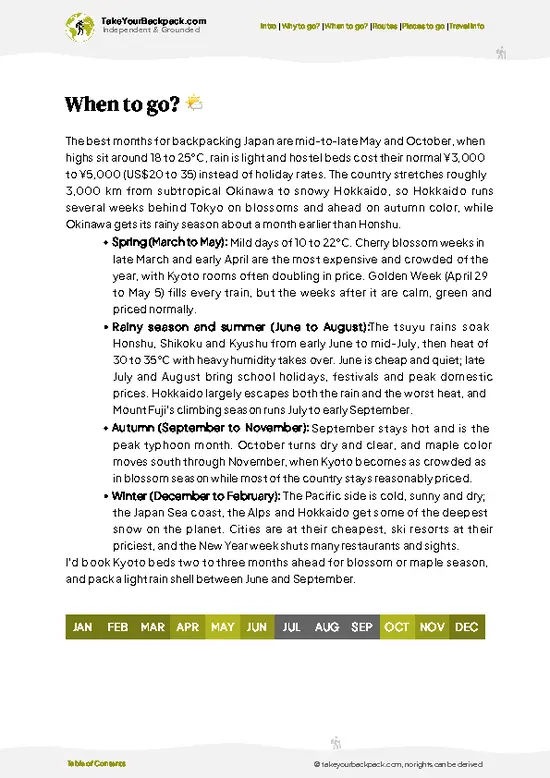
  • Weather: Tokyo’s climate swings between humid summers and chilly winters. Summers (June-August) hit 25-35°C (77-95°F) with sticky humidity, while winters (December-February) drop to 1-10°C (34-50°F), often dry and crisp. Spring and autumn offer mild, comfortable temps perfect for walking all day.

  • Temperature: Spring (March-May) averages 13-22°C (55-72°F), and autumn (September-November) sits around 15-23°C (59-73°F). These are your sweet spots for avoiding sweat and shivers, making long urban hikes enjoyable.

  • Daylight Hours: In spring and autumn, Tokyo enjoys roughly 12-14 hours of daylight, giving you plenty of time to explore without rushing. Winter cuts daylight to about 9-10 hours, limiting late-afternoon adventures.

  • Crowds: Cherry blossom season (late March to early April) and
read more 👉

  • Weather: Tokyo’s climate swings between humid summers and chilly winters. Summers (June-August) hit 25-35°C (77-95°F) with sticky humidity, while winters (December-February) drop to 1-10°C (34-50°F), often dry and crisp. Spring and autumn offer mild, comfortable temps perfect for walking all day.

  • Temperature: Spring (March-May) averages 13-22°C (55-72°F), and autumn (September-November) sits around 15-23°C (59-73°F). These are your sweet spots for avoiding sweat and shivers, making long urban hikes enjoyable.

  • Daylight Hours: In spring and autumn, Tokyo enjoys roughly 12-14 hours of daylight, giving you plenty of time to explore without rushing. Winter cuts daylight to about 9-10 hours, limiting late-afternoon adventures.

  • Crowds: Cherry blossom season (late March to early April) and autumn foliage (November) pack the city with tourists. If you want fewer people, aim for early spring or late autumn, just outside peak bloom and leaf-peeping windows.

  • Seasonal Activities: Spring brings hanami (flower viewing) parties and festivals, while autumn offers vibrant leaf festivals and food fairs. Summer has fireworks and outdoor events but brace for heat. Winter’s quieter with illuminations and New Year celebrations.

  • Price Fluctuations: Cherry blossom and autumn foliage seasons spike accommodation and flight costs. Summer holidays also push prices up. Late winter and early spring (January-February) often have the best deals, balancing cool weather with lower demand.


Pro-tip: Target late March or mid-November for a smart balance of weather, daylight, and manageable crowds—Tokyo’s rhythm feels just right, and your wallet thanks you.


source: climatestotravel.comJANJanuary: good for travelingFEBFebruary: good for travelingMARMarch: highly recommended for travelingAPRApril: highly recommended for travelingMAYMay: highly recommended for travelingJUNJune: fair for travelingJULJuly: fair for travelingAUGAugust: fair for travelingSEPSeptember: good for travelingOCTOctober: highly recommended for travelingNOVNovember: highly recommended for travelingDECDecember: good for traveling
Japan - Tokyo

✈️ The backpacker research shortcutJapan Travel Guide

An offline-friendly backpacking guide with optimized travel routes, ranked highlights, transport advice, and the best areas to stay.
example page 0 from our offline Travel Guide for Japan
example page 1 from our offline Travel Guide for Japan
example page 2 from our offline Travel Guide for Japan
example page 3 from our offline Travel Guide for Japan
example page 4 from our offline Travel Guide for Japan
example page 5 from our offline Travel Guide for Japan
example page 6 from our offline Travel Guide for Japan
example page 7 from our offline Travel Guide for Japan
The digital guide (482 pages) contains:
140 highlights, ranked by travel appeal
Optimized 7, 14 & 21-day travel routes
Cities, national parks, landmarks, beaches
How to get around
Offline-friendly for travel without Wi-Fi
👉 Click to see all 30+ guide features

📅 Plan smarter in minutes, not weeks
Month by month travel advice
Festivals & national holidays
Budget expectations

🗺️ Go to the right places, skip the overrated ones
Honest pros & cons of destinations
Top hikes, parks & viewpoints
Lesser-known places most travelers miss
Clear “worth it vs skip it” guidance

🛏️ Travel smoothly without rookie mistakes
Best areas to stay
Transport systems explained simply
Common scams & safety advice
SIM cards, money & practical tips

🌍 Understand the country, not just visit it
Culture & traditions
52 Essential phrases & customs
Festivals worth planning around
Traveler-friendly historical context
Insights that make places more meaningful

📱 Built for real travel conditions
Fully downloadable PDF
Works completely offline
Optimized for phone use
Useful in remote areas & buses
Everything in one place
Save weeks of stressful planning
Get instant access to your full guide. 30‑day money-back guarantee.
+ Add another guide for just US$7.80

By proceeding you agree to our terms.
Sent to your inbox immediately after payment • 100% Secure Checkout
Best Backpacking Travel Advisor 2025 tourism awardBest Backpacking
Travel Advisor
2025
What others say about Take Your Backpack Guides:
⭐⭐⭐⭐⭐
Fantastic, amazing amount of information!
⭐⭐⭐⭐⭐
My goodness this is amazing, it's what I've been looking for hats off too you!
⭐⭐⭐⭐⭐
I think this is absolutely BRILLIANT
⭐⭐⭐⭐
Very complete and informative. It's still missing places, but I gotta to commend you
⭐⭐⭐⭐⭐
This is truly amazing, thank you, can't wait to explore it with my kids!
⭐⭐⭐⭐⭐
Awesome resource, thank you!
⭐⭐⭐⭐⭐
This is amazing! Can't wait to explore the ones I haven't seen
⭐⭐⭐⭐
I love this! Well done, great idea.
⭐⭐⭐⭐⭐
Thanks for taking the time to make this gem!
⭐⭐⭐⭐⭐
This might be the best website I've ever seen.
⭐⭐⭐⭐⭐
Congratulations, and thank you so much for your work; it's incredibly valuable.
⭐⭐⭐⭐
In all seriousness I think you did a great job pointing out the important spots
⭐⭐⭐⭐⭐
10/10 very good
⭐⭐⭐⭐⭐
As someone who's only just starting to visit regularly this is awesome, thank you.
⭐⭐⭐⭐
Thank you very much! I'm going to visit my dad, it's going to be very useful!
⭐⭐⭐⭐⭐
This is really cool! We'll be travelling for the first time and this definitely come in handy.
⭐⭐⭐⭐⭐
You are now our minister of culture, congratulations 👨‍💼
⭐⭐⭐⭐⭐
Just wanted to tell you that this is a pearl! Going to follow your recommendations.
⭐⭐⭐⭐⭐
This is so cool. I'll definitely be using the resource for my travels soon.
⭐⭐⭐⭐⭐
This is very impressive! Good work.
⭐⭐⭐⭐⭐
This is an amazing and informative site. Very well done!

🛏️ Where to stay?Best areas and accommodation options

Tokyo’s sprawling urban maze offers distinct neighborhoods where backpackers can optimize their stay by balancing safety, social buzz, and budget. The key is to pick areas that keep you plugged into the city’s pulse without draining your wallet or forcing you into isolation.

Start with Asakusa. It’s a classic choice for budget travelers because it’s safe, packed with affordable hostels, and still rich in culture. The vibe here is a mix of old Tokyo charm and steady tourist flow, which means you’ll find plenty of fellow backpackers to swap stories with. It’s not the flashiest part of town, but … read more 👉
Tokyo’s sprawling urban maze offers distinct neighborhoods where backpackers can optimize their stay by balancing safety, social buzz, and budget. The key is to pick areas that keep you plugged into the city’s pulse without draining your wallet or forcing you into isolation.

Start with Asakusa. It’s a classic choice for budget travelers because it’s safe, packed with affordable hostels, and still rich in culture. The vibe here is a mix of old Tokyo charm and steady tourist flow, which means you’ll find plenty of fellow backpackers to swap stories with. It’s not the flashiest part of town, but it’s reliable and easy to navigate, with direct subway links to major hubs.

Then there’s Shimokitazawa, a bit off the beaten path but perfect if you want a social scene that’s less touristy and more local. This neighborhood is known for its indie cafes, thrift shops, and a youthful crowd. Hostels here tend to be smaller and more intimate, which naturally fosters connections. It’s a trade-off: you sacrifice some centrality for a cooler, more authentic vibe and a chance to meet locals and creative types.

Finally, Ueno is a solid middle ground. It’s safe, has a cluster of budget accommodations, and offers easy access to parks, museums, and the famous Ameyoko market. The area buzzes with energy but isn’t overwhelming, making it a smart base for solo travelers who want convenience without the chaos of Shinjuku or Shibuya.

Each neighborhood offers a different balance of time, money, and comfort. Asakusa leans toward affordability and ease, Shimokitazawa prioritizes social depth and character, and Ueno strikes a practical balance. Your choice shapes not just where you sleep, but how you experience Tokyo’s sprawling, layered personality.

🚌 Getting aroundHow to get around Tokyo

Tokyo moves with a pulse that’s both relentless and precise. It’s a city where the clock rules, but the rhythm feels organic—like a giant machine humming with human energy. Trains arrive and depart with military precision, yet the streets teem with spontaneous bursts of life. Here, time is a currency, and every minute saved or spent shapes your experience. The trade-offs between speed, cost, and comfort aren’t just logistical—they’re the secret code to unlocking Tokyo’s layers. Mastering this code means you’re not just surviving the city’s flow; you’re dancing with it.


  • JR Yamanote Line: The backbone loop of Tokyo’s transit, running from 4:30 AM to 1:00 AM. It’s fast and frequent—trains every 2-4 minutes during rush hour—and covers major hubs like Shibuya, Shinjuku, and Tokyo Station. At
read more 👉
Tokyo moves with a pulse that’s both relentless and precise. It’s a city where the clock rules, but the rhythm feels organic—like a giant machine humming with human energy. Trains arrive and depart with military precision, yet the streets teem with spontaneous bursts of life. Here, time is a currency, and every minute saved or spent shapes your experience. The trade-offs between speed, cost, and comfort aren’t just logistical—they’re the secret code to unlocking Tokyo’s layers. Mastering this code means you’re not just surviving the city’s flow; you’re dancing with it.


  • JR Yamanote Line: The backbone loop of Tokyo’s transit, running from 4:30 AM to 1:00 AM. It’s fast and frequent—trains every 2-4 minutes during rush hour—and covers major hubs like Shibuya, Shinjuku, and Tokyo Station. At around 150-200 yen per ride, it’s a budget-friendly way to zip across the city with decent comfort and no fuss.


  • Tokyo Metro: The underground spiderweb that reaches deeper into neighborhoods the Yamanote misses. Operating roughly from 5:00 AM to midnight, fares start at 170 yen and scale with distance. It’s a bit more cramped during peak times but unbeatable for speed and coverage, especially if you’re hopping between districts like Ginza, Asakusa, or Akihabara.


  • Toei Bus: The slowest but often overlooked option. Buses run from about 5:00 AM to 11:30 PM, with a flat fare of 210 yen. They’re perfect for short hops or when you want to see the city from street level. Comfort varies, but the trade-off is a scenic, less hectic ride that can save you walking time in tricky spots.


  • Walking: Tokyo’s urban fabric rewards those who put on their boots. Many neighborhoods are compact and packed with surprises just a few blocks apart. Walking costs zero yen, offers unmatched freedom, and lets you absorb the city’s texture at your own pace. The trade-off? Time and energy, but the payoff is authentic discovery.


  • Night Buses: For the budget traveler looking to save on accommodation and maximize daytime exploration, night buses run between major cities and within Tokyo from around 10:00 PM to 6:00 AM. Prices vary but can be as low as 3,000 yen for long-distance routes. They’re less comfortable than trains but offer a clever way to stretch your budget and clock more miles.

👛 Costs (as of 4 September 2026)Typical daily expenses

Backpacking Tokyo means juggling a high-cost urban environment with smart choices that stretch your budget without killing your experience. Here’s the real deal on what you’ll spend daily, broken down so you can see exactly where your money goes—and where you might want to lean in or pull back.
  • Dorm Accommodation (High Season and Off-Season): In peak months like spring and autumn, expect dorm beds in hostels to run between $30 and $50 per night. Off-season, especially winter, prices dip to around $20 to $35. Tokyo’s hostels are clean and efficient, but the price reflects the city’s overall cost level.
  • Meals: Budget meals at convenience stores or street vendors hover around $5 to $8. A modest sit-down meal at a casual ramen or curry shop will set you back $8 to $12. If you want to splurge
read more 👉
Backpacking Tokyo means juggling a high-cost urban environment with smart choices that stretch your budget without killing your experience. Here’s the real deal on what you’ll spend daily, broken down so you can see exactly where your money goes—and where you might want to lean in or pull back.
  • Dorm Accommodation (High Season and Off-Season): In peak months like spring and autumn, expect dorm beds in hostels to run between $30 and $50 per night. Off-season, especially winter, prices dip to around $20 to $35. Tokyo’s hostels are clean and efficient, but the price reflects the city’s overall cost level.
  • Meals: Budget meals at convenience stores or street vendors hover around $5 to $8. A modest sit-down meal at a casual ramen or curry shop will set you back $8 to $12. If you want to splurge on sushi or izakaya-style dining, prepare for $20 or more per meal, but that’s not typical backpacker fare.
  • Local Transport: Single subway or bus rides cost about $1.50 to $2.50 depending on distance. Most travelers will take multiple rides daily, so these add up quickly if you pay per trip.
  • City Transport Pass: A 24-hour metro pass costs roughly $6 to $7, which is a solid investment if you plan to move around a lot. It simplifies travel and can save you money compared to buying individual tickets.
  • Basic Activities/Entry Fees: Many shrines and parks are free, but museums and attractions typically charge $5 to $15. Budget about $10 daily if you want to hit a few spots without going overboard.
  • Miscellaneous Expenses: This covers things like bottled water, snacks, laundry, or a coffee break. Around $5 to $10 daily is a realistic buffer to keep you comfortable without surprises.

All told, a savvy backpacker in Tokyo can expect to spend between $50 and $85 a day. This range balances the city’s high baseline costs with practical choices that keep you moving and fueled. Tokyo’s efficiency means you don’t have to waste time or money on long transfers, but the price tags reflect its status as a global metropolis. Knowing where to invest—like a metro pass or a good meal—turns the city’s expense into a strategic game rather than a budget breaker.


source: gotokyo.org
⚠️ Prices can change and everyone travels differently, so take this as a rough guide. Hope it helps you plan your adventure!

🚌 Day tripsExploring the surroundings

Tokyo is a fantastic launchpad for day trips that offer a taste of Japan’s diverse culture, nature, and history. Here are some standout options that make the most of your time and budget.

Nikko
Just two hours north of Tokyo, Nikko is a UNESCO World Heritage site that feels worlds away. The ornate Toshogu Shrine, surrounded by towering cedar trees, is a must-see. The area also boasts stunning waterfalls and hiking trails. A round-trip train ticket costs around ¥4,000, and you can easily spend a full day exploring. Aim for spring or fall when the scenery is particularly breathtaking. First-timers often underestimate the time needed to explore the shrines and nature, so plan for a full day.
👉 Explore Nikko

Kamakura
A mere hour south, Kamakura is a beach town with a rich history. The Great … read more 👉
Tokyo is a fantastic launchpad for day trips that offer a taste of Japan’s diverse culture, nature, and history. Here are some standout options that make the most of your time and budget.

Nikko
Just two hours north of Tokyo, Nikko is a UNESCO World Heritage site that feels worlds away. The ornate Toshogu Shrine, surrounded by towering cedar trees, is a must-see. The area also boasts stunning waterfalls and hiking trails. A round-trip train ticket costs around ¥4,000, and you can easily spend a full day exploring. Aim for spring or fall when the scenery is particularly breathtaking. First-timers often underestimate the time needed to explore the shrines and nature, so plan for a full day.
👉 Explore Nikko

Kamakura
A mere hour south, Kamakura is a beach town with a rich history. The Great Buddha is iconic, but don’t miss the hiking trails that connect various temples. You can grab a delicious lunch at local eateries without breaking the bank—think around ¥1,500 for a meal. Spring is ideal for cherry blossoms, while fall offers vibrant foliage. Many visitors rush through, but take your time to wander the quaint streets and soak in the atmosphere.


Hakone
About 90 minutes from Tokyo, Hakone is famous for its hot springs and views of Mount Fuji. You can ride the Hakone Ropeway for stunning panoramas, then relax in an onsen. Expect to spend around ¥5,000 for transportation and entry fees. The best time to visit is during the cooler months when the air is crisp and the views are clear. A common mistake is to skip the scenic boat ride on Lake Ashi—don’t miss it!
👉 Explore Hakone

Yokohama
Just half an hour from Tokyo, Yokohama offers a vibrant waterfront and the largest Chinatown in Japan. The Cup Noodles Museum is quirky and fun, and you can enjoy a meal for about ¥1,000. Visit in the evening to see the skyline lit up. Many travelers overlook this city, thinking it’s just a stopover, but it’s worth dedicating a few hours to explore.
👉 Explore Yokohama

Mount Takao
Only an hour away, Mount Takao is perfect for a day of hiking. The trails vary in difficulty, and the views from the top are rewarding. You can get there for around ¥1,000 round-trip. Spring and autumn are the best seasons for hiking, with blooming flowers and colorful leaves. First-timers often miss the chance to explore the temples along the way—make sure to take a detour!
Want to know what more Japan offers?
The Japan Travel Guide describes 140 highlights, from cities to national parks, from beaches to hikes

Get the Travel Guide -

🍲 FoodLocal Flavors for Backpackers

Tokyo’s food scene is a playground for the senses, bursting with flavors that tell stories. Sushi is a must, but don’t just settle for the conveyor belt variety. Seek out the small, family-run shops where the fish is sliced right in front of you, and the rice is seasoned to perfection. Ramen is another staple; slurp it down at a bustling noodle shop, where the broth is rich and the noodles are springy.

Street food is where the city truly shines. Stroll through markets and grab some takoyaki—crispy on the outside, gooey on the inside, filled with tender octopus. Or try yakitori from a vendor, skewered chicken grilled over charcoal, smoky and savory.

When it comes to drinks, izakayas are the place to be. These casual pubs serve everything from sake to shochu, and the atmosphere is lively, … read more 👉
Tokyo’s food scene is a playground for the senses, bursting with flavors that tell stories. Sushi is a must, but don’t just settle for the conveyor belt variety. Seek out the small, family-run shops where the fish is sliced right in front of you, and the rice is seasoned to perfection. Ramen is another staple; slurp it down at a bustling noodle shop, where the broth is rich and the noodles are springy.

Street food is where the city truly shines. Stroll through markets and grab some takoyaki—crispy on the outside, gooey on the inside, filled with tender octopus. Or try yakitori from a vendor, skewered chicken grilled over charcoal, smoky and savory.

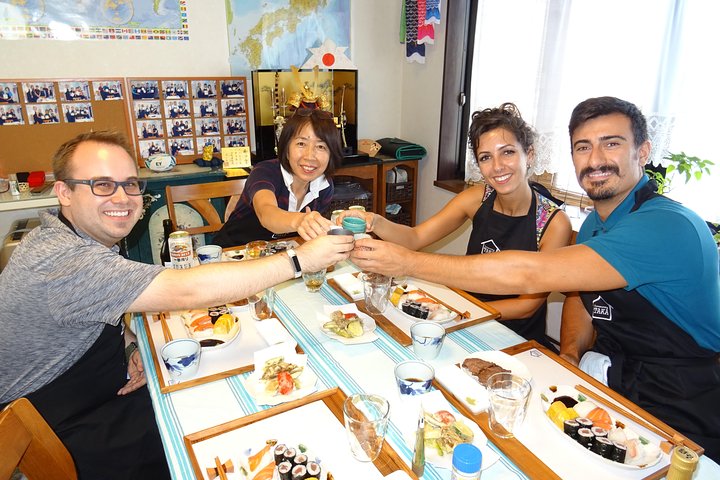
When it comes to drinks, izakayas are the place to be. These casual pubs serve everything from sake to shochu, and the atmosphere is lively, often filled with laughter and clinking glasses. Don’t forget to partake in the local custom of kanpai—a toast before you sip.

Eating in Tokyo is as much about the experience as it is about the food. Embrace the hustle, the flavors, and the communal vibe, and you’ll find yourself savoring every moment.

🛡️ SafetyTraveler Safety Guide

Tokyo is one of the safest cities in the world, but a little awareness goes a long way. While violent crime is rare, petty theft can happen, especially in crowded areas like Shibuya and Shinjuku. Keep your belongings close, especially in busy train stations.

Solo travelers should feel comfortable exploring, even at night. Stick to well-lit streets and avoid empty alleys. The city is generally safe, but trust your instincts. If something feels off, it probably is.

Scams are few, but watch for overly friendly strangers offering help or trying to guide you to a bar. They might expect a hefty tip or lead you to overpriced venues. If someone approaches you, a polite but firm “no thanks” usually suffices.

Annoyances? Just the occasional language barrier. Download a translation app to ease communication. … read more 👉
Tokyo is one of the safest cities in the world, but a little awareness goes a long way. While violent crime is rare, petty theft can happen, especially in crowded areas like Shibuya and Shinjuku. Keep your belongings close, especially in busy train stations.

Solo travelers should feel comfortable exploring, even at night. Stick to well-lit streets and avoid empty alleys. The city is generally safe, but trust your instincts. If something feels off, it probably is.

Scams are few, but watch for overly friendly strangers offering help or trying to guide you to a bar. They might expect a hefty tip or lead you to overpriced venues. If someone approaches you, a polite but firm “no thanks” usually suffices.

Annoyances? Just the occasional language barrier. Download a translation app to ease communication. Embrace the quirks of Tokyo, and you’ll find the experience rewarding. Stay aware, and you’ll navigate the city like a pro.

FAQTraveler FAQ

4 to 5 days are ideal to explore Tokyo's main attractions, including Shibuya, Asakusa, and Akihabara. This allows time for museums, shopping, and a day trip to nearby areas like Nikko or Mount Takao.
Yes, Tokyo is very safe for solo backpackers with low crime rates and a strong police presence. Public transportation runs reliably late into the night, and English signage is common in tourist areas.
Tokyo is known for its blend of ultra-modern and traditional culture, including skyscrapers, historic temples, and vibrant pop culture. It is famous for its cuisine, especially sushi and ramen, and landmarks like the Tokyo Tower and Shinjuku district.
⚠️ Things can change over time, so always validate details locally before you go.

Other Japanese cities near Tokyo

Explore more nearby:

  • Yokohama—harbor skyline, Chinatown, modern museums| 26 km away
  • Numazu—harborfront, seafood markets, Mt. Fuji glimpses| 96 km away
  • Kofu—vineyards, mountain views, Takeda shrine| 98 km away

💡 Not sure where to go next?
Create a personalized itinerary for Japan including Tokyo and the places that fit your trip.

Generate my itinerary

👉 Discover all cities

Or checkout all Japan has to offer (think cities, towns, villages, national parks, hikes, beaches, festivals)
Country photo of Japan

We 💚 feedbackKey takeaways before you go

Tokyo is a whirlwind of culture, where ancient temples sit beside neon skyscrapers. One reason to visit? The food scene is a culinary adventure—think sushi that melts in your mouth and street snacks that’ll make you rethink your diet. But here’s the catch: it can be overwhelming. The crowds and pace might drain you if you’re not prepared. Embrace the chaos, and you’ll find magic in every corner. Just pace yourself!

✈️ When did I visit Japan?
As part of my 1.5 year travel around the world trip, I visited Japan in August 2015.

✍️ Help improve this page!
The information on this page is based on my own backpacking experience in Japan, supplemented with up-to-date research and feedback from other travelers. Travel details can change, so if you notice anything outdated or incomplete, feel free to let me know.


🙋‍♂️ Give feedback

👋 Meet the founderWho’s Behind Take Your Backpack?

Johan, backpacker and founder of TakeYourBackpackHi, I’m Johan (Netherlands 🇳🇱), the creator of TakeYourBackpack. Over the past decade, I’ve backpacked through 80+ countries across six continents, gaining extensive experience with independent travel, long-term trips, and overland routes.

This site is built on a combination of firsthand travel experience and carefully curated insights from other backpackers. Many guides are based on places I’ve personally visited, while others bring together tips, observations, and practical advice shared by trusted travelers I’ve met along the way.

The goal is to provide realistic, experience-driven guidance — not generic itineraries — so you can explore destinations with better context, clearer expectations, and more confidence.

Get full Japan guide •
Instant download • 140 highlights • Full Offline guide