×

Japan🇯🇵 | citiesKobeharborfront, sake breweries, mountain cable cars | things to do and best time to go

Explore YokohamaExplore Ise

Backpacking in Kobe
🌟 Highlightcity ranked #10
By Johan Kruseman 🇳🇱 | Updated September 23, 2026

Everyone talks about Kobe beef, but if that’s your only reason to come, you’re overpaying for a story you could eat in Tokyo. What matters more here is the city’s scale and mood: compact, coastal, and quietly confident. Kobe sits between Osaka and Himeji on Honshu, basically the relaxed middle child of Kansai. For backpackers, it’s easy: walkable center, cheap local trains, and a port-side nightlife zone (Sannomiya-Motomachi) that feels social without being rowdy. You get Western-style historic streets in Kitano, a solid earthquake museum, and quick escapes to Mount Rokko and Arima Onsen. It’s safe, slightly pricier than Osaka day-to-day, and less intense; I treat Kobe as a base for slow days between bigger city assaults.

Discover everything you want to know in the 📖 Japan Travel Guide.


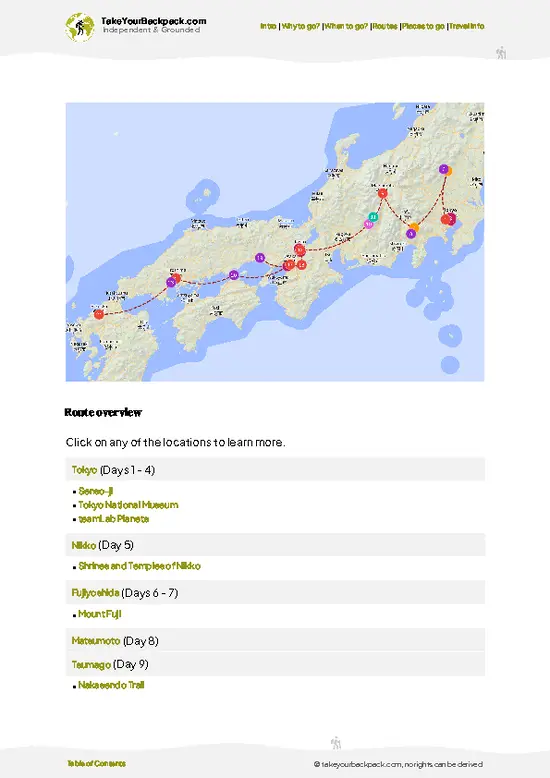
example page 0 from our offline Travel Guide for Japan
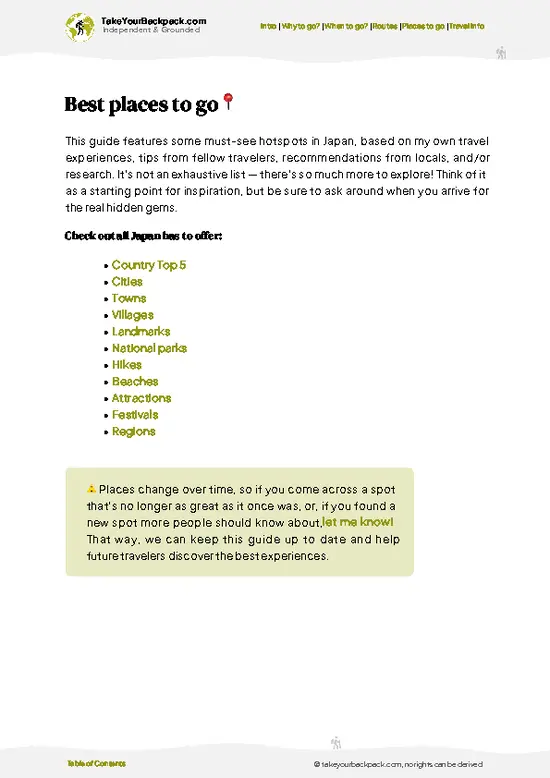
example page 1 from our offline Travel Guide for Japan
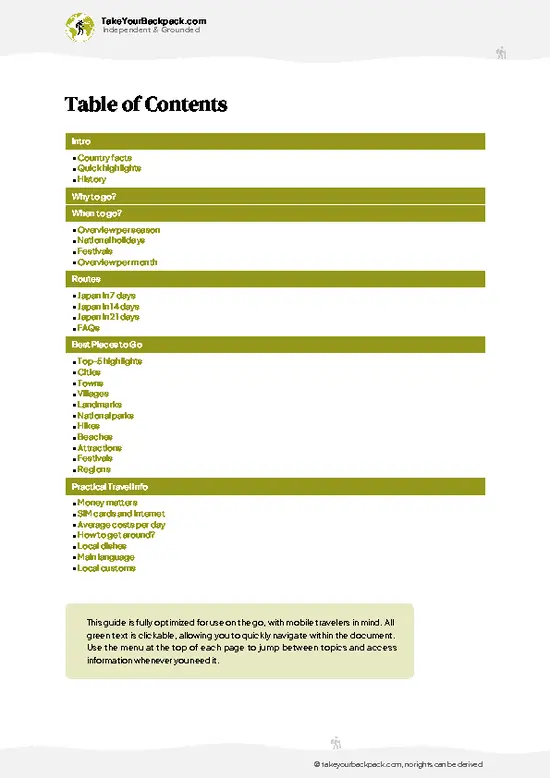
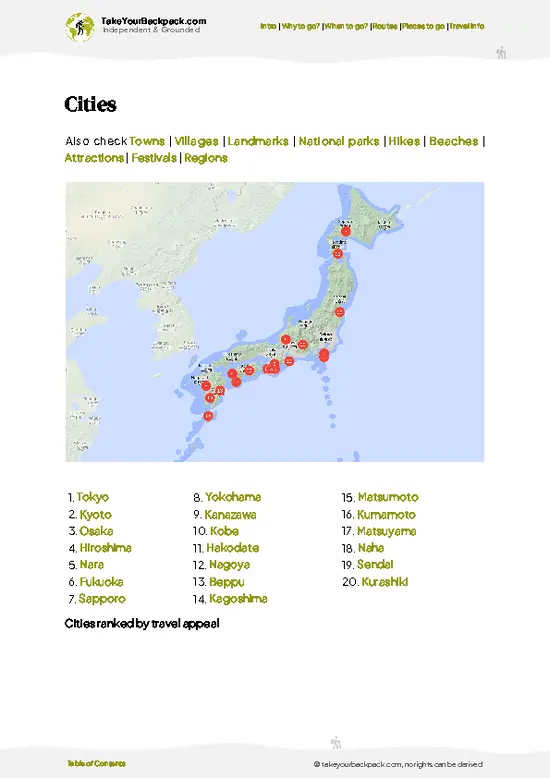
example page 2 from our offline Travel Guide for Japan
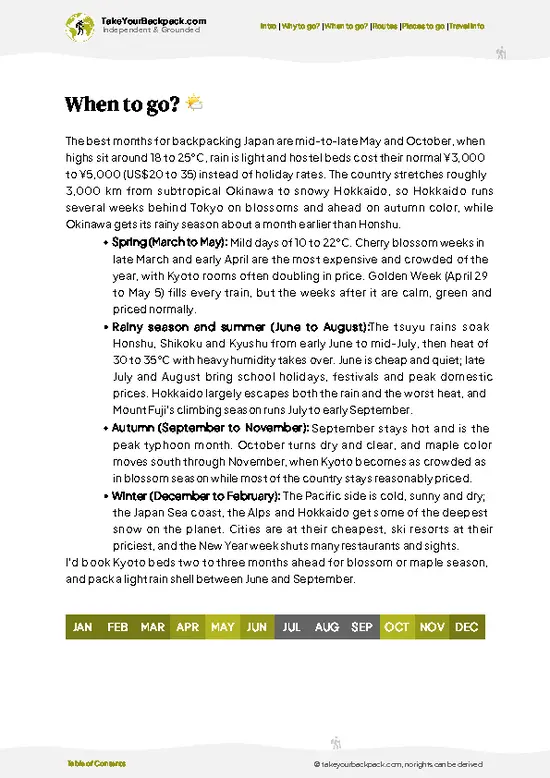
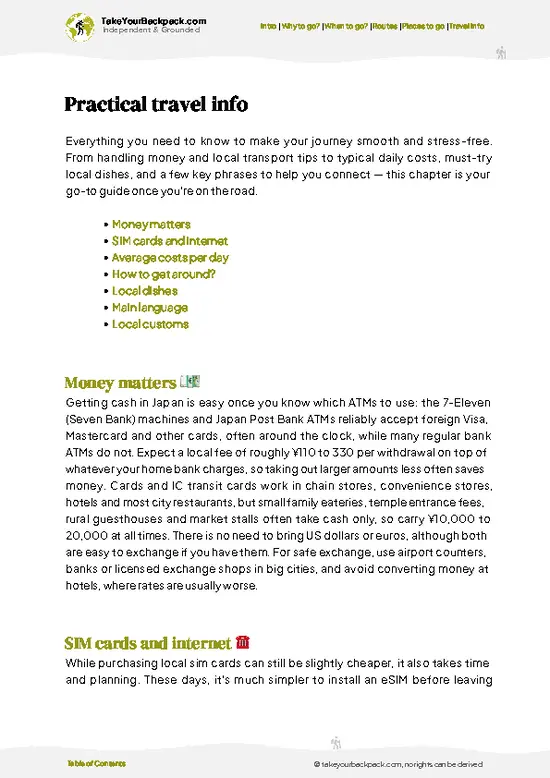
example page 3 from our offline Travel Guide for Japan
example page 4 from our offline Travel Guide for Japan
example page 5 from our offline Travel Guide for Japan
example page 6 from our offline Travel Guide for Japan
example page 7 from our offline Travel Guide for Japan
Loading the map 🌍
CLICK TO FILTER
cities
towns
villages
landmarks
national parks
hikes
beaches
attractions
festivals
regions
SHOW COUNTRY’S BESTSHOW ALL

✨ Why go?
Ranked #10 city in Japan
What makes it a must-see city

Kobe is a strategic stop for backpackers weaving through Japan. It’s not just about the highlights; it’s about how they fit into your journey. The city offers a basecamp value for day trips to nearby gems like Osaka and Himeji, making it easy to explore without the hassle of constant packing.

Hostels here are affordable and often buzzing with fellow travelers, creating a sense of community. You’ll find delicious street food that won’t break the bank, from savory beef to fresh seafood, perfect for fueling your adventures. The city is walkable, allowing you to soak in the atmosphere without relying on public transport.

As for nightlife, it’s vibrant yet laid-back, ideal for unwinding after a day of exploration. Plus, with easy onward travel options, you can seamlessly continue your journey. … read more 👉
Kobe is a strategic stop for backpackers weaving through Japan. It’s not just about the highlights; it’s about how they fit into your journey. The city offers a basecamp value for day trips to nearby gems like Osaka and Himeji, making it easy to explore without the hassle of constant packing.

Hostels here are affordable and often buzzing with fellow travelers, creating a sense of community. You’ll find delicious street food that won’t break the bank, from savory beef to fresh seafood, perfect for fueling your adventures. The city is walkable, allowing you to soak in the atmosphere without relying on public transport.

As for nightlife, it’s vibrant yet laid-back, ideal for unwinding after a day of exploration. Plus, with easy onward travel options, you can seamlessly continue your journey. If you’re looking for a place that balances comfort and value, Kobe is worth more than just a quick stop.

💡 HighlightsDon't-miss highlights and experiences

  1. Meriken Park & Kobe Port Tower — The waterfront heart of Kobe: open harbor park, memorials to the 1995 earthquake, and the striking red Kobe Port Tower for panoramic bay and city views, especially pretty at night when the lights come on.
  2. Kitano-cho Ijinkan (foreign residences) — A stroll through preserved Meiji-era Western houses (like the Weathercock House) that tell the city’s 19th-century international story; each house is small but full of period details and atmosphere.
  3. Ikuta Shrine — One of Kobe’s oldest and most visited Shinto shrines, tucked into the busy downtown; peaceful grounds, regular ceremonies, and a sense of continuity amid the city bustle.
  4. Nankinmachi (Kobe Chinatown) — Compact, lively, and delicious: street-food stalls, dim-sum, and seasonal festivals where you can snack
… read more 👉
  1. Meriken Park & Kobe Port Tower — The waterfront heart of Kobe: open harbor park, memorials to the 1995 earthquake, and the striking red Kobe Port Tower for panoramic bay and city views, especially pretty at night when the lights come on.
  2. Kitano-cho Ijinkan (foreign residences) — A stroll through preserved Meiji-era Western houses (like the Weathercock House) that tell the city’s 19th-century international story; each house is small but full of period details and atmosphere.
  3. Ikuta Shrine — One of Kobe’s oldest and most visited Shinto shrines, tucked into the busy downtown; peaceful grounds, regular ceremonies, and a sense of continuity amid the city bustle.
  4. Nankinmachi (Kobe Chinatown) — Compact, lively, and delicious: street-food stalls, dim-sum, and seasonal festivals where you can snack your way through Chinese-Japanese fusion flavors unique to Kobe.
  5. Nunobiki Falls & Nunobiki Herb Garden (via Shin-Kobe ropeway) — A short lift or hike from the city center leads to dramatic waterfalls and a fragrant hillside herb garden with sweeping views; great for a quick nature reset without leaving Kobe.
  6. Arima Onsen — An historic hot-spring town in northern Kobe: narrow streets, traditional ryokan, and the contrasting “gold” (kinsen) and “silver” (ginsen) springs — perfect for soaking in local culture and relaxation.
  7. Hakutsuru Sake Brewery Museum (Nada) — Visit a working sake brewery in Kobe’s famous Nada district to learn about production, see old tools and storehouses, and sample regional sake — a real taste of local food culture.
  8. Mount Rokko & Rokko Garden Terrace — Cable car or drive up for panoramic views over Kobe and Osaka Bay, easy hikes, cafes, and seasonal gardens; evenings deliver especially impressive sunsets and city-light panoramas.
  9. Hyogo Prefectural Museum of Art — Architecturally interesting (Tadao Ando influence) and focused on both international and Kansai artists; compact but thoughtfully curated exhibitions that reflect Kobe’s modern cultural side.
  10. Motomachi Shopping Street & Sannomiya area — Covered arcades, retro cafes, bakeries and local boutiques where you can sample Kobe street food, pick up regional souvenirs, and feel the everyday rhythm of the city.
If you’ve got time for day trips, easy choices from Kobe are Himeji Castle (my personal favorite), Osaka (Dotonbori/Umeda), and nearby Awaji Island (Yumebutai and coastal drives).
Spotted a mistake or missing something? Contact us.

Things to do in Kobe

Ratings based on Tripadvisor reviews. When you book through this link, you support our work at no extra cost to you.

🏘️ NeighborhoodsHow different areas shape the experience

Kobe is a city that balances urban energy with serene landscapes, making it a fantastic stop for backpackers. Here’s how the neighborhoods stack up:

Kitano-cho: This area is a charming mix of Western-style houses and Japanese culture. It’s walkable and offers a unique vibe, perfect for those who enjoy history and architecture. Costs can be higher here, but the experience is worth it. Ideal for short stays, especially if you love quaint cafés and art galleries.

Nankinmachi (Chinatown): A bustling hub filled with food stalls and shops. It’s lively and offers a taste of local culture. Prices are moderate, and it’s a great spot for street food lovers. The nightlife is vibrant, making it suitable for those wanting to soak in the atmosphere after dark. Perfect for short visits.

Motomachi: This … read more 👉
Kobe is a city that balances urban energy with serene landscapes, making it a fantastic stop for backpackers. Here’s how the neighborhoods stack up:

Kitano-cho: This area is a charming mix of Western-style houses and Japanese culture. It’s walkable and offers a unique vibe, perfect for those who enjoy history and architecture. Costs can be higher here, but the experience is worth it. Ideal for short stays, especially if you love quaint cafés and art galleries.

Nankinmachi (Chinatown): A bustling hub filled with food stalls and shops. It’s lively and offers a taste of local culture. Prices are moderate, and it’s a great spot for street food lovers. The nightlife is vibrant, making it suitable for those wanting to soak in the atmosphere after dark. Perfect for short visits.

Motomachi: This area is known for its shopping and dining. It’s walkable and has a laid-back vibe, making it suitable for longer stays. Costs are reasonable, and you’ll find plenty of transport options. The nightlife is quieter here, ideal for those who prefer a more relaxed evening.

Harborland: A waterfront area with stunning views and entertainment options. It’s a bit pricier but offers a unique experience with its parks and shopping centers. Great for both short and longer stays, especially if you enjoy a lively atmosphere with easy transport access.

⌛️ 1 daySeeing the highlights in 24 hours

Kobe, Japan, is a city that beautifully blends the hustle of urban life with stunning natural scenery. Nestled between the sea and the mountains, it offers a unique mix of culture, cuisine, and history. You can spend a day here and feel the pulse of Japan while uncovering some hidden treasures.

Start your morning in the Kitano district, where Western-style houses from the late 19th century stand as a testament to Kobe’s international past. Stroll through the charming streets, and don’t miss the chance to pop into one of the quaint cafes for a rich cup of coffee and a slice of fluffy Japanese cheesecake. The atmosphere is relaxed, allowing you to soak in the architecture and the gentle hum of the neighborhood.

In the afternoon, head down to the waterfront area, Meriken Park. Here, you can … read more 👉
Kobe, Japan, is a city that beautifully blends the hustle of urban life with stunning natural scenery. Nestled between the sea and the mountains, it offers a unique mix of culture, cuisine, and history. You can spend a day here and feel the pulse of Japan while uncovering some hidden treasures.

Start your morning in the Kitano district, where Western-style houses from the late 19th century stand as a testament to Kobe’s international past. Stroll through the charming streets, and don’t miss the chance to pop into one of the quaint cafes for a rich cup of coffee and a slice of fluffy Japanese cheesecake. The atmosphere is relaxed, allowing you to soak in the architecture and the gentle hum of the neighborhood.

In the afternoon, head down to the waterfront area, Meriken Park. Here, you can admire the iconic Kobe Port Tower and the stunning Maritime Museum. Take a leisurely walk along the promenade, and if you’re feeling adventurous, try some street food—grilled seafood skewers are a must. For a less touristy experience, venture to the nearby Nankinmachi, Kobe’s Chinatown, where you can explore vibrant shops and sample delicious dumplings.

As evening falls, make your way to the Rokko Mountain area. The view of the city illuminated at night is breathtaking. Grab dinner at a local izakaya, where you can savor Kobe beef—an experience that’s worth every yen. This day in Kobe is not just about ticking boxes; it’s about immersing yourself in the city’s rhythm, savoring each moment, and discovering the unexpected.

🌤️ When to go?Choosing the right time of year

  • Topic: Weather and Temperature - Spring (March to May) and autumn (September to November) offer mild, comfortable temperatures ranging from 10°C to 22°C (50°F to 72°F). Summers can be hot and humid, hitting 30°C (86°F) or more, while winters dip to around 0°C to 8°C (32°F to 46°F), often chilly but rarely freezing.
  • Topic: Daylight Hours - Longer days in spring and summer provide up to 14-15 hours of daylight, maximizing exploration time. Winter days shrink to about 10 hours, limiting late-afternoon adventures.
  • Topic: Crowds - Cherry blossom season in April draws crowds, especially around parks and waterfronts. Autumn’s foliage also attracts visitors but with slightly less intensity. Winter and early summer are quieter, offering more breathing room.
  • Topic: Seasonal Activities - Spring
… read more 👉
  • Topic: Weather and Temperature - Spring (March to May) and autumn (September to November) offer mild, comfortable temperatures ranging from 10°C to 22°C (50°F to 72°F). Summers can be hot and humid, hitting 30°C (86°F) or more, while winters dip to around 0°C to 8°C (32°F to 46°F), often chilly but rarely freezing.
  • Topic: Daylight Hours - Longer days in spring and summer provide up to 14-15 hours of daylight, maximizing exploration time. Winter days shrink to about 10 hours, limiting late-afternoon adventures.
  • Topic: Crowds - Cherry blossom season in April draws crowds, especially around parks and waterfronts. Autumn’s foliage also attracts visitors but with slightly less intensity. Winter and early summer are quieter, offering more breathing room.
  • Topic: Seasonal Activities - Spring brings hanami (flower viewing) festivals, while autumn offers vibrant leaf-viewing spots. Summer hosts lively festivals but beware the heat and humidity. Winter is perfect for hot springs and local cuisine indulgence.
  • Topic: Price Fluctuations - Expect peak prices during cherry blossom season and autumn foliage weeks. Off-peak months like January-February and June-August often have better deals but come with trade-offs in weather or crowd levels.
Pro-tip: Aim for late April or mid-October to balance pleasant weather, manageable crowds, and reasonable prices—this sweet spot turns logistics into your advantage.


source: climatestotravel.comJANJanuary: good for travelingFEBFebruary: good for travelingMARMarch: highly recommended for travelingAPRApril: highly recommended for travelingMAYMay: highly recommended for travelingJUNJune: fair for travelingJULJuly: fair for travelingAUGAugust: fair for travelingSEPSeptember: highly recommended for travelingOCTOctober: excellent for travelingNOVNovember: highly recommended for travelingDECDecember: good for traveling
when-to-go

✈️ The backpacker research shortcutJapan Travel Guide

An offline-friendly backpacking guide with optimized travel routes, ranked highlights, transport advice, and the best areas to stay.
example page 0 from our offline Travel Guide for Japan
example page 1 from our offline Travel Guide for Japan
example page 2 from our offline Travel Guide for Japan
example page 3 from our offline Travel Guide for Japan
example page 4 from our offline Travel Guide for Japan
example page 5 from our offline Travel Guide for Japan
example page 6 from our offline Travel Guide for Japan
example page 7 from our offline Travel Guide for Japan
The digital guide (475 pages) contains:
✅ 139 highlights, ranked by travel appeal
✅ Optimized 7, 14 & 21-day travel routes
✅ Cities, national parks, landmarks, beaches
✅ How to get around
✅ Offline-friendly for travel without Wi-Fi
👉 Click to see all 30+ guide features

📅 Plan smarter in minutes, not weeks
✅ Month by month travel advice
✅ Festivals & national holidays
✅ Budget expectations

🗺️ Go to the right places, skip the overrated ones
✅ Honest pros & cons of destinations
✅ Top hikes, parks & viewpoints
✅ Lesser-known places most travelers miss
✅ Clear “worth it vs skip it” guidance

🛏️ Travel smoothly without rookie mistakes
✅ Best areas to stay
✅ Transport systems explained simply
✅ Common scams & safety advice
✅ SIM cards, money & practical tips

🌍 Understand the country, not just visit it
✅ Culture & traditions
✅ 52 Essential phrases & customs
✅ Festivals worth planning around
✅ Traveler-friendly historical context
✅ Insights that make places more meaningful

📱 Built for real travel conditions
✅ Fully downloadable PDF
✅ Works completely offline
✅ Optimized for phone use
✅ Useful in remote areas & buses
✅ Everything in one place
Stop searching, start planning
Get instant access to your full guide. 30‑day money-back guarantee.
+ Add another guide for just

By proceeding you agree to our terms.
Sent to your inbox immediately after payment • 100% Secure Checkout
Best Backpacking Travel Advisor 2025 tourism awardBest Backpacking
Travel Advisor
2025
What others say about Take Your Backpack Guides:
⭐⭐⭐⭐⭐
Fantastic, amazing amount of information!
⭐⭐⭐⭐⭐
My goodness this is amazing, it's what I've been looking for hats off too you!
⭐⭐⭐⭐⭐
I think this is absolutely BRILLIANT
⭐⭐⭐⭐
Very complete and informative. It's still missing places, but I gotta to commend you
⭐⭐⭐⭐⭐
This is truly amazing, thank you, can't wait to explore it with my kids!
⭐⭐⭐⭐⭐
Awesome resource, thank you!
⭐⭐⭐⭐⭐
This is amazing! Can't wait to explore the ones I haven't seen
⭐⭐⭐⭐
I love this! Well done, great idea.
⭐⭐⭐⭐⭐
Thanks for taking the time to make this gem!
⭐⭐⭐⭐⭐
This might be the best website I've ever seen.
⭐⭐⭐⭐⭐
Congratulations, and thank you so much for your work; it's incredibly valuable.
⭐⭐⭐⭐
In all seriousness I think you did a great job pointing out the important spots
⭐⭐⭐⭐⭐
10/10 very good
⭐⭐⭐⭐⭐
As someone who's only just starting to visit regularly this is awesome, thank you.
⭐⭐⭐⭐
Thank you very much! I'm going to visit my dad, it's going to be very useful!
⭐⭐⭐⭐⭐
This is really cool! We'll be travelling for the first time and this definitely come in handy.
⭐⭐⭐⭐⭐
You are now our minister of culture, congratulations 👨‍💼
⭐⭐⭐⭐⭐
Just wanted to tell you that this is a pearl! Going to follow your recommendations.
⭐⭐⭐⭐⭐
This is so cool. I'll definitely be using the resource for my travels soon.
⭐⭐⭐⭐⭐
This is very impressive! Good work.
⭐⭐⭐⭐⭐
This is an amazing and informative site. Very well done!

🛏️ Where to stay?Where staying makes the most sense

Kobe’s best backpacker zones are all about balancing safety, social buzz, and wallet-friendly options. Start with Sannomiya, the city’s beating heart. It’s a no-brainer for solo travelers craving easy access to transport, lively streets, and a cluster of hostels that encourage mingling. The vibe here is urban but approachable—think neon-lit alleys with izakayas and coffee shops where you can swap stories with fellow wanderers. It’s safe, well-patrolled, and never dead, which means late-night returns won’t have you second-guessing.

Next, consider the Motomachi area, just a short stroll from Sannomiya. … read more 👉
Kobe’s best backpacker zones are all about balancing safety, social buzz, and wallet-friendly options. Start with Sannomiya, the city’s beating heart. It’s a no-brainer for solo travelers craving easy access to transport, lively streets, and a cluster of hostels that encourage mingling. The vibe here is urban but approachable—think neon-lit alleys with izakayas and coffee shops where you can swap stories with fellow wanderers. It’s safe, well-patrolled, and never dead, which means late-night returns won’t have you second-guessing.

Next, consider the Motomachi area, just a short stroll from Sannomiya. It’s quieter but still social, with a slightly more local feel. Hostels here tend to be smaller, fostering a tight-knit atmosphere. You’re trading a bit of the hustle for calm streets lined with bakeries and boutique shops, perfect for decompressing after a day of exploring.

Avoid the waterfront district for budget stays—it’s pricier and more touristy, lacking the social pulse backpackers thrive on. In Kobe, your choice boils down to the classic city-center buzz or a mellow, community-driven vibe just a few blocks away. Both deliver safety and social opportunities, but your pick shapes the flavor of your trip.

🚌 Getting aroundGetting around like a local

Kobe moves with a rhythm that balances precision and laid-back charm. It’s not a city where you’ll feel rushed by relentless crowds or frantic schedules, but it’s also not a place where you can afford to wander aimlessly without a plan. The flow here is a dance between efficiency and ease—trains and buses run on time, but the city’s compact size invites you to slow down and take in the details. For a budget traveler, this means you can lean into smart choices that maximize your time without sacrificing comfort or draining your wallet.
  • JR Kobe Line: Runs from early morning (around 5:00 AM) until midnight, with trains every 10-15 minutes. A single ride within the city costs about 150-200 yen. It’s fast, reliable, and connects you to major hubs like Sannomiya and Shin-Kobe, making it the backbone
… read more 👉
Kobe moves with a rhythm that balances precision and laid-back charm. It’s not a city where you’ll feel rushed by relentless crowds or frantic schedules, but it’s also not a place where you can afford to wander aimlessly without a plan. The flow here is a dance between efficiency and ease—trains and buses run on time, but the city’s compact size invites you to slow down and take in the details. For a budget traveler, this means you can lean into smart choices that maximize your time without sacrificing comfort or draining your wallet.
  • JR Kobe Line: Runs from early morning (around 5:00 AM) until midnight, with trains every 10-15 minutes. A single ride within the city costs about 150-200 yen. It’s fast, reliable, and connects you to major hubs like Sannomiya and Shin-Kobe, making it the backbone of your transit game.
  • Kobe Municipal Subway: Two lines (Seishin-Yamate and Kaigan) cover the city’s core, operating roughly from 6:00 AM to midnight. Tickets start at 210 yen. It’s a bit slower than JR but offers access to neighborhoods and attractions off the main rail lines, perfect for when you want to explore beyond the obvious.
  • City Buses: Cover areas the trains don’t reach, with fares around 210 yen per ride. They run frequently during the day but taper off after 8:00 PM. Buses are slower and less comfortable but essential if you’re heading to spots like Kitano or Rokko Mountain where rail options are limited.
  • Walking: Kobe’s compact downtown means many key sights are within a 20-30 minute walk of each other. Walking costs nothing, offers maximum comfort control, and lets you soak in the city’s unique blend of modern and historic architecture. It’s the ultimate budget move when time allows.

Understanding these options is your first win. You’re trading off speed, cost, and comfort with every choice—sometimes a quick train ride is worth a few extra yen, other times a stroll saves cash and reveals hidden layers of the city. Master this balance, and Kobe’s flow becomes your playground, not a puzzle.

👛 Costs (as of 23 September 2026)What things cost and how to budget

Backpacking in Kobe, Japan, means balancing a few key factors: time, money, and comfort. Knowing exactly what you’re trading off lets you pick the right spots and experiences without surprises.
  • Dorm Accommodation (High Season): Expect to pay around $25 to $40 per night in popular hostels during peak travel months (spring and autumn). These places offer clean, basic dorms with good access to city transport but can fill up fast.
  • Dorm Accommodation (Off-Season): In quieter months, prices drop to about $18 to $30. You might get a bit more breathing room or a hostel with extra amenities for the same price.
  • Meals: Budget around $10 to $15 daily if you stick to convenience stores, street food stalls, and casual eateries. Kobe’s famous beef is tempting but pricey; save that for a splurge meal.
… read more 👉
Backpacking in Kobe, Japan, means balancing a few key factors: time, money, and comfort. Knowing exactly what you’re trading off lets you pick the right spots and experiences without surprises.
  • Dorm Accommodation (High Season): Expect to pay around $25 to $40 per night in popular hostels during peak travel months (spring and autumn). These places offer clean, basic dorms with good access to city transport but can fill up fast.
  • Dorm Accommodation (Off-Season): In quieter months, prices drop to about $18 to $30. You might get a bit more breathing room or a hostel with extra amenities for the same price.
  • Meals: Budget around $10 to $15 daily if you stick to convenience stores, street food stalls, and casual eateries. Kobe’s famous beef is tempting but pricey; save that for a splurge meal. Cooking in hostel kitchens can cut costs further.
  • Local Transport: Single bus or subway rides cost roughly $1.50 to $2.50 depending on distance. Walking is often practical in central Kobe, but budget for a few rides if you want to cover more ground efficiently.
  • City Transport Pass: A one-day pass for unlimited buses and subways runs about $6 to $8. If you plan multiple stops, this pass saves both time and money, letting you hop on and off without fuss.
  • Basic Activities/Entry Fees: Museums, gardens, and cultural sites typically charge between $3 and $8. Some shrines and parks are free, but budget for a couple of paid entries to get the full local flavor.
  • Miscellaneous Expenses: Think small extras like bottled water, snacks, or a coffee—around $3 to $7 daily. These add up but are manageable if you keep an eye on them.

All told, a realistic daily budget for backpacking in Kobe ranges from about $40 on the lean side to $70 if you want a bit more comfort or convenience. This range lets you decide where to save and where to invest in your experience, turning the city’s charm into a personal win rather than a budget headache.


source: feel-kobe.jp
⚠️ Prices can change and everyone travels differently, so take this as a rough guide. Hope it helps you plan your adventure!

🚌 Day tripsBest day trips from Kobe

Kobe is a fantastic launchpad for day trips that blend culture, nature, and culinary delights. Here’s how to make the most of your time while keeping your wallet happy.

Arima Onsen
Just a quick 30-minute train ride from Kobe, Arima Onsen is a hot spring town that feels like stepping into a living postcard. The mineral-rich waters are known for their healing properties, and you can soak in public baths or splurge on a ryokan experience. Budget travelers can enjoy a day of relaxation for around ¥1,000 to ¥2,500, depending on your choice of bath. Aim for a weekday visit to avoid the weekend crowds. A common mistake? Forgetting to bring your own towel; many places charge extra for rentals.


Himeji Castle
About an hour away, Himeji Castle is a UNESCO World Heritage site that’s a must-see … read more 👉
Kobe is a fantastic launchpad for day trips that blend culture, nature, and culinary delights. Here’s how to make the most of your time while keeping your wallet happy.

Arima Onsen
Just a quick 30-minute train ride from Kobe, Arima Onsen is a hot spring town that feels like stepping into a living postcard. The mineral-rich waters are known for their healing properties, and you can soak in public baths or splurge on a ryokan experience. Budget travelers can enjoy a day of relaxation for around ¥1,000 to ¥2,500, depending on your choice of bath. Aim for a weekday visit to avoid the weekend crowds. A common mistake? Forgetting to bring your own towel; many places charge extra for rentals.


Himeji Castle
About an hour away, Himeji Castle is a UNESCO World Heritage site that’s a must-see for history buffs. The castle’s white exterior and intricate architecture are breathtaking. Entry costs around ¥1,000, and you can easily spend half a day exploring the grounds and nearby gardens. Spring is the best time to visit, as cherry blossoms frame the castle beautifully. One pitfall for first-timers is underestimating the walk from the station; wear comfortable shoes!
👉 Explore Himeji Castle

Mount Rokko
For those craving a bit of adventure, Mount Rokko is just a 30-minute bus ride from Kobe. The views of the city and the bay are stunning, especially at sunset. You can hike or take the cable car, with costs ranging from ¥1,000 to ¥2,500 depending on your mode of transport. Late spring or early fall offers the best weather for hiking. A common rookie mistake? Not checking the weather; it can change quickly up there.


Nara Park
A little over an hour from Kobe, Nara Park is famous for its free-roaming deer and ancient temples. The park is a serene escape with a small entry fee for some temples, totaling around ¥600. Spring and fall are ideal for visiting, as the weather is mild and the scenery is vibrant. Many first-timers miss the chance to try the local mochi, so don’t skip the street vendors!


Kinosaki Onsen
Rounding out your options, Kinosaki Onsen is about two hours away and offers a unique experience with multiple public baths. The town’s charming streets lined with ryokans and shops make it feel like a step back in time. Expect to spend around ¥1,500 for bath access. The best time to visit is during winter when you can enjoy the hot springs while it snows. A common error? Not planning your route; the last train back can sneak up on you!
👉 Explore Kinosaki Onsen

🍲 FoodWhat to Eat & Drink

Kobe is a culinary playground where flavors dance and aromas entice. You can’t visit without indulging in Kobe beef—a melt-in-your-mouth experience that’s worth every yen. Seek out local izakayas for a casual vibe, where you can savor grilled skewers and sake while mingling with locals.

The Nankinmachi district offers a vibrant street food scene. Try nikuman (steamed buns) or takoyaki (octopus balls) as you stroll through the bustling streets. The energy is contagious, and the food is a reflection of Kobe’s rich cultural tapestry.

When it comes to drinks, sake is a must. Look for small, family-run breweries where you can taste the difference in craftsmanship. Remember, it’s customary to pour for others rather than yourself—this fosters connection and camaraderie.

Embrace the local pace: … read more 👉
Kobe is a culinary playground where flavors dance and aromas entice. You can’t visit without indulging in Kobe beef—a melt-in-your-mouth experience that’s worth every yen. Seek out local izakayas for a casual vibe, where you can savor grilled skewers and sake while mingling with locals.

The Nankinmachi district offers a vibrant street food scene. Try nikuman (steamed buns) or takoyaki (octopus balls) as you stroll through the bustling streets. The energy is contagious, and the food is a reflection of Kobe’s rich cultural tapestry.

When it comes to drinks, sake is a must. Look for small, family-run breweries where you can taste the difference in craftsmanship. Remember, it’s customary to pour for others rather than yourself—this fosters connection and camaraderie.

Embrace the local pace: meals are often leisurely, so take your time to enjoy every bite and sip. In Kobe, food isn’t just sustenance; it’s an experience that binds people together.

🛡️ SafetyScams, Hazards, and Annoyances

Kobe is generally safe, but like any city, it has its quirks. Stay alert in crowded areas like Sannomiya Station, where pickpockets might lurk. Solo travelers should feel comfortable, but avoid dimly lit streets late at night; stick to well-populated areas.

While scams are rare, be cautious of overly friendly strangers offering help or directions—sometimes, they expect a tip. Language barriers can lead to misunderstandings, so use translation apps to clarify if needed.

Annoyances can include crowded trains during rush hour, so plan your travel times wisely. Carry yourself confidently, and don’t hesitate to ask locals for guidance; they’re usually eager to help. Embrace the experience, and you’ll navigate Kobe like a pro.

FAQCommon questions from travelers

2 to 3 days are sufficient to explore Kobe thoroughly. This allows time to visit key attractions like the Kobe Harborland, Mount Rokko, and the Kitano district. You can also enjoy local cuisine and a day trip to nearby Arima Onsen.
Yes, Kobe is safe for solo backpackers. The city has low crime rates and a well-developed public transportation system, making it easy to navigate alone. Standard precautions like avoiding poorly lit areas at night are advised.
Kobe is known for its high-quality Kobe beef, scenic harbor views, and the historic Kitano district with Western-style houses. It is also famous for its cosmopolitan atmosphere and the annual Kobe Luminarie light festival held in December.
⚠️ Things can change over time, so always validate details locally before you go.

Other Japanese cities near Kobe

Explore more nearby:

  • Osaka—street food arcades, neon nightlife, castle park| 28 km away
  • Wakayama—mountain temples, pilgrimage trails, castle park| 51 km away
  • Nara—ancient temples, free-roaming deer, Buddha statue| 56 km away

💡 Not sure where to go next?
Create a personalized itinerary for Japan including Kobe and the places that fit your trip.

Generate my itinerary

👉 Discover all cities

Or checkout all Japan has to offer (think cities, towns, villages, national parks, hikes, beaches, festivals)
Country photo of Japan

We 💚 feedbackWhat to keep in mind

Kobe’s charm lies in its blend of urban energy and natural beauty. Strolling along the waterfront, you can savor world-class Kobe beef while soaking in views of the mountains. But be ready for a price tag that matches the quality; dining here can hit your wallet hard. Still, if you’re after a taste of Japan’s culinary excellence, it’s a sacrifice worth making.

✈️ When did I visit Japan?
As part of my 1.5 year travel around the world trip, I visited Japan in August 2015.

✍️ Help improve this page!
The information on this page is based on my own backpacking experience in Japan, supplemented with up-to-date research and feedback from other travelers. Travel details can change, so if you notice anything outdated or incomplete, feel free to let me know.


🙋‍♂️ Give feedback

👋 Meet the founderWho’s Behind Take Your Backpack?

Johan, backpacker and founder of TakeYourBackpackHi, I’m Johan (Netherlands 🇳🇱), the creator of TakeYourBackpack. Over the past 3 decades, I’ve backpacked through 90+ countries across six continents, gaining extensive experience with independent travel, long-term trips, and overland routes.

This site is built on a combination of firsthand travel experience and carefully curated insights from other backpackers. Many guides are based on places I’ve personally visited, while others bring together tips, observations, and practical advice shared by trusted travelers I’ve met along the way.

The goal is to provide realistic, experience-driven guidance — not generic itineraries — so you can explore destinations with better context, clearer expectations, and more confidence.