
×

Japan🇯🇵 | regionsYonaguni Islandwesternmost point, underwater ruins, wild horses | things to do and best time to go

Explore Ise-Shima National ParkExplore Chugoku region

Backpacking in Yonaguni Island
👀 For curious travelersregion ranked #29
By Johan Kruseman 🇳🇱 | Updated October 15, 2026

Everyone arrives at Yonaguni expecting a tropical swim-up-paradise; then the current tries to relocate them to Taiwan. Yonaguni Island beach sits at Japan’s far southwest edge, basically the country’s “you sure you want it this remote?” outpost. The sand is clean, crowds are minimal, scenery is wild and cinematic, but swimming can be sketchy with strong currents and sudden drop-offs. It’s more “shoreline for divers and horse riders” than lazy beach bumming, with world-class diving (those famous “ruins”), basic but decent guesthouses, and a couple of no-frills eateries that feel like someone’s extended family kitchen. Compared with Miyako or Ishigaki’s easygoing, swimmable beaches, Yonaguni is harsher, lonelier, and way less convenient—but if you like your coastlines dramatic and slightly inconvenient, it earns “Essential” status.

Discover everything you want to know in the 📖 Japan Travel Guide.


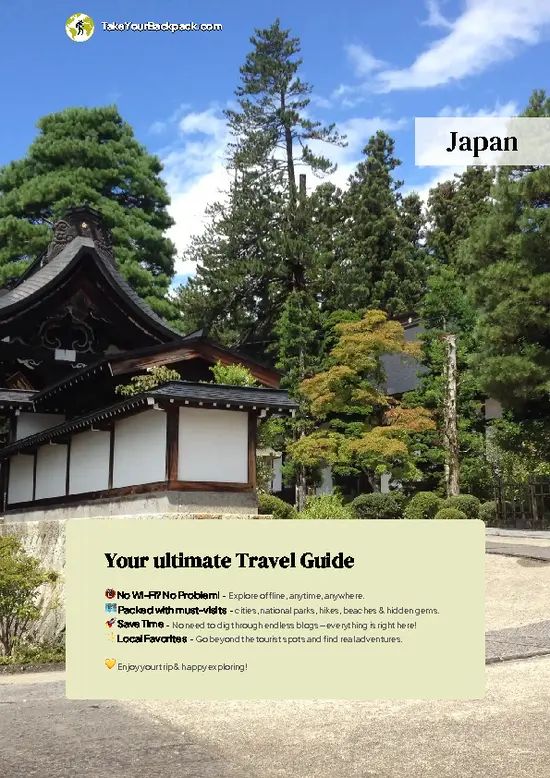
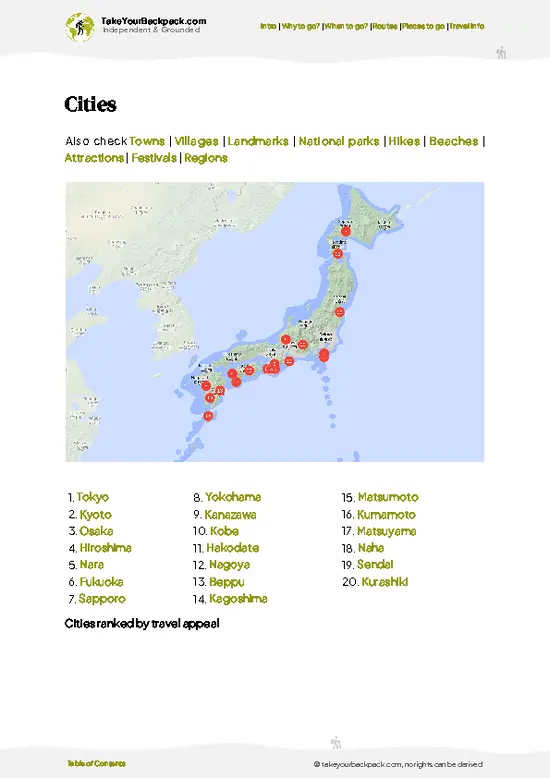
example page 0 from our offline Travel Guide for Japan
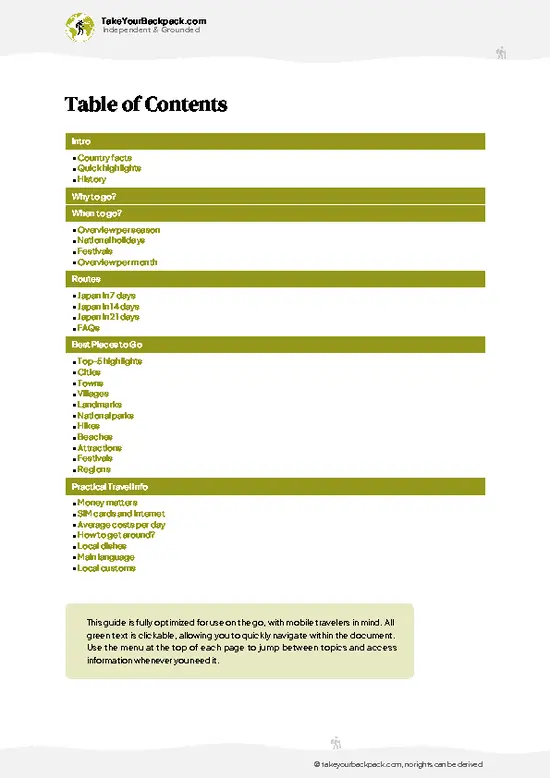
example page 1 from our offline Travel Guide for Japan
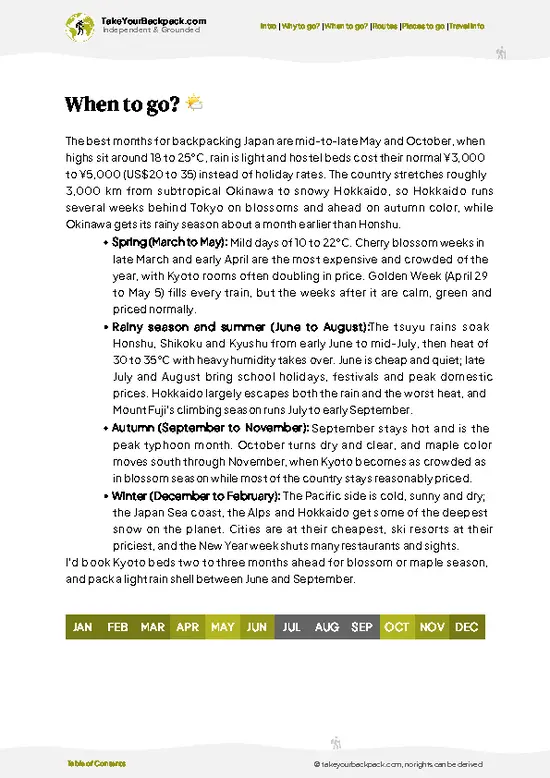
example page 2 from our offline Travel Guide for Japan
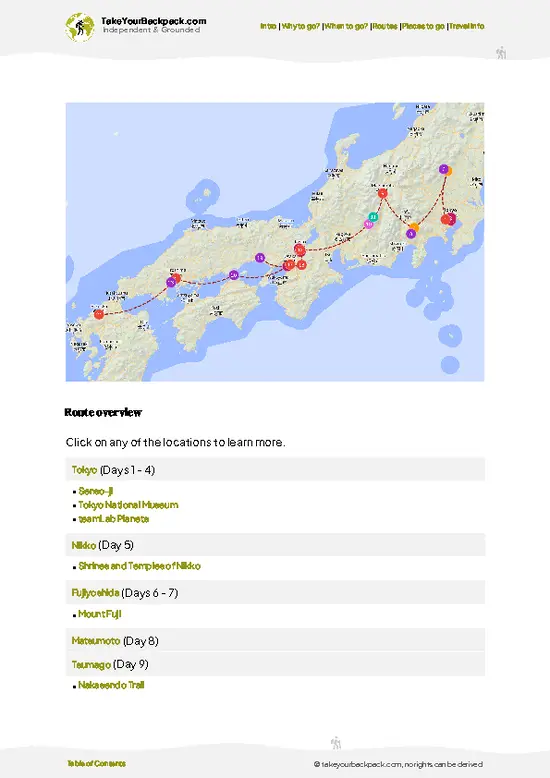
example page 3 from our offline Travel Guide for Japan
example page 4 from our offline Travel Guide for Japan
example page 5 from our offline Travel Guide for Japan
example page 6 from our offline Travel Guide for Japan
example page 7 from our offline Travel Guide for Japan
Loading the map 🌍
CLICK TO FILTER
cities
towns
villages
landmarks
national parks
hikes
beaches
attractions
festivals
regions
SHOW COUNTRY’S BESTSHOW ALL

✨ Why go?
Ranked #29 region in Japan
What makes it a must-see region

Yonaguni Island beach in Okinawa is a must-stop for backpackers, and not just for the swimming. The laid-back atmosphere invites you to kick back and recharge, making it a perfect pit stop on your coastal adventure. It’s affordable, so you can splurge on that extra drink without feeling guilty. The social scene is lively, with fellow travelers sharing stories and laughter, turning strangers into friends. Plus, the beach serves as a connector along the route, a place to pause, reflect, and soak in the island’s vibe before diving back into the grind of travel.

💡 HighlightsWhat this place is best known for

  • Diving the Yonaguni Submerged Monument — This strange, terraced rock formation looks like a ruined city under the sea. The flat ledges, sharp angles and massive blocks make for eerie, jaw-dropping photo ops and a proper sense of mystery (is it natural or not?). Daytime scuba trips here are the main event — visibility is usually excellent and currents give the dives a cinematic feel. (Personal favorite: nothing beats the first time you drift along those steps.)
  • Pelagic and drift diving for big fish — Yonaguni sits where currents funnel through deep water, so you get proper blue-water dives: big schools, jacks, and seasonal visitors like hammerheads and large tunas. It’s not for beginners unless you go with a good local crew; when conditions line up it’s adrenaline and abundance in one dive.
… read more 👉
  • Diving the Yonaguni Submerged Monument — This strange, terraced rock formation looks like a ruined city under the sea. The flat ledges, sharp angles and massive blocks make for eerie, jaw-dropping photo ops and a proper sense of mystery (is it natural or not?). Daytime scuba trips here are the main event — visibility is usually excellent and currents give the dives a cinematic feel. (Personal favorite: nothing beats the first time you drift along those steps.)
  • Pelagic and drift diving for big fish — Yonaguni sits where currents funnel through deep water, so you get proper blue-water dives: big schools, jacks, and seasonal visitors like hammerheads and large tunas. It’s not for beginners unless you go with a good local crew; when conditions line up it’s adrenaline and abundance in one dive. Strictly a daytime/seasonal thing.
  • Snorkeling the rocky reef edges — Unlike soft sandy beaches, Yonaguni’s shoreline is a patchwork of jagged cliffs, shallow ledges and pockets of coral teeming with life. The water is clear and shallow in many spots, so you’ll find colorful fish, curious pufferfish, and unique coral arrangements you don’t see on ordinary beaches. Great for easy half-day exploring, swimming from rock to rock.
  • Sunrise/sunset from the western headland — The island’s western points give you wide, empty horizons and light that turns the sea gold. On an ultra-clear morning you can feel ridiculously close to Taiwan across the water. It’s not just the view — the solitude and the way the cliffs frame the light make for a perfect slow moment after a day of dives or treks.
  • Night sky, moonlit walks and quiet shore life — Yonaguni’s remoteness means almost no light pollution. After dark the Milky Way comes out proper and a moonlit beach walk feels cinematic. There’s also a chance of seeing bioluminescence or weird nocturnal shore critters if you keep low and move slowly. No loud nightlife — just pure, peaceful island nightscape.
Spotted a mistake or missing something? Contact us.

🌤️ When to go?Weather, crowds, and seasonal trade-offs

  • Topic: Weather — Best time is April to June or September to November. Avoid typhoon season (July-August) when storms can ruin your beach vibe and your gear.
  • Topic: Temperature — Comfortable temps hover around 22-28°C (72-82°F). Too cold in winter (below 18°C/64°F), too hot and humid in peak summer.
  • Topic: Daylight Hours — Longer days from May to August give you more beach time, but the sun can be relentless—pack sunscreen like it’s your lifeline.
  • Topic: Crowds — Peak summer draws locals and tourists alike, so expect busy beaches. Shoulder seasons offer a quieter, more authentic experience.
  • Topic: Seasonal Activities — Spring and autumn bring excellent diving and snorkeling conditions, with clearer water and calmer seas.
  • Topic: Price Fluctuations — Expect higher accommodation and travel
… read more 👉
  • Topic: Weather — Best time is April to June or September to November. Avoid typhoon season (July-August) when storms can ruin your beach vibe and your gear.
  • Topic: Temperature — Comfortable temps hover around 22-28°C (72-82°F). Too cold in winter (below 18°C/64°F), too hot and humid in peak summer.
  • Topic: Daylight Hours — Longer days from May to August give you more beach time, but the sun can be relentless—pack sunscreen like it’s your lifeline.
  • Topic: Crowds — Peak summer draws locals and tourists alike, so expect busy beaches. Shoulder seasons offer a quieter, more authentic experience.
  • Topic: Seasonal Activities — Spring and autumn bring excellent diving and snorkeling conditions, with clearer water and calmer seas.
  • Topic: Price Fluctuations — Expect higher accommodation and travel costs during summer holidays; off-peak months can save you a decent chunk of yen.

Pro-tip: Aim for late spring or early autumn—sweet spot for weather, fewer crowds, and wallet-friendly rates.


source: climatestotravel.comJANJanuary: fair for travelingFEBFebruary: fair for travelingMARMarch: good for travelingAPRApril: excellent for travelingMAYMay: excellent for travelingJUNJune: excellent for travelingJULJuly: below average for travelingAUGAugust: below average for travelingSEPSeptember: excellent for travelingOCTOctober: excellent for travelingNOVNovember: highly recommended for travelingDECDecember: good for traveling
when-to-go

✈️ The backpacker research shortcutJapan Travel Guide

An offline-friendly backpacking guide with optimized travel routes, ranked highlights, transport advice, and the best areas to stay.
example page 0 from our offline Travel Guide for Japan
example page 1 from our offline Travel Guide for Japan
example page 2 from our offline Travel Guide for Japan
example page 3 from our offline Travel Guide for Japan
example page 4 from our offline Travel Guide for Japan
example page 5 from our offline Travel Guide for Japan
example page 6 from our offline Travel Guide for Japan
example page 7 from our offline Travel Guide for Japan
The digital guide (475 pages) contains:
✅ 139 highlights, ranked by travel appeal
✅ Optimized 7, 14 & 21-day travel routes
✅ Cities, national parks, landmarks, beaches
✅ How to get around
✅ Offline-friendly for travel without Wi-Fi
👉 Click to see all 30+ guide features

📅 Plan smarter in minutes, not weeks
✅ Month by month travel advice
✅ Festivals & national holidays
✅ Budget expectations

🗺️ Go to the right places, skip the overrated ones
✅ Honest pros & cons of destinations
✅ Top hikes, parks & viewpoints
✅ Lesser-known places most travelers miss
✅ Clear “worth it vs skip it” guidance

🛏️ Travel smoothly without rookie mistakes
✅ Best areas to stay
✅ Transport systems explained simply
✅ Common scams & safety advice
✅ SIM cards, money & practical tips

🌍 Understand the country, not just visit it
✅ Culture & traditions
✅ 52 Essential phrases & customs
✅ Festivals worth planning around
✅ Traveler-friendly historical context
✅ Insights that make places more meaningful

📱 Built for real travel conditions
✅ Fully downloadable PDF
✅ Works completely offline
✅ Optimized for phone use
✅ Useful in remote areas & buses
✅ Everything in one place
Stop searching, start planning
Get instant access to your full guide. 30‑day money-back guarantee.
+ Add another guide for just

By proceeding you agree to our terms.
Sent to your inbox immediately after payment • 100% Secure Checkout
Best Backpacking Travel Advisor 2025 tourism awardBest Backpacking
Travel Advisor
2025
What others say about Take Your Backpack Guides:
⭐⭐⭐⭐⭐
Fantastic, amazing amount of information!
⭐⭐⭐⭐⭐
My goodness this is amazing, it's what I've been looking for hats off too you!
⭐⭐⭐⭐⭐
I think this is absolutely BRILLIANT
⭐⭐⭐⭐
Very complete and informative. It's still missing places, but I gotta to commend you
⭐⭐⭐⭐⭐
This is truly amazing, thank you, can't wait to explore it with my kids!
⭐⭐⭐⭐⭐
Awesome resource, thank you!
⭐⭐⭐⭐⭐
This is amazing! Can't wait to explore the ones I haven't seen
⭐⭐⭐⭐
I love this! Well done, great idea.
⭐⭐⭐⭐⭐
Thanks for taking the time to make this gem!
⭐⭐⭐⭐⭐
This might be the best website I've ever seen.
⭐⭐⭐⭐⭐
Congratulations, and thank you so much for your work; it's incredibly valuable.
⭐⭐⭐⭐
In all seriousness I think you did a great job pointing out the important spots
⭐⭐⭐⭐⭐
10/10 very good
⭐⭐⭐⭐⭐
As someone who's only just starting to visit regularly this is awesome, thank you.
⭐⭐⭐⭐
Thank you very much! I'm going to visit my dad, it's going to be very useful!
⭐⭐⭐⭐⭐
This is really cool! We'll be travelling for the first time and this definitely come in handy.
⭐⭐⭐⭐⭐
You are now our minister of culture, congratulations 👨‍💼
⭐⭐⭐⭐⭐
Just wanted to tell you that this is a pearl! Going to follow your recommendations.
⭐⭐⭐⭐⭐
This is so cool. I'll definitely be using the resource for my travels soon.
⭐⭐⭐⭐⭐
This is very impressive! Good work.
⭐⭐⭐⭐⭐
This is an amazing and informative site. Very well done!

🛏️ Where to stay?Choosing the right base

Yonaguni Island is a slice of paradise where the beach vibes are as laid-back as a cat on a sunny windowsill. For budget travelers, the area around the main port is a solid choice. It’s buzzing with fellow backpackers, making it easy to swap stories over a cold drink.

Head to the southern beaches for a quieter scene. You’ll find cozy guesthouses that feel like home, with friendly locals who might even share their favorite snorkeling spots. Just remember, Wi-Fi might be spotty, but the sunsets are guaranteed to be epic. Embrace the grind; the gold is in the experience.

🛡️ SafetyScams, Hazards, and Annoyances

Yonaguni Island’s beaches are generally safe, but a little situational awareness goes a long way. Currents can pick up, especially during the afternoon, so keep an eye on the waves and where locals are swimming. Jellyfish can make an appearance, but they’re not the main event. Just check for any warnings on the beach.

Sun exposure is real, so slather on that sunscreen early and often. As for theft, keep your valuables close; it’s not a crime spree, but better safe than sorry. Enjoy the water, but respect its moods.

FAQTraveler FAQ

You get to Yonaguni Island beach by taking a direct flight from Naha Airport in Okinawa to Yonaguni Airport, which takes about 1 hour. From Yonaguni Airport, local transport or taxis can take you to the beach area, typically within 20-30 minutes. Flights operate several times a week, so plan accordingly.
Yonaguni Island beach is excellent for snorkeling due to its clear waters and rich marine life, including coral reefs. Swimming is also safe in designated areas, but surfing is not common here as the waves are generally small. The best snorkeling conditions are from April to October.
Yes, Yonaguni Island beach is free to visit. There are no entrance fees, but you may need to pay for transportation and any equipment rentals if you plan to snorkel. Facilities are basic, so bring your own supplies.
⚠️ Things can change over time, so always validate details locally before you go.

Other Japanese regions near Yonaguni Island

Explore more nearby:

  • Okinawa—coral reefs, subtropical islands, Ryukyu heritage| 526 km away
  • Southern region—warm climate, volcanic islands, subtropical flora| 1002 km away
  • Iya Valley—vine bridges, deep gorges, remote hamlets| 1483 km away

💡 Not sure where to go next?
Create a personalized itinerary for Japan including Yonaguni Island and the places that fit your trip.

Generate my itinerary

👉 Discover all regions

Or checkout all Japan has to offer (think cities, towns, villages, national parks, hikes, beaches, festivals)
Country photo of Japan

We 💚 feedbackParting advice and final tips

Yonaguni Island’s beach is a slice of paradise, with crystal-clear waters that practically beg you to dive in. But let’s be real: getting there can feel like a scavenger hunt. Flights and ferries can be a hassle, but once you’re soaking up that sun, it’s worth every logistical headache.

✈️ When did I visit Japan?
As part of my 1.5 year travel around the world trip, I visited Japan in August 2015.

✍️ Help improve this page!
The information on this page is based on my own backpacking experience in Japan, supplemented with up-to-date research and feedback from other travelers. Travel details can change, so if you notice anything outdated or incomplete, feel free to let me know.


🙋‍♂️ Give feedback

👋 Meet the founderWho’s Behind Take Your Backpack?

Johan, backpacker and founder of TakeYourBackpackHi, I’m Johan (Netherlands 🇳🇱), the creator of TakeYourBackpack. Over the past 3 decades, I’ve backpacked through 90+ countries across six continents, gaining extensive experience with independent travel, long-term trips, and overland routes.

This site is built on a combination of firsthand travel experience and carefully curated insights from other backpackers. Many guides are based on places I’ve personally visited, while others bring together tips, observations, and practical advice shared by trusted travelers I’ve met along the way.

The goal is to provide realistic, experience-driven guidance — not generic itineraries — so you can explore destinations with better context, clearer expectations, and more confidence.