×

Madagascar🇲🇬 | hikesMontagne d’Ambre Circuitvolcanic peaks, crater lakes, mossy cloud forest | things to do and best time to go

Explore Zombitse-Vohibasia TrailExplore Kirindy Forest Trail

Backpacking in Montagne d’Ambre Circuit
🌟 Highlighthike ranked #4
By Johan Kruseman 🇳🇱 | Updated September 3, 2026

Most guides gloss over this, but here’s the kicker: Montagne d’Ambre Circuit isn’t just a rainforest stroll—it’s a sweat-soaked, root-grabbing scramble that’ll leave your calves humming, especially after the third waterfall. Tucked into Madagascar’s far north, just outside Joffreville, this loop slices through cloud forest so dense you’ll swear you’re walking through a living terrarium. The trail throws everything at you—slick volcanic mud, mossy boulders, and the kind of humidity that makes your shirt stick like a second skin. But then you round a bend and there’s a lemur, or a chameleon the size of your thumb, and suddenly the slog feels like a privilege. It’s not the hardest trek in Madagascar, but it’s no cakewalk either—easier than Marojejy’s knife-edge ridges, but wilder than Ankarana’s limestone mazes. Public transport gets you close, but the last stretch is a bumpy taxi-brousse ride. Worth it for the first blast of cool mist at the Sacred Waterfall—trust me, you’ll earn it.

Discover everything you want to know in the 📖 Madagascar Travel Guide.
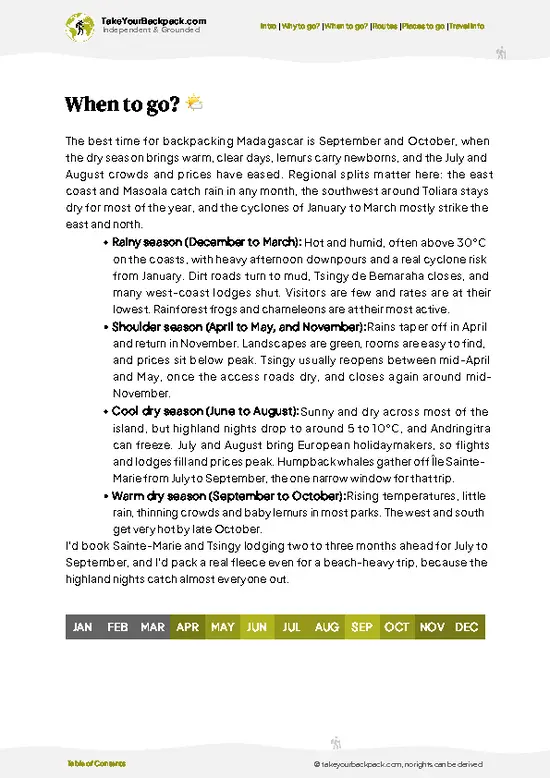
Best time to go: May - October
Duration: 3 days
Distance: 10 kilometers
Total ascent: 800 meters
Loading the map 🌍
CLICK TO FILTER
cities
towns
villages
landmarks
national parks
hikes
beaches
attractions
festivals
regions
SHOW COUNTRY’S BESTSHOW ALL

✨ Why go?
Ranked #4 hike in Madagascar
Why visitors keep coming back

The Montagne d’Ambre Circuit in Madagascar is a magnet for backpackers craving a mix of challenge and reward. The scenery-to-effort ratio is off the charts; you’ll sweat it out on rugged trails, but the payoff is jaw-dropping—think lush rainforests, cascading waterfalls, and unique wildlife that feels like a scene from a movie.

Getting there is a breeze with public transport access from Diego Suarez, making it a perfect stop on your journey. The low cost of entry and accommodation means you can splurge on that cold beer at the end of the day without breaking the bank.

Flexibility is key here; you can tailor your hike to fit your pace, whether you want a quick day trip or a multi-day adventure. Each step brings you deeper into the heart of Madagascar, where the effort transforms into a … read more 👉
The Montagne d’Ambre Circuit in Madagascar is a magnet for backpackers craving a mix of challenge and reward. The scenery-to-effort ratio is off the charts; you’ll sweat it out on rugged trails, but the payoff is jaw-dropping—think lush rainforests, cascading waterfalls, and unique wildlife that feels like a scene from a movie.

Getting there is a breeze with public transport access from Diego Suarez, making it a perfect stop on your journey. The low cost of entry and accommodation means you can splurge on that cold beer at the end of the day without breaking the bank.

Flexibility is key here; you can tailor your hike to fit your pace, whether you want a quick day trip or a multi-day adventure. Each step brings you deeper into the heart of Madagascar, where the effort transforms into a visceral connection with nature. You’ll find that every drop of sweat is worth it when you stand atop a viewpoint, soaking in the vastness below.
Want to include Montagne d’Ambre Circuit in your Madagascar route?
Create a personalized Madagascar itinerary that includes Montagne d’Ambre Circuit and the places that fit your trip — based on your travel style, budget, and available time. Get your route in seconds.

Generate my trip

💡 HighlightsDon't-miss highlights and experiences

  • Crater lakes and emerald pools — Small volcanic crater lakes tucked into the forest that sometimes glow emerald in the right light. The water, mossy rims and steep, green amphitheaters make them feel unlike the lowland rivers you see elsewhere in Madagascar; great for photos and a quiet breather on the trail.
  • Cascading waterfalls and swim holes — A chain of cool waterfalls and natural pools tucked under big ferns and hanging vines. The scent of wet earth and the shock of cold water after a humid climb are classic mountain-forest moments you won’t get on most coastal hikes.
  • Nocturnal wildlife night walks (personal favorite) — Night walks here are special: tiny mouse lemurs, chameleons that shift color a few feet away, and weird rainforest frogs show up when the trail goes dark. It’s raw
read more 👉
  • Crater lakes and emerald pools — Small volcanic crater lakes tucked into the forest that sometimes glow emerald in the right light. The water, mossy rims and steep, green amphitheaters make them feel unlike the lowland rivers you see elsewhere in Madagascar; great for photos and a quiet breather on the trail.
  • Cascading waterfalls and swim holes — A chain of cool waterfalls and natural pools tucked under big ferns and hanging vines. The scent of wet earth and the shock of cold water after a humid climb are classic mountain-forest moments you won’t get on most coastal hikes.
  • Nocturnal wildlife night walks (personal favorite) — Night walks here are special: tiny mouse lemurs, chameleons that shift color a few feet away, and weird rainforest frogs show up when the trail goes dark. It’s raw wildlife-spotting; quiet, up-close and a little magical compared with daytime birding.
  • Lush montane rainforest and giant trees — The trail threads through a dense, misty forest of huge trunks, orchids, tree ferns and thick moss—think cathedral-like canopies and a real sense of old growth. The plant life and microclimate are very different from Madagascar’s dry forests, which is what makes the hike feel unique.
  • Ridge viewpoints and sweeping panoramas — Several short climbs open to clear ridgelines with views over the surrounding dry plains and the park’s volcanic massif. The contrast between the green mountain and the parched landscape below is dramatic at sunrise or late afternoon, perfect for a slow snack and a long look.
Spotted a mistake or missing something? Contact us.

🌤️ When to go?Choosing the right time of year


  • Weather: The dry season from May to October is your best bet. Trails stay firm, and rain won’t turn your hike into a mud slog. The wet season, November to April, brings heavy rains that can flood paths and obscure views.

  • Temperature: Daytime temps hover around 20-25°C (68-77°F) during the dry months, perfect for sweating it out without overheating. Nights can dip to 10°C (50°F), so pack layers. The wet season is warmer but stickier, pushing 28°C (82°F) with humidity that drains energy fast.

  • Daylight Hours: June to August offers about 11-12 hours of daylight, giving you ample time to cover ground without rushing. Shorter days in the wet season mean tighter schedules and less margin for error on the trail.

  • Crowds: Peak dry season draws more hikers, especially July and August. You’ll
read more 👉

  • Weather: The dry season from May to October is your best bet. Trails stay firm, and rain won’t turn your hike into a mud slog. The wet season, November to April, brings heavy rains that can flood paths and obscure views.

  • Temperature: Daytime temps hover around 20-25°C (68-77°F) during the dry months, perfect for sweating it out without overheating. Nights can dip to 10°C (50°F), so pack layers. The wet season is warmer but stickier, pushing 28°C (82°F) with humidity that drains energy fast.

  • Daylight Hours: June to August offers about 11-12 hours of daylight, giving you ample time to cover ground without rushing. Shorter days in the wet season mean tighter schedules and less margin for error on the trail.

  • Crowds: Peak dry season draws more hikers, especially July and August. You’ll share the trail but also find more services open. Shoulder months like May and September balance solitude with accessibility.

  • Seasonal Activities: Dry months coincide with local festivals and wildlife spotting—chameleons and lemurs are more active and visible. Wet season dampens these perks and can close some park facilities.

  • Price Fluctuations: Expect higher prices for guides and lodging during peak dry season. Booking ahead can lock in better rates. Off-season offers bargains but at the cost of comfort and trail conditions.


Pro-tip: Aim for late May or early September—dry trails, fewer crowds, and a cooler breeze that keeps your legs moving and spirits high.


source: climatestotravel.comJANJanuary: below average for travelingFEBFebruary: below average for travelingMARMarch: below average for travelingAPRApril: fair for travelingMAYMay: highly recommended for travelingJUNJune: excellent for travelingJULJuly: excellent for travelingAUGAugust: excellent for travelingSEPSeptember: highly recommended for travelingOCTOctober: good for travelingNOVNovember: fair for travelingDECDecember: below average for traveling
when-to-go

✈️ The backpacker research shortcutMadagascar Travel Guide

An offline-friendly backpacking guide with optimized travel routes, ranked highlights, transport advice, and the best areas to stay.
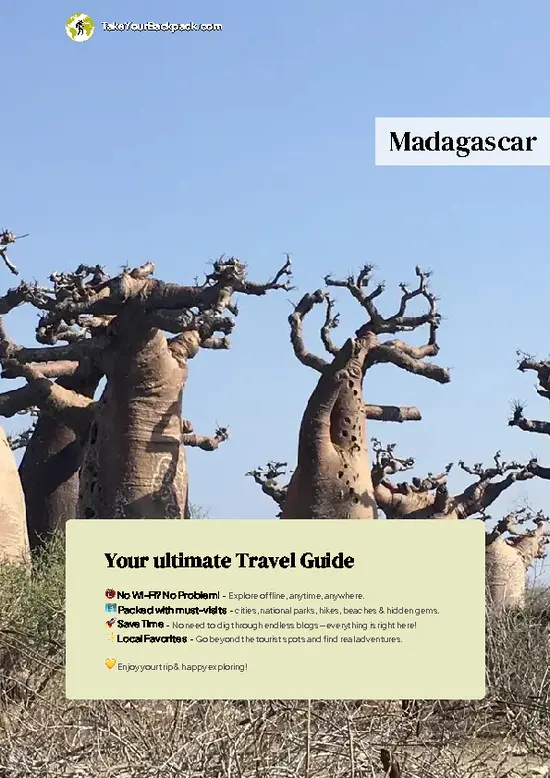
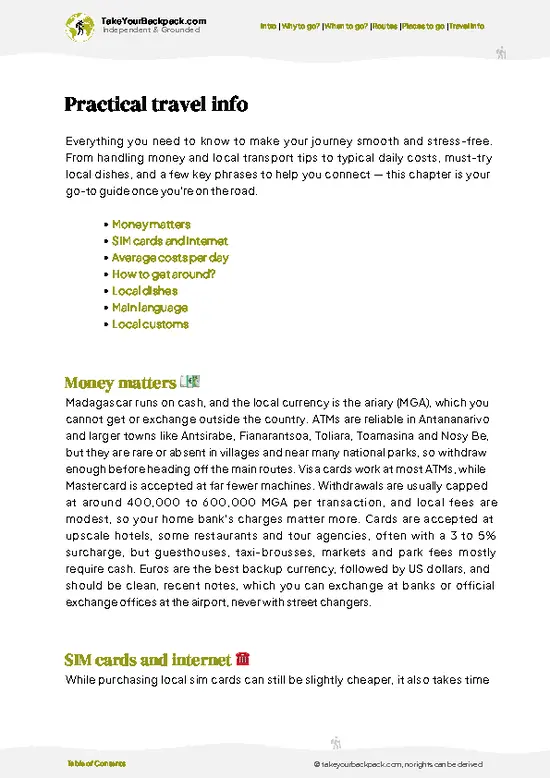
example page 0 from our offline Travel Guide for Madagascar
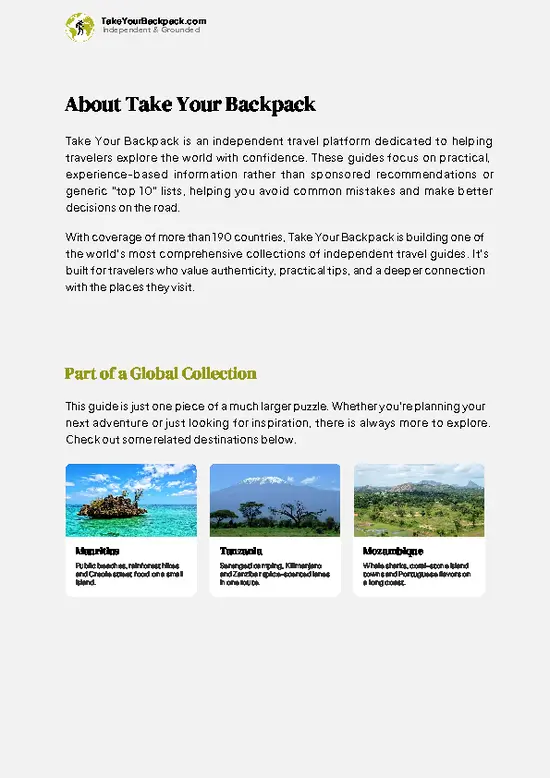
example page 1 from our offline Travel Guide for Madagascar
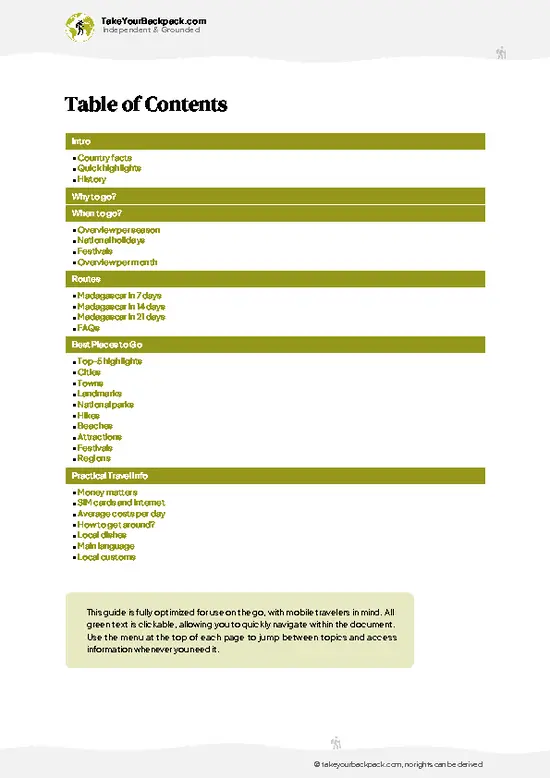
example page 2 from our offline Travel Guide for Madagascar
example page 3 from our offline Travel Guide for Madagascar
example page 4 from our offline Travel Guide for Madagascar
example page 5 from our offline Travel Guide for Madagascar
example page 6 from our offline Travel Guide for Madagascar
example page 7 from our offline Travel Guide for Madagascar
The digital guide (418 pages) contains:
110 highlights, ranked by travel appeal
Optimized 7, 14 & 21-day travel routes
Cities, national parks, landmarks, beaches
How to get around
Offline-friendly for travel without Wi-Fi
👉 Click to see all 30+ guide features

📅 Plan smarter in minutes, not weeks
Month by month travel advice
Festivals & national holidays
Budget expectations

🗺️ Go to the right places, skip the overrated ones
Honest pros & cons of destinations
Top hikes, parks & viewpoints
Lesser-known places most travelers miss
Clear “worth it vs skip it” guidance

🛏️ Travel smoothly without rookie mistakes
Best areas to stay
Transport systems explained simply
Common scams & safety advice
SIM cards, money & practical tips

🌍 Understand the country, not just visit it
Culture & traditions
52 Essential phrases & customs
Festivals worth planning around
Traveler-friendly historical context
Insights that make places more meaningful

📱 Built for real travel conditions
Fully downloadable PDF
Works completely offline
Optimized for phone use
Useful in remote areas & buses
Everything in one place
Save weeks of stressful planning
Get instant access to your full guide. 30‑day money-back guarantee.
+ Add another guide for just US$7.80

By proceeding you agree to our terms.
Sent to your inbox immediately after payment • 100% Secure Checkout
Best Backpacking Travel Advisor 2025 tourism awardBest Backpacking
Travel Advisor
2025
What others say about Take Your Backpack Guides:
⭐⭐⭐⭐⭐
Fantastic, amazing amount of information!
⭐⭐⭐⭐⭐
My goodness this is amazing, it's what I've been looking for hats off too you!
⭐⭐⭐⭐⭐
I think this is absolutely BRILLIANT
⭐⭐⭐⭐
Very complete and informative. It's still missing places, but I gotta to commend you
⭐⭐⭐⭐⭐
This is truly amazing, thank you, can't wait to explore it with my kids!
⭐⭐⭐⭐⭐
Awesome resource, thank you!
⭐⭐⭐⭐⭐
This is amazing! Can't wait to explore the ones I haven't seen
⭐⭐⭐⭐
I love this! Well done, great idea.
⭐⭐⭐⭐⭐
Thanks for taking the time to make this gem!
⭐⭐⭐⭐⭐
This might be the best website I've ever seen.
⭐⭐⭐⭐⭐
Congratulations, and thank you so much for your work; it's incredibly valuable.
⭐⭐⭐⭐
In all seriousness I think you did a great job pointing out the important spots
⭐⭐⭐⭐⭐
10/10 very good
⭐⭐⭐⭐⭐
As someone who's only just starting to visit regularly this is awesome, thank you.
⭐⭐⭐⭐
Thank you very much! I'm going to visit my dad, it's going to be very useful!
⭐⭐⭐⭐⭐
This is really cool! We'll be travelling for the first time and this definitely come in handy.
⭐⭐⭐⭐⭐
You are now our minister of culture, congratulations 👨‍💼
⭐⭐⭐⭐⭐
Just wanted to tell you that this is a pearl! Going to follow your recommendations.
⭐⭐⭐⭐⭐
This is so cool. I'll definitely be using the resource for my travels soon.
⭐⭐⭐⭐⭐
This is very impressive! Good work.
⭐⭐⭐⭐⭐
This is an amazing and informative site. Very well done!

🛏️ Where to stay?Where staying makes the most sense

If you enjoy meeting fellow travelers, consider choosing hostels with high ratings for atmosphere. On the other hand, if you prefer having your own space, a hotel might be a better option.

🥾 Hike detailsHike details: route, duration, and difficulty of Montagne d’Ambre Circuit

Total Distance: The Montagne d’Ambre Circuit covers about 12 kilometers (7.5 miles) in total, making it a decent trek for a day hike.

Estimated Duration: Expect to spend around 4 to 6 hours on the trail, depending on your pace and how often you stop to soak in the views or snap photos.

Difficulty Level: This trail is generally rated as moderate. There are some steep sections and uneven terrain, but it’s manageable for most hikers with a reasonable level of fitness.

Starting Point: The trailhead begins at the Montagne d’Ambre National Park entrance. To get there, take a taxi-brousse (shared … read more 👉
Total Distance: The Montagne d’Ambre Circuit covers about 12 kilometers (7.5 miles) in total, making it a decent trek for a day hike.

Estimated Duration: Expect to spend around 4 to 6 hours on the trail, depending on your pace and how often you stop to soak in the views or snap photos.

Difficulty Level: This trail is generally rated as moderate. There are some steep sections and uneven terrain, but it’s manageable for most hikers with a reasonable level of fitness.

Starting Point: The trailhead begins at the Montagne d’Ambre National Park entrance. To get there, take a taxi-brousse (shared minibus) from Diego Suarez (Antsiranana) to Joffreville. From Joffreville, it’s a short walk or a local taxi to the park entrance.

Major Landmarks Along the Route:
  • Amber Waterfall: A stunning cascade that’s perfect for a refreshing break.
  • Lake Sacre: A serene spot where you might spot some wildlife.
  • Lookout Points: Several spots offer breathtaking views of the surrounding forest and hills.

Type of Terrain and Scenery: The trail features a mix of dirt paths, rocky sections, and occasional muddy spots, especially after rain. The scenery is a lush blend of dense rainforest, waterfalls, and highland views, making it a feast for the eyes.

Typical Vegetation and Wildlife:
  • Vegetation: Expect to see a variety of endemic plants, including ferns, orchids, and towering trees.
  • Wildlife: Keep an eye out for lemurs, chameleons, and various bird species, including the colorful vangas and the elusive Madagascar blue pigeon.

This trail is a gem for those looking to immerse themselves in Madagascar’s unique natural beauty. Just remember to pack enough water and snacks, and enjoy the adventure!
⚠️ Hiking info can sometimes be outdated or inaccurate. Before you hit the trail, check the latest conditions with locals. If you do spot anything that's off, I'd love to hear from you, so I can update it for fellow travelers.

🛡️ SafetyScams, Hazards, and Annoyances

The Montagne d’Ambre Circuit is a wild ride, but it’s manageable with the right mindset. Expect sudden weather shifts; the sun can blaze, then rain can drench you in minutes. Dress in layers and pack a lightweight poncho.

The terrain varies from well-trodden paths to steep, rocky sections that demand focus. Watch your footing, especially on descents. Navigation is straightforward, but keep an eye on trail markers to avoid wandering off course.

Wildlife is abundant, from chameleons to lemurs. Keep your distance and don’t feed them; respect their space.

Timing is key—start early to beat the heat and enjoy cooler air. Bring sturdy shoes and a reliable water source; hydration is crucial. Embrace the challenge, and you’ll be rewarded with breathtaking views and the sweet taste of adventure at the end of the trail.

FAQTraveler FAQ

The Montagne d’Ambre Circuit hike typically takes about 4 to 6 hours to complete, covering roughly 10 kilometers. The duration depends on your pace and stops for wildlife viewing or photography.
The hike is moderately difficult, involving some steep sections and uneven terrain. It is suitable for hikers with a reasonable level of fitness and experience in tropical forest conditions.
Yes, you need a guide and a permit to hike the Montagne d’Ambre Circuit. Guides are mandatory to ensure safety and to help spot wildlife, and permits are obtained at the park entrance, costing around 25,000 Ariary.
⚠️ Things can change over time, so always validate details locally before you go.

Other Malagasy hikes near Montagne d’Ambre Circuit

Explore more nearby:


💡 Not sure where to go next?
Create a personalized itinerary for Madagascar including Montagne d’Ambre Circuit and the places that fit your trip.

Generate my itinerary

👉 Discover all hikes

Or checkout all Madagascar has to offer (think cities, towns, villages, national parks, hikes, beaches, festivals)
Country photo of Madagascar

We 💚 feedbackWhat to keep in mind

The Montagne d’Ambre Circuit is a wild ride through Madagascar’s lush landscapes, where the air is thick with the scent of damp earth and the calls of unseen creatures echo around you. The payoff? Those breathtaking views from the summit that make every steep step worthwhile. But be ready for the mud—seriously, it’s relentless. Pack good shoes, or you’ll be slipping and sliding more than you bargained for. Embrace the grit; it’s part of the adventure.

✈️ When did I visit Madagascar?
Madagascar I went backpacking in October 2019. With a friend I rented a 4WD and drove around the southern part of Madagascar.

✍️ Help improve this page!
The information on this page is based on my own backpacking experience in Madagascar, supplemented with up-to-date research and feedback from other travelers. Travel details can change, so if you notice anything outdated or incomplete, feel free to let me know.


🙋‍♂️ Give feedback

👋 Meet the founderWho’s Behind Take Your Backpack?

Johan, backpacker and founder of TakeYourBackpackHi, I’m Johan (Netherlands 🇳🇱), the creator of TakeYourBackpack. Over the past decade, I’ve backpacked through 80+ countries across six continents, gaining extensive experience with independent travel, long-term trips, and overland routes.

This site is built on a combination of firsthand travel experience and carefully curated insights from other backpackers. Many guides are based on places I’ve personally visited, while others bring together tips, observations, and practical advice shared by trusted travelers I’ve met along the way.

The goal is to provide realistic, experience-driven guidance — not generic itineraries — so you can explore destinations with better context, clearer expectations, and more confidence.

Get full Madagascar guide •
Instant download • 110 highlights • Full Offline guide