×

Madagascar🇲🇬 | attractionsAntsirabe Thermal BathsMineral tubs, colonial arch, pousse-pousse avenues, tin-toy workshops | things to do and best time to go

Explore Musée d’Art et d’Archéologie d’AntananarivoExplore La Teinturerie

Backpacking in Antsirabe Thermal Baths
👌 Worth visitingattraction ranked #12
By Johan Kruseman 🇳🇱 | Updated October 15, 2026

Most people come to Antsirabe for the thermal baths, and the Hôtel des Thermes, built in the 1900s, still pipes mineral water into private tubs. The overlooked part is the town itself: wide avenues, a French-era railway station and pousse-pousse riders ringing bells at every corner. It sits in the central highlands of Madagascar, south of Antananarivo. Baths run on a booking system because water is heated per tub, so ask in the morning and return later, the way regulars do. I still connect the place with the hiss of a tap filling a tiled room and the faint eggy smell of mineral water. Come if you like faded colonial atmosphere and slow soaks. Skip it if you need big, polished sights.

Discover everything you want to know in the 📖 Madagascar Travel Guide.


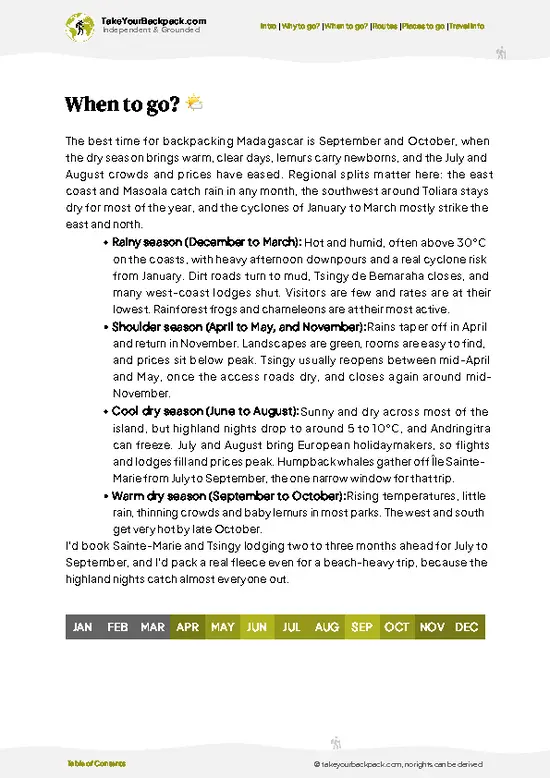
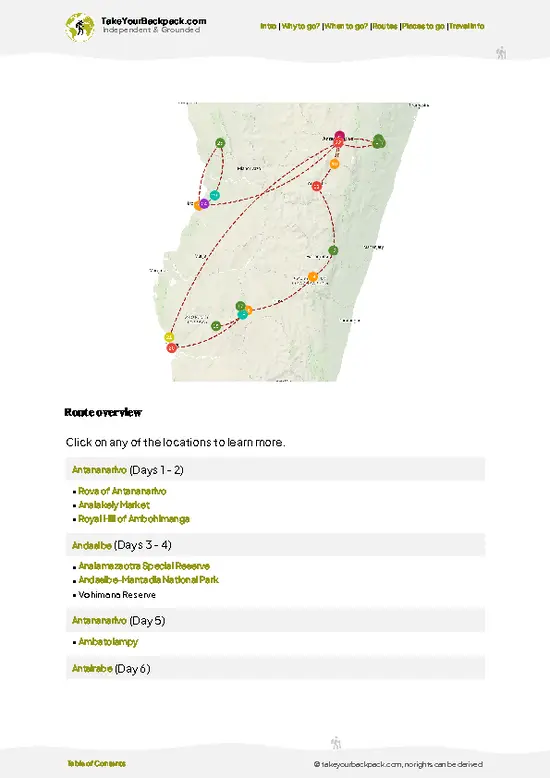
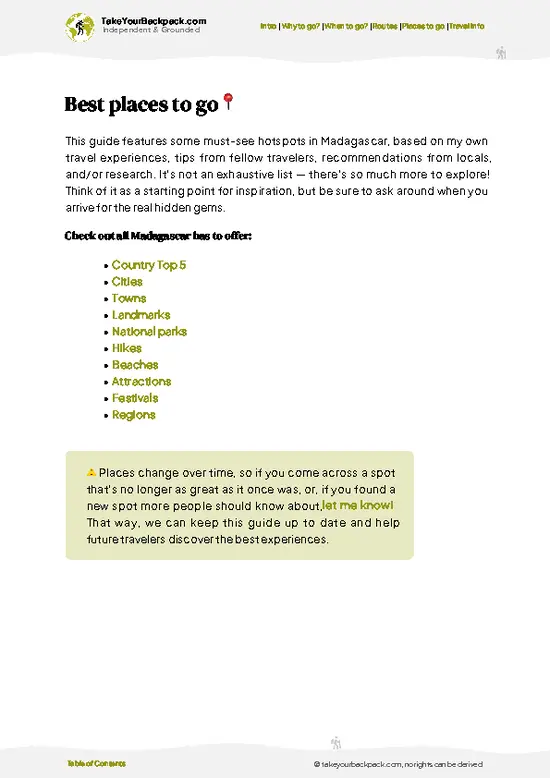
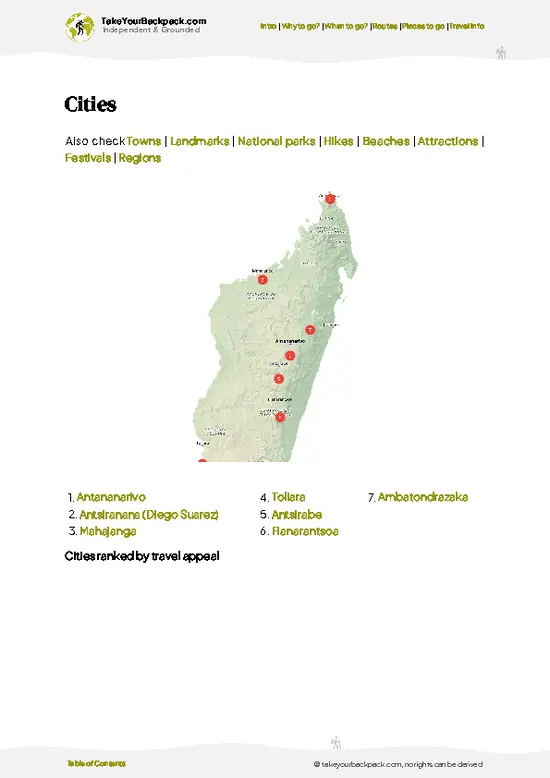
example page 0 from our offline Travel Guide for Madagascar
example page 1 from our offline Travel Guide for Madagascar
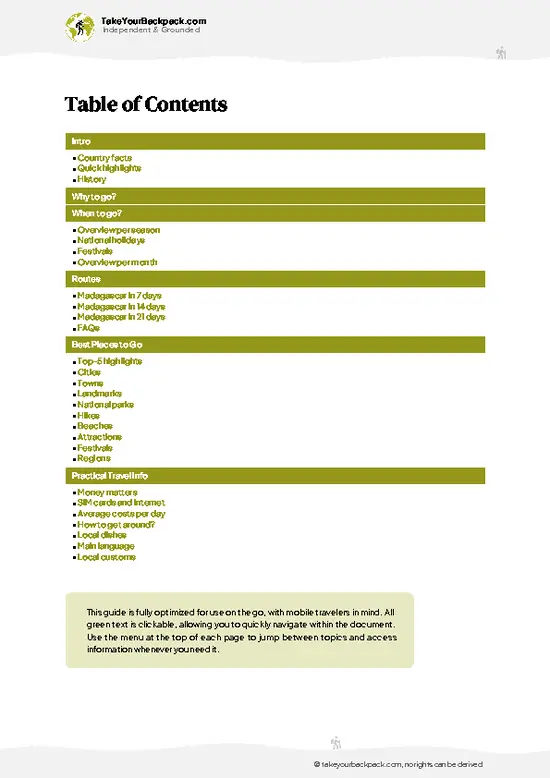
example page 2 from our offline Travel Guide for Madagascar
example page 3 from our offline Travel Guide for Madagascar
example page 4 from our offline Travel Guide for Madagascar
example page 5 from our offline Travel Guide for Madagascar
example page 6 from our offline Travel Guide for Madagascar
example page 7 from our offline Travel Guide for Madagascar
Loading the map 🌍
CLICK TO FILTER
cities
towns
landmarks
national parks
hikes
beaches
attractions
festivals
regions
SHOW COUNTRY’S BESTSHOW ALL

✨ Why go?
Ranked #12 attraction in Madagascar
Why Antsirabe Thermal Baths should be on your travel list

Antsirabe gives you a rare mix of thermal bathing and colonial leftovers in a highland town that feels lived in rather than staged. The baths were the reason the French and Norwegian settlers came here, and soaking in a private tub in a building from that era connects you to that story in a way a museum label cannot. The town is also a practical milestone on the route between the capital and the south, with Ranomafana and Fianarantsoa further on. It breaks up long road days and puts you among pousse-pousse riders, craft workshops and cool streets lined with old villas. The effort is small, the atmosphere is strong, and a stop here suits slower travelers.

💡 HighlightsThe experiences that define the visit

  1. Hôtel des Thermes: the grand colonial hotel and bath house the town grew around, with ornate facades and thermal rooms you can still use.
  2. Private thermal tubs: book a tub of mineral-rich hot water, usually a short session, and expect a tiled room, steam and a mild sulfur smell.
  3. Colonial arch area: a historic arch that frames the old town entry and makes a good photo stop among the French-era streets.
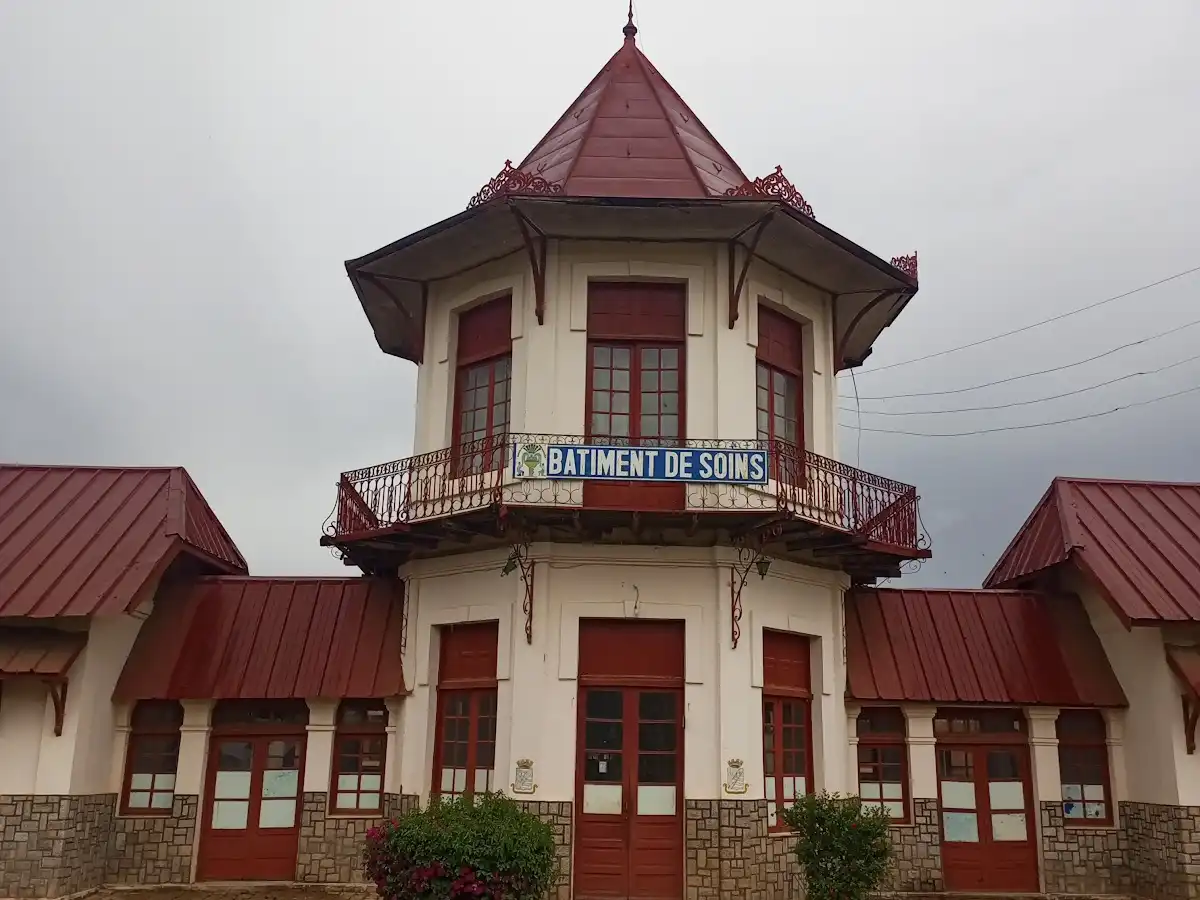
  4. Antsirabe railway station: a handsome early 20th-century station with an iron-and-brick look, worth seeing even though passenger trains are rare.
  5. Pousse-pousse rides: the town’s signature rickshaws, ridden along tree-lined avenues; agree the price before you sit.
  6. Lake Andraikiba: a calm crater lake on the edge of town, good for a short walk with views of the hills.
  7. Craft workshops: local artisans make
… read more 👉
  1. Hôtel des Thermes: the grand colonial hotel and bath house the town grew around, with ornate facades and thermal rooms you can still use.
  2. Private thermal tubs: book a tub of mineral-rich hot water, usually a short session, and expect a tiled room, steam and a mild sulfur smell.
  3. Colonial arch area: a historic arch that frames the old town entry and makes a good photo stop among the French-era streets.
  4. Antsirabe railway station: a handsome early 20th-century station with an iron-and-brick look, worth seeing even though passenger trains are rare.
  5. Pousse-pousse rides: the town’s signature rickshaws, ridden along tree-lined avenues; agree the price before you sit.
  6. Lake Andraikiba: a calm crater lake on the edge of town, good for a short walk with views of the hills.
  7. Craft workshops: local artisans make miniature vehicles from recycled tin, and some let you watch the work.
  8. Cathedral of Antsirabe: a large church whose bells and stone presence anchor the town center.
If time is short, skip the railway station and spend it in the baths.
Spotted a mistake or missing something? Contact us.
🌤️ When to go?Choosing the right time of year

  • Cool Dry Season (May to August): Antsirabe sits at about 1,500 meters, so days reach 20 to 23°C (68 to 73°F) and nights drop to 5 to 8°C (41 to 46°F), sometimes near freezing in July. Skies stay dry and the colonial streets are good for walking, but pack a fleece. Daylight runs roughly 5:45 am to 5:30 pm.
  • Hot Season (September to November): Days warm to 24 to 27°C (75 to 81°F) with little rain, and the bath area is less crowded. Prices stay steady.
  • Rainy Season (December to March): Afternoon downpours, 20 to 25°C (68 to 77°F), and muddy side roads. Rooms are easy to get.
  • Holidays (July to August, Christmas): Malagasy families visit and rickshaw and room prices rise slightly.
Arrive early in the day, when the thermal pools are quiet and the air is crisp.

source: climatestotravel.comJANJanuary: fair for travelingFEBFebruary: fair for travelingMARMarch: fair for travelingAPRApril: fair for travelingMAYMay: highly recommended for travelingJUNJune: highly recommended for travelingJULJuly: good for travelingAUGAugust: good for travelingSEPSeptember: highly recommended for travelingOCTOctober: highly recommended for travelingNOVNovember: fair for travelingDECDecember: fair for traveling
madagascar-attraction-antsirabe-thermal-baths
© Google |

✈️ The backpacker research shortcutMadagascar Travel Guide

An offline-friendly backpacking guide with optimized travel routes, ranked highlights, transport advice, and the best areas to stay.
example page 0 from our offline Travel Guide for Madagascar
example page 1 from our offline Travel Guide for Madagascar
example page 2 from our offline Travel Guide for Madagascar
example page 3 from our offline Travel Guide for Madagascar
example page 4 from our offline Travel Guide for Madagascar
example page 5 from our offline Travel Guide for Madagascar
example page 6 from our offline Travel Guide for Madagascar
example page 7 from our offline Travel Guide for Madagascar
The digital guide (301 pages) contains:
✅ 96 highlights, ranked by travel appeal
✅ Optimized 7, 14 & 21-day travel routes
✅ Cities, national parks, landmarks, beaches
✅ How to get around
✅ Offline-friendly for travel without Wi-Fi
👉 Click to see all 30+ guide features

📅 Plan smarter in minutes, not weeks
✅ Month by month travel advice
✅ Festivals & national holidays
✅ Budget expectations

🗺️ Go to the right places, skip the overrated ones
✅ Honest pros & cons of destinations
✅ Top hikes, parks & viewpoints
✅ Lesser-known places most travelers miss
✅ Clear “worth it vs skip it” guidance

🛏️ Travel smoothly without rookie mistakes
✅ Best areas to stay
✅ Transport systems explained simply
✅ Common scams & safety advice
✅ SIM cards, money & practical tips

🌍 Understand the country, not just visit it
✅ Culture & traditions
✅ 52 Essential phrases & customs
✅ Festivals worth planning around
✅ Traveler-friendly historical context
✅ Insights that make places more meaningful

📱 Built for real travel conditions
✅ Fully downloadable PDF
✅ Works completely offline
✅ Optimized for phone use
✅ Useful in remote areas & buses
✅ Everything in one place
Stop searching, start planning
Get instant access to your full guide. 30‑day money-back guarantee.
+ Add another guide for just

By proceeding you agree to our terms.
Sent to your inbox immediately after payment • 100% Secure Checkout
Best Backpacking Travel Advisor 2025 tourism awardBest Backpacking
Travel Advisor
2025
What others say about Take Your Backpack Guides:
⭐⭐⭐⭐⭐
Fantastic, amazing amount of information!
⭐⭐⭐⭐⭐
My goodness this is amazing, it's what I've been looking for hats off too you!
⭐⭐⭐⭐⭐
I think this is absolutely BRILLIANT
⭐⭐⭐⭐
Very complete and informative. It's still missing places, but I gotta to commend you
⭐⭐⭐⭐⭐
This is truly amazing, thank you, can't wait to explore it with my kids!
⭐⭐⭐⭐⭐
Awesome resource, thank you!
⭐⭐⭐⭐⭐
This is amazing! Can't wait to explore the ones I haven't seen
⭐⭐⭐⭐
I love this! Well done, great idea.
⭐⭐⭐⭐⭐
Thanks for taking the time to make this gem!
⭐⭐⭐⭐⭐
This might be the best website I've ever seen.
⭐⭐⭐⭐⭐
Congratulations, and thank you so much for your work; it's incredibly valuable.
⭐⭐⭐⭐
In all seriousness I think you did a great job pointing out the important spots
⭐⭐⭐⭐⭐
10/10 very good
⭐⭐⭐⭐⭐
As someone who's only just starting to visit regularly this is awesome, thank you.
⭐⭐⭐⭐
Thank you very much! I'm going to visit my dad, it's going to be very useful!
⭐⭐⭐⭐⭐
This is really cool! We'll be travelling for the first time and this definitely come in handy.
⭐⭐⭐⭐⭐
You are now our minister of culture, congratulations 👨‍💼
⭐⭐⭐⭐⭐
Just wanted to tell you that this is a pearl! Going to follow your recommendations.
⭐⭐⭐⭐⭐
This is so cool. I'll definitely be using the resource for my travels soon.
⭐⭐⭐⭐⭐
This is very impressive! Good work.
⭐⭐⭐⭐⭐
This is an amazing and informative site. Very well done!

🛏️ Where to stay?Where staying makes the most sense

The center of Antsirabe, along and around Avenue de l’Indépendance near the old train station, is the best place for backpackers. It is flat, walkable, and puts the colonial arch, the Hôtel des Thermes area, and the market within a 10 to 20 minute stroll. Budget guesthouses and small family-run hotels cluster here, and the restaurants and bakeries keep late evening hours, so solo travelers feel comfortable walking back after dark (stay on the main avenues).

The streets near the taxi-brousse station are a second option. They are noisy from early morning but ideal if you are arriving or leaving … read more 👉
The center of Antsirabe, along and around Avenue de l’Indépendance near the old train station, is the best place for backpackers. It is flat, walkable, and puts the colonial arch, the Hôtel des Thermes area, and the market within a 10 to 20 minute stroll. Budget guesthouses and small family-run hotels cluster here, and the restaurants and bakeries keep late evening hours, so solo travelers feel comfortable walking back after dark (stay on the main avenues).

The streets near the taxi-brousse station are a second option. They are noisy from early morning but ideal if you are arriving or leaving on a tight schedule. Neighborhoods around Lake Tritriva lie much farther out and suit only those with their own transport. Most travelers meet others over meals in town and share pousse-pousse rides to the baths, so staying central makes it easy to split costs and find company.

👛 Costs (as of 15 October 2026)Money, prices, and spending tips

Expect to spend about US$20 to 46 a day in Antsirabe, with the bath and arch visit itself costing very little compared with lodging and food.
CategoryBudget RangeLocal Reality
Arch viewingFreeThe colonial arch is a public monument on the street.
Thermal bath or poolUS$2 to 8Private cabin baths cost less than the larger spa facilities.
Accommodation (high season)US$10 to 20Simple guesthouse rooms, often with a shared bathroom at the low end.
FoodUS$5 to 10Local rice dishes at small eateries cost a few dollars, restaurant meals more.
Local transportUS$1 to 3Pousse-pousse rides are negotiated per trip, so agree the fare first.
ExtrasUS$2 to 5Snacks, tips, and handicraft shopping.
Total Daily BudgetUS$20 to 46Lower if you share rooms and eat locally.
⚠️ Prices can change and everyone travels differently, so take this as a rough guide. Hope it helps you plan your adventure!

FAQFrequently asked questions about Antsirabe Thermal Baths

Half a day is enough for the thermal baths and the colonial arch, though most travelers spend one to two days in Antsirabe. A bath session takes 1 to 2 hours, and a walk through the colonial center takes another 2 hours. Add a day if you want to visit Lake Tritriva or the craft workshops.
Yes, if you treat it as part of a wider town visit, since the arch is free and the baths cost roughly US$2 to 8. The soak is a relaxing break after rough roads and cool highland nights. The colonial architecture is modest, so it is best combined with the markets and workshops.
Antsirabe lies about 170 km south of Antananarivo, and taxi-brousse minibuses take 3 to 5 hours for roughly US$4 to 8. Private taxis or hired cars are faster and cost more. Once in town, pousse-pousse rickshaws cost about US$1 to 3 per ride to the baths and arch.
⚠️ Things can change over time, so always validate details locally before you go.

Other Malagasy attractions near Antsirabe Thermal Baths

Explore more nearby:


💡 Not sure where to go next?
Create a personalized itinerary for Madagascar including Antsirabe Thermal Baths and the places that fit your trip.

Generate my itinerary

👉 Discover all attractions

Or checkout all Madagascar has to offer (think cities, towns, villages, national parks, hikes, beaches, festivals)
Country photo of Madagascar

We 💚 feedbackKey takeaways before you go

Go on a cool early morning, when mist hangs over the highland streets, then book a late-morning soak in the thermal baths while the pousse-pousse riders are still waking up. I would skip the hot afternoon rush and keep dinner light and local.

✈️ When did I visit Madagascar?
Madagascar I went backpacking in October 2019. With a friend I rented a 4WD and drove around the southern part of Madagascar.

✍️ Help improve this page!
The information on this page is based on my own backpacking experience in Madagascar, supplemented with up-to-date research and feedback from other travelers. Travel details can change, so if you notice anything outdated or incomplete, feel free to let me know.


🙋‍♂️ Give feedback

👋 Meet the founderWho’s Behind Take Your Backpack?

Johan, backpacker and founder of TakeYourBackpackHi, I’m Johan (Netherlands 🇳🇱), the creator of TakeYourBackpack. Over the past 3 decades, I’ve backpacked through 90+ countries across six continents, gaining extensive experience with independent travel, long-term trips, and overland routes.

This site is built on a combination of firsthand travel experience and carefully curated insights from other backpackers. Many guides are based on places I’ve personally visited, while others bring together tips, observations, and practical advice shared by trusted travelers I’ve met along the way.

The goal is to provide realistic, experience-driven guidance — not generic itineraries — so you can explore destinations with better context, clearer expectations, and more confidence.