×

Madagascar🇲🇬 | townsIhosyZebu auctions, RN7 stopover, Bara tombs, roadside masikita | things to do and best time to go

Explore FarafanganaExplore Maintirano

Backpacking in Ihosy
🌟 Highlighttown ranked #8
By Johan Kruseman 🇳🇱 | Updated October 16, 2026

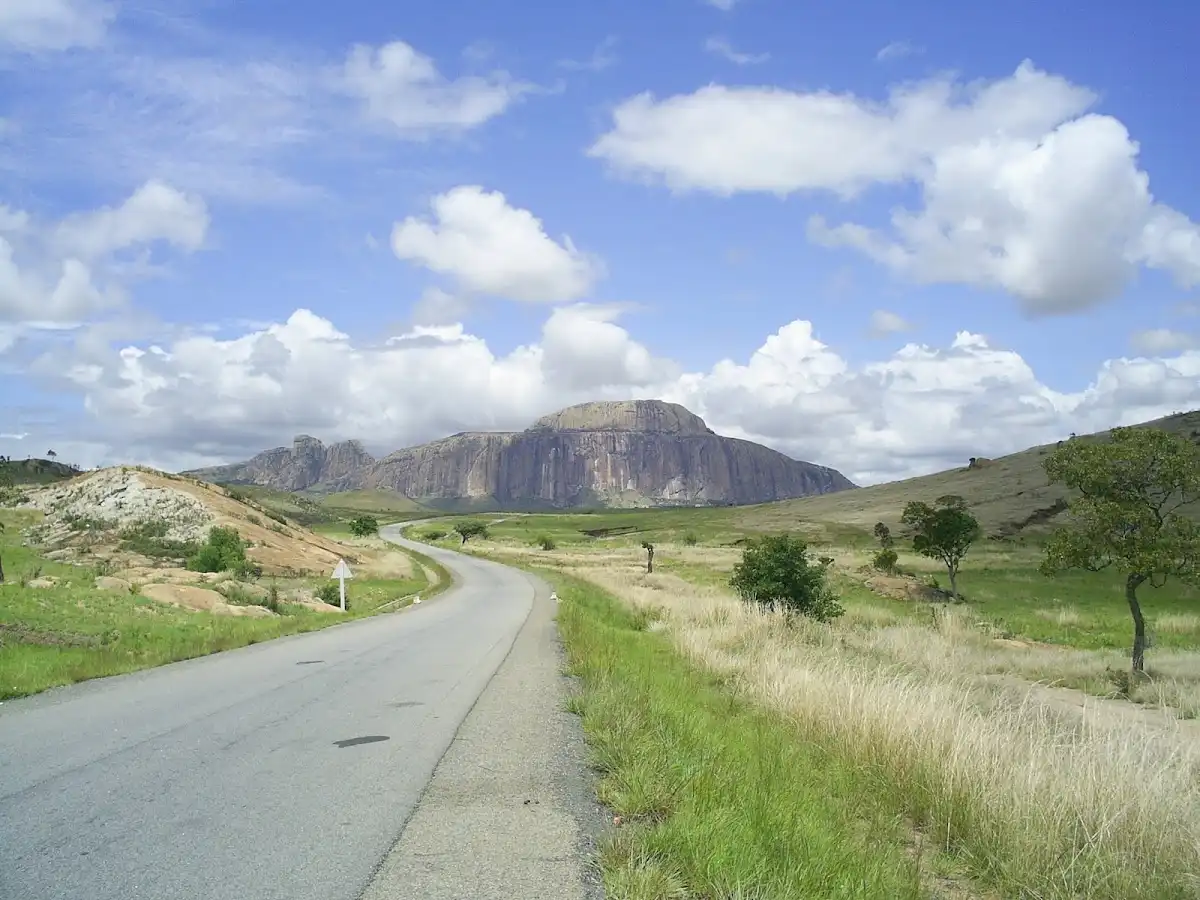
Ihosy is the capital of the Ihorombe region and the last real town before the long, empty stretch of the RN7 toward the southwest, so fuel, cash and a decent meal are all worth sorting here. It sits on the RN7 in south-central Madagascar, on the Ihosy River, with grassland plateau all around. It suits overlanders and slow travelers; it disappoints anyone wanting beaches or nightlife. The taxi-brousse from Fianarantsoa pulled in after dark, and a boy ran alongside the window selling grilled zebu skewers, the smoke sweet and fatty in the dust. Experienced travelers buy tickets the day before, since vehicles leave when full, and eat early, because kitchens close fast. Zebu herds were still crossing the bridge at dawn.

Discover everything you want to know in the 📖 Madagascar Travel Guide.


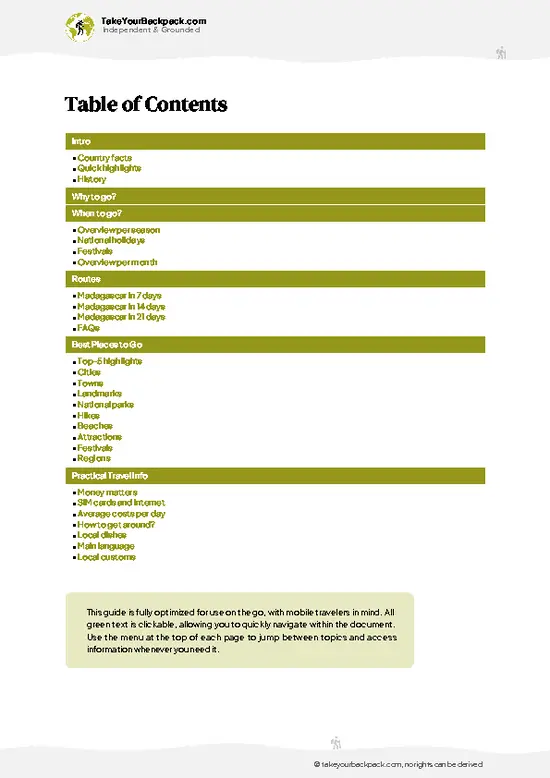
example page 0 from our offline Travel Guide for Madagascar
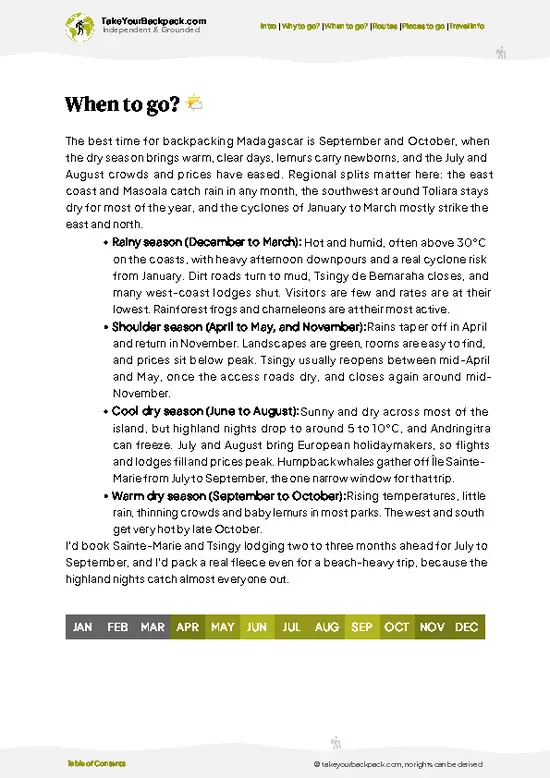
example page 1 from our offline Travel Guide for Madagascar
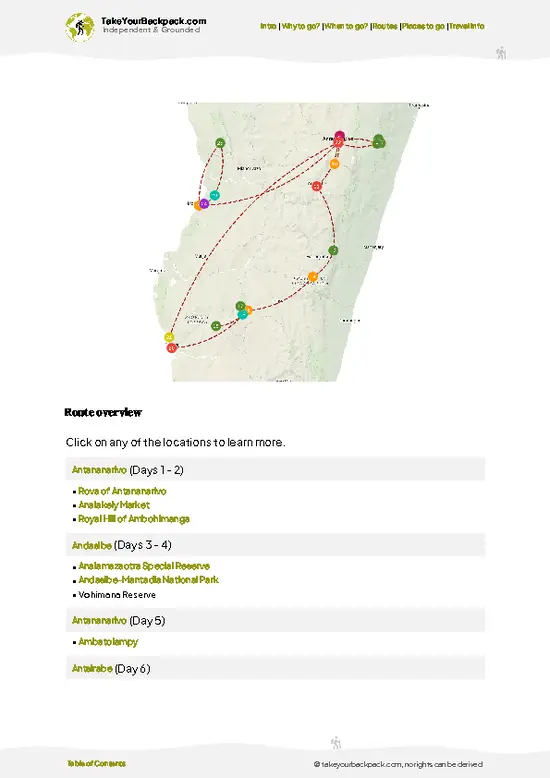
example page 2 from our offline Travel Guide for Madagascar
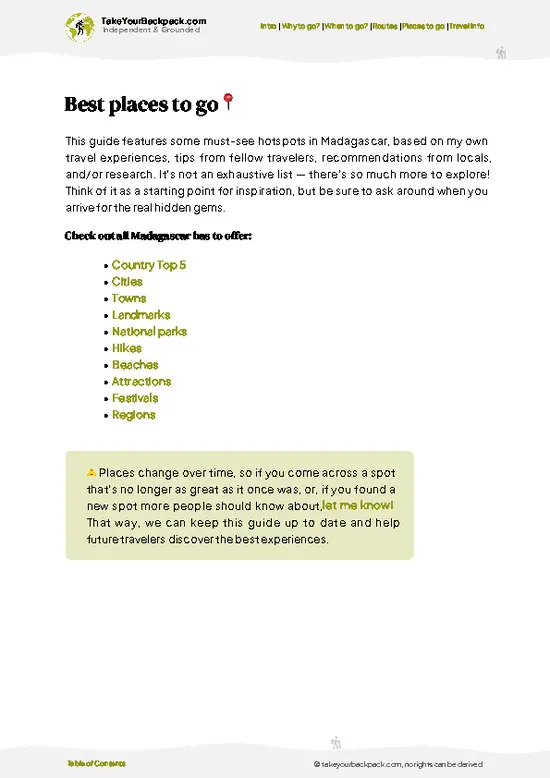
example page 3 from our offline Travel Guide for Madagascar
example page 4 from our offline Travel Guide for Madagascar
example page 5 from our offline Travel Guide for Madagascar
example page 6 from our offline Travel Guide for Madagascar
example page 7 from our offline Travel Guide for Madagascar
Loading the map 🌍
CLICK TO FILTER
cities
towns
landmarks
national parks
hikes
beaches
attractions
festivals
regions
SHOW COUNTRY’S BESTSHOW ALL

✨ Why go?
Ranked #8 town in Madagascar
What sets this place apart

Backpackers come to Ihosy because it is the natural pause on the RN7, the road linking the highlands to the southwest. Few travelers plan a stay here, which is the appeal: you see a working cattle town rather than a tourist one. Zebu markets, Bara and Betsileo neighbors and a slow rhythm give you real contact with everyday life. It is also a practical transfer point, where taxi-brousses split toward Toliara, Fianarantsoa and the east, so you can break a punishing journey into two easier legs. The Isalo massif lies close enough to use Ihosy as a cheaper, quieter alternative to the tourist hub. Expect basic rooms, simple food and little to do after dark. Treat it as a one-night stop, two if you want to wander the market and the river and let your back recover from the road.

💡 HighlightsTop highlights of Ihosy

  1. Ihosy Zebu Market: The town’s defining scene, with herders from across the Bara country bargaining over cattle in dust and noise. Go in the morning, free to watch, 1 to 2 hours.
  2. Ihosy River Bridge: Herds and carts cross at dawn and dusk, with low light on the grassland. A free 30 minute stop.
  3. Central Market: Piles of cassava, rice, dried fish, lychees in season and fried snacks. Morning is liveliest, entry free, about 1 hour.
  4. Zebu Skewer Stalls: Roadside grills along the RN7 serve masikita (grilled meat) after sunset. Budget a few thousand ariary (roughly US$1 to 2) per skewer portion, 30 to 45 minutes.
  5. Hill Viewpoint above Town: A short climb on the edge of town gives a view over tin roofs and the plateau. Late afternoon is best, free, 1 hour.
  6. Bara Tombs by the Roadside: Painted and carved tomb
… read more 👉
  1. Ihosy Zebu Market: The town’s defining scene, with herders from across the Bara country bargaining over cattle in dust and noise. Go in the morning, free to watch, 1 to 2 hours.
  2. Ihosy River Bridge: Herds and carts cross at dawn and dusk, with low light on the grassland. A free 30 minute stop.
  3. Central Market: Piles of cassava, rice, dried fish, lychees in season and fried snacks. Morning is liveliest, entry free, about 1 hour.
  4. Zebu Skewer Stalls: Roadside grills along the RN7 serve masikita (grilled meat) after sunset. Budget a few thousand ariary (roughly US$1 to 2) per skewer portion, 30 to 45 minutes.
  5. Hill Viewpoint above Town: A short climb on the edge of town gives a view over tin roofs and the plateau. Late afternoon is best, free, 1 hour.
  6. Bara Tombs by the Roadside: Painted and carved tomb markers near town reflect Bara funerary tradition. View respectfully from a distance, ideally with a local guide; allow 1 hour.
Combine the zebu market in the morning with the hill viewpoint in the late afternoon. Isalo National Park, Ranohira and the Sapphire-mining zone near Ilakaka are the nearest day trip options.
Spotted a mistake or missing something? Contact us.

Things to do near Ihosy

Ratings based on Tripadvisor reviews. When you book through this link, you support our work at no extra cost to you.

🏘️ NeighborhoodsNeighborhood guide to Ihosy

Ihosy is small enough to read in an afternoon, and the smarter move is to treat it as a linear town strung along the RN7 rather than a place with districts. Everything is spread on foot-friendly distances, but the midday sun is fierce, so walk early or after 4 p.m.
  • RN7 strip: This is the spine. Trucks, taxi-brousse and minibuses grind through all day, diesel hangs in the air, and roadside stalls sell fried dough, grilled skewers and phone credit. It is noisy because every vehicle on the Antananarivo to Toliara route must pass here, so eat and shop here, then retreat elsewhere for quiet.
  • Central market area: Rows of tarps shade piles of tomatoes, rice, dried fish and zebu meat, with red dust on everything. Go before 9 a.m., when produce is fresh and the heat is bearable. Bring small notes, since
… read more 👉
Ihosy is small enough to read in an afternoon, and the smarter move is to treat it as a linear town strung along the RN7 rather than a place with districts. Everything is spread on foot-friendly distances, but the midday sun is fierce, so walk early or after 4 p.m.
  • RN7 strip: This is the spine. Trucks, taxi-brousse and minibuses grind through all day, diesel hangs in the air, and roadside stalls sell fried dough, grilled skewers and phone credit. It is noisy because every vehicle on the Antananarivo to Toliara route must pass here, so eat and shop here, then retreat elsewhere for quiet.
  • Central market area: Rows of tarps shade piles of tomatoes, rice, dried fish and zebu meat, with red dust on everything. Go before 9 a.m., when produce is fresh and the heat is bearable. Bring small notes, since vendors rarely have change.
  • Bara quarter and the Ihosy River bank: The Bara people dominate this region, famed for cattle herding. Back lanes of mud-brick and tin houses are calmer, with goats, laughter and radio music. Ask before photographing people, and go with a local guide in the evening, as streetlights are sparse.
  • Outskirts toward the rock hills: Dry grassland and granite outcrops glow orange at dusk. Walk up with a guide for the view, not alone.

⌛️ 1 day1-day itinerary for Ihosy

7:00 AM: Ihosy Zebu Market. Start early while herders arrive and trade begins. Walk between pens, watch negotiations, and keep your camera discreet; ask before photographing people. It is a direct view of local economy.
9:30 AM: Central Market. Walk into the center and browse produce stalls. Buy breakfast from a vendor, such as fried dough and coffee, and note which stalls are busiest.
11:30 AM: Ihosy River Bridge. Stroll to the bridge and watch the river life below: washing, fishing, cattle drinking. This is a good place to slow down before the heat of midday.
1:00 PM: Lunch. Choose a simple hotely near the main road for rice with zebu or chicken and greens, the standard meal.
3:30 PM: Bara Tombs on the edge of town. Off the usual route, this is a quiet look at funerary art. Go with a local guide, … read more 👉
7:00 AM: Ihosy Zebu Market. Start early while herders arrive and trade begins. Walk between pens, watch negotiations, and keep your camera discreet; ask before photographing people. It is a direct view of local economy.
9:30 AM: Central Market. Walk into the center and browse produce stalls. Buy breakfast from a vendor, such as fried dough and coffee, and note which stalls are busiest.
11:30 AM: Ihosy River Bridge. Stroll to the bridge and watch the river life below: washing, fishing, cattle drinking. This is a good place to slow down before the heat of midday.
1:00 PM: Lunch. Choose a simple hotely near the main road for rice with zebu or chicken and greens, the standard meal.
3:30 PM: Bara Tombs on the edge of town. Off the usual route, this is a quiet look at funerary art. Go with a local guide, keep a respectful distance and ask first.
5:00 PM: Hill Viewpoint. Climb for the low sun over the plateau and the town.
7:00 PM: Skewer stalls. Finish with grilled zebu beside the RN7 and book tomorrow’s taxi-brousse.

🌤️ When to go?Weather, crowds, and seasonal trade-offs

Ihosy is best from May to October, when days are sunny and the roads are passable. The town sits on a hot, dry plateau in the south, so timing mostly means avoiding mud and extreme heat.
  • Cool dry season (May to August): Days reach about 24 to 28°C (75 to 82°F), nights drop to 8 to 12°C (46 to 54°F). Daylight runs roughly 11 hours. Crowds are thin, since this is a transit stop.
  • Hot season (September to November): Highs climb to 32 to 36°C (90 to 97°F), with dust and little shade. Isalo hikes get tough by midday.
  • Rainy season (December to March): Storms and cyclone remnants bring afternoon downpours, highs of 30 to 34°C (86 to 93°F) and slow, muddy roads. Transport fares can rise when trucks are delayed.
Start any hike at dawn, whatever the month.

source: climatestotravel.comJANJanuary: below average for travelingFEBFebruary: below average for travelingMARMarch: below average for travelingAPRApril: fair for travelingMAYMay: highly recommended for travelingJUNJune: excellent for travelingJULJuly: excellent for travelingAUGAugust: excellent for travelingSEPSeptember: excellent for travelingOCTOctober: highly recommended for travelingNOVNovember: fair for travelingDECDecember: below average for traveling
madagascar-city-ihosy
© Google |

✈️ The backpacker research shortcutMadagascar Travel Guide

An offline-friendly backpacking guide with optimized travel routes, ranked highlights, transport advice, and the best areas to stay.
example page 0 from our offline Travel Guide for Madagascar
example page 1 from our offline Travel Guide for Madagascar
example page 2 from our offline Travel Guide for Madagascar
example page 3 from our offline Travel Guide for Madagascar
example page 4 from our offline Travel Guide for Madagascar
example page 5 from our offline Travel Guide for Madagascar
example page 6 from our offline Travel Guide for Madagascar
example page 7 from our offline Travel Guide for Madagascar
The digital guide (305 pages) contains:
✅ 96 highlights, ranked by travel appeal
✅ Optimized 7, 14 & 21-day travel routes
✅ Cities, national parks, landmarks, beaches
✅ How to get around
✅ Offline-friendly for travel without Wi-Fi
👉 Click to see all 30+ guide features

📅 Plan smarter in minutes, not weeks
✅ Month by month travel advice
✅ Festivals & national holidays
✅ Budget expectations

🗺️ Go to the right places, skip the overrated ones
✅ Honest pros & cons of destinations
✅ Top hikes, parks & viewpoints
✅ Lesser-known places most travelers miss
✅ Clear “worth it vs skip it” guidance

🛏️ Travel smoothly without rookie mistakes
✅ Best areas to stay
✅ Transport systems explained simply
✅ Common scams & safety advice
✅ SIM cards, money & practical tips

🌍 Understand the country, not just visit it
✅ Culture & traditions
✅ 52 Essential phrases & customs
✅ Festivals worth planning around
✅ Traveler-friendly historical context
✅ Insights that make places more meaningful

📱 Built for real travel conditions
✅ Fully downloadable PDF
✅ Works completely offline
✅ Optimized for phone use
✅ Useful in remote areas & buses
✅ Everything in one place
Stop searching, start planning
Get instant access to your full guide. 30‑day money-back guarantee.
+ Add another guide for just

By proceeding you agree to our terms.
Sent to your inbox immediately after payment • 100% Secure Checkout
Best Backpacking Travel Advisor 2025 tourism awardBest Backpacking
Travel Advisor
2025
What others say about Take Your Backpack Guides:
⭐⭐⭐⭐⭐
Fantastic, amazing amount of information!
⭐⭐⭐⭐⭐
My goodness this is amazing, it's what I've been looking for hats off too you!
⭐⭐⭐⭐⭐
I think this is absolutely BRILLIANT
⭐⭐⭐⭐
Very complete and informative. It's still missing places, but I gotta to commend you
⭐⭐⭐⭐⭐
This is truly amazing, thank you, can't wait to explore it with my kids!
⭐⭐⭐⭐⭐
Awesome resource, thank you!
⭐⭐⭐⭐⭐
This is amazing! Can't wait to explore the ones I haven't seen
⭐⭐⭐⭐
I love this! Well done, great idea.
⭐⭐⭐⭐⭐
Thanks for taking the time to make this gem!
⭐⭐⭐⭐⭐
This might be the best website I've ever seen.
⭐⭐⭐⭐⭐
Congratulations, and thank you so much for your work; it's incredibly valuable.
⭐⭐⭐⭐
In all seriousness I think you did a great job pointing out the important spots
⭐⭐⭐⭐⭐
10/10 very good
⭐⭐⭐⭐⭐
As someone who's only just starting to visit regularly this is awesome, thank you.
⭐⭐⭐⭐
Thank you very much! I'm going to visit my dad, it's going to be very useful!
⭐⭐⭐⭐⭐
This is really cool! We'll be travelling for the first time and this definitely come in handy.
⭐⭐⭐⭐⭐
You are now our minister of culture, congratulations 👨‍💼
⭐⭐⭐⭐⭐
Just wanted to tell you that this is a pearl! Going to follow your recommendations.
⭐⭐⭐⭐⭐
This is so cool. I'll definitely be using the resource for my travels soon.
⭐⭐⭐⭐⭐
This is very impressive! Good work.
⭐⭐⭐⭐⭐
This is an amazing and informative site. Very well done!

🛏️ Where to stay?Where staying makes the most sense

Stay along or just off the RN7 near the center, where the few budget guesthouses and simple hotels are concentrated. Ihosy has no hostel scene, so expect basic private rooms, often with a fan, a bucket shower or shared bathroom, for about Ar25,000 to 60,000 (US$5.50 to 13). Rooms close to the highway get engine noise from early morning, so ask for a room at the back. Being near the stop also means you can catch a morning taxi-brousse without a ride. The side streets one or two blocks away are quieter and still walkable, though poorly lit after dark, so bring a headlamp and avoid wandering late. … read more 👉
Stay along or just off the RN7 near the center, where the few budget guesthouses and simple hotels are concentrated. Ihosy has no hostel scene, so expect basic private rooms, often with a fan, a bucket shower or shared bathroom, for about Ar25,000 to 60,000 (US$5.50 to 13). Rooms close to the highway get engine noise from early morning, so ask for a room at the back. Being near the stop also means you can catch a morning taxi-brousse without a ride. The side streets one or two blocks away are quieter and still walkable, though poorly lit after dark, so bring a headlamp and avoid wandering late. Power cuts happen, and hot water is not guaranteed, so a small flashlight and a charged power bank help. Book ahead only around holidays, otherwise walking in works.

🚌 Getting aroundTransportation options and practical tips

From the taxi-brousse stop on the RN7, the center is a five to ten minute walk, or a short pousse-pousse or bajaj ride for a small fee. Ihosy is compact, dusty and loud with engines, so most of your movement is on foot, with long-distance vehicles doing the real work. Public transport is informal and fills up rather than keeping a timetable.
  • Walking: Free and fastest for the center. Go early or late because the sun on bare red earth is brutal, and carry water since shade is rare.
  • Pousse-pousse and bajaj: Expect roughly Ar2,000 to 5,000 (US$0.50 to 1.10) per short ride. Agree the price before getting in, as drivers rarely use meters. Ask for a fixed price, not a vague figure.
  • Taxi-brousse: The main way out, with services toward Antananarivo, Fianarantsoa and Toliara. Fares run about Ar30,000 to
… read more 👉
From the taxi-brousse stop on the RN7, the center is a five to ten minute walk, or a short pousse-pousse or bajaj ride for a small fee. Ihosy is compact, dusty and loud with engines, so most of your movement is on foot, with long-distance vehicles doing the real work. Public transport is informal and fills up rather than keeping a timetable.
  • Walking: Free and fastest for the center. Go early or late because the sun on bare red earth is brutal, and carry water since shade is rare.
  • Pousse-pousse and bajaj: Expect roughly Ar2,000 to 5,000 (US$0.50 to 1.10) per short ride. Agree the price before getting in, as drivers rarely use meters. Ask for a fixed price, not a vague figure.
  • Taxi-brousse: The main way out, with services toward Antananarivo, Fianarantsoa and Toliara. Fares run about Ar30,000 to 70,000 (US$7 to 15) depending on the destination, and Toliara takes roughly 6 to 8 hours. Vehicles leave when full, usually in the early morning, so buy a seat the evening before and board early. Luggage goes on the roof under tarps, and the cabin smells of dust, sweat and diesel.
  • Hired motorbike or 4x4: Useful for Isalo-area detours or villages off the highway. A motorbike with driver costs about Ar50,000 to 100,000 (US$11 to 22) a day, a 4x4 far more. Negotiate fuel in advance.

👛 Costs (as of 16 October 2026)Money, prices, and spending tips

Expect to spend about US$18 to 35 a day in Ihosy, since beds and food are cheap but transport out is the main expense. Prices below are approximate and paid in Malagasy ariary, with US$ equivalents.
CategoryBudget RangeLocal Reality
Dorm accommodation (high season)US$6 to 12No true dorms; a basic private room with a fan is the norm.
Dorm accommodation (off-season)US$5 to 10Slightly lower, with little room to haggle.
MealsUS$4 to 8Rice with zebu at a roadside eatery, plus skewers and coffee.
Local transportUS$1 to 3Short pousse-pousse or bajaj rides.
City transport passUS$0None exists; the center is walkable.
Basic activities/entry feesUS$3 to 10Local guides and small reserves; Isalo costs more.
MiscellaneousUS$2 to 5Water, phone credit, tips.
Total Daily BudgetUS$18 to 35Add taxi-brousse fares on travel
… read more 👉
Expect to spend about US$18 to 35 a day in Ihosy, since beds and food are cheap but transport out is the main expense. Prices below are approximate and paid in Malagasy ariary, with US$ equivalents.
CategoryBudget RangeLocal Reality
Dorm accommodation (high season)US$6 to 12No true dorms; a basic private room with a fan is the norm.
Dorm accommodation (off-season)US$5 to 10Slightly lower, with little room to haggle.
MealsUS$4 to 8Rice with zebu at a roadside eatery, plus skewers and coffee.
Local transportUS$1 to 3Short pousse-pousse or bajaj rides.
City transport passUS$0None exists; the center is walkable.
Basic activities/entry feesUS$3 to 10Local guides and small reserves; Isalo costs more.
MiscellaneousUS$2 to 5Water, phone credit, tips.
Total Daily BudgetUS$18 to 35Add taxi-brousse fares on travel days.
Buy seats on taxi-brousse at the station rather than through a go-between to avoid commission.
⚠️ Prices can change and everyone travels differently, so take this as a rough guide. Hope it helps you plan your adventure!

🚌 Day tripsWhere to go beyond the main area

Ihosy works as a base for a few focused outings, with the Isalo massif the headline one. Most are done by taxi-brousse or hired transport, and roads are rough, so start early.Isalo National Park: Sandstone canyons, natural pools and lemurs lie about 80 km southwest, around 1.5 to 2 hours by taxi-brousse toward Ranohira (Ar10,000 to 15,000). The park entry runs roughly Ar50,000 to 65,000 per day plus a mandatory guide. Come May to October, and do not underestimate midday heat.
👉 Explore Isalo National ParkAnja Community Reserve: Ring-tailed lemurs sit in the open on granite boulders here, a good fit if you want easy wildlife. It lies north near Ambalavao, about 3 to 4 hours away by road, so it needs an early start and a full day. Entry with a local guide is about Ar15,000 to 25,000. First-timers … read more 👉
Ihosy works as a base for a few focused outings, with the Isalo massif the headline one. Most are done by taxi-brousse or hired transport, and roads are rough, so start early.Isalo National Park: Sandstone canyons, natural pools and lemurs lie about 80 km southwest, around 1.5 to 2 hours by taxi-brousse toward Ranohira (Ar10,000 to 15,000). The park entry runs roughly Ar50,000 to 65,000 per day plus a mandatory guide. Come May to October, and do not underestimate midday heat.
👉 Explore Isalo National ParkAnja Community Reserve: Ring-tailed lemurs sit in the open on granite boulders here, a good fit if you want easy wildlife. It lies north near Ambalavao, about 3 to 4 hours away by road, so it needs an early start and a full day. Entry with a local guide is about Ar15,000 to 25,000. First-timers often arrive after noon, when the lemurs are less active.
Ranohira: This small gateway town offers market stalls and the quickest access to canyon walks. It is about 1.5 hours by road, and a bush-taxi return costs the same as the outbound leg. Check the last vehicle back before heading out.
👉 Explore Ranohira

🍲 FoodWhat to Eat & Drink

Food in Ihosy follows the zebu, because this is Bara cattle country. Look for zebu brochettes grilled over charcoal along the RN7, smoky and chewy, usually about Ar2,000 to 5,000 a skewer. Ravitoto and rice show up everywhere, but here the beef portion is generous and the broth often thick with fat. Order romazava with fresh greens in a simple hotely, a plain roadside eatery where a plate of rice with meat costs around Ar4,000 to 8,000 (US$0.90 to 1.80).

Morning at the central market brings mofo gasy (rice cakes), fried dough and sweet coffee sold from steaming pots. Fruit such as mangoes and bananas appears seasonally, and tomatoes are cheap. For drinks, THB beer is the usual choice, with rhum arrangé (fruit-infused rum) at evening stalls. Eat where trucks and drivers stop, since turnover … read more 👉
Food in Ihosy follows the zebu, because this is Bara cattle country. Look for zebu brochettes grilled over charcoal along the RN7, smoky and chewy, usually about Ar2,000 to 5,000 a skewer. Ravitoto and rice show up everywhere, but here the beef portion is generous and the broth often thick with fat. Order romazava with fresh greens in a simple hotely, a plain roadside eatery where a plate of rice with meat costs around Ar4,000 to 8,000 (US$0.90 to 1.80).

Morning at the central market brings mofo gasy (rice cakes), fried dough and sweet coffee sold from steaming pots. Fruit such as mangoes and bananas appears seasonally, and tomatoes are cheap. For drinks, THB beer is the usual choice, with rhum arrangé (fruit-infused rum) at evening stalls. Eat where trucks and drivers stop, since turnover keeps food fresh, and carry a bottle of water because the heat dries you out fast.

🛡️ SafetyTraveler Safety Guide

Ihosy is generally calm, and most problems are petty. Keep phones and cash out of sight in the market and around the taxi-brousse stop, where crowding makes pickpocketing possible. Drivers and porters may quote inflated prices to foreigners, so ask what locals pay and agree before moving. After dark the streets are poorly lit, so walk in pairs or take a short ride, and solo women should dress modestly and avoid empty lanes. The surrounding region has had cattle-rustling issues, so avoid traveling long distances on rural roads at night and ask locally before heading off the RN7. Use a trusted guide for hikes in the rock hills. Carry small bills and water, and keep valuables under your seat on buses.

FAQCommon questions from travelers

One night is enough for Ihosy itself, and two days works if you add a trip to Isalo National Park, about 1.5 to 2 hours away. Most travelers use it as a stop between Fianarantsoa and Toliara on the RN7. Spending longer only makes sense if you want guided hikes in the surrounding hills.
Ihosy is reasonably safe for solo backpackers, with petty theft in the market and around the taxi-brousse stop being the main risk. Avoid unlit streets after dark and keep valuables hidden. Ask locally before leaving the RN7 for rural roads, and use a guide for hikes, which cost around Ar15,000 to 50,000.
Ihosy is known as the main town of the Bara people and a crossroads on the RN7, the highway between Antananarivo and Toliara. It is a major zebu cattle region, and its market and roadside grills reflect that. Travelers mostly stop here on the way to Isalo National Park, roughly 80 km southwest.
⚠️ Things can change over time, so always validate details locally before you go.

Other Malagasy towns near Ihosy

Explore more nearby:

  • Ranohira—Isalo massif, Piscine Naturelle, sapphire stalls, sandstone sunset| 75 km away
  • Betroka—Sapphire dealers, RN13 stopover, zebu stew, red-earth hills| 97 km away
  • Ambalavao—Antemoro paper, Thursday zebu market, silk looms, highland wine| 105 km away

💡 Not sure where to go next?
Create a personalized itinerary for Madagascar including Ihosy and the places that fit your trip.

Generate my itinerary

👉 Discover all towns

Or checkout all Madagascar has to offer (think cities, towns, villages, national parks, hikes, beaches, festivals)
Country photo of Madagascar

We 💚 feedbackKey takeaways before you go

Travelers often treat Ihosy as a fuel stop and push on, then arrive in Ranohira or Toliara exhausted and after dark. I would stay a night, book the morning seat the evening before, and use the market hours properly. Bring small bills, since change is scarce.

✈️ When did I visit Madagascar?
Madagascar I went backpacking in October 2019. With a friend I rented a 4WD and drove around the southern part of Madagascar.

✍️ Help improve this page!
The information on this page is based on my own backpacking experience in Madagascar, supplemented with up-to-date research and feedback from other travelers. Travel details can change, so if you notice anything outdated or incomplete, feel free to let me know.


🙋‍♂️ Give feedback

👋 Meet the founderWho’s Behind Take Your Backpack?

Johan, backpacker and founder of TakeYourBackpackHi, I’m Johan (Netherlands 🇳🇱), the creator of TakeYourBackpack. Over the past 3 decades, I’ve backpacked through 90+ countries across six continents, gaining extensive experience with independent travel, long-term trips, and overland routes.

This site is built on a combination of firsthand travel experience and carefully curated insights from other backpackers. Many guides are based on places I’ve personally visited, while others bring together tips, observations, and practical advice shared by trusted travelers I’ve met along the way.

The goal is to provide realistic, experience-driven guidance — not generic itineraries — so you can explore destinations with better context, clearer expectations, and more confidence.