v2.webp)
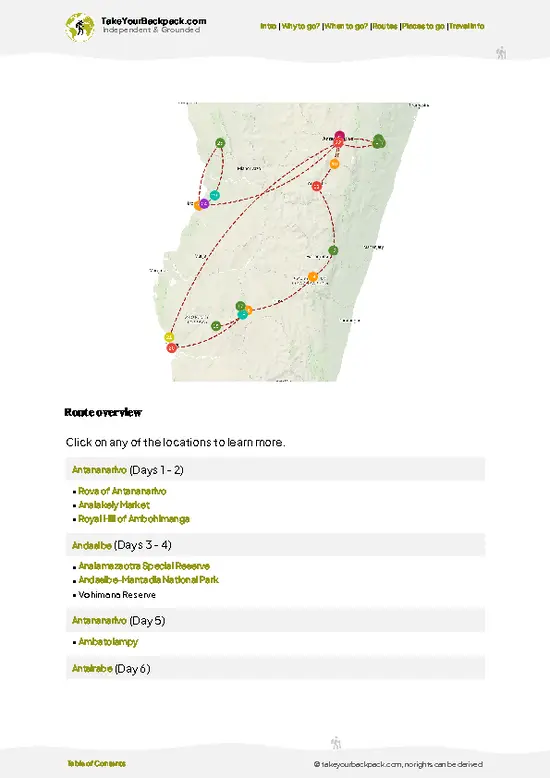
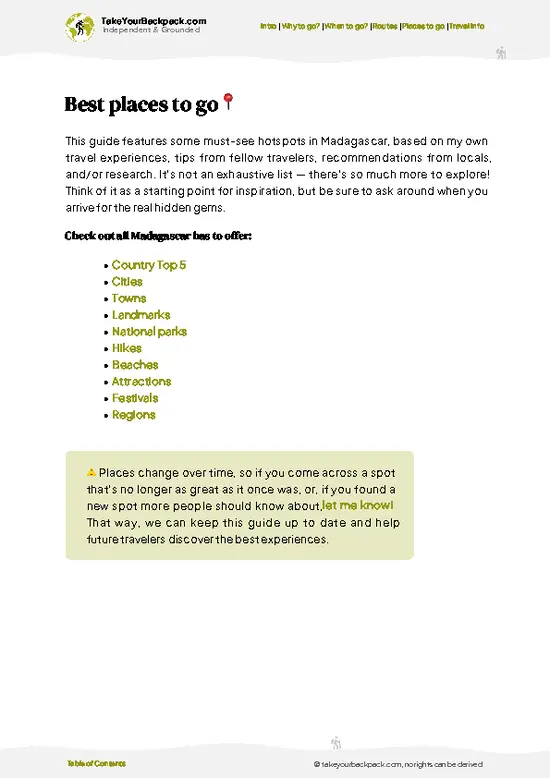
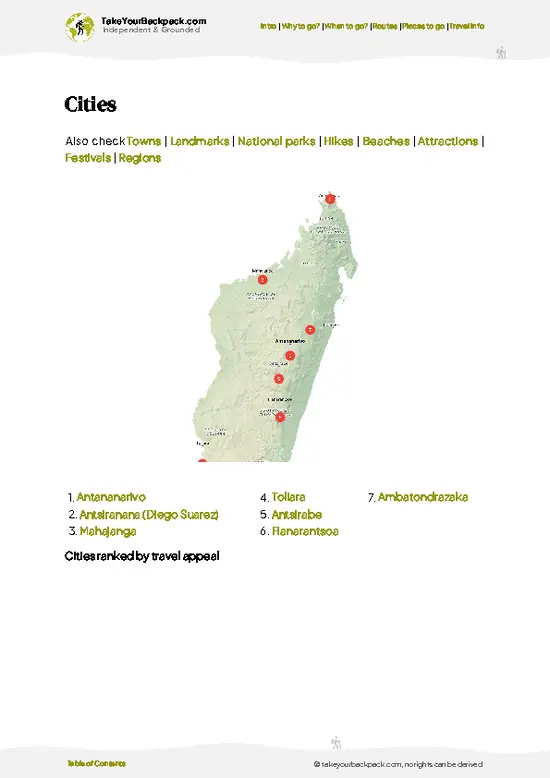
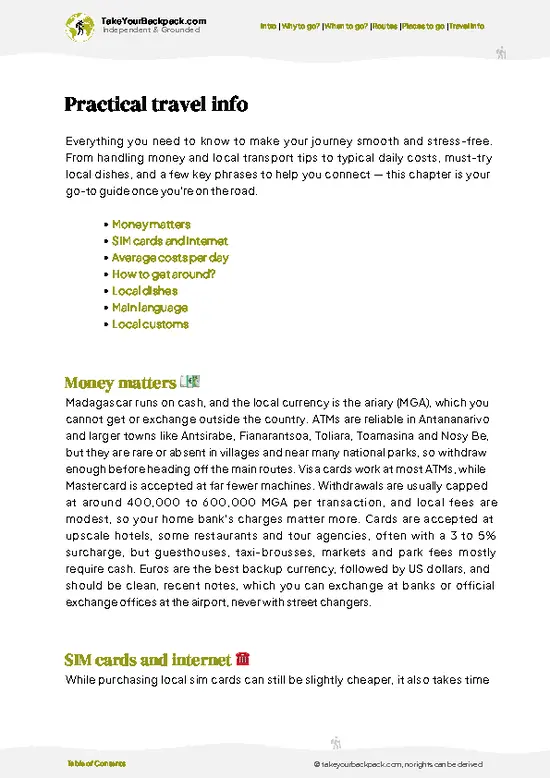
- Black lemur reserve at Ampangorina: The island’s signature visit, where guides lead you to black lemurs that climb onto shoulders for banana. Go in the morning when the animals are most active. Expect an entry fee of roughly 20,000 to 30,000 Ariary (about US$4 to 7) plus a guide tip, and 1 to 2 hours.
- Ampangorina embroidery lane: Local women sell hand-stitched tablecloths and cutwork, and you can watch the sewing. Mornings are calmer. Bargain gently. Browsing takes 30 to 60 minutes and costs nothing until you buy.
- Mount Antaninaro viewpoint hike: A climb through forest and cassava plots to the island’s high point with sweeping views over Nosy Be and the bay. Start early to avoid heat. A local guide costs roughly US$5 to 10, and the round trip takes 3 to 4 hours.
- Snorkeling with sea turtles: Boat
- Black lemur reserve at Ampangorina: The island’s signature visit, where guides lead you to black lemurs that climb onto shoulders for banana. Go in the morning when the animals are most active. Expect an entry fee of roughly 20,000 to 30,000 Ariary (about US$4 to 7) plus a guide tip, and 1 to 2 hours.
- Ampangorina embroidery lane: Local women sell hand-stitched tablecloths and cutwork, and you can watch the sewing. Mornings are calmer. Bargain gently. Browsing takes 30 to 60 minutes and costs nothing until you buy.
- Mount Antaninaro viewpoint hike: A climb through forest and cassava plots to the island’s high point with sweeping views over Nosy Be and the bay. Start early to avoid heat. A local guide costs roughly US$5 to 10, and the round trip takes 3 to 4 hours.
- Snorkeling with sea turtles: Boat trips from the beach reach shallow reefs where green turtles feed. Visibility is best in calm morning water. Expect around US$15 to 30 per person with gear, 2 to 3 hours.
- Old Ampangorina village stroll: Wooden houses, drying vanilla and ylang-ylang, and a small cemetery with carved local tombs. Late afternoon light is soft. It is free and takes about an hour.
Spotted a mistake or missing something? Contact us.

 Best Backpacking
.jpg) Hi, I’m Johan (Netherlands 🇳🇱), the creator of TakeYourBackpack. Over the past 3 decades, I’ve backpacked through 90+ countries across six continents, gaining extensive experience with independent travel, long-term trips, and overland routes.
Hi, I’m Johan (Netherlands 🇳🇱), the creator of TakeYourBackpack. Over the past 3 decades, I’ve backpacked through 90+ countries across six continents, gaining extensive experience with independent travel, long-term trips, and overland routes.