×

Madagascar🇲🇬 | attractionsTsingy de BemarahaLimestone blades, cable circuits, Manambolo gorge, swaying bridge | things to do and best time to go

Explore Avenue of the BaobabsExplore Royal Hill of Ambohimanga

Backpacking in Tsingy de Bemaraha
By Johan Kruseman 🇳🇱 | Updated October 15, 2026

The barge across the Manambolo River at Bekopaka was a flat steel deck with a pickup, two motorbikes and a man selling mangoes wedged onto it, and when the engine coughed the whole crowd laughed at once. That was the last easy stretch of a long, jolting run from the coast. Tsingy de Bemaraha lies in western Madagascar, well inland and north of Morondava, and the rough road is the reason it stays quiet. The upside is serious: razor-edged limestone spires, rope bridges over dark gorges, ladders and cable routes that feel properly adventurous. The downside is cost and effort, since park fees, guides and transport add up. Go with a small group to split the vehicle, and book the Grand Tsingy circuit early so you finish before midday, when the rock radiates glare. Adventurous first-timers and anyone who likes a little vertigo will love it. Those who dislike heights, rough roads or sharp rock will not.

Discover everything you want to know in the 📖 Madagascar Travel Guide.


example page 0 from our offline Travel Guide for Madagascar
example page 1 from our offline Travel Guide for Madagascar
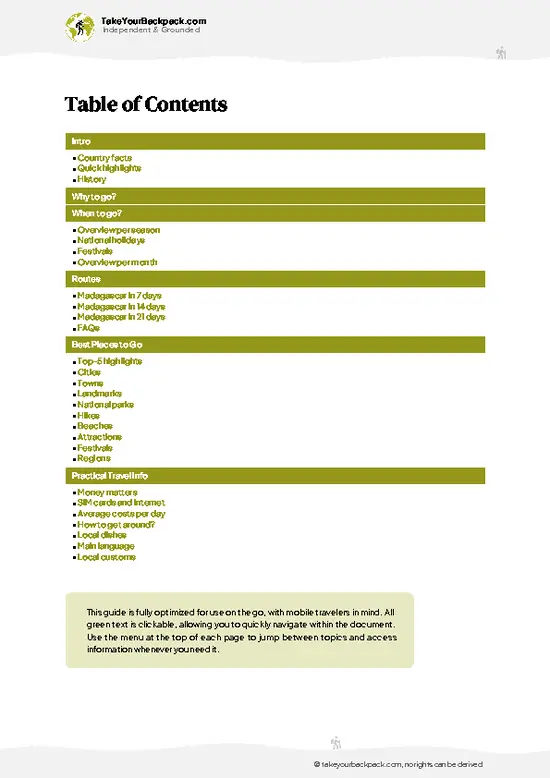
example page 2 from our offline Travel Guide for Madagascar
example page 3 from our offline Travel Guide for Madagascar
example page 4 from our offline Travel Guide for Madagascar
example page 5 from our offline Travel Guide for Madagascar
example page 6 from our offline Travel Guide for Madagascar
example page 7 from our offline Travel Guide for Madagascar
Loading the map 🌍
CLICK TO FILTER
cities
towns
landmarks
national parks
hikes
beaches
attractions
festivals
regions
SHOW COUNTRY’S BESTSHOW ALL

✨ Why go?
Ranked #99 attraction in Madagascar
What sets this place apart

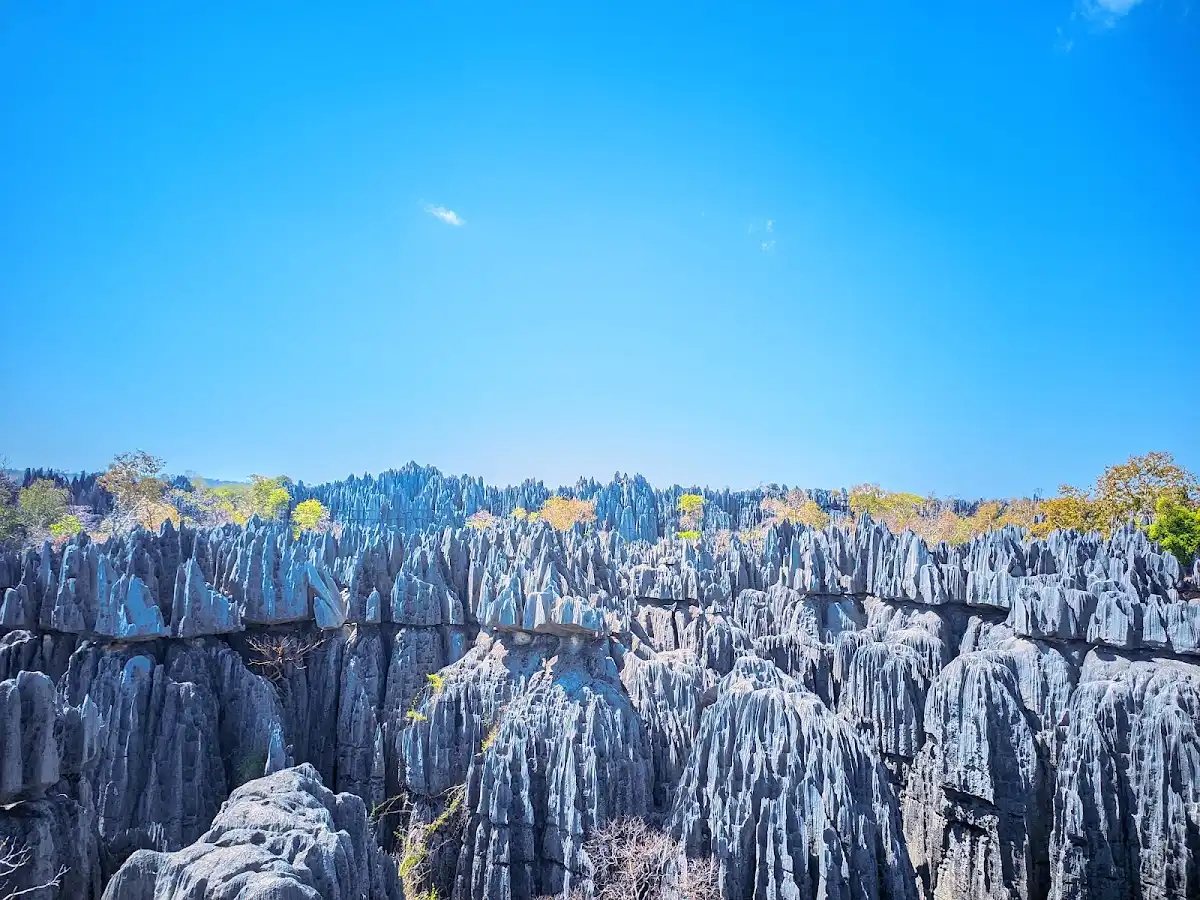
Start with the Grand Tsingy circuit, because nothing else in Madagascar lets you walk through a forest of stone needles on ladders, ledges and clipped safety cables. The rock is limestone, so it chimes underfoot, scrapes at gloves and shreds cheap shoes. You get a physical, slightly nervous sense of the landscape that a photograph flattens. The suspension bridge is the centerpiece, a short span over a deep crack in the stone, and crossing it with your harness clipped in is a thrill that needs fitness and nerve rather than technical skill.

The second reason is its place on the western route. Tsingy is the destination that justifies the long run from Morondava, and the journey passes baobab country and river ferries that are sights in themselves. The UNESCO World Heritage listing also protects … read more 👉
Start with the Grand Tsingy circuit, because nothing else in Madagascar lets you walk through a forest of stone needles on ladders, ledges and clipped safety cables. The rock is limestone, so it chimes underfoot, scrapes at gloves and shreds cheap shoes. You get a physical, slightly nervous sense of the landscape that a photograph flattens. The suspension bridge is the centerpiece, a short span over a deep crack in the stone, and crossing it with your harness clipped in is a thrill that needs fitness and nerve rather than technical skill.

The second reason is its place on the western route. Tsingy is the destination that justifies the long run from Morondava, and the journey passes baobab country and river ferries that are sights in themselves. The UNESCO World Heritage listing also protects dry forest where Decken’s sifaka and other lemurs bound between the pinnacles. It is expensive and slow to reach, but few places in the country feel this remote and still offer a well-run, guided way in.

💡 HighlightsThe experiences that define the visit

  1. Grand Tsingy circuit: The main event, a loop of ladders, tunnels and narrow ledges through tall gray limestone blades. Guides clip you into fixed cables, and the shorter route takes about two hours while the longer one adds more climbing and open viewpoints.
  2. Suspension bridge: A swaying span across a deep fissure inside the Grand Tsingy. It is short, but the drop beneath the planks and the narrow stone walls on either side make it the moment most visitors remember.
  3. Stone forest viewpoints: Platforms and rock shelves above the pinnacles give a wide look over thousands of spires. The best light comes early, when the blades turn rust and gold and the forest floor is still dark.
  4. Petit Tsingy: A smaller, gentler formation reached by a rougher track. The walk is shorter and calmer, the stone is lower
… read more 👉
  1. Grand Tsingy circuit: The main event, a loop of ladders, tunnels and narrow ledges through tall gray limestone blades. Guides clip you into fixed cables, and the shorter route takes about two hours while the longer one adds more climbing and open viewpoints.
  2. Suspension bridge: A swaying span across a deep fissure inside the Grand Tsingy. It is short, but the drop beneath the planks and the narrow stone walls on either side make it the moment most visitors remember.
  3. Stone forest viewpoints: Platforms and rock shelves above the pinnacles give a wide look over thousands of spires. The best light comes early, when the blades turn rust and gold and the forest floor is still dark.
  4. Petit Tsingy: A smaller, gentler formation reached by a rougher track. The walk is shorter and calmer, the stone is lower and the crowds are thinner, so it suits anyone nervous about the full circuit.
  5. Manambolo Gorge by pirogue: A paddle beneath towering limestone walls, with the water smooth and green and the cliffs close enough to touch. Swallows and fruit bats use the rock faces, and the calm is a good contrast to the tsingy climb.
  6. Vazimba burial caves: High in the gorge walls are caves linked to the Vazimba, early inhabitants remembered in Malagasy tradition. Guides explain local taboos, so you will be asked to keep voices low and follow the rules at sites still considered sacred.
  7. Ankeligoa Canyon: A cool, shaded canyon with a cave and pools beneath stone walls. It is a pleasant place to rest after the hot, bright rock of the main formations.
  8. Lemur spotting in the dry forest: Decken’s sifaka and red-fronted brown lemurs live around the trails, and early walks give the best chance of seeing them leap through the trees.
The Grand Tsingy at first light pairs well with the Manambolo Gorge by pirogue in the late afternoon.
Spotted a mistake or missing something? Contact us.
🌤️ When to go?When to go for the best experience

  • Dry Season (May to October): Roads from Belo-sur-Tsiribihina and Morondava are passable and the park is open. Days reach 28 to 32°C (82 to 90°F), nights drop to 12 to 16°C (54 to 61°F) in June and July, so pack a fleece. Daylight runs roughly 5:45 am to 5:30 pm. July and August are busiest, and 4x4 and guide prices climb.
  • Hot Transition (November to December): Highs hit 34 to 38°C (93 to 100°F). Rain starts late in the period and the sharp limestone gets scorching by noon. Crowds are thin and the first lemur babies appear.
  • Rainy Season (January to April): The park closes, usually from about November or December until April, because the dirt tracks and the river crossings become impassable. Expect 25 to 35°C (77 to 95°F) with heavy downpours.
Aim for May or September, when the heat is manageable … read more 👉
  • Dry Season (May to October): Roads from Belo-sur-Tsiribihina and Morondava are passable and the park is open. Days reach 28 to 32°C (82 to 90°F), nights drop to 12 to 16°C (54 to 61°F) in June and July, so pack a fleece. Daylight runs roughly 5:45 am to 5:30 pm. July and August are busiest, and 4x4 and guide prices climb.
  • Hot Transition (November to December): Highs hit 34 to 38°C (93 to 100°F). Rain starts late in the period and the sharp limestone gets scorching by noon. Crowds are thin and the first lemur babies appear.
  • Rainy Season (January to April): The park closes, usually from about November or December until April, because the dirt tracks and the river crossings become impassable. Expect 25 to 35°C (77 to 95°F) with heavy downpours.
Aim for May or September, when the heat is manageable and the viewpoints are quiet. Start the Grand Tsingy bridge circuit at dawn to beat both the sun and the tour groups.


source: climatestotravel.comJANJanuary: below average for travelingFEBFebruary: below average for travelingMARMarch: below average for travelingAPRApril: fair for travelingMAYMay: highly recommended for travelingJUNJune: highly recommended for travelingJULJuly: good for travelingAUGAugust: good for travelingSEPSeptember: highly recommended for travelingOCTOctober: highly recommended for travelingNOVNovember: below average for travelingDECDecember: below average for traveling
madagascar-attraction-tsingy-de-bemaraha
© Google |

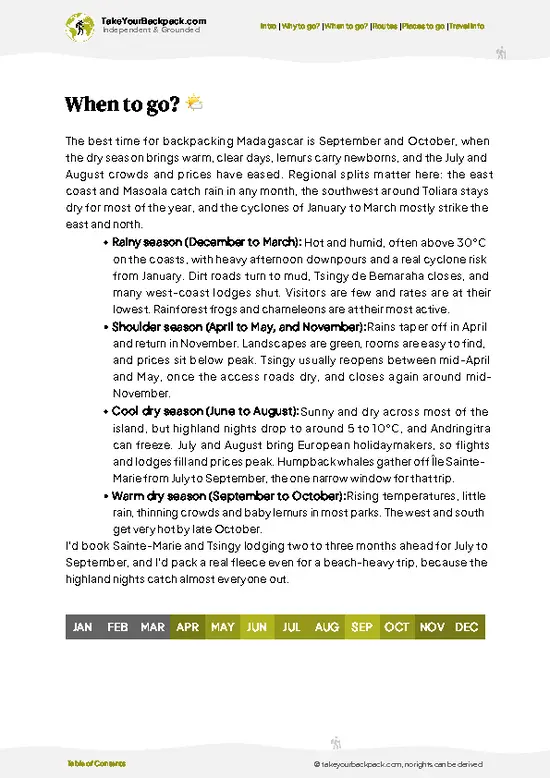
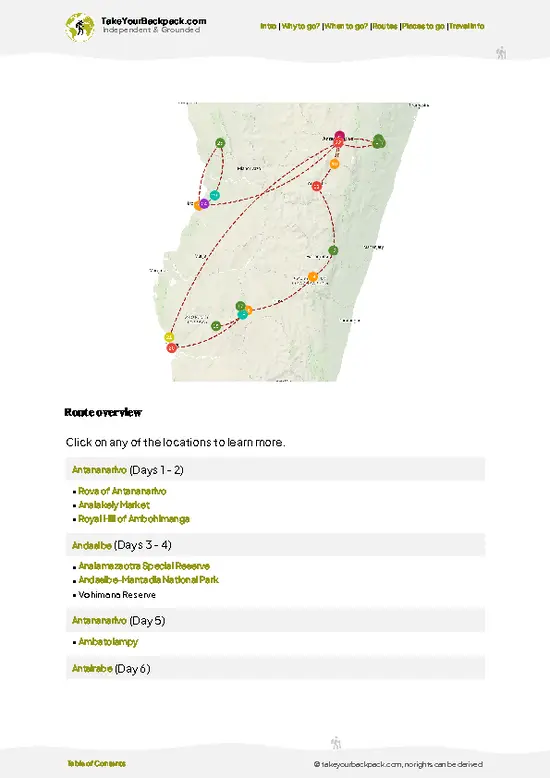
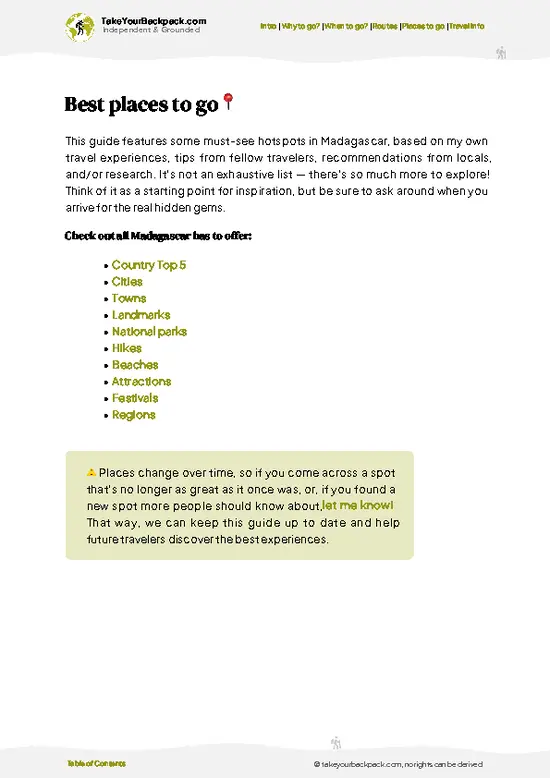
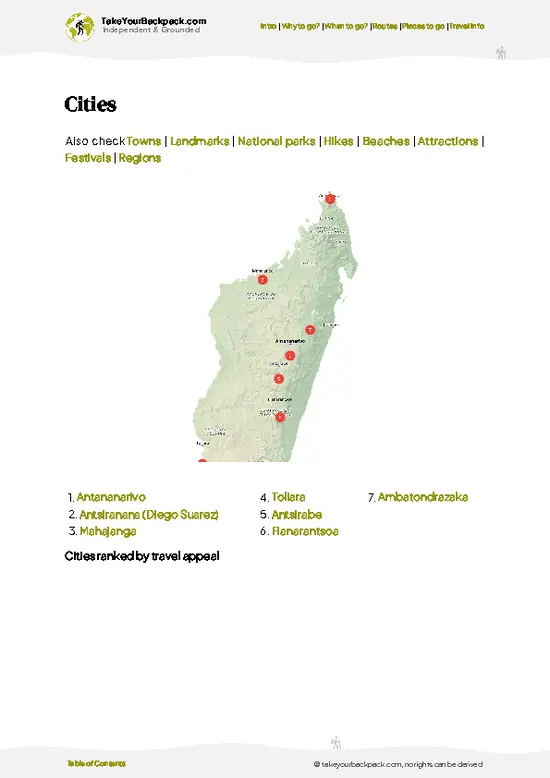
✈️ The backpacker research shortcutMadagascar Travel Guide

An offline-friendly backpacking guide with optimized travel routes, ranked highlights, transport advice, and the best areas to stay.
example page 0 from our offline Travel Guide for Madagascar
example page 1 from our offline Travel Guide for Madagascar
example page 2 from our offline Travel Guide for Madagascar
example page 3 from our offline Travel Guide for Madagascar
example page 4 from our offline Travel Guide for Madagascar
example page 5 from our offline Travel Guide for Madagascar
example page 6 from our offline Travel Guide for Madagascar
example page 7 from our offline Travel Guide for Madagascar
The digital guide (301 pages) contains:
✅ 96 highlights, ranked by travel appeal
✅ Optimized 7, 14 & 21-day travel routes
✅ Cities, national parks, landmarks, beaches
✅ How to get around
✅ Offline-friendly for travel without Wi-Fi
👉 Click to see all 30+ guide features

📅 Plan smarter in minutes, not weeks
✅ Month by month travel advice
✅ Festivals & national holidays
✅ Budget expectations

🗺️ Go to the right places, skip the overrated ones
✅ Honest pros & cons of destinations
✅ Top hikes, parks & viewpoints
✅ Lesser-known places most travelers miss
✅ Clear “worth it vs skip it” guidance

🛏️ Travel smoothly without rookie mistakes
✅ Best areas to stay
✅ Transport systems explained simply
✅ Common scams & safety advice
✅ SIM cards, money & practical tips

🌍 Understand the country, not just visit it
✅ Culture & traditions
✅ 52 Essential phrases & customs
✅ Festivals worth planning around
✅ Traveler-friendly historical context
✅ Insights that make places more meaningful

📱 Built for real travel conditions
✅ Fully downloadable PDF
✅ Works completely offline
✅ Optimized for phone use
✅ Useful in remote areas & buses
✅ Everything in one place
Stop searching, start planning
Get instant access to your full guide. 30‑day money-back guarantee.
+ Add another guide for just

By proceeding you agree to our terms.
Sent to your inbox immediately after payment • 100% Secure Checkout
Best Backpacking Travel Advisor 2025 tourism awardBest Backpacking
Travel Advisor
2025
What others say about Take Your Backpack Guides:
⭐⭐⭐⭐⭐
Fantastic, amazing amount of information!
⭐⭐⭐⭐⭐
My goodness this is amazing, it's what I've been looking for hats off too you!
⭐⭐⭐⭐⭐
I think this is absolutely BRILLIANT
⭐⭐⭐⭐
Very complete and informative. It's still missing places, but I gotta to commend you
⭐⭐⭐⭐⭐
This is truly amazing, thank you, can't wait to explore it with my kids!
⭐⭐⭐⭐⭐
Awesome resource, thank you!
⭐⭐⭐⭐⭐
This is amazing! Can't wait to explore the ones I haven't seen
⭐⭐⭐⭐
I love this! Well done, great idea.
⭐⭐⭐⭐⭐
Thanks for taking the time to make this gem!
⭐⭐⭐⭐⭐
This might be the best website I've ever seen.
⭐⭐⭐⭐⭐
Congratulations, and thank you so much for your work; it's incredibly valuable.
⭐⭐⭐⭐
In all seriousness I think you did a great job pointing out the important spots
⭐⭐⭐⭐⭐
10/10 very good
⭐⭐⭐⭐⭐
As someone who's only just starting to visit regularly this is awesome, thank you.
⭐⭐⭐⭐
Thank you very much! I'm going to visit my dad, it's going to be very useful!
⭐⭐⭐⭐⭐
This is really cool! We'll be travelling for the first time and this definitely come in handy.
⭐⭐⭐⭐⭐
You are now our minister of culture, congratulations 👨‍💼
⭐⭐⭐⭐⭐
Just wanted to tell you that this is a pearl! Going to follow your recommendations.
⭐⭐⭐⭐⭐
This is so cool. I'll definitely be using the resource for my travels soon.
⭐⭐⭐⭐⭐
This is very impressive! Good work.
⭐⭐⭐⭐⭐
This is an amazing and informative site. Very well done!

🛏️ Where to stay?Choosing the right base

The village of Bekopaka, right beside the park gate, is the best base for backpackers. It sits on the Manambolo River, a short drive from the Petit Tsingy viewpoints and the Grand Tsingy suspension bridges, so you can be on the trail by 6 am without paying for a daily transfer.

Accommodation here is simple: basic bungalows, a few campsites and small guesthouses with shared or private bathrooms. Electricity is often limited to evening generator hours, and Wi-Fi is patchy to absent, so treat it as a digital detox. The social side happens at the riverside restaurants and around the park office, … read more 👉
The village of Bekopaka, right beside the park gate, is the best base for backpackers. It sits on the Manambolo River, a short drive from the Petit Tsingy viewpoints and the Grand Tsingy suspension bridges, so you can be on the trail by 6 am without paying for a daily transfer.

Accommodation here is simple: basic bungalows, a few campsites and small guesthouses with shared or private bathrooms. Electricity is often limited to evening generator hours, and Wi-Fi is patchy to absent, so treat it as a digital detox. The social side happens at the riverside restaurants and around the park office, where you can split guide fees and vehicle costs with other travelers. Solo travelers find it easy to team up here because most visitors follow the same circuit.

Camping near the river is the cheapest option and is safe within the guesthouse grounds. Bekopaka is small and quiet, with low crime, but bring a headlamp for walking at night.

If you arrive from the south, Morondava is the practical gateway town with a wider choice of hostels and tour agents, useful for arranging shared 4x4 transport. Most travelers still prefer to sleep in Bekopaka for at least two nights, because the drive in is long and the park deserves a full day of walking.

👛 Costs (as of 15 October 2026)What things cost and how to budget

Plan on roughly US$45 to 80 per day for Tsingy de Bemaraha, with most of the spending going to park fees, a mandatory guide and transport. Prices are quoted in US dollars for comparison, but you pay in Malagasy ariary (MGA) in cash, as there are no ATMs near the park.
CategoryBudget RangeLocal Reality
Park entryUS$12 to 18Charged per day for foreign visitors, around 55,000 to 80,000 MGA. A multi-day pass adds up quickly.
Guide (required)US$10 to 18Per group for the Grand Tsingy circuit, so splitting makes it cheaper. A tip is expected.
Circuit choiceUS$0 to 5The suspension bridges and viewpoints are on the Grand Tsingy route, which includes some via ferrata sections with harness and gear provided.
Accommodation (high season)US$8 to 20Camping or basic bungalows in Bekopaka. Sometimes a simple fan
… read more 👉
Plan on roughly US$45 to 80 per day for Tsingy de Bemaraha, with most of the spending going to park fees, a mandatory guide and transport. Prices are quoted in US dollars for comparison, but you pay in Malagasy ariary (MGA) in cash, as there are no ATMs near the park.
CategoryBudget RangeLocal Reality
Park entryUS$12 to 18Charged per day for foreign visitors, around 55,000 to 80,000 MGA. A multi-day pass adds up quickly.
Guide (required)US$10 to 18Per group for the Grand Tsingy circuit, so splitting makes it cheaper. A tip is expected.
Circuit choiceUS$0 to 5The suspension bridges and viewpoints are on the Grand Tsingy route, which includes some via ferrata sections with harness and gear provided.
Accommodation (high season)US$8 to 20Camping or basic bungalows in Bekopaka. Sometimes a simple fan room costs more in July and August.
FoodUS$6 to 12Rice with zebu or fish, local omelets and fresh fruit at guesthouse restaurants. Drinks are pricier due to the remote supply.
Local transportUS$5 to 12Share of a 4x4 or river ferry crossing, and the short ride from Bekopaka to the trailheads. Long-distance transfers from Morondava cost far more.
Total Daily BudgetUS$45 to 80Lower if you share a vehicle and guide with other travelers.
⚠️ Prices can change and everyone travels differently, so take this as a rough guide. Hope it helps you plan your adventure!

FAQCommon questions from travelers

Plan on two days and two nights in Bekopaka, which gives you one full day for the Grand Tsingy circuit with its suspension bridges and viewpoints, and a half day for the Petit Tsingy or a Manambolo River gorge boat trip. The Grand Tsingy walk alone takes about 4 to 6 hours. Most travelers also need two to three days of travel each way from Morondava.
For most backpackers it is, because the sharp limestone pinnacles, the swaying bridges and the lemur sightings in the forest have no equal elsewhere in Madagascar. Park entry runs about US$12 to 18 per day plus US$10 to 18 for the required guide, which is reasonable when you split it. The cost really stings only when you add the long 4x4 transfers, so go with a small group.
Most travelers reach it from Morondava, a drive of roughly 180 km that takes 8 to 12 hours by 4x4 in the dry season, including a ferry crossing of the Tsiribihina and Manambolo rivers. Share-taxis and bush taxis run part of the route to Belo-sur-Tsiribihina, but a chartered or shared 4x4 is the practical option for the final stretch to Bekopaka. The park is closed during the rainy season, roughly November to April.
⚠️ Things can change over time, so always validate details locally before you go.

Other Malagasy attractions near Tsingy de Bemaraha

Explore more nearby:


💡 Not sure where to go next?
Create a personalized itinerary for Madagascar including Tsingy de Bemaraha and the places that fit your trip.

Generate my itinerary

👉 Discover all attractions

Or checkout all Madagascar has to offer (think cities, towns, villages, national parks, hikes, beaches, festivals)
Country photo of Madagascar

We 💚 feedbackWhat to keep in mind

Most first-timers fixate on the bridge and overlook the rock itself, which is sharp enough to cut skin and chew through thin soles. Pack sturdy closed shoes and thin work gloves, and keep your hands free for the ladders. I would also give the quieter Petit Tsingy a slot, since it is calmer and less crowded.

✈️ When did I visit Madagascar?
Madagascar I went backpacking in October 2019. With a friend I rented a 4WD and drove around the southern part of Madagascar.

✍️ Help improve this page!
The information on this page is based on my own backpacking experience in Madagascar, supplemented with up-to-date research and feedback from other travelers. Travel details can change, so if you notice anything outdated or incomplete, feel free to let me know.


🙋‍♂️ Give feedback

👋 Meet the founderWho’s Behind Take Your Backpack?

Johan, backpacker and founder of TakeYourBackpackHi, I’m Johan (Netherlands 🇳🇱), the creator of TakeYourBackpack. Over the past 3 decades, I’ve backpacked through 90+ countries across six continents, gaining extensive experience with independent travel, long-term trips, and overland routes.

This site is built on a combination of firsthand travel experience and carefully curated insights from other backpackers. Many guides are based on places I’ve personally visited, while others bring together tips, observations, and practical advice shared by trusted travelers I’ve met along the way.

The goal is to provide realistic, experience-driven guidance — not generic itineraries — so you can explore destinations with better context, clearer expectations, and more confidence.