×

Mali🇲🇱 | townsKidalSahara outpost, Tuareg culture, remote desert town | things to do and best time to go

Explore TimbuktuExplore San

Backpacking in Kidal
🏆 Top picktown ranked #5
By Johan Kruseman 🇳🇱 | Updated June 13, 2026

Kidal, once a crossroads pulsing with Tuareg caravans and the metallic clang of market days, now sits quieter—its wide, sun-bleached streets edged by sand and the wind’s dry hush. You’ll find it in Mali’s far northeast, closer to the Algerian border than to Bamako’s bustle, a place where the Sahara’s edge feels immediate and the air tastes of dust and tea. For backpackers, Kidal is less a destination for urban thrills and more a waypoint for those drawn to the raw, open north: a launchpad for desert treks, or a rare stop if you’re tracing the old trans-Saharan routes. The town’s rhythm is slow, social life mostly local, with few hostels and even fewer fellow travelers—expect long, quiet evenings rather than backpacker banter. Getting here is a journey in itself, with sporadic transport and security checks that make the trip feel earned. Costs are moderate, but safety is a real concern; Kidal’s remoteness and recent instability mean you’ll need to stay alert and flexible. Compared to Gao or Timbuktu, Kidal is more remote, less touristic, and far more austere—rewarding only if you crave the edge of the map.

Discover everything you want to know in the 📖 Mali Travel Guide.
Safety warning

The current risk level for Mali is high. Check the advice before going.


Get your Mali guide
76 ranked highlights, routes & tips, works offline (321 pages)
Loading the map 🌍
CLICK TO FILTER
cities
towns
landmarks
national parks
hikes
attractions
festivals
regions
SHOW COUNTRY’S BESTSHOW ALL

✨ Why go?
Ranked #5 town in Mali
The unique appeal for travelers

Kidal, Mali, is a gateway for backpackers seeking a deeper connection with the Sahara. It’s not just a stop; it’s a launchpad for nearby hikes and cultural experiences. The rugged landscapes surrounding the town invite exploration, with trails that lead to stunning vistas and ancient rock art.

Accommodations are small-scale, with cozy guesthouses that offer a chance to meet fellow travelers over shared meals. The local food is a highlight—think hearty stews and fresh bread, all served with a side of warm smiles from the locals. The streets are walkable, making it easy to soak in the atmosphere without the chaos of larger cities.

Backpackers often linger here for a few days, especially those who appreciate a slow travel pace. It’s a place for solo adventurers and small groups who thrive … read more 👉
Kidal, Mali, is a gateway for backpackers seeking a deeper connection with the Sahara. It’s not just a stop; it’s a launchpad for nearby hikes and cultural experiences. The rugged landscapes surrounding the town invite exploration, with trails that lead to stunning vistas and ancient rock art.

Accommodations are small-scale, with cozy guesthouses that offer a chance to meet fellow travelers over shared meals. The local food is a highlight—think hearty stews and fresh bread, all served with a side of warm smiles from the locals. The streets are walkable, making it easy to soak in the atmosphere without the chaos of larger cities.

Backpackers often linger here for a few days, especially those who appreciate a slow travel pace. It’s a place for solo adventurers and small groups who thrive on connection and shared stories. Kidal’s vibe is more about quiet reflection than nightlife, making it perfect for those looking to recharge before heading deeper into the desert. If you’re after a genuine experience, this town is worth the time.
Want to include Kidal in your Mali route?
Create a personalized Mali itinerary that includes Kidal and the places that fit your trip — based on your travel style, budget, and available time. Get your route in seconds.

Generate my trip

💡 HighlightsWhat this place is best known for

  • Grand Mosque of Kidal — The town’s main mosque and a focal point of daily life; visiting (from the outside if you’re not Muslim) gives a clear sense of local religious architecture and rhythms.
  • Kidal Central Market (Marché) — A compact, colorful market where traders sell dates, grains, cloth, and household goods; it’s the best place to watch local trade, barter and the shuffle of town life.
  • Tuareg artisan quarter — Rows of small workshops and stalls where silversmiths, leatherworkers and indigo dyers ply traditional crafts; great for seeing techniques in person and buying authentic pieces while supporting local makers.
  • Livestock/camel market — A lively, sometimes chaotic market day for camels, goats and sheep (timing varies); excellent for experiencing the nomadic-trader connections that
read more 👉
  • Grand Mosque of Kidal — The town’s main mosque and a focal point of daily life; visiting (from the outside if you’re not Muslim) gives a clear sense of local religious architecture and rhythms.
  • Kidal Central Market (Marché) — A compact, colorful market where traders sell dates, grains, cloth, and household goods; it’s the best place to watch local trade, barter and the shuffle of town life.
  • Tuareg artisan quarter — Rows of small workshops and stalls where silversmiths, leatherworkers and indigo dyers ply traditional crafts; great for seeing techniques in person and buying authentic pieces while supporting local makers.
  • Livestock/camel market — A lively, sometimes chaotic market day for camels, goats and sheep (timing varies); excellent for experiencing the nomadic-trader connections that still drive the local economy.
  • Tea houses / majlis — Low-key social hubs where Tuareg tea ceremonies and conversations happen; spending an hour over sweet tea is one of the simplest ways to meet people and hear local stories.
  • Old quarter and alleyways — Mudbrick houses, narrow lanes and shaded courtyards that hold everyday scenes of life in Kidal; wandering with a local guide gives the best view of domestic architecture and community rhythms.
  • Remnants of the town’s old colonial outpost — Scattered, modest ruins and older government-era buildings near the center; they’re not a grand fortress but they tell the layered recent history of the place when viewed with context from a local.
  • Kidal airport / arrival viewpoint — The small airstrip and its perimeter provide a convenient vantage over the town and the surrounding flat desert — useful for a quick orientation and watching light change over the dunes.
  • Local music and griot gatherings — Informal music sessions and storytelling nights occur in cafés and guesthouses; hearing Tuareg musicians and storytellers in town is an authentic cultural experience (ask locally about when/where).
  • Women’s weaving and craft cooperatives — Community-run weaving and craft groups where you can see mat-weaving, textile work and learn about gender roles in craft production; meaningful to visit because they connect craft to daily survival and identity.
A few real, visitable highlights just outside Kidal that make great day trips are the Adrar des Ifoghas massif with its valleys and rock-art spots, nearby Tuareg villages and encampments in the Ifoghas region, and seasonal village/livestock markets in the surrounding countryside.
Spotted a mistake or missing something? Contact us.
🏘️ NeighborhoodsUnderstanding the local layout

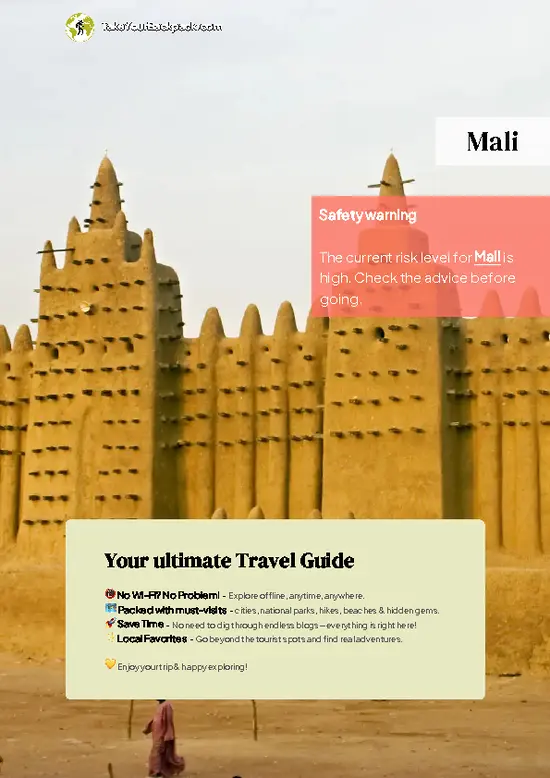
Kidal, a remote town in Mali, offers a unique blend of culture and adventure, but navigating its neighborhoods can make or break your experience. Here’s a breakdown to help you find your footing.

Centre Ville: This is the heart of Kidal. The vibe is bustling, with local markets and street vendors filling the air with the scent of spices and grilled meats. It’s walkable, making it easy to explore on foot. Prices here are reasonable, with plenty of budget-friendly eateries. Nightlife is low-key, but you can find a few spots to grab a drink. Perfect for short stays, as you can soak in the local atmosphere quickly.

Quartier Administratif: This area is quieter, home to government buildings and NGOs. The atmosphere is more subdued, ideal for those seeking a peaceful retreat. Accommodation options … read more 👉
Kidal, a remote town in Mali, offers a unique blend of culture and adventure, but navigating its neighborhoods can make or break your experience. Here’s a breakdown to help you find your footing.

Centre Ville: This is the heart of Kidal. The vibe is bustling, with local markets and street vendors filling the air with the scent of spices and grilled meats. It’s walkable, making it easy to explore on foot. Prices here are reasonable, with plenty of budget-friendly eateries. Nightlife is low-key, but you can find a few spots to grab a drink. Perfect for short stays, as you can soak in the local atmosphere quickly.

Quartier Administratif: This area is quieter, home to government buildings and NGOs. The atmosphere is more subdued, ideal for those seeking a peaceful retreat. Accommodation options are slightly pricier, but you’ll find a few hidden cafes with great coffee. It’s less walkable, so consider a bike or taxi for longer distances. Best suited for longer stays if you want to immerse yourself in the local culture without the hustle.

Quartier des Artisans: A vibrant area filled with local craftspeople. The air buzzes with creativity, and you can often catch artisans at work. Prices are fair, and it’s a great place to pick up unique souvenirs. Walkability is decent, but be prepared for some uneven paths. This neighborhood is perfect for short visits, especially if you want to experience the local craftsmanship firsthand.

⌛️ 1 dayA smart one-day plan

Kidal, Mali, is a town steeped in history and culture, often overlooked by travelers. It’s a gateway to the Sahara, where Tuareg traditions breathe life into the dusty streets. The air is thick with the scent of spices and the sound of distant drums, inviting you to explore its vibrant soul.

Start your morning at the bustling market in the heart of Kidal. The sun casts a warm glow on colorful fabrics and handcrafted goods. Engage with local vendors; their stories are as rich as the wares they sell. Try a breakfast of fresh bread dipped in spicy sauce, a local favorite that will fuel your adventures.

After soaking in the market’s energy, head to the nearby Kidal Mosque. Its unique architecture, with mud-brick walls and intricate designs, offers a glimpse into the town’s spiritual life. Spend … read more 👉
Kidal, Mali, is a town steeped in history and culture, often overlooked by travelers. It’s a gateway to the Sahara, where Tuareg traditions breathe life into the dusty streets. The air is thick with the scent of spices and the sound of distant drums, inviting you to explore its vibrant soul.

Start your morning at the bustling market in the heart of Kidal. The sun casts a warm glow on colorful fabrics and handcrafted goods. Engage with local vendors; their stories are as rich as the wares they sell. Try a breakfast of fresh bread dipped in spicy sauce, a local favorite that will fuel your adventures.

After soaking in the market’s energy, head to the nearby Kidal Mosque. Its unique architecture, with mud-brick walls and intricate designs, offers a glimpse into the town’s spiritual life. Spend some time here, absorbing the peaceful atmosphere and the soft whispers of prayer that drift through the air.

In the afternoon, make your way to the less-traveled neighborhood of Tamasheq. This area is often missed by tourists but is a treasure trove of authentic experiences. Wander through narrow alleys where children play and artisans craft beautiful jewelry. Stop by a small workshop to see how traditional Tuareg silver pieces are made. The artisans are usually eager to share their techniques, making it a rewarding stop.

As the sun begins to set, find a spot at a local café. Sip on sweet mint tea while watching the sky transform into a canvas of oranges and purples. The evening is alive with laughter and music, a perfect backdrop to reflect on your day.

Kidal may not be on every traveler’s radar, but its charm lies in the connections you make and the stories you gather. Embrace the journey; it’s the heart of the experience.
Turn your Kidal visit into an Mali adventure
Build a complete Mali route with Kidal, hidden gems, must-see destinations, and realistic travel times included.

Generate my trip

🌤️ When to go?Choosing the right time of year


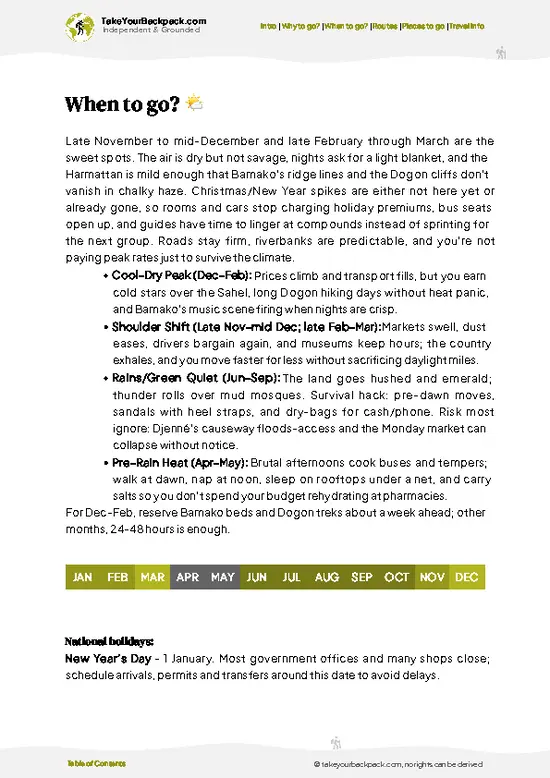
  • Weather: Kidal sits in the Sahara’s edge, so the dry season from October to April is your best bet. Expect clear skies and almost no rain, which means dusty trails but no mud to slow you down.

  • Temperature: Daytime highs hover around 30-35°C (86-95°F) in the dry season—warm but manageable with shade and water. Nights can drop sharply, sometimes below 10°C (50°F), so pack layers to stay comfortable.

  • Daylight Hours: Roughly 11 to 12 hours of daylight year-round, giving you plenty of time to explore without rushing. Early mornings and late afternoons offer softer light and cooler temps, perfect for trekking or photography.

  • Crowds: Kidal is remote and rarely crowded, but the dry season sees a slight uptick in local traders and nomads moving through. This adds life without overwhelming
read more 👉

  • Weather: Kidal sits in the Sahara’s edge, so the dry season from October to April is your best bet. Expect clear skies and almost no rain, which means dusty trails but no mud to slow you down.

  • Temperature: Daytime highs hover around 30-35°C (86-95°F) in the dry season—warm but manageable with shade and water. Nights can drop sharply, sometimes below 10°C (50°F), so pack layers to stay comfortable.

  • Daylight Hours: Roughly 11 to 12 hours of daylight year-round, giving you plenty of time to explore without rushing. Early mornings and late afternoons offer softer light and cooler temps, perfect for trekking or photography.

  • Crowds: Kidal is remote and rarely crowded, but the dry season sees a slight uptick in local traders and nomads moving through. This adds life without overwhelming the quiet desert vibe.

  • Seasonal Activities: The dry months coincide with traditional Tuareg festivals and markets, where you can catch authentic music, crafts, and camel caravans—experiences that vanish in the heat of summer.

  • Price Fluctuations: Expect slightly higher prices during the dry season due to increased demand and easier access. Off-season travel might save money but comes with the risk of extreme heat and limited services.


Pro-tip: Aim for late October or early November to catch the desert at its most hospitable—cool mornings, lively markets, and a sky so vast it feels like you’re stepping into another world.


source: climatestotravel.comJANJanuary: excellent for travelingFEBFebruary: excellent for travelingMARMarch: excellent for travelingAPRApril: excellent for travelingMAYMay: fair for travelingJUNJune: below average for travelingJULJuly: below average for travelingAUGAugust: below average for travelingSEPSeptember: fair for travelingOCTOctober: excellent for travelingNOVNovember: excellent for travelingDECDecember: excellent for traveling
when-to-go

✈️ The backpacker research shortcutMali Travel Guide

An offline-friendly backpacking guide with optimized travel routes, ranked highlights, transport advice, and the best areas to stay.
example page 0 from our offline Travel Guide for Mali
example page 1 from our offline Travel Guide for Mali
example page 2 from our offline Travel Guide for Mali
example page 3 from our offline Travel Guide for Mali
example page 4 from our offline Travel Guide for Mali
example page 5 from our offline Travel Guide for Mali
example page 6 from our offline Travel Guide for Mali
example page 7 from our offline Travel Guide for Mali
The digital guide (321 pages) contains:
76 highlights, ranked by travel appeal
Optimized 5, 10 & 15-day travel routes
Cities, national parks, landmarks, beaches
How to get around
Offline-friendly for travel without Wi-Fi
👉 Click to see all 30+ guide features

📅 Plan smarter in minutes, not weeks
Month by month travel advice
Festivals & national holidays
Budget expectations

🗺️ Go to the right places, skip the overrated ones
Honest pros & cons of destinations
Top hikes, parks & viewpoints
Lesser-known places most travelers miss
Clear “worth it vs skip it” guidance

🛏️ Travel smoothly without rookie mistakes
Best areas to stay
Transport systems explained simply
Common scams & safety advice
SIM cards, money & practical tips

🌍 Understand the country, not just visit it
Culture & traditions
52 Essential phrases & customs
Festivals worth planning around
Traveler-friendly historical context
Insights that make places more meaningful

📱 Built for real travel conditions
Fully downloadable PDF
Works completely offline
Optimized for phone use
Useful in remote areas & buses
Everything in one place
Save weeks of stressful planning
Get instant access to your full guide. 30‑day money-back guarantee.


By proceeding you agree to our terms.
Sent to your inbox immediately after payment • 100% Secure Checkout
Best Backpacking Travel Advisor 2025 tourism awardBest Backpacking
Travel Advisor
2025
What others say about Take Your Backpack Guides:
⭐⭐⭐⭐⭐
Fantastic, amazing amount of information!
⭐⭐⭐⭐⭐
My goodness this is amazing, it's what I've been looking for hats off too you!
⭐⭐⭐⭐⭐
I think this is absolutely BRILLIANT
⭐⭐⭐⭐
Very complete and informative. It's still missing places, but I gotta to commend you
⭐⭐⭐⭐⭐
This is truly amazing, thank you, can't wait to explore it with my kids!
⭐⭐⭐⭐⭐
Awesome resource, thank you!
⭐⭐⭐⭐⭐
This is amazing! Can't wait to explore the ones I haven't seen
⭐⭐⭐⭐
I love this! Well done, great idea.
⭐⭐⭐⭐⭐
Thanks for taking the time to make this gem!
⭐⭐⭐⭐⭐
This might be the best website I've ever seen.
⭐⭐⭐⭐⭐
Congratulations, and thank you so much for your work; it's incredibly valuable.
⭐⭐⭐⭐
In all seriousness I think you did a great job pointing out the important spots
⭐⭐⭐⭐⭐
10/10 very good
⭐⭐⭐⭐⭐
As someone who's only just starting to visit regularly this is awesome, thank you.
⭐⭐⭐⭐
Thank you very much! I'm going to visit my dad, it's going to be very useful!
⭐⭐⭐⭐⭐
This is really cool! We'll be travelling for the first time and this definitely come in handy.
⭐⭐⭐⭐⭐
You are now our minister of culture, congratulations 👨‍💼
⭐⭐⭐⭐⭐
Just wanted to tell you that this is a pearl! Going to follow your recommendations.
⭐⭐⭐⭐⭐
This is so cool. I'll definitely be using the resource for my travels soon.
⭐⭐⭐⭐⭐
This is very impressive! Good work.
⭐⭐⭐⭐⭐
This is an amazing and informative site. Very well done!

🛏️ Where to stay?Choosing the right base

In Kidal, Mali, backpackers find their best footing in the town center, where the pulse of daily life hums steadily beneath the Saharan sun. This area is the practical choice—not just because it’s safer, but because it’s where you’ll catch the town’s rhythm. Streets here are dusty but alive, lined with small markets selling dates, spices, and the occasional burst of mint tea aroma. It’s where locals gather, and you’ll find a handful of budget guesthouses and simple hostels catering to travelers who want to connect without the fuss of luxury.

Compared to the outskirts, which can feel isolated … read more 👉
In Kidal, Mali, backpackers find their best footing in the town center, where the pulse of daily life hums steadily beneath the Saharan sun. This area is the practical choice—not just because it’s safer, but because it’s where you’ll catch the town’s rhythm. Streets here are dusty but alive, lined with small markets selling dates, spices, and the occasional burst of mint tea aroma. It’s where locals gather, and you’ll find a handful of budget guesthouses and simple hostels catering to travelers who want to connect without the fuss of luxury.

Compared to the outskirts, which can feel isolated and less secure, the center offers a social vibe that’s crucial for solo backpackers. You’re close enough to share stories with other travelers over a cup of strong coffee or to join impromptu conversations with Tuareg traders. The light here—harsh by day, soft and golden at dusk—makes wandering the narrow alleys feel like stepping into a living postcard, but only if you’re in the right spot.

Avoid neighborhoods farther from the center; they lack the social buzz and often the basic infrastructure that makes a stay comfortable and safe. Staying central means you’re not just passing through Kidal—you’re living it, with all its raw edges and unexpected warmth.

🚌 Getting aroundHow to get around Kidal

Kidal moves at its own pace, a rhythm shaped by the desert’s vast silence and the occasional burst of life from market stalls and dusty tracks. Time here isn’t a strict master but a loose suggestion, where the sun’s position often matters more than a clock. The air carries the dry scent of sand and distant smoke, and the town’s pulse is felt in the slow shuffle of feet and the occasional rumble of a vehicle breaking the quiet. You won’t find rigid schedules or polished transit hubs; instead, travel here is a dance of intuition, patience, and local knowledge. Understanding this flow means you’ll move smarter, not just faster, unlocking the real Kidal experience without the frustration of missed rides or empty wallets.


  • Walking: The most reliable and cost-free way to get around Kidal’s compact
read more 👉
Kidal moves at its own pace, a rhythm shaped by the desert’s vast silence and the occasional burst of life from market stalls and dusty tracks. Time here isn’t a strict master but a loose suggestion, where the sun’s position often matters more than a clock. The air carries the dry scent of sand and distant smoke, and the town’s pulse is felt in the slow shuffle of feet and the occasional rumble of a vehicle breaking the quiet. You won’t find rigid schedules or polished transit hubs; instead, travel here is a dance of intuition, patience, and local knowledge. Understanding this flow means you’ll move smarter, not just faster, unlocking the real Kidal experience without the frustration of missed rides or empty wallets.


  • Walking: The most reliable and cost-free way to get around Kidal’s compact center. Streets are uneven and dusty, so sturdy shoes are a must. Walking lets you soak in the town’s textures—the cracked mud walls, the chatter of vendors, and the sharp desert light that shifts as the day wears on.


  • Shared Taxis: These are the lifeblood of local transit, often old, rugged 4x4s or minibuses that leave when full, not on a schedule. Expect to pay around 200-500 CFA francs for short hops. They’re not about comfort—think bumpy rides and tight spaces—but they get you where you need to go faster than walking and offer a chance to chat with locals.


  • Motorcycle Taxis (Moto-Taxis): For quick, nimble trips through narrow alleys or when time is tight, moto-taxis are your go-to. Prices vary but usually start around 300 CFA francs. Helmets are rare, so brace for the wind and dust. They’re faster than shared taxis but less stable, so only take them if you’re comfortable with a bit of risk and want to feel the desert breeze up close.


  • Private Car Hire: If your budget allows, hiring a private car with a driver can be arranged through local guesthouses or contacts. This option offers the most comfort and flexibility, especially for trips outside town or to remote sites. Prices are negotiable but expect to pay significantly more than public options. It’s worth it if you want to avoid the unpredictability of shared rides and travel on your own schedule.


  • Intercity Buses: For journeys beyond Kidal, buses depart irregularly and often without fixed timetables. They’re slow, dusty, and can be cramped, but they’re the cheapest way to cover long distances. Arrive early at the station to secure a seat and be ready for a wait—these buses leave when full, not on time.

👛 Costs (as of 5 April 2026)How expensive it really is

Backpacking in Kidal, Mali, demands a clear-eyed approach to budgeting, given its remote location and limited tourist infrastructure. Here’s what you can expect to spend on a daily basis:
  • Dorm Accommodation: Options are scarce and basic, often in guesthouses rather than formal hostels. Expect to pay around €10-15 per night for a shared room. The facilities are simple, with minimal amenities, so pack accordingly.
  • Meals: Food is straightforward and hearty—think local staples like millet, rice, and goat stew. Street food and small local eateries will cost about €3-6 per meal. Western-style or imported foods are rare and pricier, so sticking to local fare is both authentic and budget-friendly.
  • Local Transport: Transport options are limited; most travel is by shared taxis or informal minibuses.
read more 👉
Backpacking in Kidal, Mali, demands a clear-eyed approach to budgeting, given its remote location and limited tourist infrastructure. Here’s what you can expect to spend on a daily basis:
  • Dorm Accommodation: Options are scarce and basic, often in guesthouses rather than formal hostels. Expect to pay around €10-15 per night for a shared room. The facilities are simple, with minimal amenities, so pack accordingly.
  • Meals: Food is straightforward and hearty—think local staples like millet, rice, and goat stew. Street food and small local eateries will cost about €3-6 per meal. Western-style or imported foods are rare and pricier, so sticking to local fare is both authentic and budget-friendly.
  • Local Transport: Transport options are limited; most travel is by shared taxis or informal minibuses. Short trips within town typically cost around €1-2. For longer journeys or hiring a vehicle, prices can rise sharply, so plan accordingly if you want to explore beyond the town center.
  • Basic Activities/Entry Fees: Tourist activities are minimal and often self-guided due to security and infrastructure constraints. Entry fees to any local sites or cultural experiences are usually under €5, but these opportunities are rare and should be confirmed locally.
  • Miscellaneous Expenses: This includes essentials like water, snacks, and occasional phone credit or SIM cards. Budget about €2-4 daily, as imported goods and communication services can be more expensive than in larger cities.

All told, a realistic daily budget for backpacking in Kidal ranges from about €20 to €35. This covers the essentials without luxury, reflecting the town’s rugged charm and logistical challenges. The payoff is a raw, unfiltered experience that rewards those prepared for its simplicity.
⚠️ Prices can change and everyone travels differently, so take this as a rough guide. Hope it helps you plan your adventure!

🚌 Day tripsEasy escapes and nearby places

Kidal, Mali, is a gateway to some of the most captivating landscapes and cultures in the region. Using this town as your base opens up a world of day trips that blend adventure with authentic experiences.

Day Trip to the Aïr Mountains
The Aïr Mountains are a breathtaking escape into rugged terrain, where the air is crisp and the silence is profound. A 4- to 5-hour drive from Kidal, you’ll find yourself surrounded by towering cliffs and ancient rock art. The journey costs around $20 for shared transport, but the real value lies in the stunning vistas and the chance to connect with Tuareg nomads. Many first-timers underestimate the chill of the evening air; pack a warm layer to fully enjoy the sunset over the mountains.


Exploring the Ténéré Desert
Just a few hours from Kidal, the Ténéré … read more 👉
Kidal, Mali, is a gateway to some of the most captivating landscapes and cultures in the region. Using this town as your base opens up a world of day trips that blend adventure with authentic experiences.

Day Trip to the Aïr Mountains
The Aïr Mountains are a breathtaking escape into rugged terrain, where the air is crisp and the silence is profound. A 4- to 5-hour drive from Kidal, you’ll find yourself surrounded by towering cliffs and ancient rock art. The journey costs around $20 for shared transport, but the real value lies in the stunning vistas and the chance to connect with Tuareg nomads. Many first-timers underestimate the chill of the evening air; pack a warm layer to fully enjoy the sunset over the mountains.


Exploring the Ténéré Desert
Just a few hours from Kidal, the Ténéré Desert offers a stark beauty that feels otherworldly. The drive takes about 3 hours, costing around $15 for a shared taxi. Here, the golden sands stretch endlessly, and the silence is punctuated only by the wind. Bring plenty of water and snacks, as amenities are sparse. A common mistake is to rush through; take your time to soak in the vastness and maybe even catch a glimpse of the rare desert wildlife.


Visit to the Local Markets
Staying closer to home, the local markets in Kidal are a sensory feast. Spend a morning wandering through vibrant stalls filled with spices, textiles, and handmade crafts. This trip is free unless you indulge in some local delicacies, which you absolutely should. The best time to visit is early morning when the air is cool and the market buzzes with energy. Many travelers overlook the chance to engage with local vendors; don’t miss the opportunity to learn about their crafts and stories.


Hiking to Mount Hombori
For a more active day, consider a hike to Mount Hombori, about a 4-hour drive from Kidal. The hike itself is challenging but rewarding, offering panoramic views of the surrounding landscape. Expect to spend around $25 for transport. The best time to go is during the cooler months, from November to February. A common pitfall is underestimating the hike’s difficulty; wear sturdy shoes and bring enough water to keep your energy up.


Each of these trips offers a unique glimpse into the heart of Mali, making your stay in Kidal not just a stopover, but a rich experience.
Want to know what more Mali offers?
The Mali Travel Guide describes 76 highlights, from cities to national parks, from beaches to hikes

Get the Travel Guide -

🛡️ SafetyScams, Hazards, and Annoyances

Kidal, Mali, has a laid-back vibe, but staying sharp is key. The town is generally safe, yet awareness is your best ally. Stick to well-trodden paths, especially around the market areas where the hustle can distract you.

If you’re traveling solo, keep your plans flexible. Nighttime can feel different; the streets quiet down, so consider heading back to your accommodation before dark.

Scams are rare, but be mindful of overly friendly locals who might offer unsolicited guidance. A polite but firm “no, thank you” usually does the trick.

Annoyances can crop up, like the occasional tout trying to sell you something you didn’t ask for. A confident stride and a clear sense of purpose can help you navigate these moments smoothly. Carry yourself with ease, and you’ll blend in just fine, enjoying … read more 👉
Kidal, Mali, has a laid-back vibe, but staying sharp is key. The town is generally safe, yet awareness is your best ally. Stick to well-trodden paths, especially around the market areas where the hustle can distract you.

If you’re traveling solo, keep your plans flexible. Nighttime can feel different; the streets quiet down, so consider heading back to your accommodation before dark.

Scams are rare, but be mindful of overly friendly locals who might offer unsolicited guidance. A polite but firm “no, thank you” usually does the trick.

Annoyances can crop up, like the occasional tout trying to sell you something you didn’t ask for. A confident stride and a clear sense of purpose can help you navigate these moments smoothly. Carry yourself with ease, and you’ll blend in just fine, enjoying Kidal’s unique charm without unnecessary hassle.

Other Malian towns near Kidal

Explore more nearby:

  • Gao—Saharan edge, Askia Tomb, riverbank villages, desert markets| 287 km away
  • Gourma-Rharous—Desert edge, nomadic camps, river crossing| 394 km away
  • Timbuktu—Saharan gateway, ancient manuscripts, mud mosques| 504 km away

💡 Not sure where to go next?
Create a personalized itinerary for Mali including Kidal and the places that fit your trip.

Generate my itinerary

👉 Discover all towns

Or checkout all Mali has to offer (think cities, towns, villages, national parks, hikes, beaches, festivals)
Country photo of Mali

We 💚 feedbackParting advice and final tips

Kidal has a raw, magnetic vibe that pulls you in. The air is thick with the scent of spices and the hum of daily life, where traditions run deep. You’ll be surprised by the warmth of the locals; their hospitality is genuine, often shared over a cup of sweet tea. Just a heads-up: the heat can be relentless, so pace yourself and stay hydrated. Embrace the challenges, and you’ll find a connection to this place that feels truly rewarding.

✍️ Help improve this page!
The information on this page is based on in-depth research, insights shared by experienced travelers, and feedback from the local travel community in Mali. While every effort is made to keep the information accurate and current, conditions can change — so if you spot anything incorrect or outdated, please get in touch.


🙋‍♂️ Give feedback

👋 Meet the founderWho’s Behind Take Your Backpack?

Johan, backpacker and founder of TakeYourBackpackHi, I’m Johan (Netherlands 🇳🇱), the creator of TakeYourBackpack. Over the past decade, I’ve backpacked through 80+ countries across six continents, gaining extensive experience with independent travel, long-term trips, and overland routes.

This site is built on a combination of firsthand travel experience and carefully curated insights from other backpackers. Many guides are based on places I’ve personally visited, while others bring together tips, observations, and practical advice shared by trusted travelers I’ve met along the way.

The goal is to provide realistic, experience-driven guidance — not generic itineraries — so you can explore destinations with better context, clearer expectations, and more confidence.

Get full Mali guide •
Instant download • 76 highlights • Full Offline guide